How a 2011 Massachusetts Pool Drowning Went Unnoticed

cloudy municipal swimming pool
The image is almost cinematic: a busy municipal swimming pool on a summer afternoon, children squealing, teenagers diving, adults sunning by the deck. Beneath the surface, however, something horrific has already occurred—someone has slipped beneath the water and not come up. In one Massachusetts case from 2011, a woman drowned and, because the pool water was cloudy, remained at the bottom and unseen for two days while the facility continued to be used. That contrast between ordinary leisure and slow, tragic oversight raises urgent questions about how public pools are run, how safety is enforced, and what ordinary swimmers and parents should know going forward.
The Incident: A Short, Shocking Summary
Massachusetts pool drowning incident
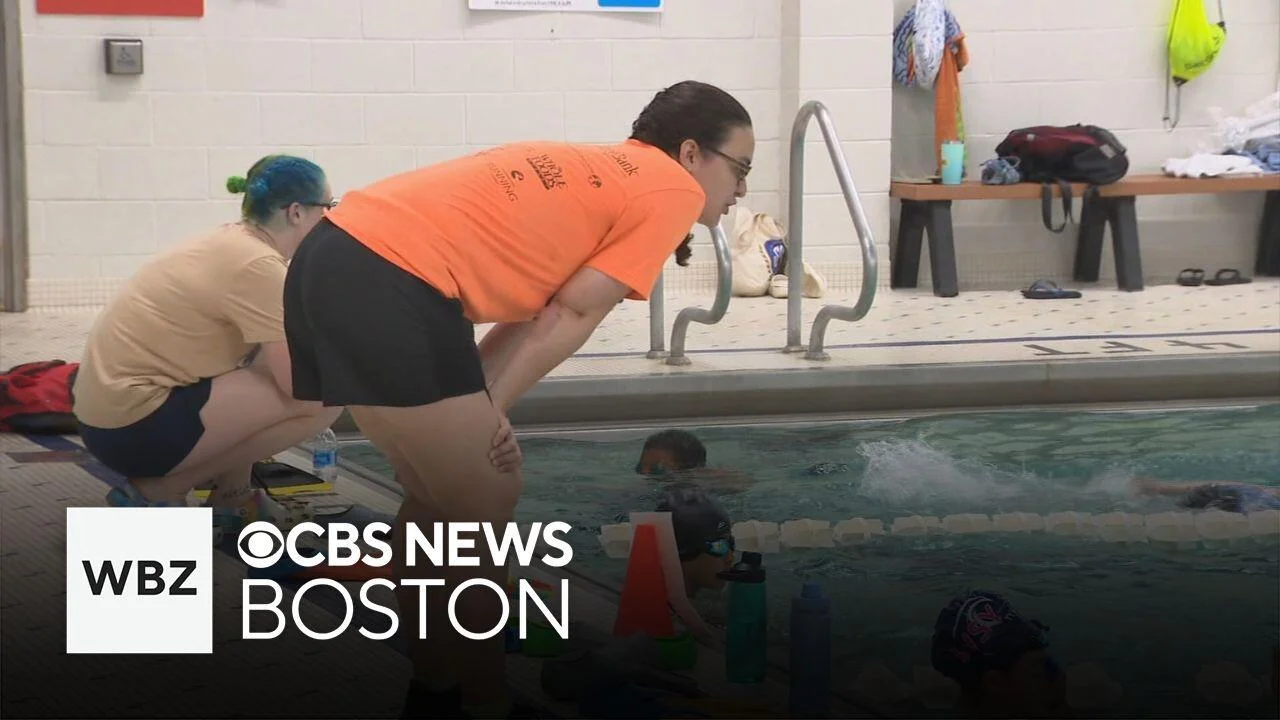
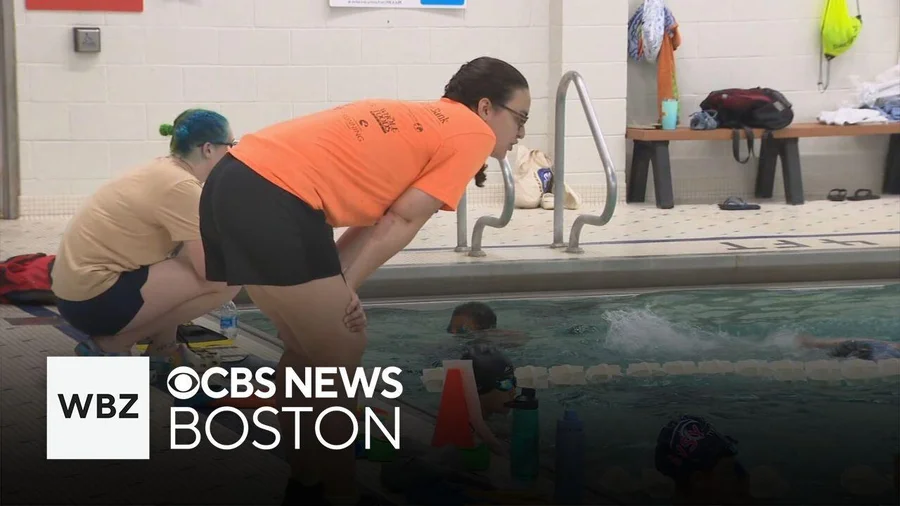
As recounted publicly at the time, the sequence of events was stark in its simplicity and alarming in its implications. A swimmer entered a municipal pool and did not emerge; the pool operators and patrons did not notice. Water that had been allowed to become cloudy obscured the pool bottom. For roughly 48 hours, the body remained unseen beneath the surface while the pool continued to be open to the public. When it was finally discovered, the tragedy reverberated through the town and prompted renewed scrutiny of pool maintenance, lifeguard oversight, and municipal responsibility.
"Cloudy water turned a public place of play into a place where a person’s loss could go invisible."
lifeguard surveillance failure
Why Water Clarity Matters — Beyond Aesthetics
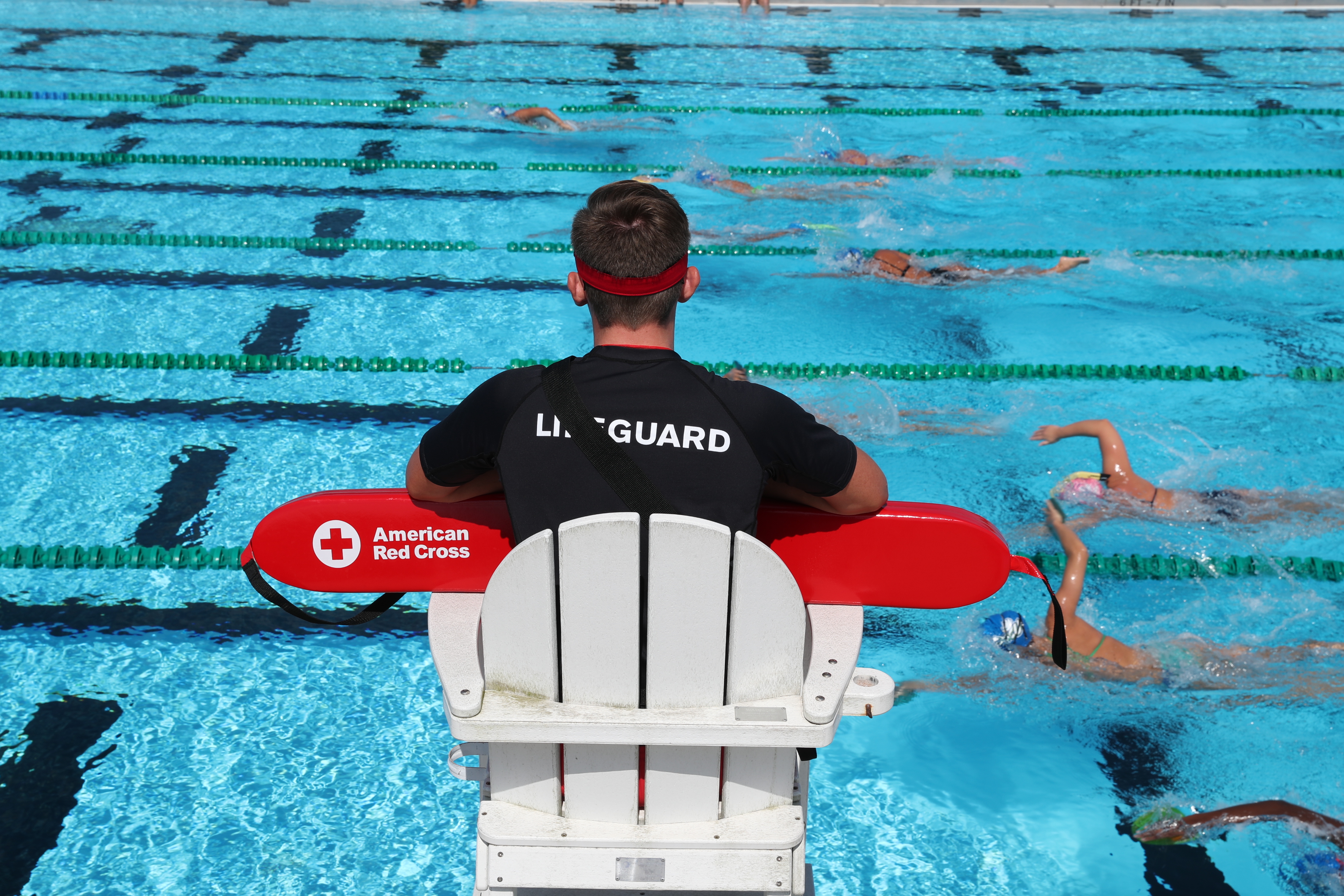
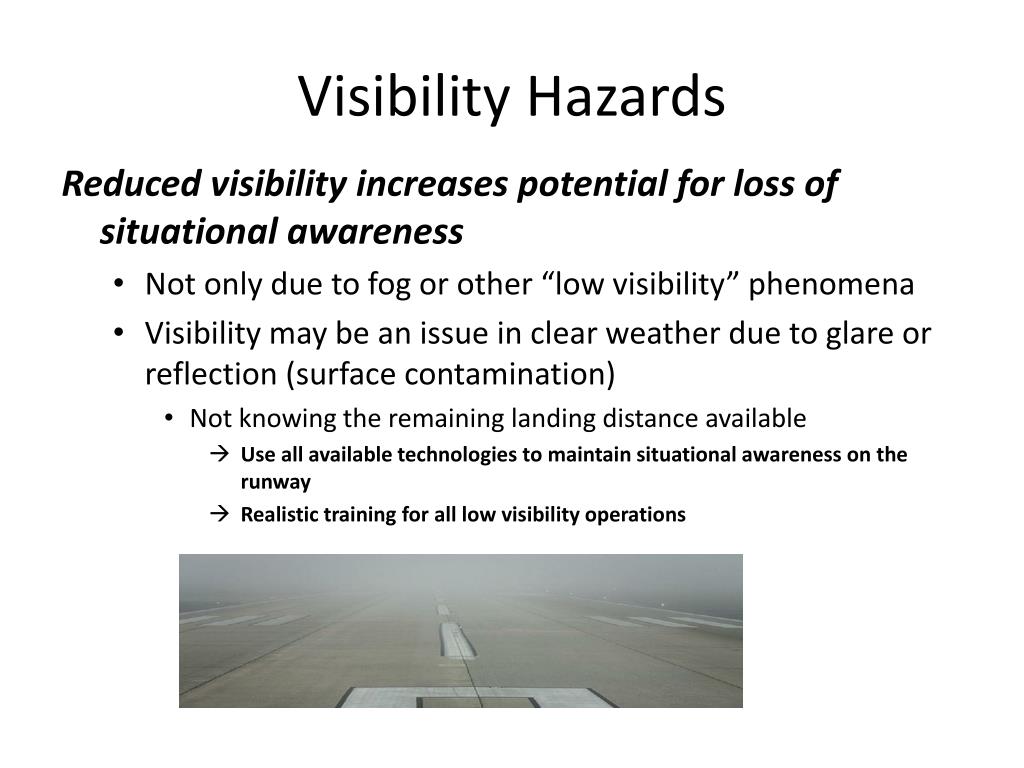
Pool water clarity is not merely a cosmetic concern; it is a critical safety parameter. Lifeguards rely on clear sightlines to detect signs of distress: erratic movement, unusual stillness, or a body floating beneath lanes. When water is turbid—cloudy from particulates, algae, or chemical imbalance—those sightlines are degraded. A lifeguard can only respond to what they can see. Even an impeccably trained guard is handicapped by poor visibility.
turbidity visibility safety hazard
Several technical factors contribute to clarity: particulate load (soil, sunscreen, organic debris), algal growth, inadequate filtration turnover, and chemical imbalances that fail to bind or disinfect organic matter. Each of these factors can be managed with protocols, but when oversight lapses—due to underfunded maintenance budgets, staffing shortages, or lax inspection—cloudiness becomes a hazard rather than a nuisance.
Pool Chemistry and Filtration: The Invisible Engine of Safety
pool filtration system maintenance
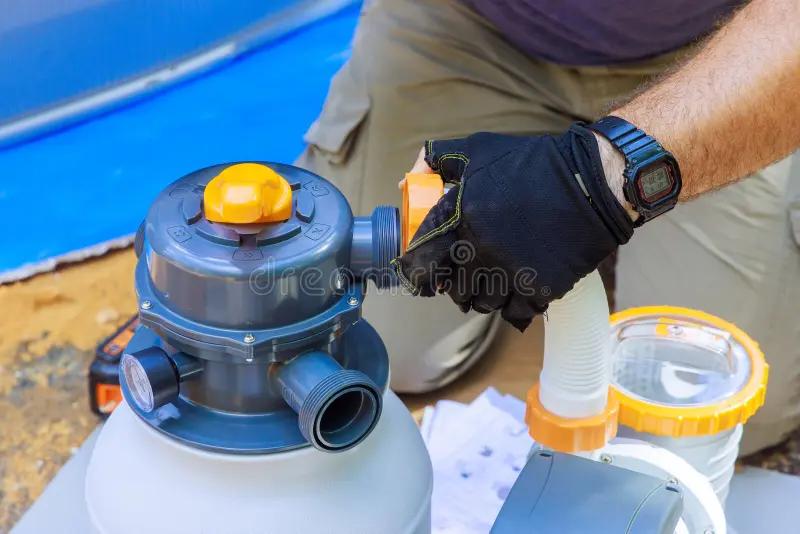
At the heart of a safe pool are two often-overlooked systems: the chemistry that keeps pathogens in check, and the filtration system that physically removes particles. Chlorine and other sanitizers neutralize harmful organisms but do not replace the mechanical removal function of filters. A filter clogged with debris or a pump operating intermittently cannot turn over the pool volume quickly enough to keep water clear.
Turnover rate—the time it takes for all the water in a pool to pass through the filtration system—is a design and operational metric. Municipal pools are expected to meet specific turnover standards; when they do not, cloudiness and contamination accumulate. Regular vacuuming, skimming, backwashing, and testing of chemical levels are the daily tasks that keep a pool safe. Failures in any of these steps, stacked over hours or days, can produce water with visibility too poor to support effective surveillance.

public pool water clarity
Lifeguard Training, Staffing, and Human Limits
Lifeguards are trained to maintain constant scanning patterns, to recognize the signs of drowning—sometimes labeled the "silent" struggle—and to respond quickly. Yet training assumes certain preconditions: adequate number of guards for the bather load, clear water, and uninterrupted attention. When those conditions fail, human limits become visible.
Fatigue, distractions, inadequate staffing, and organizational pressure to keep a facility open despite problems can all erode the guard’s capacity. In crowded pools, the ratio of lifeguards to swimmers matters: higher bather loads require more eyes on the water. Modern aquatic safety guidelines emphasize rotation, breaks, and multiple overlapping sightlines so that no single guard bears total responsibility for a large area for an extended time.
Operational Oversight: How Municipal Systems Can Fail
Public pools are often run by municipalities with limited budgets and competing priorities. Maintenance schedules can be squeezed, inspections delayed, and critical repairs postponed. In many towns, pool maintenance is outsourced or handled by seasonal staff who may lack institutional continuity from year to year. That combination of limited funding and rotating personnel means that institutional memory—what needs to be done, when, and why—can fray.
Accountability mechanisms exist: state and local health departments set standards, require periodic inspections, and can close facilities deemed unsafe. Yet enforcement varies. A single lapse—failure to close a pool for significant cloudiness, skipped chemical testing, or ignored filtration alarms—can create the conditions for the kind of tragedy witnessed in 2011.
underwater body detection
Emergency Response and Detection: Why Some Drownings Go Unnoticed
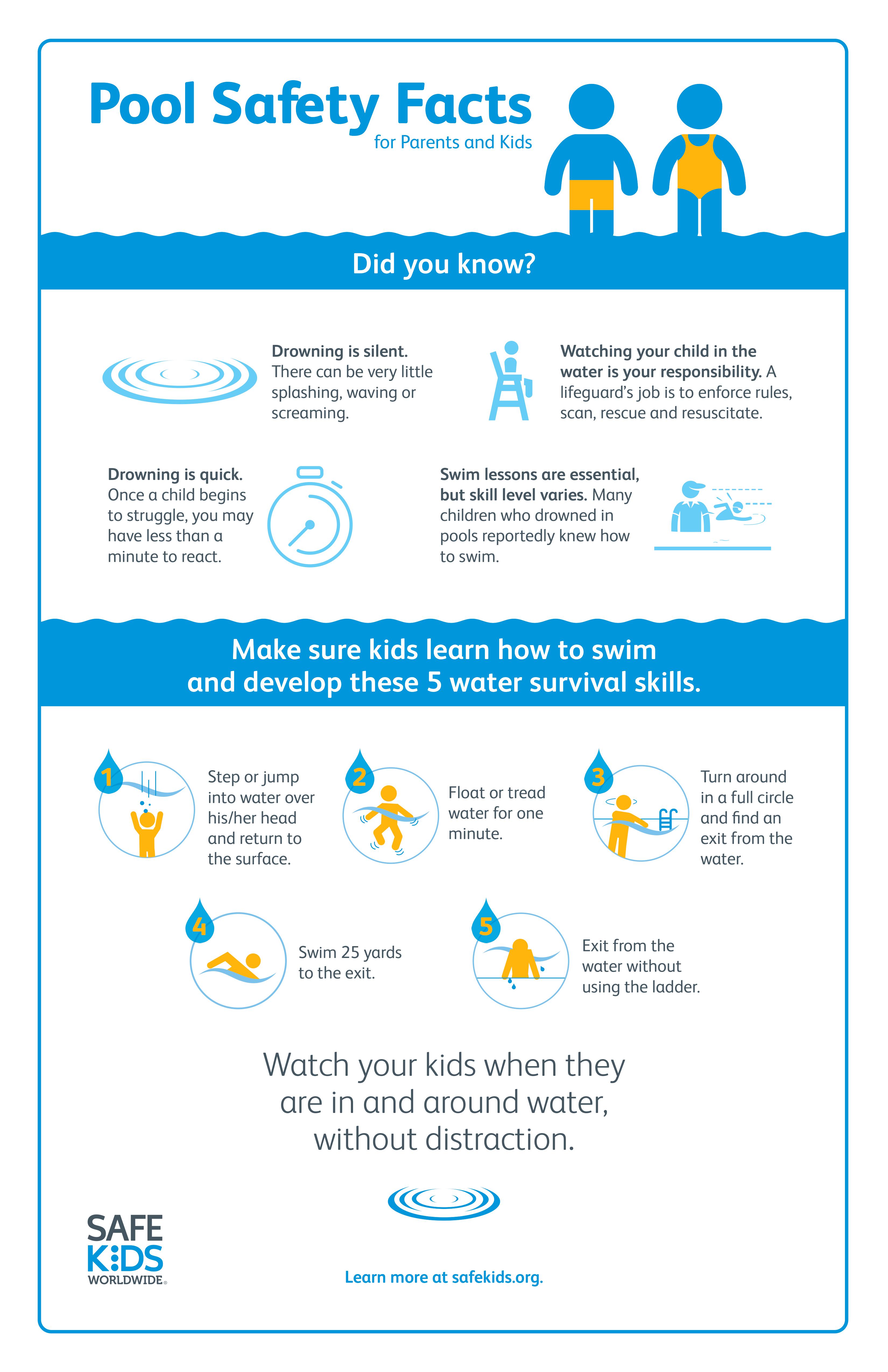
Drowning is frequently quiet. Unlike dramatic portrayals in film, many victims do not flail or call out; they become still. The typical drowning victim is instinctively trying to keep their face above water and will not necessarily shout. Because of this, effective detection depends heavily on visual surveillance and quick recognition.
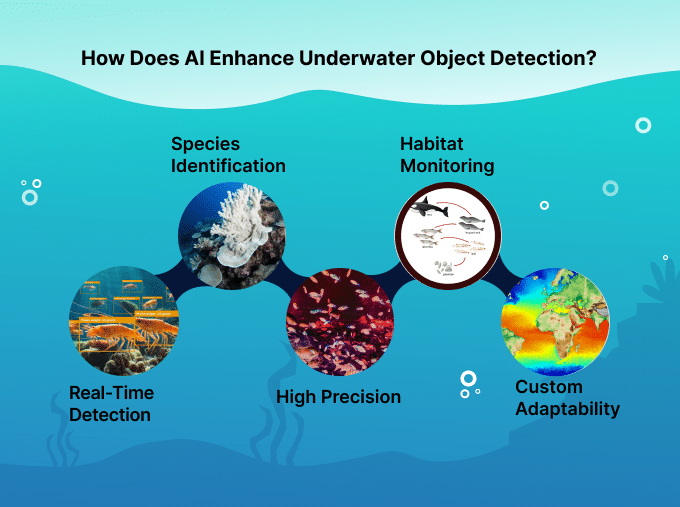
When water is cloudy, detection is almost entirely compromised. Cameras above the water are less effective; in-water cameras are rarely used in public pools. Technology—such as underwater motion sensors or surface-monitoring algorithms—but is not widely adopted by municipal operators, often because of cost, privacy concerns, or limited awareness about their effectiveness.
Public Reaction, Media, and the Pressure to Reform
Incidents that expose a tragic oversight provoke immediate community grief and often a scramble for accountability. Families want answers. Elected officials face pressure to update rules, allocate funds, and show responsiveness. Media coverage can amplify the problem, spurring inspections and reforms that might otherwise move slowly. That public attention has been responsible for improvements in some places: stricter inspection regimes, mandated lifeguard-to-bather ratios, and investment in new filtration equipment.
But reform is rarely instantaneous or comprehensive. Municipal budgets are finite, and competing emergencies—storm damage, road repairs, school funding—pull at the same coffers. Without sustained advocacy, a tragic event can briefly shimmer in the public eye and then fade without systemic improvement.
municipal oversight pool safety
What Swimmers and Parents Can Do Right Now
Given that municipal reform takes time, there are immediate, actionable steps swimmers and caregivers can take to reduce risk. Awareness and active participation in pool safety are powerful.
- Observe Water Clarity: If a pool is visibly cloudy, ask staff if the facility has been tested or consider leaving until clarity is restored.
- Ask About Staffing: Check how many lifeguards are on duty and where they are posted. If a large pool has only one lifeguard visible, voice your concern to management.
- Keep Children Close: Young swimmers should never be left unattended, even in lifeguarded pools. Floaties and toys are not substitutes for supervision.
- Learn Rescue Skills: Simple first aid and CPR training dramatically improve outcomes. Community centers and health departments often offer low-cost classes.
- Report Issues: If you notice foul odors, visible algae, or continuous cloudiness, report it to pool staff and, if necessary, to the local health department.
Policy Options: How Towns Can Prevent Repeats
Prevention at the municipal level has several components: stronger regulatory requirements, transparent inspection reporting, dedicated maintenance budgets, and modernized equipment. Specific policy steps include mandatory closure thresholds for turbidity, required documentation of turnover rates and filter maintenance, unannounced inspections, and minimum staffing standards tied to bather load rather than arbitrary headcounts.
Technology offers additional layers: automated chemical monitoring and filtration alarms can alert staff before conditions become hazardous. Underwater monitoring systems and periodic use of robotic cleaners can keep bottoms clear. Importantly, policies should require public posting of inspection results and rapid communication to patrons when issues arise.
Balancing Privacy, Cost, and Safety
Solutions are rarely free. Installing sensors, upgrading filtration, and hiring more qualified lifeguards cost money and political capital. There are also privacy concerns around constant video monitoring of public pools, particularly where minors are present. Effective policy balances these concerns: privacy can be preserved by using analytic-only systems that detect anomalies without storing identifying footage, and costs can be staggered through phased investments or grant programs focused on public health and safety.
The Human Side: Accountability and Healing
When a preventable death occurs, the conversation inevitably includes accountability: who knew what, when, and why action was not taken. Families seek transparency. Municipalities must be willing to own mistakes, to publish after-action reports, and to commit to changes that prevent recurrence. Healing in a community follows when truth telling is paired with concrete steps toward prevention.
"Because we swim in public pools, we have a collective responsibility to make sure they are as safe as they are welcoming."
Key Lessons and Practical Takeaways
- Water clarity is a safety metric, not merely an aesthetic one.
- Good filtration and chemistry are critical and require routine attention.
- Effective lifeguarding relies on visibility, staffing, and rotation.
- Swimmers and parents should be proactive: observe, ask, and learn basic rescue skills.
- Municipal commitment—budgetary and policy—is necessary to prevent similar tragedies.
Conclusion: Seeing the Unseen
The 2011 Massachusetts incident remains a stark illustration of how a simple variable—cloudy water—can magnify other institutional shortcomings into a preventable tragedy. The lesson is not just technical; it is moral. Public pools are shared spaces where the public places trust in operators and regulators. That trust must be earned with clear water, trained lifeguards, transparent oversight, and a commitment to safety that extends beyond the convenience of staying open on a busy weekend.
Change will require money, attention, and civic will. It will also require the public to remain engaged, to ask about what they cannot see, and to insist that those in charge treat clarity as a matter of life and death rather than an aesthetic afterthought. In the meantime, each swimmer and parent can act: watch the water, ask the right questions, and learn the skills that can transform a bystander into a lifesaver.
Closing Thought
Tragedies like the one reported in 2011 force us to confront the uncomfortable fact that in shared public environments, safety depends on systems as much as people. When those systems fail, visibility—literal and figurative—must be restored. The cost of doing so is small compared with the cost of letting another life become invisible beneath the surface.