Latest Articles
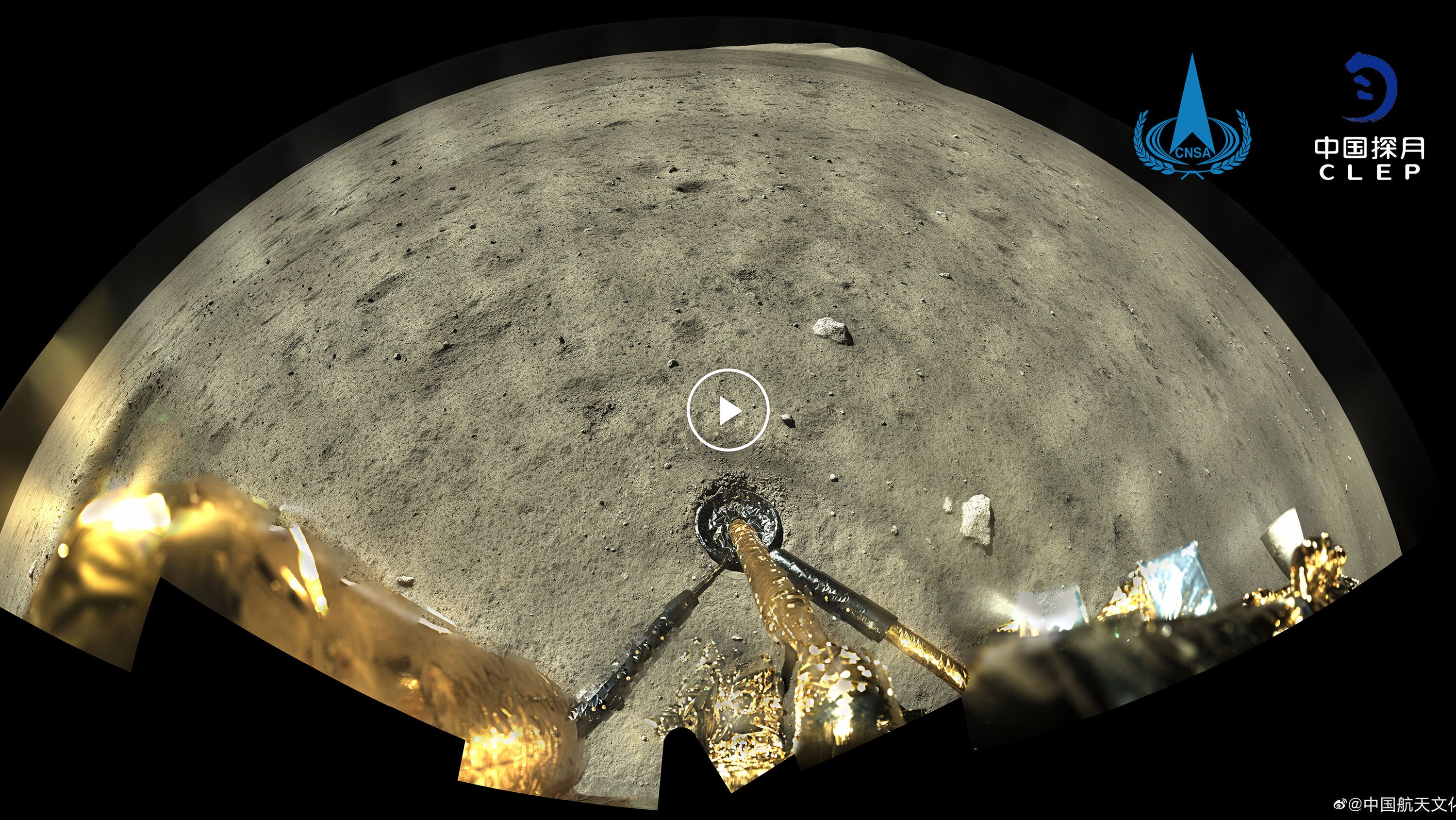
Moon Landings Could Erase Clues to Earth's Origins
Returning humans to the Moon threatens to disturb and contaminate lunar deposits that may hold chemical records of Earth's earliest environment. Protecting those pristine archives will require policy, engineering and international cooperation before boots touch the regolith again.
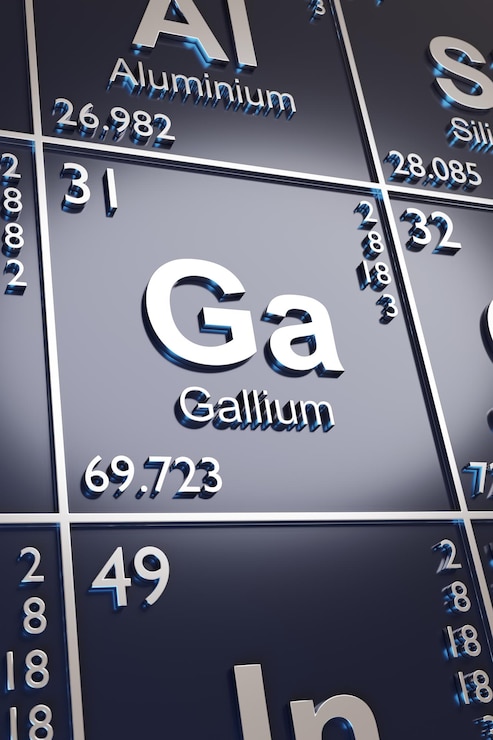
Scientists Solve 150-Year Gallium Mystery
After more than a century of puzzlement, researchers have uncovered why gallium behaves so strangely—its unusual bonding and liquid structure explain its low melting point and surprising properties, with broad implications for electronics, soft robotics, and materials design.
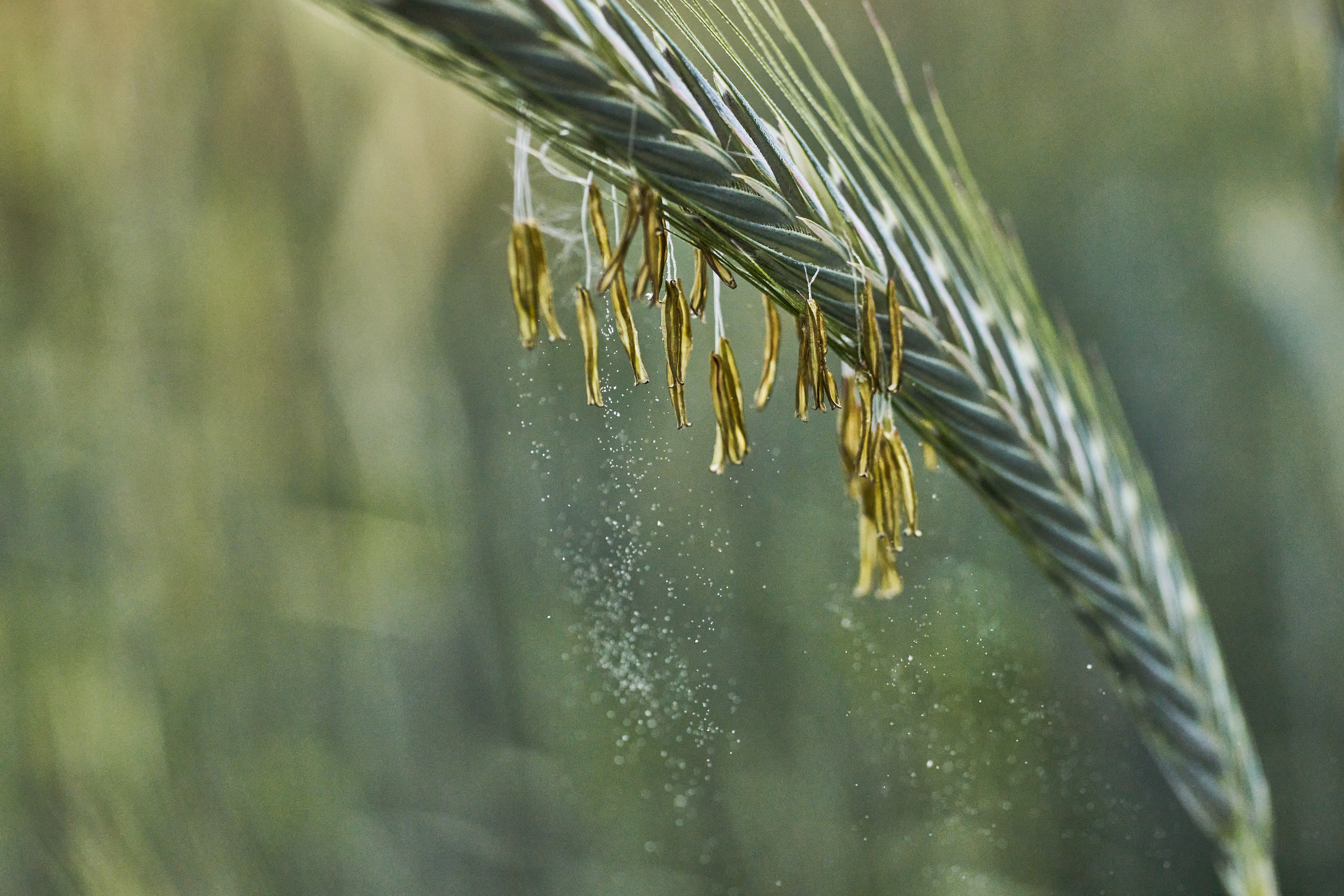
Rye Pollen Breakthrough: 30-Year Mystery Unlocks Cancer Clues
A decades-old puzzle about rye pollen composition has been solved, revealing molecular structures and immune interactions that may be repurposed for cancer diagnostics, vaccine platforms, and targeted drug delivery.
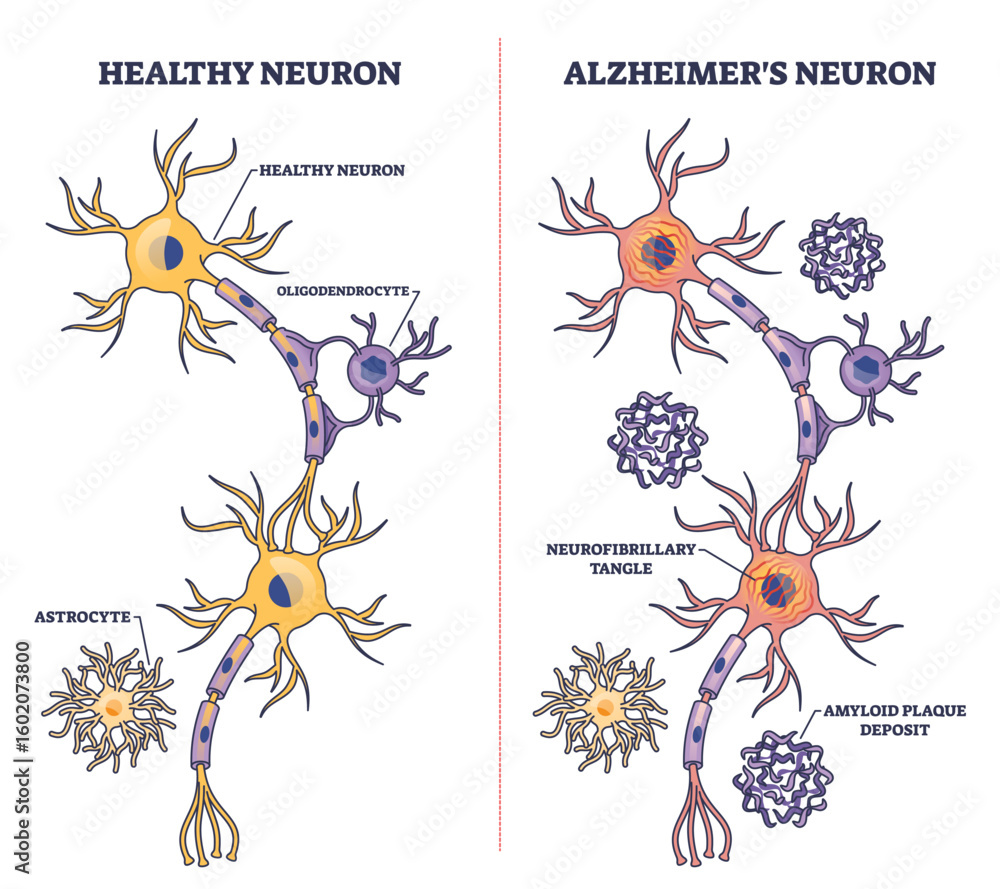
New Clues: How Alzheimer's Destroys Neurons
Researchers appear to have pieced together a clearer chain of events linking protein misfolding, immune activation in the brain, and a programmed form of cell death—reshaping how we think about treatments for Alzheimer's disease.
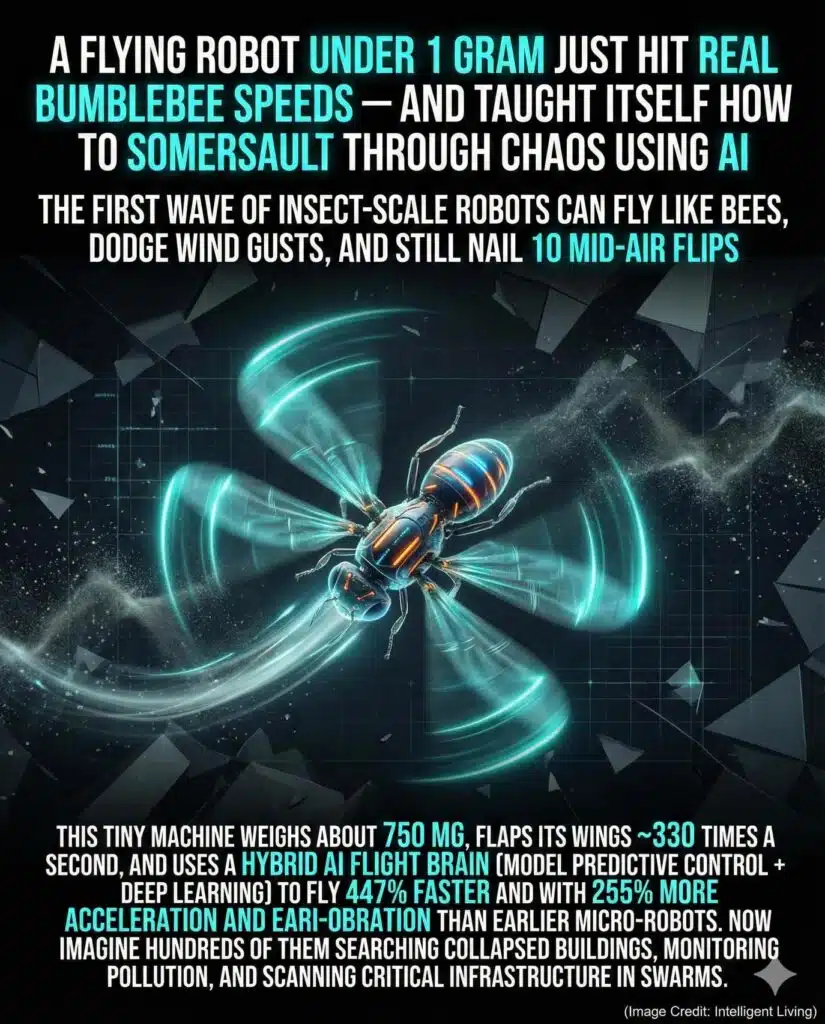
Bumblebees Solve Classic Intelligence Test — Scientists Stunned
A new set of experiments shows bumblebees performing unexpectedly complex problem-solving on a classic cognition task, forcing researchers to rethink the boundaries of animal intelligence and its relevance to robotics, ecology, and conservation.
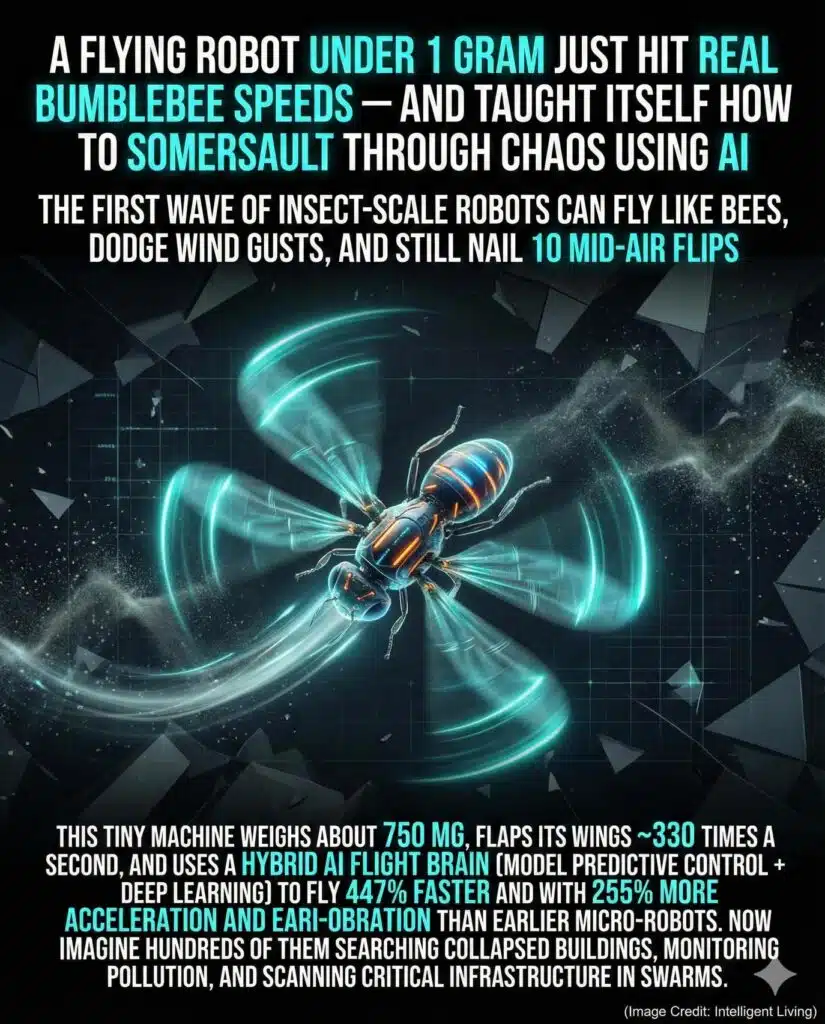
Bumblebees Solve Classic Intelligence Test — Surprising Results
In a striking series of experiments, bumblebees successfully solved a classic animal cognition test previously used for birds and mammals, challenging assumptions about the links between brain size and problem-solving. The findings reshape our understanding of insect intelligence and open new directions for research, robotics, and conservation.