
Rye Pollen Breakthrough: 30-Year Mystery Unlocks Cancer Clues
For more than three decades, a stubborn scientific question lingered at the intersection of botany and biochemistry: what makes the outer shell of rye pollen so chemically unique and biologically provocative? That question was more than academic. Pollen grains are tiny armored capsules—elegant, resilient, and surprisingly interactive with animal immune systems—and the rye variety held particular biochemical secrets that repeatedly foiled conventional analysis. Now, researchers report a decisive answer to that riddle. The discovery not only closes a chapter in plant science but opens an unexpected door for cancer research, suggesting new ways to stimulate immune responses, deliver drugs and design biomaterials that work with the body rather than against it.
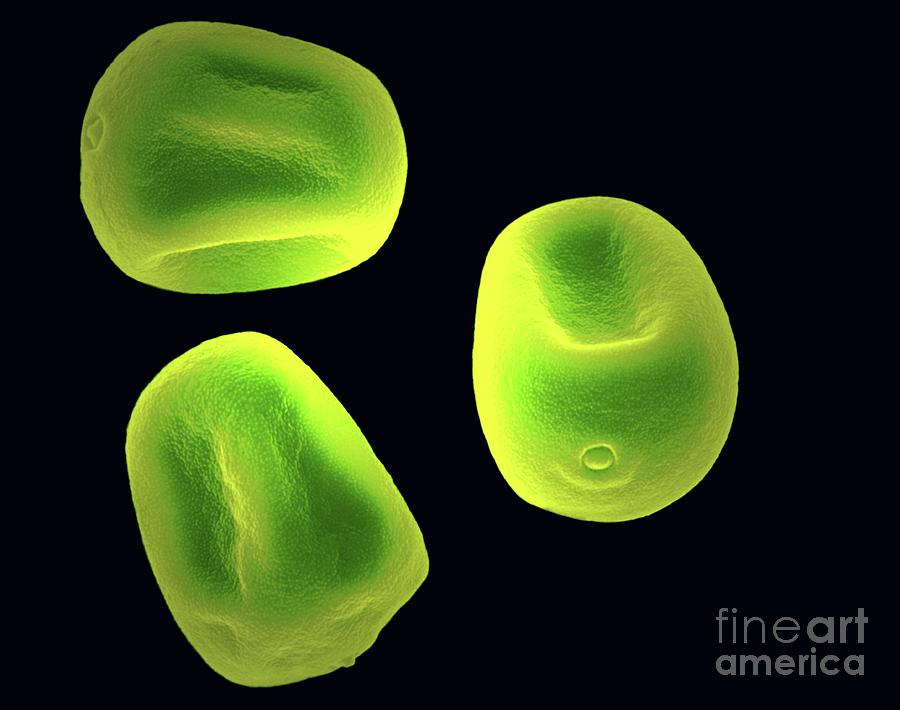
rye pollen grain microscope
THE MYSTERY: WHY RYE POLLEN MATTERED
Rye pollen has been studied by allergists, botanists and materials scientists alike because of its unusual combination of toughness and bioactivity. Under a light microscope a single pollen grain appears as a tiny, sculpted capsule; under chemical analysis it behaved like a black box. Standard solvents and degradative enzymes could not fully break it down. Its outer layer—called the exine—resisted characterization for decades, and the identity of the cross-linking chemistry that made it nearly indestructible remained contested.
Why scientists cared
Scientists persisted because the payoff promised to be more than botanical curiosity. The exine's durability hinted at a robust natural polymer that could inspire new synthetic materials. Allergenicity studies hinted that certain pollen molecules modulate human immune responses—sometimes provoking allergic disease, sometimes provoking a more complex innate-immune activation. And a growing body of research had repurposed emptied pollen shells as microcapsules for drug delivery because of their natural resilience and uniform microarchitecture. But until now, engineers had to treat pollen as a black-box scaffold without precise molecular control.
Understanding the chemistry of a plant's pollen is now rewriting how engineers think about immune-compatible delivery systems for cancer.
HOW THE PUZZLE WAS SOLVED
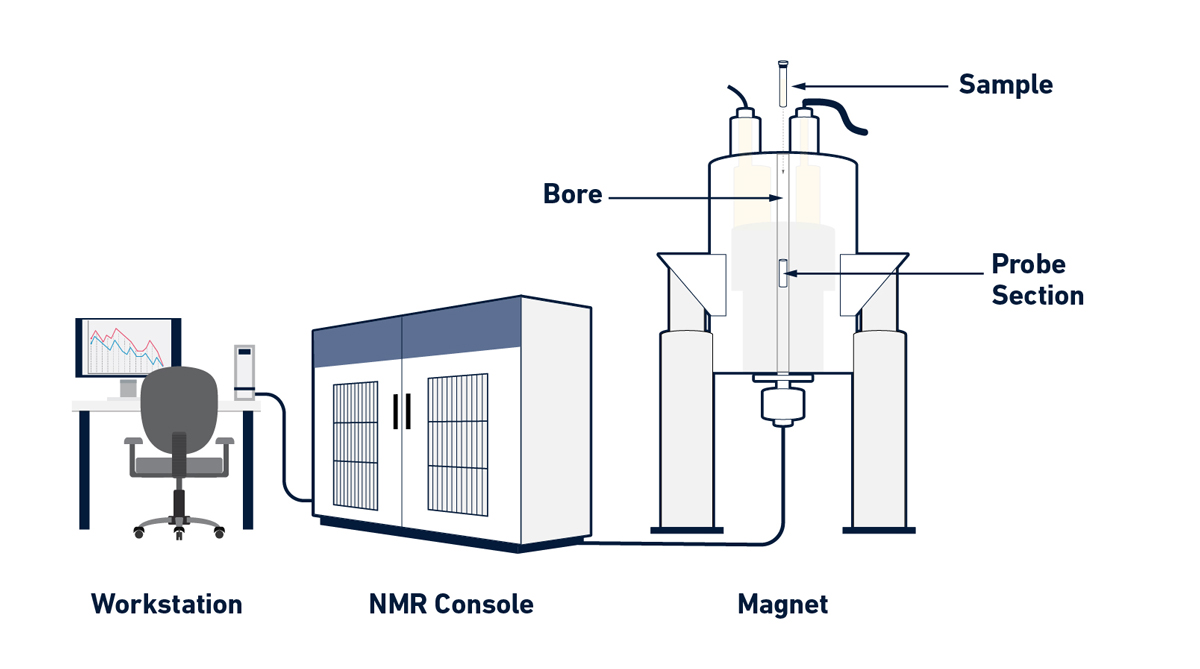
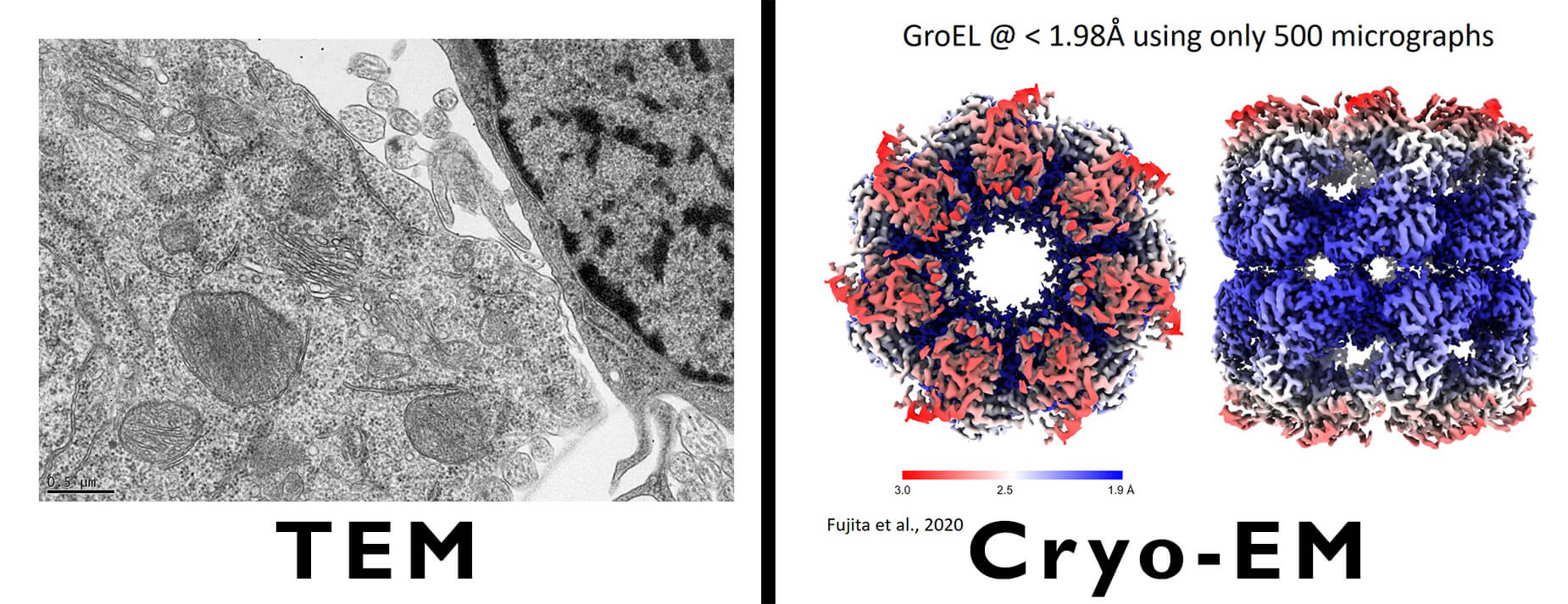
Solving a 30-year problem required putting decades of techniques together and applying new high-resolution tools that have matured only in the past 10 years. The team combined advanced solid-state nuclear magnetic resonance (NMR), high-resolution mass spectrometry, cryo-electron microscopy (cryo-EM) and tailored chemical degradation experiments. Each method contributed a piece of the puzzle: NMR revealed carbon frameworks and crosslink signatures, mass spectrometry identified specific monomers and small molecules, cryo-EM provided nanoscale structural context, and selective chemical breakdowns traced how building blocks were connected.
solid-state NMR spectroscopy
Key methodological leaps
Rather than relying on any single technique, researchers used a layered approach:
- Non-destructive spectroscopy (solid-state NMR) to map the stable carbon and heteroatom environments in situ.
- Targeted fragmentation followed by ultra-sensitive mass spectrometry to pull out trace monomers without obliterating the polymer network.
- Cryo-EM and electron tomography to visualize exine architecture and correlate chemical data with physical microstructure.
- Computational chemistry to model candidate cross-link motifs and predict spectroscopic signatures that were then matched to experimental data.
cryo-EM pollen microscopy
That combination allowed the team to move beyond the long-standing general label “sporopollenin” (the umbrella term for the exine polymer) and to resolve the distinct molecular substructures and cross-link motifs that give rye pollen its character.
WHAT WAS FOUND: A STRUCTURE THAT IS BOTH SIMPLE AND SLY
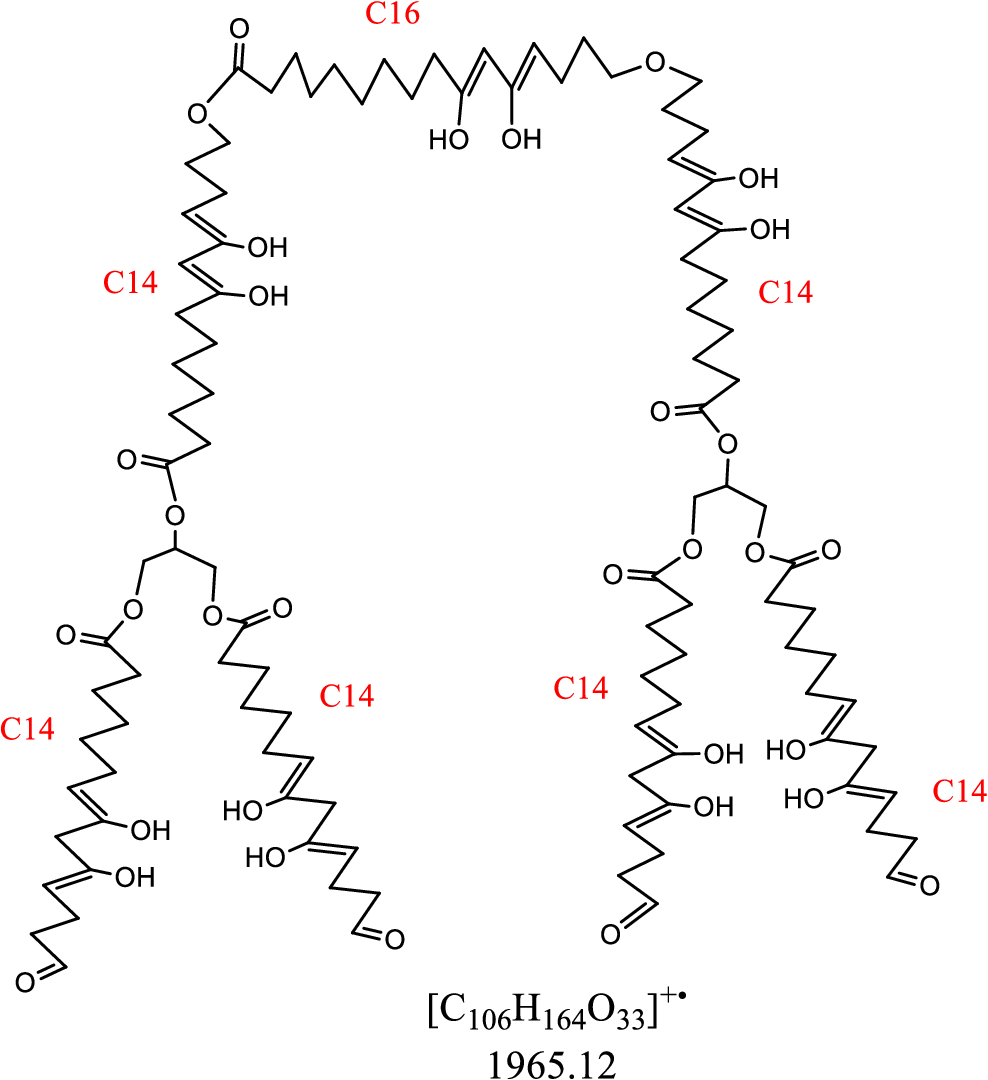
At first glance, sporopollenin seems like a single-body guard: a chemically inert shell protecting the gamete inside. The new work shows it is simultaneously a composite material with modular chemistry: aromatic phenolic units, long-chain aliphatic segments, and small but critical nitrogen- and oxygen-containing linkers. These ingredients are not randomly mixed; they are connected by robust yet biologically informed cross-links that create a three-dimensional scaffold. Importantly, the researchers pinpointed several small, reactive motifs—peptide-like moieties and oxidized lipids—embedded in the network. These motifs can interact with animal immune receptors when exposed, offering a molecular explanation for pollen’s surprising ability to modulate immune responses.
sporopollenin chemical structure
The implications of the molecular map
Two features explain why the discovery matters for medicine. First, the chemical map makes it possible to reproduce or mimic the exine’s mechanical and chemical resilience in synthetic polymers while controlling the presence or absence of immune-activating motifs. Second, identifying the embedded bioactive motifs explains how pollen surfaces can act as natural adjuvants—agents that enhance immune responses—giving scientists a template to design targeted adjuvants for cancer vaccines.
WHY CANCER RESEARCH TAKES NOTICE
Cancer immunotherapy has transformed oncology by teaching the immune system to recognize and attack tumors, but the field still faces two big problems: 1) how to stimulate a strong, durable immune response to the right tumor antigens, and 2) how to deliver drugs into tumors without provoking harmful off-target responses. The rye pollen breakthrough speaks directly to both problems.
Natural adjuvants and antigen display
Vaccines succeed when they present an antigen alongside the right danger signals that tell immune cells the antigen is worth attacking. The newly identified reactive motifs in rye pollen act like natural danger signals: when an antigen is attached to or encapsulated within a processed pollen shell, those motifs help recruit innate immune cells and shape a robust adaptive response. In practical terms, engineered pollen shells—or synthetic polymers inspired by them—could serve as dual-purpose platforms that carry tumor antigens while providing a built-in adjuvant effect.
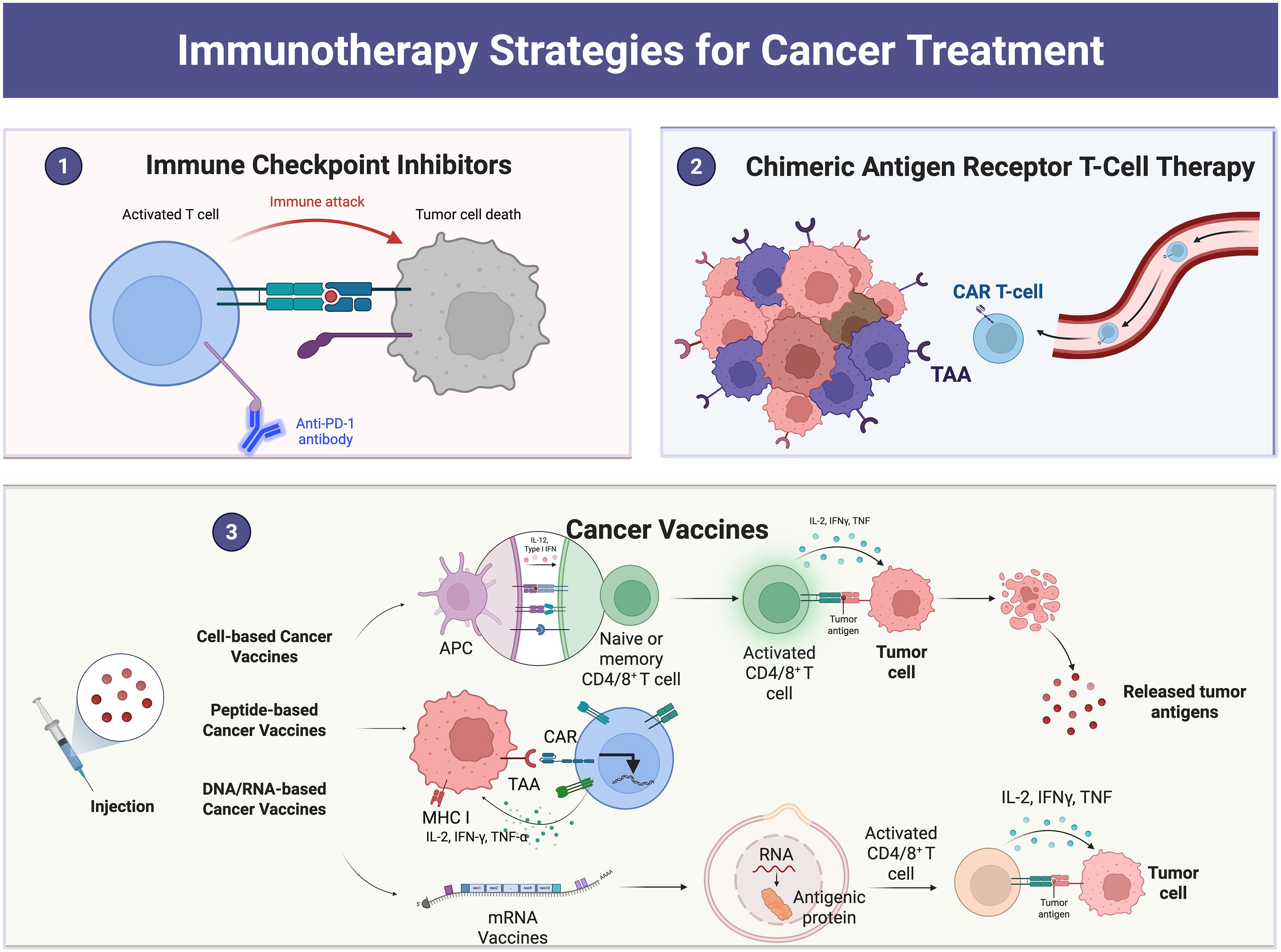
cancer immunotherapy vaccines
Microcapsules and targeted delivery
Empty pollen shells have long been explored as microcapsules because of their uniform size and tough exterior. Knowing the precise chemistry of the shell now allows materials scientists to modify surface chemistry to improve drug loading, control release kinetics, and add targeting ligands that hone in on tumor environments. Imagine a chemo payload sheltered inside a pollen-derived capsule that releases its cargo only after tumor-specific cues or once phagocytic immune cells shuttle it into a tumor—this is now more feasible with molecular-level control.
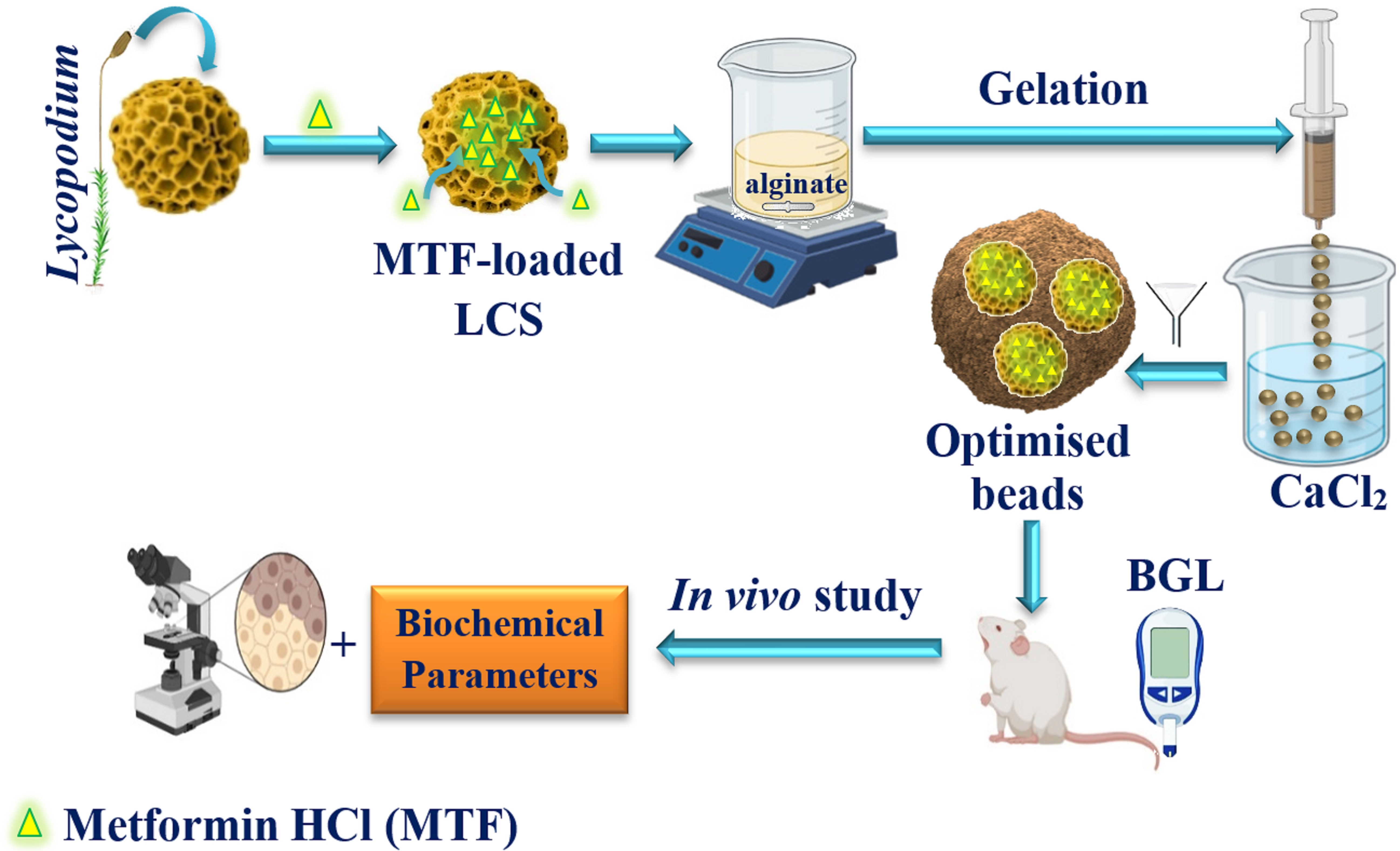
pollen microcapsules drug delivery
Did You Know? Natural pollen shells are already used experimentally as protective microcapsules for food and drug molecules; accurate chemical maps make that technology far more tunable and safer.
POTENTIAL APPLICATIONS: FROM LAB BENCH TO BEDSIDE
Translating the discovery into clinical tools will take time, but the potential pathways are clear and diverse.
Cancer vaccine platforms
Designers can use pollen-inspired scaffolds to co-deliver tumor antigens with tailored danger motifs that favor cytotoxic T cell responses—precisely the type of immunity associated with tumor clearance. Unlike some synthetic adjuvants that provoke generalized inflammation, a pollen-inspired system could be engineered to bias the immune response in favorable directions.
Targeted drug delivery and microcarrier systems
By tuning the exine-like chemistry, engineers can embed linkers that respond to tumor microenvironmental triggers—acidic pH, enzymes enriched in tumors, or redox conditions—so payloads release specifically in cancerous tissue. Pollen-derived microcarriers also offer appealing manufacturing advantages: they are monodisperse (uniform in size), robust to storage, and amenable to surface functionalization.
Diagnostic and biomarker roles
Because certain exine motifs interact predictably with immune sensors, modified pollen-derived particles might be used to probe immune function or to serve as adjuvant probes that reveal the immune competence of a patient—information valuable when deciding whether a patient is likely to respond to immunotherapy.
- Natural resilience and uniformity of pollen shells.
- Built-in biochemical motifs that can modulate immunity.
- Potential for biodegradable, biocompatible carriers.
- Risk of allergic reactions if not fully engineered away.
- Regulatory hurdles for biologically derived materials.
- Scale-up and standardization challenges for clinical production.
RISKS, SAFETY AND ETHICAL CONSIDERATIONS
Every promising technology carries risks. Pollen is a known allergen for many individuals, and any medical product derived from pollen chemistry must be rigorously detoxified or redesigned to remove IgE-binding epitopes. The discovery reduces that risk by identifying which molecular motifs cause immune activation versus those that are allergenic, but careful preclinical testing will be essential.
Beyond allergenicity, questions about environmental sourcing, biodiversity and manufacturing transparency will arise if pollen-derived materials scale. Ethical sourcing, standardized processing, and strict quality control are indispensable to avoid unintended ecological consequences or variability in clinical batches.
Caution Early-stage excitement should not be mistaken for immediate clinical readiness. The path from molecular discovery to Food and Drug Administration–approved medical product requires years of safety and efficacy testing.
NEXT STEPS: FROM DISCOVERY TO TRANSLATION
Researchers are likely to follow three parallel tracks: 1) basic biology to extend the chemical map to other pollen types and to understand evolutionary diversity; 2) materials science to build synthetic analogs and hybrid systems that retain beneficial motifs while shedding allergenic ones; and 3) translational studies to test adjuvanticity, delivery efficiency and safety in preclinical cancer models.
Early-stage collaborations between botanists, immunologists, polymer chemists and oncologists will be crucial. Industry partners that specialize in drug delivery and vaccine manufacturing can accelerate scale-up once the safety profile is established.
Pro Tip Combining synthetic polymer backbones with small, well-defined natural motifs offers a fast path to reproducible materials that blend the best of biology and engineering.
CONCLUSION: A SMALL GRAIN, A BIG OPPORTUNITY
The resolution of a 30-year mystery about rye pollen chemistry is a textbook example of how curiosity-driven research can yield unexpected translational value. What began as an effort to explain why a plant structure is so durable has become a blueprint for next-generation immune-engineering tools. If the early promise holds, pollen-inspired platforms could enrich the toolkit of cancer immunotherapy—helping to deliver drugs more safely, present antigens more effectively, and design adjuvants more precisely.
As always, the road from discovery to patient benefit is neither short nor guaranteed. But this milestone reframes pollen not as an irritant to be avoided but as a source of design intelligence: tiny, hard-won lessons in chemistry that may reshape how clinicians and engineers approach one of the biggest challenges in medicine.
- Scientists have mapped the complex chemical structure of rye pollen exine, revealing aromatic and aliphatic components plus embedded bioactive motifs.
- The molecular map enables design of pollen-inspired materials that combine mechanical resilience with immune-modulating capacity.
- Potential applications include cancer vaccines, targeted drug microcarriers, and diagnostic probes—but allergy risk and regulatory hurdles must be addressed.
FURTHER READING — WHAT TO WATCH
Watch for the first preclinical papers testing pollen-inspired adjuvants in tumor models, reports that detail scaled manufacturing processes for pollen-derived microcapsules, and early-phase clinical trials focused on safety and immunogenicity. Each step will test whether the promise of this botanical revelation can be translated into safe, effective cancer tools.
Scientists solved a long-standing chemical puzzle in rye pollen; the result may seed a new class of cancer therapies and materials.