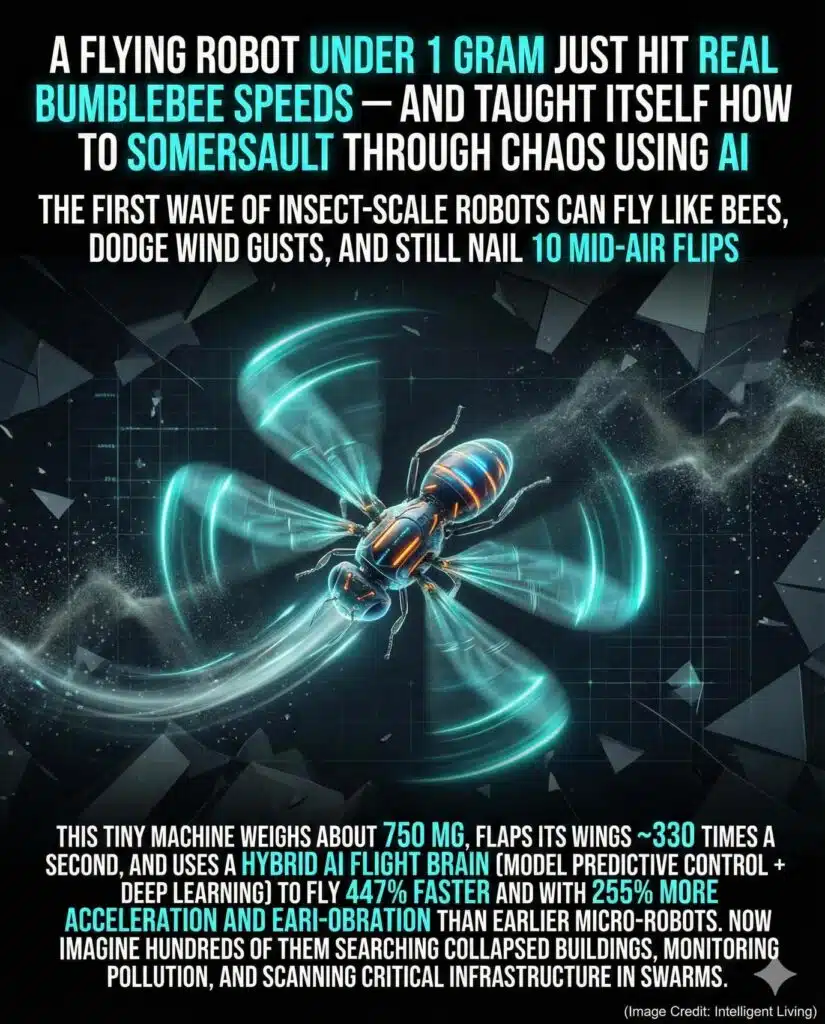
Bumblebees Solve Classic Intelligence Test — Scientists Stunned
When researchers presented a classic intelligence puzzle long used with mammals and birds, they expected the usual — hesitation, learned associations, slow trial-and-error. What happened instead was fast, flexible problem solving by insects with brains the size of sesame seeds. Bumblebees not only solved the task; they did so in ways that suggest surprising cognitive depth, forcing a rethink of how intelligence is distributed across the tree of life.
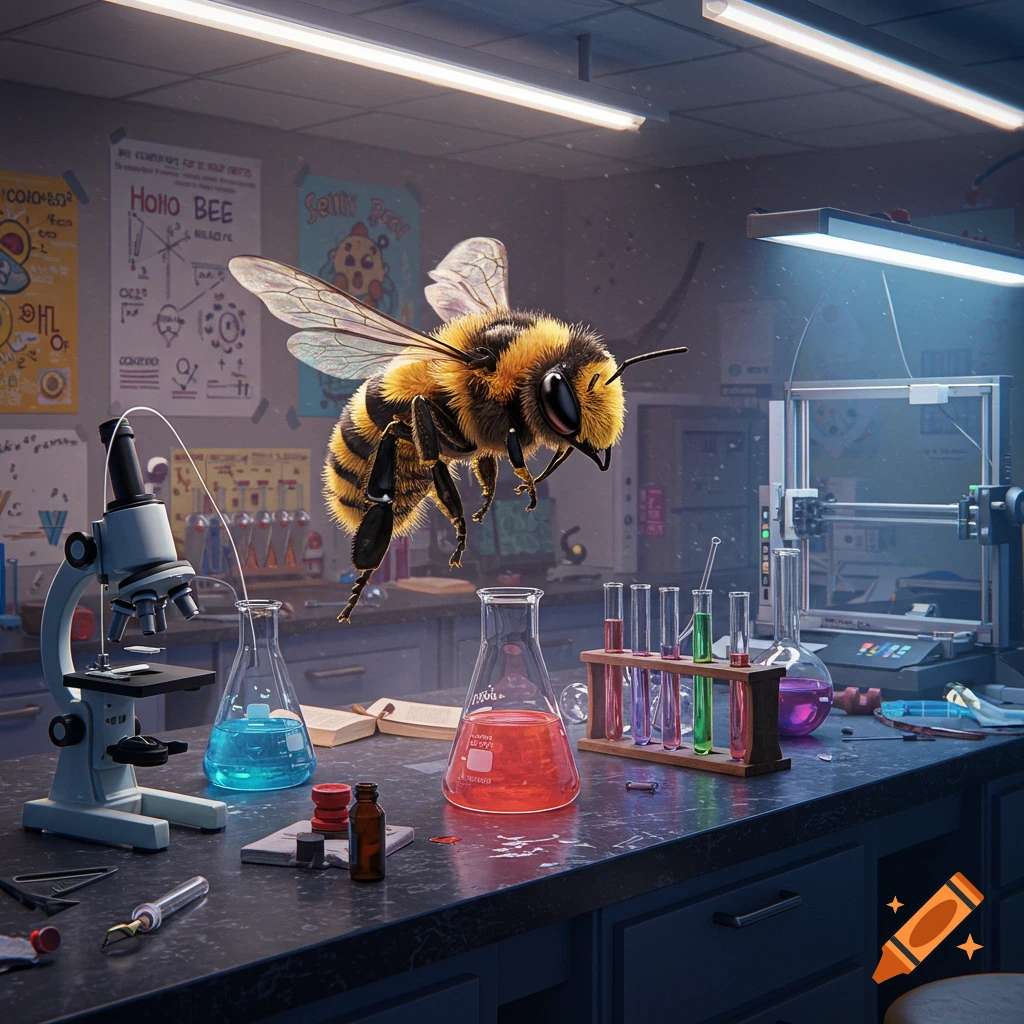
bumblebee in laboratory
"Tiny nervous systems, big surprises: bumblebees are rewriting what we thought intelligence looks like."
A striking experiment
In a laboratory setting designed to strip away scent cues and minimize obvious reward patterns, bumblebees were offered a task that requires identifying and choosing the odd item out among a set — a type of 'oddity' problem that has been a staple for testing abstraction, categorization, and flexible attention in primates and corvids. Subjects were rewarded when they picked the correct odd object; rewards were withheld for incorrect choices. Over a short series of trials, many bees learned to choose the odd item reliably, generalizing the rule to new shapes, colors and textures they had never encountered before.
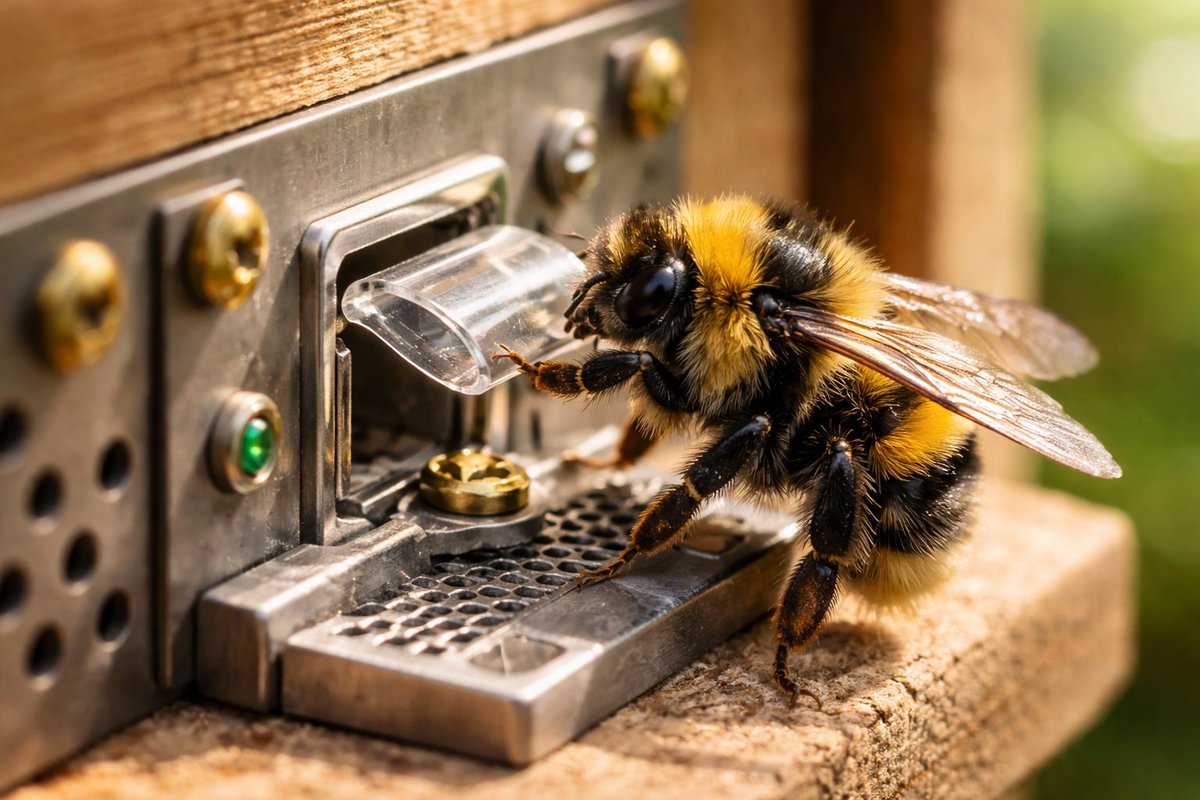
bee cognition experiment setup
Why this matters
Scientists have traditionally associated abstract reasoning and concept learning with larger-brained vertebrates. Invertebrates, especially insects, were often characterized as operating on hard-wired rules or simple associative learning. The bumblebees' success complicates that picture: they demonstrated not just rote association but transfer of a rule — picking the item that differed from others — across novel stimuli. That hints at a capacity for abstraction and pattern recognition more sophisticated than previously recognized.
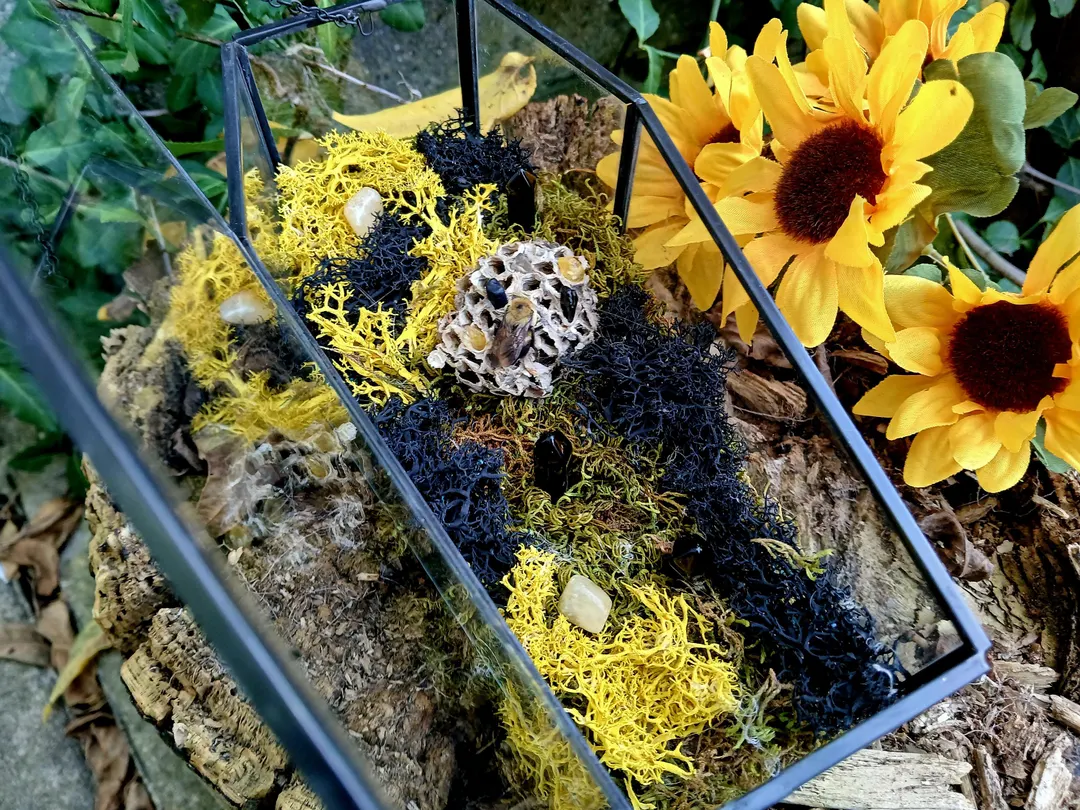
bumblebee oddity task
Not just mimicry — evidence for abstraction
Critically, experimenters controlled for low-level cues. When color, scent, and position cues were randomized and the reward contingency altered mid-series, many bees adapted without prolonged relearning. That adaptation suggests the bees were not merely memorizing particular rewarded stimuli but were applying a more general strategy — recognizing an odd-one-out relationship. This kind of rule-based flexibility is one of the hallmarks researchers use to argue for concept learning.
How bumblebee cognition works
Sensory strengths and neural economy
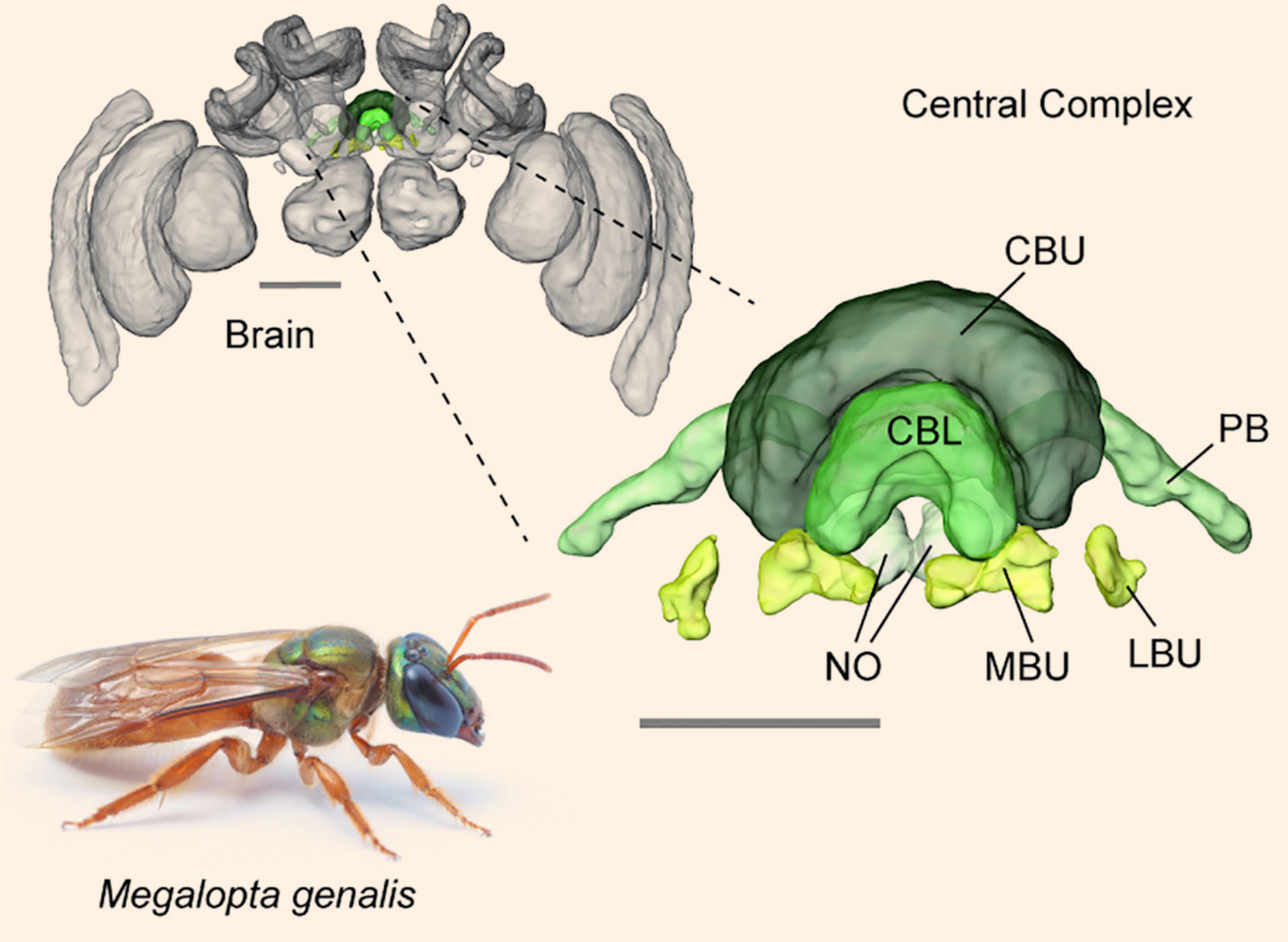
Bumblebees combine excellent visual processing, fast learning, and a behavioral repertoire tuned to foraging demands. Their compound eyes, motion detection systems, and color perception are optimized to discriminate flowers and navigate cluttered environments. But what appears particularly important in these experiments is the bees' ability to compress sensory input into actionable rules — a kind of neural economy where small circuits produce general solutions rather than storing massive stimulus-response maps.
bee brain neurons microscope
Memory and decision-making
Memory in bees is modular: short-term working traces guide immediate choices while longer-term associative memories inform expectations. In the oddity task, bees seemed to form a short-lived representation of the array's common feature and then select the item that deviated from that template. The process resembles a rapid comparison algorithm more than a long chain of learned pairings.
Social and ecological drivers
Evolutionary pressures of foraging — finding rare but high-value flowers among many similar ones, tracking shifting patches, and avoiding predators — likely favored cognitive architectures that support flexible discrimination. In other words, natural selection may have produced small but powerful algorithms in bee brains that generalize well when faced with novel problems.
How the experiment was designed
Controls and variables
To test for abstraction rather than cue learning, experimenters implemented several layers of control. Rewards were made consistent only with the oddity choice, odors were masked, shapes and colors were counterbalanced across trials, and test trials included previously unseen stimuli. Additionally, some bees were given transfer tests in which the entire stimulus set was changed but the odd-one-out rule held; success in these tests was the clearest evidence for generalization.
Training protocols
Training sessions were brief to avoid overfitting: bees completed a handful of rewarded trials to learn the contingency and were then exposed to mixed trials and transfer sets. The speed at which individuals reached criterion varied, but a substantial fraction achieved reliable performance within the equivalent of a few hours of active foraging — a time scale consistent with life outside the lab.
Comparisons across species
Where bumblebees stand in the cognition spectrum
The finding does not place bees above primates or corvids in intelligence; rather, it reframes intelligence as a set of ecological solutions. Bees excel at specific types of perceptual and relational tasks. Mammals like primates may outperform bees on tasks requiring extended working memory or hierarchical reasoning, while birds like corvids match or exceed bees on problem solving involving tool use. The surprising part is the functional overlap: bees and vertebrates converged on strategies for generalization despite drastically different neural hardware.
Table: Selected animal performances on the oddity task
To illustrate relative capabilities, consider a simplified comparison:
| Species | Typical performance | Notable strengths |
|---|---|---|
| Primates | High | Abstract rule use, working memory |
| Corvids | High | Problem-solving, causal inference |
| Bumblebees | Moderate-High | Rapid generalization, perceptual discrimination |
| Fish | Variable | Spatial learning |
Implications beyond entomology
Robotics and bioinspiration
The elegant simplicity of bee strategies is fertile ground for engineers. Autonomous robots that must operate with limited processing power — micro-drones, for example — can benefit from bee-inspired algorithms that compress sensory input into compact, generalizable rules. Instead of simulating a vast neural network, devices might implement light-weight circuits that extract the 'odd one out' or other relational features to make quick, robust decisions in noisy environments.

bioinspired robotics micro-drones
Philosophy of mind and distributed intelligence
The bees' performance nudges philosophers and cognitive scientists to broaden definitions of intelligence. Intelligence as emergent problem-solving rather than an index of brain size highlights the role of embodiment, ecology, and evolutionary history. Recognizing sophisticated cognition in small-brained animals challenges anthropocentric hierarchies and encourages a functional, comparative approach.
Conservation and ethical considerations
Discovering complex behaviors in bees raises stakes for conservation. Pollinators face habitat loss, pesticides, and climate change; if bumblebees possess more nuanced cognitive lives than assumed, their decline becomes an ethical as well as ecological crisis. Protecting floral diversity, nesting habitat, and safe foraging corridors becomes not just about ecosystem services but about preserving beings capable of flexible, meaningful interaction with their environments.

pollinator conservation habitat
Open questions and next steps
What we still don't know
Many questions remain. How widespread is this ability across bee species? Do solitary bees show the same flexibility? What neural mechanisms underlie the rule extraction — are there specialized mushroom-body circuits doing the heavy lifting, or is the process distributed across sensory and motor circuits? Longitudinal field studies will be needed to connect lab behavior to ecological fitness: does rule learning improve foraging returns in variable environments?
Recommended research directions
Future studies might explore cross-modal abstraction (can bees apply oddity rules across visual and tactile stimuli?), the interaction of social information with individual rule learning, and computational modeling to reverse-engineer the minimal circuits that produce generalization. Interdisciplinary collaborations among behavioral ecologists, neuroscientists, and roboticists will be particularly productive.
Practical takeaways for readers
- Think small, design smart: Nature's solutions often use fewer resources than human-made systems; engineers can learn from insect brains.
- Conservation matters: Behaviors that seem 'advanced' in small animals add moral and practical weight to pollinator protection.
- Broaden your concept of intelligence: Flexibility, generalization, and rule extraction are not the exclusive province of large brains.
"The discovery reframes intelligence as an ecological solution rather than a monopoly of large brains."
Conclusion
Seeing bumblebees solve a classic intelligence test is less an anomaly and more a reminder: evolution finds pathways to problem solving that are often elegant, efficient, and surprising. The finding invites humility and curiosity — humility because our assumptions about cognition can be overturned by tiny animals, and curiosity because each overturning opens new avenues for research and innovation. Whether the immediate impacts are in robotics, conservation policy, or philosophical thought, the broader message is clear: intelligence is distributed, diverse, and sometimes found where we least expect it.
- Bumblebees demonstrated transferable rule learning in an oddity task, suggesting abstraction capacity.
- Small neural systems can produce flexible, generalizable behaviors that inform robotics and AI design.
- The discovery has ethical and conservation implications, underscoring the value of pollinator protection.
Researchers caution that while the results are robust, they are the beginning of a broader inquiry into invertebrate cognition.