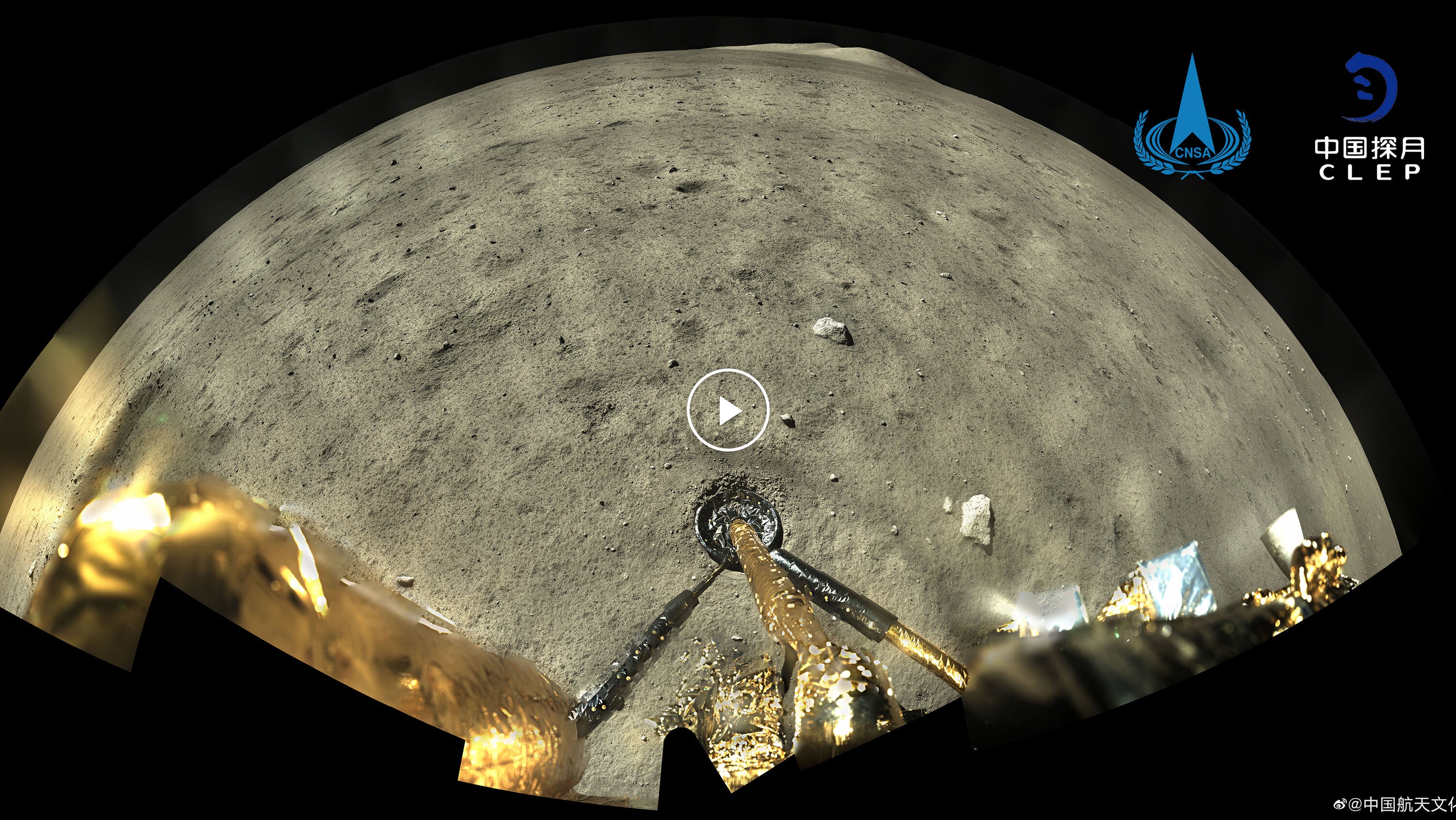
Moon Landings Could Erase Clues to Earth's Origins
The idea that the Moon could hold chemical or isotopic traces that illuminate how life began on Earth sounds, at first, like a plot device from science fiction. Yet for decades planetary scientists have recognized that the lunar surface is a cold, seismically quiet archive that preserves material from the early Solar System. That material may include ancient Earth ejecta — bits of our planet blasted into space by big impacts billions of years ago — and those fragments could carry primordial organic compounds or isotopic signatures that, if studied carefully, would help constrain models of Earth's early atmosphere, oceans and the chemistry that led to life.
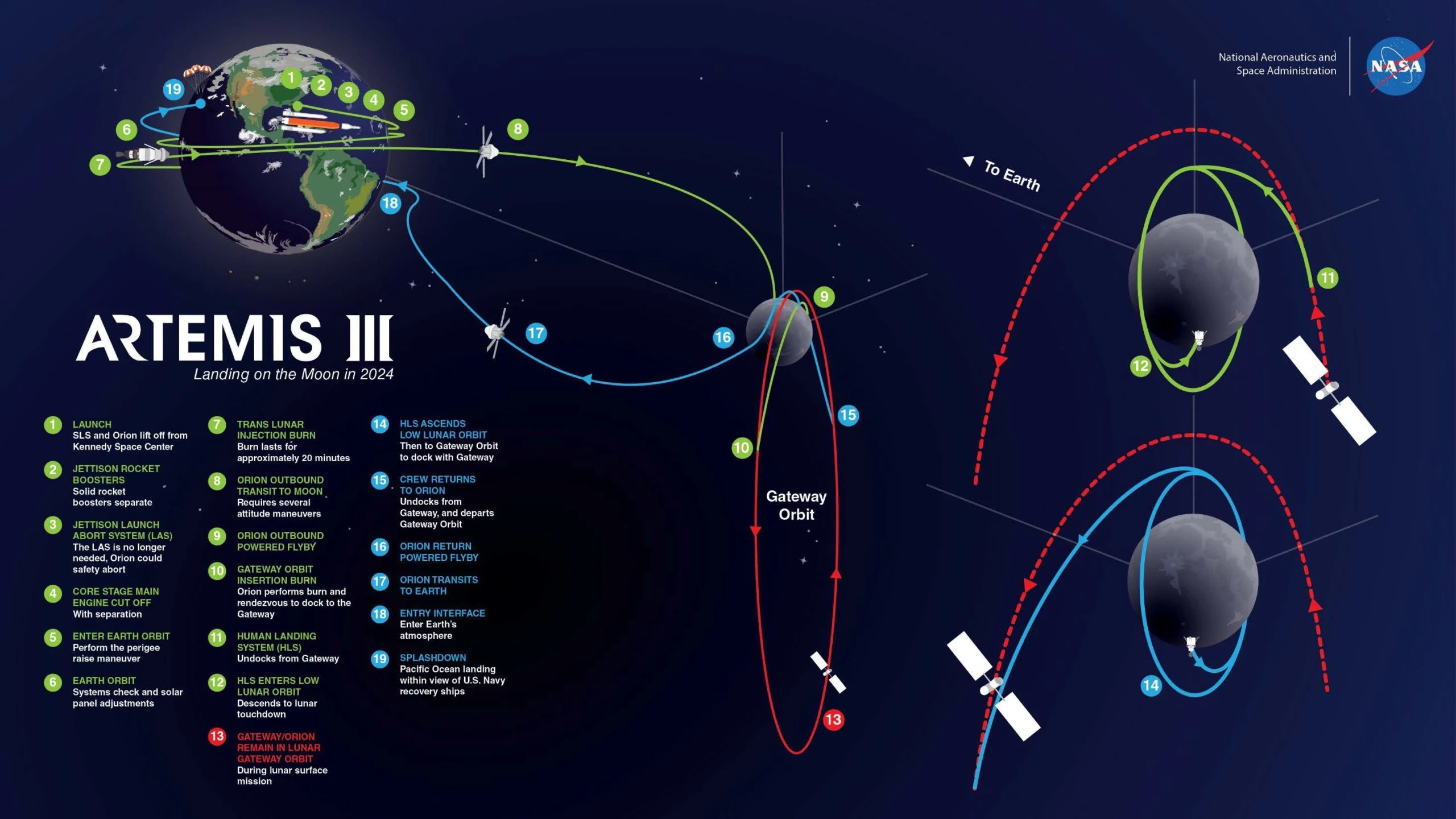
Artemis program moon mission
Now, as government agencies and private companies make concrete plans to return humans to the Moon and establish long-term operations, many researchers are sounding a sober note: future landings — particularly uncoordinated, unsterile human activities — could contaminate or destroy those delicate archives. The risk is not only theoretical. Human presence brings heat, microbes, engineered chemicals and physical disturbance that can irreversibly alter or mask the very records scientists hope to read. This article explores what could be lost, why it matters, and what practical steps — technical, legal and ethical — the global community can take to safeguard lunar evidence of Earth's earliest chapters.
Why the Moon Is a Window onto Early Earth
Unlike Earth, the Moon lacks active plate tectonics, large-scale erosion from running water, and a globally regenerating surface. Its soil, the regolith, accumulates and largely preserves material delivered by impacts and solar wind interactions across eons. Every meteorite, comet fragment and rock fragment that encounters the lunar surface may be jostled into the regolith and buried slowly by subsequent micrometeorite gardening. In consequence, some locations act like layered library stacks, offering snapshots through time.
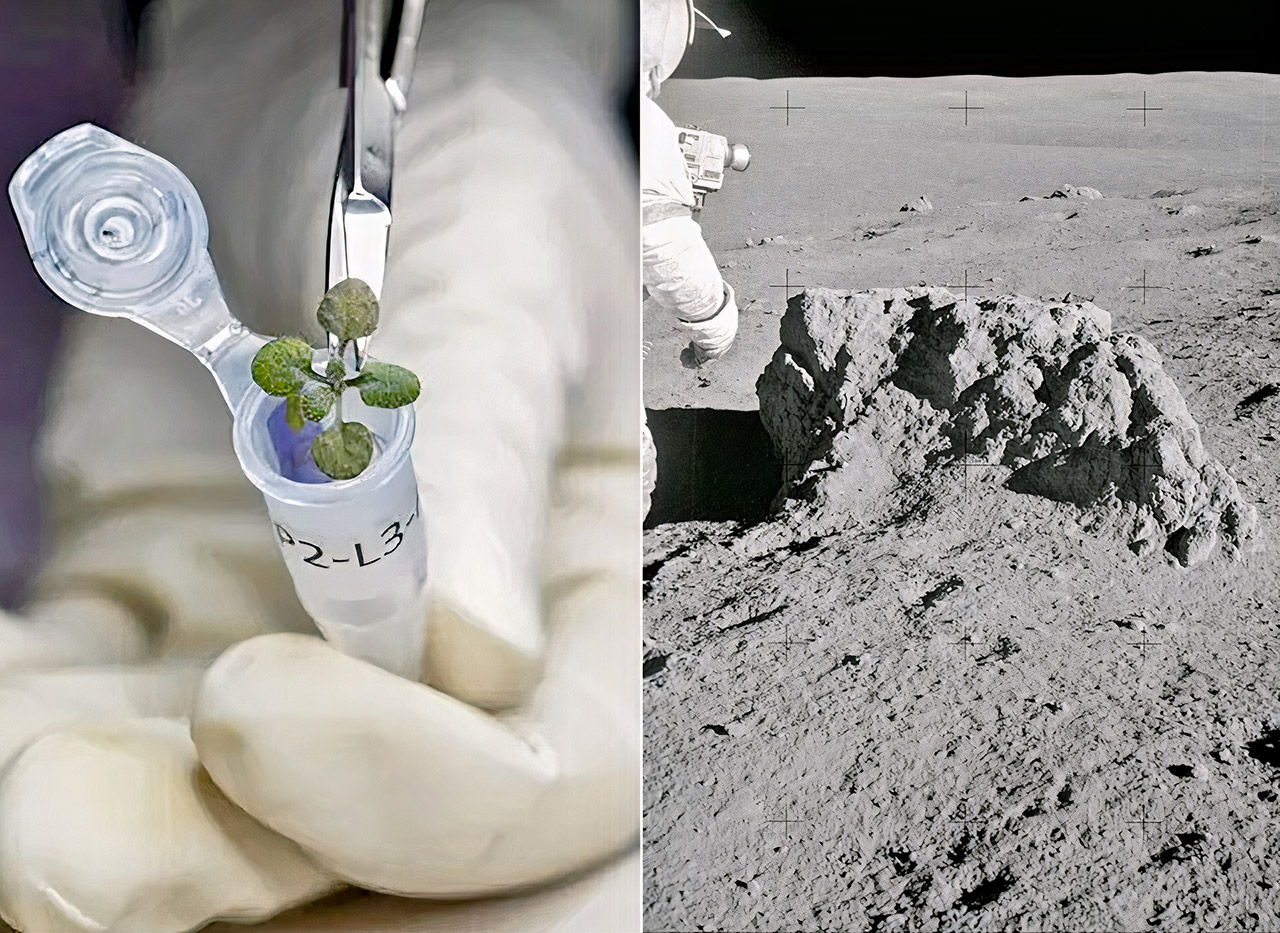
lunar regolith soil moon
Earth ejecta on the Moon
When large asteroids struck early Earth, tremendous amounts of rock and debris were launched into space. Simulations and laboratory work show that some of that material could escape Earth's gravity well and later be captured by the Moon. Because the Moon's gravity is relatively low, incoming fragments often survive entry without being completely vaporized. Those surviving pieces could include minerals bearing isotopic markers or trapped organic molecules formed during Earth's Hadean and early Archean eons — the periods when life was most likely emerging.
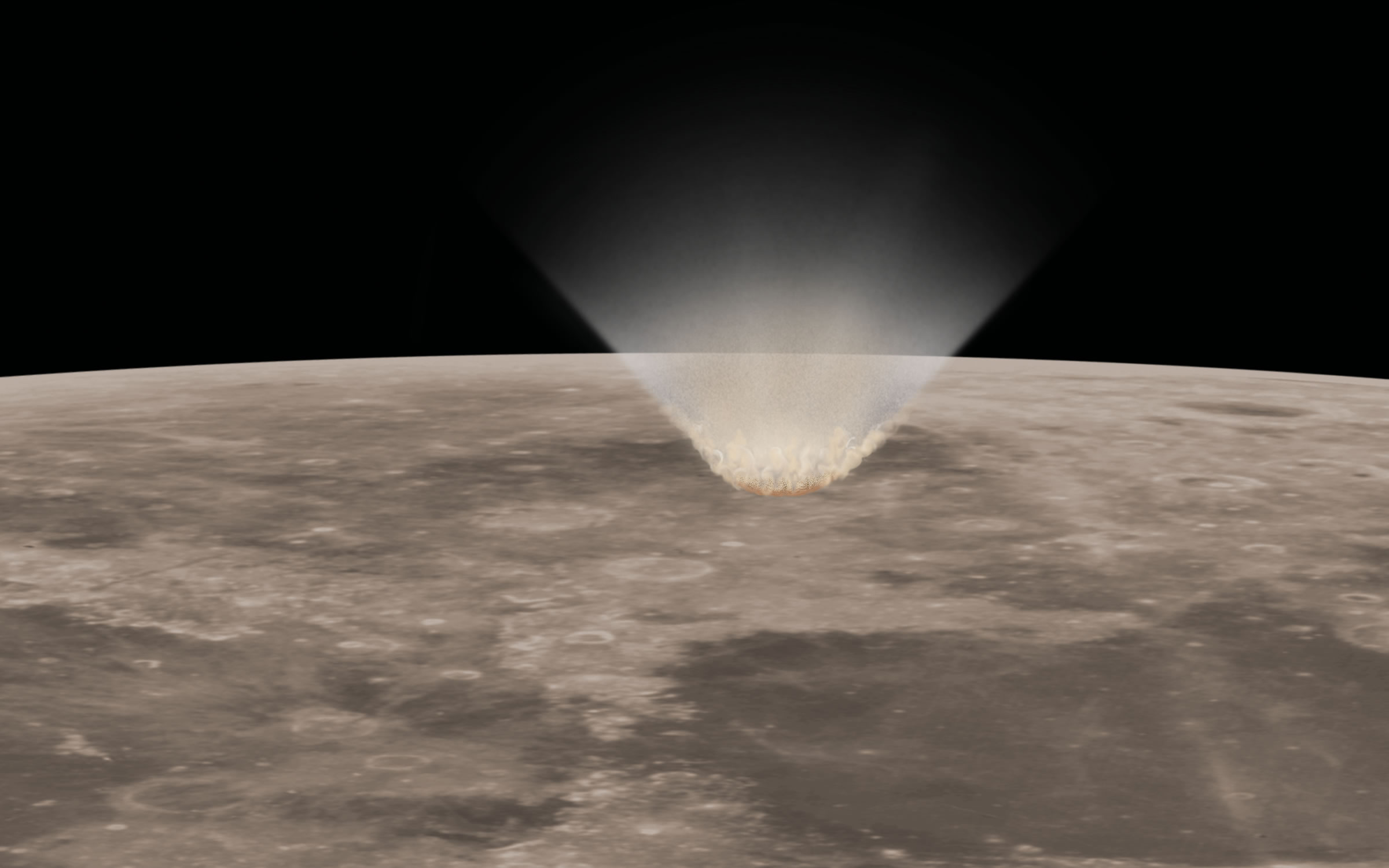
earth ejecta moon impact
Recovering and correctly interpreting such material would be challenging but potentially revolutionary. Isotopic ratios of carbon, nitrogen and other light elements; the distribution of specific organic compounds; and mineral alteration patterns all carry information about Earth's early environment, including temperature, redox state and the presence or absence of oceans. On Earth, these traces are rare and heavily altered; on the Moon, they might be preserved in near-original form.
If we walk on the wrong place at the wrong time, we may irreversibly overwrite a planetary book no one has read yet.
How Human Landings Threaten Pristine Lunar Records
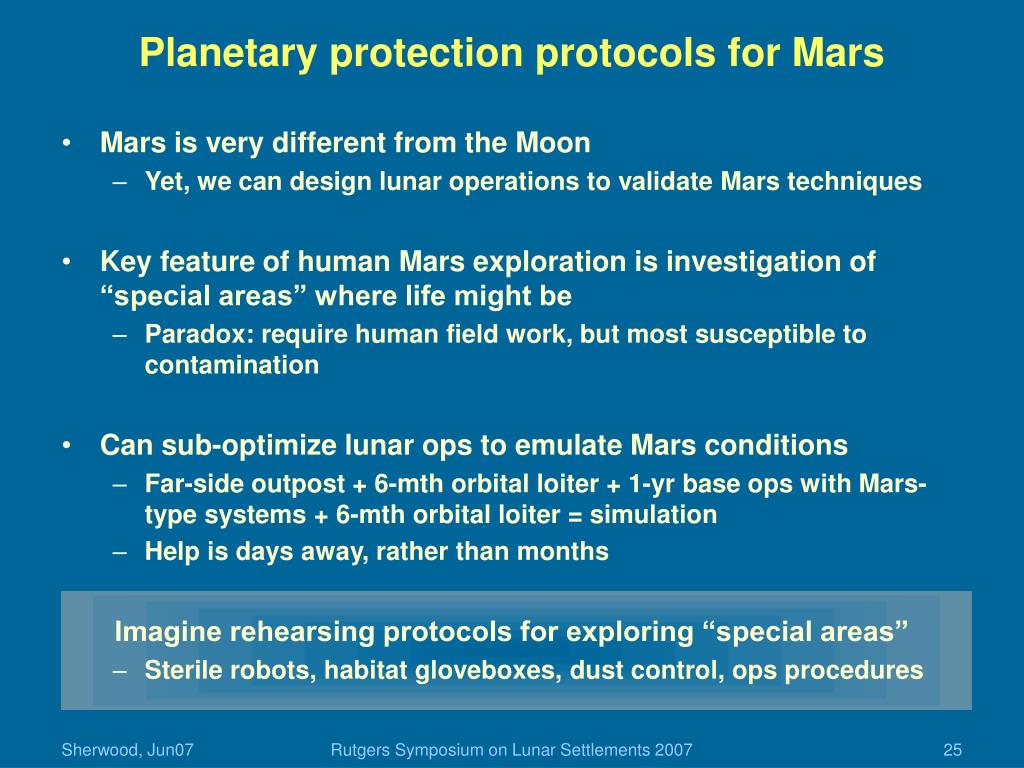
Human spacecraft and astronauts introduce a suite of contamination risks that robotic missions cannot fully match. The main threats are:
- Biological contamination: Humans carry microbiomes — bacteria, fungi and viruses — that can survive in dormant states for long periods. Even with rigorous pre-launch sterilization, microbes hitchhike on suits, hardware and inside habitats.
- Chemical contamination: Rocket exhaust, hydraulic fluids, lubricants, plastics and fuels deposit complex chemical signatures onto the soil. These can alter the composition of organics in ways that confuse scientific interpretation.
- Physical disturbance: Dust kicked up by rockets, rovers and foot traffic redistributes surface layers, mixing ancient deposits with recently introduced materials.
- Thermal alteration: Heat from engines, habitat systems and human equipment can change mineral and organic phases, destroying volatile signatures.
moon contamination protection protocols
Put together, these effects can mask or mimic the very biosignatures researchers seek. For instance, if a future mission leaves behind organics from rocket fuel, scientists later excavating the same site might mistake those organics for ancient material. Worse, a single poorly planned landing in a scientifically sensitive basin could erase decades or centuries of potential discovery.
Why pristine equals priceless
On Earth, the rock record of the Hadean and early Archean is fragmentary and altered by later events. Chemical evidence for early life, such as isotopic fractionation in carbon, is often debated because terrestrial processes can produce similar patterns. A lunar sample that originated on Earth billions of years ago would be an independent dataset — one that might carry clearer, less-altered chemical signatures. Preserving such a sample is therefore of immense scientific value. Once disturbed, the original context, stratigraphy and contamination history are irretrievable.
Policy, Protocols and Real-World Gaps
Planetary protection policies exist: international agreements and agency guidelines aim to prevent both forward contamination (Earth to other bodies) and backward contamination (other bodies to Earth). But these frameworks were largely written when few parties planned sustained human operations. The coming era of commercial landers, lunar habitats, and resource extraction presents new gaps. Many guidelines address microbial transfer in principle, but fewer offer enforceable, detailed rules for where humans can land or how to protect scientifically sensitive zones.
Regulatory and practical challenges
Defining and enforcing "pristine zones" on the Moon raises legal and logistical hurdles. The Outer Space Treaty bars national appropriation but does not clearly resolve how to designate protected sites on an internationally shared surface. Moreover, missions from different countries and private actors may not adhere to identical standards unless convergent rules are negotiated. Practically, enforcing exclusion zones on a body with no governance infrastructure will require international buy-in and technological means of monitoring and compliance.
Concrete Steps to Avoid Erasing the Evidence
Protecting lunar archives is both technical and political. Steps that could make a measurable difference include:
- Map and designate high-priority scientific zones: Use orbital data and sample-return missions to identify areas most likely to contain Earth ejecta or other ancient deposits, then codify them as protected areas.
- Require clean mission profiles for sensitive zones: Mandate lander sterilization standards, no-landing buffers, and limits on exhaust deposition near designated sites.
- Favor robotic reconnaissance and sample returns: Robotic missions with strict contamination control can survey and return materials without the broader hazards of human presence.
permanently shadowed lunar regions
- Establish international agreements: Negotiate binding protocols that oblige signatories — national space agencies and commercial providers — to respect designated preservation areas.
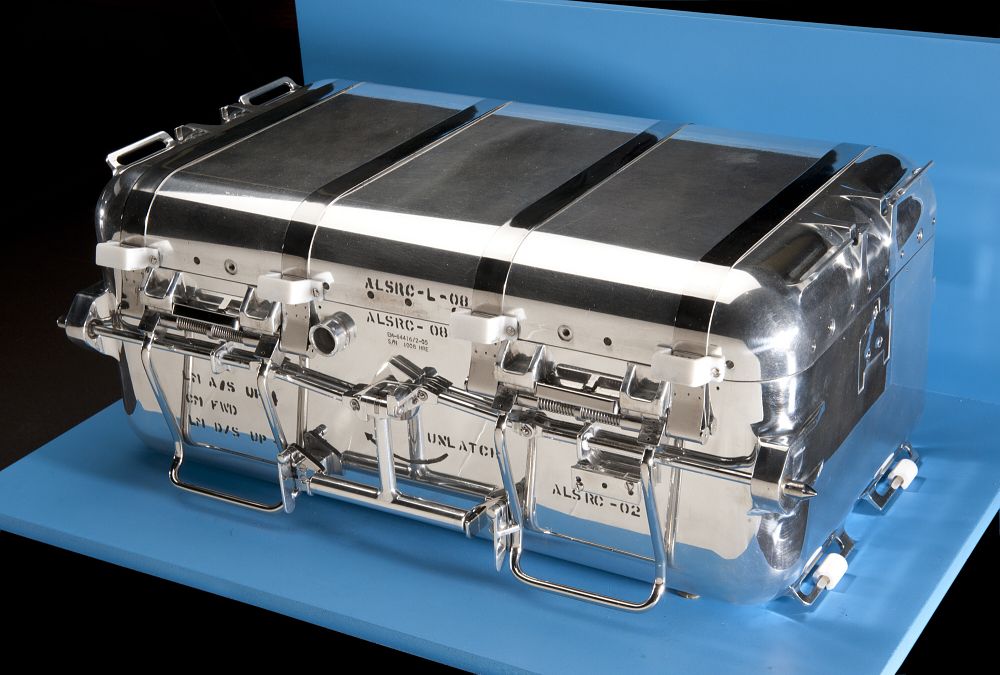
- Develop on-site containment and curation: If material is to be studied in situ or returned, use sealed, sterile containers and laboratories designed to prevent cross-contamination.
lunar sample return capsule
Engineering tools already available
Many of the required technologies are mature or near-mature: clean-room assembly, pre-launch sterilization, sealed sample caches, and robotic excavators that can operate at low temperatures. Advances in in-situ analysis — instruments that can run isotope geochemistry, organic chemistry and mineralogy on the surface — reduce the need to move samples and lower contamination risk. Planners should integrate these tools into mission designs rather than treat them as optional add-ons.
Ethical, Legal and Cultural Dimensions
Beyond science, there are ethical questions about our responsibility to preserve extraterrestrial environments that act as archives of planetary history. The Moon holds cultural value beyond resource potential; many indigenous and global communities think of lunar features as part of shared human heritage. Destroying or contaminating that record for short-term operational convenience would be tantamount to burning a library of the Solar System's early history.
- Scientific discovery by preserving unique records of early Earth and Solar System
- International cooperation incentives driven by shared stewardship
- Operational costs of sterilization and protected zones
- Commercial friction where resource access conflicts with conservation
Who Decides — and How Fast?
Decisions will be political as much as scientific. Agencies like NASA, ESA and others can unilaterally impose standards on missions they fund, but the growing involvement of private companies means a patchwork approach is possible if the international community does not act. Ideally, the United Nations and multilateral institutions will help broker agreements updating the spirit of the Outer Space Treaty for an era of commerce and long-term human presence.
A Practical Scenario
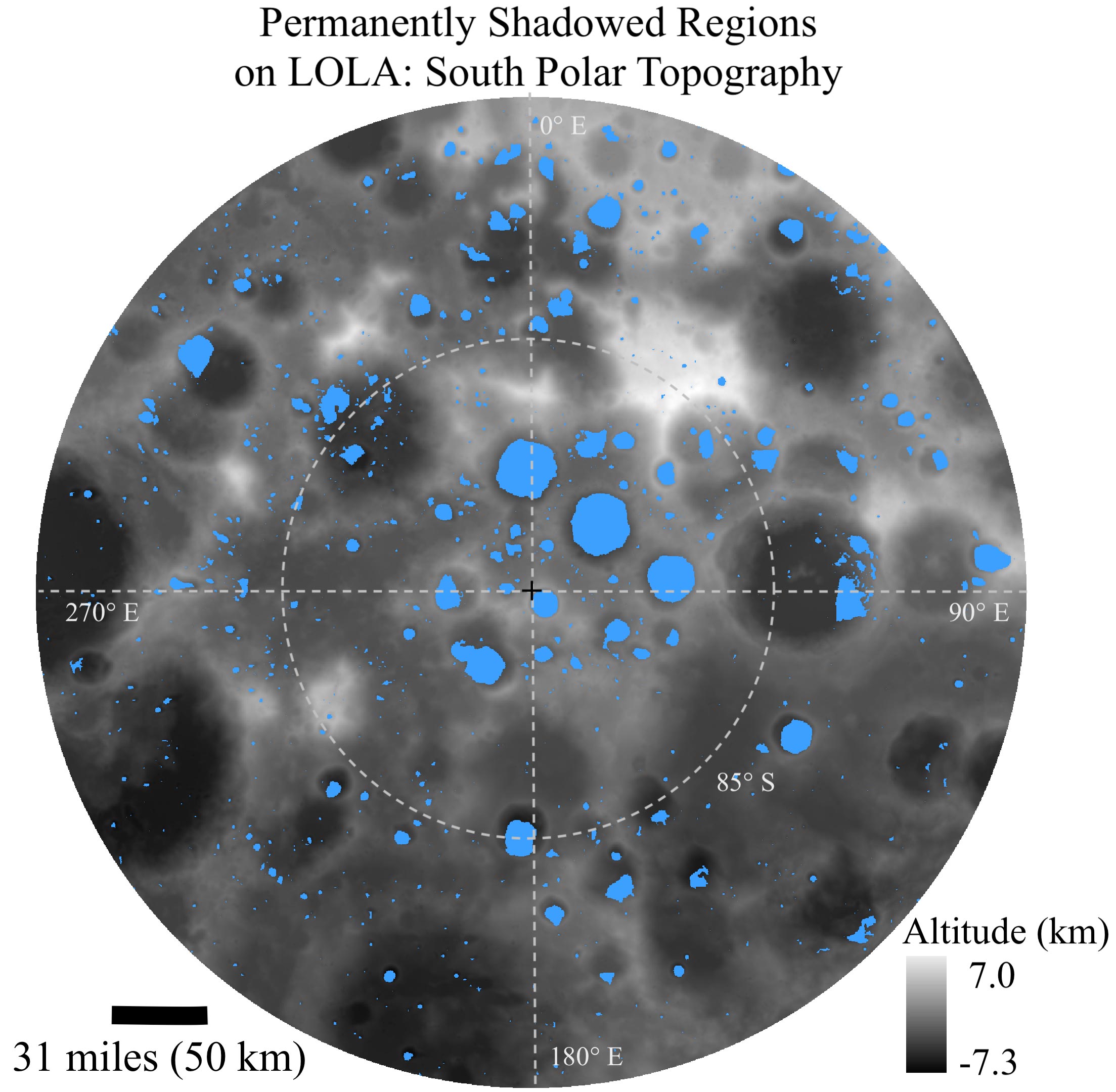
Imagine a permanently shadowed basin near the lunar south pole identified by orbital spectrometers as containing ancient ejecta and volatiles. A commercial provider plans a lander and habitat two kilometers away to exploit nearby ice deposits for fuel. Without agreed buffers and contamination controls, rocket exhaust from repeated launches could deposit organics over the basin, and dust lofted by activity could mix with the ancient layers during a few years of operations. If the scientific value of the basin were recognized and protected in advance, a combination of no-landing buffers, restricted exhaust profiles and robotic sampling could preserve the site while still enabling resource use at a safe distance.
Conclusion — Stewardship Before Footprints
The next decade will shape how humanity treats the Moon for generations. Scientific opportunity here is enormous: preserved fragments of early Earth and unaltered Solar System materials can answer questions that terrestrial geology cannot. But that opportunity is fragile. Human landings, if unchecked, risk erasing or contaminating clues that might otherwise reveal how life began on our planet.
Protecting those clues is achievable. It requires clear scientific prioritization, binding international protocols, technical investments in sterilization and sealed sample handling, and moral clarity about stewardship. The costs of restraint are modest when weighed against the irreversible loss of knowledge. If we want to read the first chapters of Earth's book, we should agree now where to place bookmarks, how to keep the pages clean, and which rooms remain off-limits to heavy boots.
Preservation is not anti-exploration — it is exploration with memory.
- Certain lunar locations likely preserve ancient Earth material that could contain clues about the origin of life.
- Human landings introduce biological, chemical and physical contamination risks that can irreversibly alter those records.
- International policy, targeted protection zones and clean engineering practices can mitigate most risks.
- Acting now — before large-scale operations begin in sensitive areas — offers the best chance to safeguard priceless scientific information.