
Ozempic Shows Signs of Slowing Biological Aging
The conversation about Ozempic has moved far beyond weight loss and blood sugar management. What began as a drug for type 2 diabetes—semaglutide, sold under brand names including Ozempic—has been provoking a new question in labs and clinic corridors: could a medication designed to alter metabolism also slow the biological processes of aging itself? The evidence so far is tantalizing but incomplete. Scientists point to consistent improvements in metabolic and inflammatory markers that track with healthier aging, animal studies suggesting lifespan effects, and early human biomarker data that hint at changes in epigenetic age. Yet caution is essential: correlation is not causation, long-term safety for this use is unproven, and rigorous trials with aging-specific endpoints are still largely missing.
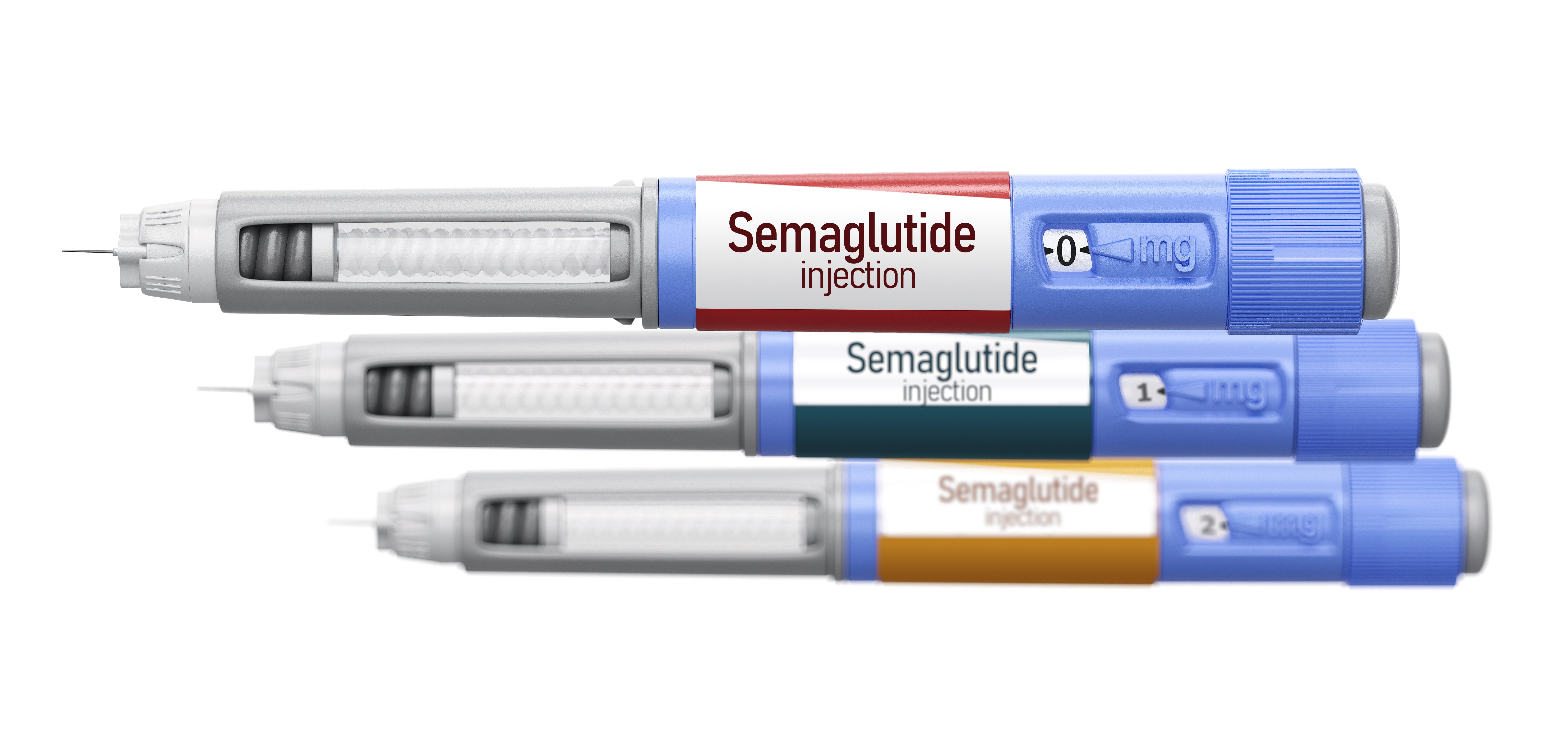
semaglutide GLP-1 medication
What is Ozempic (semaglutide)?
A quick primer
Semaglutide is a glucagon-like peptide-1 receptor agonist (GLP-1 RA). It mimics a gut hormone released after meals that helps regulate appetite, glucose metabolism, and insulin secretion. Clinically, semaglutide has two broad uses: lowering blood glucose in people with type 2 diabetes and, at higher doses, promoting substantial weight loss in people with obesity. Trials have also shown cardiovascular risk reduction in some populations, which means fewer heart attacks and strokes—outcomes closely linked to longevity and healthspan.
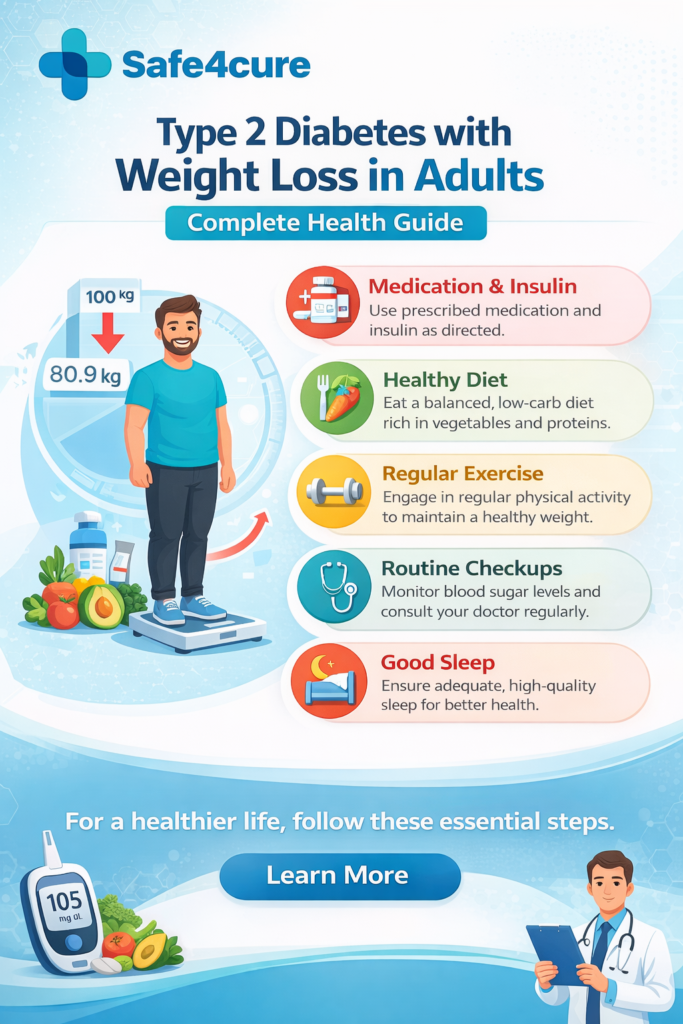
diabetes weight loss treatment
Why it matters beyond diabetes
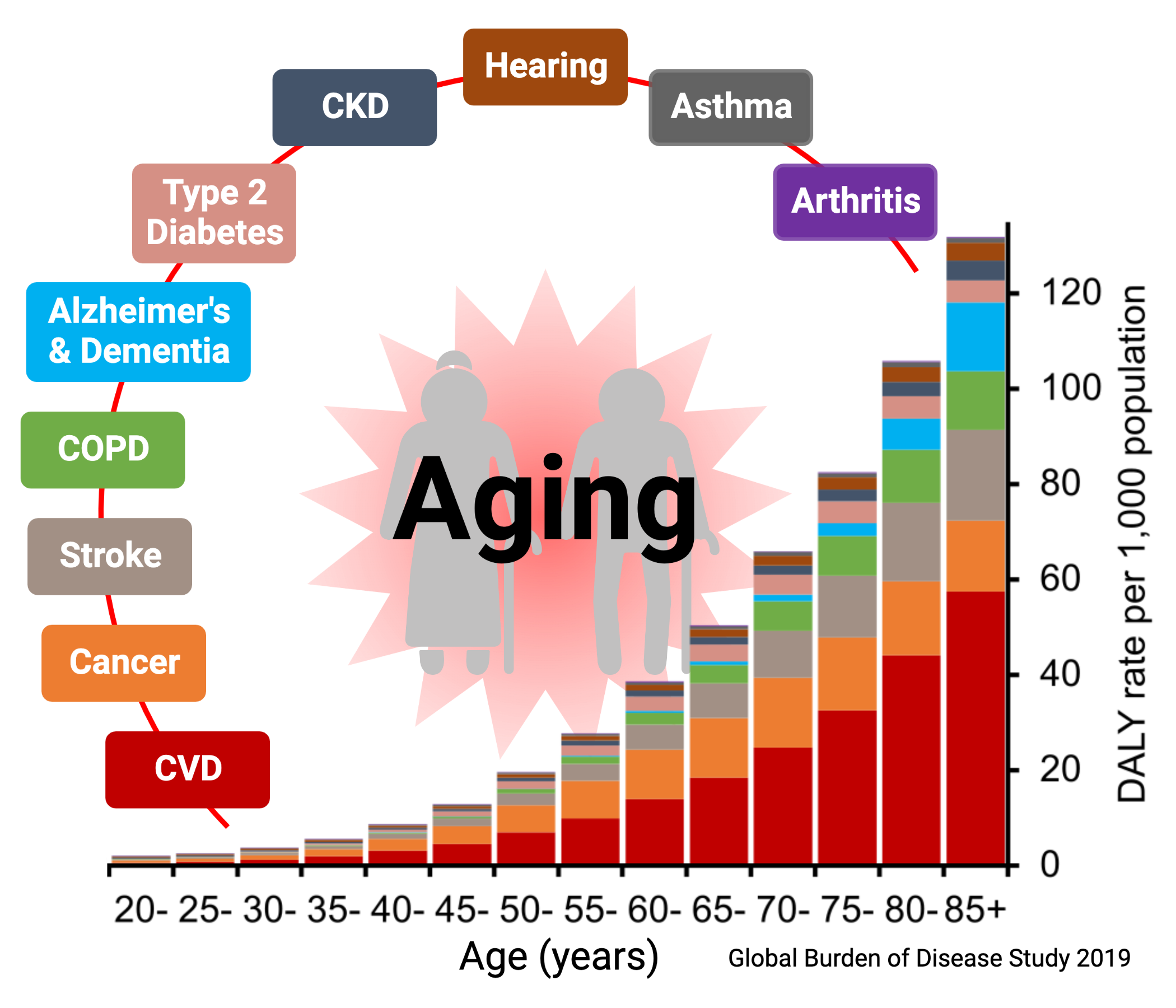
Because semaglutide changes core drivers of metabolic health—appetite, body weight, insulin sensitivity, and systemic inflammation—researchers are asking whether those changes could translate into slower biological aging. Biological age differs from chronological age; it is an assessment of how 'old' tissues and systems behave, often estimated with biomarkers such as epigenetic clocks, inflammatory panels, telomere metrics, and organ-specific functional tests. A drug that favorably shifts multiple biomarkers could, in theory, reduce the risk or delay the onset of age-related diseases.
What the scientific signal looks like
Animal studies and mechanistic clues
In laboratory animals, interventions that improve metabolic profiles frequently increase lifespan and healthspan. Caloric restriction, exercise, and certain pharmacologic agents (for example, rapamycin and metformin in some models) have shown such effects. Semaglutide and other GLP-1 receptor agonists have produced beneficial outcomes in preclinical models—reducing weight, improving insulin sensitivity, and modulating inflammation—which are all mechanisms linked to aging biology. While animal lifespan studies remain limited for semaglutide specifically, the mechanistic overlap with known longevity pathways makes the hypothesis plausible.
Human biomarker signals
In people, the strongest immediate evidence is indirect: semaglutide consistently reduces body weight, improves glycemic control, lowers markers of systemic inflammation, and reduces cardiovascular events in certain trials. Each of these outcomes is independently associated with improved survival and delayed age-related disease. More provocative—but preliminary—are early studies reporting changes in composite biomarkers of biological age, such as DNA methylation-based epigenetic clocks and multi-marker risk scores. These studies are small and short-term but suggest that semaglutide may shift the pattern of age-related biomarkers in a direction that would be interpreted as a reduction in biological age.
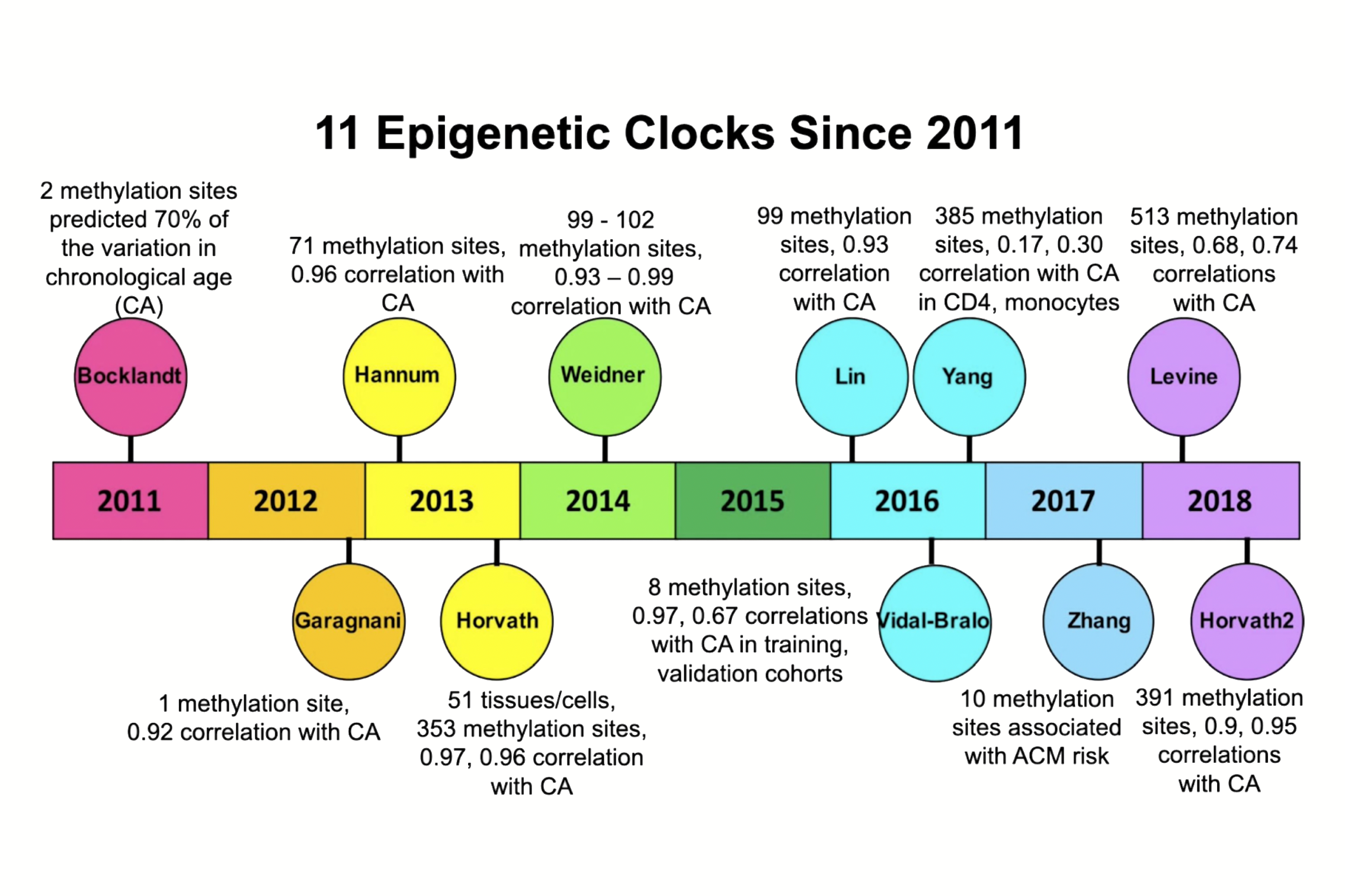
epigenetic clock biomarkers aging
If a drug can consistently reverse or slow biological markers of aging, it would reshape how medicine approaches prevention—but proof will require long, rigorous trials.
How semaglutide might influence aging biology
Metabolic reprogramming
At its core semaglutide reduces caloric intake by lowering appetite and altering reward signals linked to food. Weight loss itself improves insulin sensitivity, lowers blood pressure, improves lipid profiles, and reduces adipose-driven inflammation. These changes lessen chronic metabolic stress on organs and tissues—a key driver of age-related decline.
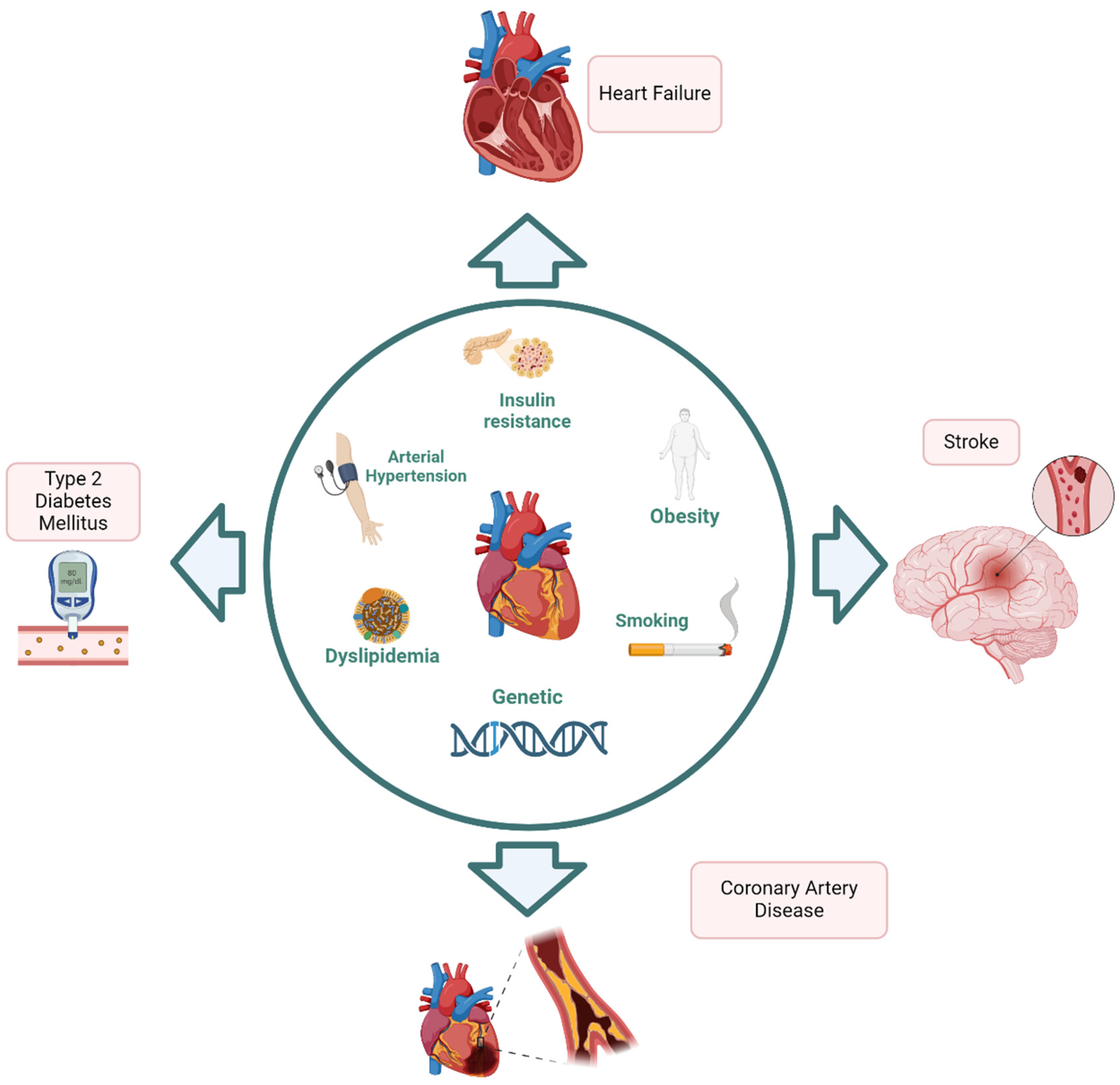
cardiovascular metabolic health
Inflammation and immune modulation
Chronic, low-grade inflammation (often called “inflammaging”) is a hallmark of aging. By reducing visceral fat and improving metabolic function, semaglutide often lowers systemic inflammatory markers such as C-reactive protein and interleukin levels in studies. Reduced inflammation can decrease cellular damage, slow the accumulation of senescent cells, and improve tissue repair mechanisms.
Cellular pathways and stress responses
Some researchers hypothesize that GLP-1 RAs may interact with cellular nutrient-sensing pathways—such as AMPK, mTOR, and autophagy—either directly or indirectly through metabolic changes. Enhanced autophagy and balanced mTOR signaling are associated with improved cellular housekeeping and longevity in multiple models. While direct evidence for semaglutide modulating these pathways in humans is limited, metabolic benefits create a cellular environment that is more consistent with healthy aging.
What the evidence does and does not show
Promising signals
- Metabolic improvements: Strong, reproducible reductions in weight and improvements in glucose handling that reduce risk for diabetes and its complications.
- Inflammation: Consistent decreases in systemic inflammatory markers in many treated patients, a favourable change for aging biology.
- Cardiovascular benefits: Fewer cardiovascular events in populations with high cardiometabolic risk—events that contribute heavily to premature mortality.
- Biomarker shifts: Early human studies report changes in epigenetic and composite aging biomarkers that suggest a younger biological profile after treatment.
age-related disease prevention
Clear limitations
- Long-term outcomes unknown: There are no completed randomized trials yet with longevity or long-term aging endpoints specifically designed to prove semaglutide slows biological aging.
- Biomarkers are proxies: Epigenetic clocks and inflammatory panels are useful but imperfect estimators of true aging processes or hard outcomes like lifespan.
- Confounding effects: Weight loss, lifestyle changes, and improved clinical care that accompany treatment may drive biomarker changes rather than a direct geroprotective action of the drug itself.
- Population differences: Most data derive from individuals with obesity or diabetes; effects in healthy older adults without metabolic disease remain to be established.
- Reduces key risk factors for age-related disease (weight, glycemic dysfunction, inflammation).
- Repurposing potential—a well-characterized drug with known pharmacology.
- Insufficient evidence for direct, causal anti-aging claims.
- Unknown long-term safety for chronic use in populations without diabetes or obesity.
Risks, side effects, and ethical considerations
Known side effects
Semaglutide commonly causes gastrointestinal symptoms—nausea, vomiting, constipation—that are usually dose-dependent. Some people report gallbladder issues or pancreatitis, though the absolute risks are debated. There are also concerns about rare but serious adverse events and unknown consequences of multi-year or lifetime use for a purpose not originally intended.
Equity and access
As interest in GLP-1 drugs for weight loss and possible longevity grows, supply and affordability have become ethical flashpoints. If semaglutide or related drugs are widely adopted for lifestyle or anti-aging uses, availability for patients who need them for diabetes could be affected, and costs could exacerbate health inequities.
Off-label use and medicalization of aging
Prescribing a medication to slow aging faces scientific, regulatory, and philosophical hurdles. Aging is not currently a licensed indication for drugs in most jurisdictions; using semaglutide off-label to extend healthspan raises questions about medicalizing a universal human process and diverting resources from proven public health measures like exercise, smoking cessation, and vaccination.
What researchers need next
Definitive trials
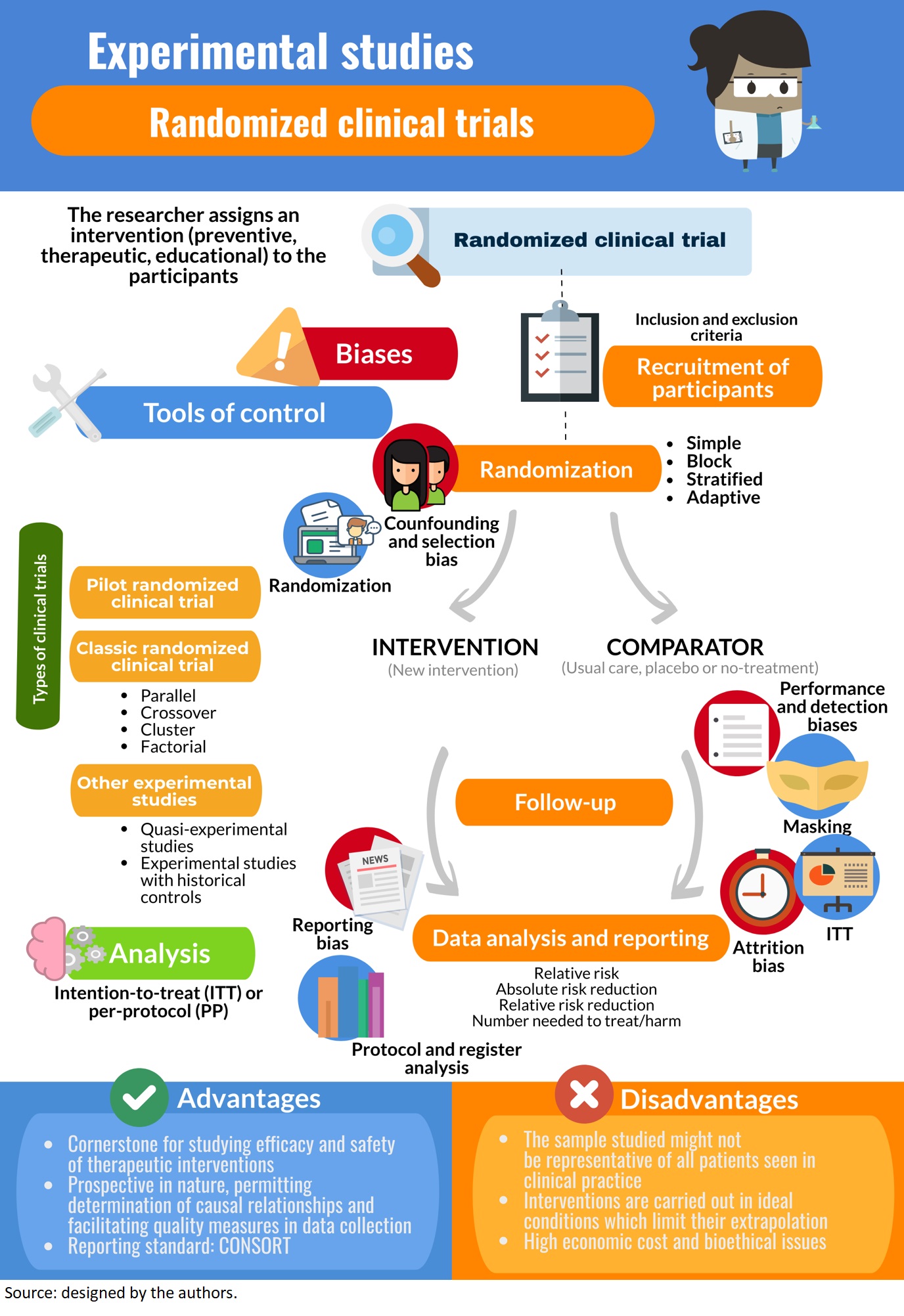
To move from hypothesis to evidence, the field needs randomized controlled trials that use aging-specific endpoints: validated epigenetic clocks, multimorbidity incidence, functional outcomes (frailty, mobility, cognition), and eventually hard outcomes like disease incidence and mortality. Trials should include diverse populations, compare durations and doses, and examine whether benefits persist after stopping treatment.
clinical trials scientific research
Mechanistic studies
Laboratory and translational work should pinpoint whether semaglutide acts directly on aging pathways in tissues, or whether benefits are mediated entirely through weight loss and improved metabolic function. Understanding tissue-specific effects—on brain health, muscle, adipose tissue, and immune cells—will clarify which age-related processes are most affected.
We need trials that measure what truly matters for aging: function, disease onset, and lifespan—not just intermediate biomarkers.
Practical takeaways for clinicians and the public
For clinicians
Approach claims about semaglutide and aging with scientific humility. For approved indications—type 2 diabetes and obesity—semaglutide is a valuable tool that can reduce disease risk. Prescribing it solely to slow aging should currently be confined to controlled trials or carefully considered off-label cases with informed consent and rigorous follow-up.
For the public
Do not equate early biomarker shifts with guaranteed longer life. Lifestyle interventions—regular physical activity, balanced nutrition, sleep, stress management, and smoking cessation—remain the most evidence-backed ways to improve long-term health. If you have metabolic disease or obesity, discuss semaglutide with your healthcare provider as one potential component of a comprehensive plan.
A measured conclusion
Semaglutide has shifted the conversation about what pharmaceuticals can do for aging. By reliably improving metabolic health, reducing inflammation, and altering certain biomarkers, the drug creates a biological environment that—by all logic—should translate into better late-life outcomes. That potential makes semaglutide one of the most interesting medicines in contemporary geroscience.
But scientific interest is not proof. The current evidence is stronger for benefits on cardiometabolic risk than for a direct anti-aging effect. The most responsible interpretation is that semaglutide may reduce factors that accelerate biological aging, and early biomarker evidence is promising, but we do not yet have definitive proof that the drug slows aging itself.
- Semaglutide (Ozempic) improves metabolic health and lowers inflammation—changes that are associated with healthier aging.
- Early biomarker studies hint at reductions in biological age, but these are preliminary and require confirmation in large, long-term trials.
- Side effects, long-term safety, equity, and ethical concerns mean semaglutide should not be broadly used as an anti-aging therapy outside research settings.
Where to watch next
Keep an eye on randomized trials that measure functional outcomes, multimorbidity, and validated aging biomarkers over multiple years, plus mechanistic studies that clarify how GLP-1 receptor signaling interacts with cellular aging pathways. Regulatory guidance about indications and payers' decisions on coverage will also shape whether semaglutide becomes part of mainstream aging medicine or remains a treatment for metabolic disease.
Final thought
The possibility that a drug already in many medicine cabinets could nudge the course of human aging is an exciting scientific prospect—and a reminder of how much we still need to learn. Optimism should be tempered with rigorous science, ethical reflection, and a commitment to equitable access. Until then, semaglutide remains a powerful metabolic medicine with potential implications for aging that are worth watching but not yet ready for routine use as an anti-aging intervention.