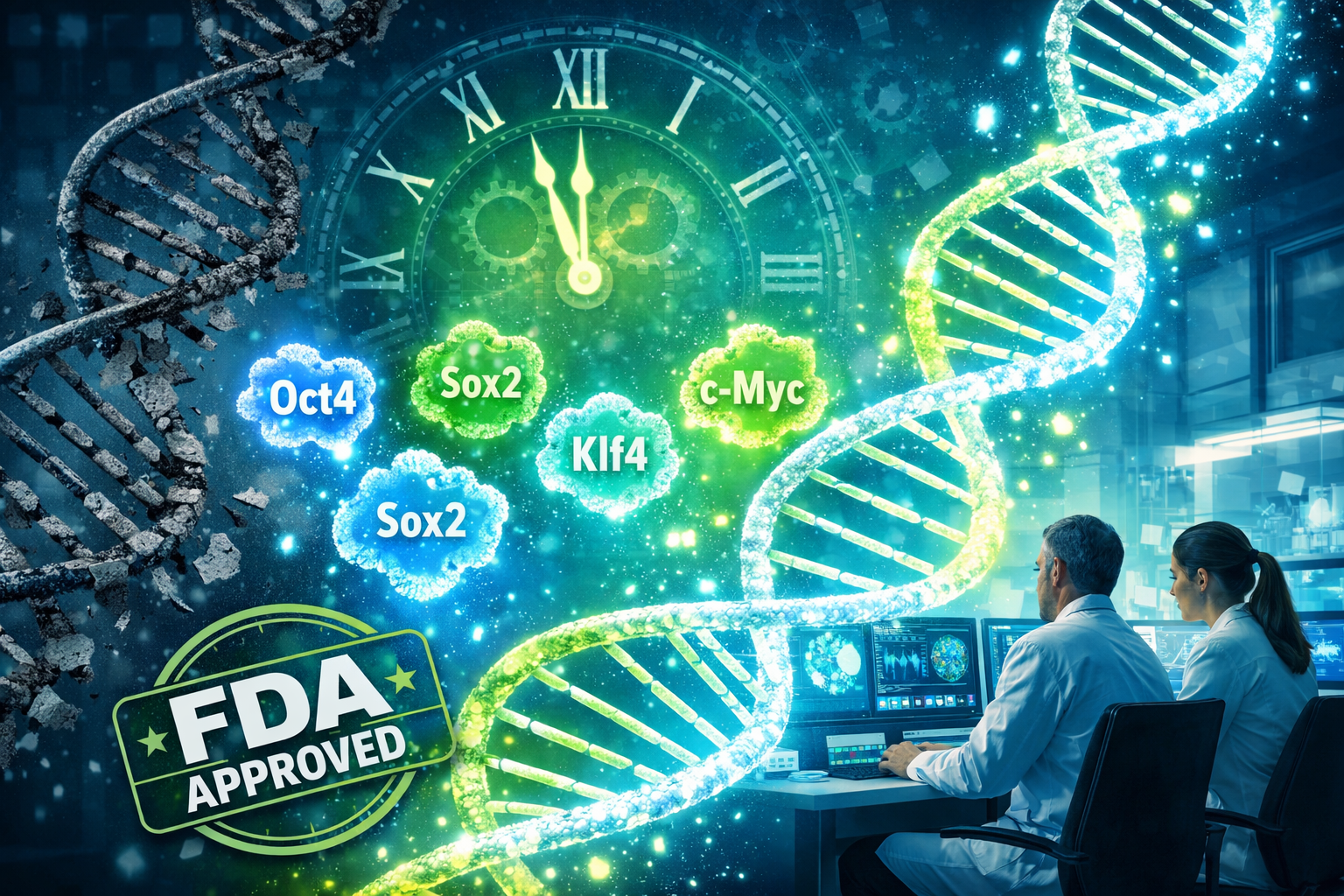
The secret to longer life may be hidden in bat DNA
On the face of it, bats are a paradox: creatures that weigh as little as a credit card and yet can live for decades, weathering infections and environmental stresses that would shorten the lives of similar-sized mammals. For decades, scientists regarded their longevity and disease tolerance as curiosities. Today, advances in genomics and molecular biology are turning those curiosities into concrete clues about the biology of aging. By reading the genetic scripts that bats use to maintain their cells and balance their immune responses, researchers are piecing together pathways that could one day help mitigate human aging and its diseases.

little brown bat species
BAT PARADOX: SMALL BODY, LONG LIFE
A lifespan that breaks the rules
Most mammals follow a clear rule of thumb: the smaller the animal, the shorter its expected lifespan. Mice live for a couple of years; shrews for a year or less. Bats flout that rule. Some species of bats routinely live 20, 30, even 40 years in the wild—lifespans rivaling or exceeding those of animals dozens or hundreds of times larger. The question that drives scientists is simple but profound: what biological strategies let bats decouple size from time?
Bats show us that long life is not simply a matter of size—it's a matter of how cells manage damage, inflammation, and energy.
Ecology and evolution matter
The story begins with ecology. Bats evolved unique life histories: many fly, some hibernate, and many have low reproductive rates with long parental investment. Natural selection, over millions of years, favored somatic maintenance strategies that support survival to older ages. But selection alone doesn’t explain the molecular innovations observed; we need to read the DNA and biochemical strategies that emerged within bat lineages.
WHAT BAT DNA REVEALS
DNA repair and genome stability
One recurring theme in comparative genomic studies is enhanced DNA repair. Bats show signatures—both in gene sequences and in expression patterns—consistent with more robust systems for detecting and mending DNA damage. Key repair pathways that maintain genome integrity (nucleotide excision repair, base excision repair, double-strand break repair) appear tuned for resilience. That means fewer mutations accumulate across time, reducing the chance that damaged cells turn dysfunctional or cancerous.
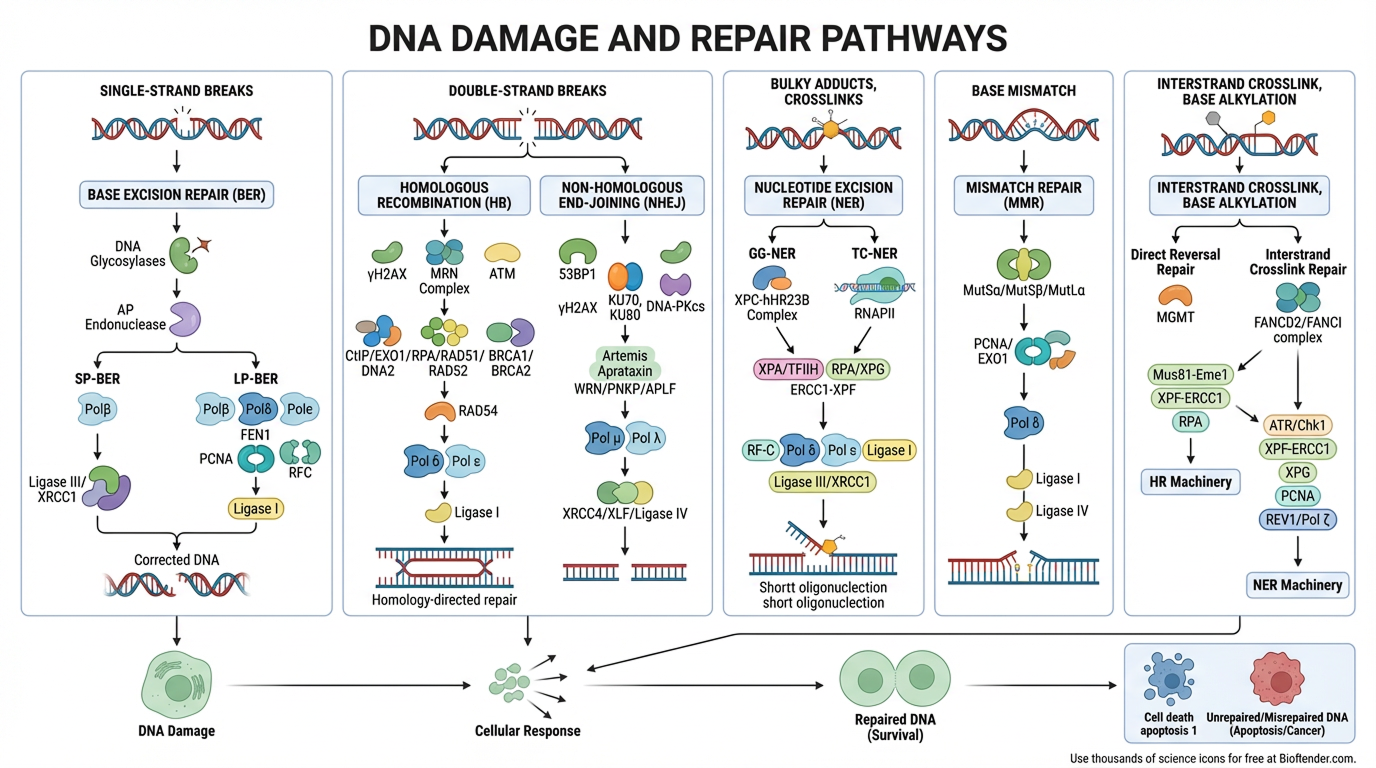
bat DNA repair mechanisms
Immune restraint and pathogen tolerance
Another revealing pattern is how bats handle the immune system. Instead of a perpetually hyperactive inflammatory response, many bats employ a tempered, highly regulated immune program. They tolerate viral infections that would be devastating in other mammals, a strategy described as "disease tolerance" rather than outright resistance. This restraint is significant because chronic inflammation—often called inflammaging—is a central driver of aging in humans. By dialing down damaging inflammatory cascades while still controlling pathogens, bats reduce collateral tissue damage over decades.
bat immune system regulation
Metabolism, mitochondria, and oxidative stress
High metabolic demands from flight might seem like a liability: reactive oxygen species (ROS) produced by mitochondria can damage DNA, proteins, and lipids. Yet bats appear to manage oxidative stress efficiently. Their mitochondria produce and detoxify ROS differently, and their antioxidant systems (enzymes, small molecules) are often upregulated. In effect, bats get the energetic benefits of flight without paying the usual molecular price.
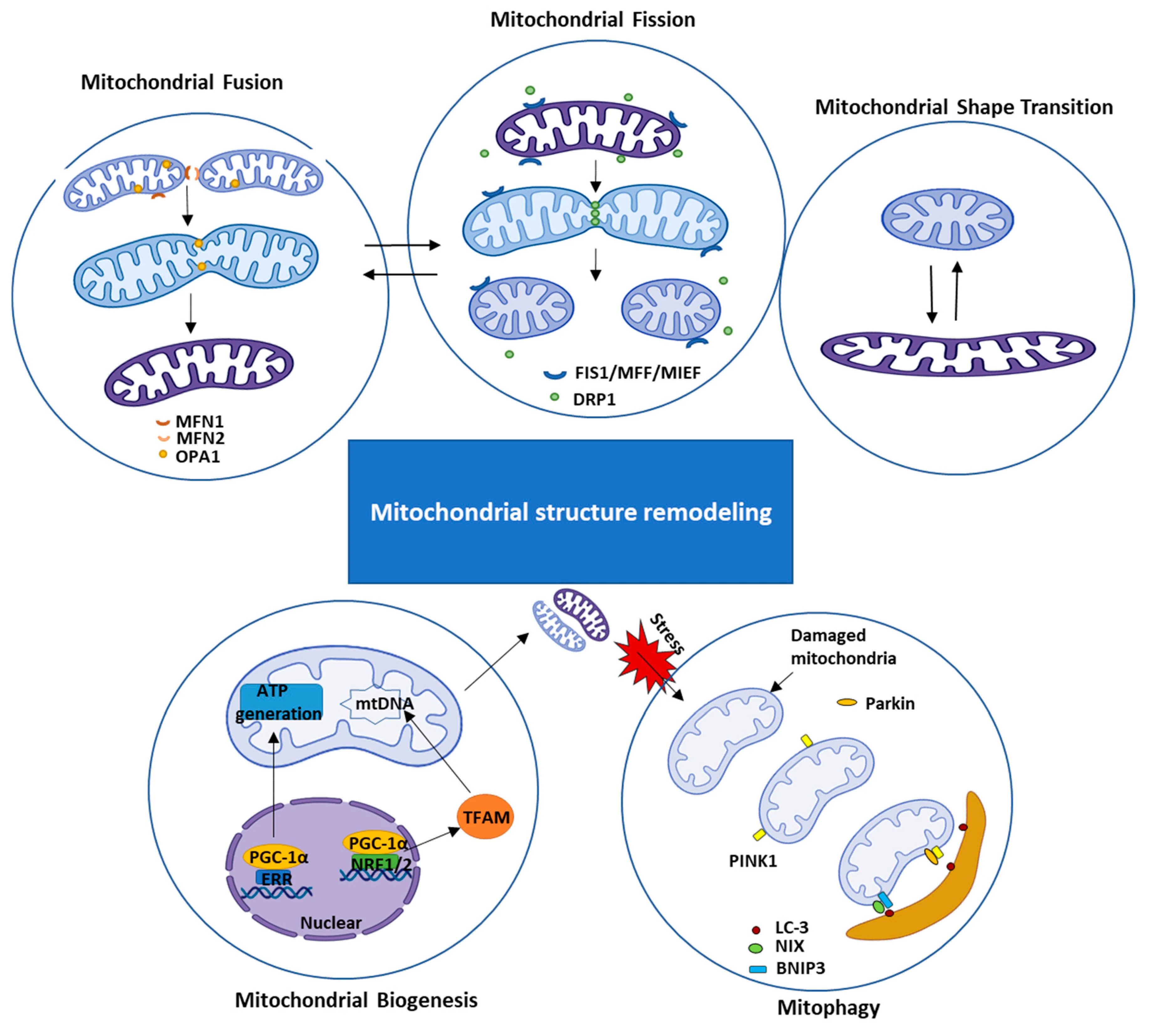
bat mitochondrial function
Telomeres and senescence
Telomeres—protective caps at the ends of chromosomes—shorten with cell division in many species and contribute to cellular aging. In bats, telomere biology can vary by species: some maintain telomere length more effectively, while others show patterns of regulated telomerase activity in specific tissues. These adaptations can delay the onset of cellular senescence and preserve tissue function longer.
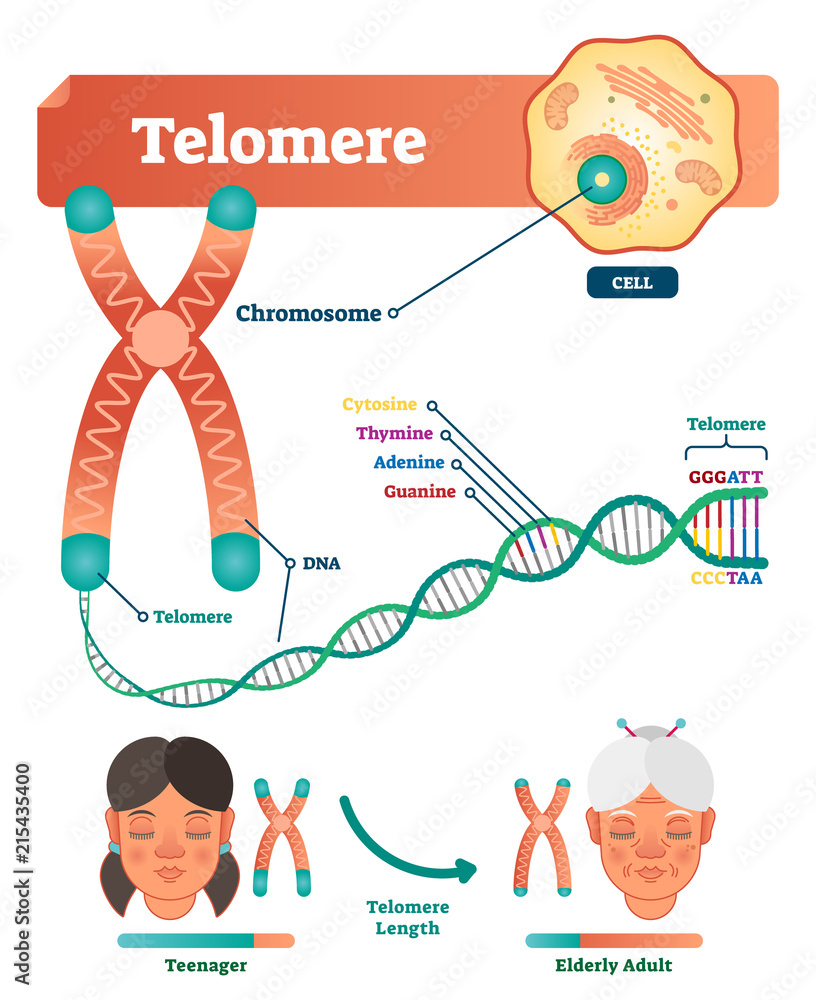
bat telomere biology
Proteostasis, autophagy, and cellular cleanup
Proteostasis—the balance of protein synthesis, folding, and degradation—stalls in aging cells. Bats show evidence of efficient proteostasis and active autophagy (cellular recycling), which help remove damaged proteins and organelles. Efficient cellular cleanup prevents accumulation of molecular debris that otherwise drives dysfunction over time.
HOW SCIENTISTS STUDY BAT GENOMES
Comparative genomics and transcriptomics
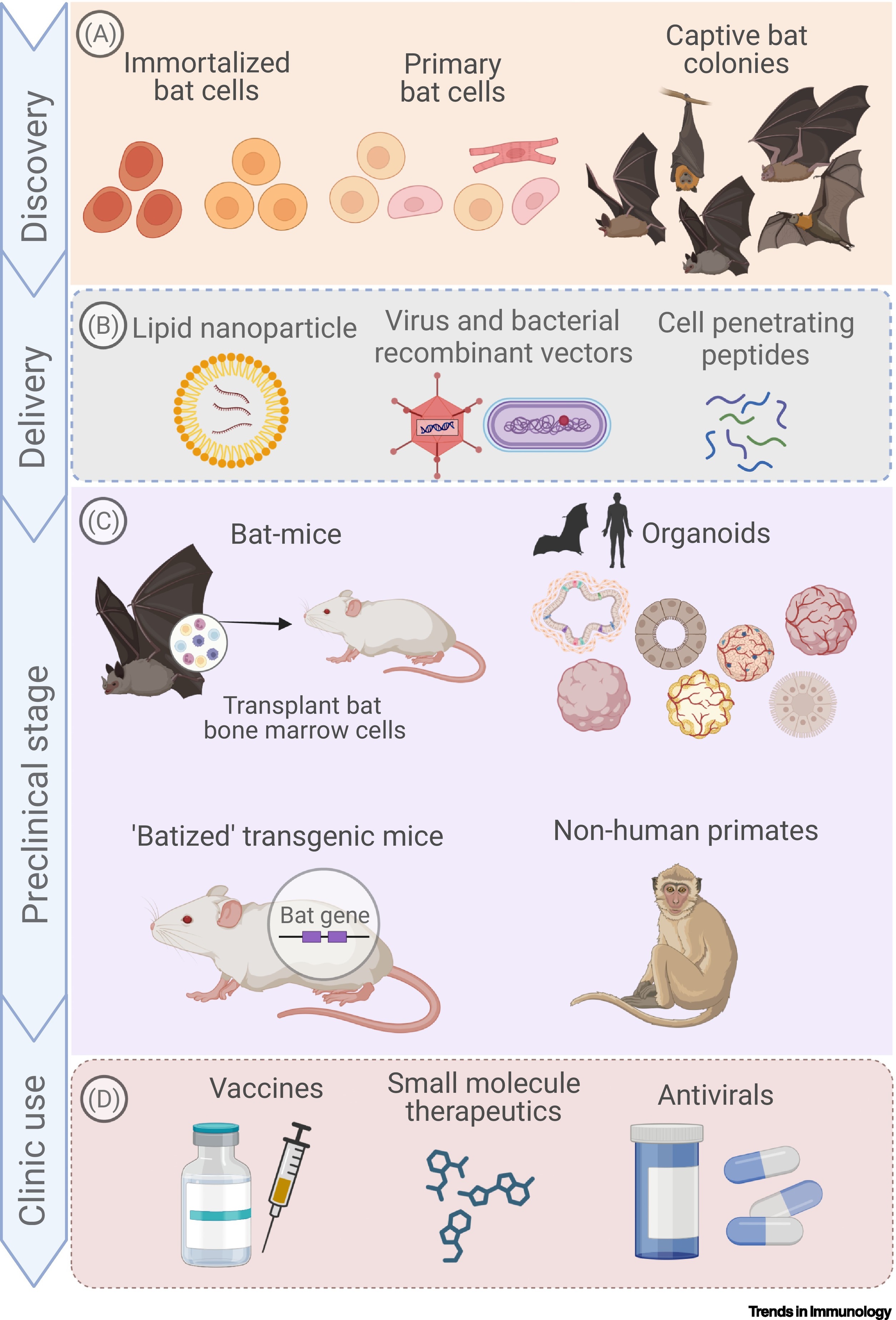
Researchers compare bat genomes and gene expression profiles with those of shorter-lived species to find differences that correlate with longevity. These comparisons surface candidate genes and regulatory networks—some previously known in aging biology, others unexpected. The process involves sequencing genomes, measuring RNA expression across tissues, and then integrating that data with experiments in cells and model organisms.
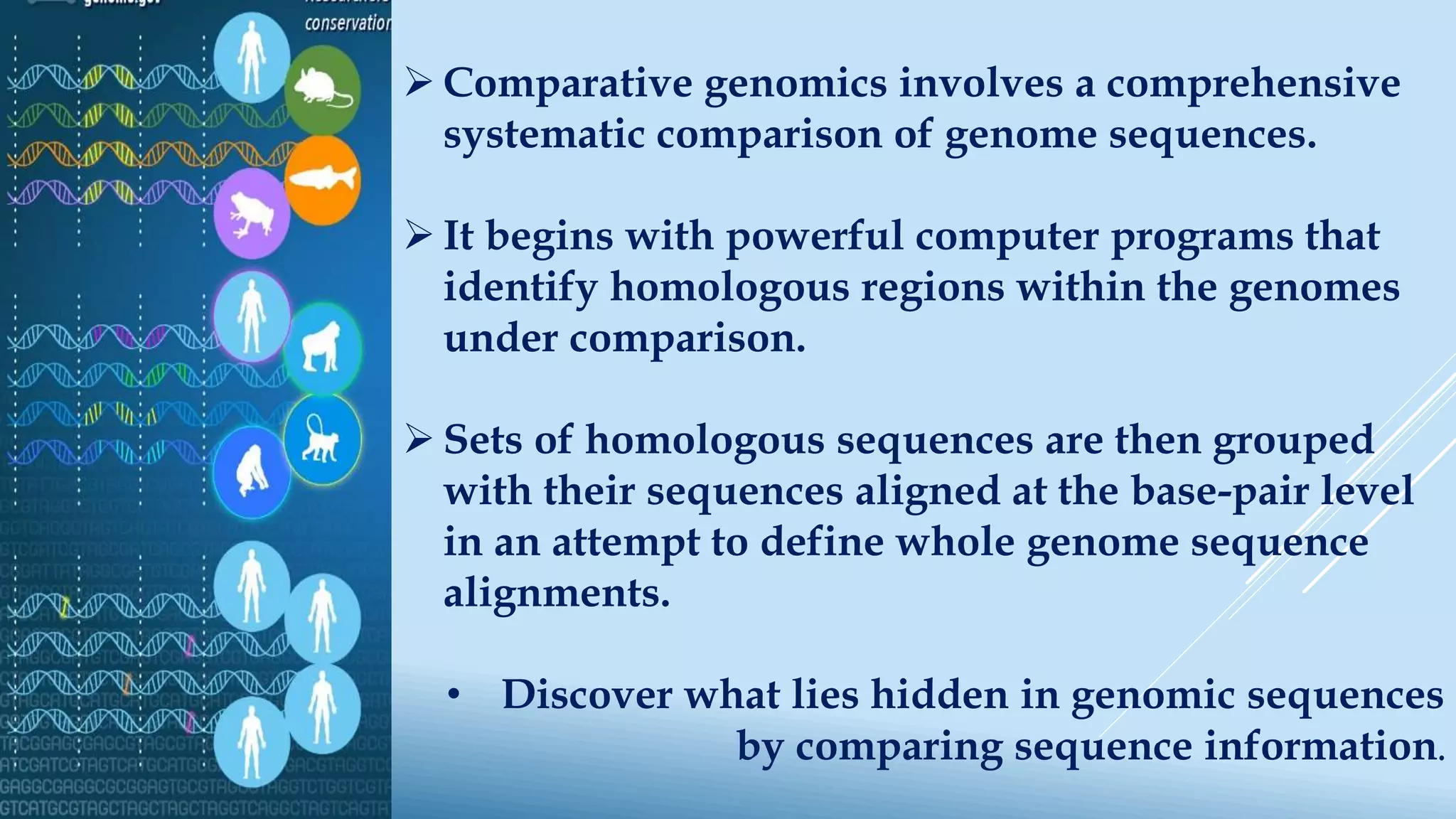
comparative genomics research
Functional experiments
Genomic signals are hypotheses, not guarantees. To test them, scientists move to the lab: editing genes in cell culture, altering expression levels in model organisms (worms, flies, mice), and observing effects on longevity, stress resistance, or disease susceptibility. These experiments reveal which bat-derived changes are likely causal and which are evolutionary by-products.
| Species | Typical Lifespan | Body Mass | Notable Features |
|---|---|---|---|
| Little brown bat | 20+ years | ~8 grams | Long lifespan for size, disease tolerance |
| Mouse | 1–3 years | 20–40 grams | Short lifespan, common lab model |
| Human | 70–90 years | ~60–80 kg | Slow reproduction, complex longevity mechanisms |
FROM BAT GENES TO HUMAN PRACTICE
Potential therapeutic avenues
Translational interest focuses on pathways rather than direct gene transfer. Rather than try to turn humans into bats, researchers aim to mimic successful strategies: enhance DNA repair mechanisms, fine-tune inflammatory responses, boost mitochondrial resilience, or activate selective autophagy. Small molecules, biologics, and gene-regulatory therapies could, in principle, nudge human cells toward bat-like maintenance without dangerous side effects.
Challenges and caveats
There are limits. Bats evolved as whole organisms over millions of years; their longevity arises from a constellation of interacting traits. Isolating one gene or pathway and assuming it will produce similar benefits in humans risks oversimplification. Another concern is trade-offs: mechanisms that suppress inflammation could weaken pathogen resistance, and boosting DNA repair might increase cancer risk if not properly balanced. Finally, ethical and ecological considerations arise if interventions are inspired by traits that evolved in wild animals; we must avoid exploiting species or ignoring conservation needs.
What we can and cannot expect
We should expect incremental advances—new drugs that reduce age-related inflammation, therapies that improve mitochondrial performance, or biomarkers inspired by bat biology that better predict biological age. We should not expect a single miracle gene that dramatically extends human lifespan overnight. Aging is multifactorial; progress will likely come from combined interventions informed by comparative biology.
ETHICS, CONSERVATION, AND THE BIG PICTURE
Conservation matters
As we mine bat genomes for clues, we must protect bat populations. Bats provide essential ecosystem services—pollination, insect control—and many species face threats from habitat loss, climate change, and disease. Research that benefits humans should not come at the cost of bats’ survival. Responsible science pairs genomic research with conservation priorities.
Ethical translation
Translating bat biology to human medicine raises ethical questions about gene editing, lifespan extension, and access. Who benefits from longevity therapies? How will extended healthspans reshape societies? Researchers, ethicists, and policymakers must be part of the conversation as the science advances.
CONCLUSION: A NEW MAP FOR AGING RESEARCH
Bat genomes are not a magic wand, but they are a map. They point to biological strategies—enhanced repair, immune balance, metabolic resilience—that reliably accompany long life in these mammals. By integrating lessons from bats with human biology, we can identify testable interventions that reduce age-related decline and increase healthy years. The path from wing to clinic will be cautious and incremental, but the reward—slower decline, fewer chronic diseases, and better late-life resilience—is worth the careful work.
- Bats live far longer than expected for their size; genomic studies reveal multiple protective strategies.
- Important themes include enhanced DNA repair, dampened harmful inflammation, and effective mitochondrial and proteostatic maintenance.
- Translational hopes focus on pathways, not wholesale gene transfer; ethical and conservation concerns must guide research.
Scientists continue to study bat DNA for actionable insights into aging; responsible translation could reshape how we approach human healthspan.