Latest Articles
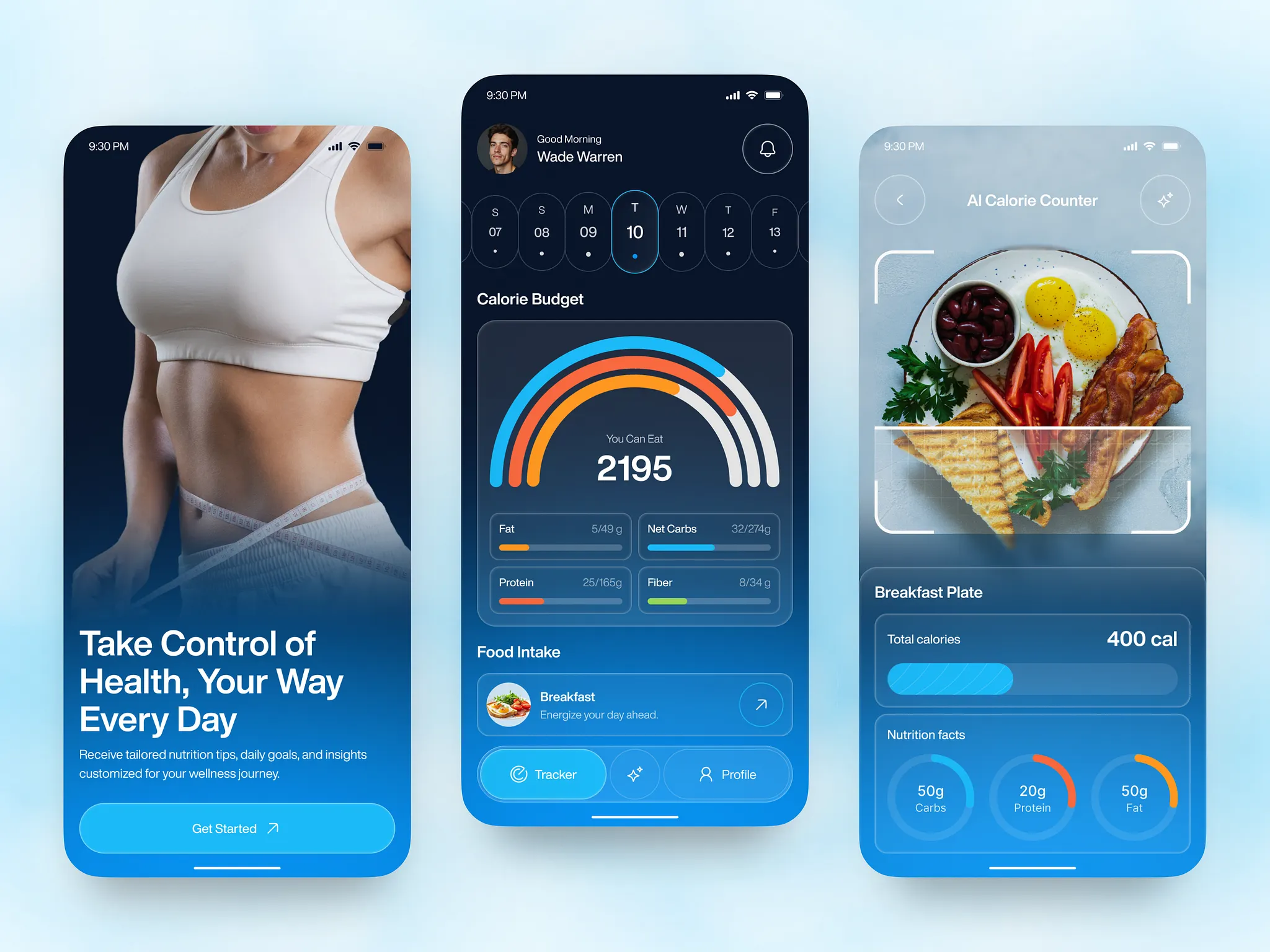
Why Your AI Calorie Tracker Might Be Off by Hundreds
AI-powered calorie counters promise precision but often misestimate intake by hundreds of calories. This article explains why that happens, what it means for health and weight goals, and practical steps users and developers can take to narrow the gap.
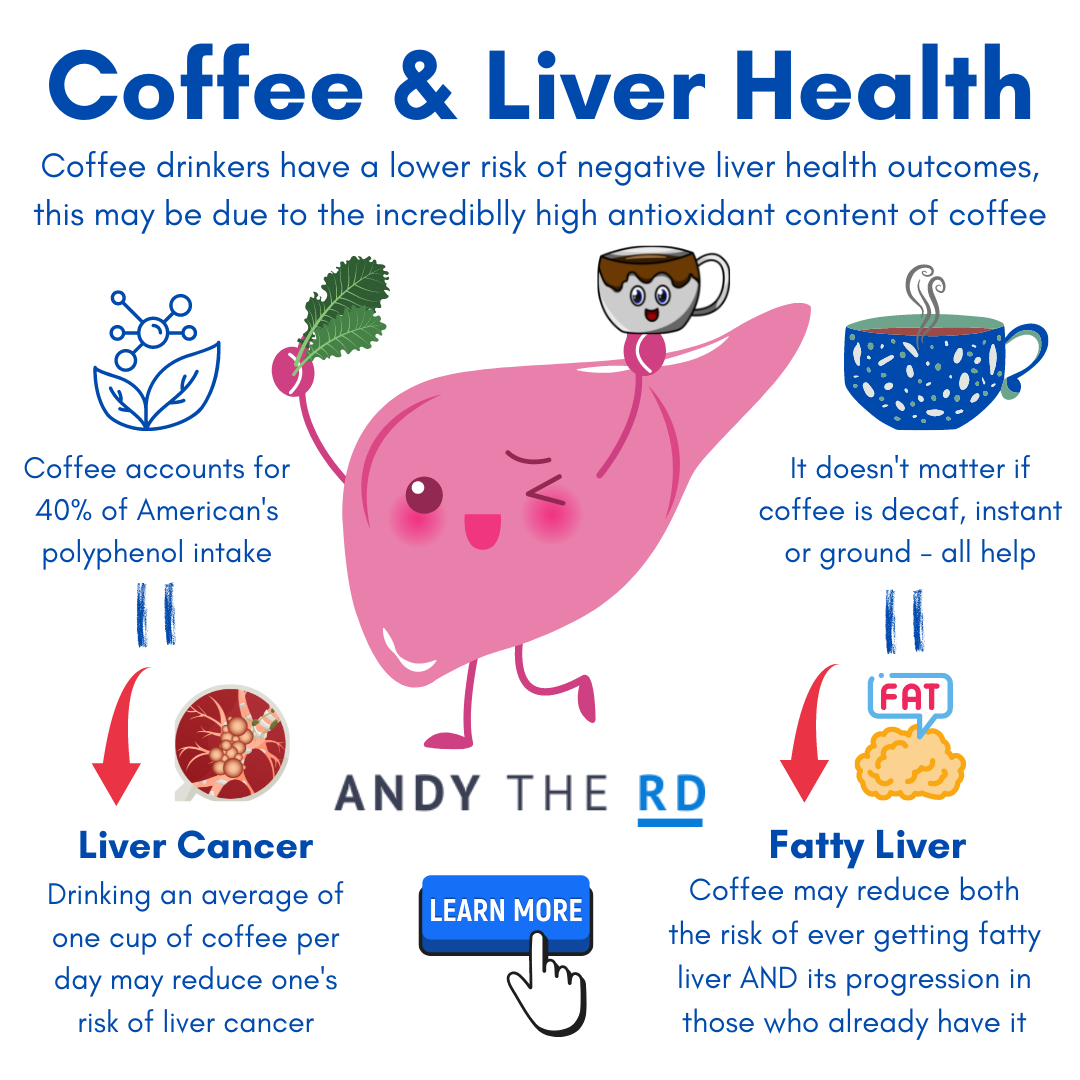
How Coffee Protects Your Liver: From Fat to Cancer
Growing evidence suggests regular coffee consumption is linked to lower risk of fatty liver, reduced scarring (fibrosis), and decreased incidence of liver cancer. This article explains the biology, practical guidance, and who should be cautious.
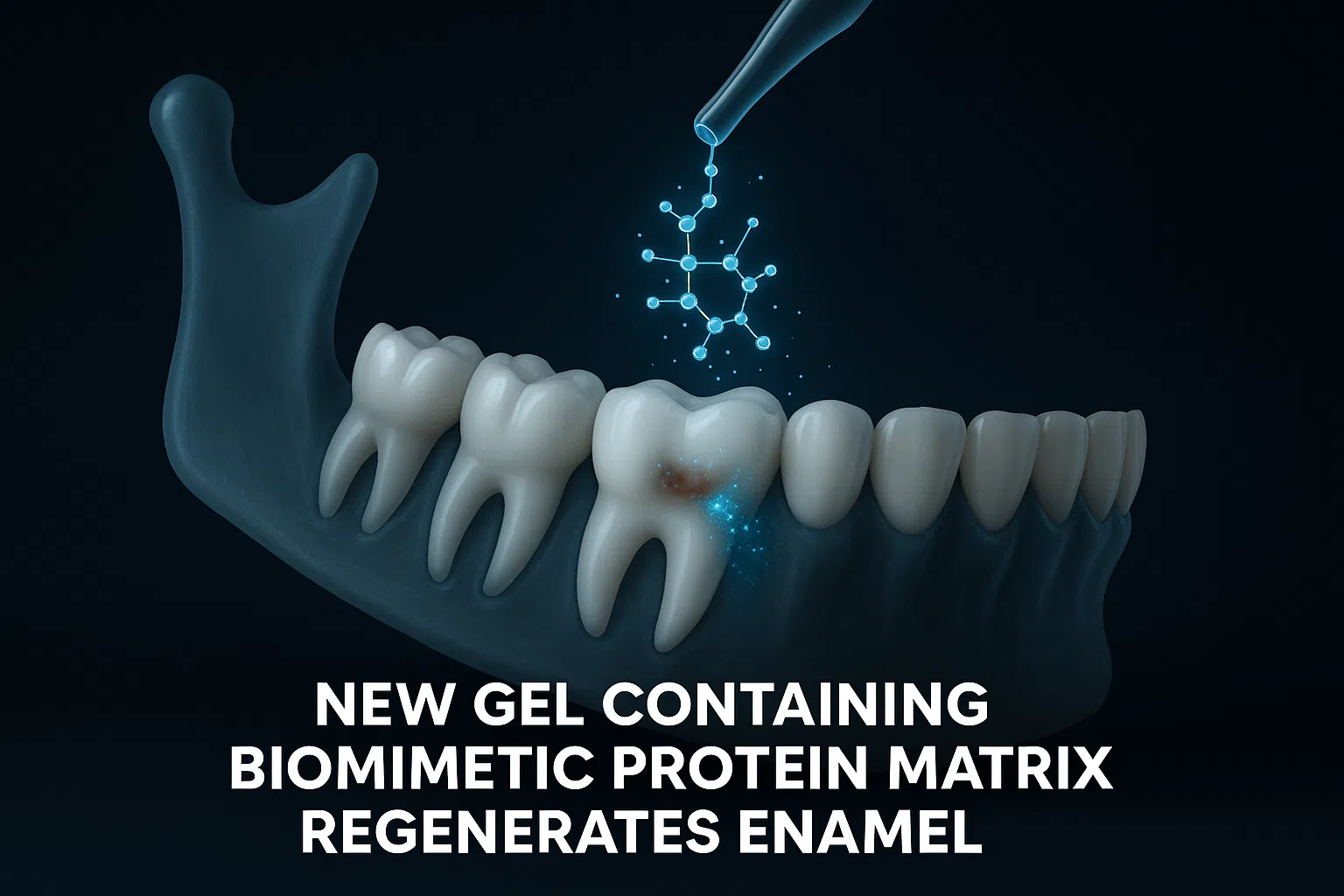
Gel that Regrows Tooth Enamel Could End Cavities
A new biomimetic dental gel shows promise for regenerating tooth enamel by promoting mineral growth and repairing early decay. If proven safe and effective in large clinical trials, it could shift dentistry from filling cavities to restoring enamel noninvasively.

AI Blood Test Detects Heart Disease Risk 15 Years Early
A new AI-driven blood test claims to identify individuals at elevated risk of heart disease up to 15 years before symptoms appear. This feature explains how the technology works, evidence behind it, clinical implications, limitations, and what patients and clinicians should know now.
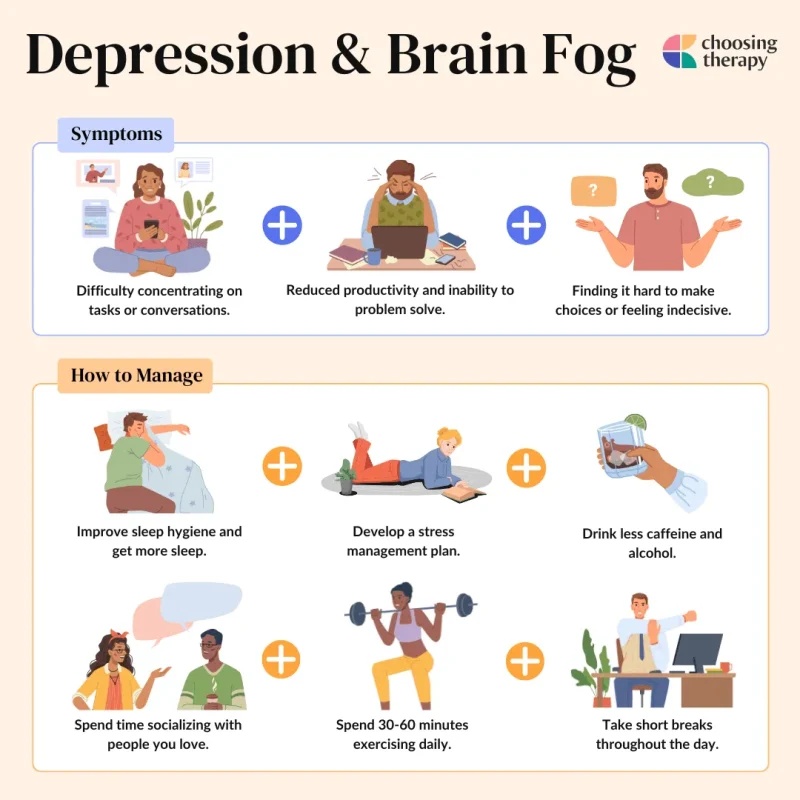
Constipation Drug Prucalopride May Clear Depression Brain Fog
Emerging research suggests the constipation medication prucalopride — a 5-HT4 receptor agonist — could improve cognitive symptoms often described as 'brain fog' in people with depression. Early studies point to effects on hippocampal function, neuroplasticity and the gut–brain axis, but larger clinical trials and careful safety evaluation are needed before routine use.
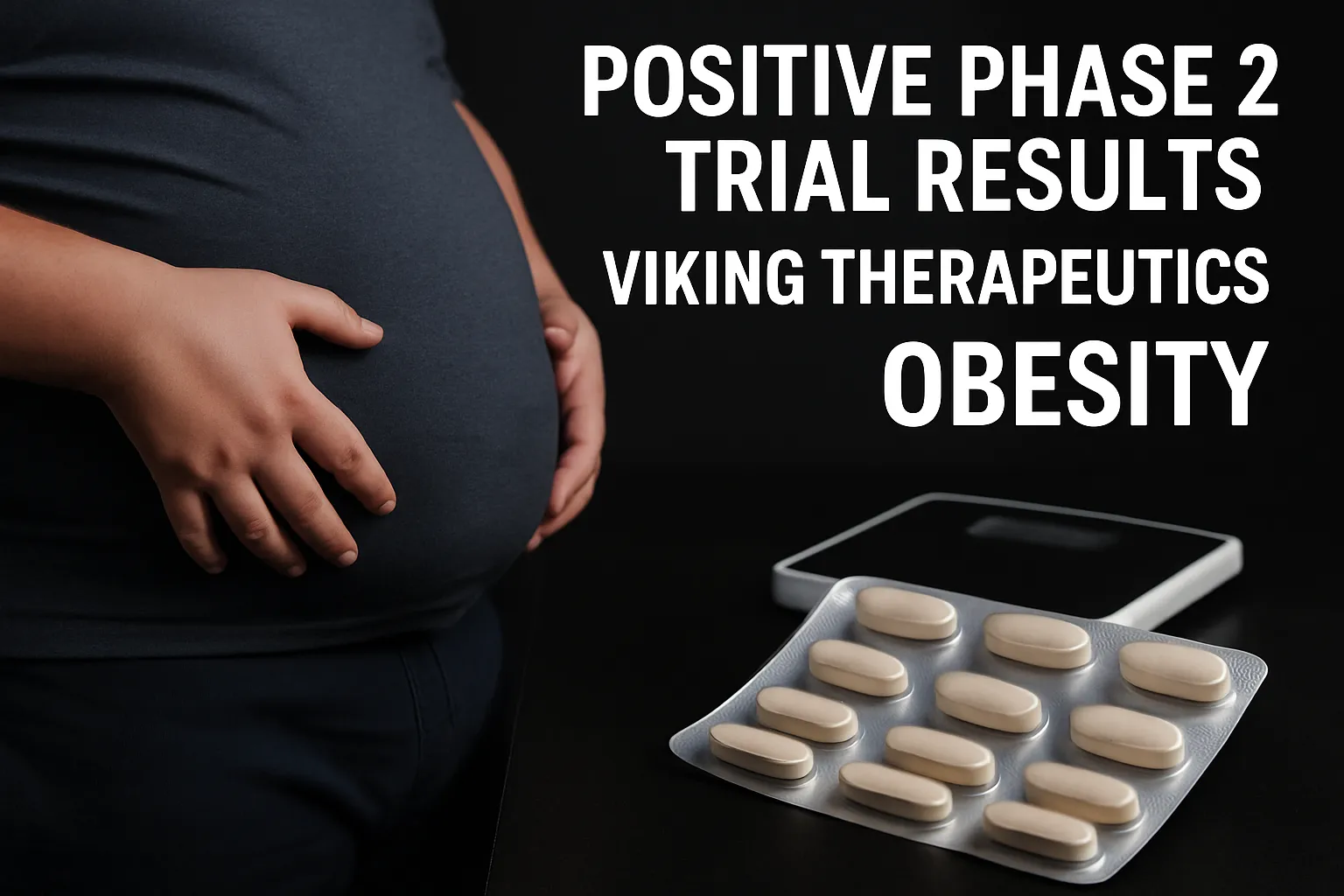
Oral Weight-Loss Pill Outperforms Ozempic in Major Trial
A new once-daily oral GLP-1 pill has shown superior weight-loss results in a large clinical program compared with current oral GLP-1 products, challenging the dominance of injectable drugs like Ozempic and reshaping the obesity-treatment landscape.