Latest Articles
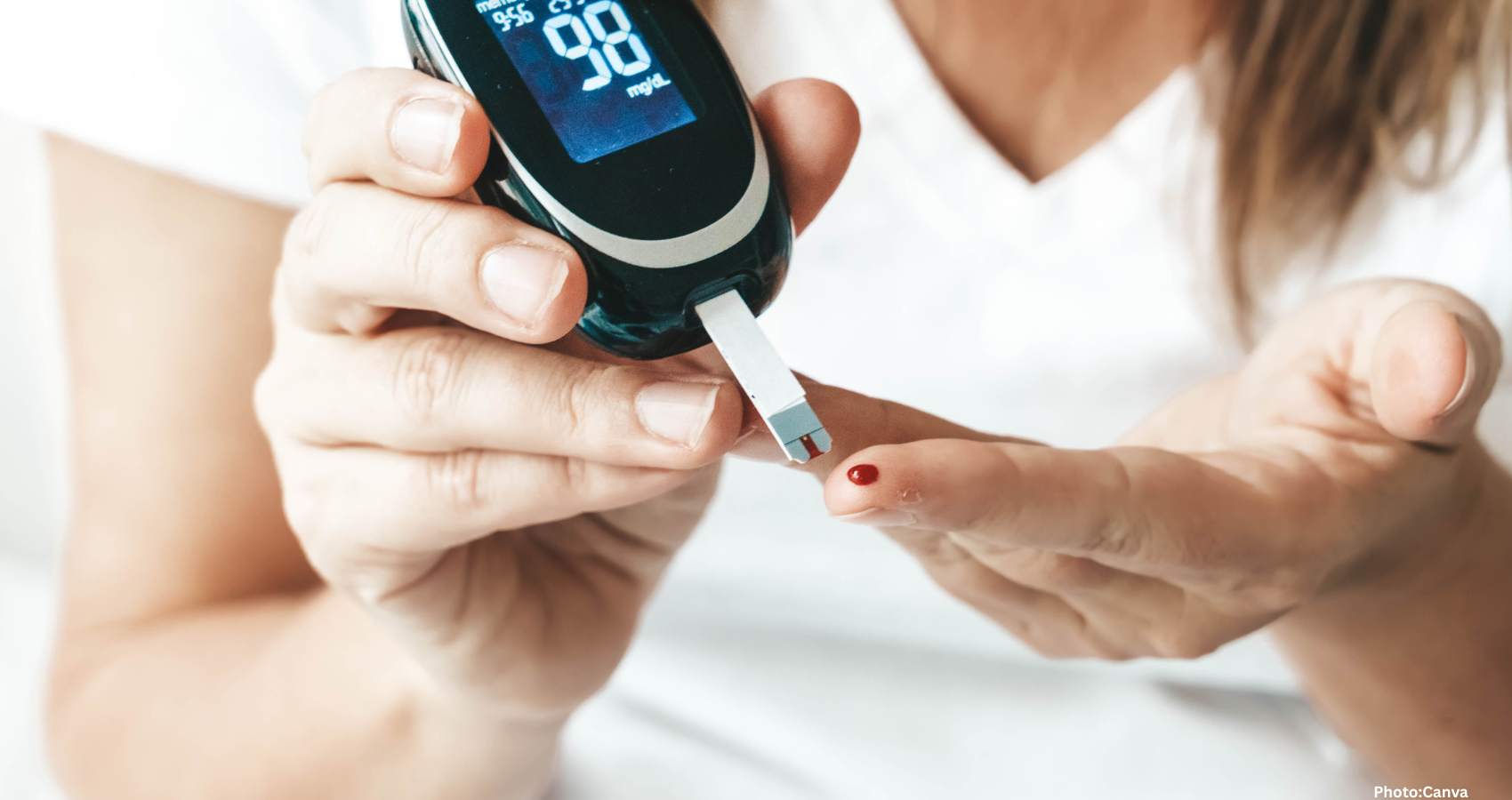
Reversing Prediabetes Lowers Heart Disease Risk by 58%
New findings show that reversing prediabetes sharply reduces the likelihood of heart attacks and related cardiovascular events. This article explains what reversal means, why it matters, and practical, evidence-based steps to protect your heart and metabolic health.
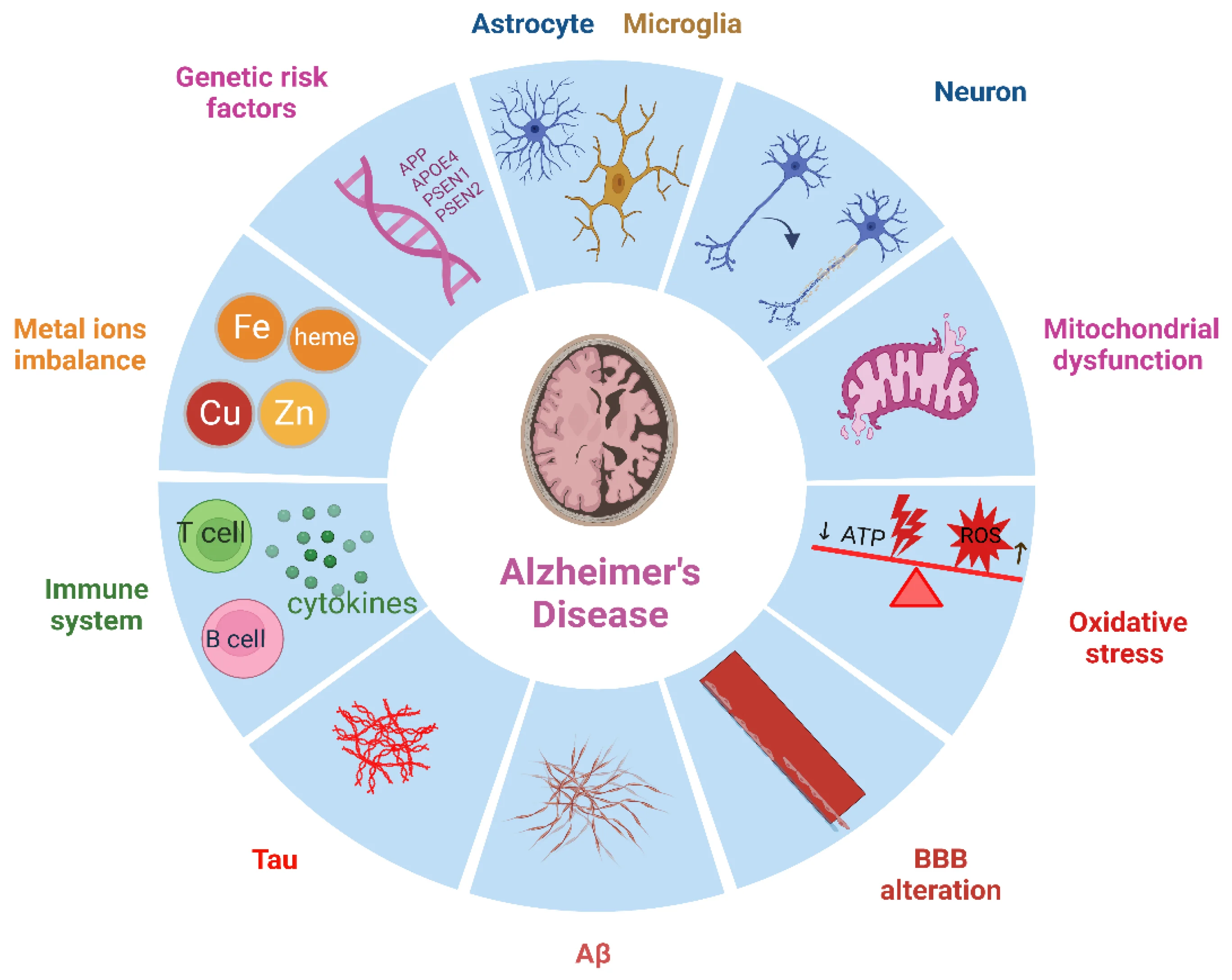
Surprising Molecular Link Between Cancer and Alzheimer’s
New research reveals overlapping molecular and cellular pathways between cancer and Alzheimer’s disease, challenging long-held assumptions and opening fresh avenues for diagnosis and treatment. This feature explores the science, the paradoxical epidemiology, and what the discovery means for patients and researchers.
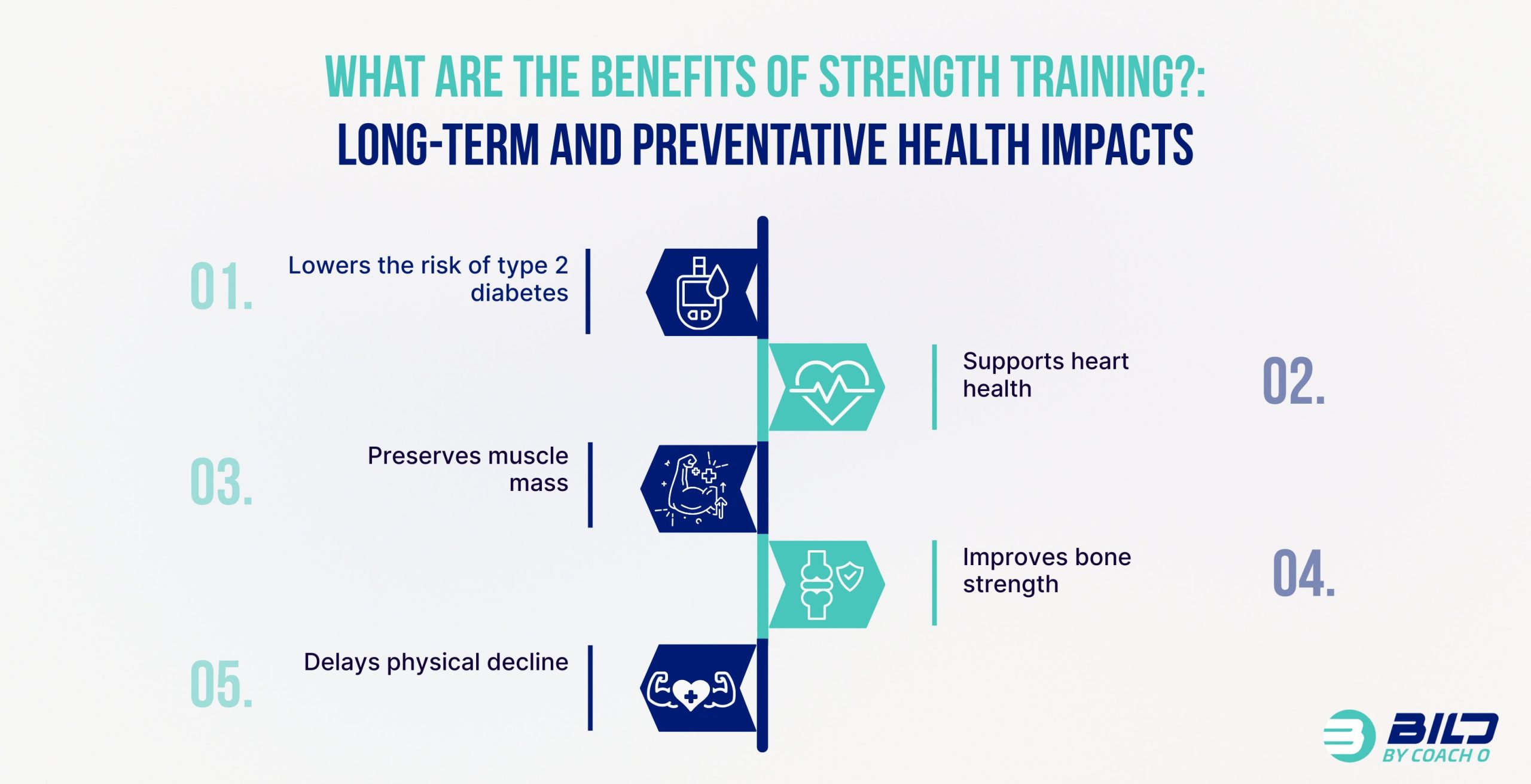
Strength Training Sweet Spot for a Longer Life
New evidence and expert synthesis suggest there is a practical, science-backed sweet spot for strength training that maximizes longevity benefits without unnecessary time or risk. This article explains the physiology, the dose-response, practical programs for different ages, and clear guidance to make strength training sustainable and effective.
Scientists Identify New Alzheimer’s Trigger — Drug That Blocks It
Researchers report discovery of a previously overlooked molecular trigger that accelerates Alzheimer’s pathology and a candidate drug that halts that cascade in preclinical studies, opening a new therapeutic direction and promising earlier intervention strategies.
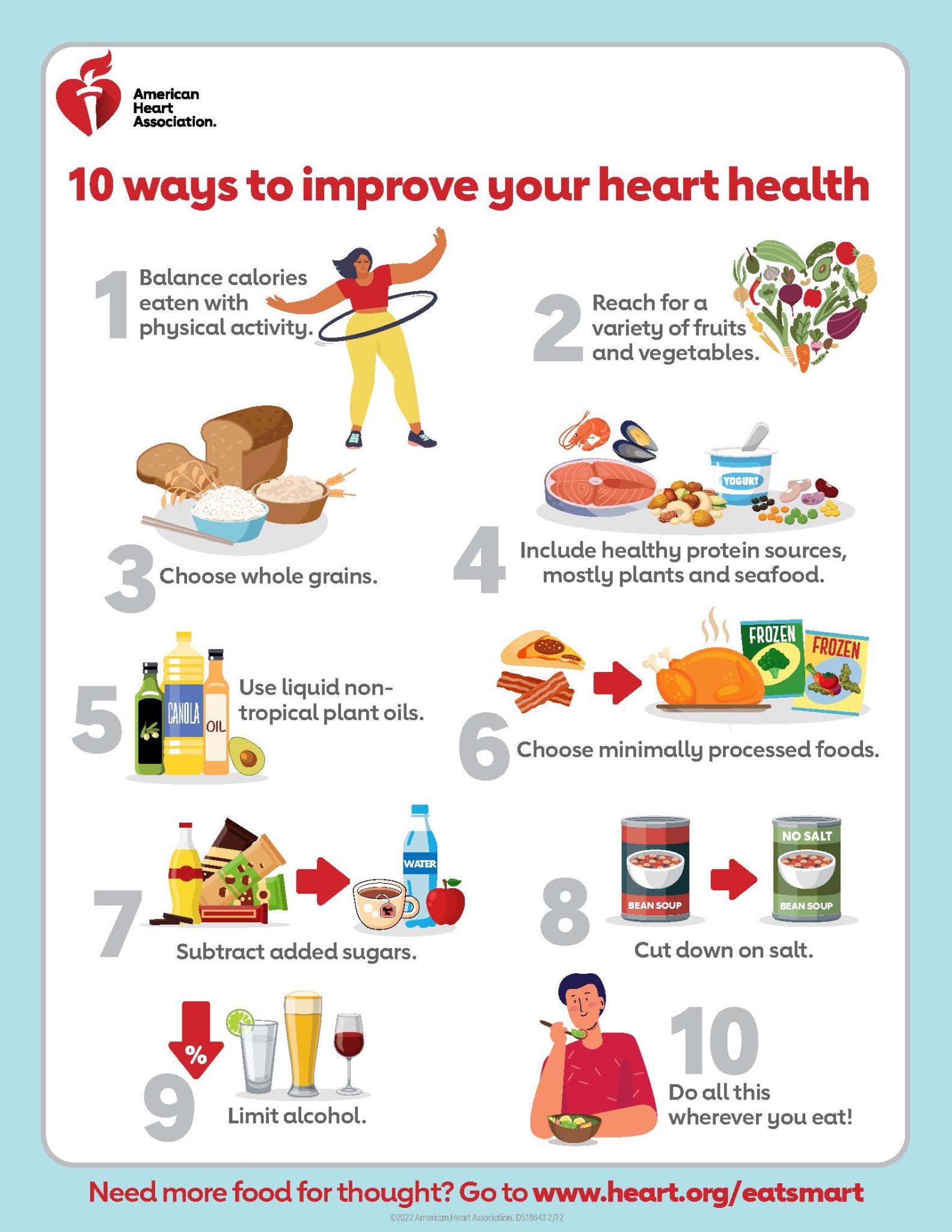
560-610 Minutes of Exercise Weekly Cuts Heart Attack Risk
A recent study suggests adults who accumulate roughly 560–610 minutes of weekly activity may sharply reduce their risk of heart attack. This article explains what that dose means in practice, how it compares to current guidelines, and safe, effective ways to build toward it.

Syringe Reuse in Pakistan Hospital Infects 331 Children
A tragic outbreak tied to syringe reuse left hundreds of children infected with HIV, exposing deep weaknesses in injection practices, oversight, and health-system incentives. This feature traces how such episodes happen, the human cost, and practical steps to prevent recurrence.