
Zepbound, Mounjaro and Brown Fat: Can These Drugs Ignite Calorie Burn?
The remarkable weight-loss results seen with the new generation of incretin-based drugs have been framed largely around appetite suppression and improved glycemic control. But laboratories and clinicians are increasingly asking a different, more metabolic question: might these drugs also flip on the body's own calorie-burning furnace — brown adipose tissue — and, if so, what would that mean for long-term weight regulation, metabolic health, and how we use these medicines?
What if part of the answer to why people lose dramatic amounts of weight on tirzepatide isn't just that they eat less, but that they also burn more?
Why Brown Fat Matters
Most people are familiar with white fat: the energy-storing tissue that accumulates in subcutaneous and visceral depots and increases risk for cardiometabolic disease. Less familiar — but central to this story — is brown adipose tissue (BAT). Unlike white fat, BAT specializes in burning chemical energy to generate heat through a protein called uncoupling protein 1 (UCP1) located in mitochondria. That thermogenic process consumes glucose and fatty acids and raises whole-body energy expenditure.
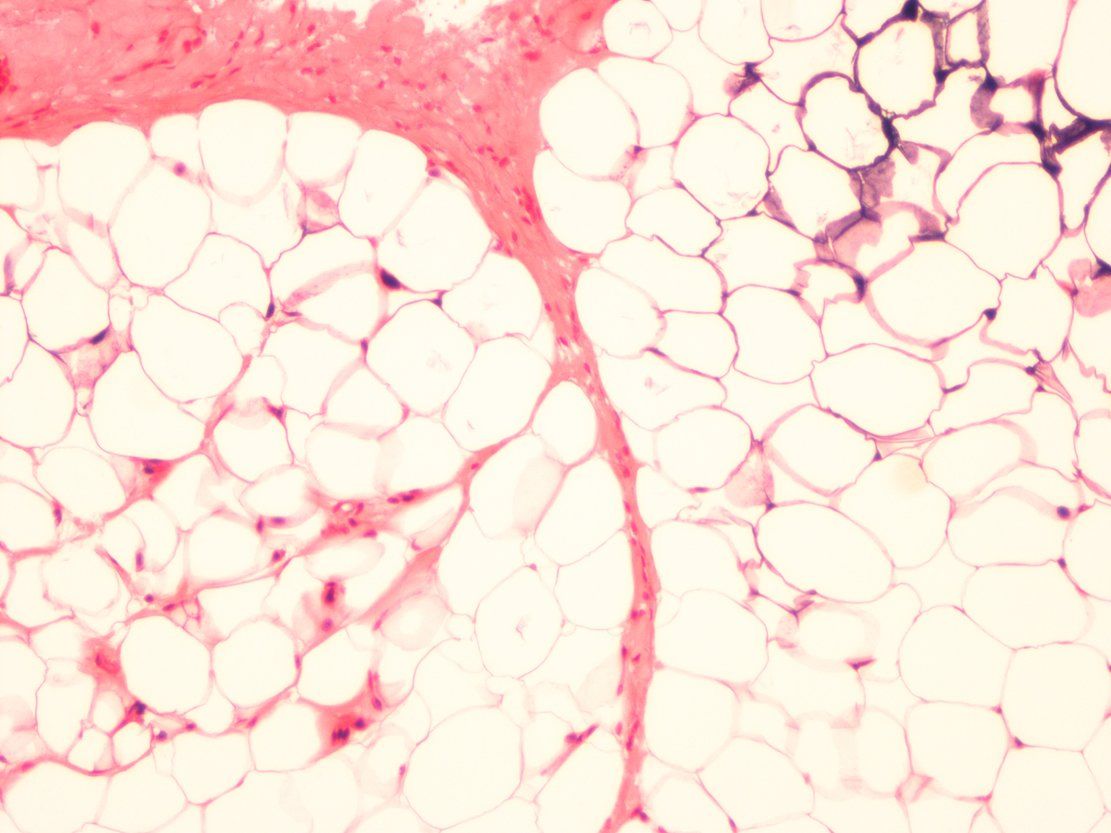
Brown adipose tissue microscopic
Brown fat is abundant in human infants and diminishes with age, but adults retain depots, particularly around the neck and shoulders, and can also recruit 'beige' fat cells from white fat in response to stimuli. Activating BAT or increasing browning of white adipose tissue has long been an attractive target for obesity and metabolic disease because it creates a means of dissipating excess calories rather than storing them.
The Drug Players: Mounjaro and Zepbound
What these medicines are
Mounjaro and Zepbound are commercial names for tirzepatide, a once-weekly injectable peptide that acts as a dual agonist at two incretin receptors: GLP-1 (glucagon-like peptide-1) and GIP (glucose-dependent insulinotropic polypeptide). These hormones normally signal from the gut to modulate insulin secretion, appetite, and nutrient handling. Combining their activity in a single molecule produces more potent effects on weight loss and glycemic control than GLP-1 receptor agonism alone in many trials.
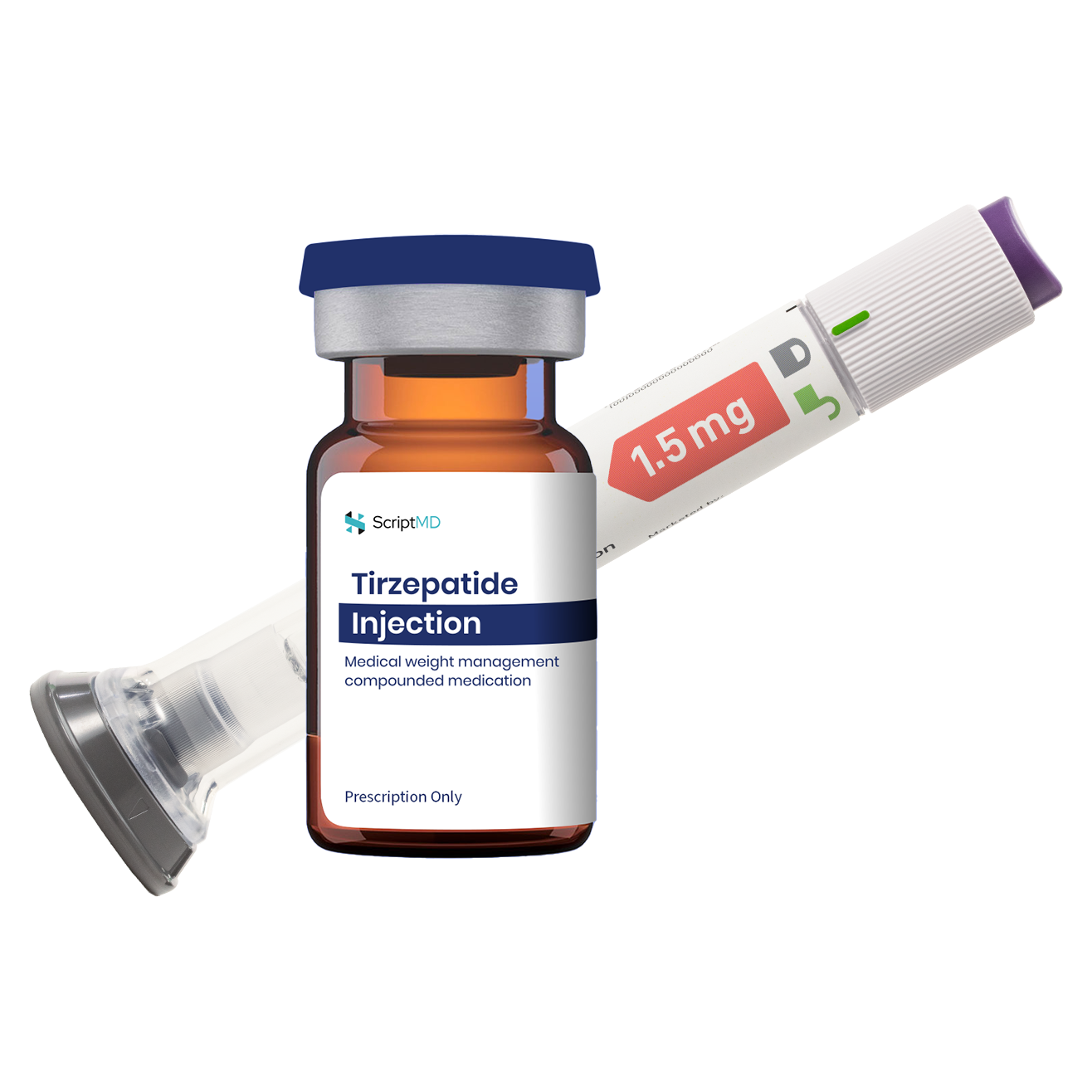
Tirzepatide injection medication
Beyond appetite: potential thermogenic effects
While appetite suppression, nausea and reduced caloric intake explain a large part of the weight-loss picture, several lines of evidence suggest tirzepatide may also influence energy expenditure through pathways that intersect with brown and beige fat function — either directly via receptors or indirectly through hormonal and neural circuits.
Weight loss medication injection
How Incretin Agonists Could Turn On Brown Fat
Direct receptor effects on adipose tissue
GLP-1 and GIP receptors are expressed in multiple tissues beyond pancreatic islets, including in adipose tissue and the nervous system. Activation of these receptors can influence intracellular signaling cascades — cyclic AMP, PKA, and downstream transcriptional programs — that govern mitochondrial biogenesis and UCP1 expression. In theory, a drug that stimulates both receptors could nudge adipocytes toward a more thermogenic phenotype.
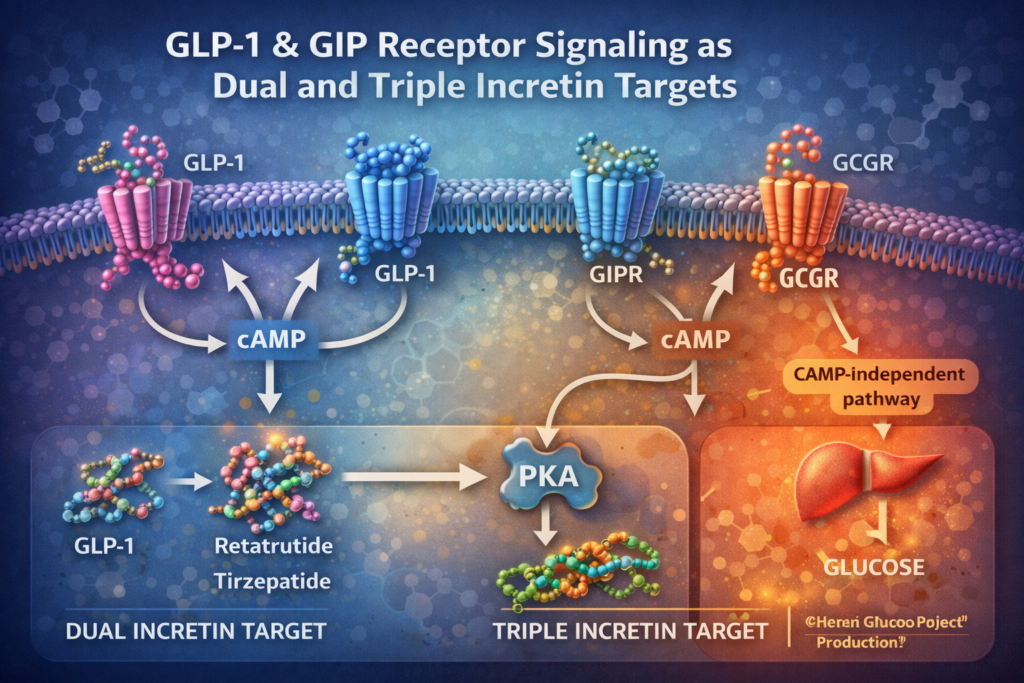
GLP-1 GIP receptors diagram
Central nervous system and sympathetic activation
Another, perhaps more plausible route is central: incretin receptors in the brain influence autonomic output. Brown fat activation in adults is primarily under sympathetic nervous system control — catecholamine release from sympathetic nerves increases UCP1 activity and substrate oxidation. If tirzepatide modulates hypothalamic or brainstem circuits that elevate sympathetic tone to BAT, that could increase resting energy expenditure independently of calorie intake.
Improving substrate supply and mitochondrial function
Beyond nervous system effects, improved insulin sensitivity and altered substrate partitioning could make adipose tissue more metabolically flexible. Better glucose uptake and mitochondrial function in fat could support thermogenesis. In addition, reductions in ectopic fat and systemic inflammation change the adipose microenvironment in ways that support browning.
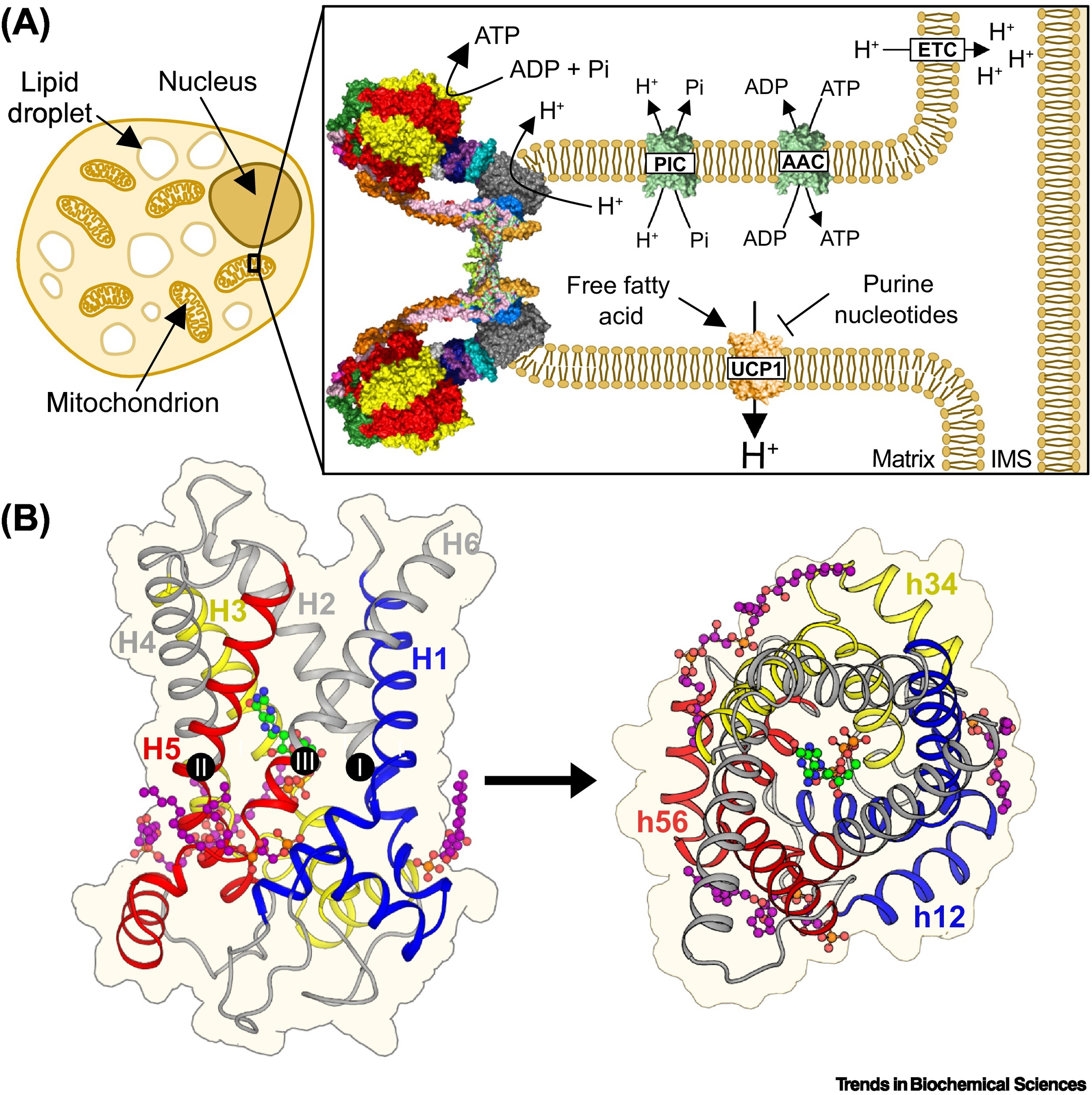
Uncoupling protein UCP1 mitochondria
What the Evidence Shows So Far
Preclinical studies
Animal models provide the initial mechanistic hints. Experiments in mice treated with GLP-1 receptor agonists or dual-agonists show increased markers of BAT activity and mitochondrial biogenesis in adipose tissue, sometimes accompanied by higher energy expenditure measured in metabolic cages. Those studies often show increased expression of UCP1 and browning markers in subcutaneous depots. Importantly, rodent metabolic physiology differs from humans, and high pharmacologic doses and cold exposures in labs complicate direct translation.
Human metabolic and imaging studies
Human data are more limited but growing. Small studies using indirect calorimetry and PET imaging have reported modest increases in resting energy expenditure and BAT glucose uptake after treatment with GLP-1 receptor agonists in some cohorts. For tirzepatide specifically, phase 2 and phase 3 clinical programs prioritized weight and glycemic outcomes over mechanistic PET scans, so direct human evidence linking tirzepatide to increased BAT activity remains preliminary.
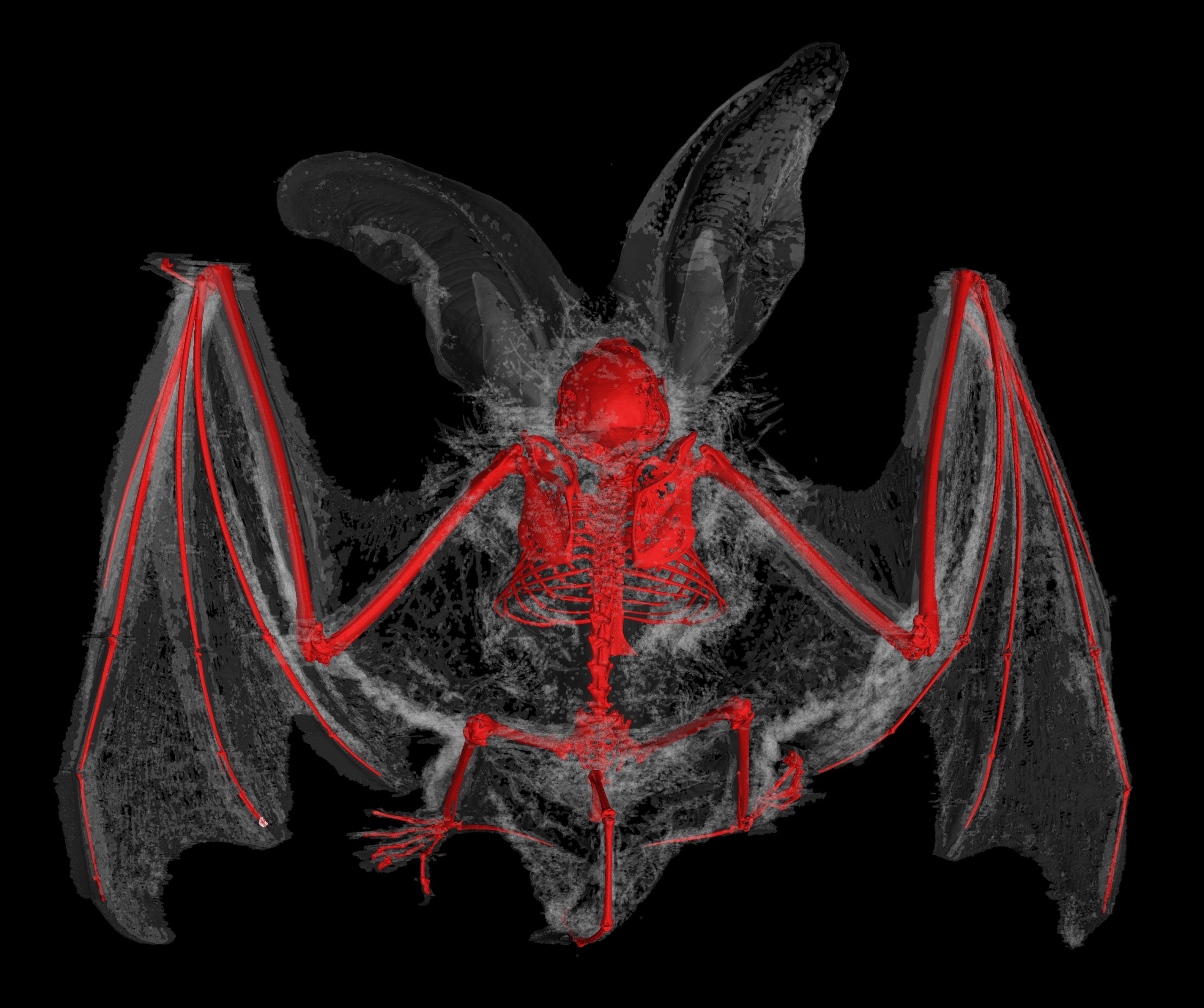
BAT PET scan imaging
However, clinical observations align with a possible BAT contribution: patients often report not only reduced appetite but also changes in energy levels and temperature regulation, and weight loss on tirzepatide appears to be accompanied by favorable shifts in fat mass vs. lean mass — a pattern compatible with both reduced intake and increased energy expenditure.
Limitations and alternative explanations
It's critical to temper enthusiasm. Increased weight loss on these drugs could be fully explained by appetite suppression, reduced caloric intake, and metabolic changes in liver and muscle that alter energy balance. Fluid shifts, loss of glycogen, and reductions in visceral fat also affect early weight curves. Moreover, sustained activation of BAT to a clinically meaningful degree in adults is notoriously difficult; even if tirzepatide increases BAT activity, the absolute contribution to daily calorie burn may be modest compared with the caloric deficit from reduced intake.
Even a small, sustained increase in daily energy expenditure — 50 to 100 calories — can meaningfully affect weight over months and years.
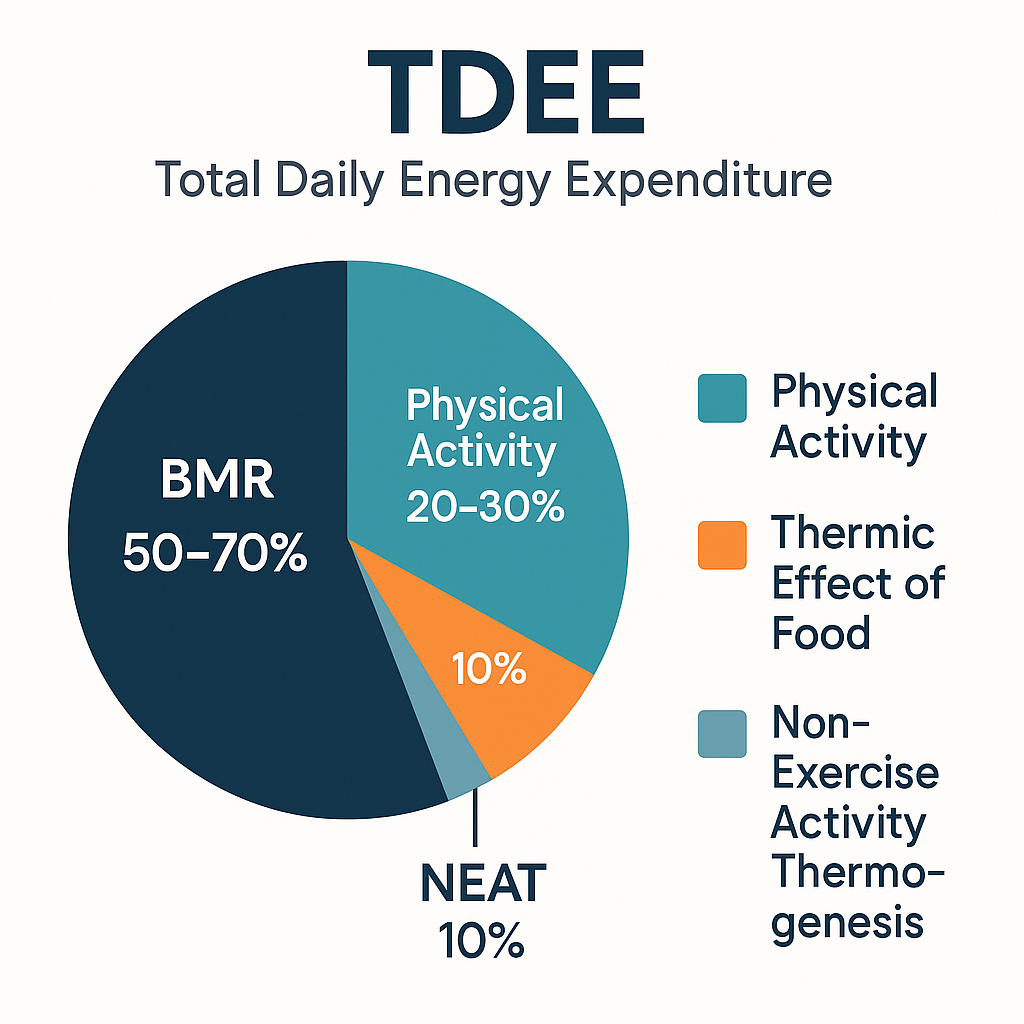
Thermogenesis energy expenditure chart
Clinical implications
If BAT activation is real and durable
Should robust evidence emerge that Zepbound/Mounjaro directly increase BAT activity in humans, the implications would be large. Therapies that both reduce intake and raise expenditure attack obesity on two fronts and might produce more durable weight loss and better cardiometabolic outcomes. In practice, BAT activation could:
- Boost total weight loss by adding a thermogenic component to the energy deficit.
- Improve metabolic health by increasing uptake of glucose and fatty acids into thermogenic tissue, lowering circulating lipids and glucose.
- Enable lower dosing in some patients if combined mechanisms yield superior efficacy with fewer side effects.
If BAT effects are small or transient
Even modest BAT activation could help, but it would not rewrite clinical practice. The primary value of tirzepatide would remain its powerful appetite and glycemic effects. Clinicians should avoid overpromising — current data do not justify using tirzepatide primarily as a thermogenic therapy. Instead, BAT activity would be an interesting bonus that might explain interindividual differences in response.
Safety, trade-offs and what we don't know
Any claimed new mechanism must be examined through the lens of safety and long-term outcomes. Key unknowns include:
- Magnitude and duration: How large is the BAT-mediated increase in energy expenditure, and does it persist with chronic treatment?
- Population differences: Do age, sex, baseline BAT volume, or adiposity determine who benefits?
- Metabolic trade-offs: Does increased sympathetic tone to BAT have cardiovascular consequences in susceptible individuals?
- Off-target effects: Are there unanticipated consequences of chronically increasing mitochondrial uncoupling in adipose tissues?
Long-term safety data for tirzepatide-class drugs are being collected, and regulatory decisions anchored on clinical endpoints will ultimately decide their place in therapy. For now, clinicians must balance the promise of metabolic gains against known side effects such as gastrointestinal symptoms and rare but serious risks highlighted in drug labels for incretin therapies.
Practical takeaways for clinicians and patients
For clinicians
Be precise when counseling patients. Explain that tirzepatide's primary, evidence-based benefits are appetite suppression, improved glycemic control, and clinically meaningful weight loss. Mention BAT activation as a possible additional mechanism under investigation, not a proven primary pathway. Consider monitoring weight composition, metabolic markers, and cardiovascular status as part of routine care.
For patients
Understand that feeling warmer or noticing changes in energy does not confirm high levels of calorie burn. Maintain realistic expectations: lifestyle measures — diet, resistance training to preserve lean mass, and regular aerobic activity — remain essential complements to pharmacotherapy. If you're participating in a clinical trial or having mechanistic testing, tests such as indirect calorimetry or specialized imaging can measure energy expenditure and BAT uptake, but these are mostly research tools at present.
Research priorities and how the field will decide
To move from plausible mechanism to clinical certainty, the research agenda needs: targeted human studies that measure BAT activity before and after treatment using PET or MRI, randomized designs that separate intake effects from expenditure (for example, controlled feeding studies), and mechanistic trials that examine neural pathways and tissue-specific receptor signaling. Trials that stratify participants by baseline BAT amount or metabolic phenotype could reveal whether BAT activation explains variable responses.
Translational efforts should also evaluate potential risks of chronic thermogenic activation and whether BAT recruitment complements — or competes with — other metabolic adaptations to weight loss, such as reductions in resting energy expenditure.
Conclusion
Tirzepatide medicines marketed as Mounjaro and Zepbound have reshaped expectations for pharmacologic weight loss. While appetite suppression and improved glycemic control are established drivers of their efficacy, a growing mechanistic narrative suggests these drugs may also engage brown and beige adipose tissues, adding a thermogenic component to their metabolic actions.
At present the evidence for meaningful BAT activation in humans is intriguing but not definitive. The practical message is balanced: clinicians and patients should treat BAT activation as an active area of research that may partly explain exceptional outcomes in some people, while continuing to rely on proven clinical endpoints when making treatment decisions.
- Tirzepatide (Mounjaro, Zepbound) primarily reduces weight by lowering appetite and improving glucose control.
- Preclinical and early human data suggest possible activation of brown/beige fat, which could raise energy expenditure modestly.
- Even small increases in daily calorie burn can add up, but robust, long-term human evidence is still needed.
- Patients should combine medication with lifestyle measures; clinicians should avoid overstating unproven benefits.
Reporting note: this article synthesizes mechanistic biology and clinical observations to explain potential links between tirzepatide-class drugs and brown fat. It does not substitute for medical advice or regulatory guidance.