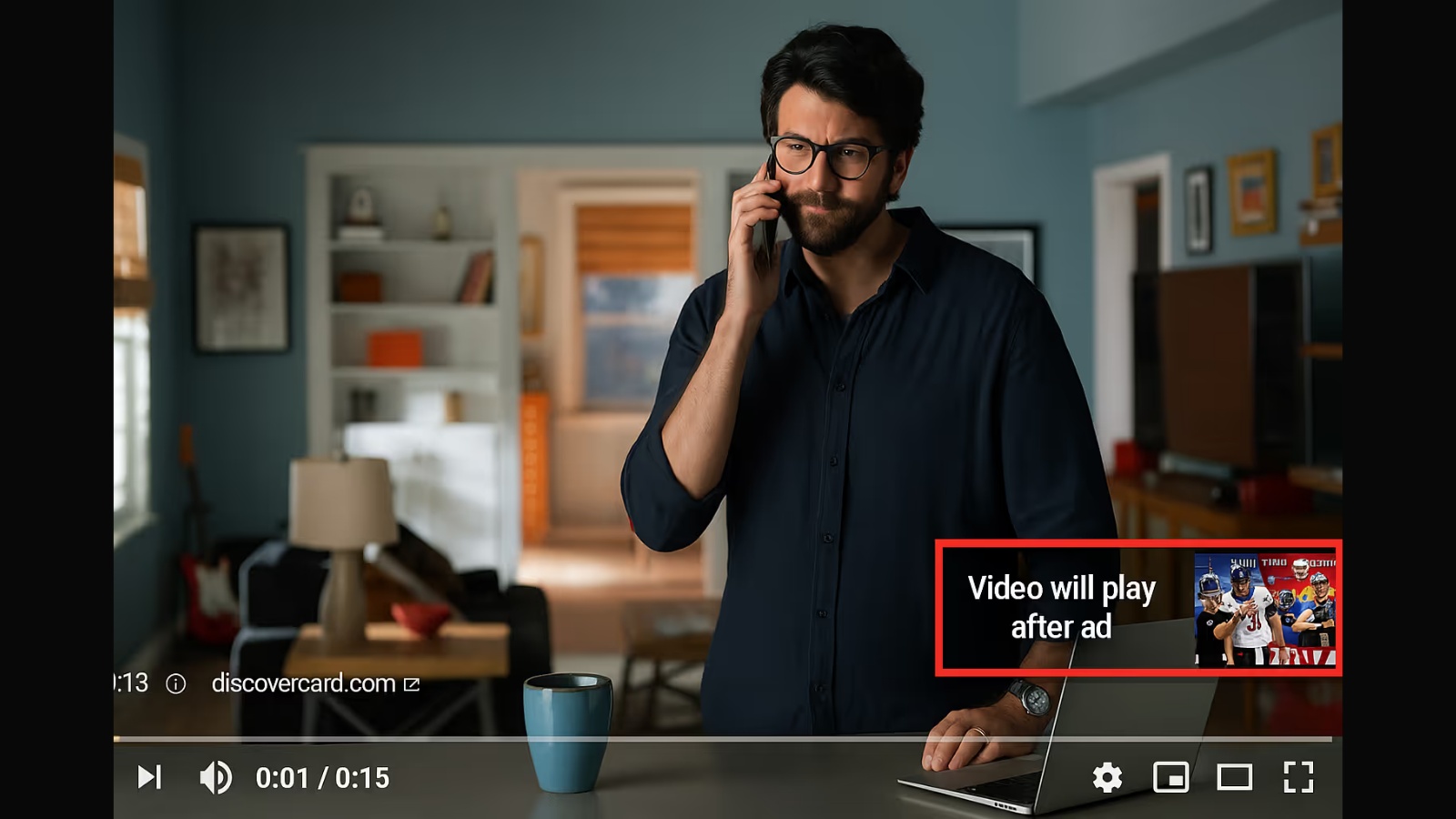
YouTube's New Unskippable TV Ads Spark Outrage
The latest change to how YouTube serves ads — longer, unskippable spots appearing for viewers on TV apps — has landed like a thunderbolt in living rooms. For people who stream video through smart TVs, game consoles, or streaming sticks, the viewing experience that used to include a handful of skippable or shorter ads now sometimes feels like a forced commercial block. The reaction has been swift: complaints across social platforms, outraged threads in community forums, creators warning about audience churn, and advertisers recalculating reach and effectiveness. Whether you think of it as a necessary business move or a tone-deaf assault on the modern streaming experience, the change raises important questions about the future of ad-supported television and the tradeoffs between revenue and viewer trust.
What Happened — The Change That Lit the Fuse
At a high level, YouTube adjusted its ad-serving behavior on television-connected devices so that some ad creatives play without the familiar skip button and run for longer durations than viewers expect from the platform. The tweak is not limited to traditional 15- or 30-second spots: viewers report encountering extended formats that are effectively forced viewing during breaks in programming. The shift appears targeted at the TV app experience, where the platform can more closely emulate broadcast-style ad breaks and where advertisers historically pay premium prices for captive living-room audiences.
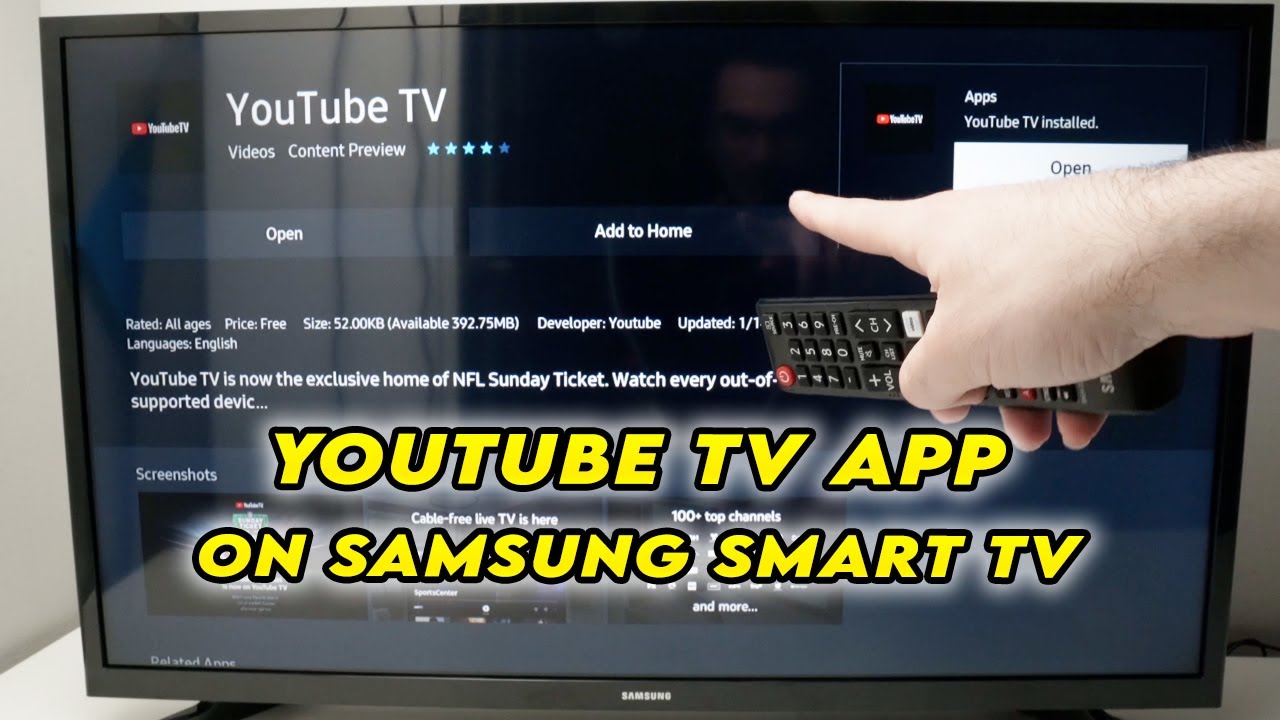
smart TV YouTube app
Why YouTube would push this change
There are clear financial motivations. Revenue per ad impression on big-screen devices tends to be higher than on phones because TV viewing sessions are longer and attention is more concentrated. Extending unskippable inventory allows platforms to sell higher-priced premium placements and give advertisers the guarantee of full creative exposure. For YouTube, which balances an ad-supported tier and a paid premium subscription, this move increases the monetization potential of viewers who choose not to subscribe. From a business perspective, it can feel like low-hanging fruit: more effective ad impressions translate directly into higher revenue without the complexities of developing entirely new product lines.
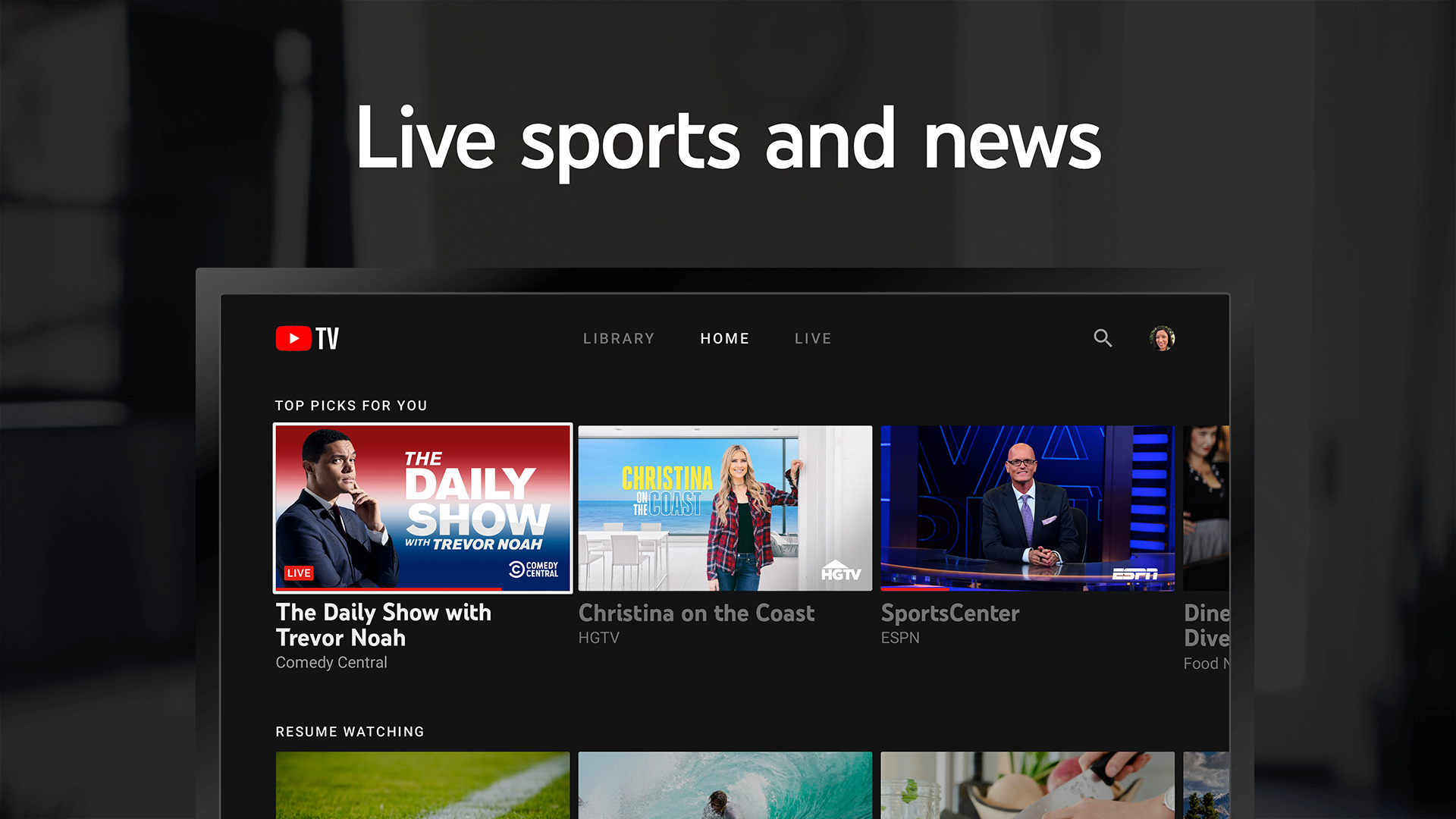
YouTube TV app interface
Why viewers are furious
For many viewers, the problem is less about economics and more about expectations and control. Streaming created a new social contract: you tolerate some ads in exchange for free access, but you expect a reasonable balance — short, occasionally skippable ads, or an ad load that respects the viewer's time. Forced long ads on a device that lives in the center of a household disrupt shared viewing, interrupt the natural flow of a show, and can feel intrusive when they appear mid-episode or in the middle of a short program. People pay for internet service and sometimes subscriptions to avoid the exact experience that now seems to be creeping back.
"When the living room becomes a billboard, the viewing experience is no longer ours — it belongs to whoever pays the most for attention."
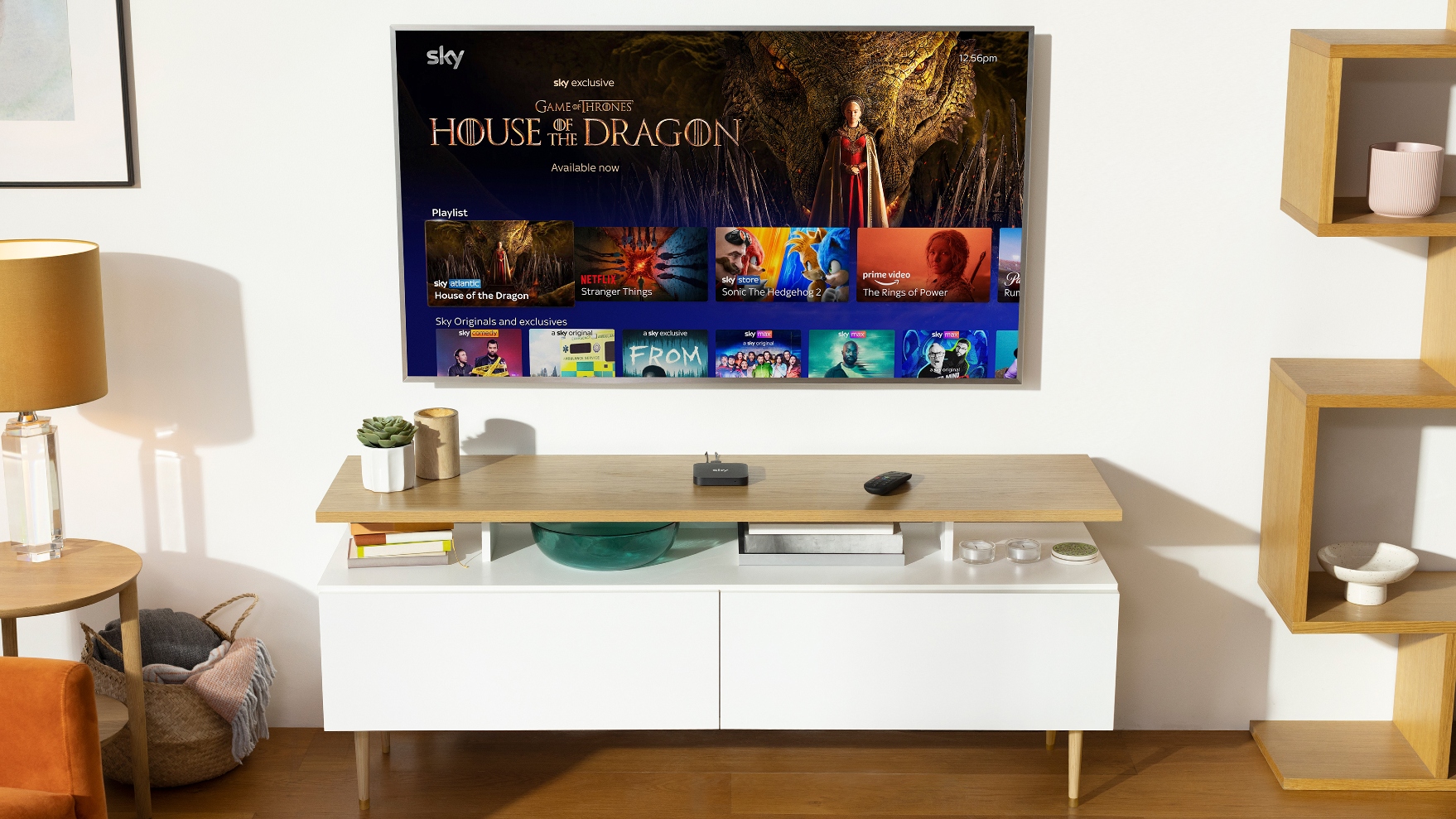
living room TV streaming
Experience matters: TV vs. mobile viewing
Context matters a lot in how ads are perceived. On a phone, ads are integrated into short sessions, often replacing a moment of idle scrolling. On a TV, viewers gather — families, roommates, partners — to watch long-form content. Ad interruptions in the living room have different social and emotional costs. This is why traditional broadcasters invested heavily in curating ad pods and pacing commercial breaks; they designed interruptions to minimize dissonance. Streaming platforms are still learning to calibrate that balance, and aggressive monetization strategies risk undoing years of progress in user experience design.
What this means for creators and publishers
Creators sit in an uncomfortable middle ground. On one hand, higher-paid ad inventory can mean better payouts for creators participating in revenue share programs; full-exposure ads are more valuable and advertisers may pay to reach engaged viewers on large screens. On the other hand, if the change leads to a decline in watch time or subscriber renewals, creator revenues could drop if overall traffic and engagement fall. Many creators rely on a delicate mix of ad revenue, sponsorships, and platform incentives; disruptive ad experiences can alter that ecosystem.
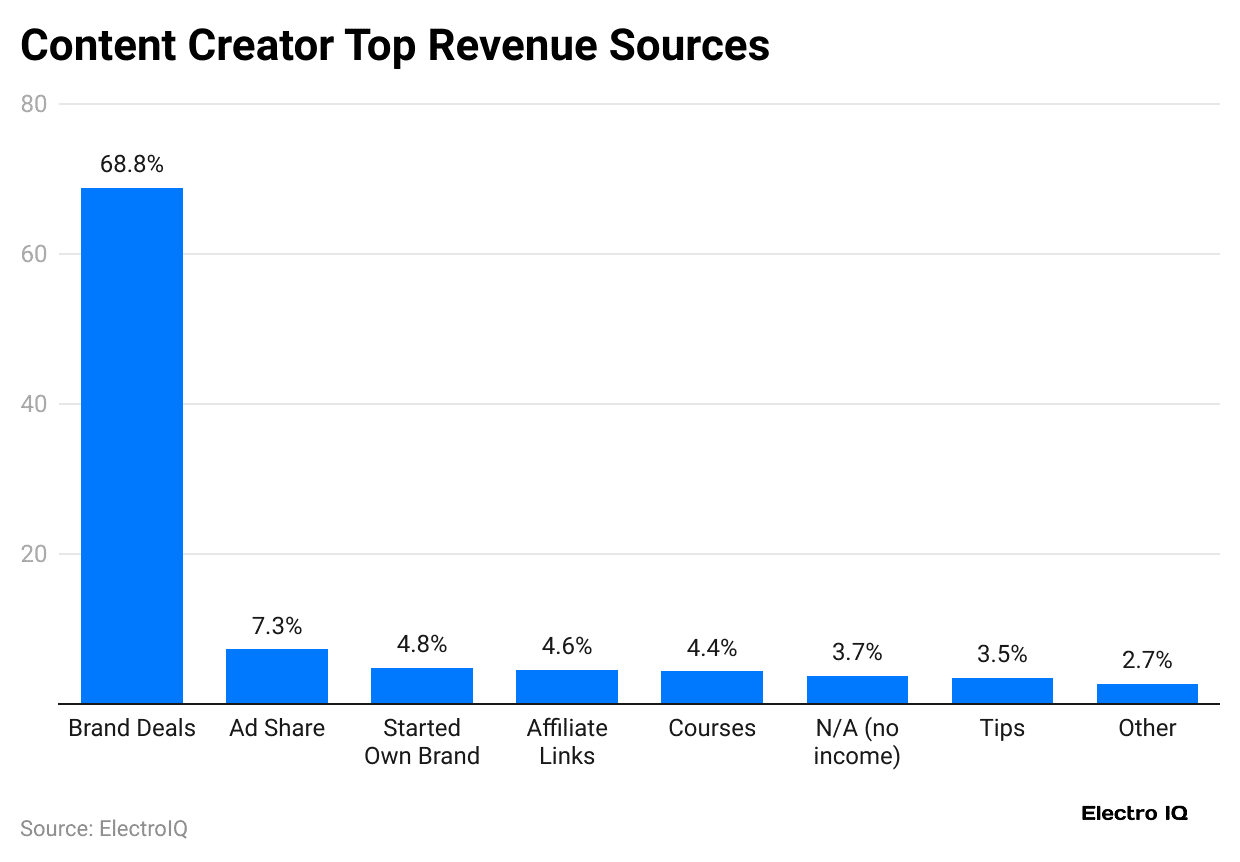
content creator revenue
The creator calculus
- Short-term upside: more valuable ads on TV screens may mean higher RPMs for the same number of views.
- Long-term risk: viewer backlash and reduced session length could shrink total monetizable impressions.
- Alternate strategies: creators might increasingly diversify income — memberships, direct merchandising, platform diversification — to hedge platform policy shifts.
Advertisers and agencies: a mixed reaction
Advertisers generally prize guaranteed exposure, and many brands love the idea of long-form creative playing on big screens where attention is higher. For brand campaigns focused on awareness, this is an attractive development. But performance marketers who optimize for clicks, conversions, and measurable short-term ROI may be less enthusiastic. Programmatic buyers, especially, will demand refined measurement around incremental reach and brand lift to justify paying up for longer, non-skippable inventory.
ad-supported streaming service
What advertisers need to consider
- Creative fit: not all ads scale well to long unskippable formats; creative refresh and storytelling skills become essential.
- Measurement: brands must monitor view-through rates, brand lift, and post-exposure behavior to validate spend.
- Targeting tradeoffs: broader TV placements may reach a less precise audience than narrow digital buys, changing performance expectations.
Regulatory and public-policy implications
Large-scale changes to ad practices seldom remain purely commercial. Consumer protection advocates can argue that forcing lengthy ads without explicit consent crosses a line, especially for households that include children or vulnerable viewers. Regulators who have been scrutinizing privacy, data-driven targeting, and platform dominance are likely to notice if ad experiences degrade user welfare at scale. That could translate into hearings, tougher disclosure requirements, or rules about ad frequency and length on subscription-free tiers.
regulatory hearing streaming
Potential legal pressure points
- Transparency: whether platforms clearly disclose ad experience changes to users.
- Competition: whether platform practices disadvantage rivals or coerce subscriptions.
- Consumer harm: whether excessive ad loads constitute unfair practice, especially for minors.
How viewers can respond — practical options
For frustrated viewers there are choices, none of them perfect. The most straightforward response is to consider the ad-free subscription if the cost justifies the convenience and if the service price remains acceptable. Another option is adjusting viewing habits — shifting to other platforms, watching on mobile where the ad experience may differ, or favoring content from creators who distribute ad-free on other channels. Users can also provide feedback to platforms and creators; a sustained outcry can slow or reverse product decisions.
Short-term workarounds
- Subscribe: purchase ad-free tiers if you watch enough to justify the cost.
- Alternate devices: watch on devices where ad formats are less intrusive.
- Playback timing: record or time-shift where possible so ads occur when interruptions are acceptable.
Broader industry impact — ripple effects
A change like this doesn't live in isolation. Competitors will watch closely. Some platforms may double down on ad experiences to push an AVOD (advertising-based video on demand) strategy; others may emphasize premium, ad-free tiers to attract churned viewers. The push-and-pull between advertising maximization and user experience optimization will reshape how streaming companies package products: more hybrid models, tiered ad levels, and creative formats optimized for living-room contexts.
- Higher advertiser willingness to pay for TV placements.
- Increased short-term platform revenue.
- Potentially higher payouts for creators if total revenue rises.
- Viewer frustration and increased churn risk.
- Negative brand association if ad experience is intrusive.
- Regulatory and reputational exposure.
What platforms and creators should do next
Platforms should view this as a product experiment that needs clear guardrails: transparency, opt-in communication, careful pacing, and robust measurement. Creators should proactively communicate with their audiences about what to expect and diversify their revenue with memberships, merch, and alternative distribution. Both sides benefit from a data-informed approach — A/B tests that measure abandonment and subscription behavior will reveal whether revenue gains are durable or illusory.
A checklist for responsible rollout
- Clear notice: inform users in-app before changes go live.
- Gradual rollout: limit the experiment size so impact can be measured and corrected.
- Creative guidance: help advertisers produce TV-friendly spots that respect viewer attention.
- Feedback loops: give users an easy way to report negative experiences and incorporate signals quickly.
How to evaluate if the change is working
Success should not be measured only by short-term ad revenue. A holistic evaluation includes watch time, churn, subscription take rate, creator earnings, and sentiment. If ad revenue ticks up while watch time and net promoter scores decline sharply, the net value may be negative. Conversely, if thoughtful pacing yields higher ad yields without eroding engagement, the move could be a sustainable revenue lever.
Conclusion — Tradeoffs and takeaways
The rush to monetize big-screen attention is understandable: advertisers want assured exposure, platforms seek revenue, and creators look for stable payouts. But the living room has rules shaped by decades of broadcast norms and modern streaming expectations. Turning the TV into a space of extended, forced advertising risks undermining the very attention advertisers are buying. The companies that succeed will be the ones that find a respectful, transparent middle ground that preserves viewer trust while unlocking value. For viewers, the change is a reminder that free content always carries a cost — whether in data, attention, or interruptions — and that the balance between those costs and benefits is negotiated continually through product choices, public feedback, and, sometimes, regulation.
- Longer, unskippable ads on TV apps can increase short-term ad revenue but risk viewer backlash and churn.
- Creators may benefit if inventory value rises, but they also face long-term engagement risks.
- Advertisers must weigh brand impact against measurable performance objectives.
- Platforms should prioritize transparency, gradual rollouts, and measurement to avoid damaging trust.
Caption: A shift in ad strategy on big-screen devices has sparked debate over balance between revenue and viewer experience.