
You Can't Get Ahead Alone: Why Significant Support Matters
The older I get, the clearer a simple, stubborn truth becomes: success, stability, and meaningful progress rarely arrive as a solo accomplishment. People who seem to "pull themselves up by their bootstraps" almost always stand on invisible scaffolding — mentors who opened doors, family who provided housing or childcare, friends who offered emotional bandwidth, institutions that supplied training or capital. This article explores why significant support matters more than we often admit, how it shows up in everyday life and career paths, and what individuals and organizations can do to build reliable scaffolds rather than fragile ladders.
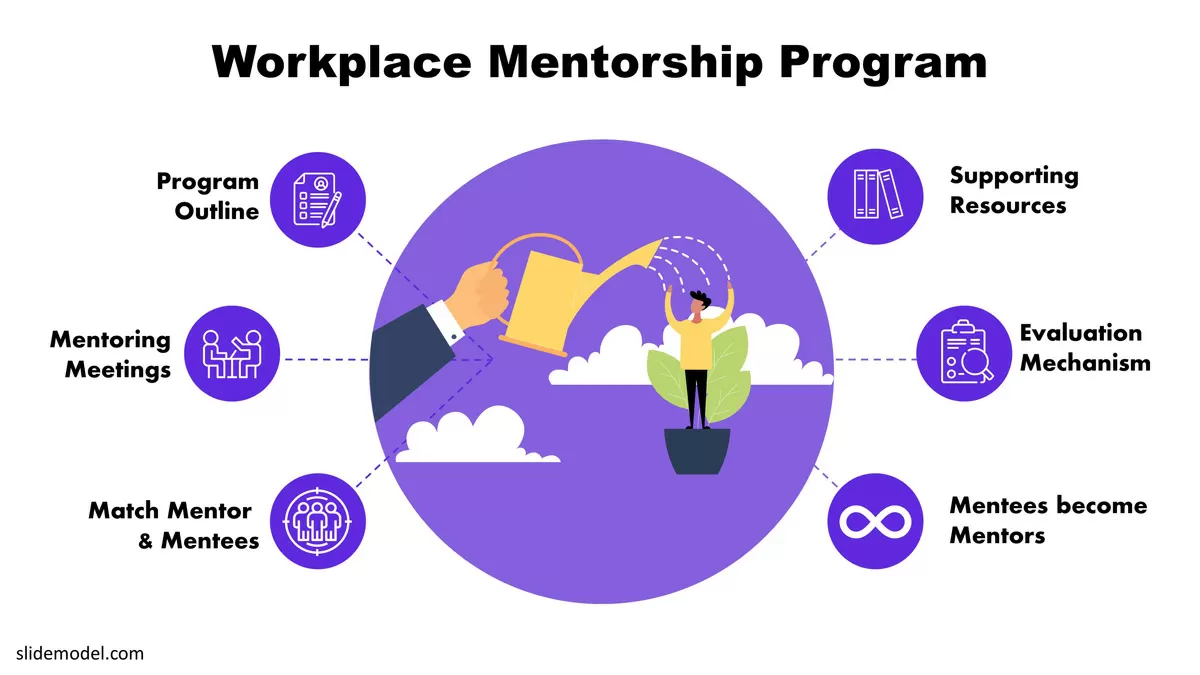
mentorship professional guidance
THE REALITY: SUCCESS IS COLLECTIVE
We live in a culture that venerates rugged individualism. The lone genius, the self-made entrepreneur, the overnight success: these stories are seductive because they simplify complex trajectories into digestible myths. But if you look past the headline and into the footnotes — the personal acknowledgments, the quiet favors, the chance introductions — you see the collective labor behind the spotlight.
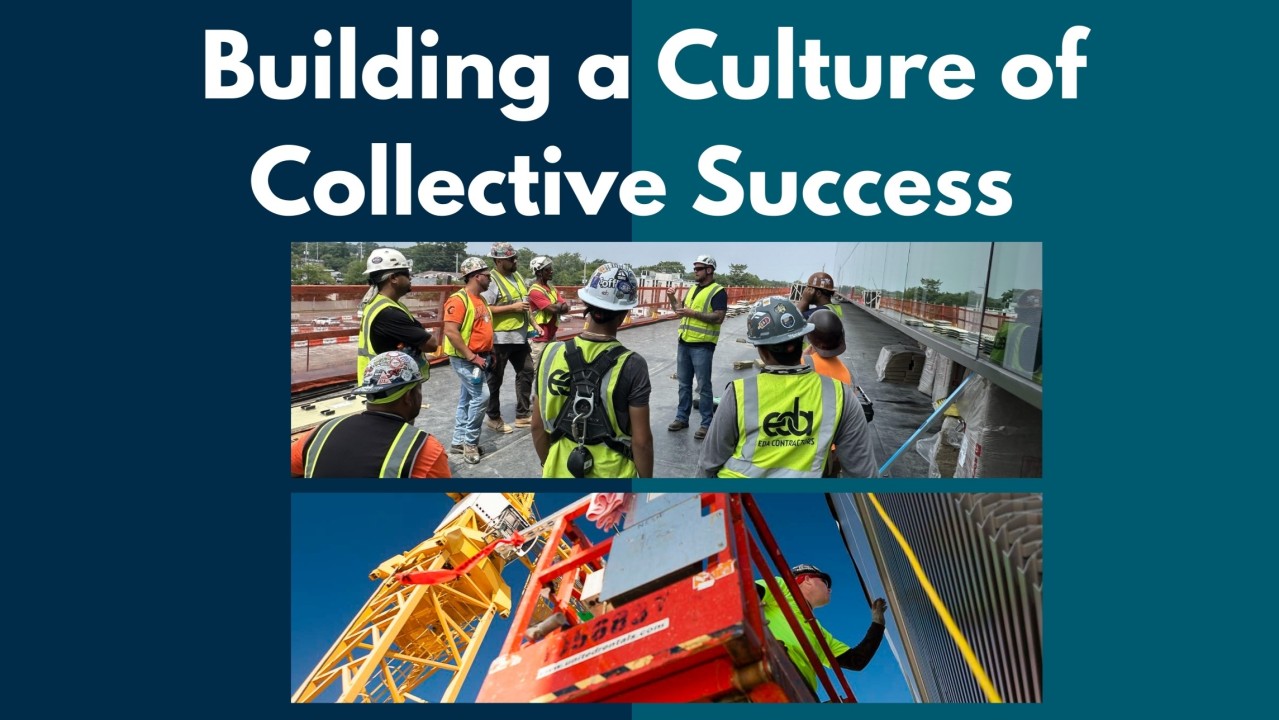
No one gets to sustained progress without people, systems, or structures propping up the effort along the way.
Support as scaffolding, not charity
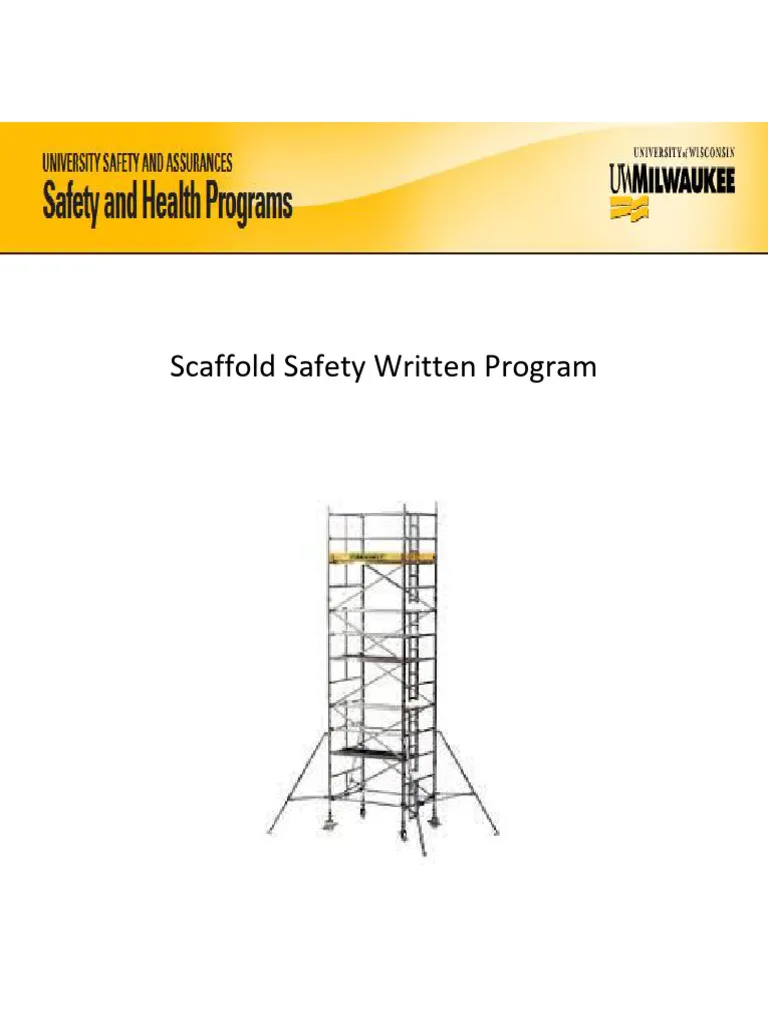
It helps to reframe "support" as scaffolding — temporary, purposeful structures that let someone reach a higher plane and then are removed or transformed once the person can stand on their own. Scaffolding can be deliberate (a mentorship program) or organic (a neighbor who babysits after work). The key difference between scaffolding and pity is dignity: effective support empowers competence, not dependence.
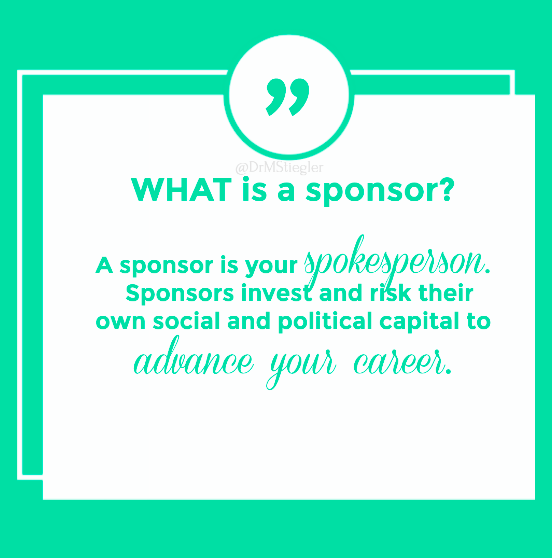
sponsorship career advancement
Why support scales outcomes
Support multiplies effort in predictable ways. A person who has regular access to childcare gains hours that can be invested in education or work. Someone with a professional sponsor is more likely to receive visibility for promotion. Emotional support reduces burnout and improves decision-making. Financial backing smooths risk-taking. These are not just feel-good claims — they're mechanisms: time, visibility, psychological bandwidth, and capital.
TYPES OF SUPPORT AND HOW THEY MATTER
Financial support
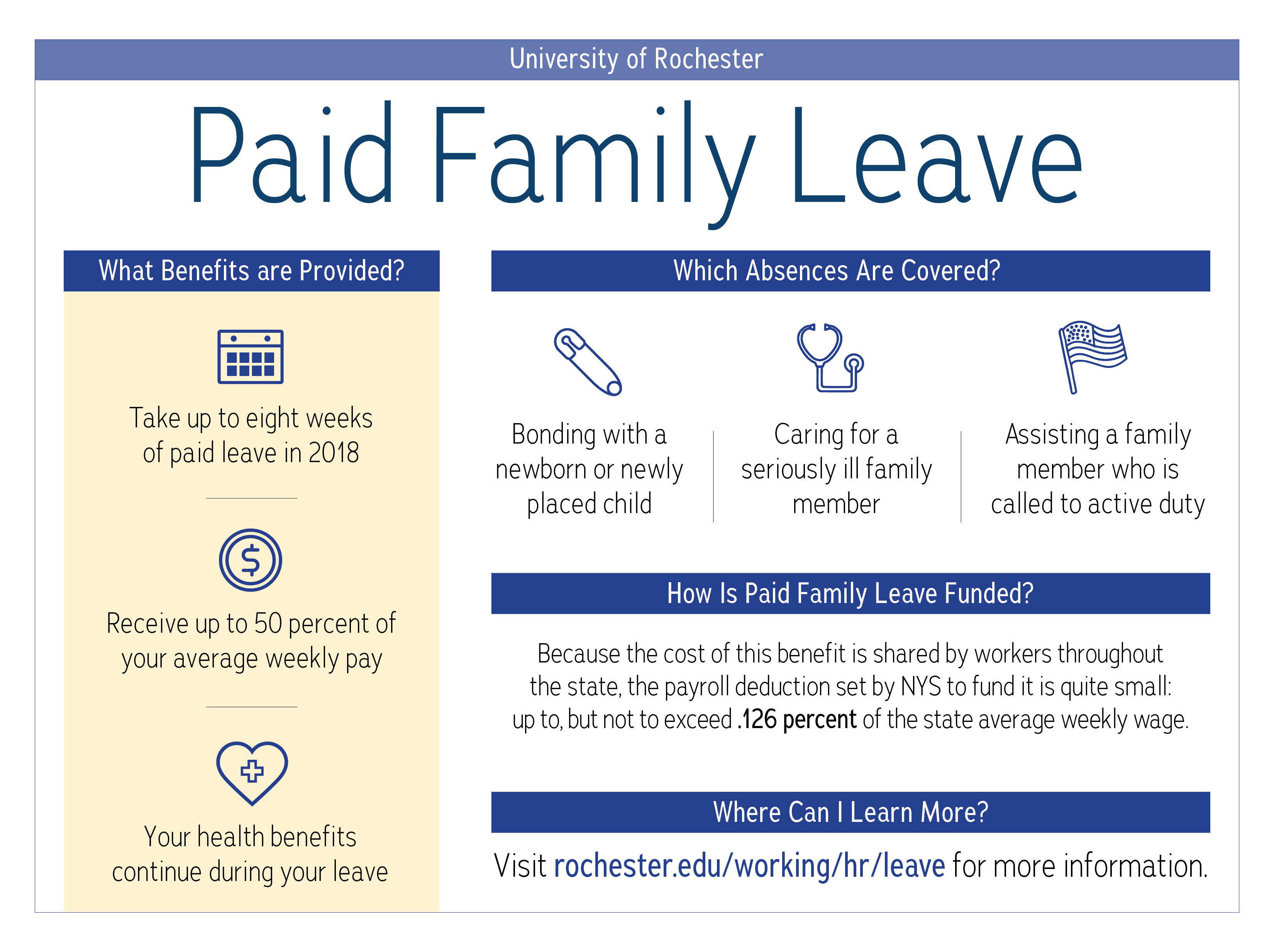
Money is an obvious — but often underspecified — form of support. Beyond salary, financial support includes seed funding for a small business, an emergency loan from family, paid parental leave, and subsidized education. The presence or absence of these resources changes the set of feasible choices a person can make. When you don't have a financial cushion, the rational decision is often to prioritize immediate survival over investments with delayed returns.
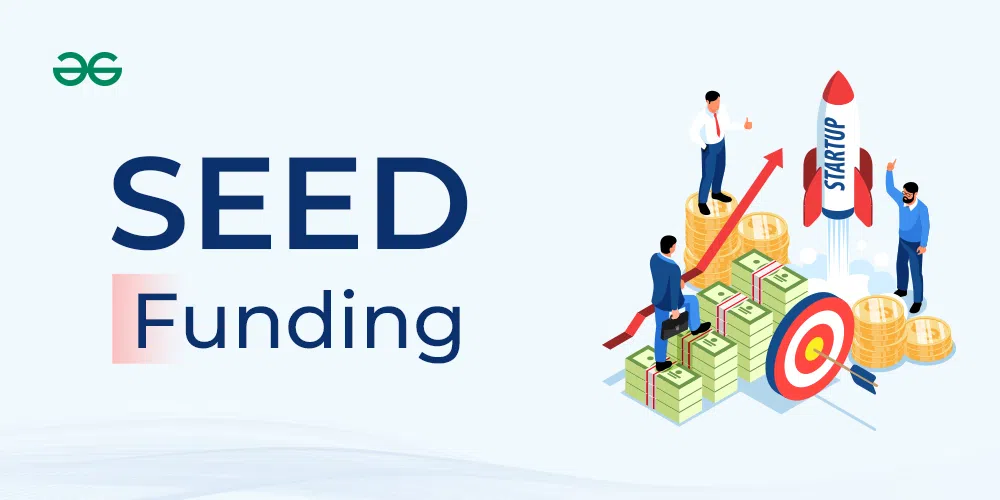
financial support seed funding
Emotional and relational support
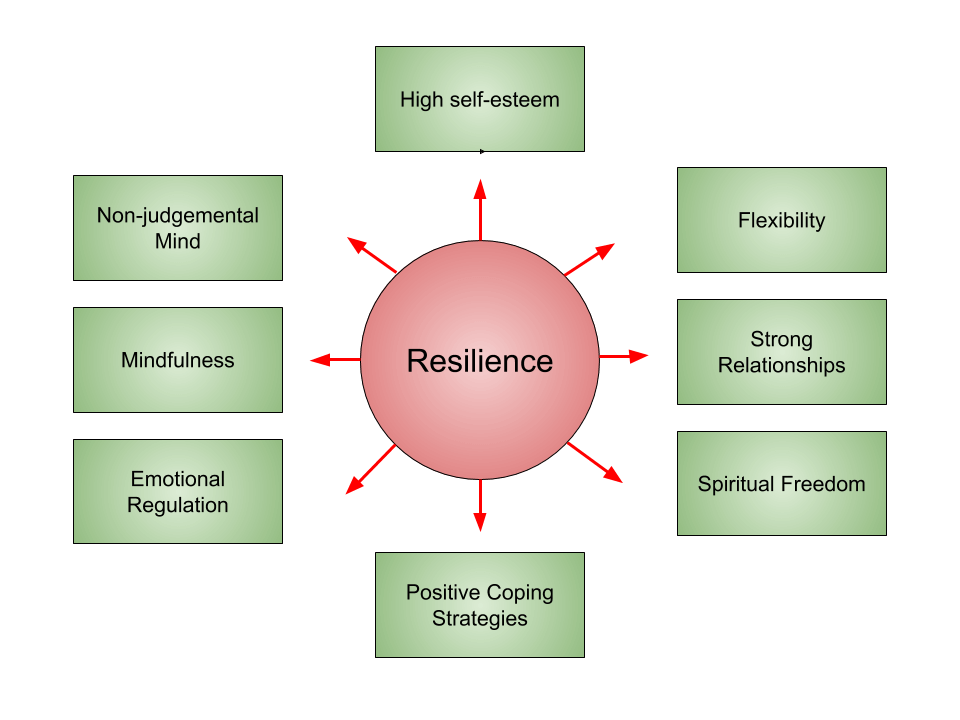
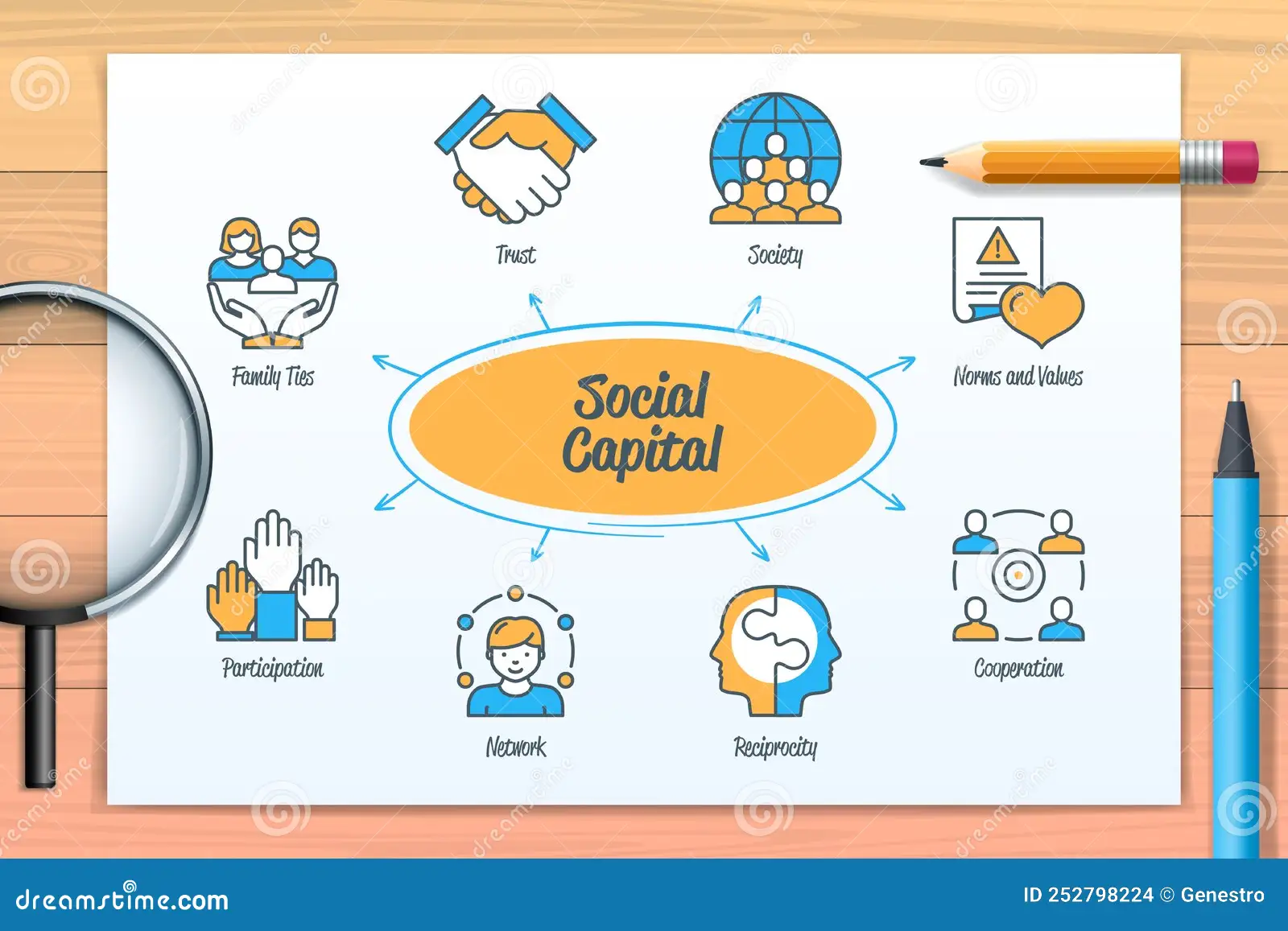
Emotional labor matters. Having someone to talk through a hard decision, to normalize failure, or to remind you of your strengths preserves the mental energy required to plan, iterate, and persist. Relational support — introductions, endorsements, and referrals — is often how opportunities circulate. Networks are not abstract; they are people who vouch for you.
Practical, day-to-day supports
Childcare, eldercare, reliable transportation, flexible scheduling, and safe housing are all the boring stuff that enables extraordinary outcomes. They are quiet enablers that daily free up cognitive and temporal bandwidth. Practically speaking, someone juggling two jobs and nighttime caregiving will rarely have the concentrated time to finish a certification or pitch an investor.

childcare eldercare support
Professional sponsorship and mentorship
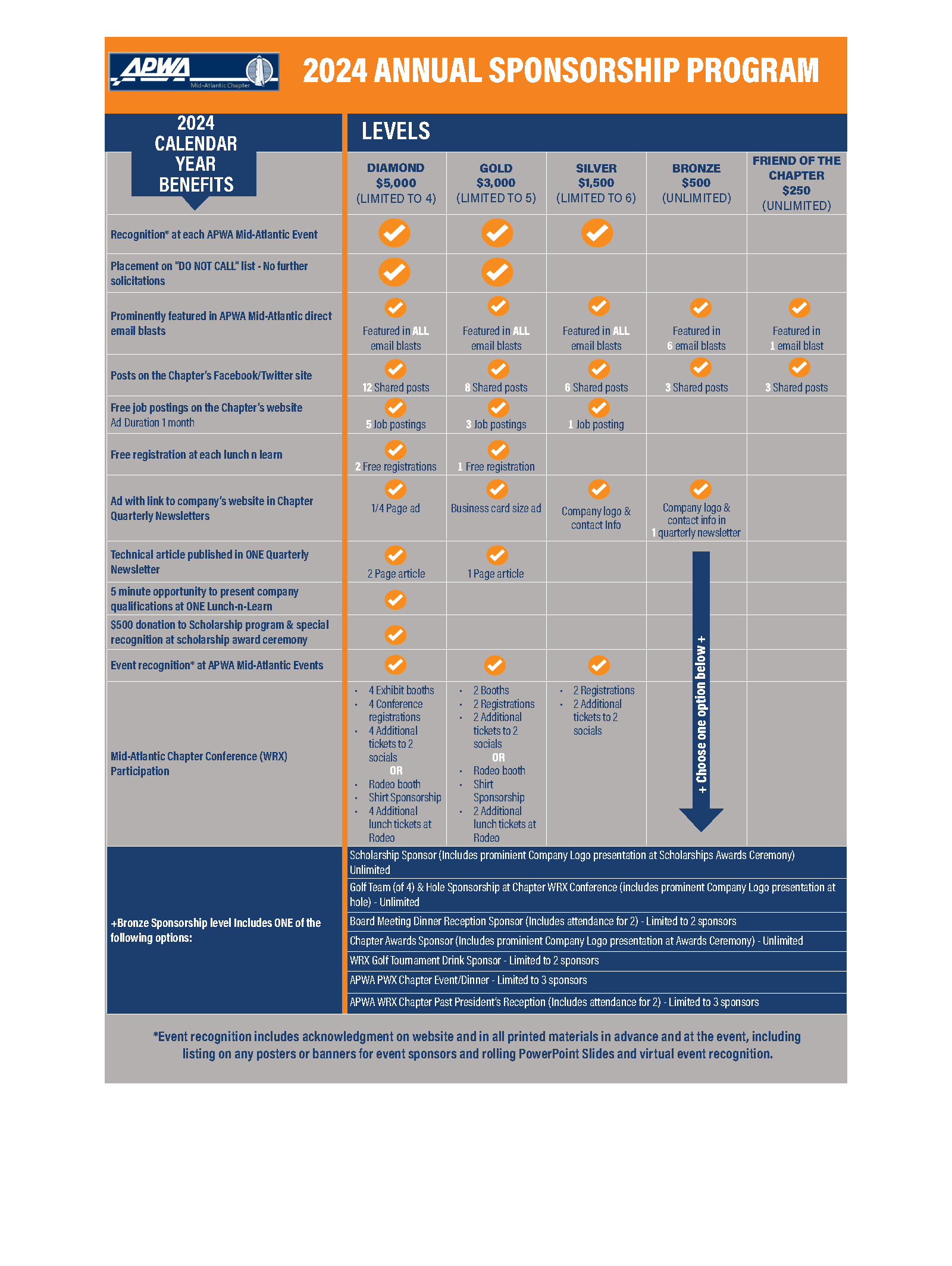
Mentorship provides advice; sponsorship advocates for your advancement. The distinction is crucial. A mentor can teach you how to do the work well. A sponsor will put their reputation on the line to promote you into roles where you gain visibility and influence. Organizations that confuse mentorship for sponsorship end up offering consolation rather than transit.
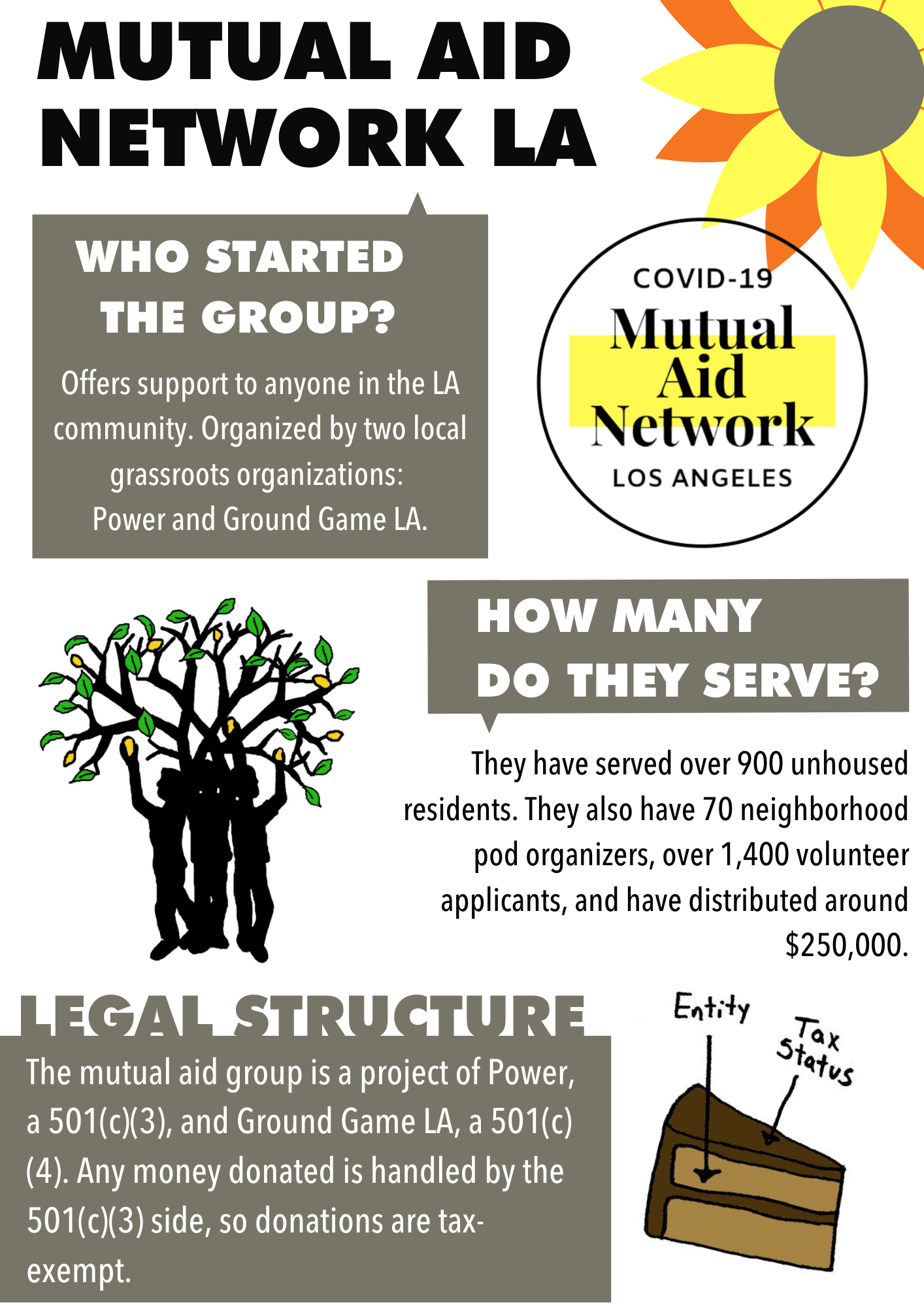
networking mutual aid
HOW SUPPORT IS DISTRIBUTED — AND WHY IT'S UNEQUAL
Support is not distributed randomly. It follows patterns of privilege and power. People who inherit wealth also inherit networks. Those with college degrees are more likely to be embedded in professional circles where sponsorship and key introductions happen. Systemic barriers — racism, sexism, geographic isolation, disability exclusion — create deserts in which support is scarce.
community loan fund

systemic barriers inequality
The compounding effect of advantage
Small differences in support compound over time. A friend's early mortgage assistance may mean a person can save and invest; a recommendation from a manager can mean a candidate gets a second interview; access to a stable school district can mean decades of better outcomes. Compound advantage, like compound interest, grows exponentially — which helps explain why inequality entrenches itself across generations.
What looks like merit is often networked advantage
When we celebrate merit, we often ignore the upstream conditions that made merit possible. Consider two talented people with identical work ethic; one had a parent who paid for SAT prep and a college tour, the other did not. The measurable difference in outcomes may look like merit — but it reflects support that preceded the performance.
STORIES: SMALL ACTS, BIG CONSEQUENCES
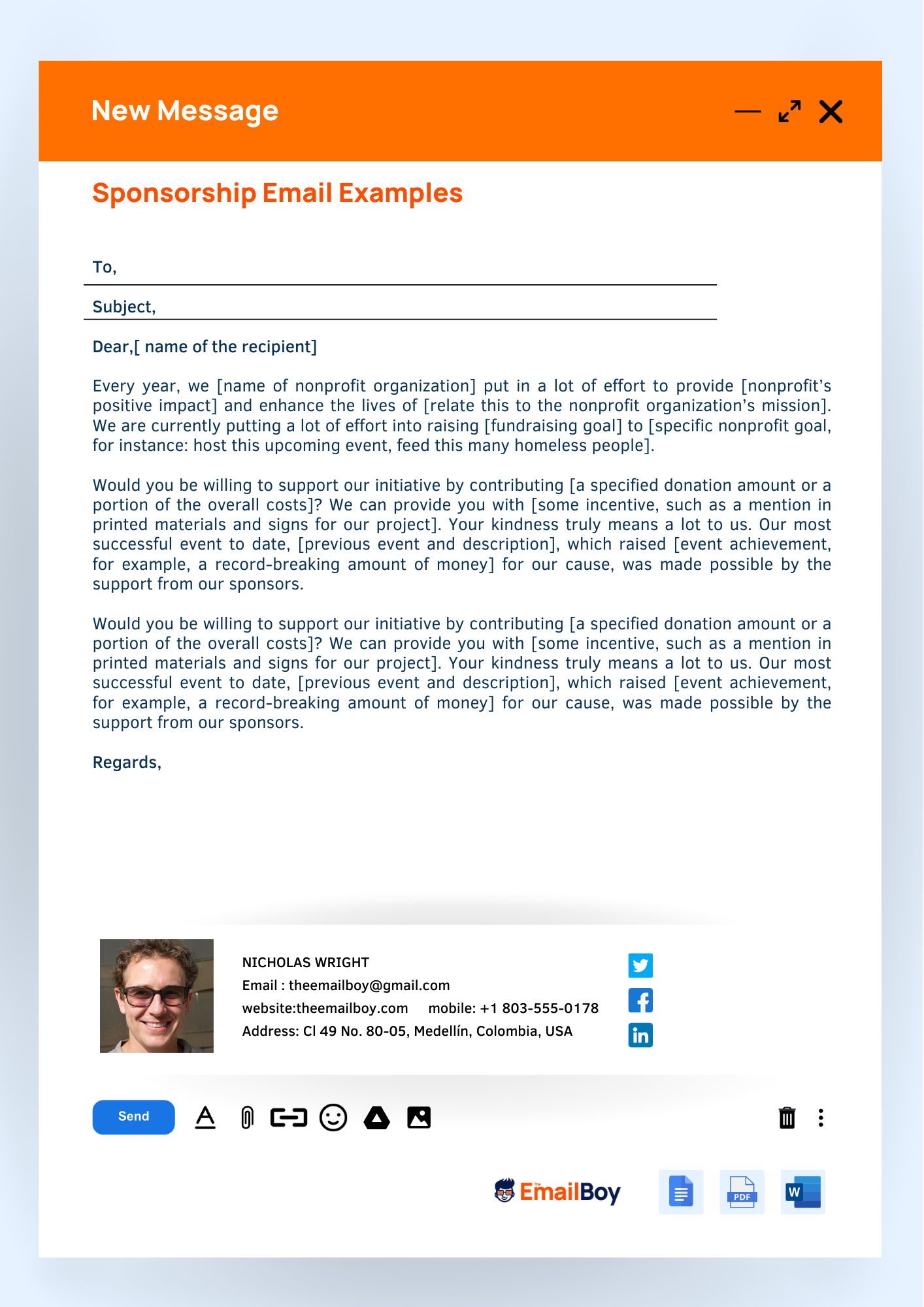
Concrete stories help make the invisible visible. A single sponsorship email — "I recommend Jane for the open role" — can reroute a career. A neighbor's offer to watch a toddler two afternoons a week can make an online degree feasible. A community loan fund can seed dozens of small businesses in a neighborhood otherwise bypassed by traditional capital. Not every example is dramatic; many are quietly cumulative. Together they illustrate a central truth: support is the currency that converts potential into realized progress.
emotional support resilience
professional sponsorship email
A common pattern
Most patterns of upward mobility share a sequence: exposure, opportunity, support, and feedback. Exposure makes you aware of possibilities; opportunity gives you a chance to try; support makes the attempt viable; feedback helps you improve. Missing any link breaks the chain.
organizational sponsorship program
WHAT INDIVIDUALS CAN DO
Cultivate a network with intentionality
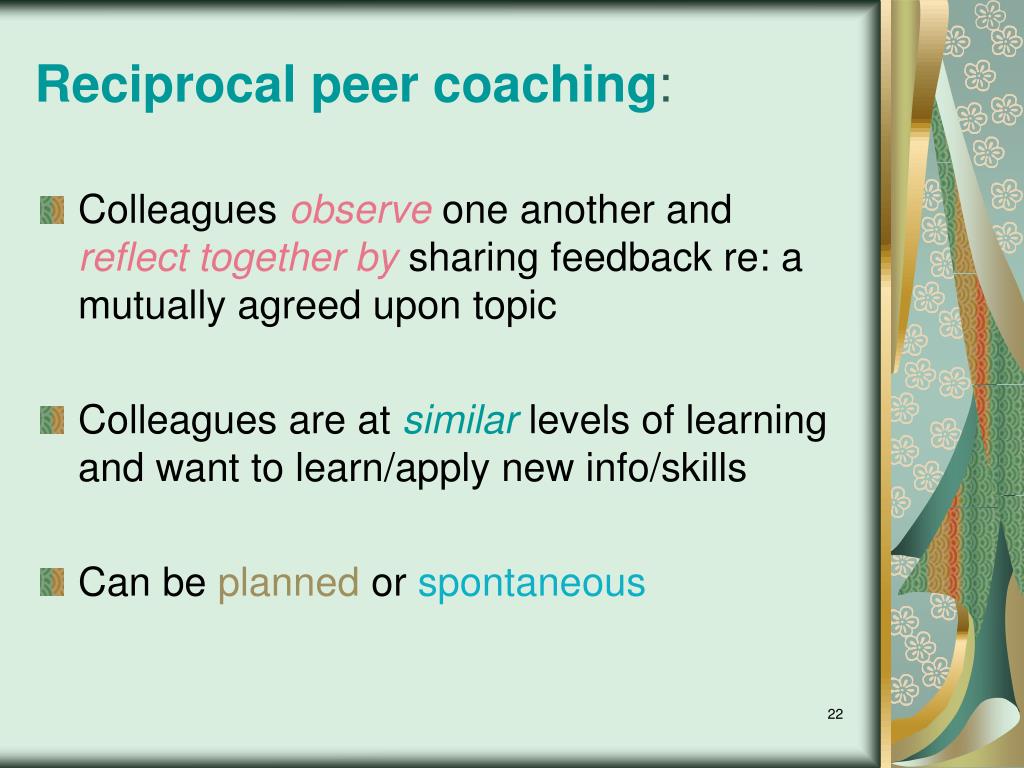
Networking is not a transactional hustle; it is a long-term investment in mutual aid. Be specific about what you need and willing to offer. Create cohorts — a cooking class, a writing group, a study circle — and let reciprocal trust form. Ask for introductions, and when you can, pay them forward.
reciprocal peer cohorts
Seek sponsors, not just mentors
Ask a manager or senior colleague to sponsor you. Frame it concretely: propose a visibility goal (speak at a meeting, lead a presentation) and request the sponsor's help in making that happen. Recognize that sponsorship is a higher bar; it requires the sponsor to risk their reputation on your behalf.
Guard your bandwidth aggressively
Time is the scarcest resource. Reduce low-value obligations, automate what you can, and negotiate for boundaries. Small shifts — consolidating errands, reserving non-negotiable study hours, delegating admin tasks — accumulate into the focused time necessary for growth.
paid parental leave

flexible work schedule
WHAT ORGANIZATIONS AND POLICYMAKERS CAN DO
Design for scaffolding, not scarcity
Organizations should design programs that recognize human complexity. That means paid internships that are not unpaid, childcare subsidies, flexible hours, and formal sponsorship programs with accountability. It also means reconsidering hiring signals that privilege pedigree over performance.
Invest in repeatable systems
One-off grants and pulse campaigns are less effective than repeatable systems: rotational training programs, community loan funds, and ongoing mentorship cohorts. Systems scale; gestures wither.

career growth visibility
Measure what matters
Track outcomes that indicate real mobility: promotions to managerial roles, entrepreneurial survival rates, retention of parents returning from leave. Measuring those outcomes helps organizations learn whether their supports are functional or performative.
COMMON OBJECTIONS AND NUANCE
"But people still have to work hard"
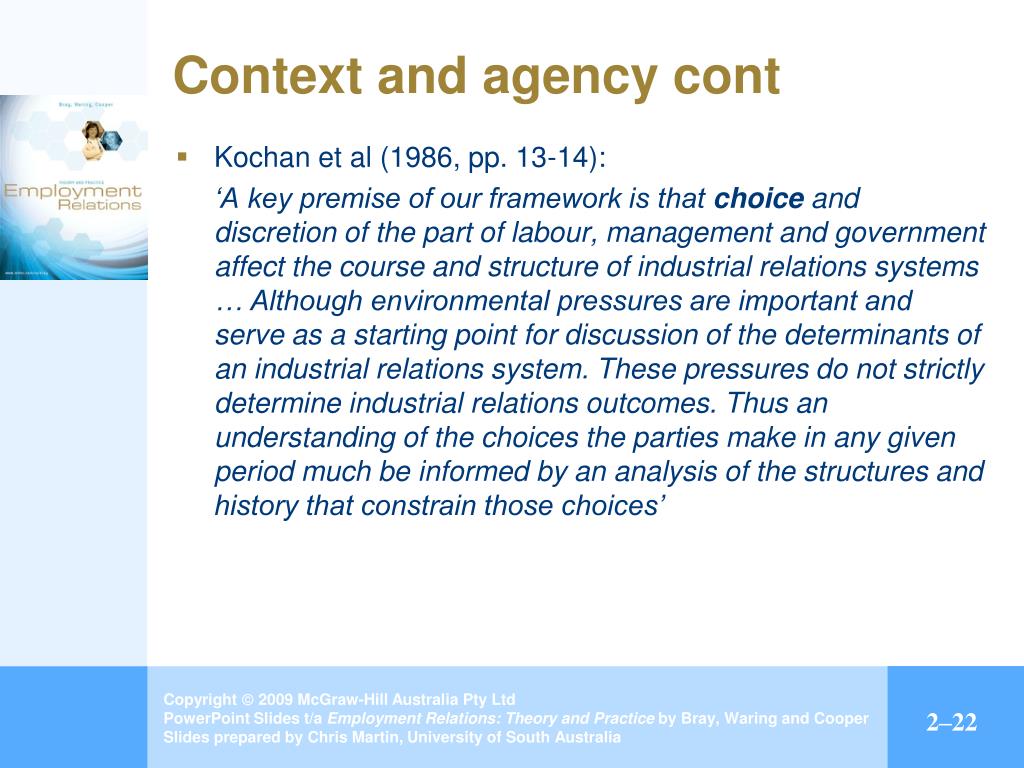
Yes. Hard work matters. The point is not to negate effort but to clarify that effort without support is often inefficient and fragile. Recognizing the role of support doesn't excuse poor performance; it reframes failure and success as joint products of individual agency and context.
social capital networks
"Won't support create dependence?"
Dependence is a risk if systems are poorly designed. But well-designed scaffolding is temporary and capacity-building. Training, sponsorship, and conditional cash transfers can increase autonomy rather than perpetuate reliance.
A PRACTICAL PLAYBOOK: BUILDING SUPPORT INTO LIFE AND WORK
For individuals
- Map your supports: Write down the people, institutions, and services that currently help you and where the gaps are.
- Create small reciprocal groups: A peer accountability circle can substitute for formal mentorship at the margins.
- Negotiate for what you need: Ask for flexible schedules, a phased return from leave, or remote work days when possible.
- Budget for support: Prioritize spending on services that multiply your time, like childcare or a tax advisor.

upward mobility scaffolding
For managers and leaders
- Formalize sponsorship: Make it a reviewable job responsibility to sponsor junior talent.
- Remove financial barriers: Pay for training, conference access, and certification rather than expecting employees to self-fund.
- Normalize flexibility: Emphasize output over presenteeism.
- Monitor equity: Track who gets access to high-visibility assignments and who does not.
collective success story
individual agency context
CONCLUSION: SHIFTING THE NARRATIVE
Admitting that we need significant support to get ahead is not an indictment of character; it's a clearer account of how lives actually progress. It opens the door to better policy, smarter organizational design, and more honest individual choices. When we stop fetishizing independence and start institutionalizing scaffolding, the promise of upward mobility becomes more than a slogan — it becomes a reachable pattern for more people.
Support is not a handout. It is the infrastructure of advancement.
institutionalized scaffolding policy
- Support — financial, emotional, practical, and professional — amplifies effort and compounds advantage.
- Mentorship and sponsorship are different; both are necessary but serve different functions.
- Designing repeatable, accountable systems at organizational and policy levels is more effective than one-off gestures.
- Individuals can and should map gaps, build reciprocal networks, and negotiate for the supports that enable long-term progress.

support currency progress
Acknowledgement: this piece synthesizes observations from long-term patterns in work, family life, and community practice to argue for more explicit scaffolding in how we support progress.