
Woman Says Timothée Chalamet Was Blindsided by Kylie Jenner
When private relationships intersect with public fascination, the fallout is rarely tidy. A recent allegation — that a woman who claims to have had a years-long romance with Timothée Chalamet says she was blindsided by his relationship with Kylie Jenner — has rippled through entertainment circles, social feeds, and op-eds. Beyond the headlines and the outrage, this is a story about timing, expectations, and how intimacy is negotiated under the glare of fame. It is also an occasion to look more broadly at what such revelations do to the people involved, their careers, and a culture that devours intimate detail.
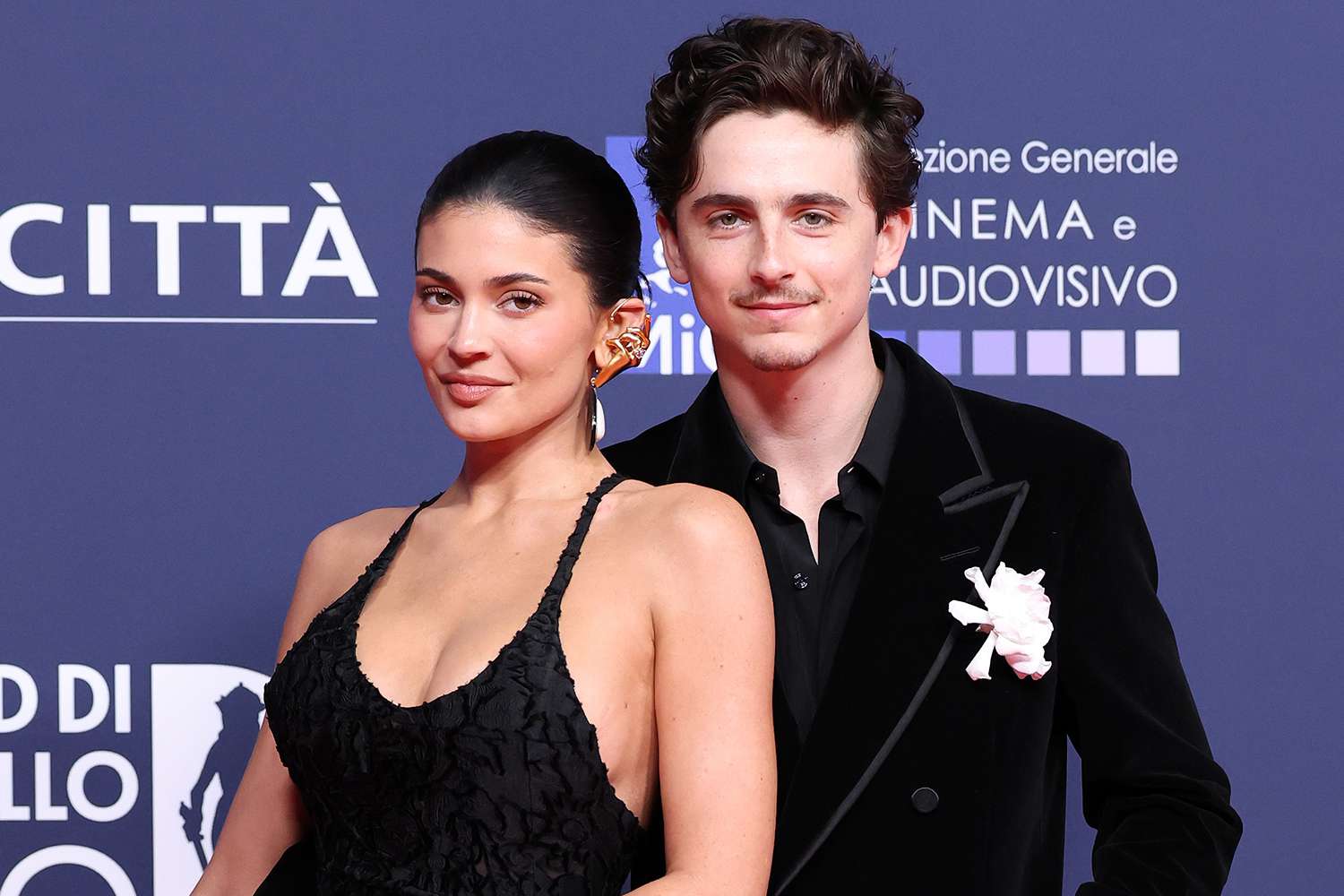
Timothée Chalamet and Kylie Jenner paparazzi photos
THE ALLEGATION AND ITS CONTEXT
The central claim is straightforward: a woman who says she shared a multi-year, on-and-off romantic connection with an A-list actor reports being surprised and hurt when his relationship with another high-profile public figure emerged. What complicates the narrative is threefold — the nebulous nature of non-exclusive romantic arrangements, the slow accretion of public facts, and the way social media accelerates judgment. Because the parties involved are known quantities in a celebrity economy, a private rupture quickly becomes public currency.
What “Blindsided” Means Here
To be blindsided in this context means to feel that an intimate partner made a significant emotional or logistical move without prior discussion, leaving the other person to reconcile their feelings in public. For people outside celebrity life, this can feel like a familiar betrayal: a sudden announcement, a surprise introduction on social media, or an abrupt shift in availability. For celebrities, these moments are amplified by press cycles, paparazzi coverage, and the intense curiosity of millions.
Public revelations of private relationships rarely respect nuance; they demand a narrative, and narratives prefer clarity over complexity.
HOW THE ROMANCE IS PORTRAYED
According to the woman's account, the relationship with the actor spanned years and involved periods of closeness and distance. In many Hollywood relationships, that sort of on-again, off-again pattern is common. Work obligations, long shooting schedules, different social circles, and public scrutiny make consistent availability difficult. That said, emotional investment can linger even when physical proximity does not.
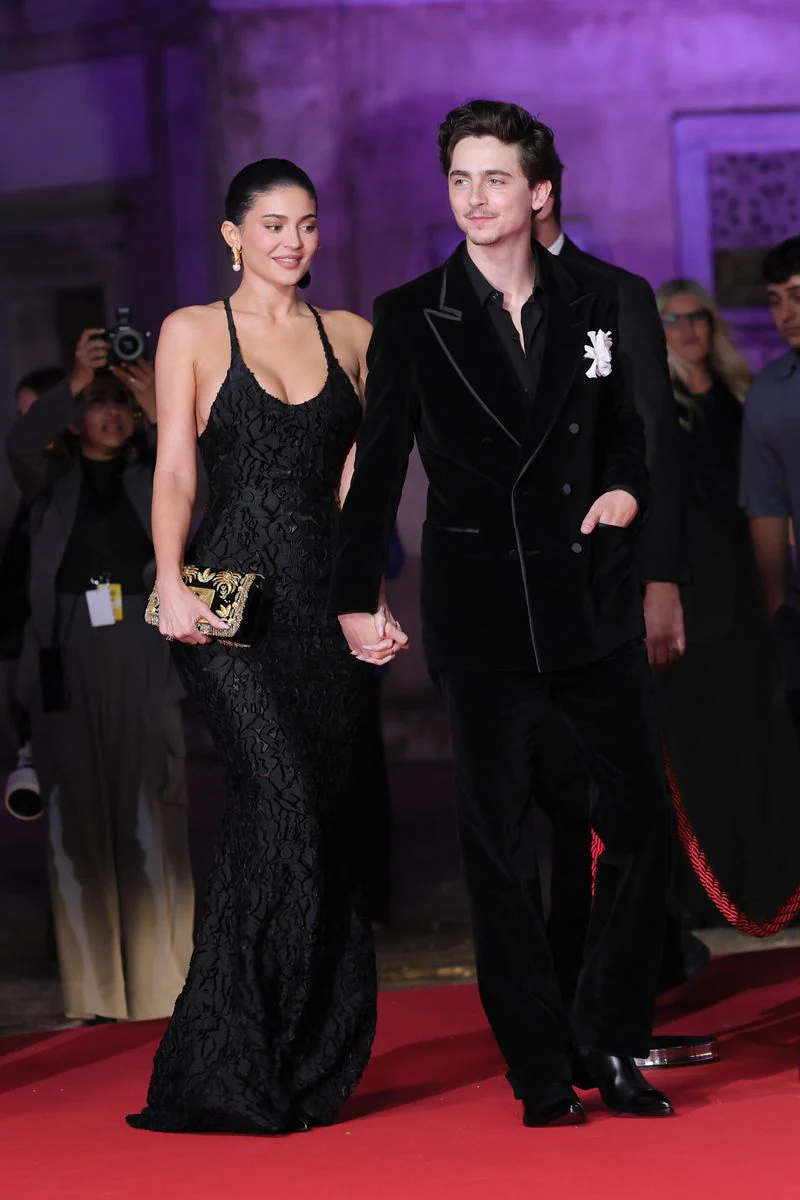
Kylie Jenner Timothée Chalamet red carpet appearance
On-Again, Off-Again: How It Works
Partnerships that lack formal labels still produce expectations. Couples who call themselves friends with benefits, on-call companions, or intermittent partners often operate under unspoken agreements about communication, exclusivity, and how they will respond to new romantic possibilities. When those agreements are not mutually understood, the risk of one party feeling blindsided increases sharply.
TIMING, PUBLICITY, AND SURPRISE
Timing is the axis on which hurt often pivots. The perceived abruptness of a new relationship can sting regardless of the objective chronology. When that new relationship involves a figure like Kylie Jenner — whose personal life is a media event — the perception of being publicly replaced becomes especially painful. A surprise is made worse when it arrives with overt signals: photographed outings, posts, and public appearances that formalize a relationship in the public eye before private conversations have taken place.

Timothée Chalamet walking with Kylie Jenner
When Privacy Collides with Public Announcements
In the pre-social era, an actor might quietly move on and close the chapter without a press statement. Today, even a few paparazzi photos can function as a press release. The person who felt close to the actor is then faced with a double loss: emotional and narrative control. Not only is the relationship changing, but the story about that change is being written by agents beyond their control.
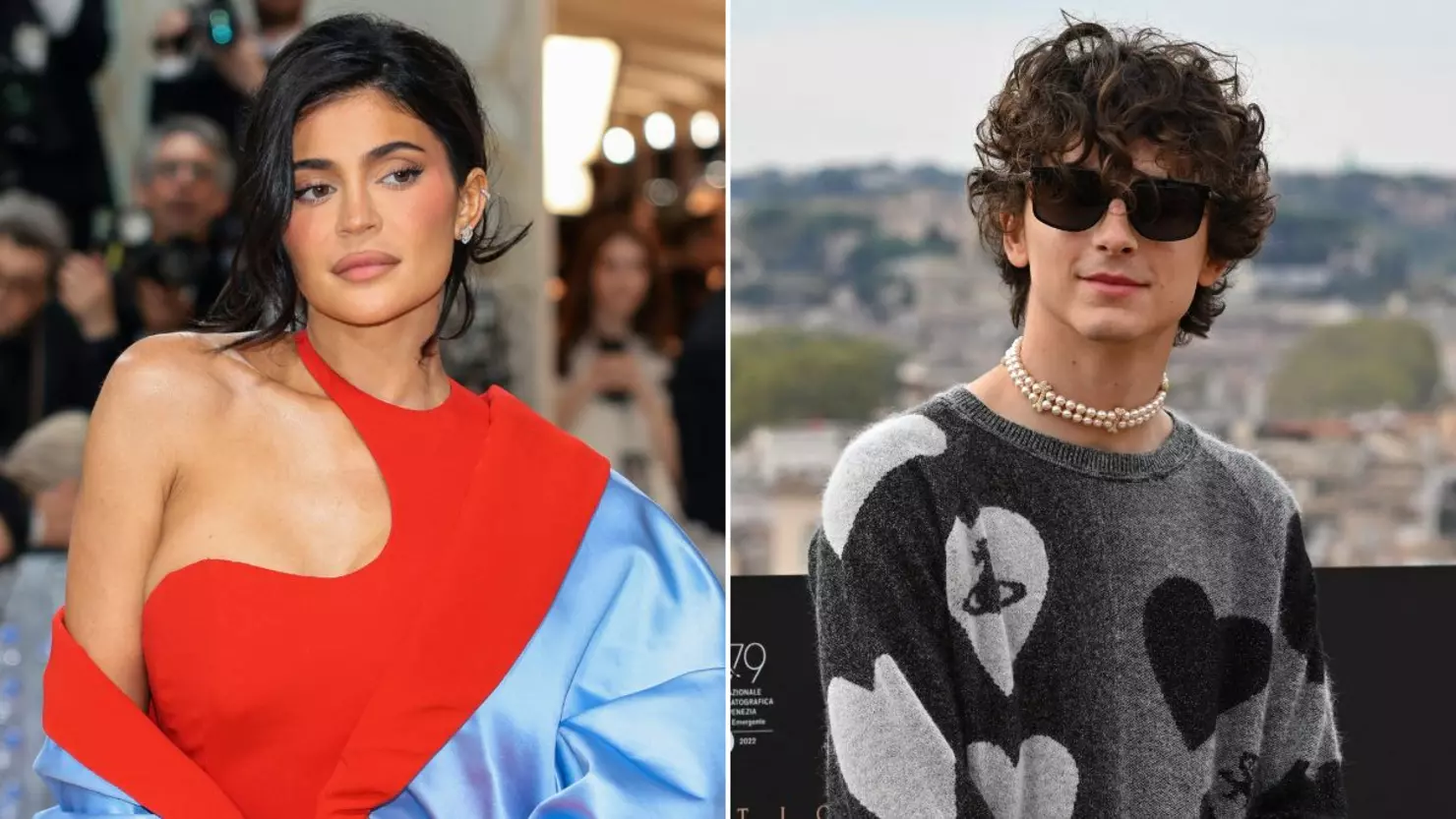
Kylie Jenner Timothée Chalamet first public date
PUBLIC REACTIONS AND MEDIA RHETORIC
The media ecosystem divides into camps: those who reflexively defend the actor, those who side with the alleged ex-partner, and those who treat the incident as fodder for broader commentary about fame and ethics. Each camp has its reasons. Fans construct moral judgments that align with personal values, PR teams steer narratives to protect careers, and pundits use the incident to debate celebrity culture. The result is a noisy mix of empathy, condemnation, and opportunism.
Fan Responses and Social Media
Social media intensifies reactions. Some fans will insist on trusting the actor's perspective; others will champion the woman's account as evidence of a pattern of behavior. Hashtags and threads form quickly, often reducing a complex interpersonal story into digestible moral units. Social media also incentivizes extremes: performative allyship, pile-ons, or reflexive dismissals, all of which can deepen the harm done to actual people who are navigating real feelings.

Timothée Chalamet interview about Kylie Jenner
CELEBRITY RELATIONSHIP DYNAMICS: POWER AND PRIVILEGE
Not all relationships are created equal, especially when one partner moves between different tiers of fame. The power imbalance between a global influencer and a less visible partner — or between any two people with unequal media reach — affects expectations about how transitions will be managed. Power can show up subtly: in who controls public narratives, who decides when and where to appear together, and who has teams to manage fallout.
Privilege and Narrative Control
When one person has the institutional support of PR teams, brand partnerships, and a global platform, they can shape the story in ways that smaller-scale partners cannot. That asymmetry makes it easier for publicized relationship developments to be presented as unilateral choices rather than mutual evolutions. The person with less institutional backing often bears the brunt of speculation and is left to respond without the benefit of a polished communication strategy.

Kylie Jenner public statement on Timothée Chalamet
ETHICS, PRIVACY, AND THE RIGHT TO GRIEVE
There is an ethical dimension to how the press and public handle allegations about private relationships. Individuals have a right to privacy and to process grief or injury away from the cameras. Yet the very nature of celebrity means private pain often becomes public spectacle. Responsible coverage asks whether telling every detail serves the public interest or merely feeds voyeurism.
What Responsible Coverage Looks Like
Responsible coverage avoids sensationalism, respects named and unnamed parties, and resists turning a personal crisis into a caricature. It acknowledges uncertainty and provides context rather than rushing to judgement. For readers, that means looking for nuance: the likelihood that relationships are complex, that accounts can differ, and that simple moral verdicts are rarely accurate.
The person who is publicly replaced loses more than a relationship; they lose control over how that relationship is remembered.
IMPACT ON CAREERS AND PUBLIC IMAGE
For actors and influencers, personal life and brand are intertwined. A revelation about a romantic relationship can influence casting conversations, brand partnerships, and audience goodwill. Talent agencies and branding teams monitor these developments closely because public sympathy can translate into or away from professional opportunities. Often, the immediate reputational effect depends less on the precise facts than on who tells the story first and most convincingly.
Short-Term Shock, Long-Term Consequences
In the short term, a scandal of this type can drive headlines and engagement. Long-term consequences are harder to predict. Actors with strong bodies of work can weather controversies; others may find doors closing. The calculus also depends on how each person manages the narrative: sincere apologies, measured silence, or aggressive spin each carry different risks and rewards.
WHAT THIS MEANS FOR FANS AND CULTURE
For fans, these stories are often a mixture of personal investment and harmless curiosity. But fans also shape cultural norms by rewarding certain behaviors and punishing others. If the public consistently applauds possessiveness or minimizes the rights of less famous partners, it reinforces unhealthy dynamics. Conversely, if readers demand thoughtful coverage and humane treatment of everyone involved, the culture shifts toward greater empathy.
A Moment to Reflect
This episode is an invitation to reflect about how we consume celebrity news. Are we seeking information or entertainment? Do we prioritize compassion or quick verdicts? Watching the fallout provides an opportunity to critique our appetite for intimate details and to consider the real human cost behind gossip columns.
CONCLUSION: TAKEAWAYS AND MOVING FORWARD
Stories about romantic betrayals among public figures often arrive packaged for maximum drama. Yet beneath the surface are familiar human experiences: surprise, hurt, confusion, and the need to tell a story that makes sense. In this case, a woman's claim that she was blindsided by an actor's new relationship with a high-profile figure is a prompt to examine the structures around celebrity romance: power imbalances, PR influence, media incentives, and our own complicity as consumers.
The right response is not to rush to judgment but to insist on humane, careful reporting and to remember that those named in headlines are real people with private feelings. For public figures, a lesson emerges about communication: transparency within relationships, mutual respect, and consideration for those who have shared time and emotional labor can reduce harm — whether or not those interactions are ever meant for the spotlight.
- Allegations of being 'blindsided' speak to expectations and communication more than a single action.
- Power imbalances and media structures amplify the impact of public relationship revelations.
- Responsible coverage and cautious engagement from fans reduce harm and encourage nuance.
Ultimately, this story will settle into the larger mosaic of celebrity life: a cautionary tale for people who move between private affection and public persona, and a reminder for audiences to treat intimate revelations with skepticism, context, and, above all, empathy.