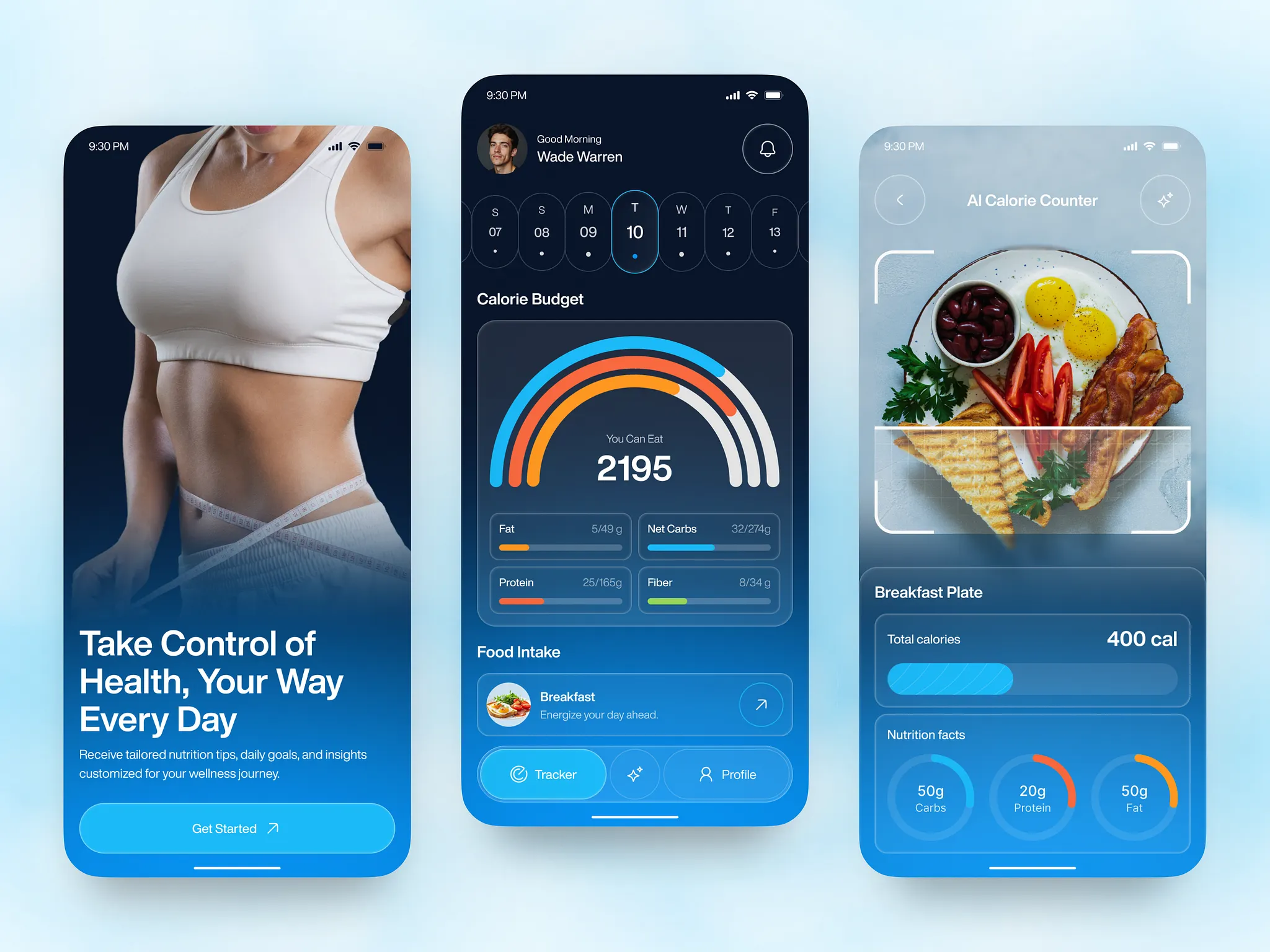
Why Your AI Calorie Tracker Might Be Off by Hundreds
When an app tells you that lunch was 520 calories and your scale and sense of hunger tell a different story, the discrepancy can be frustrating — and consequential. A single mistake of 345 calories matters. It can be the difference between a steady weight loss plan and a month of stalled progress. It can also reshape how you feel about tracking at all. This article unpacks why AI-based calorie counters regularly produce errors in the hundreds, how those gaps arise from technical and human factors, and what both users and developers can do to reduce the risk that a digital number steers your health decisions off course.
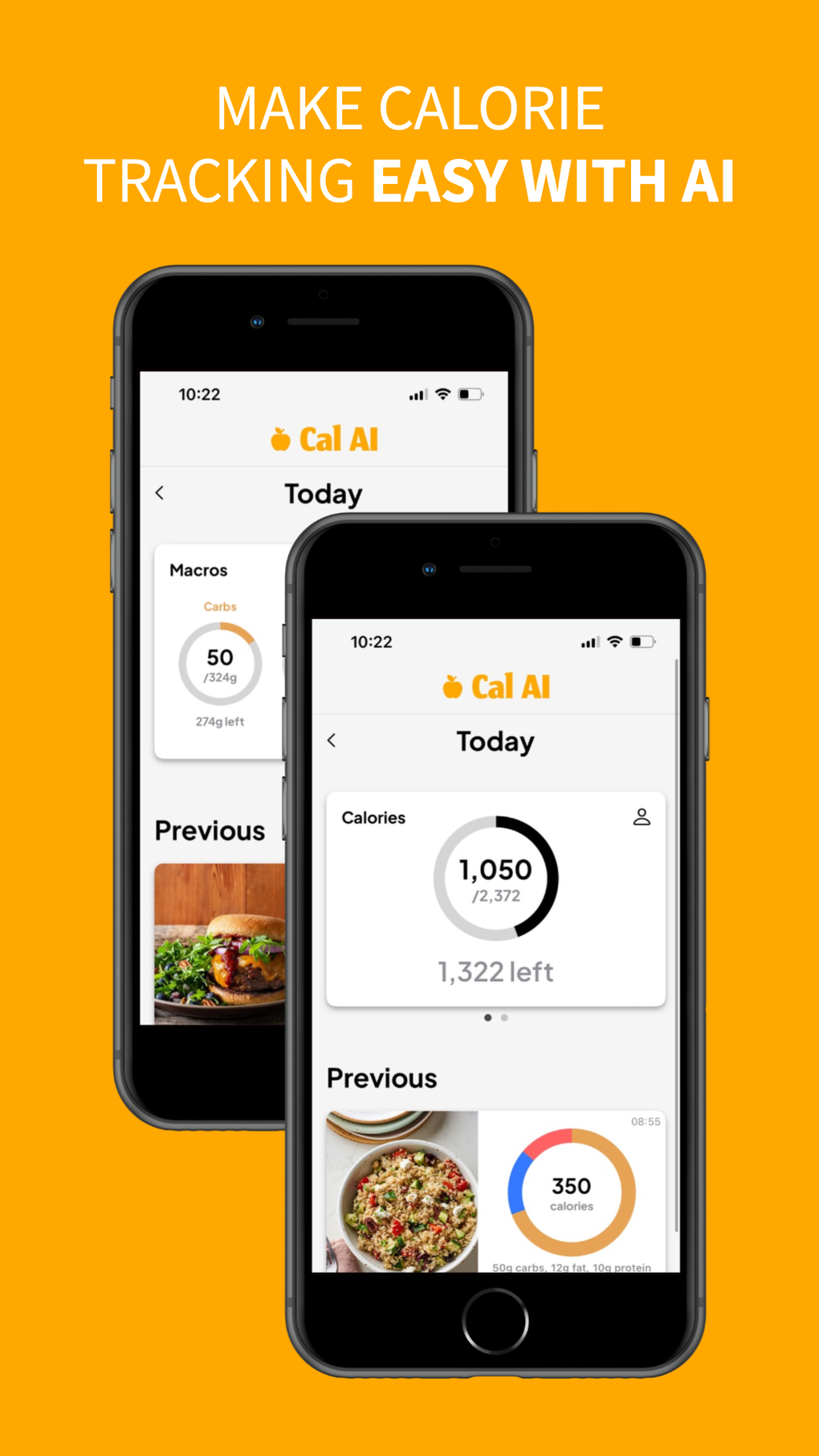
AI calorie tracking app
How AI calorie trackers are supposed to work
At a high level, most AI calorie-tracking systems combine a few elements: a way to identify the food (photo recognition, barcode lookup, or text search), an estimate of portion size (visual estimation, user-entered portion, or heuristics), and a nutrition database that translates ingredient and portion into calories and macronutrients. Some systems layer in personalization — user profile details like age, sex, height, weight, and activity level — to suggest daily calorie targets or predict energy balance. Increasingly, apps attempt to fuse sensor data such as steps or heart rate to refine estimates of calories burned, completing the intake-versus-expenditure picture.
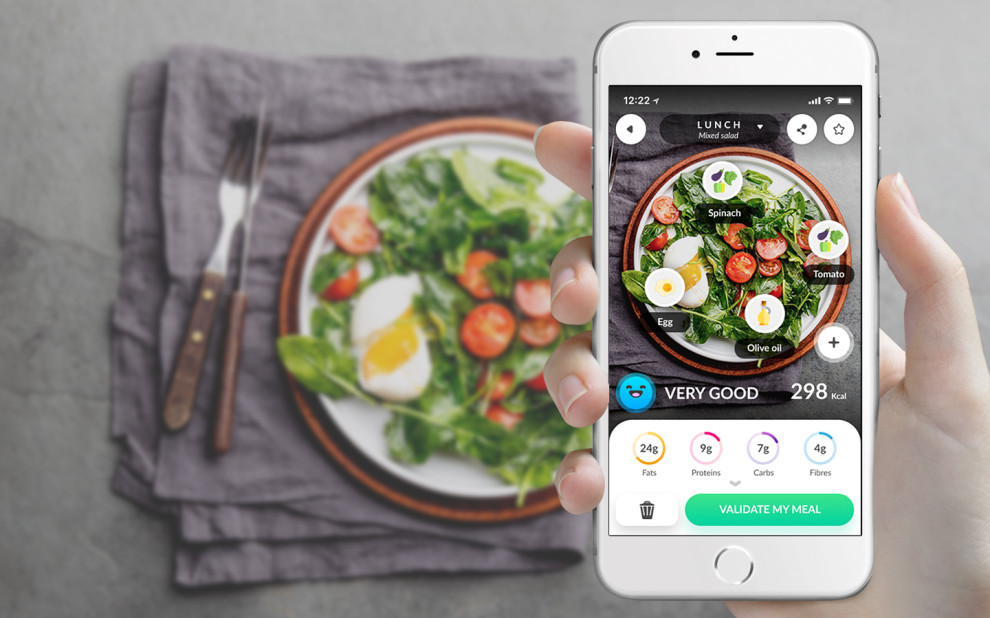
food photo recognition app
A short arithmetic of error: where 345 calories comes from
Errors compound. If the machine learning model mislabels a food (for example, identifying a generous burrito as a small wrap), portion estimation is off by 40 to Chr60 percent, and the nutrition entry uses a generic database value that is lower than the restaurant serving, the final estimate can be wildly inaccurate. Consider this plausible chain: a photo-based model underestimates portion size by 30 percent and selects an item with 400 kcal per serving when the real meal contains 700 kcal — the resulting output undercounts by about 345 calories. These are not contrived numbers; they reflect the types of mismatches that occur when models, databases, and real-world variation collide.
A single misestimated lunch can erase a day of careful tracking — and repeated errors drive unreliable trends.
Common technical causes of large errors
Several technical problems produce systematic inaccuracies.
- Food recognition limits: Visual models trained on curated datasets struggle with messy, mixed, or obscured foods. A salad with dressing, a casserole, or a layered sandwich often confuses classification.
- Portion estimation challenges: Estimating volume and mass from a single 2D photo is inherently ambiguous. Camera angle, distance, and plate size change perceived portioning. Even advanced depth sensors and multi-angle prompts reduce but do not eliminate uncertainty.
- Database mismatch: Nutrition databases vary in granularity. One entry might represent a home-cooked version, another a restaurant serving; calories per gram differ substantially across entries with the same name.
- Recipe complexity and hidden fats: Oils, sauces, and cooking methods (fried versus baked) add calories invisibly. AI that relies on surface features often misses these.
- Label and barcode inconsistencies: Packaged foods sometimes have country-specific versions, reformulations, or incomplete barcode mapping, leading to wrong entries for lookups.
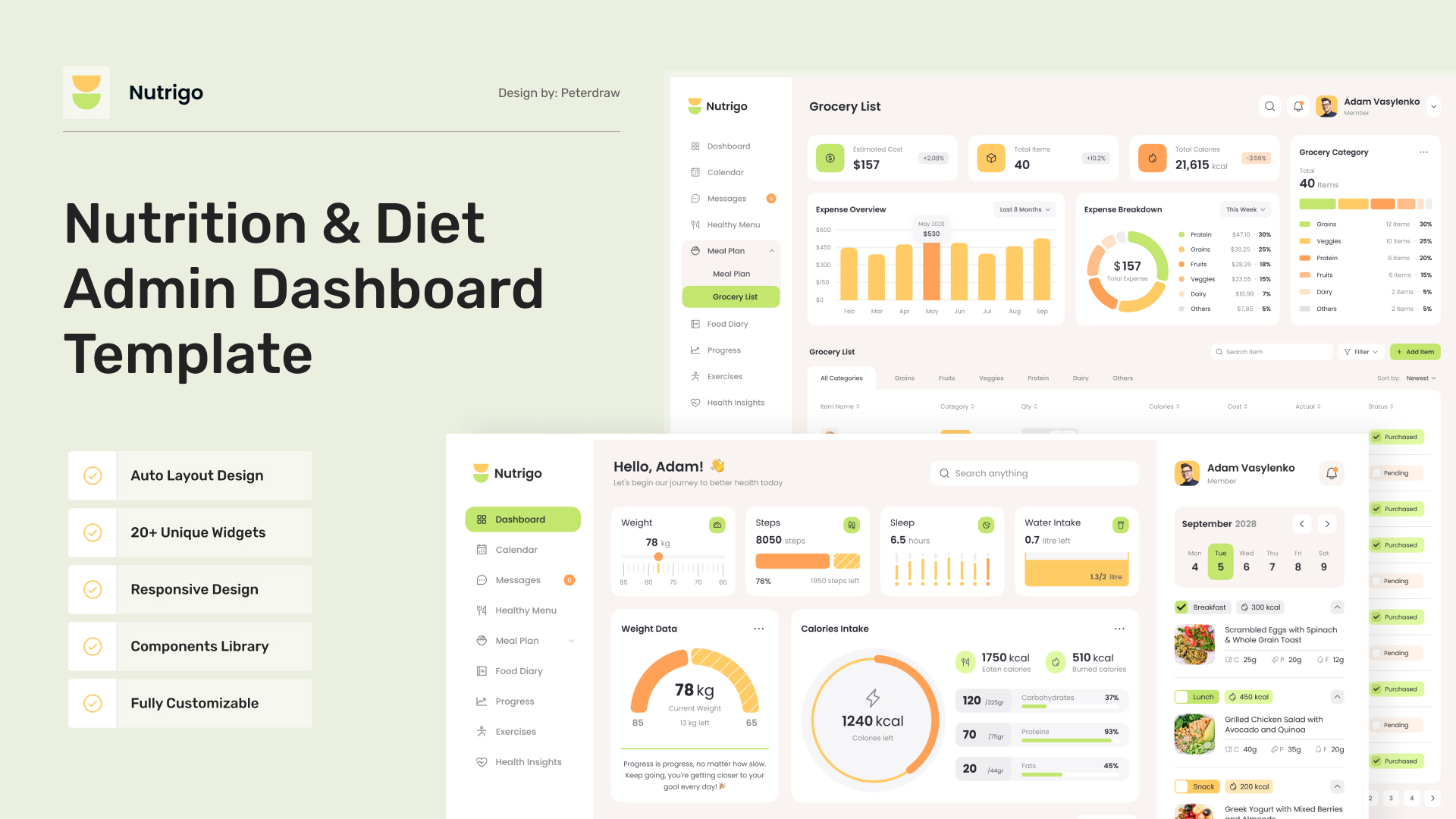
nutrition database interface
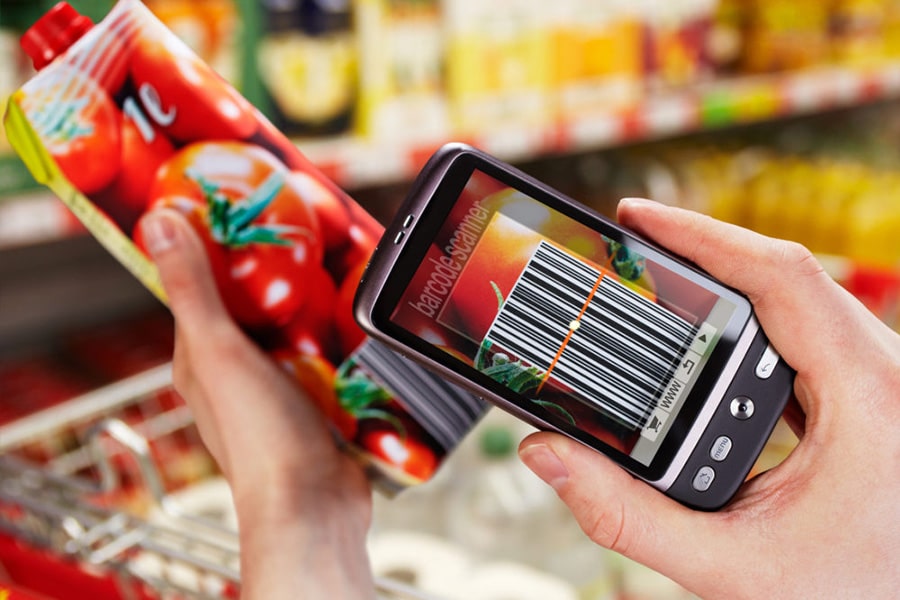
barcode scanning food
Combine any two of these issues and errors snowball; combine several and you reach hundreds of calories of mismatch.
Human and behavioral sources of error
Technology is only half the story. How people interact with apps creates further inaccuracy.
- Rounding and convenience: Users often choose quick entries: "medium pizza slice" instead of weighing and logging exact grams. Those convenience choices favor speed over precision.
- Memory bias: When logging retrospectively, people forget condiments or snacks, not just main items.
- Dish variation: Restaurant portions and recipes vary day-to-day; an entry labeled "chicken sandwich" may have a different calorie load depending on chef, bun, and cheese.
- Intentional misreporting: Social desirability or a desire to see progress can lead to underreporting — either by choice of lower-calorie entries or omission.
Even diligent users who want precision are at the mercy of ambiguous interface choices and the app's underlying assumptions.
Why the number matters: health, psychology, and planning
Errors of 345 calories are not just arithmetic curiosities. Over weeks, daily undercounting of a few hundred calories accumulates to meaningful energy imbalance. For someone targeting a 500-calorie daily deficit for weight loss, repeatedly undercounting intake by 345 calories leaves only a 155-calorie real deficit — barely perceptible and unlikely to produce expected weight change. Conversely, overcounting can lead to unnecessary restriction, energy deficits, and impaired athletic performance.
There are also psychological consequences. If users trust a system that later proves inconsistent with a scale or desired outcome, they may abandon tracking altogether — the very behavior that promotes accountability. On the other hand, presenting a false sense of precision without communicating uncertainty can mislead clinical decisions if apps are used in therapeutic contexts.
Real-world examples and everyday scenarios
Imagine three common scenarios:
- Home-cooked dinner: A casserole logged via photo recognition is estimated at 420 kcal per portion because the model assumes a lighter sauce, but the actual recipe included cream and butter, bringing it to 760 kcal.
- Restaurant takeaway: A bowl labeled "rice bowl" uses a generic database entry of 500 kcal, but the restaurant piles on oil, cheese, and a large protein portion, producing 880 kcal.
- Packaged snack: Barcode lookup returns the international version of a product with slightly different ingredients and lower calories than the domestic SKU you purchased.
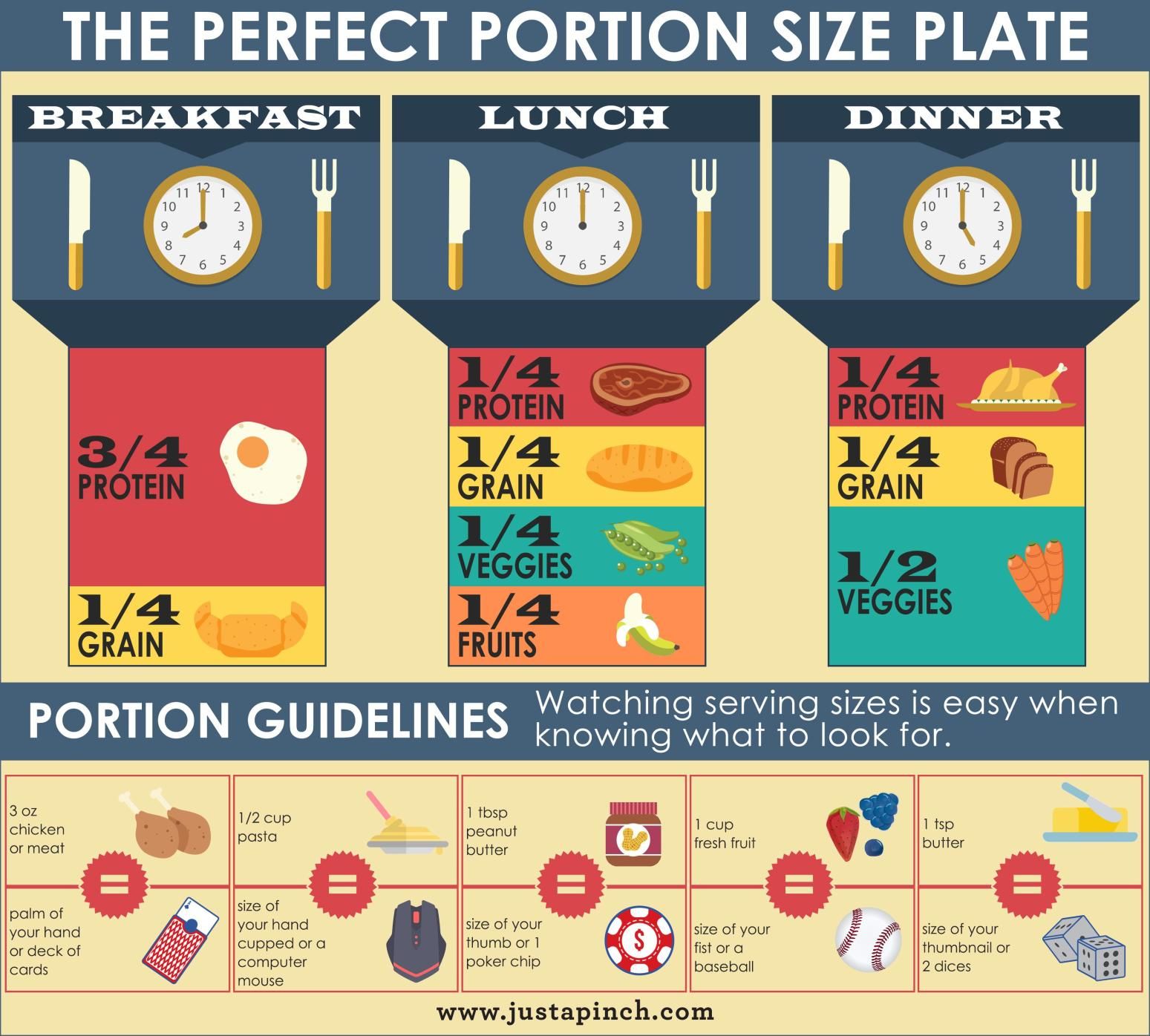
restaurant meal portion
Each of these can easily create errors in the 200–400 calorie range, and users commonly experience multiple such miscounts per week.
What users can do today to reduce error
Users have practical steps to shrink the margin of error from hundreds of calories to tens.
- Weigh and measure when possible: A digital kitchen scale is the single best investment for improving logging accuracy. Weighing portions removes guesswork and removes reliance on visual estimates.
- Choose precise entries: Prefer database entries labeled in grams or by specific brand and SKU instead of generic names. When in doubt, err on the side of larger portions if your goal is accurate tracking.
- Log ingredients for mixed dishes: When cooking, enter the recipe once and save it as a custom meal. For restaurant or takeout, approximate by breaking the dish into components (protein, starch, sauce) rather than relying on a single label.
- Check and correct auto-suggestions: If a photo-based suggestion looks off, select a more plausible alternative. Use the app's edit tools to adjust portion size and cooking method.
- Integrate other sensors: If available, pair wearable heart-rate or activity data to capture energy expenditure. For some people, continuous glucose monitoring (CGM) or periodic weigh-ins provide corroborating feedback.
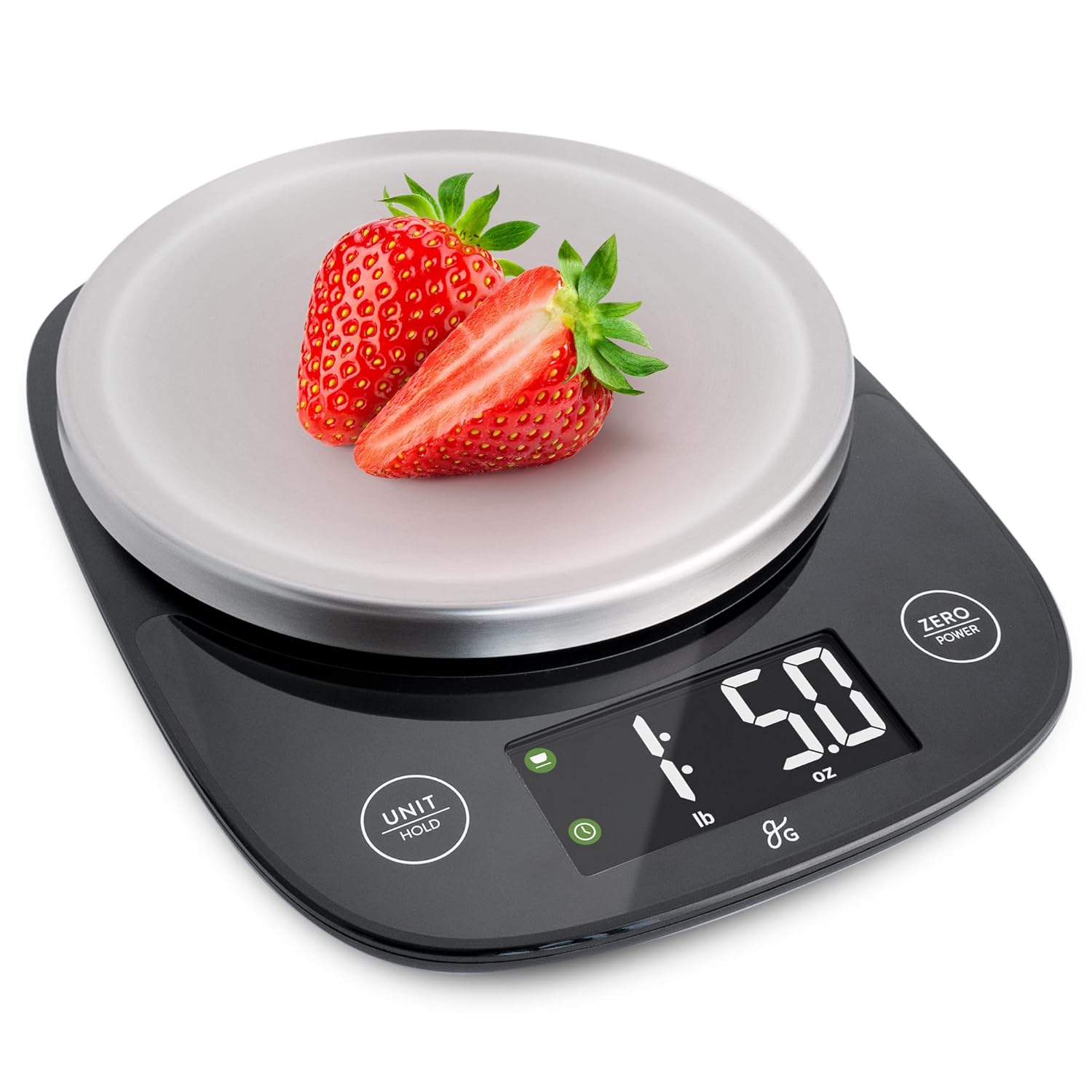
digital kitchen scale
What app makers and modelers should prioritize
Developers can shrink the 345-calorie gap by addressing the technical and interaction issues directly.
- Expose uncertainty: Report a confidence interval or a range instead of a single number. Users should know when to treat a calorie value as approximate.
- Improve datasets: Diversify training images to include mixed dishes, cultural variance, and real-world plating. Expand nutrition entries with region-specific SKUs and restaurant-level data.
- Enable simple calibration: Let users quickly adjust their typical portion multiplier or correct entries to feed a feedback loop that personalizes future suggestions.
- Hybrid logging modes: Combine photo recognition with a quick prompted checklist (portion size, added fats, preparation method). Little prompts dramatically reduce misclassification.
- Privacy-first personalization: Use on-device personalization and privacy-preserving learning so that models learn from users' corrections without broadly sharing raw meal photos.
- Faster logging for users
- Potential for habit formation and better adherence
- Risk of systematic miscounts
- Hidden uncertainty and user overconfidence
Privacy, bias, and ethical considerations
Accuracy challenges intersect with ethics. Models trained on datasets skewed toward certain cuisines, plate styles, or demographics will perform unevenly — another source of error and inequity. Photo-based logging raises privacy concerns: meal images may reveal location, health status, or sensitive contexts. Finally, in clinical contexts where diet tracking influences medical decisions, an app that underreports consumption could produce harmful recommendations. Developers and clinicians must ensure appropriate safeguards, transparency, and validation before using such tools for medical guidance.
A short checklist for choosing and using a calorie-tracking app
When evaluating apps, keep this checklist in mind:
- Does the app allow precise entries by grams or brand?
- Can you edit and save custom recipes and meals?
- Does it show confidence or let you correct AI suggestions easily?
- Can it integrate with wearables or scale data?
- Is user data stored and processed with privacy protections?
Conclusion: treat AI estimates as guidance, not gospel
AI calorie trackers are powerful tools for accountability and habit formation, but they are not perfectly objective instruments. The headline that an app "may be off by 345 calories" is less a failure of technology than a reminder about layered uncertainty: recognition, portioning, database selection, and human behavior all contribute. With modest changes in user behavior — weighing food, choosing specific entries, and using app editing tools — and improvements from developers — uncertainty reporting, dataset diversity, and calibration features — the typical error can shrink from hundreds of calories to something much more manageable.
- AI calorie estimates often hide wide uncertainty; treat single numbers as approximations.
- Portion size and database mismatch are leading causes of large errors.
- Weighing foods, saving custom recipes, and correcting suggestions are effective user strategies.
- Developers should expose confidence intervals, improve datasets, and implement personalization while protecting privacy.
Accuracy improves when humans and machines collaborate — not when either works alone.
A practical approach to tracking balances convenience with measurement: small investments in accuracy pay off over time.