Why U.S. Birth Rates Keep Falling: What's Driving the Decline
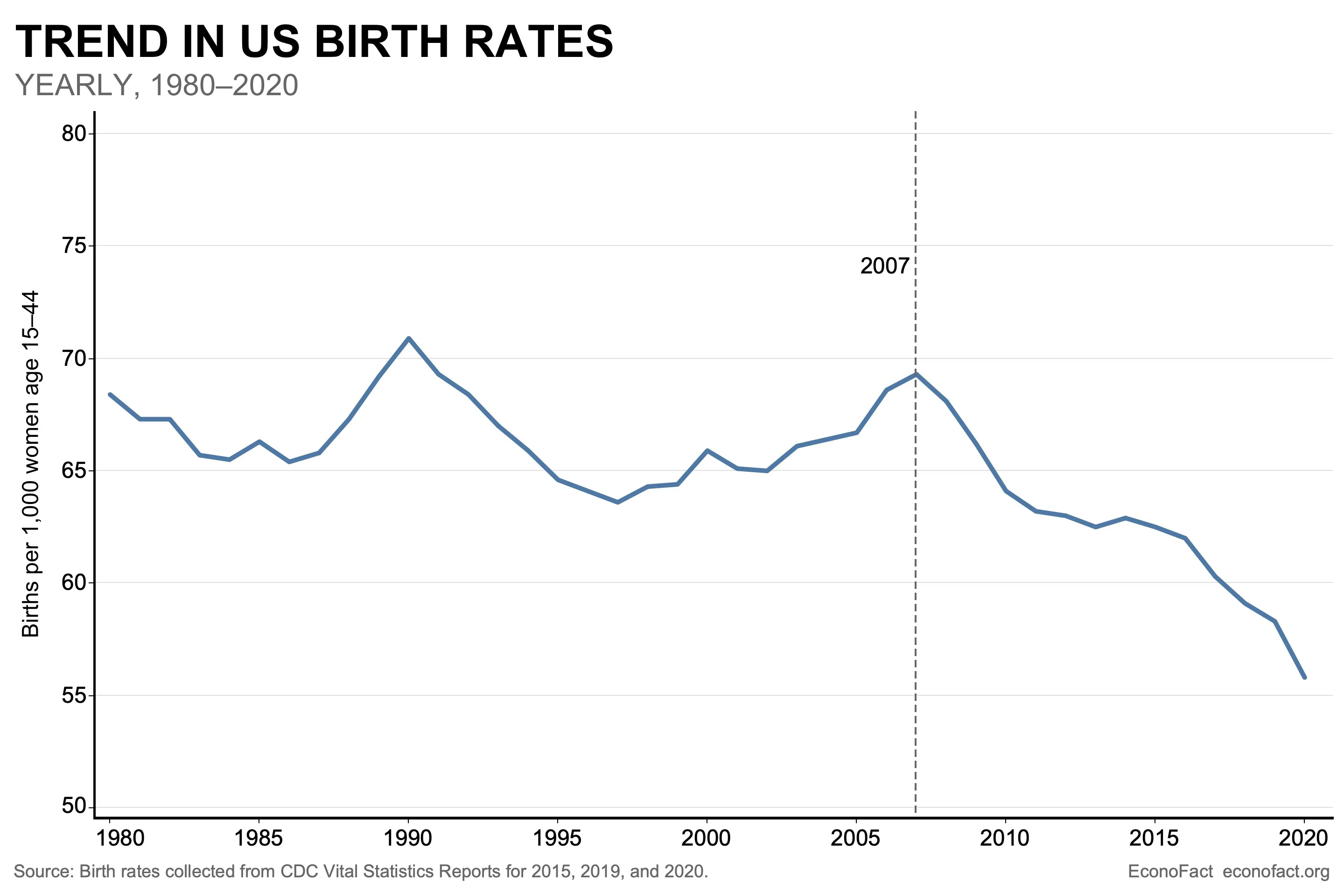
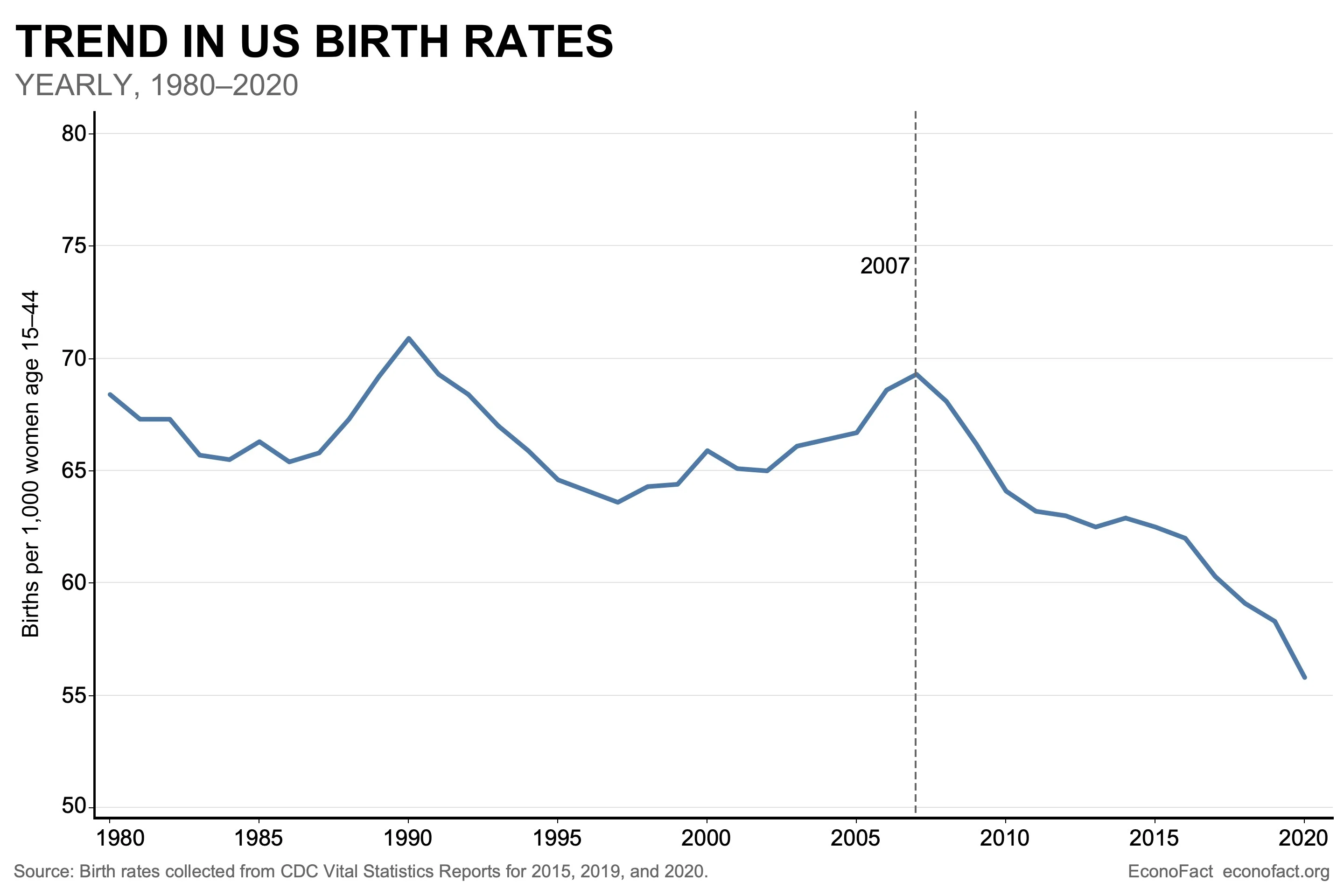
The phrase "record low birth rate" has become an uncomfortable refrain in recent years. For families, policymakers and businesses alike, fewer births reshape everything from school enrollments and workforce pipelines to housing demand and social programs. But beneath that headline are complex, overlapping forces — economic, cultural, medical and political — that help explain why Americans are having fewer children than their parents did. This long-form feature unpacks those forces, explores who is most affected, and considers what — if anything — might alter the trajectory.
US birth rate statistics graph
The numbers at a glance
Public discussion often begins with a single statistic: births per woman (the total fertility rate) are below the replacement level required to keep a population stable over the long run. That shorthand hides nuance: declines are uneven by age, race, region and socioeconomic status. Teen births have fallen for decades; births among older adults have shifted upward as people delay childbearing; and geographic pockets still see higher fertility. Still, the broad trend is unmistakable — a steady slide in the number of children born overall.
What "record low" really means
A "record low" signals a persistent change, not a single blip. Fertility rates move slowly, influenced by cohort decisions and long-term shifts in gender roles, education and labor markets. That makes the decline important: it is a structural change with consequences measured in decades, not weeks.
Fertility is not driven by one factor; it's the sum of money, choice, timing and policy.
Why people are choosing to have fewer children
At the individual level, decisions about whether and when to have children are shaped by a handful of repeatable themes. Most Americans do not reject parenthood on principle; rather, they face barriers that make childbearing and childrearing more costly, risky or complicated than in previous generations.
Economic pressures and the cost calculus
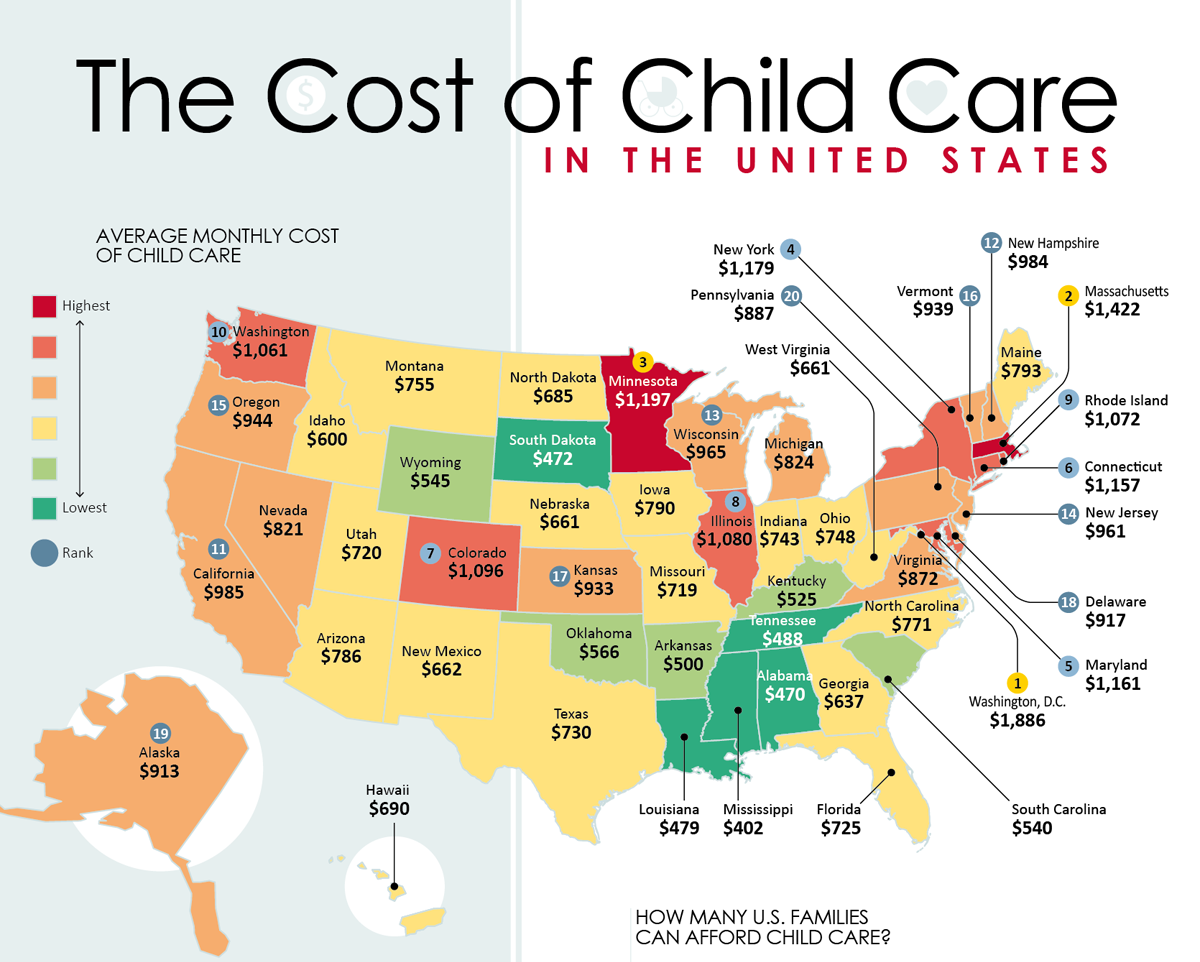
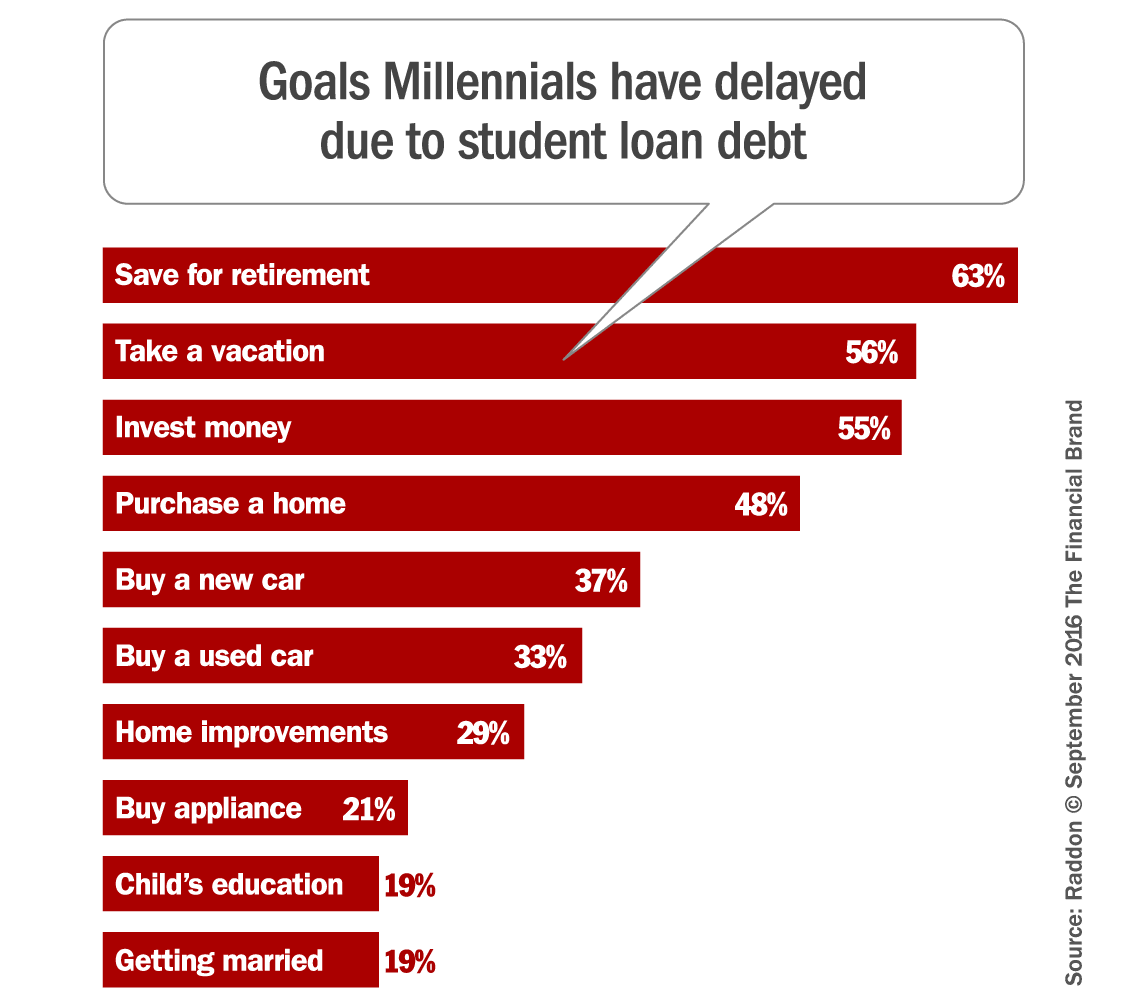
Money matters. The direct costs of raising a child — health care, childcare, education, housing — are higher than many families expect, especially in expensive metro areas. Childcare and pre-K costs can rival mortgage payments; private school and extracurriculars layer on additional expense. For couples balancing student debt, high rent or house prices, and uncertain incomes, the arithmetic often points toward having fewer children or postponing parenthood.
childcare costs USA family
Work, careers and time scarcity
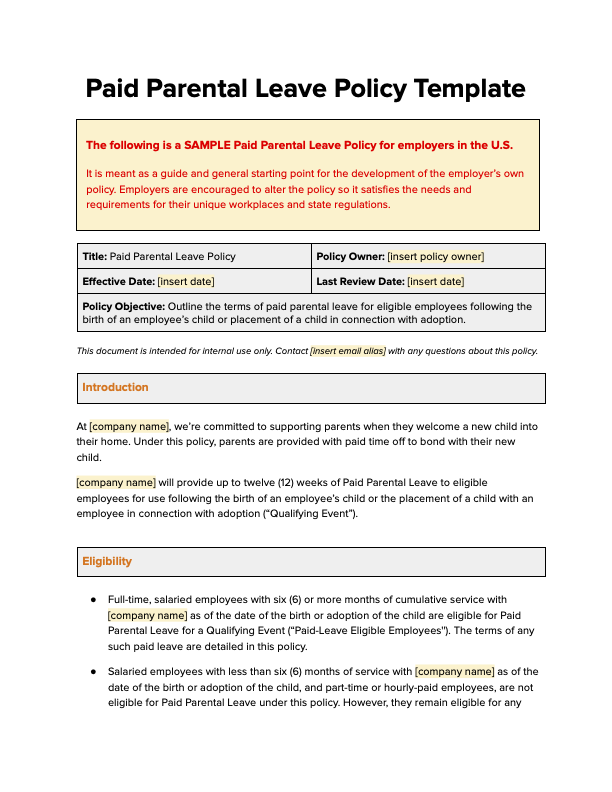
Work culture is another dominant influence. U.S. workplaces offer, on average, far less paid parental leave and public childcare support than many peer nations. That forces many families — especially women — into difficult trade-offs: stepping back from a career, accepting lower pay, or juggling jobs and caregiving with minimal structural support. The result: some postpone children while building careers; others limit family size to avoid a career penalty.
paid parental leave policy
Education, opportunity and changing aspirations
Higher levels of education, especially among women, correlate with later childbearing. Advanced schooling and longer job trajectories create a window in which individuals prioritize education, travel or career stability. This shift reflects broader cultural changes: parenthood is now one among several fulfilling life paths, and people may choose fewer children to pursue those alternatives more fully.
Reproductive healthcare and autonomy
Access to effective contraception has long been a driver of declining unintended births; when people can reliably prevent pregnancy, they tend to postpone or reduce childbearing. At the same time, debates and policy changes around reproductive rights, including access to abortion and contraceptive services, influence timing and family size. Where services are restricted or costs are prohibitive, outcomes differ and uncertainty increases.
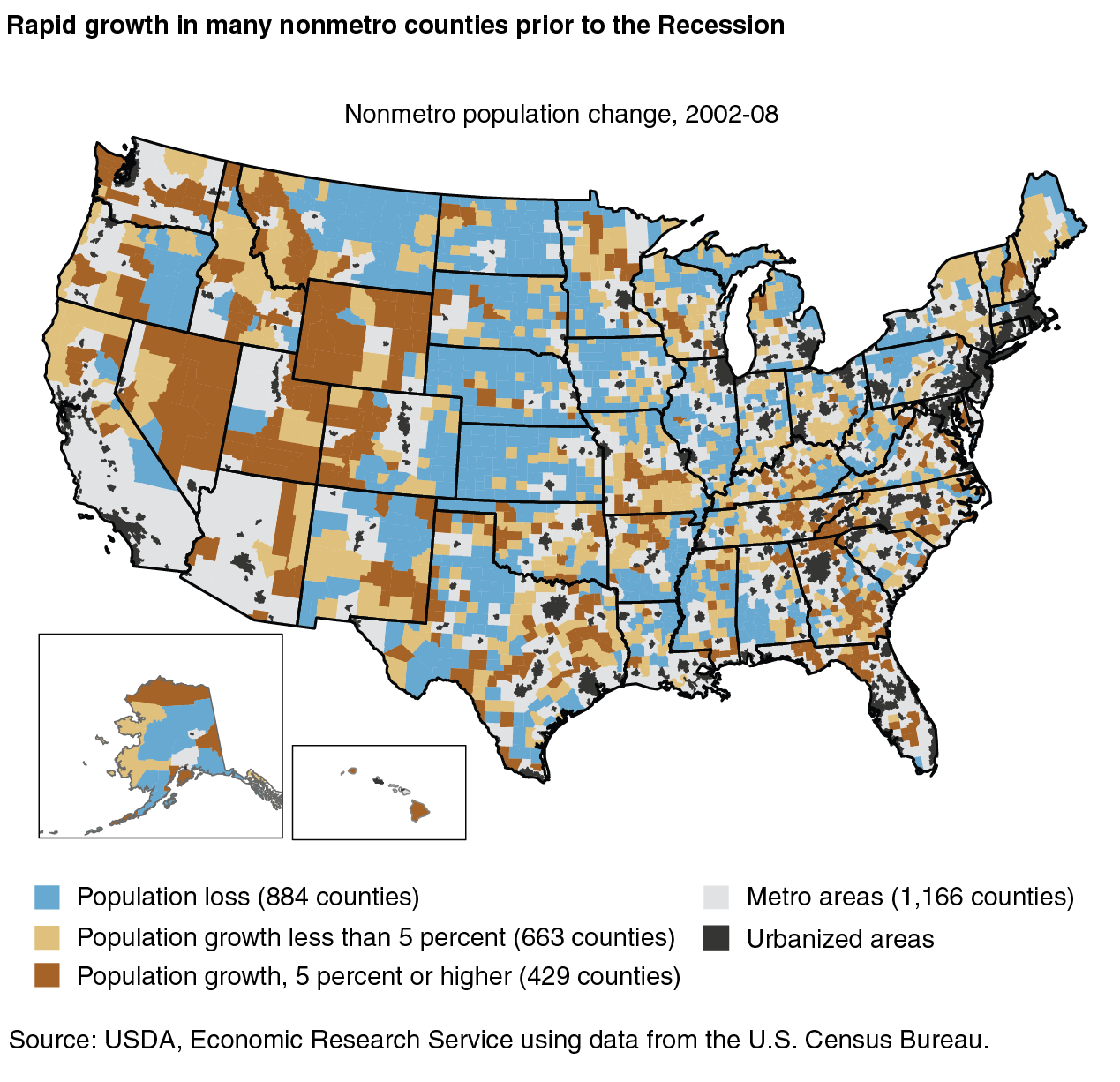
rural population decline map
The pandemic's imprint
Major disruptions — like the COVID-19 pandemic — can accelerate or decelerate fertility. The pandemic produced a short-term dip in births in many places, as economic uncertainty, health concerns and delays in family formation paused plans. For some, the pandemic affirmed a decision to have fewer children; for others, it reinforced existing barriers like job loss or lack of childcare.
Groups and places feeling the change most
The headline decline masks variation. Demographic shifts show clear patterns across age, geography and income.
Age patterns
Births to teenagers have declined dramatically over the past generation, reflecting improved contraceptive access and changing norms. Conversely, births to older parents have become a larger share of all births — many people are having children later, if at all.
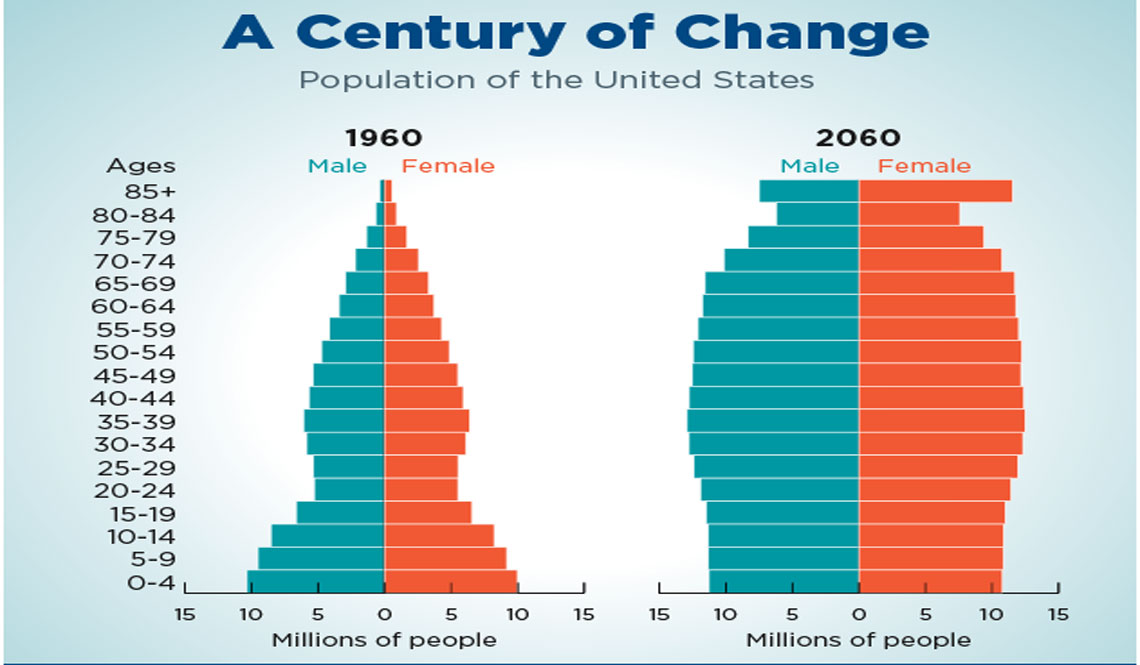
aging population demographics chart
Regional differences
Rural areas with economic stagnation and poorer access to healthcare can experience sharper population loss, while some suburbs and exurbs continue to attract families. Urban cores often show the steepest declines in births per resident — high housing costs and smaller living spaces dissuade expansion of family size.
Economic and racial divides
Fertility decline is not equally distributed. Higher-earning, highly educated individuals tend to delay but still have children at older ages; lower-income families may face barriers that reduce completed family size. There are also racial and ethnic patterns tied to immigration, cultural norms and access to services.
Policy, institutions and the missing supports
Countries that sustain higher fertility rates typically combine supportive policies: paid parental leave, affordable childcare, subsidized healthcare and income supports for families. The U.S. system is patchwork — employer-based benefits vary, public supports are limited, and many programs are means-tested in ways that exclude middle-income families.
Childcare and early education
Reliable, affordable childcare moves family planning from a high-risk gamble to a manageable decision. Where childcare is scarce or expensive, it functions as a de facto tax on parenthood, especially for single parents and dual-earner households.
student debt millennial couples
Parental leave and workplace flexibility
Paid leave and flexible work arrangements reduce the career penalty for parenthood and make it easier to combine work and family. Without them, many couples choose fewer children to protect career trajectories or household income.
Economic and social implications
Lower birth rates reshape public finance and private markets. An aging population increases demand for healthcare and retirement funding while shrinking the labor force that funds public benefits. Schools may consolidate; sectors like housing and consumer goods aimed at families face reduced demand. At the same time, fewer children can mean more resources per child for some families, altering consumption patterns.
Labor and the economy
Fewer entrants into the labor force over time can create shortages in certain sectors — from early education and health care to manufacturing and technology. That incentivizes automation, changes immigrant labor policy and affects wages in tight fields.
Fiscal pressures
Public programs that rely on a growing base of workers and taxpayers — Social Security and Medicare among them — face strain with a slower-growing or shrinking working-age population. Policymakers confront choices: raise taxes, cut benefits, increase retirement ages, or encourage higher fertility/immigration.
Can policy reverse the trend?
The short answer is: partly, over time. Evidence from other high-income countries suggests that comprehensive, well-designed family supports can raise fertility modestly, especially when combined with cultural shifts that normalize shared caregiving between parents.
What policies help
- Paid parental leave that covers both parents helps retain workers and reduces career penalties for caregivers.
- Affordable, high-quality childcare reduces out-of-pocket costs and enables parents to return to work.
- Direct financial supports such as child allowances or tax credits lower the effective cost of raising children.
- Flexible work arrangements and predictable schedules make juggling work and childcare feasible.
Limits of policy
Even generous policies don't instantly restore high fertility. People's family-size choices reflect deep cultural and economic calculations — values about leisure, careers, gender roles and children's quality of life. Policies can nudge choices, reduce constraints, and make childrearing more feasible; they rarely create a sharp rebound on their own.
What demographers expect next
Projections typically show continued low fertility in the near term, with the possibility of stabilization if social supports improve or economic conditions change favorably. Immigration has historically offset some domestic fertility declines in the United States; immigration policy therefore interacts strongly with population outcomes. Demographic momentum — the effect of past birth patterns on future population size — will also shape outcomes for decades.
Scenarios to watch
- Slow recovery: Economic improvement and mild policy reforms stabilize births slightly above current levels.
- Persistent low fertility: Cultural and economic pressures continue, and births remain below replacement.
- Policy-driven uptick: Substantial, sustained investments in family supports lead to a moderate rebound over a generation.
Practical steps for families and communities
For individuals weighing family plans, practical steps can ease the path: open conversations with employers about flexible schedules; exploring community childcare co-ops; taking informed steps about fertility preservation and assisted reproduction if timing is a concern; and seeking financial planning that incorporates child-related costs. Community-level solutions — employer consortia funding childcare centers, local tax incentives for family housing, and expanded parent networks — can also reduce friction.

fertility treatment IVF clinic
What businesses and local governments can do
- Offer flexible schedules and remote-work options where possible.
- Partner on childcare with local providers or offer subsidies to employees.
- Invest in family-friendly housing and transit that eases daily logistics for parents.
Conclusion: a quieter future, but not a fixed one
Falling birth rates reflect a web of choices and constraints. They are a response to economic realities, social change and shifting personal priorities. While the implications — aging populations, altered markets and fiscal strain — are real, they are not destiny. Thoughtful policy, workplace changes and community-level innovation can reshape the practicalities of parenthood. But reversing a long-term demographic trend requires sustained effort, cultural shifts and the kind of policy consistency that has been rare in recent U.S. politics.
Policies can lower barriers — but family size is ultimately a private decision influenced by public conditions.
- U.S. birth rates are at historic lows because of economic pressures, changing aspirations, and limited family supports.
- Declines are uneven: teen births have fallen, births have shifted older, and regional and socioeconomic differences matter.
- Policy can help — paid leave, affordable childcare, and housing supports make a difference — but cannot alone restore past fertility norms.
- Immigration and labor-market changes will interact with fertility to determine long-term population trends.
Reporting and analysis informed by demographic trends, economic patterns and policy comparisons.