
Why Unskippable YouTube TV Ads Are Fueling User Revolt
Platforms evolve, money chases attention, and users — who once tolerated a few interruptions — are reaching a breaking point. That tension has never been clearer than in living rooms where YouTube's TV apps now deliver long, frequent, unskippable commercials that feel more like punishments than polite interruptions. This piece unpacks why viewers are revolting, what that means for advertisers and creators, and practical steps platforms can take to restore balance between monetization and respect for attention.
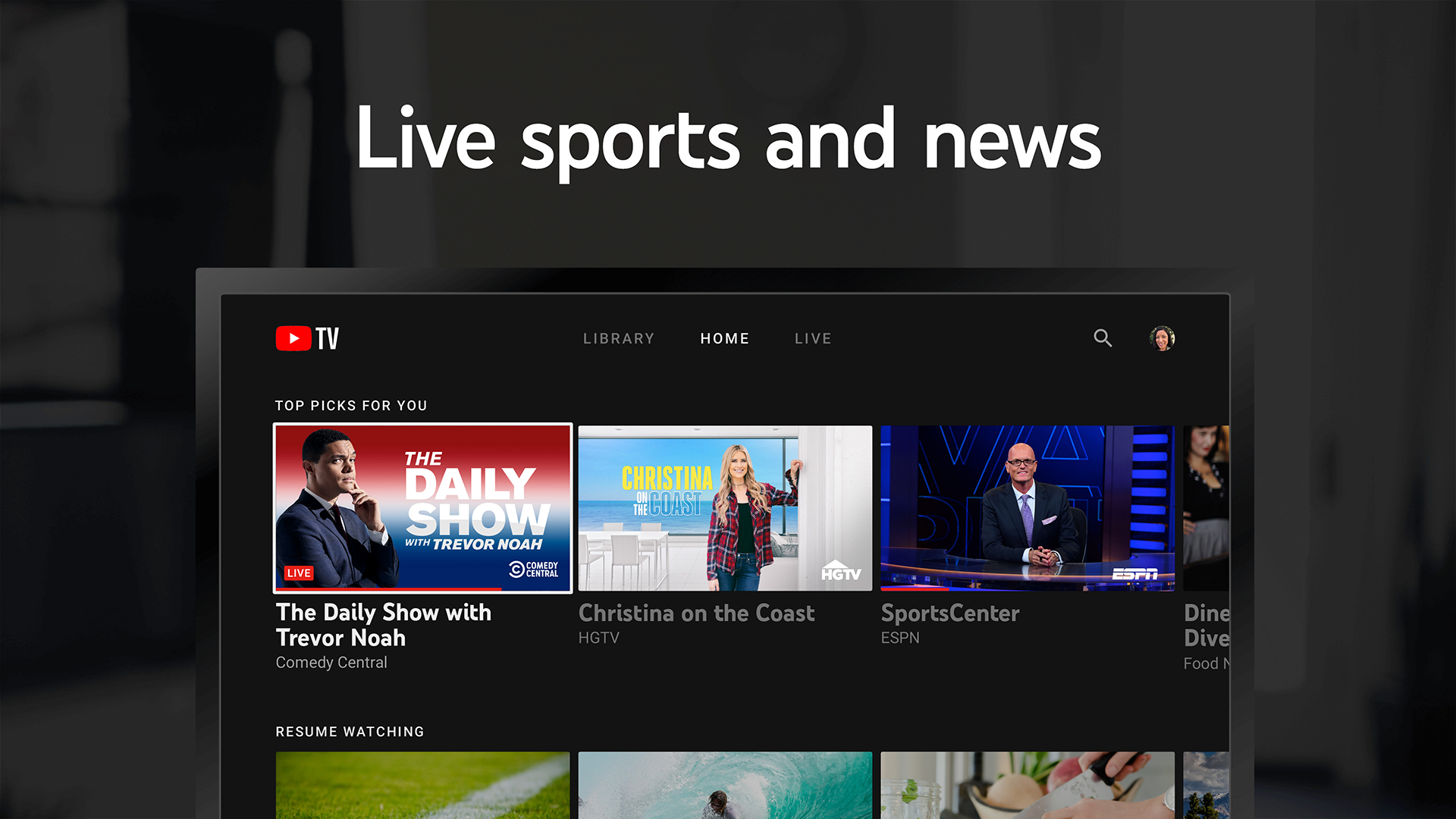
YouTube TV app interface
A Cultural Moment: Ads, Attention, and the Living Room
For decades television defined how audiences accepted advertising: scheduled commercial breaks, predictable rhythms, and an implicit bargain — ads paid for programming. Streaming changed the terms of that bargain. With no fixed broadcast schedule and user controls like pause, seek, and on-demand browsing, expectations shifted toward fewer interruptions and more control. Simultaneously, platforms embraced ad-supported tiers to grow revenue while keeping entry barriers low.
When those two trends meet on the big screen — a household couch, an evening routine — the result can feel discordant. Viewers expect streaming to be convenient. Unskippable ads on TV apps invert that expectation: instead of being invited into content with a gentle commercial nod, viewers are forced to sit through long or repetitive ads that interrupt the flow and, arguably, violate the social contract of modern streaming.
living room TV streaming
What “Unskippable” Means in Practice
Formats and Frictions
Unskippable ads come in many forms: pre-rolls that can’t be skipped, mid-rolls embedded in the stream that pause your show, bumper ads that repeat the same creative multiple times, and even interactive adverts that demand attention on a passive-screen device. On mobile or desktop, users tolerate some of this because they can multitask or wait. On TV, the friction is higher: the remote sits idle, viewers are often with others, and the atmosphere is communal — interruptions feel personal.
“Forced attention is a fragile thing; when viewers feel manipulated, they stop trusting both the experience and the messages within it.”
Perceived Escalation: Frequency and Length
Two of the biggest complaints aren’t novel: ads are too frequent, and too long. Where a viewer might accept a 15-second pre-roll, a string of 30- to 60-second mid-rolls every 10 minutes quickly becomes intolerable. That escalation compounds across household devices and across family members. The result: people stop watching, complain publicly, or search for paid alternatives.
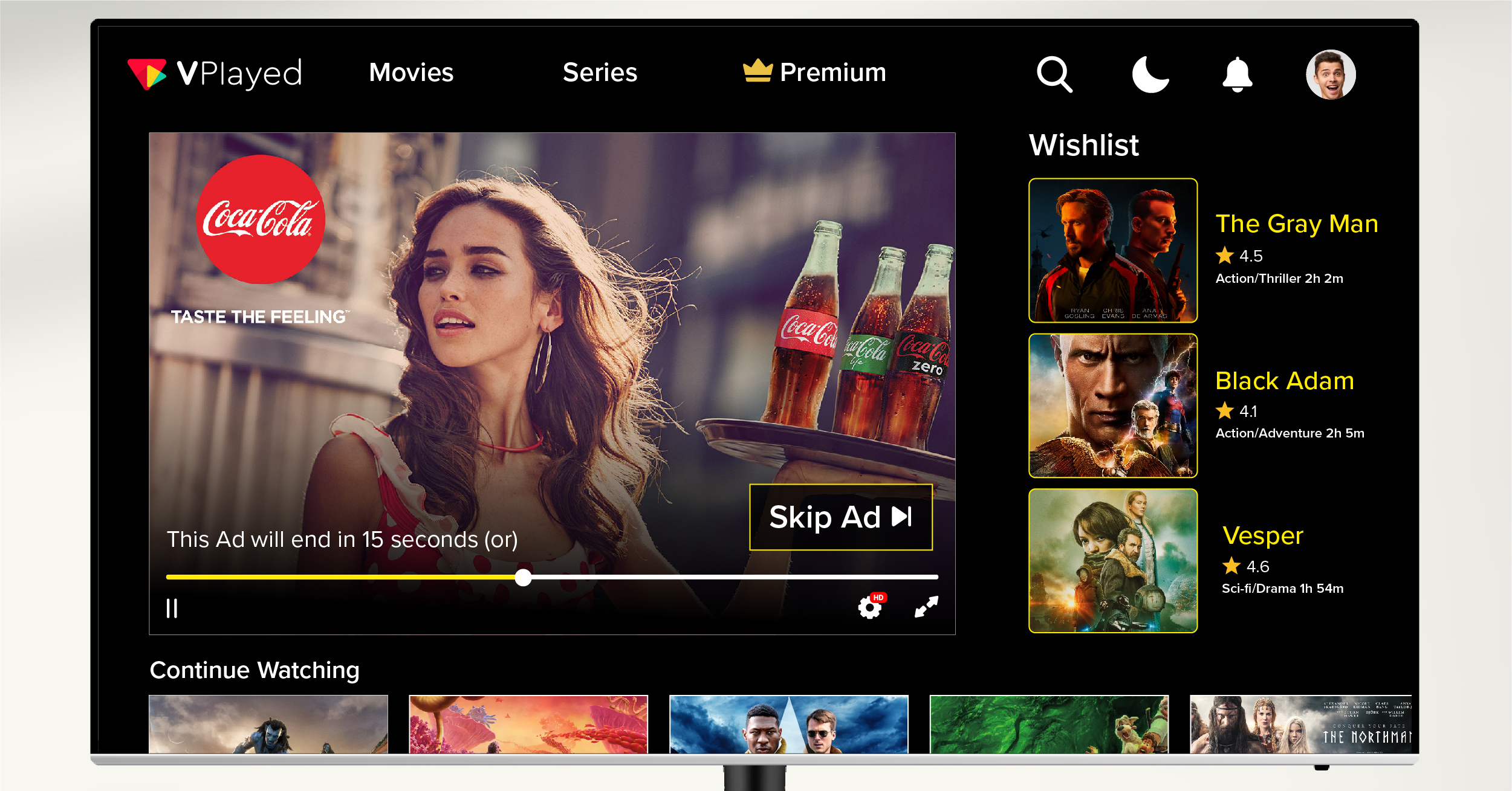
pre-roll ad television
Why Users Are Revolting: Four Root Causes
1. Broken Expectations
Many streaming users signed up for convenience and control. The rise of unskippable TV ads feels like a reversal: the platform has taken back control. That perceived betrayal drives emotion. People don’t just dislike ads; they resent loss of agency in a product they believe they own.
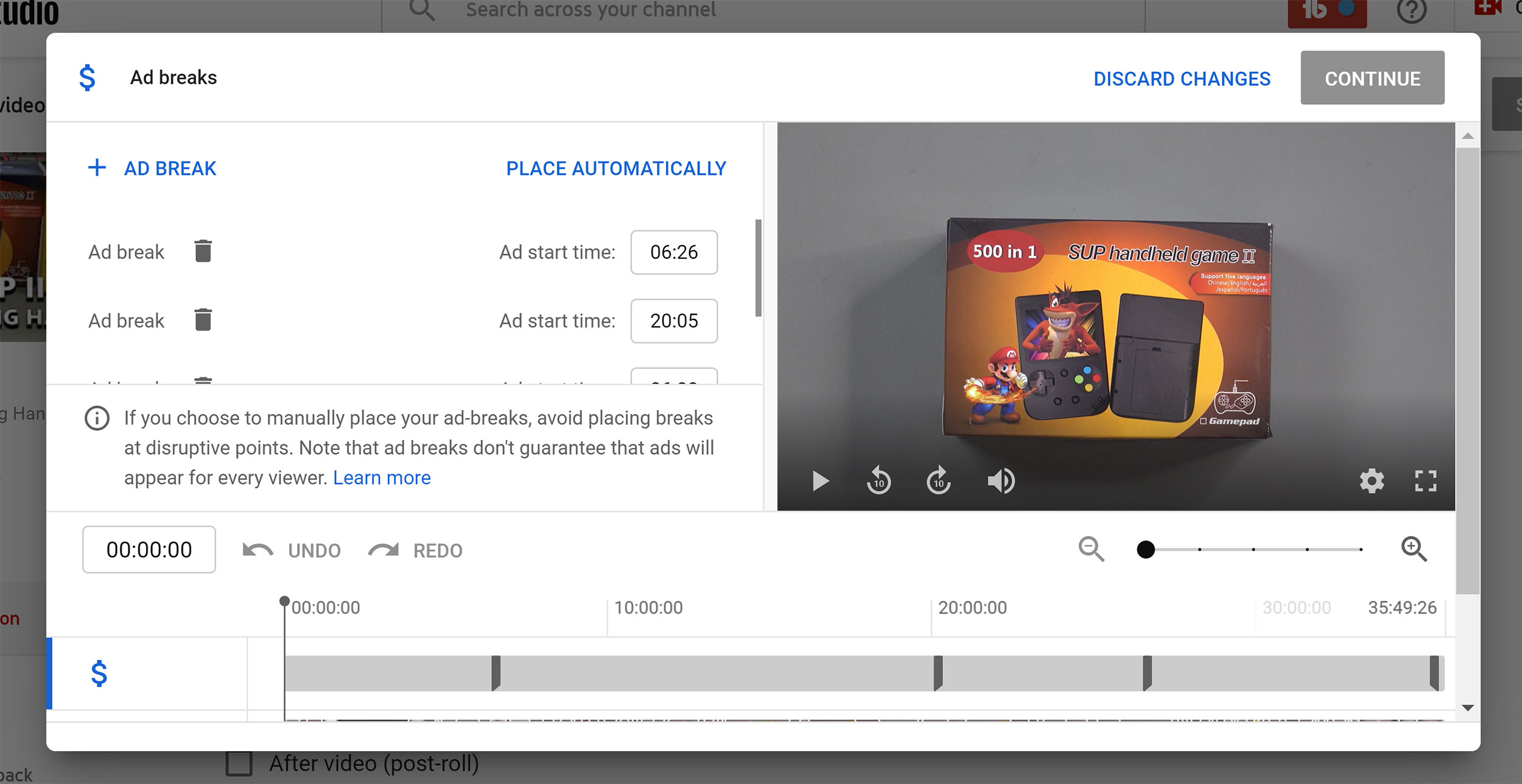
mid-roll commercial break
2. Repetition and Creative Fatigue
Watching the same commercial five times in an hour creates annoyance and brand dilution. Repetition can increase recall but it can also create negative associations. On a small screen, creative repetition might be acceptable; on a living-room screen where an ad interrupts multiple family members, it becomes a shared irritant.
social media ad complaints
3. Poor Targeting and Irrelevance
Relevance matters. When ads are irrelevant — an ad for retirement planning in a teenager’s household — viewers feel the system is broken. Unskippable format magnifies that dissonance because there’s no easy escape. Irrelevant forced ads become a visible failure of data-driven advertising.

ad frequency capping dashboard
4. Technical and UX Failures
Sometimes the revolt isn’t purely ideological. Buffering mid-rolls, audio that blasts into a quiet scene, or ads that restart when you pause the show are technical missteps that make unskippable ads worse. UX errors amplify frustration and make simple tolerance impossible.
Consequences for Platforms, Advertisers, and Creators
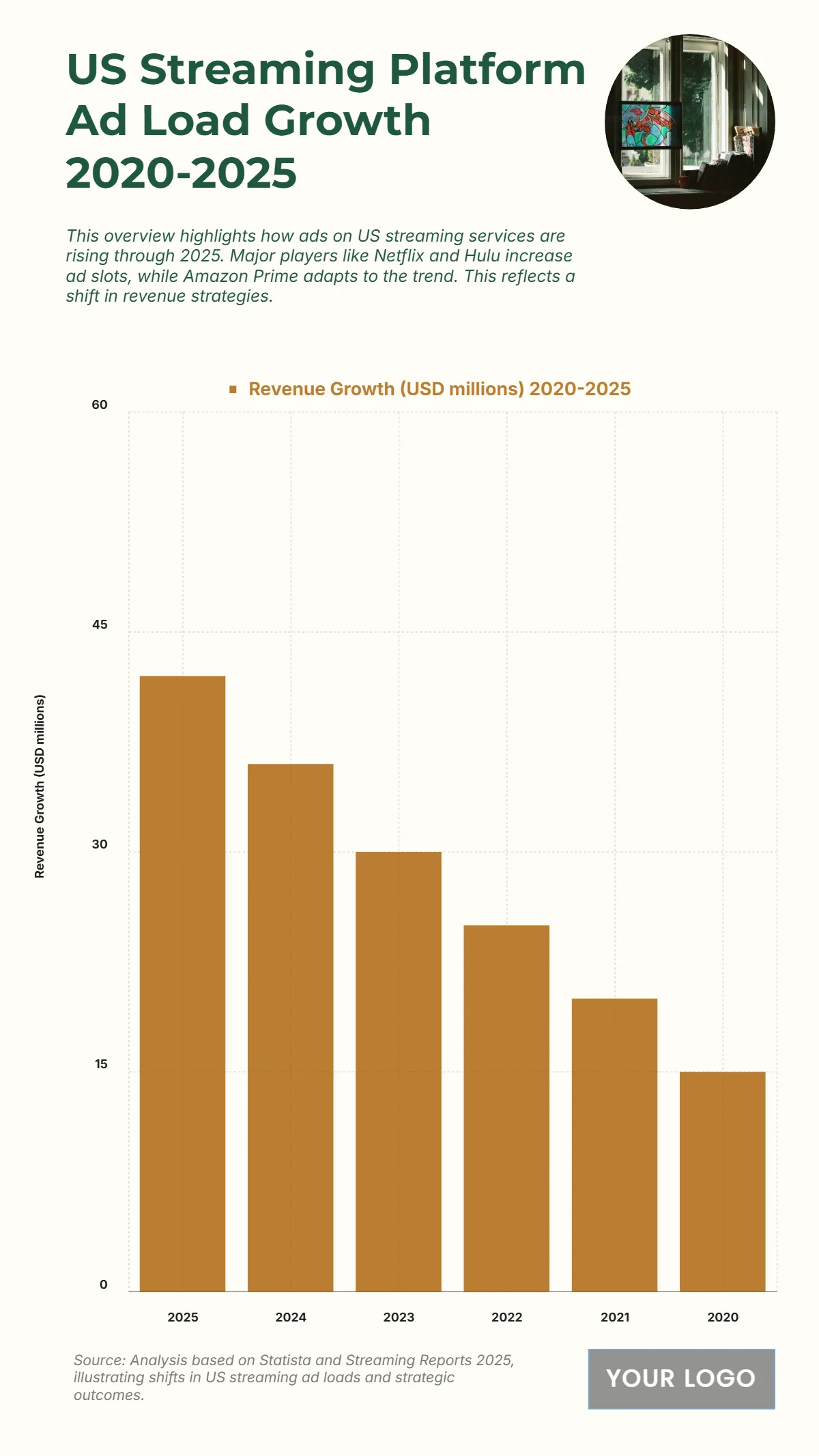
When viewers revolt, consequences ripple across the ecosystem. Platforms risk churn: frustrated users may upgrade to ad-free tiers, or cancel subscriptions entirely. Advertisers risk wasting impressions on a hostile audience and may see negative brand impact. Creators, who depend on platform ad revenue, may suffer if viewership declines or if advertisers pull budgets.
streaming ad revenue chart
Business Trade-offs
No platform intentionally wants to alienate users. The push toward increased ad load is a rational business decision to recoup revenue in an economy where subscription growth slows. But short-term revenue strategies can undermine long-term value: user trust is hard to measure on a quarterly spreadsheet but easy to destroy when viewers leave.
- Higher immediate ad revenue: More ads per stream can increase short-term yields.
- Expanded advertiser reach: TV apps reach audiences who aren’t on mobile or desktop.
- User alienation: Increased churn and negative word-of-mouth.
- Brand risk: Advertisers may face backlash if their ads are associated with poor UX.
What Users Are Doing Instead
Revolting takes many forms. Some viewers vocalize complaints on social media and forums, where screenshots and videos of long ad breaks go viral. Others switch to ad-free options, subscribe to rival services, or use workarounds like manual skipping where supported. Some households even place phones in the living room and cast content — bypassing TV app ad rules in certain setups — though platforms are tightening those paths too.
The Limits of Ad-Blocking
Traditional ad blockers don’t work on many TV apps and native players. That increases pressure on platforms and advertisers: the last line of defense for annoyed viewers is often to cancel or complain. For advertisers, that’s bad news — budgets spent on forced impressions may not translate to goodwill or conversion.
How Advertisers See It
Advertisers want reach and outcomes. Programmatic buying and sophisticated targeting promised efficient delivery, but the rise of unskippable TV ads has exposed tension between scale and sentiment. Some brands are beginning to ask whether forced ads on living-room screens generate the right emotional context for their messaging. A funny ad that works on mobile might be tone-deaf during a dramatic TV episode.
Paths Forward: Balancing Revenue and Respect
1. Smarter Pacing, Not Just More Ads
Instead of increasing total ad time, platforms can optimize pacing: fewer interruptions during high-engagement scenes, better distribution across programs, and respecting natural story beats. Pacing models that respect narrative flow reduce viewer resentment while preserving inventory value.
2. Creative Rotation and Frequency Capping
Frequency capping — limiting how often the same creative serves to the same household — is table stakes on digital but often misapplied on TV apps. Better rotation reduces fatigue and preserves brand equity. Advertisers should demand these protections when buying inventory.
3. Relevance and Choice
When ads are relevant, viewers tolerate them better. Platforms should invest in consent-driven personalization and allow households to indicate preferences. Choice can be powerful: allow users to pick ad categories or opt into interactive, rewarded ads in exchange for fewer interruptions.
4. Product Options: Less Intrusive Tiers
Offer productized ad loads: an ultra-light ad tier for a modest monthly fee, a standard ad tier, and a high-yield ad tier for free users. Clear, simple options allow consumers to self-select and align expectations. Transparency reduces resentment.
Regulatory and Ethical Dimensions
As streaming becomes the primary way people consume long-form video, regulators are paying attention. Issues like privacy, data used for targeting, and fair consumer treatment may push policymakers to consider new rules. Platforms should anticipate scrutiny and adopt consumer-friendly practices proactively rather than reactively.
Practical Recommendations — A Playbook for Better TV Ads
For Platforms
- Invest in pacing algorithms that consider scene importance and user engagement signals.
- Implement household-level frequency caps to prevent repetitive creative exposure.
- Offer transparent product tiers that set clear expectations about ad experience and price.
- Improve ad playback stability to avoid technical interruptions that amplify resentment.
For Advertisers
- Negotiate placement controls to avoid ads running over dramatic climaxes or within family-targeted programming where tone matters.
- Prioritize creative tailored for living-room viewing that matches the scale and social context of a TV screen.
- Measure sentiment, not just clicks: incorporate brand-lift and NPS-style metrics to capture negative associations.
For Viewers
- Use preference tools when offered, and provide feedback to platforms about the kinds of ads you accept.
- Consider product tiers if you prefer fewer ads — paying a modest fee can sometimes be the most frictionless solution.
- Share constructive feedback rather than only venting: platforms respond better to actionable complaints than to noise.
A Note About Measurement: Beyond Impressions
Historically, impressions and CPMs were central to TV advertising. Today, context, engagement, and sentiment matter. Platforms and advertisers must build measurement frameworks that capture whether ads produce positive outcomes without eroding long-term trust. That means combining behavioral metrics with survey-based feedback and brand studies.
Case Studies and Anecdotes
Across households, stories repeat: a family forced to watch a thirty-second, loud ad during a quiet scene; a user who stopped a binge because mid-rolls interrupted momentum; an advertiser whose high-frequency spot became a joke among viewers. These anecdotes are data — qualitative signs that an experience has strayed from what audiences expect.
Final Take: Respect Attention, Secure Revenue
The core lesson is simple: attention is a scarce resource and respect is its currency. Platforms that treat attention as infinitely monetizable will harvest short-term gains but risk long-term erosion of trust. The smarter path is to design ad experiences that respect pacing, relevance, and household dynamics — policies that preserve the viewer’s dignity while still creating valuable, measurable advertising outcomes.
If you want loyal viewers, treat interruptions as carefully as the content you serve.
- Unskippable TV ads frustrate viewers because they violate streaming expectations of control and convenience.
- Frequency, repetition, poor targeting, and technical issues amplify resentment.
- Platforms can balance revenue and user trust through smarter pacing, frequency capping, and transparent product tiers.
- Advertisers must consider context and measure sentiment, not just impressions.
Closing Thought
Monetization and user experience are not irreconcilable. The challenge — and the opportunity — is to design ad ecosystems that honor the fundamental contract between a platform and its users: you give me a few moments of your attention, and I will give you back value, not irritation. When platforms remember that, revolts die down and meaningful advertising returns.