
Why the U.S. Men's Hockey Team Laughed When the Women's Team Was Mentioned
When a phone call or a short clip shows men on a national team laughing after someone mentions the women's team, viewers rush to judgement: harmless ribbing, unconscious bias, or an outright dismissal of female athletes' accomplishments. That instant of laughter becomes a mirror reflecting much larger issues — locker-room norms, media attention imbalances, organizational power dynamics and the fraught interplay of intent and impact. This article unpacks how a single chuckle can ripple outward, why it matters, and what constructive steps players, federations and fans can take.
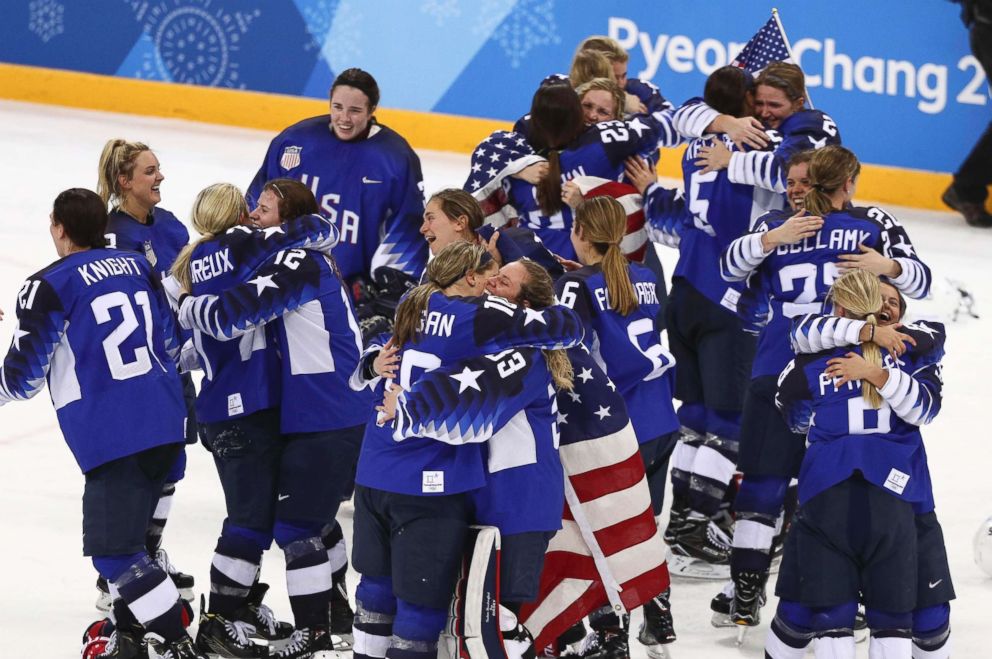
US Women's National Hockey Team celebration
HOW A LAUGH BECOMES NEWS
Short, shareable media fragments have a way of compressing context until a single gesture seems to mean everything. A laugh can be captured, replayed and reinterpreted across timelines and platforms. For the men involved it may have been a reflexive response on a team call; for observers it can read as contempt. Understanding both lenses — the momentary social reflex and the broader social meaning — is the first step toward honest analysis.
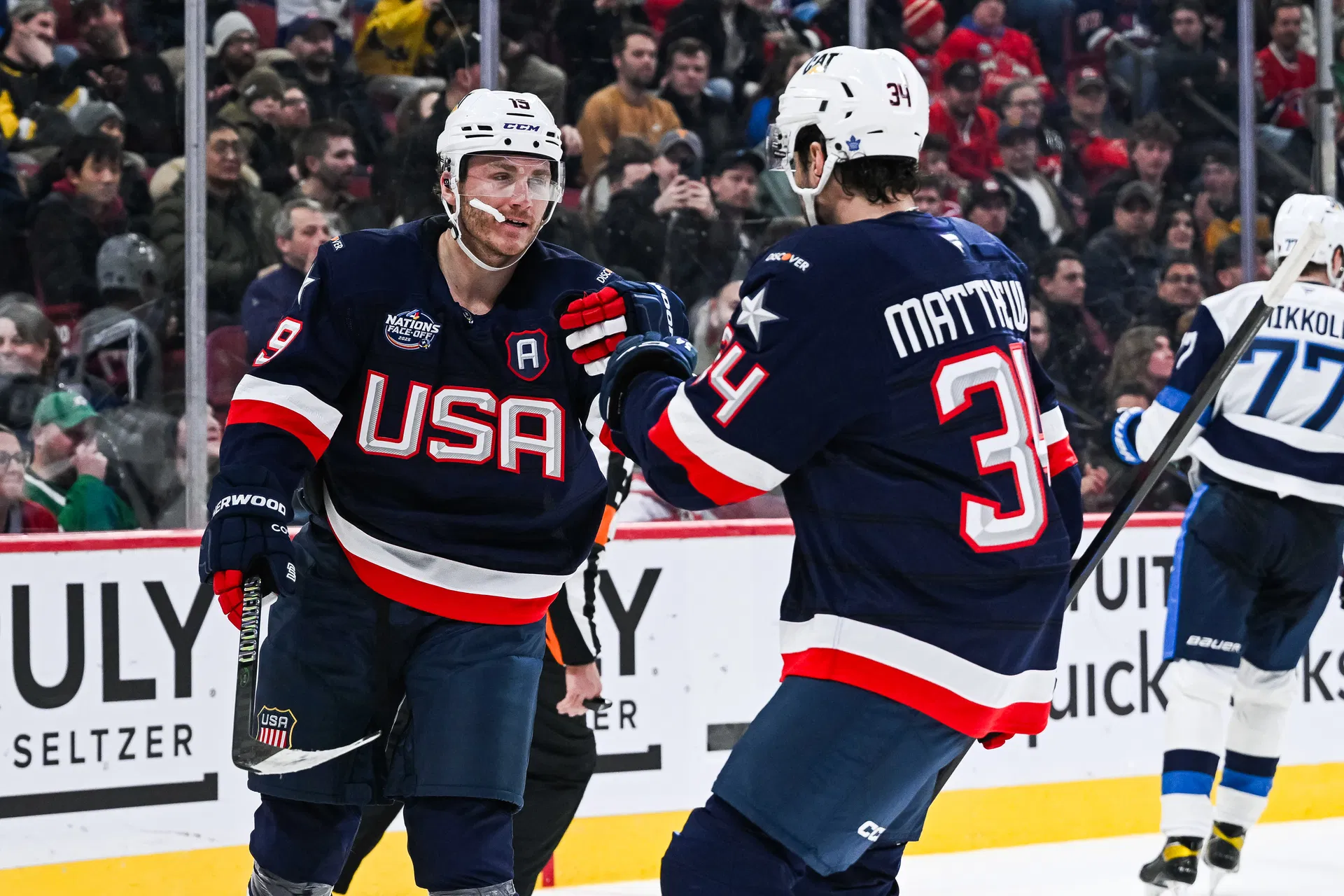
USA men's hockey team interview incident
Reading the Moment: Three Plausible Interpretations
When a group laughs after the mention of the women's national team, analysts tend to land on one of three readings. Each is plausible; each tells a different story about culture, context and consequence.
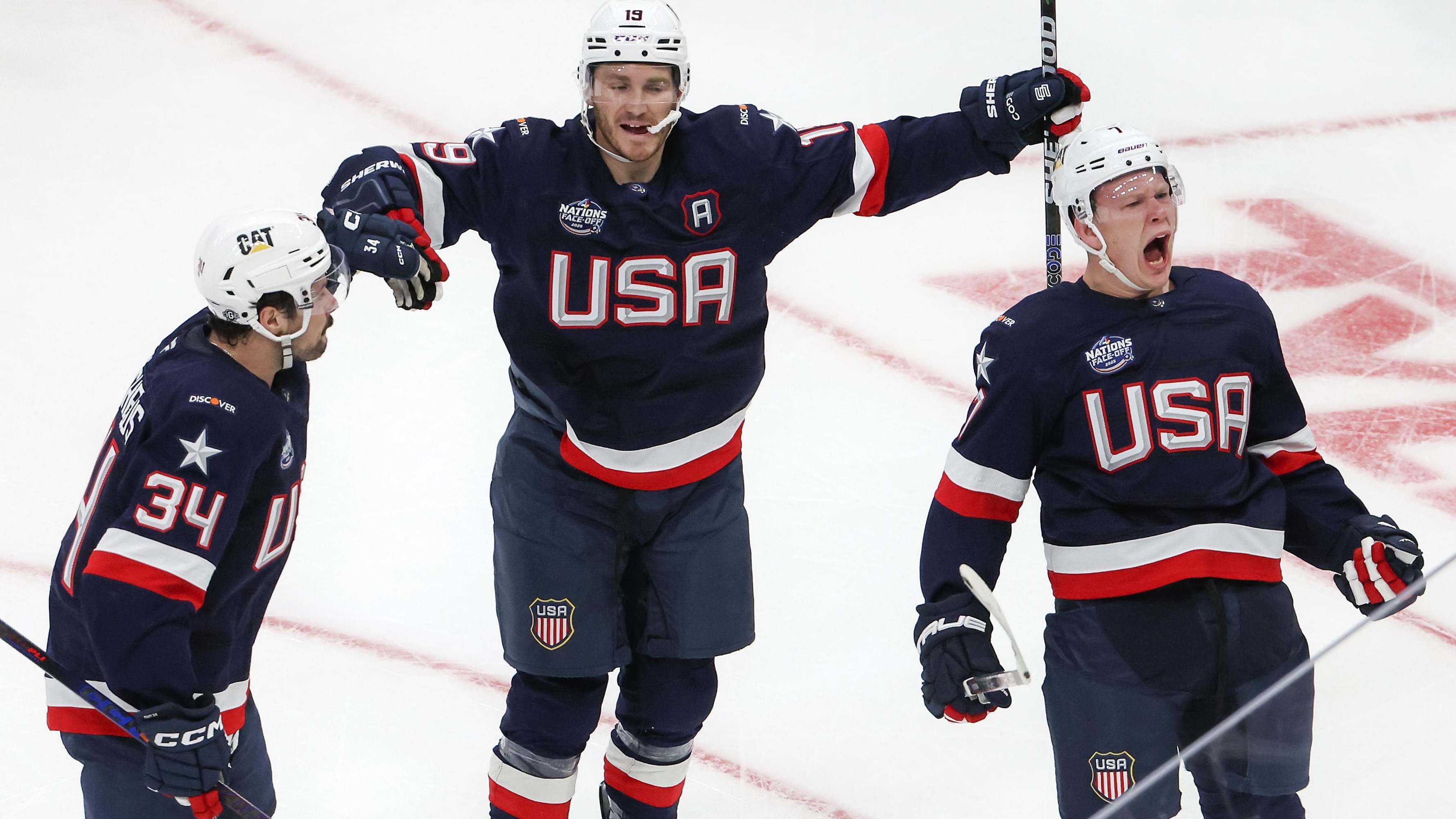
USA men's and women's hockey team comparison
1. Innocent banter and in-group humor
Teams develop private languages: nicknames, inside jokes, and a tone that bonds members through shared history. Laughter in that register may be about something unrelated — a private joke triggered by the words used, a memory of a past game, or a misdirected punchline. In that reading the laugh isn't aimed at the women's team but instead serves a social function: to ease tension, to reinforce solidarity, to humanize players behind a public persona.

USA Hockey locker room culture
2. Dismissive sexism and cultural minimization
Another and more concerning interpretation is that the laughter signals a dismissive attitude — an implicit belief that the men's program is the default and the women's program is somehow peripheral. Historically, women's sports have been trivialized by lower pay, reduced broadcast investment, and patronizing coverage. A laugh can thus be an audible signifier of cultural minimization, even if not intended to wound.
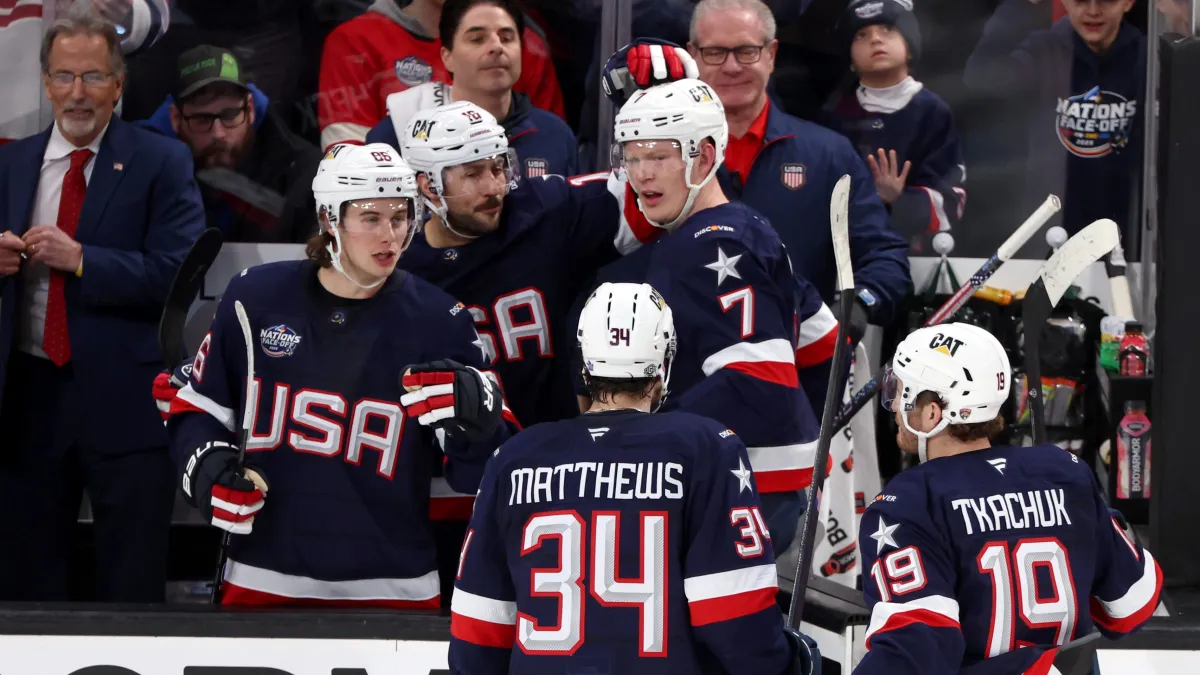
USA men's hockey team reaction to women
3. Nervous laughter or deflection
Humans also laugh when confronted with awkwardness. A player may laugh because the conversation touched on politics, funding, criticism, or the complicated relationship between the programs. In high-pressure environments athletes sometimes use humor as a coping mechanism to deflect uncomfortable questions or to avoid engaging with complicated institutional topics.
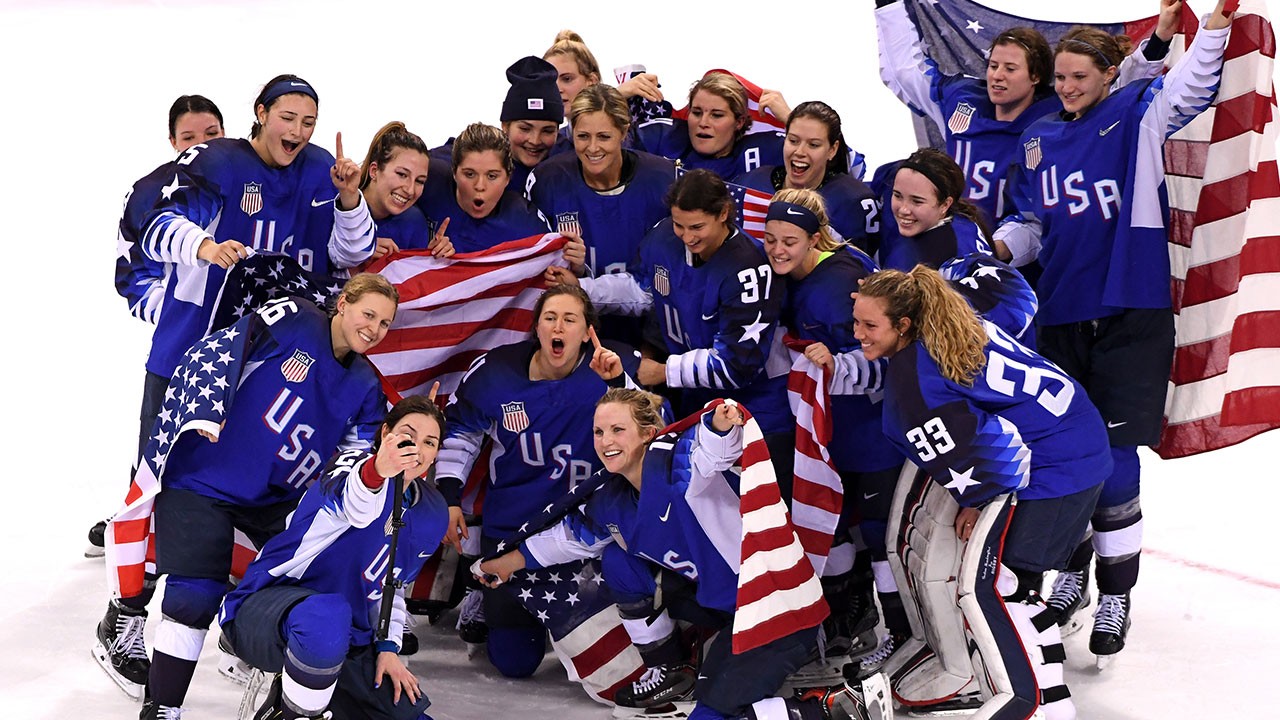
USA women's hockey team achievements
Laughter is a small event that often reveals much larger institutional cleavages.
Why Context Matters
To determine which interpretation best fits any particular incident you need context: the exact words said, the tone, the relationship between the people on the call, prior comments by the same players, and the environment in which the laugh occurred. Without that context an outsider's moral certainty feels incomplete. Still, context alone does not neutralize impact. Even an innocent joke can hurt, and even accidental dismissal can perpetuate patterns of inequality.
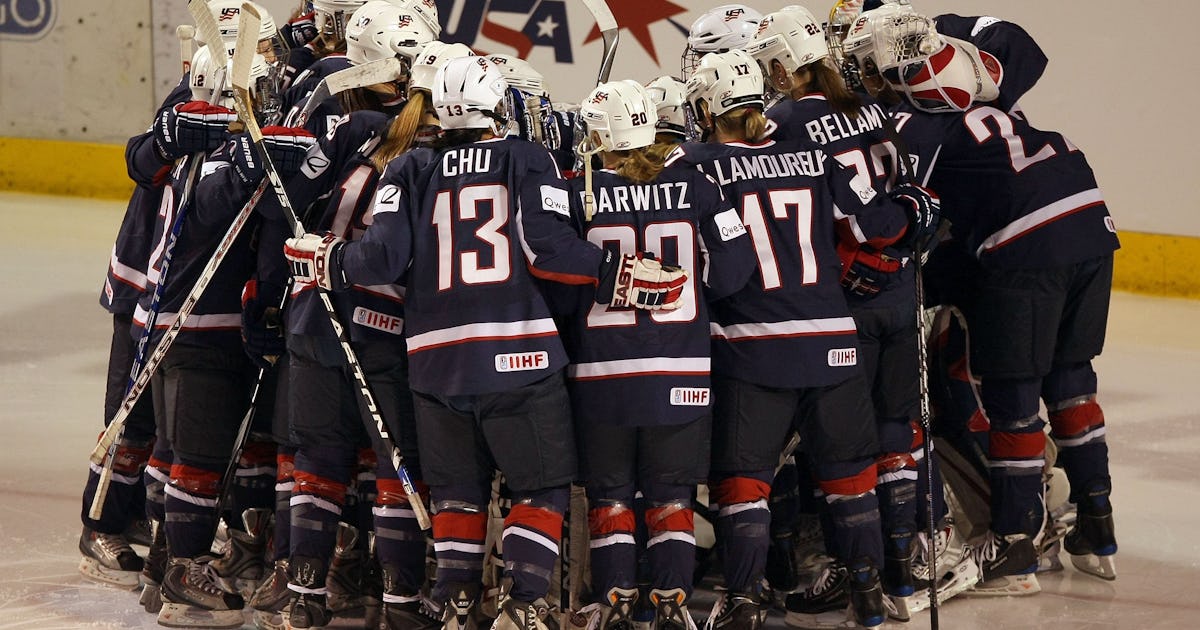
USA hockey gender equality issues
Locker-Room Culture and Masculine Norms
Locker rooms are not just physical spaces — they are social ecosystems shaped by norms about toughness, emotional control and the role of humor. In many male sports cultures, joking and ribbing are used to establish rank, demonstrate resilience and create psychological distance from vulnerability. That structure can produce rapid-fire moments of humor that, outside the group, look callous.
But cultural patterns are malleable. Teams have changed harmful norms before: shifting from hazing to structured onboarding, substituting inclusive rituals for exclusionary ones, and bringing leadership training into locker-room routines. Recognizing that laughter can be a byproduct of old norms rather than proof of ill will opens pathways for productive change.
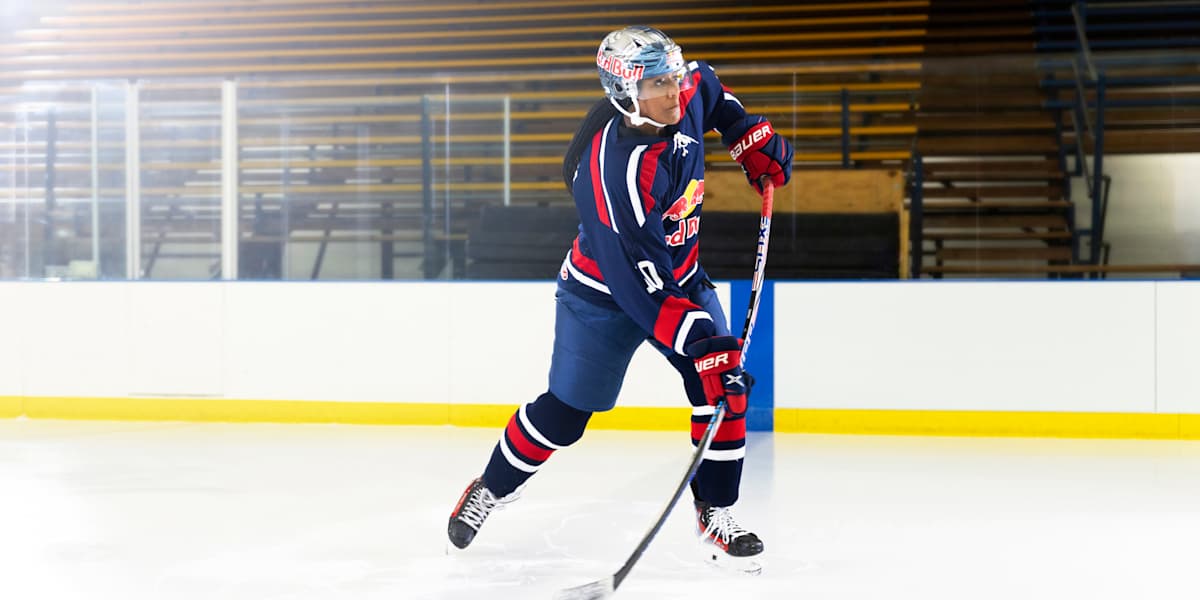
USA women's hockey team breaking barriers
Power and Visibility: Why Women's Hockey Is Not Always on Equal Footing
The men's and women's programs occupy different positions in media attention, sponsorship attention and historical investment. That inequality seeps into athlete perceptions: if one team receives more resources, fans, and narrative primacy, it becomes the default reference point. When the women's team is mentioned in a context where they are expected to be marginalized, a laugh can become shorthand for that structural imbalance.
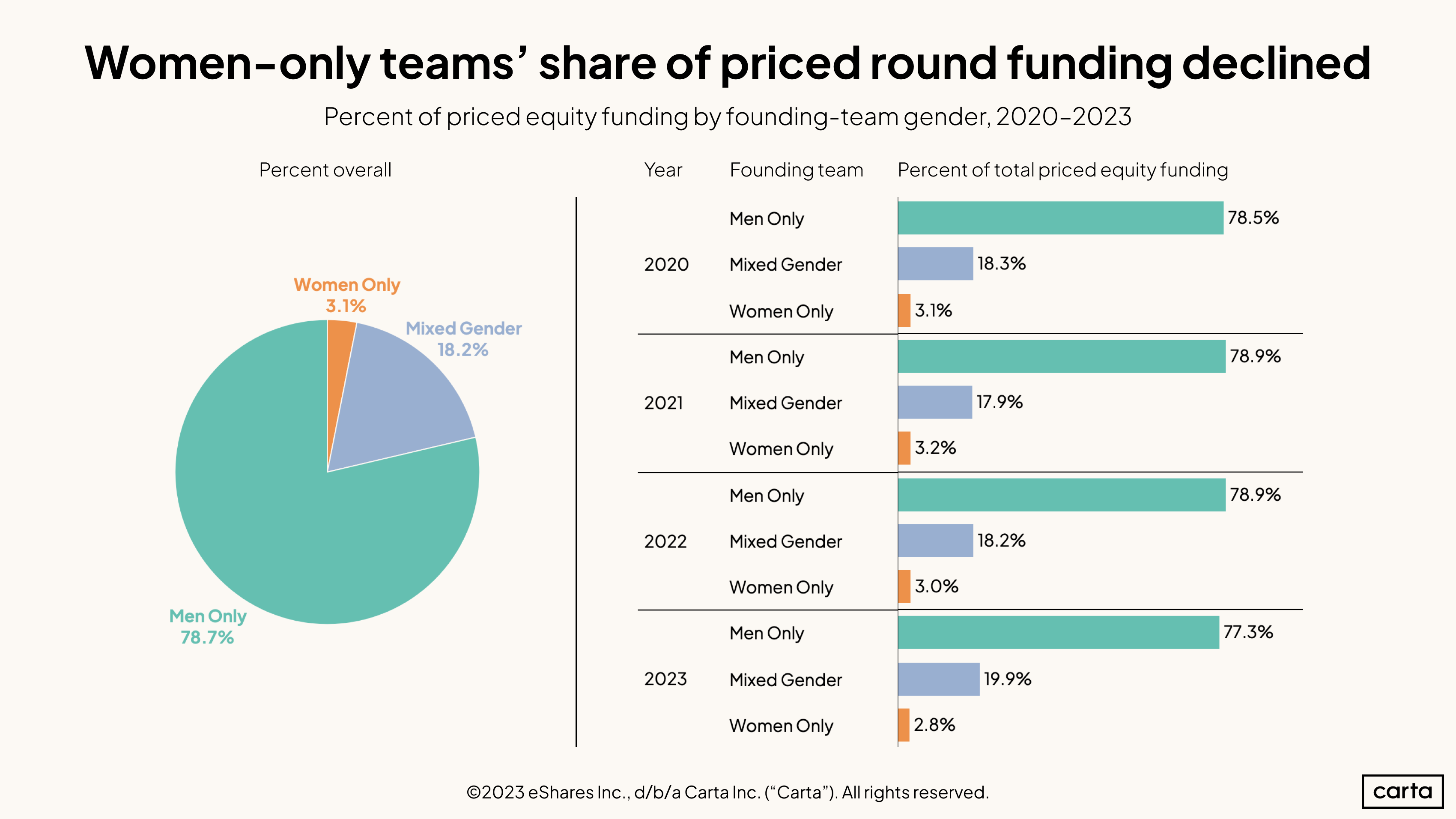
USA hockey federation funding disparity
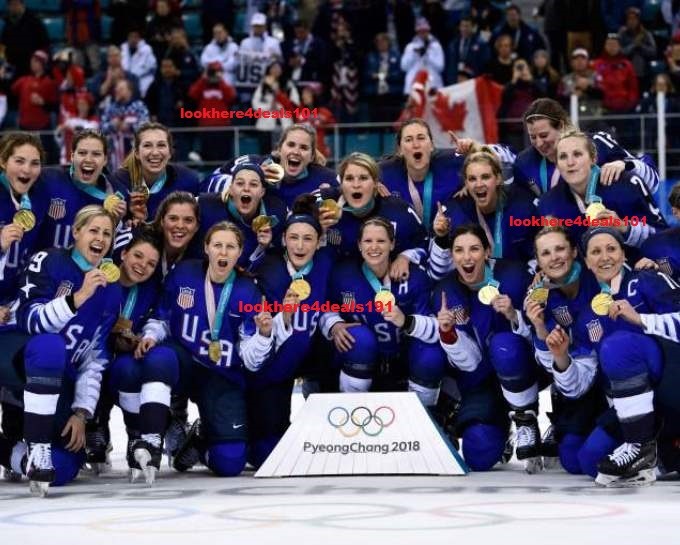
USA women's hockey team Olympic medals
Public Reaction: From Outrage to Nuanced Conversation
The public response to such moments often unfolds along familiar lines: an initial spike in social-media ire, commentators debating intent, and institutional responses — an apology, a statement, or sometimes silence. The intensity of reaction usually correlates with the visibility of the athletes involved and the broader cultural moment. A laugh that might have gone unnoticed a decade ago can now trigger national conversation because audiences are less willing to let ambiguous signals pass without reckoning.
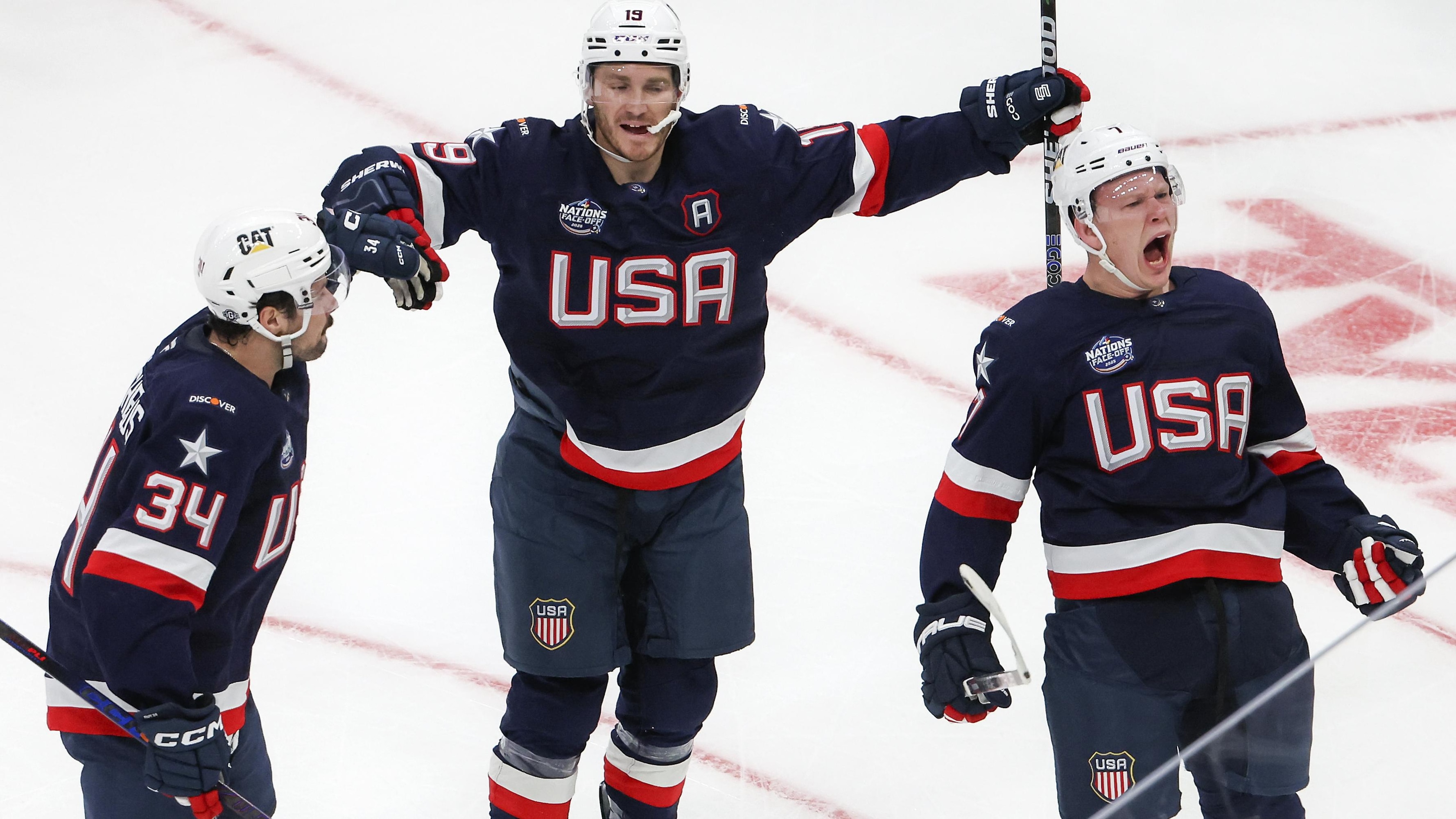
USA men's hockey team public apology
How Organizations Usually Respond
Federations and teams often have a script: investigate, consult PR, decide whether the comment merits sanction, and communicate. The quality of that response matters. A defensive posture amplifies distrust; a transparent approach that acknowledges harm, explains context and lays out concrete steps can begin to restore confidence.
Effective responses focus less on excusing intent and more on addressing impact.
Tools to Interpret a Laughter Incident
When you encounter a clip or report of a laugh, apply a simple framework: intent, impact, and pattern.
- Intent: Ask what the participants meant. This is often difficult to establish conclusively, but statements and patterns from the people involved provide clues.
- Impact: Measure the effect on those who were the target or who belong to the targeted group. Even unintended slight can have real consequences.
- Pattern: Determine whether the moment is a one-off or part of a larger pattern of dismissive behavior. Patterns matter for accountability.
What Teams and Federations Should Do
Organizations can turn these moments into inflection points. A few practical steps:
- Transparent fact-finding: Investigate quickly and clearly; share findings with affected parties.
- Education: Deliver targeted sessions on gender bias, respectful communication, and bystander intervention for all levels of the program.
- Cross-program dialogue: Create structured forums for men's and women's team members to meet, share experiences and build mutual respect.
- Leadership standards: Accelerate leadership training that emphasizes emotional intelligence, public communication and cultural stewardship.
- Visible support: Amplify women's team achievements through coordinated media initiatives and resource allocation.
What Players and Teammates Can Do
Individual athletes also have agency. Teammates who hear a dismissive laugh can intervene in the moment or follow up privately. If you're a leader, set the tone: correct offhand jokes, explain why certain comments land poorly, and model curiosity rather than defensiveness.
Leadership is less about never erring and more about responding with humility and concrete reform when you do.
How Fans and Media Should Approach These Moments
Fans and journalists shape the interpretation of short clips. Responsible coverage seeks context: who was speaking, what preceded the laughter, whether similar comments have been made before. Amplifying a constructive response — for example, spotlighting collaborative initiatives between men's and women's teams — helps reframe the conversation from shaming to learning.
- Laughter can be harmless banter, a sign of bias, or nervous deflection — context and pattern clarify meaning.
- Impact matters as much as intent: even accidental dismissal can perpetuate inequality.
- Teams and federations should pair accountability with education and shared platforms.
- Players, leaders and fans all play roles in transforming locker-room norms into inclusive cultures.
Conclusion: From a Single Laugh to Sustained Change
A single laugh can ignite national debate because it makes visible a much larger set of relationships: between men's and women's sport, between past practices and present expectations, and between individual behavior and institutional responsibility. Rather than settling for either rapid condemnation or complacent dismissal, the healthiest response recognizes complexity: gather facts, listen to impact, and use the moment to invest in sustained cultural change. That is how a fleeting sound — a laugh on a phone call — can become the start of something much more consequential: renewed respect for all athletes and a clearer commitment to equity.
If you witness an awkward or dismissive moment in sport, consider how you can shift the conversation from outrage to accountability and action.