Why the Moon Is Called 'Moon': The Name's Surprising History
The Moon is the brightest object in our night sky, a source of tides, stories and scientific curiosity. Yet the English word we use—"moon"—is plain, short and, to many ears, prosaic. Why did our ancestors give such a modest name to an object that has inspired gods, calendars and centuries of poetry? The answer begins in language: "moon" is one of those core words that ties together timekeeping, family tongues across Eurasia, and the way humans turned a visible body in the sky into a unit of measurement and myth.
moon etymology roots
A name older than history
When you look at the word "moon" you are seeing the result of thousands of years of speech squeezed into a tiny sound. The English "moon" comes from Old English mōna, recorded in texts written by Anglo-Saxon scribes more than a thousand years ago. But the trail stretches further back. That Old English form is part of a Germanic family of words—Proto-Germanic reconstructions give a form like *mēnô—that existed before the English language itself formed.
Old English moon name
From everyday speech to a linguistic root
Words for natural, daily phenomena—sun, water, night, fire—tend to be very old in languages because they describe essentials of life. "Moon" belongs to that core vocabulary. Compared with specialized scientific words, these core words change slowly. Linguists reconstruct earlier forms by comparing related languages: English mōna looks like Old High German māno, Old Norse máni and Gothic mēna. The similarities point to a shared ancestral word that predates written records.
Proto-Germanic moon origin
A calendar in a syllable
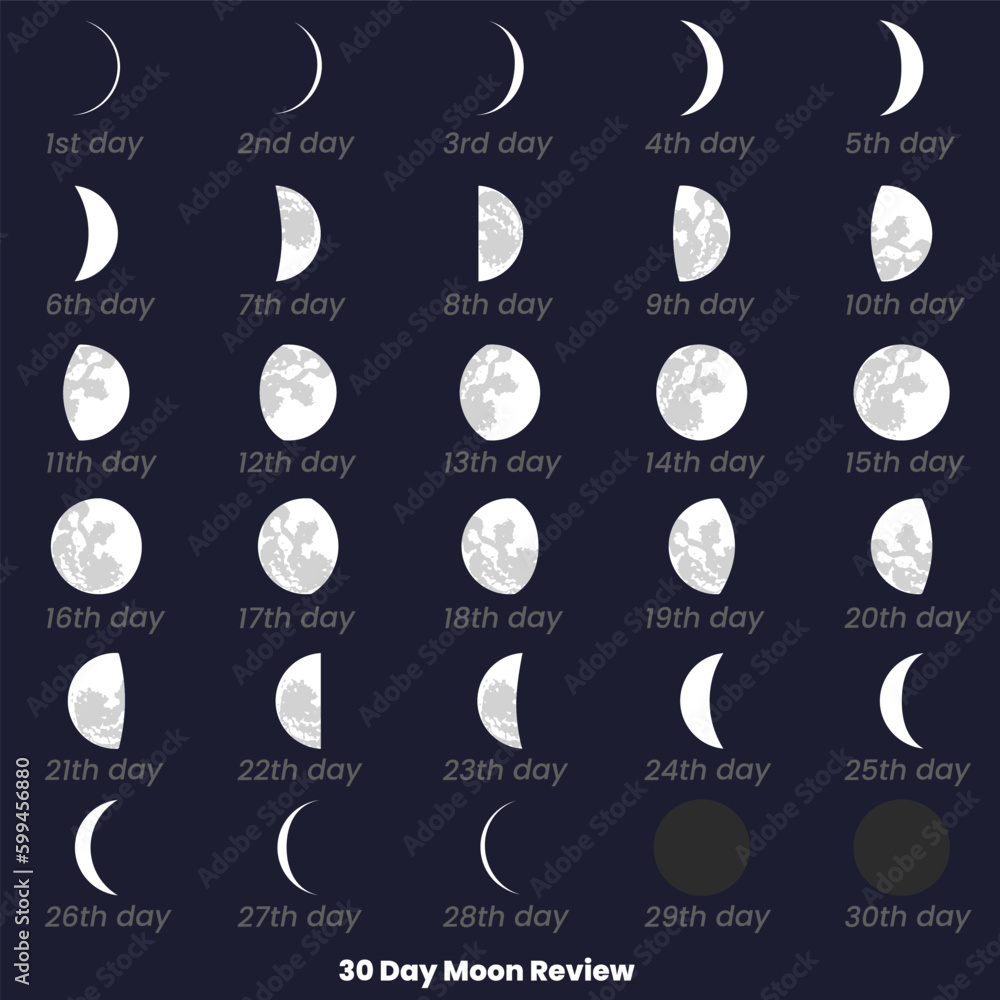
Importantly, the same root that produced words like "moon" also produced words for the month and the idea of measuring time. Across Indo-European languages you see this connection: Latin mensis (month) and Greek mēn (month, moon) come from the same deep family of words. In other words, the moon's name and our word for a month were born from the same human need—to measure the passing of time by observing the lunar cycle.
The Moon's name is simple by design: it was a practical label for the most useful clock our ancestors had.
moon and month measurement
Why "moon" sounds so plain
Compared to mythic names like Luna or Selene, "moon" may seem boring. But that plainness hides an essential truth about how language works. Specialized names—those belonging to deities or characters—often develop later, layered on top of a more utilitarian vocabulary. For a farming community counting months by moon phases, the practical word for the object's function will be most important: what it does to the calendar, to the harvest, to the tides.
Functional naming vs. mythic naming
Imagine two kinds of naming: functional and ceremonial. A shepherd might say "the moon's full tonight" because its phase matters to animals and travel. A poet or priest might call the same object Selene, Luna, or be inspired to tell a story about a chariot. Both names can coexist; one captures use, the other captures meaning, emotion and cultural identity. English kept the functional root while borrowing or preserving other names for artistic or scientific purposes.
Luna, Selene, Chandra: a world of other names
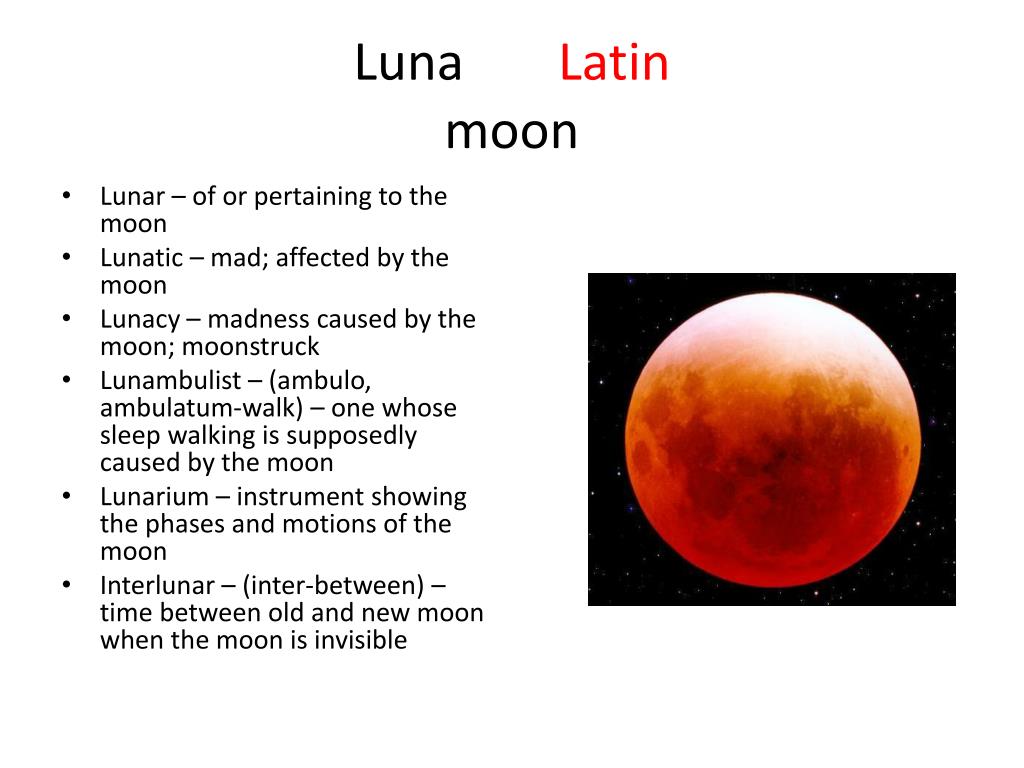
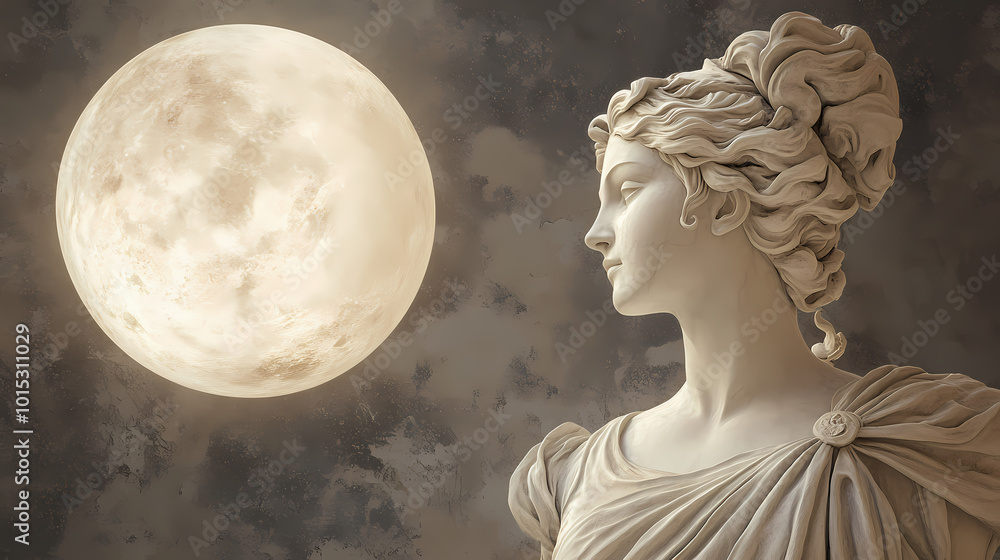
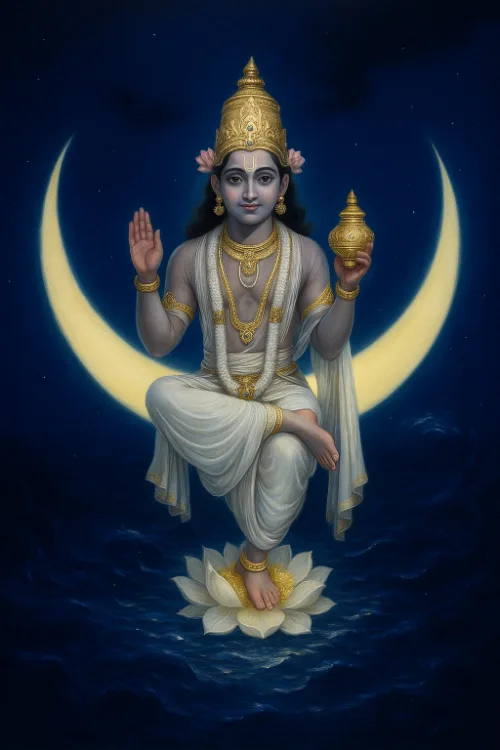
No single culture stuck to "moon." Around the world people gave the Moon different names that fit each language and mythology. Some became household names in English writing: Luna comes from Latin, Selene from Greek, Chandra from Sanskrit. Those names often arrived in English through poetry, astronomy, or translation of classical myths.
Latin Luna moon
Examples across languages
To get a sense of the variety, consider a quick sampling: Latin speakers called it Luna; the Greeks used Selene; in Sanskrit it is Chandra; the Romance languages retained Latin influence—French Lune, Spanish Luna—while Germanic tongues used cognates of Old English mōna. In Semitic languages the words are different structurally—Hebrew yareach and Arabic qamar—showing both independent naming traditions and the variety of cultural relationships to the satellite.
Greek Selene moon
Sanskrit Chandra moon
Moon and month: measuring time with light
Why did the same root create both "moon" and "month"? The answer is observational: one lunar cycle—new moon to new moon—takes roughly 29.5 days, close to the length of many traditional calendar months. Agricultural societies, sailors and early urban planners used the Moon as a natural metronome. Naming the unit of time after the object you used to mark it is intuitive: from moon comes month, and from month comes the routine rhythms of human life.
Calendars, tides and social life
The Moon's influence extended beyond counting. Its phases governed planting and harvesting, dictated days for fishing and hunting in many coastal communities, and structured religious festivals. As societies moved to solar or lunisolar calendars and adopted more precise civil timekeeping, the linguistic tie between Moon and month remained as an etymological fossil—a reminder of a world organized by the sky.
Capitalization, names and scientific labeling
English speakers sometimes wonder whether to write "Moon" with a capital M. Usage varies. In ordinary prose many editors prefer lowercase: "the moon rose bright." In contexts where the Moon functions as a proper name (for example, referring specifically to Earth's Moon in a list of named satellites) writers and some scientific publications may capitalize it as "the Moon." The key is consistency: decide on a house style and apply it across a piece.
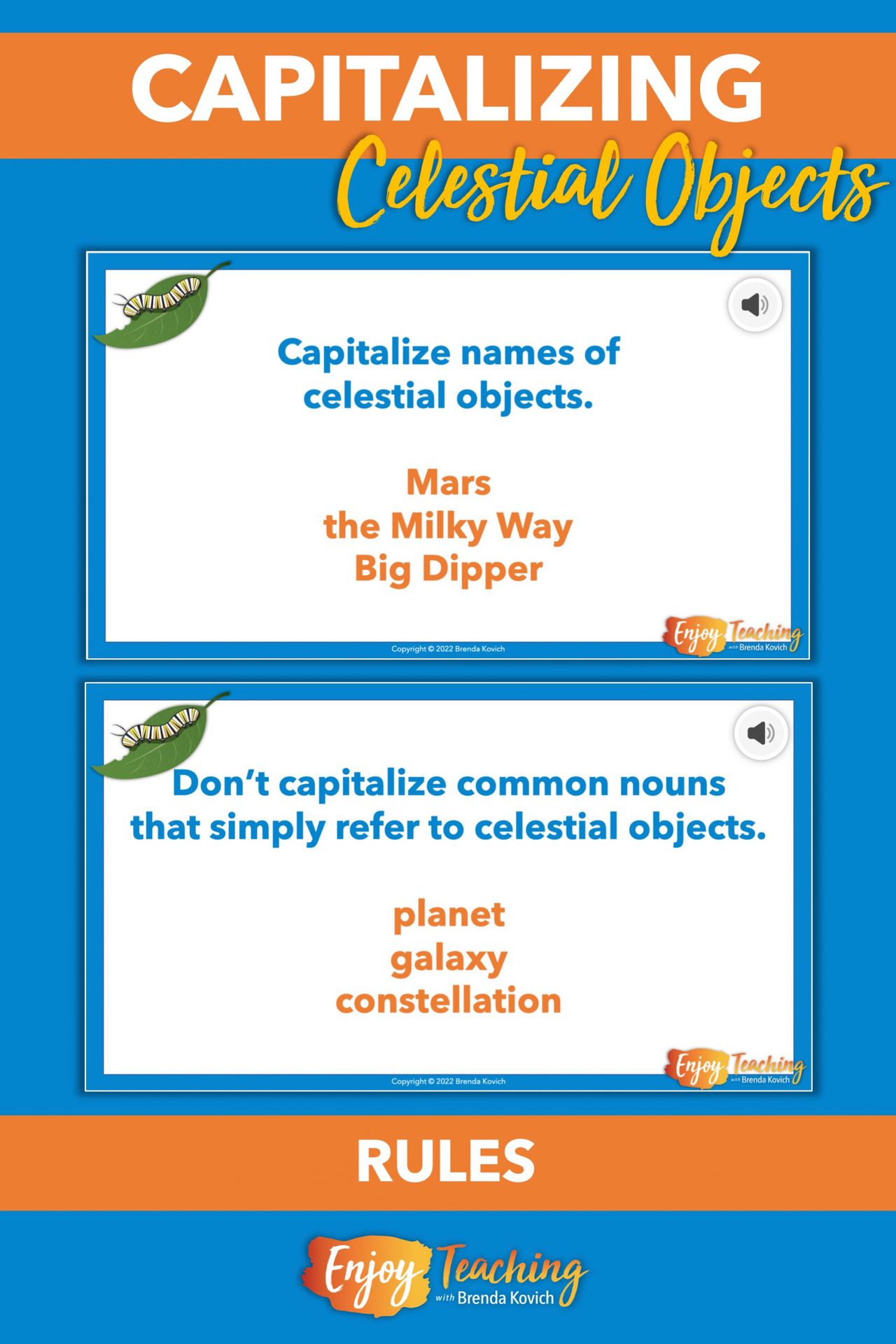
moon capitalization usage
Moon vs. moon: a practical distinction
Beyond style, the distinction reflects a concept: "the Moon" as the name of our singular natural satellite; "a moon" as any satellite orbiting a planet. So you might write, "Europa is a moon of Jupiter," but "the Moon is Earth's only large natural satellite." Scientists prefer clear terminology when discussing many moons across the solar system, and everyday writers balance clarity with tradition.
"Moon" and "month" are linguistic footprints of an era when people used the sky as a calendar.
Why English didn't borrow a more glamorous name
English is a mongrel language, rich with borrowings. So why didn't it adopt Latin Luna wholesale when Latin words flowed into English after the Norman Conquest? Part of the reason is social: core vocabulary often resists replacement. Words tied to daily life—family relations, body parts, weather, and essential celestial objects—tend to retain native forms. Borrowed words are more likely for abstract, technical or prestigious concepts. Thus, while English happily borrowed words like "lunar" (from Latin) for scientific and poetic uses, it kept the everyday "moon" from its Germanic roots.
Borrowing patterns in English
English often keeps two layers of vocabulary: a native, earthy layer (household, mother, moon) and a learned, Latinate layer (domestic, maternal, lunar). That double vocabulary gives English its stylistic richness: "moon" feels intimate, plainspoken; "lunar" feels technical or poetic. Writers exploit this contrast depending on register and genre.
How "moon" became the template for satellites
The generic word "moon" expanded its meaning as astronomy advanced. When scientists discovered dozens of natural satellites orbiting other planets, the term "moon" was adopted as the common noun for these bodies. Thus, a moon is any natural satellite; the Moon (capitalized by some) is the specific one that orbits Earth. This semantic broadening is common in language: a specific, familiar example becomes the prototype for a whole class.
From proper name to common noun
Think of the pattern: the company that makes a dominant product can lend its name to the product category (like "thermos" or "escalator" historically). In astronomy, Earth's familiar satellite served as an everyday anchor: when astronomers in the nineteenth and twentieth centuries cataloged other satellites, they called them moons by analogy, and the usage stuck.
Cultural weight behind a short word
The Moon's brevity doesn't limit its cultural heft. Across literatures, the Moon carries layered meanings—femininity in some traditions, madness (“lunacy”) in another, cycles and renewal elsewhere. Those cultural associations often use different names: a goddess's personal name or a poetic label, while the simple word for the body remains a utility term in daily talk.
Linguistic gender and moon myths
Across the world the moon carries different genders. In many Indo-European mythologies the Moon is female (Latin Luna, Greek Selene), but in Germanic and some other traditions the Moon is male (Old Norse Máni). Gender assignments reveal cultural framing rather than physical properties—how a society narrativizes sky behavior and connects it to fields like fertility, hunting, and timekeeping.
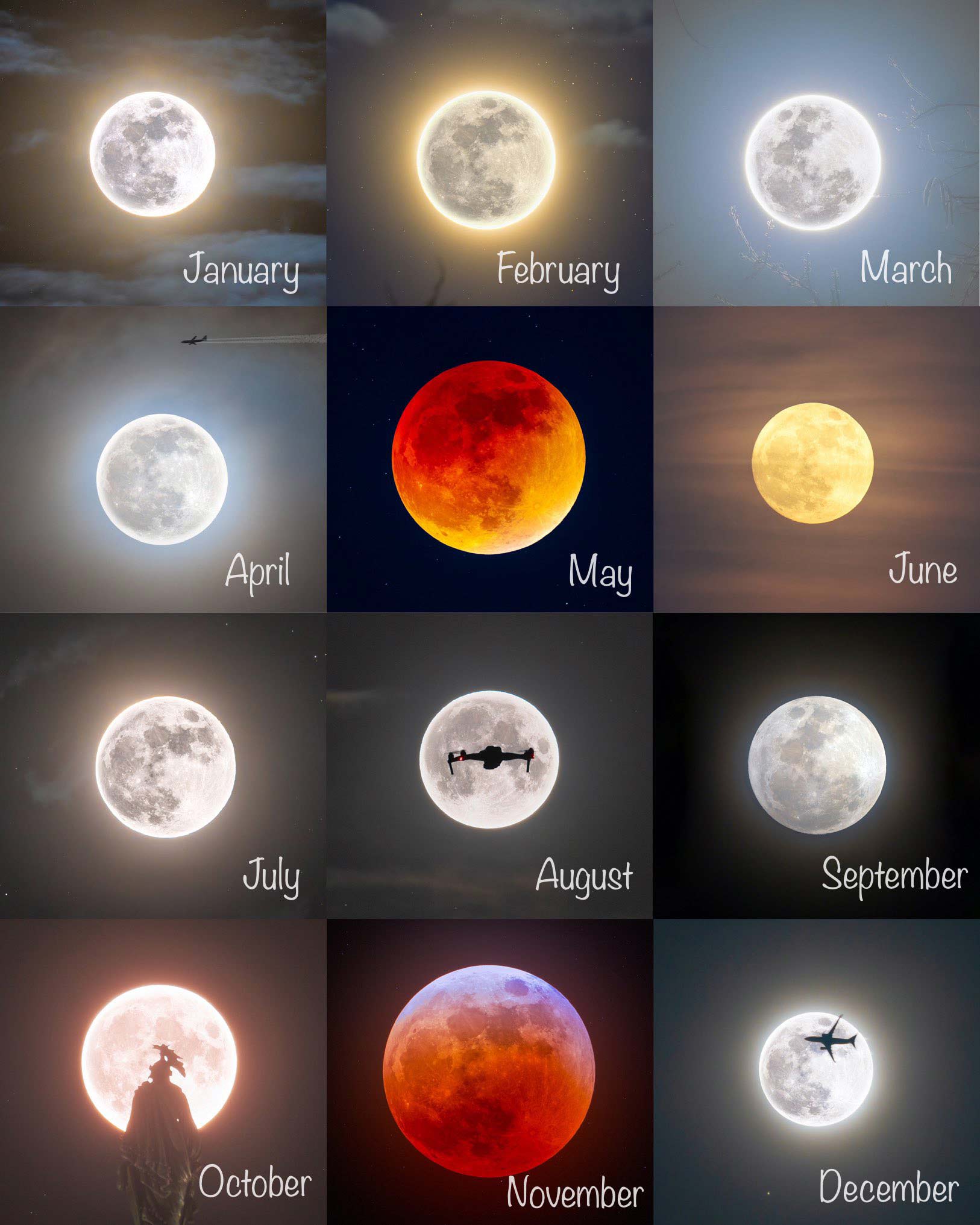
moon name history
Modern echoes: brand names, culture and the Moon
Today the Moon appears in brand names, songs, apps and memes. Writers and advertisers select Luna, Moon, Selene or evocative compounds depending on the mood they want to set. Scientific programs—Apollo, Artemis—borrow classical resonance to connect modern engineering to ancient imagination. Yet when ordinary people speak, "moon" remains the default, a testament to how deeply the simple, descriptive label is woven into everyday life.
Language as a living record
Studying the name "moon" is like reading a fossil preserved in speech. It tells a story of continuity: the way early human communities pointed to a nightly light and used it to order life. It also tells a story of change: how learned culture, scientific advances and literary traditions have layered new meanings on top of a very old word.
A single-syllable word can carry millennia of human habit.
Conclusion: what a name reveals
The Moon's unadorned name is not a failure of imagination but an archive. "Moon" preserves the practical, timekeeping origins of human language, while its many synonyms—Luna, Selene, Chandra—record myth, ritual and poetic invention. In a single short word you can hear the echo of farmers watching the sky, sailors timing voyages, poets composing verses and scientists cataloging the cosmos. That combination of the everyday and the sublime is exactly what makes the Moon's name fascinating, not boring.
- "Moon" is ancient: it comes from Old English and an earlier Proto-Germanic root tied to measuring time.
- Moon and month: linguistic cousins because early calendars used lunar cycles.
- Two naming layers: plain functional names endure in daily language; mythic or classical names appear in poetry and science.
- Usage varies: capitalization and stylistic choices depend on context and house style.