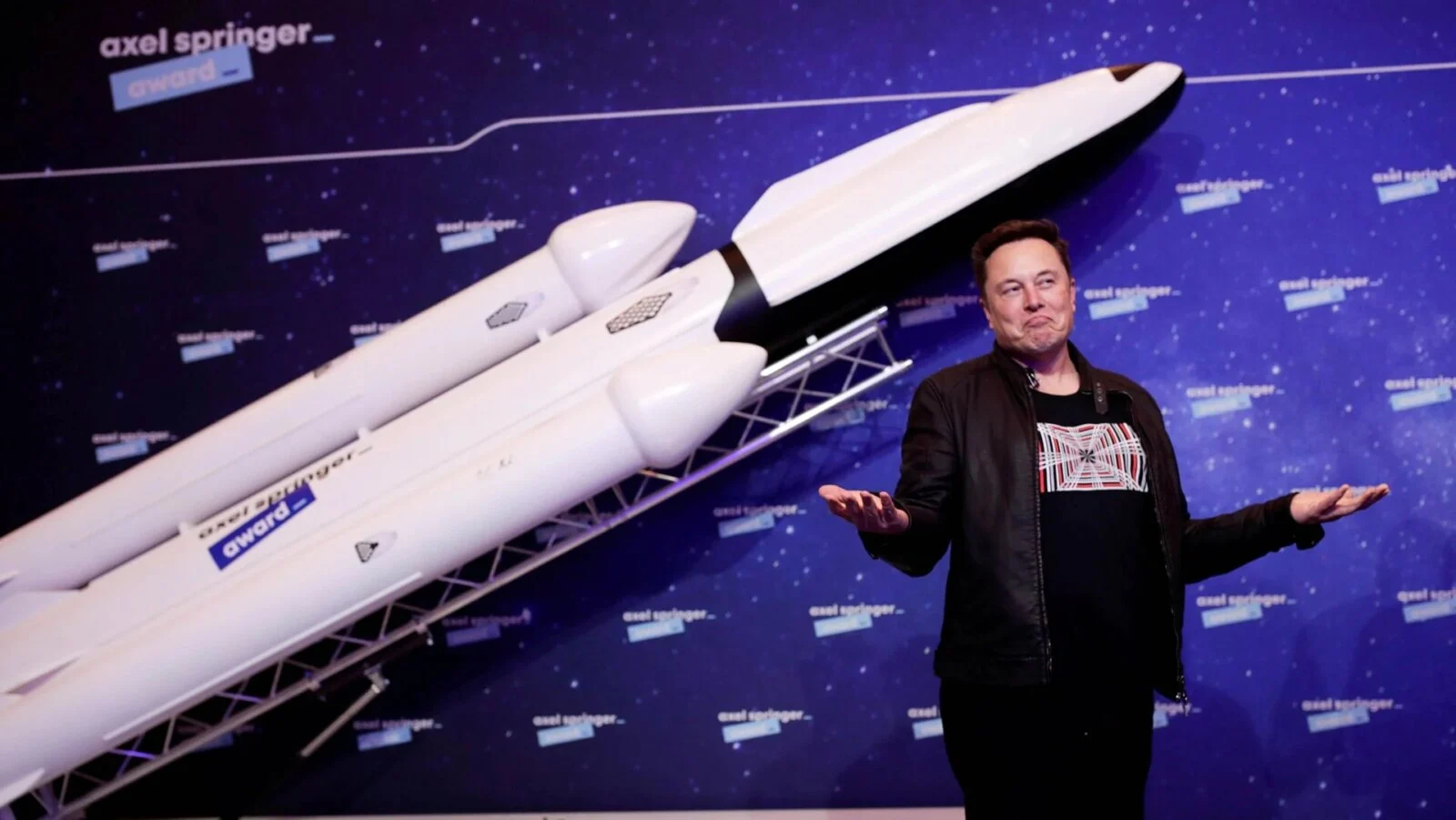
Why SpaceX Is Merging with xAI Ahead of the Mega IPO
The decision to fold an AI-focused company into a sprawling aerospace enterprise ahead of a transformational public listing sounds, at first blush, like a headline engineered for maximum drama. Yet when you unpack the incentives, constraints, and outcomes managers and major shareholders care about, the move becomes logical — perhaps even essential. This article explains why a merger between SpaceX and xAI before a so-called "Mega IPO" is more than optics: it is a deliberate confluence of technological synergy, capital strategy, regulatory positioning, and storytelling for investors.
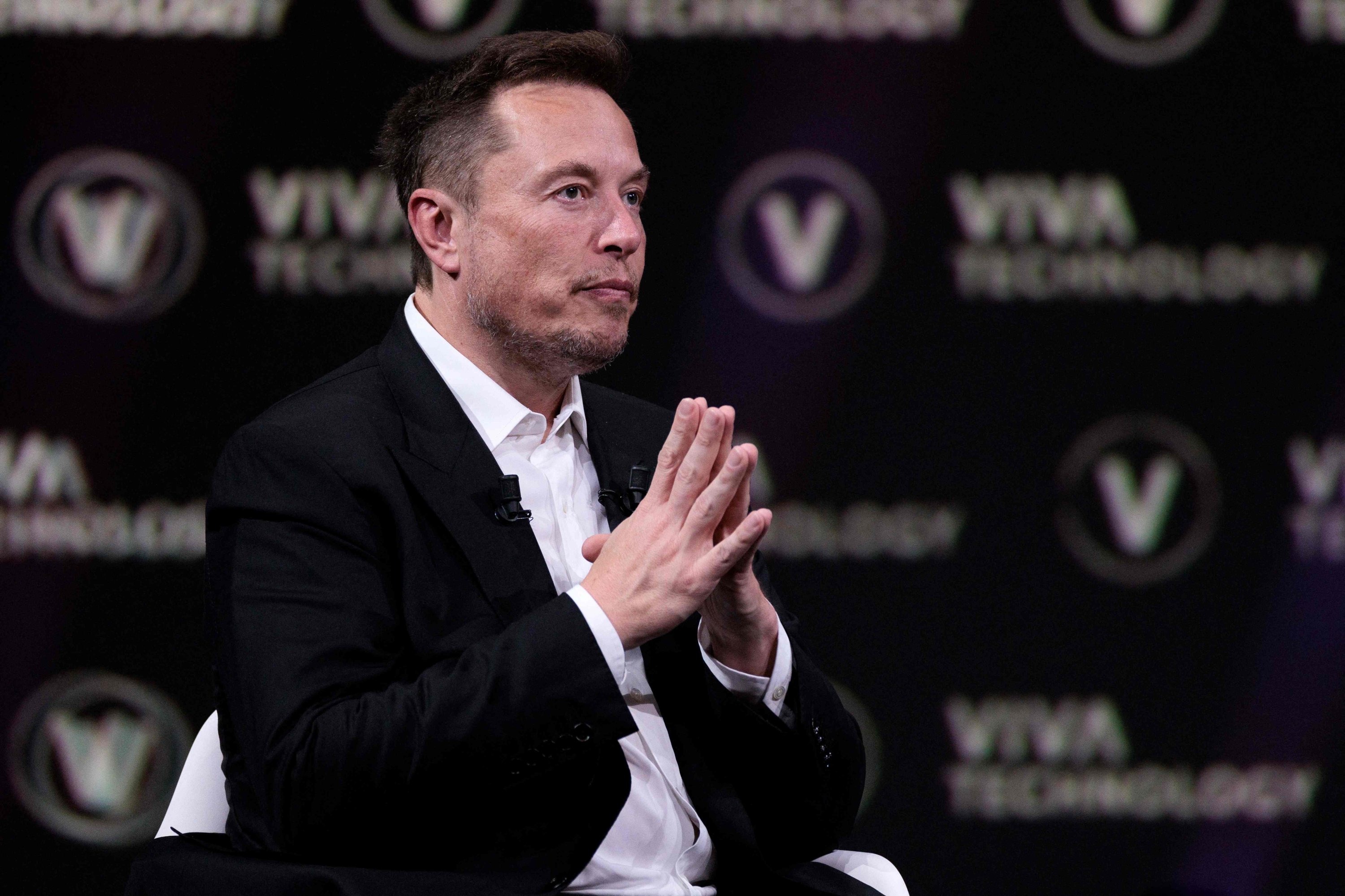
Elon Musk SpaceX xAI
A Short Primer: What's at Stake
To understand the merger calculus, we must keep three things in mind simultaneously: the strategic assets each company brings, the public markets' appetite for unified narratives, and the unique governance dynamics surrounding founder-led firms. SpaceX contributes rockets, launch cadence, the Starlink satellite network and enormous telemetry and operations data. xAI brings advanced machine learning teams, large language model assets, and the promise of autonomy and decision-making software. Together they form a story that is attractive to different types of investors — public-market growth investors, strategic defense partners, and enterprise customers seeking AI-infused aerospace solutions.
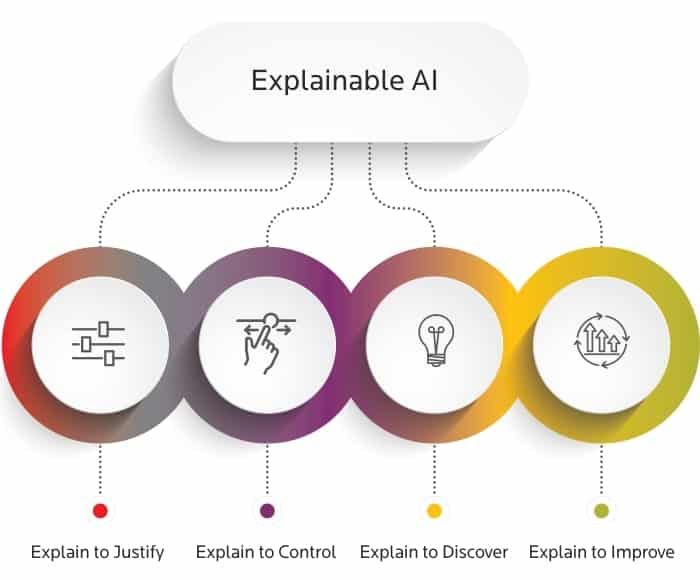
xAI artificial intelligence
A merger before an IPO turns two separate stories — one about rockets and one about AI — into a single, investable narrative with clearer growth vectors and defensible moats.
Strategic Rationale: More Than Marketing
Integrated Product Roadmap
Merging xAI into SpaceX creates the plausible product roadmap investors crave. Autonomous spacecraft navigation, AI-driven mission planning, predictive maintenance for propulsion systems, and real-time optimization of satellite constellations are not theoretical adjacent capabilities — they are operational advantages that flow naturally from combining massive operational datasets with modern machine learning. For public investors, the merged entity can point to cross-selling opportunities: Starlink customers with low-latency AI services; defense clients needing integrated platforms rather than point solutions; commercial partners seeking bundled spacecraft + autonomy services.
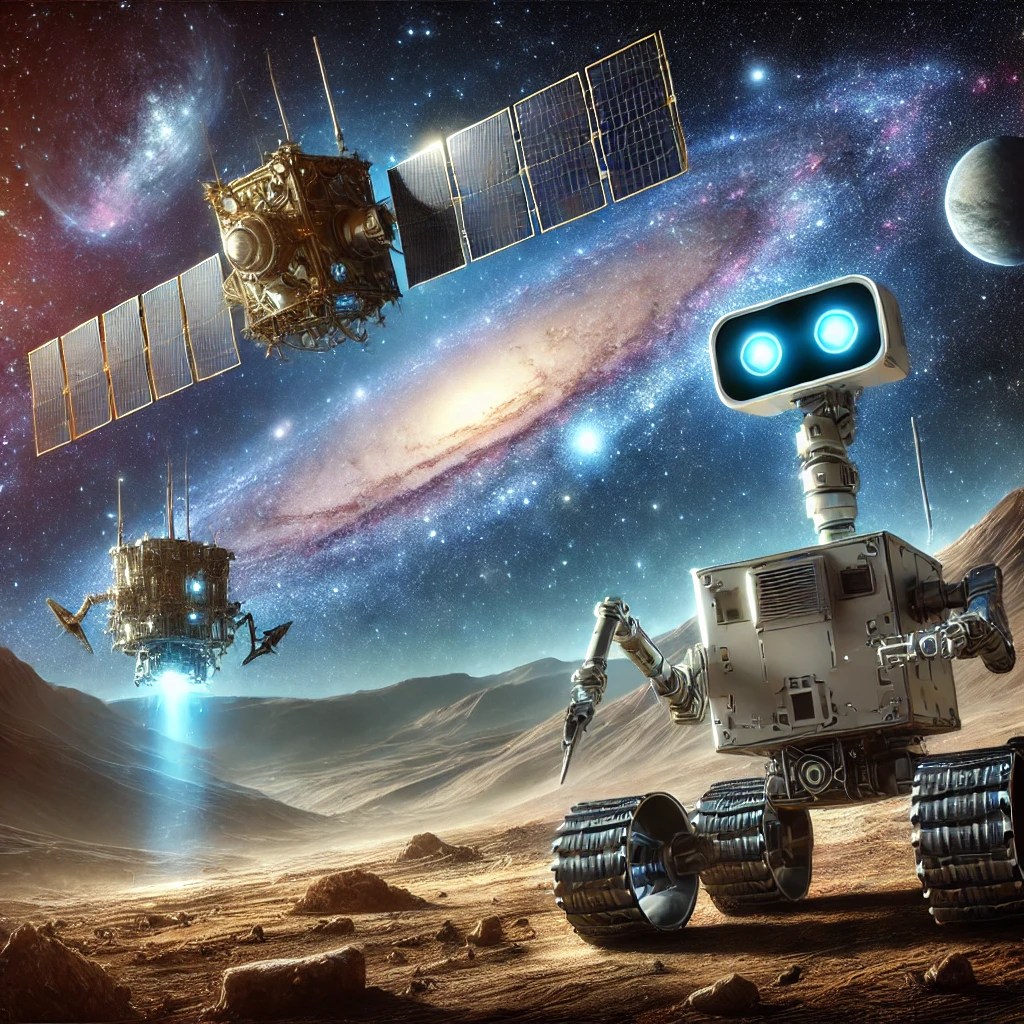
AI autonomous spacecraft
Valuation Psychology
Public markets value narratives. A standalone aerospace business will be appraised largely on hardware orders, launch cadence, and near-term satellite revenue. A standalone AI firm commands multiple of revenue, driven by software margins and recurring contracts. Combining the two blends high-margin software prospects with capital-intensive hardware, allowing underwriters and the company to pitch a hybrid growth profile that can command a premium multiple relative to a pure-play rocket company. The timing — before an IPO — lets management build that combined narrative into the equity story from day one.

corporate governance merger
Capital Structure and Liquidity Engineering
Mergers can be used as tools to simplify capital structure before listing. Folding xAI into SpaceX reduces the need for separate secondary offerings, complex cross-holdings, or SPV structures that can confuse retail and institutional investors. For a founder with concentrated control, that simplification can also facilitate preferred share structures, lockups, and vesting schedules that protect long-term control while still giving public-market investors a clear sense of liquidity and ownership.

IPO investor presentation
Technical Synergies: Data Is the New Propellant
Telemetry, Edge AI, and Autonomous Systems
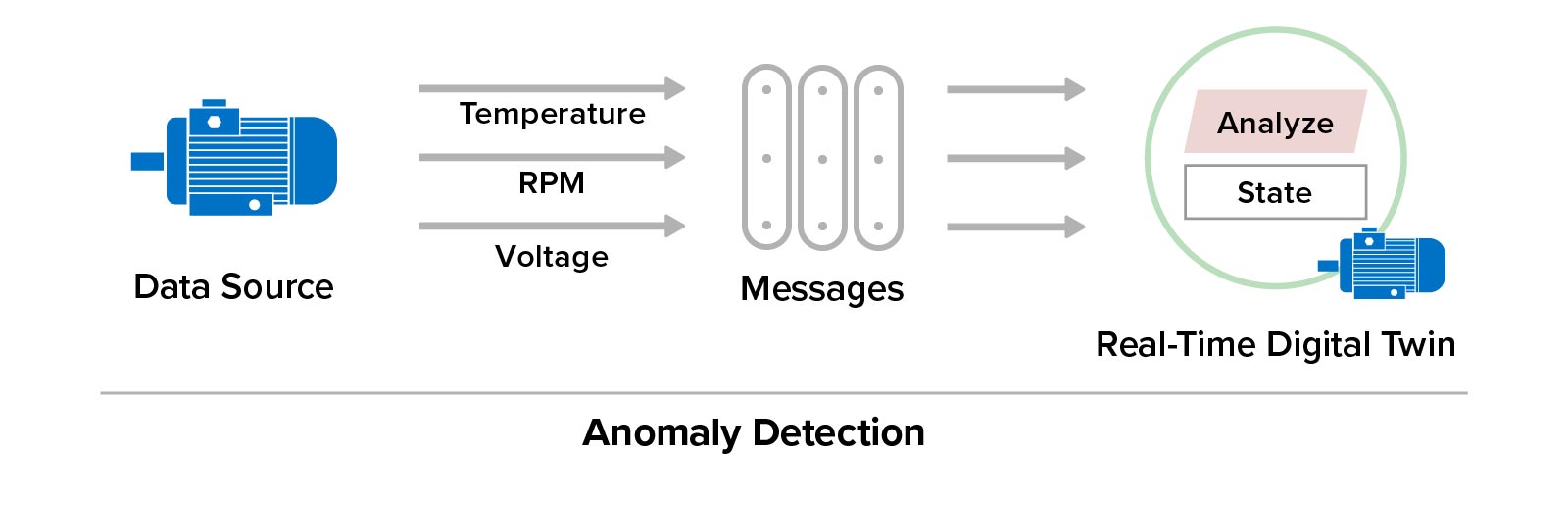
Spacecraft and rocket operations produce terabytes of telemetry every day: engine temperatures, vibration signatures, orbital dynamics, and end-to-end mission logs. These datasets are the raw material for robust AI systems. xAI's models, once trained on that operational history, can provide predictive maintenance signals, optimize fuel usage, and reduce margins of error for complex maneuvers. For missions where latency and reliability are paramount, embedding AI capabilities into flight software offers both cost savings and mission assurance benefits that investors can monetize.
machine learning telemetry
Starlink and Distributed Compute
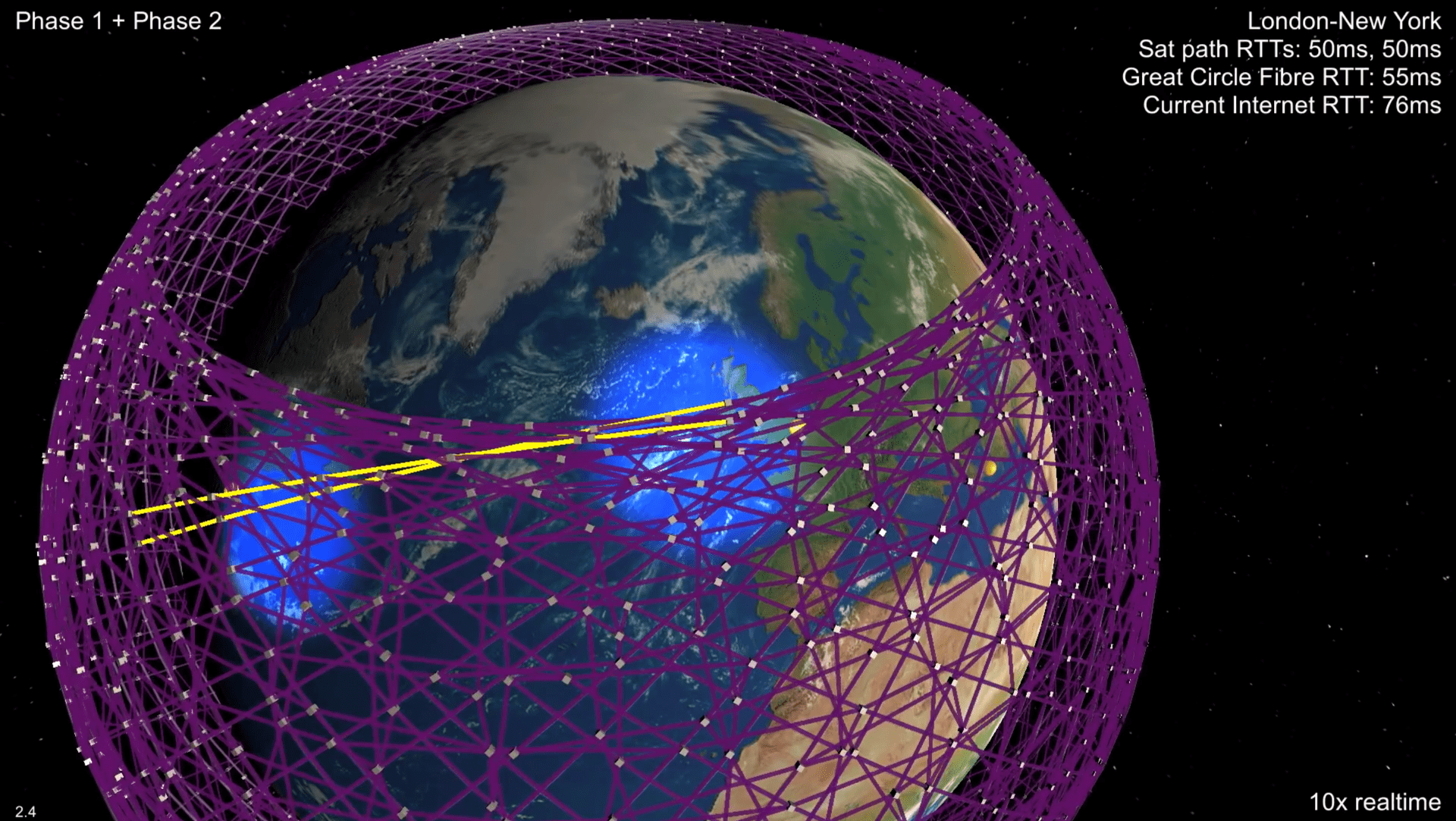
One underappreciated advantage of unifying the businesses is the ability to use a global satellite broadband network as a distributed inference layer for AI services. While the technical challenges are nontrivial — bandwidth, latency, and regulatory restrictions — the conceptual value is significant: an AI-enabled communications fabric that can host edge applications for governments, enterprise customers, and remote-field operations. Positioning that capability in the IPO prospectus turns a capital-intensive satellite network into a platform for recurring software revenue.
Starlink satellite network
Regulatory and Governance Considerations
Regulatory Scrutiny and Strategy
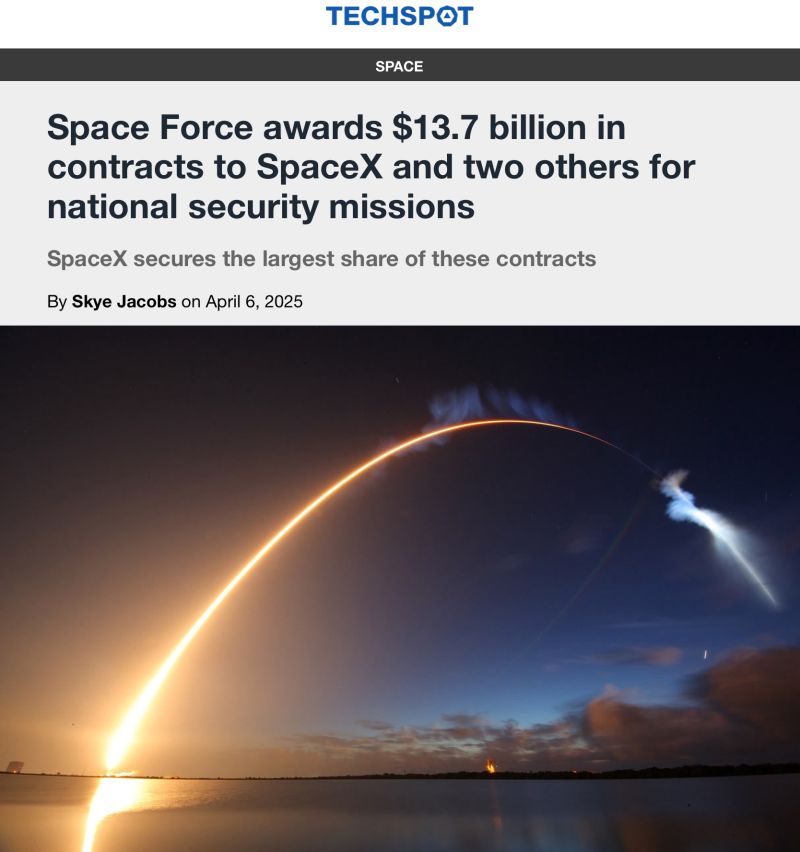
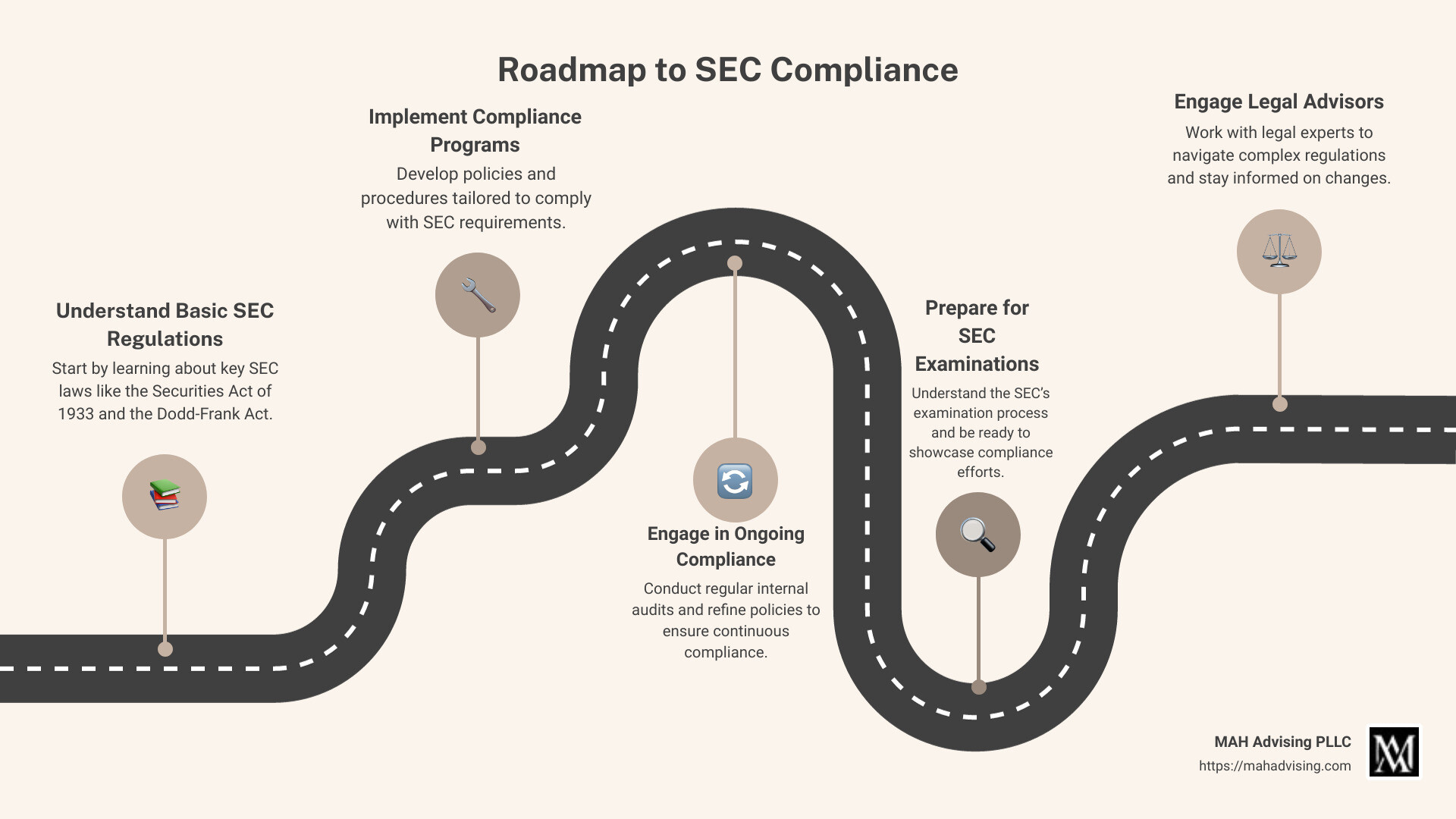
Combining an AI company with a firm deeply embedded in national security-related launches raises flags with regulatory agencies. But there are strategic reasons to consolidate before going public. A single, auditable governance framework makes compliance efforts, export control tracking, and contract management easier to present to regulators and large institutional investors. The merged entity can proactively set up firewalls and governance committees that reassure stakeholders about data handling, export compliance, and partnership terms with defense agencies.
defense contracts SpaceX
Founder Control and Shareholder Signaling
For founder-led organizations, public offerings often represent a tension between raising capital and preserving control. Merging xAI into SpaceX prior to an IPO allows founders to rationalize equity stakes and design a share class structure that can preserve decision-making while still offering meaningful float to investors. That signaling — a carefully structured founder lock-up combined with clear succession and governance plans — can reduce perceived execution risk in early trading days.
regulatory compliance SEC
Financial Mechanics: How the Numbers Shift
Revenue Mix and Margin Profile
Investors will scrutinize pro forma statements. Combining high-margin software revenue from xAI with SpaceX's recurring but capital-intensive revenue creates a blended margin profile that can be optimized over time. In practical terms, the company can present consolidated gross margins that improve as software monetization scales, while capital expenditure requirements (for launches and Starlink maintenance) become a known investment schedule. This predictability can lower the perceived cash burn risk for growth investors.
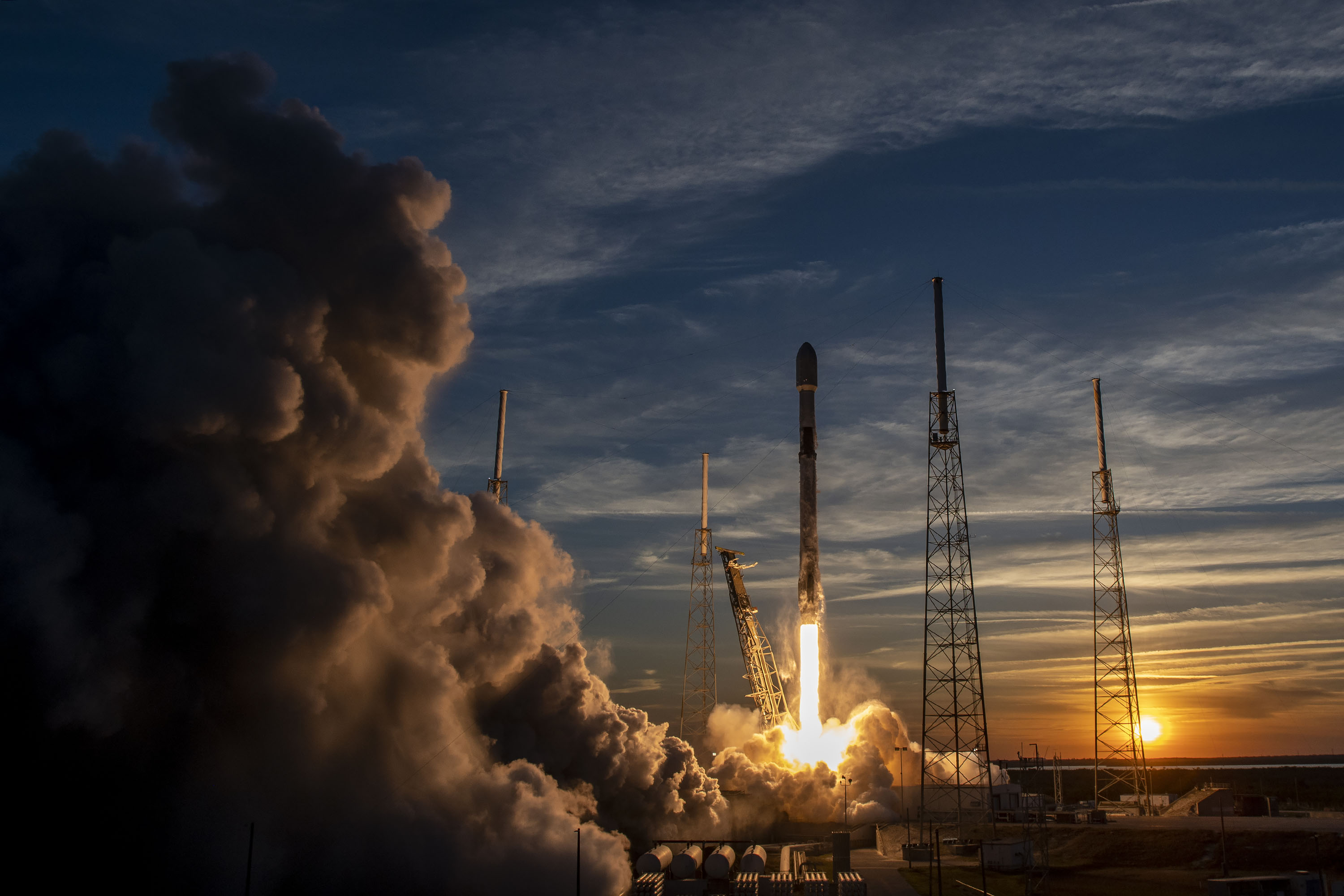
SpaceX rocket launch
Use of Proceeds and Capital Markets Timing
One pragmatic reason to merge before an IPO is to control the narrative around the use of proceeds. If investors believe capital will be used to expand a lucrative AI platform rather than solely to fund rocket development, the listing may attract a broader investor base. Moreover, the market window for large tech listings is volatile; consolidating entities ahead of the offering gives the company latitude to present one capital plan rather than juggling competing cash needs across separate balance sheets.
Cultural and Operational Challenges
Talent, Identity, and Integration
Merging an R&D-heavy AI culture with an operations-first aerospace team requires humility and design. Engineers used to iterative model training and open experimentation may struggle with the mission assurance discipline of flight hardware, and vice versa. Successful integration requires morale-building, clear shared KPIs, and leadership that can translate priorities across domains: safety, reliability, model performance, and time-to-deployment.
Retention and Incentives
Retention packages and equity incentives will matter. If xAI talent perceives the merged company as losing its identity or agility, attrition could undercut the very synergies the deal purports to create. A smart pre-IPO merger will include targeted retention bonuses, performance-based equity tied to cross-company milestones, and visible career pathways that reassure engineers and scientists that their work will remain central.
Risks, Opposing Views, and Contingencies
Perception Risk with Investors
Critics will say combining a capital-hungry aerospace firm with a high-valuation AI company could dilute the investability of both. If investors perceive the enlarged entity as unfocused, short-term multiples could suffer. The remedy is a crisp operating plan, transparent financial modeling, and early proof points showing how AI drives revenue or cost savings in the aerospace business within definable timeframes.
Regulatory and Geopolitical Risk
National security sensitivities around rocket launches, satellite networks, and advanced AI raise the prospect of export controls, contract oversight, or political pushback. The merged company needs a clear compliance architecture and stakeholder engagement plan to limit disruptions and signal the ability to operate responsibly across sensitive markets.
Competitive Landscape and Market Responses
How Rivals Might React
Competitors in launch services, satellite communications, and AI will watch closely. Potential reactions include accelerated partnerships, defensive pricing, or targeted product launches emphasizing specialization rather than scale. A well-timed merger can, however, lock in competitive advantages: vertical integration, differentiated data, and an ability to bid on large systems contracts that incumbents focused on either hardware or software cannot match.
Ecosystem Opportunities
Third-party developers, systems integrators, and governments could see the combined company as a platform provider rather than a supplier. That opens recurring revenue through platform services, marketplaces for AI models tuned to aerospace tasks, and managed offerings that bundle connectivity, compute, and autonomy into subscription products.
- Stronger narrative for public markets.
- Data-driven product moat that combines telemetry with AI.
- Simplified capital structure and clearer use of proceeds.
- Regulatory complexity and higher scrutiny.
- Integration risk between different engineering cultures.
- Investor perception risks if the company looks unfocused.
Scenario Analysis: What Success and Failure Look Like
Success Scenario
In the best case, the merger accelerates product development, yields quick wins that solidify customer confidence, and convinces the market of a long-term hybrid growth profile. The IPO prices strongly, the company uses proceeds to scale both satellite infrastructure and AI services, and the combined organization retains and attracts talent motivated by a compelling mission.
AI autonomous spacecraft
Failure Scenario
Alternatively, integration drag, regulatory hurdles, or a misread of investor appetite could lead to underperformance. The market could punish the combined valuation, talent could leave, and the company might find itself with the complexity of a conglomerate but the multiples of a hardware firm. This is why pre-IPO communication, early operational metrics, and disciplined governance matter so much.
Conclusion: A Strategic Gamble With Clear Logic
Merging SpaceX with xAI before a major public listing is not merely a headline-making stunt; it is a playbook move. When done right, it converts complementary technical capabilities and data assets into a single, investable thesis that appeals to software growth investors while preserving the aerospace customer base. The risks are real — regulatory scrutiny, cultural integration, and investor skepticism — but the strategic case rests on tangible synergies: autonomous operations, Starlink-as-platform revenue, and a simplified capital story for public markets.
Elon Musk SpaceX xAI
Put simply: this merger is an attempt to convert operational edge into durable economic advantage that public investors can value.
- Combining SpaceX and xAI before an IPO creates a more compelling, hybrid growth narrative for public markets.
- Technical synergies — telemetry-driven AI, Starlink-enabled edge services — can turn capital-intensive assets into recurring software revenue.
- Pre-IPO consolidation simplifies capital structure but raises regulatory and integration risks that require disciplined governance.
For executives contemplating similar moves, the playbook is clear: prioritize rapid, measurable integration projects; build governance frameworks that anticipate regulatory concerns; and craft investor communication that ties AI development directly to revenue or cost-reduction milestones. For investors, the merged entity will require close scrutiny of early post-merger execution metrics — not just visionary statements — to separate narrative from tangible value creation.