Why Some Mosquitoes Prefer You—and How Science Knows
It feels personal when a mosquito hones in on your ankle at a picnic while your friend walks away untouched. For decades that experience was relegated to folklore — some people are just 'mosquito magnets.' Today, scientists have pulled back the curtain. A set of complementary discoveries in entomology, microbiology and human genetics explains why mosquitoes show preferences for particular people. The answer is not a single magic trait but a cocktail of cues: the invisible chemistry of your skin, the microbial community living on it, the gases you exhale, your body heat and, to a lesser extent, inherited biology. Understanding these factors changes how we think about bite prevention, disease risk and the future of targeted mosquito control.
HOW MOSQUITOES FIND US
An orchestra of signals
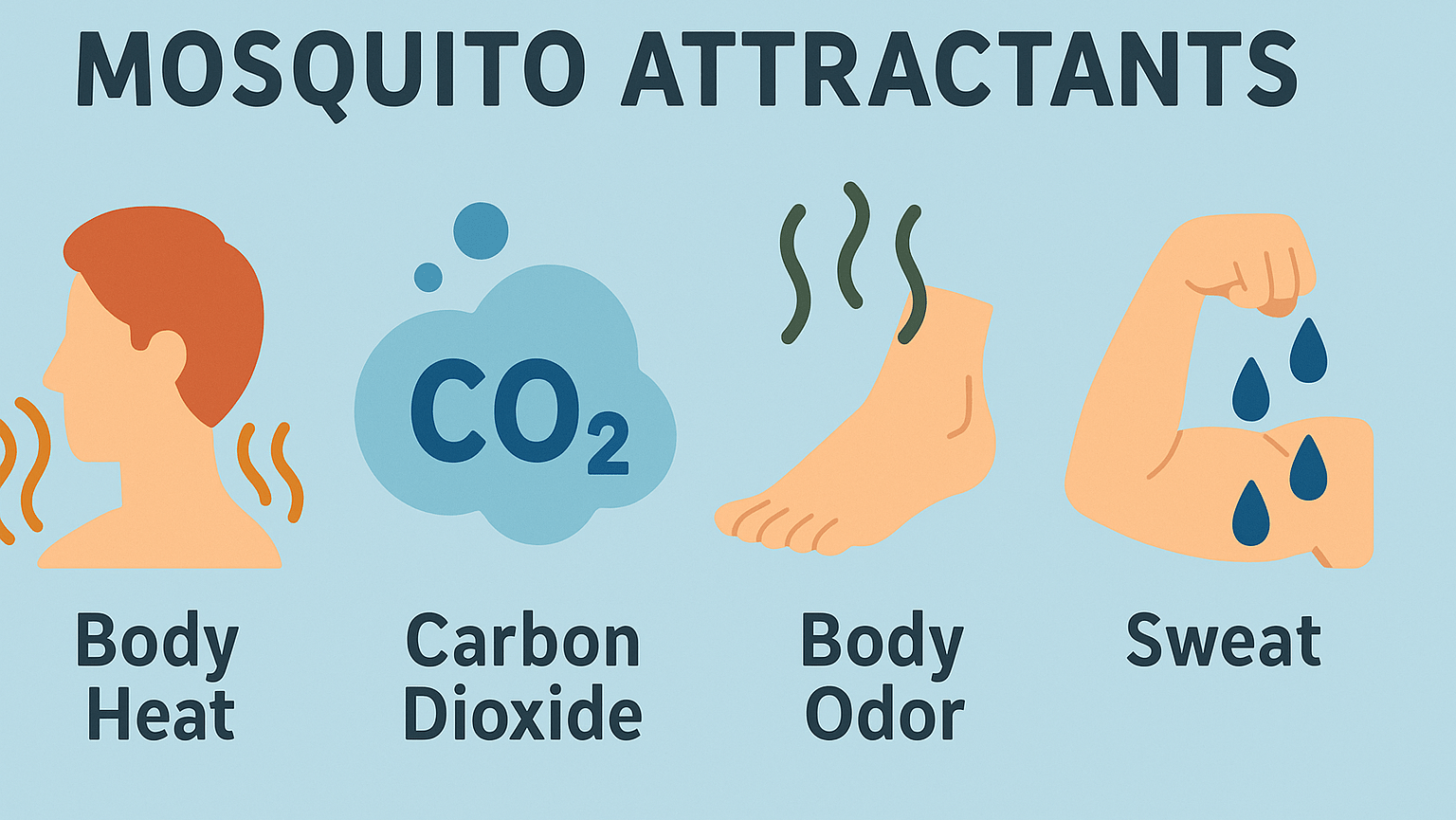
Mosquitoes are not aimless biters; they are highly evolved hunters. They use a suite of sensory inputs to locate and choose a host. At long range, mosquitoes detect plumes of carbon dioxide — the telltale breath that signals a warm-blooded animal. As they close in, heat and moisture fine-tune their approach. At very close range, a complex bouquet of volatile organic compounds (VOCs) emitted from skin and sweat becomes decisive. Those VOCs are shaped by human metabolism, diet and, crucially, the microscopic life living on your skin. Add genetic predispositions and recent behaviors like alcohol consumption or exercise, and you get a probabilistic profile of attractiveness.
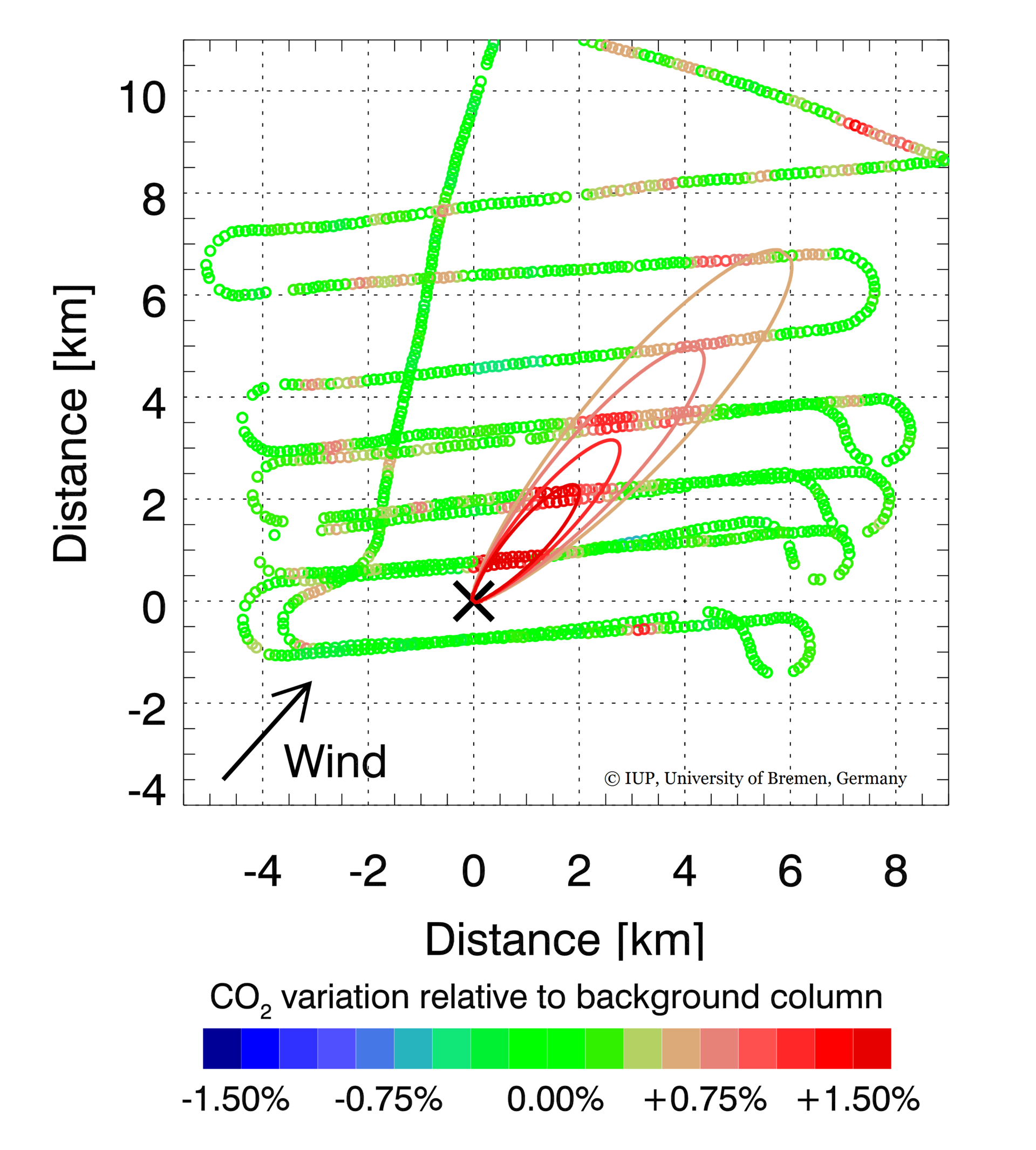
carbon dioxide plume visualization
No single trait determines risk — it's the combination of scent, microbes, heat and genes that makes some people irresistible to mosquitoes.
The sensory toolkit
Mosquitoes use specialized antennae and maxillary palps packed with receptors for CO2, lactic acid and other VOCs. Some receptors are tuned to detect human-specific compounds — which helps explain why certain species prefer people over other animals.
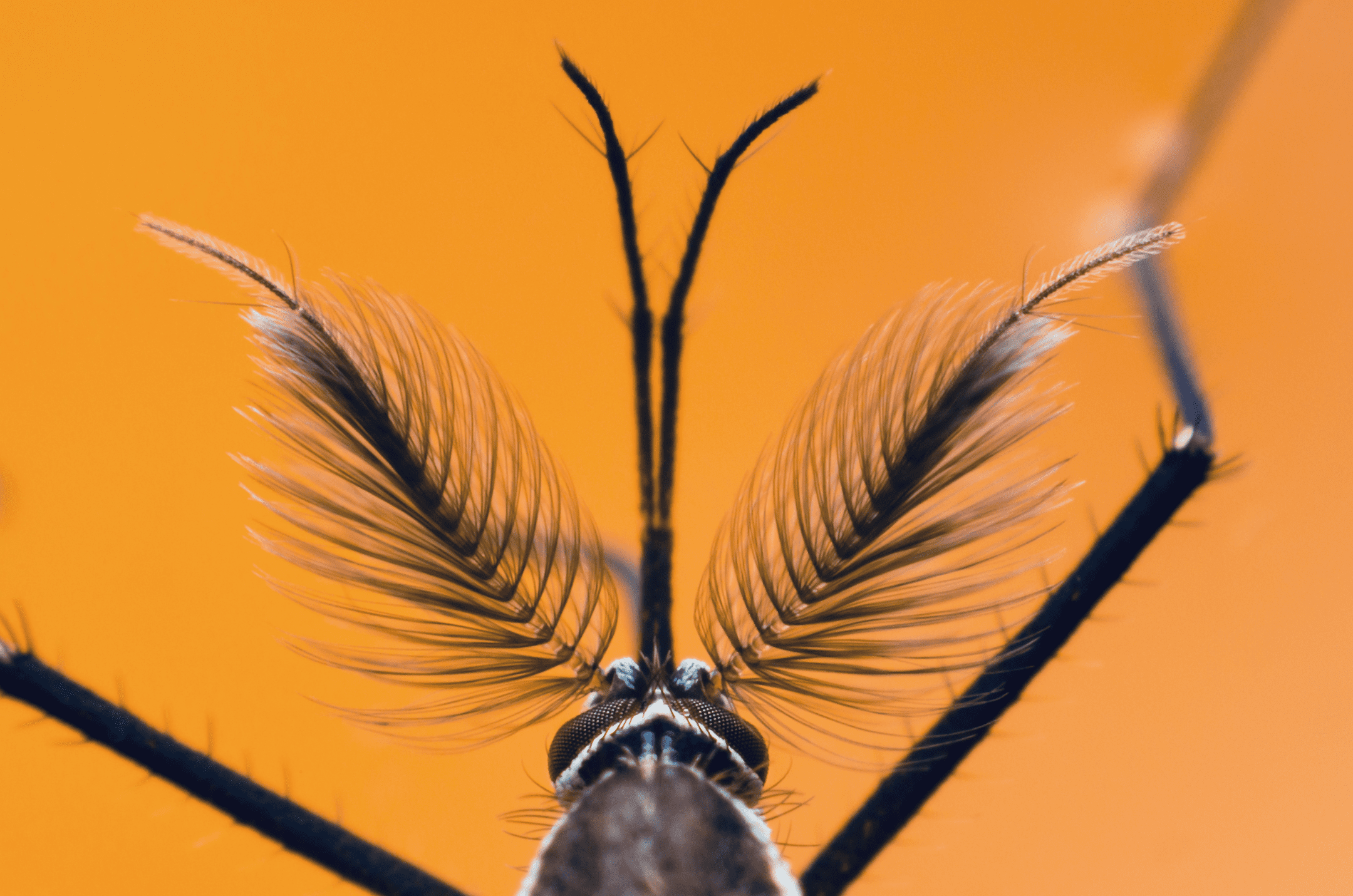
mosquito antennae close up
Different mosquito species emphasize different cues: for example, Aedes aegypti, a major vector of dengue and Zika, has strong attraction to human skin odor and daytime activity patterns, while Anopheles mosquitoes that transmit malaria are more nocturnal and respond strongly to CO2 and body heat.
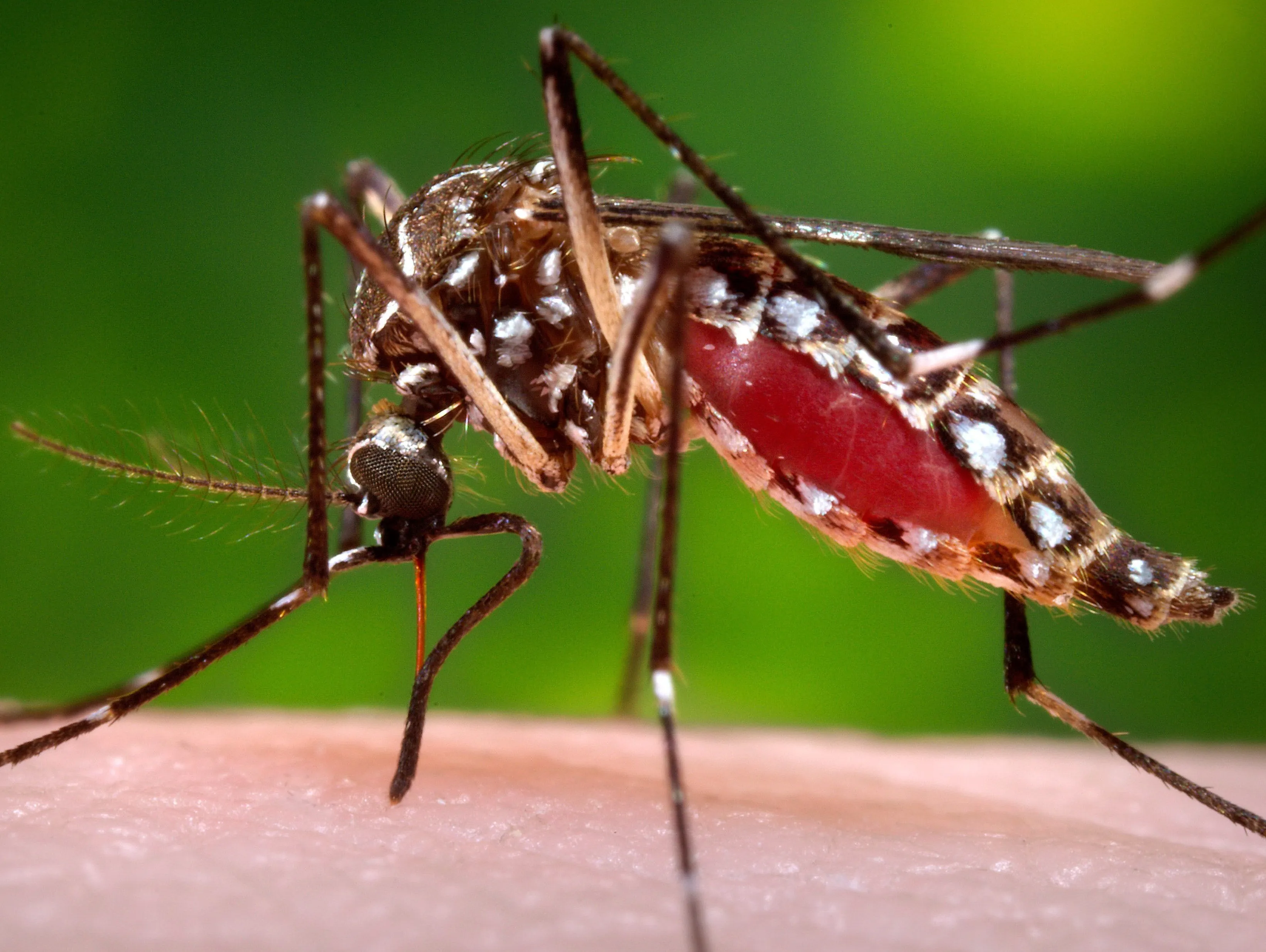
Aedes aegypti mosquito
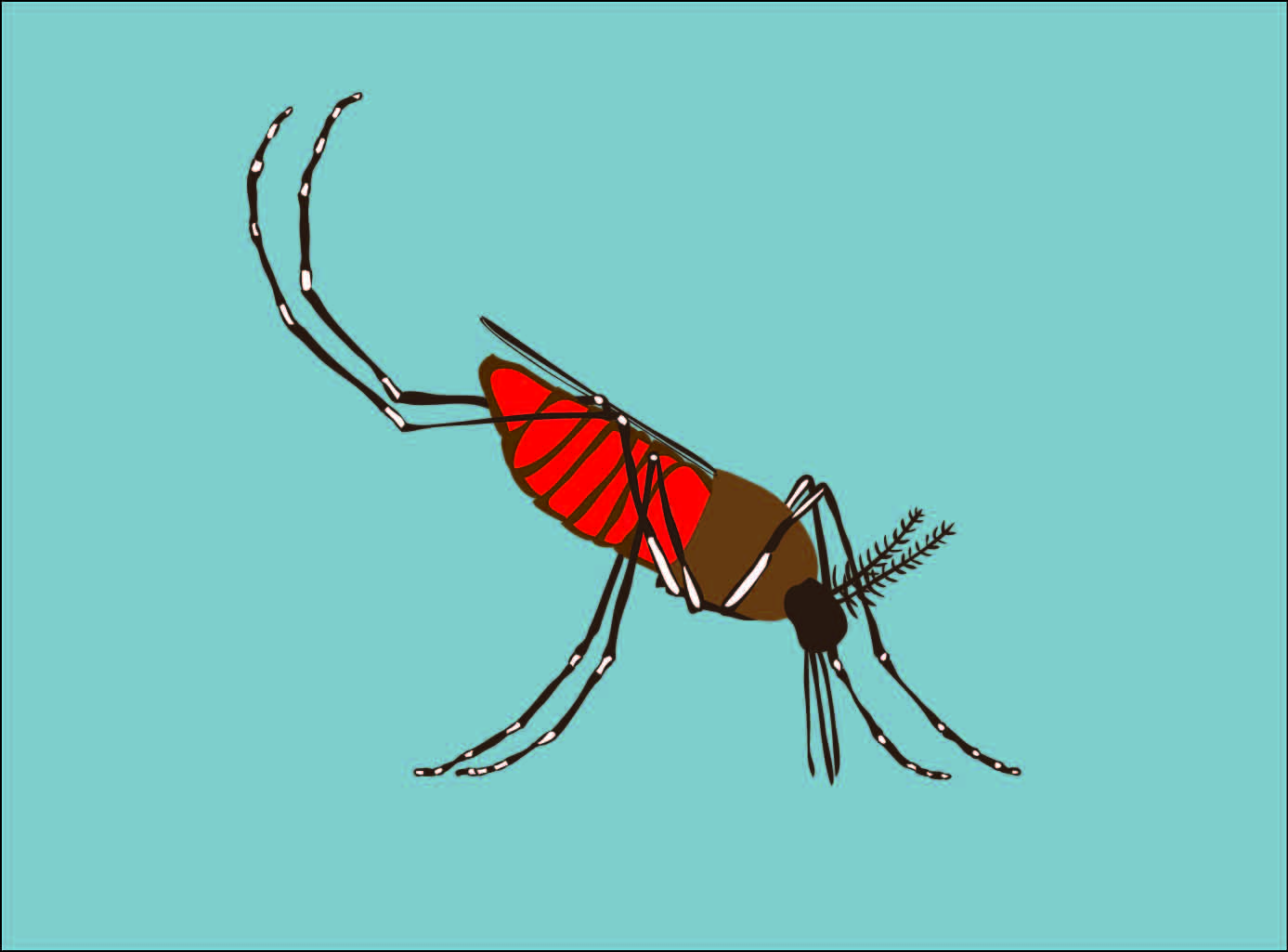
Anopheles mosquito malaria vector
WHY SOME PEOPLE ARE BITTEN MORE
Skin microbiome: the unseen influencer
Your skin is an ecosystem. Bacteria and fungi metabolize oils and sweat into VOCs that release into the air around you. Studies have shown that people with greater diversity of skin microbes often attract fewer mosquitoes, while certain dominant bacteria produce compounds that are more attractive. In other words, the community composition on your forearm or ankle can increase or decrease your odor’s appeal. Simple hygiene, soap choice and even clothing fabrics can alter that microbial mix and therefore how attractive you smell to a mosquito.
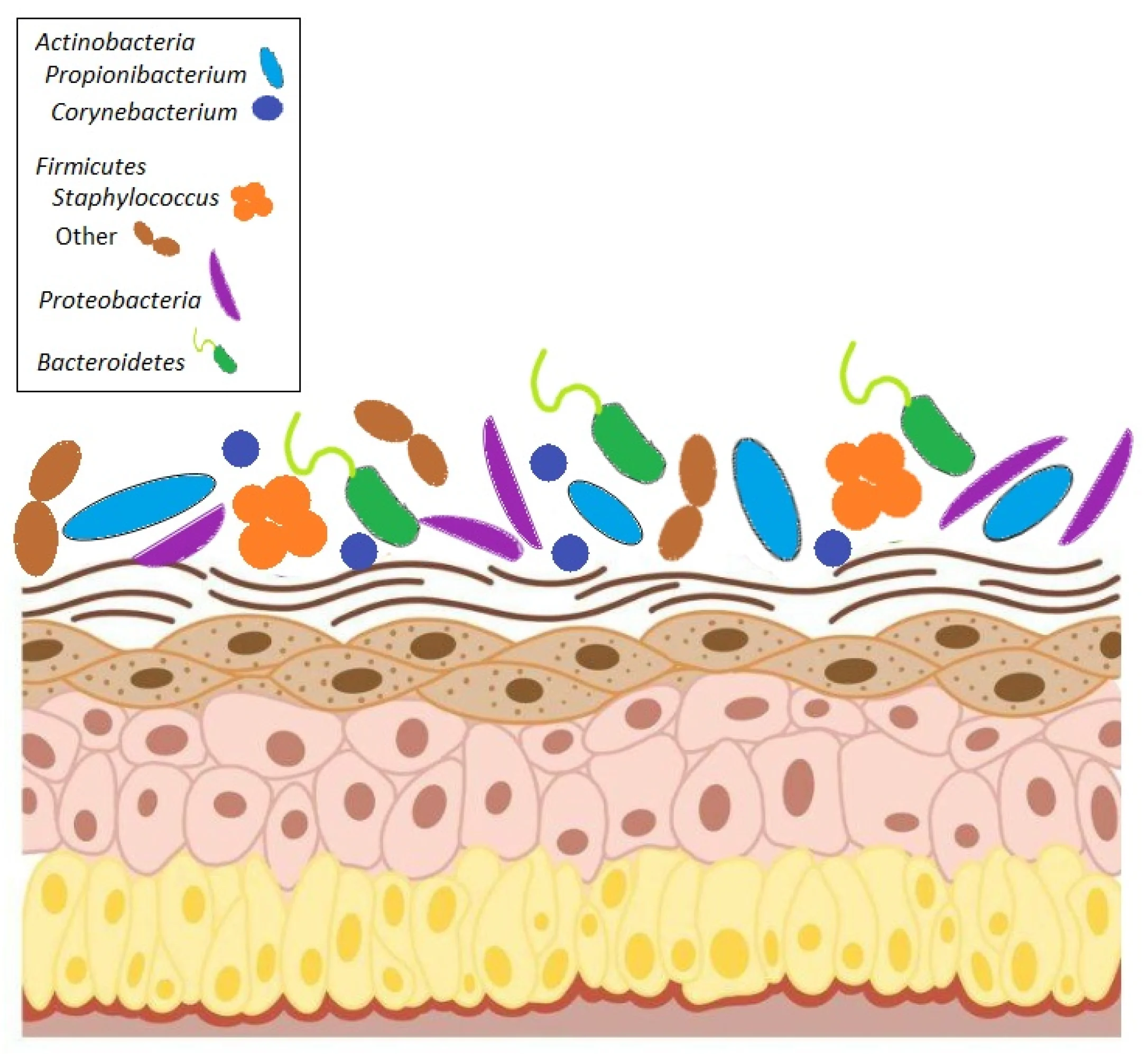
skin microbiome bacteria illustration
Biochemistry: lactic acid, ammonia and more
Sweat contains lactic acid, ammonia and other metabolites that vary by genetics, fitness level, diet and recent activity. Lactic acid in particular is a powerful mosquito attractant when combined with CO2. People who sweat more, or whose sweat carries higher concentrations of certain compounds, provide a richer signal for mosquitoes. That’s why vigorous exercisers, pregnant women and those who have recently consumed alcohol often report more bites.
Genetics and blood type myths
The idea that blood type O is a definitive mosquito magnet is an oversimplification. Research suggests that blood type can play a small role — volunteers with type O sometimes attract more bites than those with type A — but blood sits within a larger context of odor and skin chemistry. Genetic influences on metabolism, skin oils and immune signaling can create consistent patterns of attractiveness across a person’s life, but genes typically explain a modest fraction of the variation compared with the skin microbiome and transient factors like sweat and CO2 output.
IMPLICATIONS FOR DISEASE RISK
Not just nuisance — vector selection matters
Where attraction intersects with public health is in disease transmission. Mosquitoes that preferentially bite certain people could focus pathogen spread within a community. If a highly infectious individual also happens to be a preferred host, that person could be a disproportionate source of onward transmission. Conversely, understanding attraction can inform targeted interventions — for example, designing traps that mimic the scent profile of highly attractive individuals could capture more vectors in surveillance and control campaigns.
Behavioral feedback loops
Human behavior matters. People who are bitten more often may change their routines, sleep outdoors, or use ineffective home remedies — all of which influence exposure. In some settings, socioeconomic factors correlate with increased mosquito exposure because of housing quality, access to repellents or proximity to breeding sites. Science can explain biological susceptibility, but social context determines who bears the brunt of vector-borne disease.
PRACTICAL STEPS TO REDUCE BITES
Everyday strategies
There is no single bullet-proof approach, but a layered strategy reduces bites substantially. Use EPA-registered repellents such as DEET or picaridin on exposed skin, treat clothing and nets with permethrin, and minimize outdoor activity at peak mosquito times where appropriate. Wear long sleeves and light-colored clothing treated with repellent or designed to block bites. Reduce standing water where mosquitoes breed, and use screens or netting when sleeping.
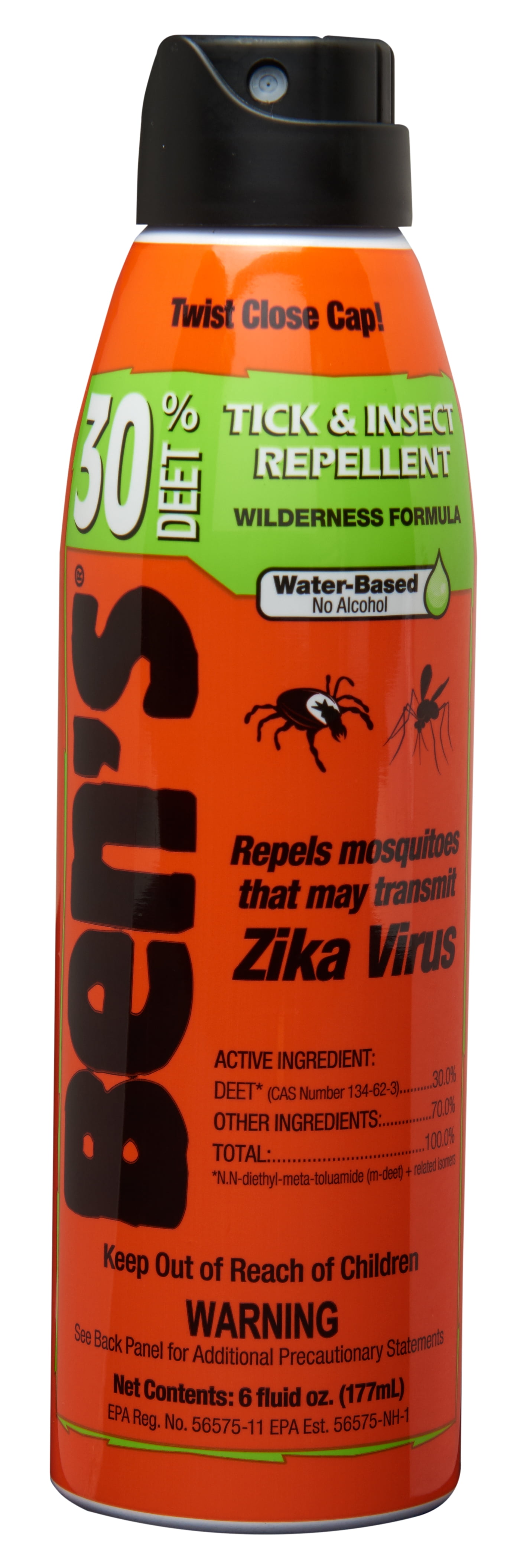
DEET mosquito repellent bottle
- Repellents: DEET, picaridin and IR3535 remain the most reliable topical options.
- Clothing: Long, loose, light-colored garments and permethrin-treated fabrics lower bites.
- Environmental: Eliminate standing water, use larvicides where needed, and deploy traps in high-risk areas.
Targeted innovations
Scientists are experimenting with scent-baited traps and modified attractants that mimic human odor signatures. Vaccines or skin-applied agents that change microbial composition are conceptual frontiers. Genetic approaches to suppress mosquito populations or alter their host preference are also progressing, though they raise ecological and ethical questions. The central idea is to exploit what mosquitoes find irresistible to lure them away from humans or reduce their numbers in the environment.

mosquito scent baited trap
COMMON MISCONCEPTIONS
“You smell more because you are dirty” — not so simple
Hygiene plays a role, but simple labeling of individuals as 'dirty' or 'clean' misses nuance. Regular bathing changes the microbiome and can lower attractiveness temporarily, but aggressive antiseptic use can create imbalances that produce different VOCs. The most important takeaway is that small, sensible changes — soap choice, laundry habits, and avoiding scented lotions when mosquitoes are active — can help.
“Blood type is destiny” — only a sliver of the story
Blood type may influence attractiveness in controlled settings, but it is rarely the dominant factor in the real world. Lifestyle, environment and transient cues like recent exercise often outweigh blood-type effects.
- Understanding attraction can improve targeted control.
- Practical behavior changes reduce bites.
- Biological factors can be difficult to change.
- Socioeconomic barriers limit access to interventions.
WHERE RESEARCH IS HEADING
Microbiome manipulation
Researchers are testing whether altering skin microbial communities could reduce attractiveness. Approaches include topical probiotics that outcompete attractant-producing strains and targeted prebiotics that shift microbial metabolism. Early-stage studies in controlled environments are promising, but translating these findings to everyday use requires rigorous safety and efficacy trials.
Synthetic attractants and smarter traps
By decoding the precise VOC mixtures that draw mosquitoes, entomologists can design lures that outperform current CO2-baited traps. Smarter traps could be deployed in neighborhoods to reduce local mosquito populations or monitor disease risk. The better the mimicry of a human scent profile, the more effective these tools could be at capturing problem species.
CONCLUSION
Mosquito attraction is a layered, dynamic process. Far from mysterious, it results from identifiable cues: the gases you exhale, your heat signature, the chemistry of your sweat, and the invisible microbial partners on your skin. Genetics nudges the baseline, but behavior and environment determine much of the day-to-day variation. That knowledge is powerful. It means that individuals and communities can take concrete steps to reduce bites, and scientists can craft smarter tools that exploit mosquito preferences for surveillance and control. The next time one of those tiny hunters singles you out, remember: it’s not personal — it’s chemical, microbial and ecological. And increasingly, it’s something we can measure and manage.
Understanding human scent and mosquito behavior opens new paths for prevention, from better repellents to traps that mimic the people mosquitoes love the most.
- Mosquito attraction depends on CO2, heat, VOCs and the skin microbiome more than on a single trait.
- Modifiable factors—hygiene, repellents, clothing, and environmental management—reduce bites.
- New tools aim to use mosquito preferences against them, but ecological caution is essential.