
The Rent in This German Neighborhood Hasn't Been Raised in 500 Years — It's Still €0.88
There are places in the world where numbers are not just measurements but stories. In a small German neighborhood, a single sum — €0.88 — functions as both a legal fact and a living historical artifact. For half a millennium this token rent has been paid for certain plots, surviving wars, revolutions, the unification of Germany, and the birth of the euro. The figure is too small to cover modern property costs, but too entrenched to be dismissed. What looks like a quaint relic is in fact a window into how law, custom, and human relationships intersect across centuries.
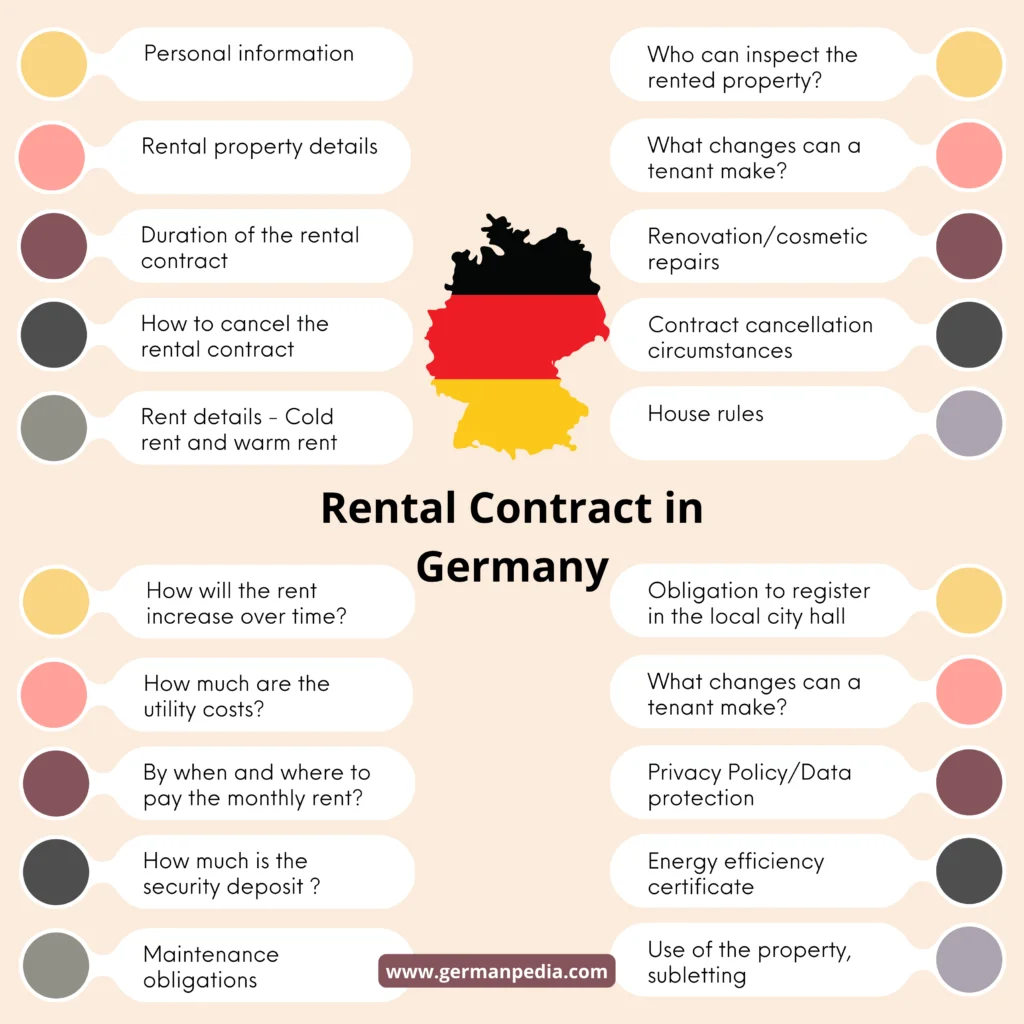
€0.88 rent plaque Germany
A Small Sum with a Long Memory
To modern eyes, €0.88 is almost ceremonial — less than a cup of coffee in most German cities. But the number matters because it marks continuity. The rent originates in an era when rents were often set in perpetual agreements: small annual sums in exchange for the right to occupy or farm a parcel of land. These pacts were rarely renegotiated because they were embedded in local custom, ecclesiastical records, or feudal obligations. Over time, the token rent became a legal fixture, passed down through wills and municipal registries and surviving major legal reforms.
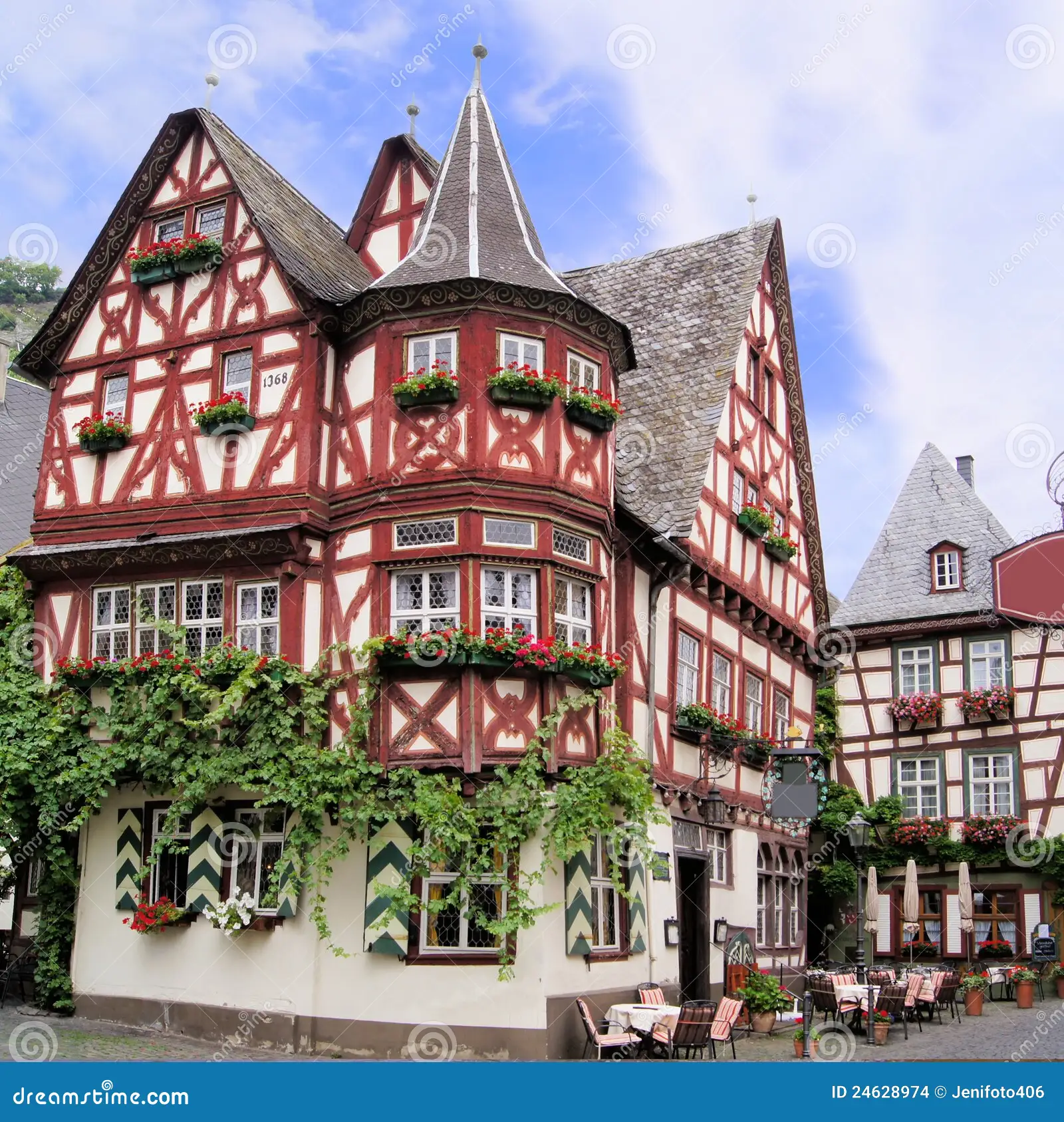
old wooden house Germany street
The persistence of such a rent highlights a tension familiar to historians: the law's capacity to freeze a moment in time. What began as a pragmatic arrangement — perhaps to reward a family for service, to subsidize a parishioner, or to formalize communal customs — is now unintentionally antithetical to modern market principles. Yet because it sits on paper and in registries, it retains force. The nominal amount matters less economically than it does legally and culturally.
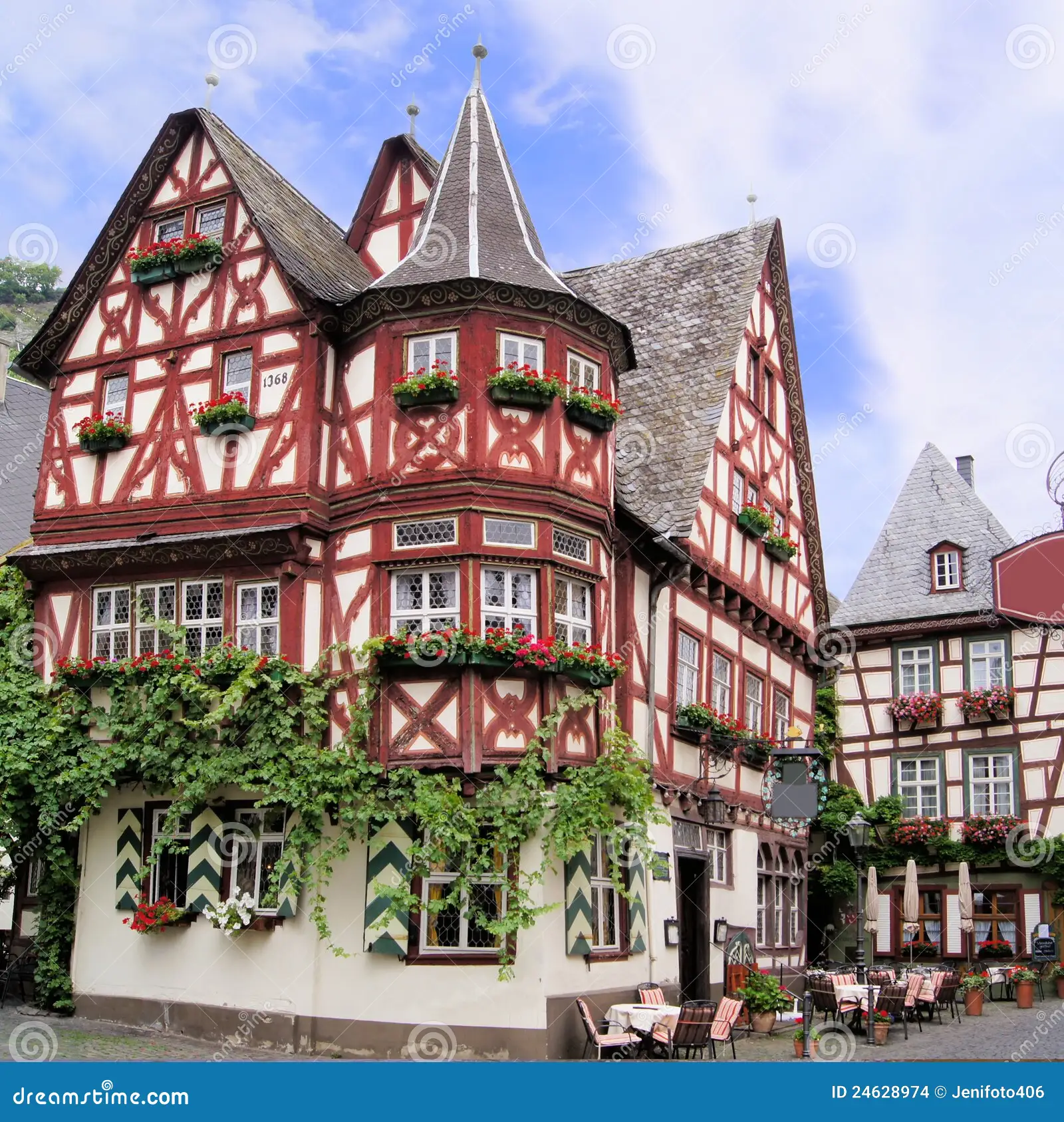
German neighborhood historic house
How a Tiny Rent Stays in Force
Legal inertia and contractual continuity
Two features of legal systems make long-lived rents possible. First is contractual continuity: when parties create a binding agreement that grants long-term or perpetual rights in exchange for a fixed annual payment, successors typically inherit both rights and obligations. Second is statutory respect for prior arrangements. Modern German law, like many continental European systems, preserves existing legal relations unless a clear, lawful process changes them.

medieval lease document
Beyond statutes, property transfers and registrations are administratively recorded. If a centuries-old rent obligation appears in the land registry or in notarized documents, changing it often requires an act of agreement by the parties or a court. In many cases, the rent is so small and the tenants so few that there is no appetite to litigate or renegotiate — the administrative cost outweighs any financial benefit. The result is legal inertia: the past persists not because anyone defends it vigorously, but because nobody invokes the machinery to dismantle it.
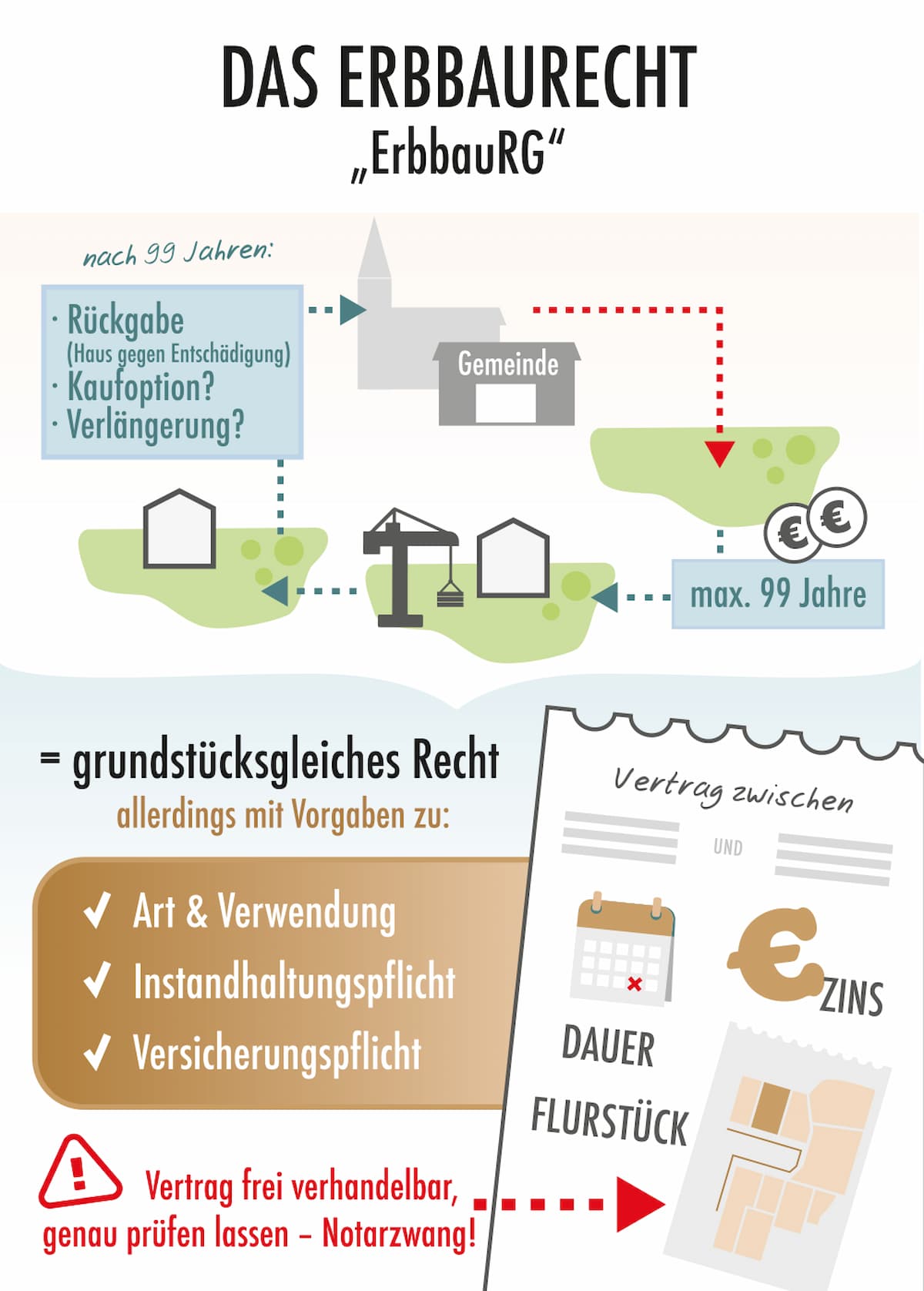
Erbbaurecht land registry
Customary and symbolic functions
Some of these rents also carry symbolic meaning. A token payment can confirm a social bond — an acknowledgement by a landlord that certain families will always have access to land, or a church's promise to care for parishioners. In rural communities, these agreements keep social stability by setting expectations about who belongs and who may occupy the land. A hundred years ago, such customs made practical sense; today they are cultural memory written into contracts.
heritage property preservation Germany
Where These Agreements Came From
Many frozen rents trace to specific historical contexts. In medieval and early-modern Europe, lords, abbeys, and municipal authorities granted land rights to secure labor, loyalty, or services. A few illustrative origins:
- Feudal grants: Land granted in return for service could carry a small annual payable to the lord or to a local authority.
- Ecclesiastical benefices: Churches sometimes allocated plots to widows or the poor, along with a nominal rent meant more as a record than as revenue.
- Commutation agreements: When obligations shifted from labor to monetary payments, the sum fixed at that moment often persisted unchanged, especially in tiny sums.
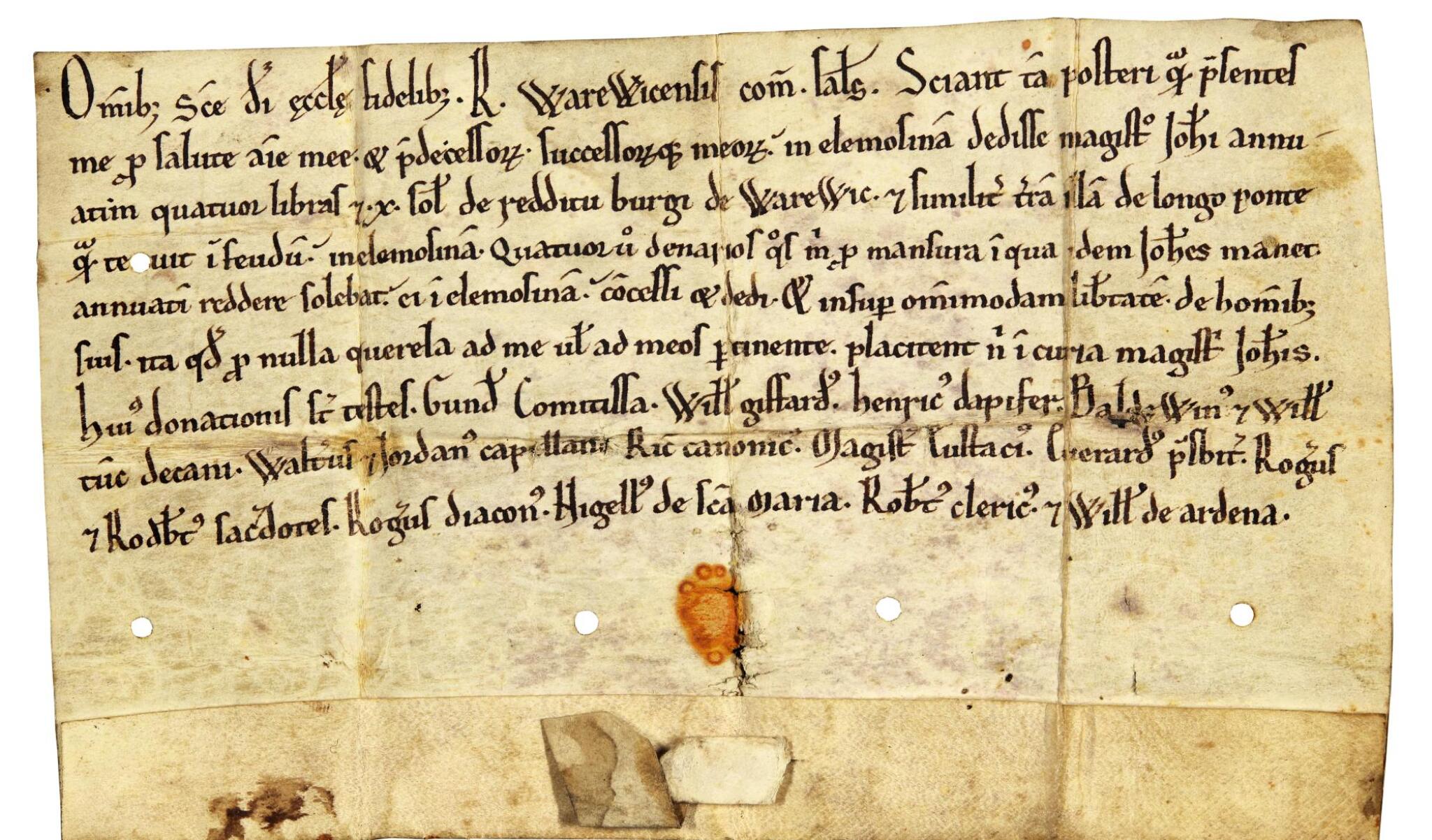
feudal grant land charter

church benefice nominal rent

commutation agreement old deed
Over centuries these practices got woven into written records — charters, land books, and notary deeds — that modern registries inherited. Even when broader property law modernized, these micro-contracts often traveled forward intact.
Human Stories Behind the Numbers
Numbers conceal people. In the neighborhood where €0.88 is still paid, families tell stories about the same doorstep being in the possession of different generations for centuries. The rent is both a nuisance and a source of pride: nuisance because it is no longer meaningful as compensation for land use; pride because it signifies a stubborn line of continuity. For some tenants it is a practical advantage — a legal lever against market forces that might otherwise displace small households. For others, it's a curiosity that draws visitors and journalists.

German tenant family doorway
Local municipal officials adopt pragmatic attitudes. They see the token rent as a legal artifact that complicates nothing in day-to-day governance. There is rarely political will to change these arrangements. It would require legal audits, potential renegotiation with heirs, and the risk of antagonizing families who cherish continuity. Where the sum is negligible, the cost of reform exceeds the benefit.
Economic and Social Implications
On an individual level, a fixed tiny rent can offer protection against displacement. In markets with rising property values, even modest protections can be meaningful. Yet the broader economic effect is limited. A handful of plots paying €0.88 do not alter neighborhood prices or investment incentives in any measurable way. Their significance is mostly cultural and legal.
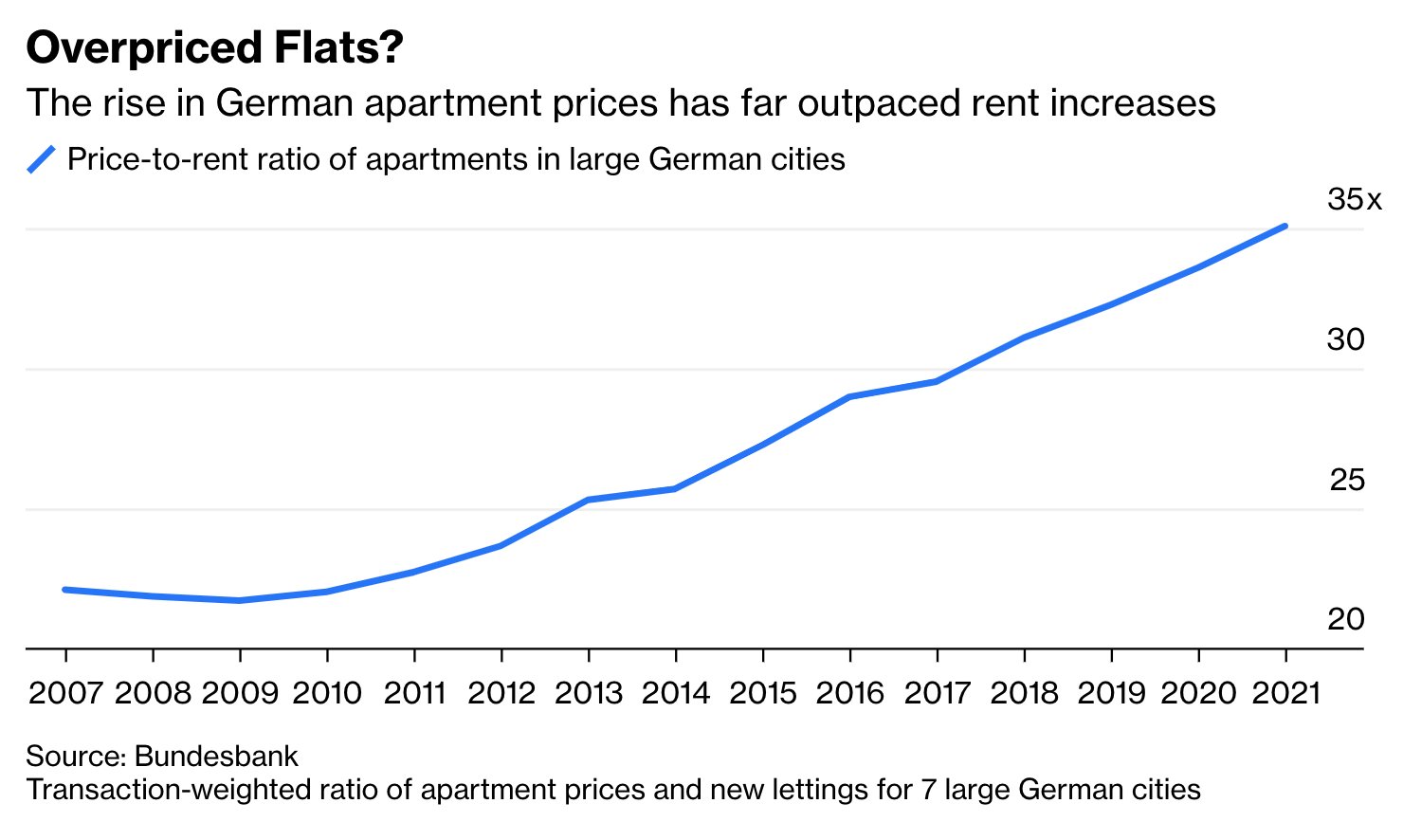
German real estate anomaly
There is, however, a symbolic dissonance. When citizens encounter a rent that predates modern currency and still reads as a current euro figure, it raises questions about how societies remember obligations. Economists point out the distortion: frozen nominal obligations erode in real terms with inflation, so a rent set five centuries ago has become effectively a subsidy if its legal form persists. Law scholars point out a different distortion: the legal system can perpetuate inequalities or preserve privilege, depending on who benefits from the arrangement.

inflation paradox token rent
Comparisons and Global Echoes
This phenomenon is not unique to Germany. Around the world you find token rents and ancient land rights that survive modern transformation. In parts of England, Ireland, and continental Europe, manorial dues and tithe-like obligations remained visible in records long after their economic rationale evaporated. In former colonies, colonial-era land grants or leases sometimes survive in surprising ways, complicating contemporary development. The common thread is legal durability: paper records and respect for contracts let old bargains persist.
Such examples illuminate how legal systems can be conservative by design. They conserve expectations, reduce uncertainty for individuals who rely on institutional memory, and sometimes create friction for reformers who want to modernize property relationships quickly.
Modern Challenges and Possible Solutions
The principal challenge is reconciling historical continuity with modern fairness and efficiency. Lawmakers and municipalities face options when confronted with ancient token rents:
- Voluntary renegotiation: Offer modern settlements that compensate heirs or tenants and re-document rights at market-equivalent levels.
- Legal modernization: Enact targeted statutes that allow rescission or revaluation of archaic obligations with safeguards for vulnerable occupants.
- Cultural preservation: Leave the rent in place but recognize it explicitly as a heritage item, perhaps combining legal continuity with social supports.

token rent 500 years

customary law village contract
Each path has trade-offs. Renegotiation can be fair but administratively expensive. Legislative fixes can be efficient but may feel like erasing local memory. Preservation honors history but may seem to perpetuate legal anachronisms. The best approach often depends on local priorities and the wishes of those directly involved.
An old ledger preserved in a municipal archive holds the tiny figures that tie past to present
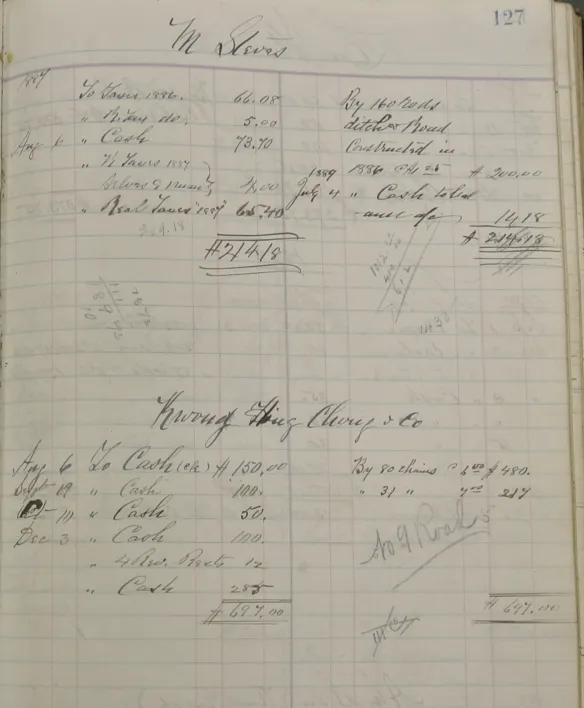
municipal archive ledger
What This Tells Us About Memory, Law, and Place
Small things can reveal large truths. The €0.88 rent is not important because of its market value; it matters because it compresses centuries into a single, comprehensible fact. It reminds us that institutions remember: contracts, records, and rituals are vehicles of memory that shape how communities experience time. The rent also prompts reflection about the balance between legal fidelity and social justice. When does honoring a historical arrangement become anachronistic? When does modernization become erasure?
For journalists and historians, the figure is irresistible because it forces us to tell nested stories: of a family, a village, a legal tradition, and a broader national evolution. It is an anchor: a concrete detail that opens pathways into complex systems.
Takeaways and Final Thoughts
The case of the €0.88 rent offers several clear takeaways:
- Legal continuity can outlive economic logic: Contracts written long ago may remain in force because the legal system prioritizes stability and documented rights.
- Small sums can carry symbolic weight: Token rents often encode social commitments and local identity.
- Reform is possible but costly: Modernizing or rescinding these arrangements requires administrative work, negotiation, and sensitivity to local memory.
In a world driven by market values and disruptive change, the persistence of a tiny rent is a gentle, stubborn counterpoint. It teaches that not every aspect of modern life succumbs quickly to market pressure; some things are carried forward because they are written, recorded, and lived. Whether €0.88 will still be the price of these plots in another 500 years is unknowable, but the fact that it has lasted five centuries already makes it a rare and instructive story about how people anchor themselves in time through law and custom.
For those who encounter the story, the curiosity is natural. But the deeper lesson is quieter: institutions are repositories of history, and sometimes the most ordinary numbers are the best keys to discovering why a place is the way it is.