Why Refrigerators Make Bread Go Stale — Proven Fixes
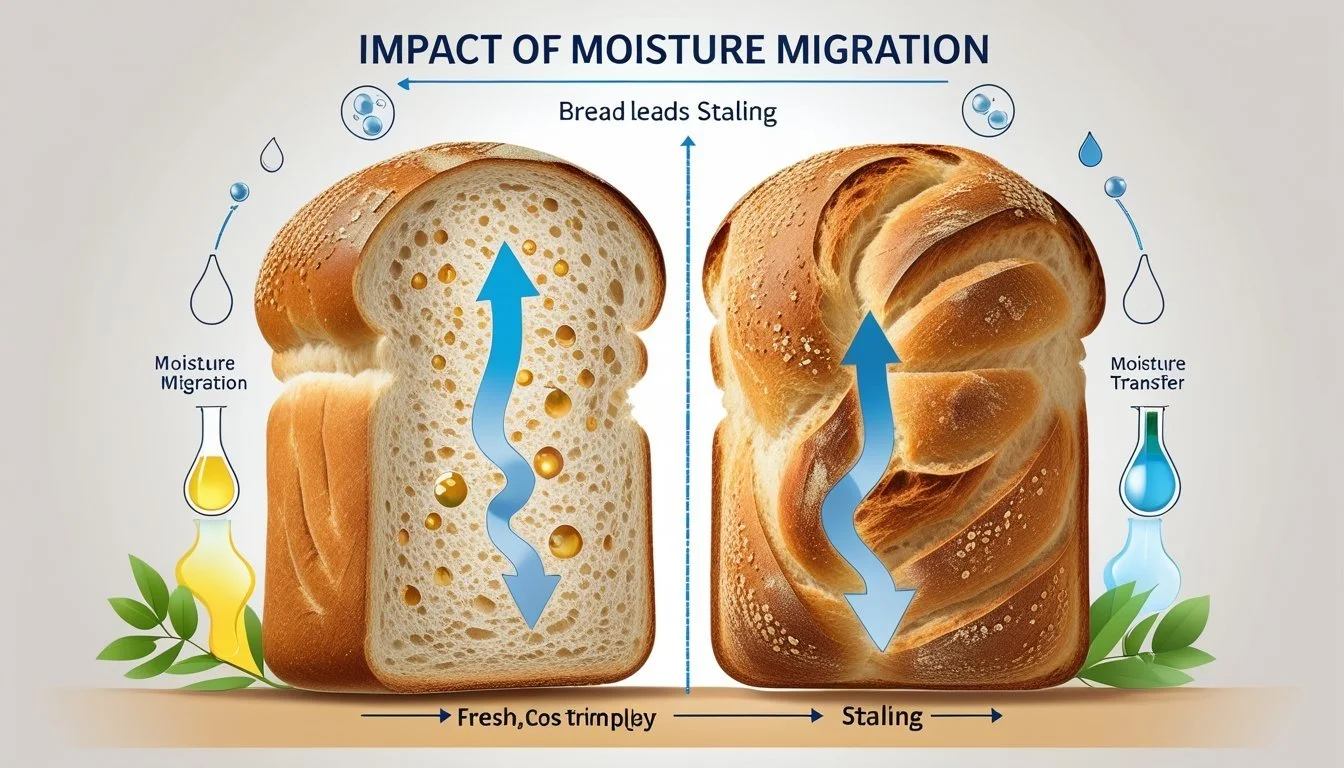
It feels wrong on instinct: you buy a loaf, bring it home, and tuck it in the refrigerator because cold means fresh—right? In the case of bread, that instinct is almost always counterproductive. Fridges can make a soft, fragrant loaf turn dry and firm in a day or two. That quick change isn't just bad luck; it's physics and food chemistry. This article unpacks exactly what happens to bread in the cold, compares refrigeration to other storage methods, and gives practical, science-backed steps to keep your loaves tasting like they came from the oven.
The surprising science: starch retrogradation explained
What retrogradation is
Bread is mostly starch and water trapped in a matrix of gluten and air pockets. When bread cools after baking, the starch molecules—long chains of glucose called amylose and amylopectin—start to reassociate into more ordered structures. That rearrangement squeezes water out of the starch network and makes the crumb firmer and less springy. The technical name is starch retrogradation, and it's the main driver of what we call staling.
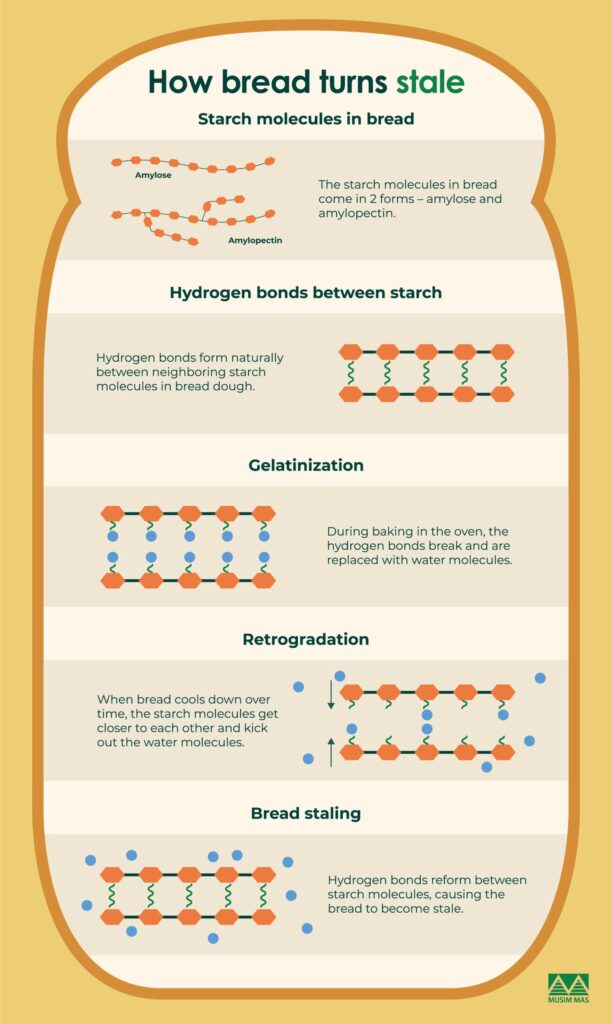
starch retrogradation bread chemistry
Why the fridge speeds it up
Retrogradation happens at room temperature too, but it accelerates in the cold: refrigerators (around 4°C / 39°F) are the sweet spot for rapid starch realignment. At freezer temperatures the process slows dramatically because molecular movement is limited; at warm temperatures the starch chains remain more disordered. So paradoxically, chilling a loaf hastens the very structural changes that make it stale.
Cold doesn't stop staling — it redistributes water and speeds the crumb-setting process.
How this shows up at the table
Texture and flavor changes
The first thing you notice is texture: the crumb loses its spring and becomes chewy or dry, and the crust loses contrast with the inside. Flavor perception suffers too—volatile aroma compounds are less apparent in cold, firm crumb. Even when a refrigerated loaf looks mold-free, its eating quality has diminished faster than an identical loaf left on the counter.
Not all staling is spoilage
Important distinction: staling is different from microbial spoilage. Mold grows in warm, humid conditions and can render bread unsafe; staling is a retrofitting of starch and water that makes bread unpleasant but not dangerous. This matters because the right response to each problem is different—molded bread should be discarded, while stale bread can often be rescued.
Comparing storage methods: counter, fridge, and freezer
Room temperature: the everyday compromise
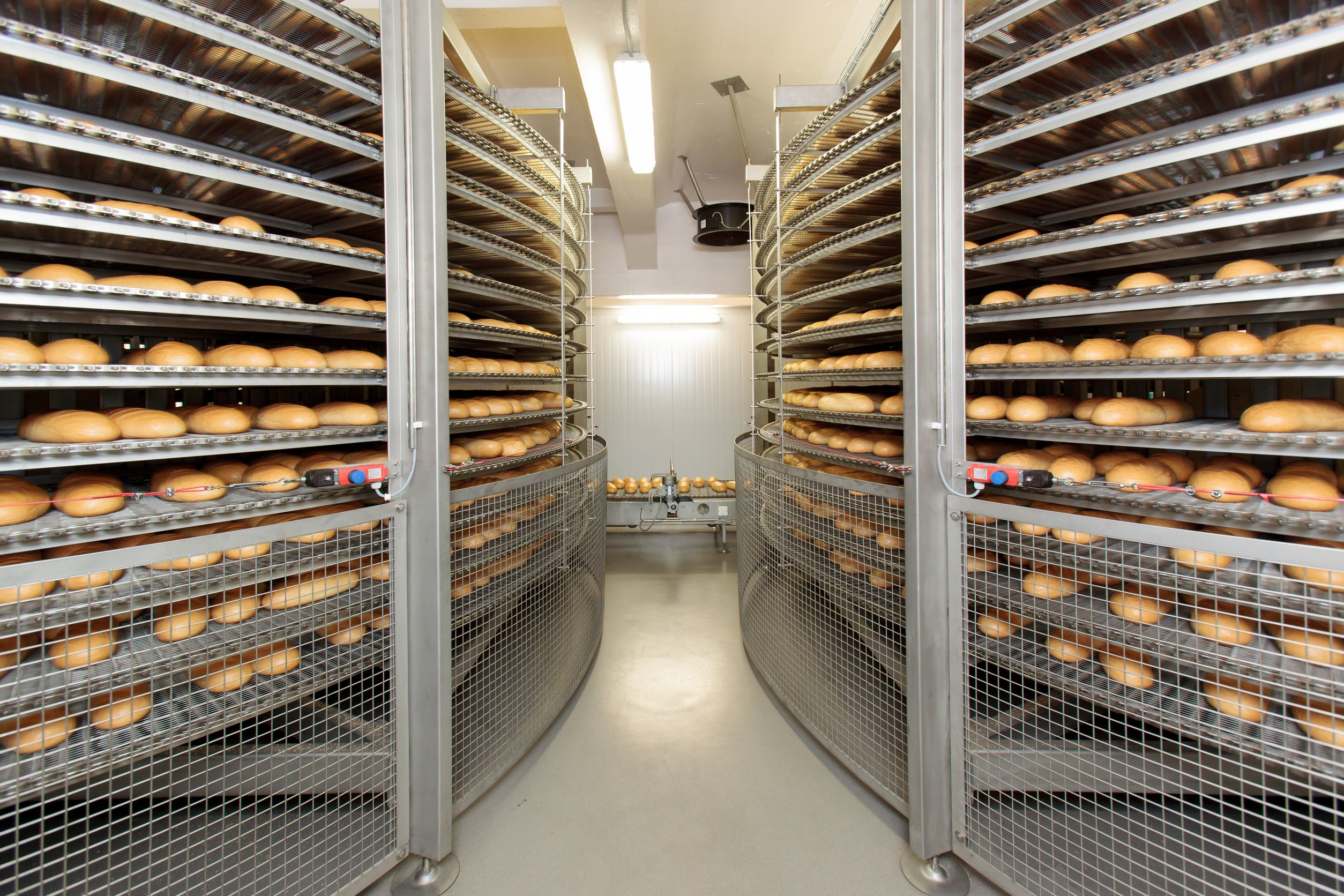
If you plan to eat a loaf within 2–3 days, storing it at room temperature in a cool, dry place is often best. Use a paper bag or loosely tied plastic to keep the crust from softening too much while allowing slight moisture balance. A breadbox is effectively a controlled micro-environment that delays both drying and molding for short-term storage.
bread room temperature storage
Refrigerator: when it can be useful
Refrigeration is rarely ideal for fresh loaves, but it can make sense for highly hydrated breads that would otherwise mold quickly (for example in hot, humid climates), or when using enriched doughs with milk, eggs, or sweeteners that attract mold. In those cases consider freezing instead once the loaf has cooled.
Freezer: the best long-term option
For longer storage—more than a few days—freezing is the safe, quality-preserving choice. Freezing at −18°C (0°F) or lower essentially pauses retrogradation and microbial growth. When properly wrapped to prevent freezer burn, a loaf can retain good eating quality for weeks to months. Thaw slowly at room temperature and refresh in a hot oven or toaster for a minute to restore crust crispness and crumb softness.
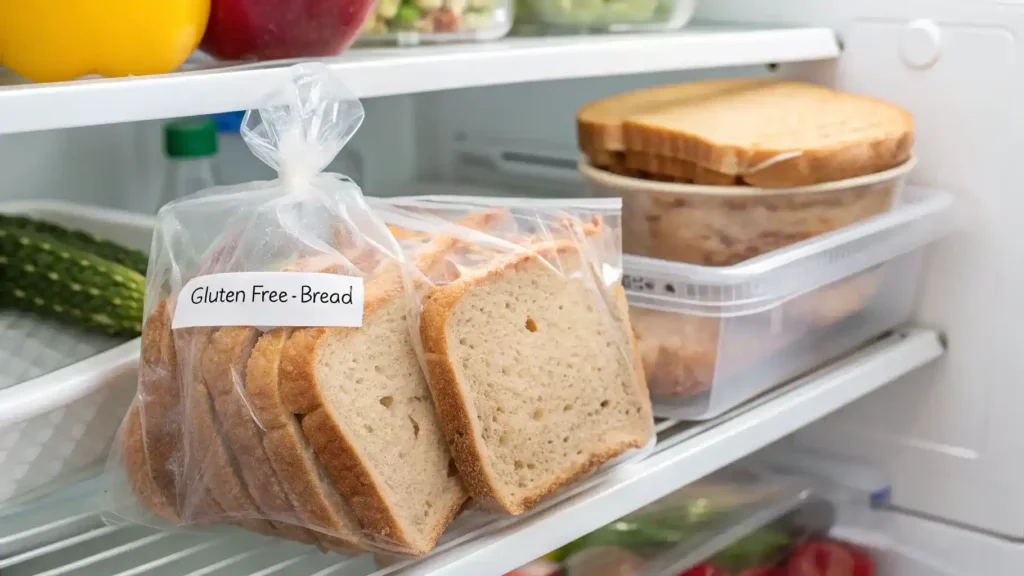
bread freezer storage slices
Practical storage: step-by-step for every situation
Short-term (same day to 3 days)
- Room temperature: Keep the loaf in its paper bag or an unsealed cloth bag on the counter, away from direct sunlight and heat sources.
- Soft crusts: If you need the crust to stay soft (sandwich bread), transfer the loaf to an airtight plastic bag once the crust has cooled; this preserves moisture but accelerates staling if refrigerated.
Medium-term (3 days to 2 weeks)
- Freeze: Slice the loaf, wrap tightly in plastic wrap or foil, then place in an airtight freezer bag. Label with date.
- Refrigeration exception: Only refrigerate if you live somewhere very humid and molds form within a day at room temp, or if the loaf contains perishable fillings.
Long-term (>2 weeks)
- Freeze long-term: For storage beyond two weeks, freezing is your only quality-preserving option.
How to refresh stale bread
Quick oven revival
If a loaf has gone stale but not moldy, you can bring life back with a short blast of heat. Preheat your oven to 180–200°C (350–400°F). Lightly mist or sprinkle water on the crust—about a teaspoon for a large loaf—then warm for 5–10 minutes. The heat melts some of the reassociated starch and redistributes moisture, temporarily restoring softness and aroma.
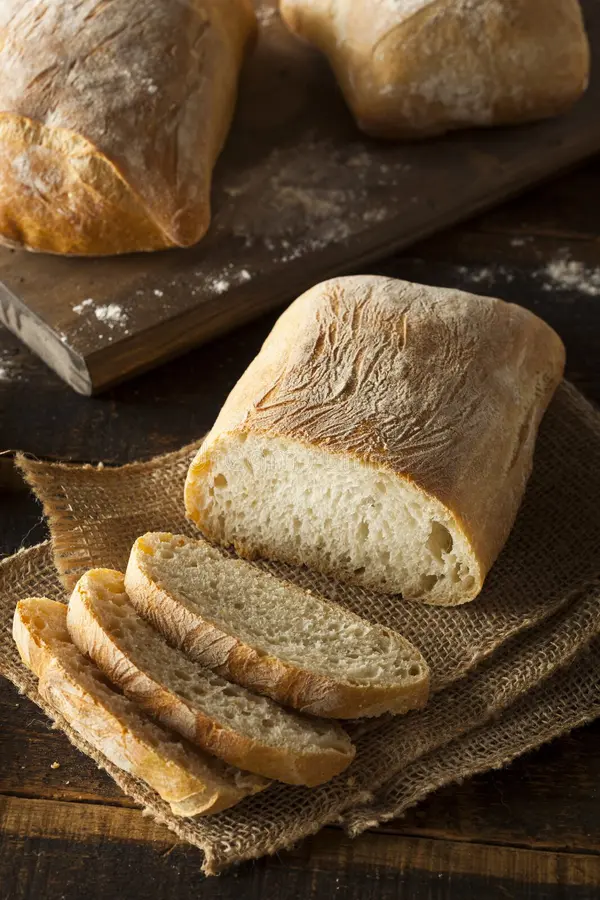
baguette ciabatta crusty bread
Toaster and microwave hacks
For slices, a hot toaster restores mouthfeel quickly. Avoid microwaving whole loaves; microwaves make bread rubbery if overdone. If you must microwave, wrap a slice with a damp paper towel and heat for 10–15 seconds, then crisp in a toaster or under a broiler.
When to throw it away: safety vs quality
Staling affects quality, not safety. Mold is the main safety concern; visible mold, unusual odors, or slimy textures mean discard. If a loaf is stale but clean, use it for croutons, breadcrumbs, bread pudding, French toast, or panzanella—lots of culinary paths turn staleness into an advantage.
Bread types and how they behave in the cold
Lean crusty breads (baguettes, ciabatta)
Crusty, lean breads with open crumb stale differently: their crust becomes soft and crumb firms when refrigerated. Because they rely on a crunchy crust for contrast, refrigeration is particularly damaging to the eating experience. Freezing after full cooling is the best fix for longer preservation.
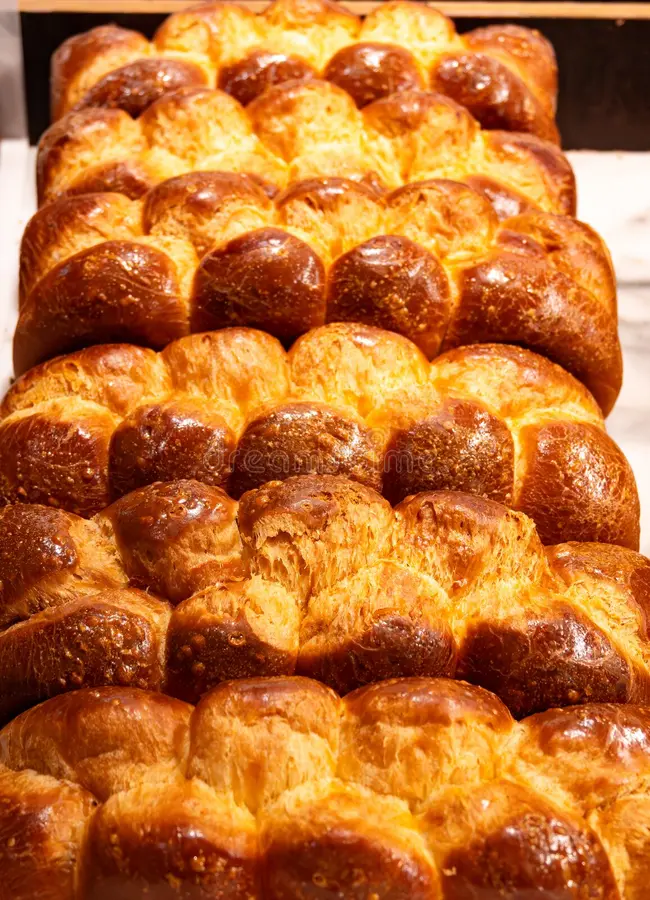
brioche challah enriched bread
Enriched and sweet breads (brioche, challah)
Rich, fatty doughs resist staling a bit longer because fats interfere with starch retrogradation. However, their higher sugar and dairy content can encourage mold. For these breads, short-term room storage is fine; freeze for anything longer.
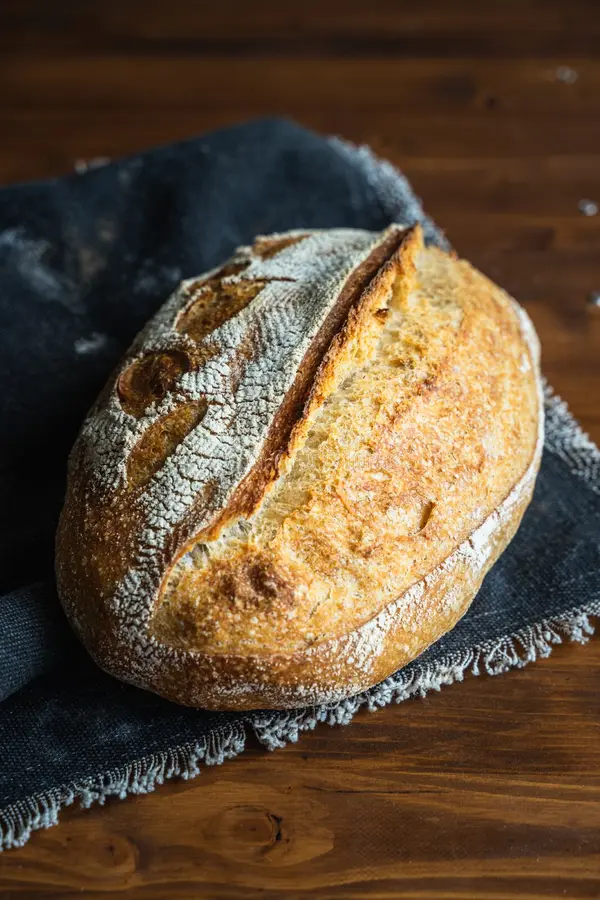
sourdough artisan bread loaf
Sourdough and artisan loaves
Sourdough flavor can be forgiving—acidity delays mold—but the mechanical effects of cold still apply. Many bakers recommend slicing and freezing a sourdough loaf if it won't be eaten within a couple of days.
Kitchen experiments you can try
Want to see the effect yourself? Buy two identical small loaves. Place one in a paper bag on the counter and the other in the refrigerator in a sealed bag. Taste each after 24 and 48 hours, and note differences in springiness, aroma, and crust. You'll likely find the refrigerated loaf noticeably firmer even though it looks similar—a practical lesson in retrogradation.
Common myths and the truth
Myth: Refrigeration prevents mold so it's safer
Truth: Refrigeration slows mold growth but doesn't stop staling. In humid kitchens where bread molds within days, refrigeration might reduce visible mold but will still make the loaf less pleasant to eat. Freezing is safer for long-term anti-mold protection while preserving texture.
Myth: Bread that looks mold-free is always fine
Truth: Mold can be invisible below the surface. Soft, sticky, or off-smelling spots are a sign. When in doubt, throw it out.
Creative ways to use stale bread
- Croutons: Cube stale bread, toss with oil and seasoning, and roast at 200°C (400°F) until crisp.
- Bread crumbs: Pulse dry chunks in a blender; toast lightly for extra flavor.
- French toast or bread pudding: Stale bread soaks liquids better and makes richer custards.
- Panzanella or gazpacho croutons: Use stale cubes to add texture to salads and chilled soups.
Conclusion: store smart, revive skillfully
Refrigerators are a reflexive storage choice for many kitchen staples, but not for bread. Cold temperatures accelerate starch retrogradation, robbing crumb of its spring and aroma. For short consumption windows, keep loaves at room temperature; for long-term storage, freeze thoughtfully. When bread does go stale, simple oven or toaster tricks will rescue it for enjoying or re-purposing into another dish. Understanding the science behind staling makes the right kitchen choices intuitive—and it means fewer disappointments and less waste.
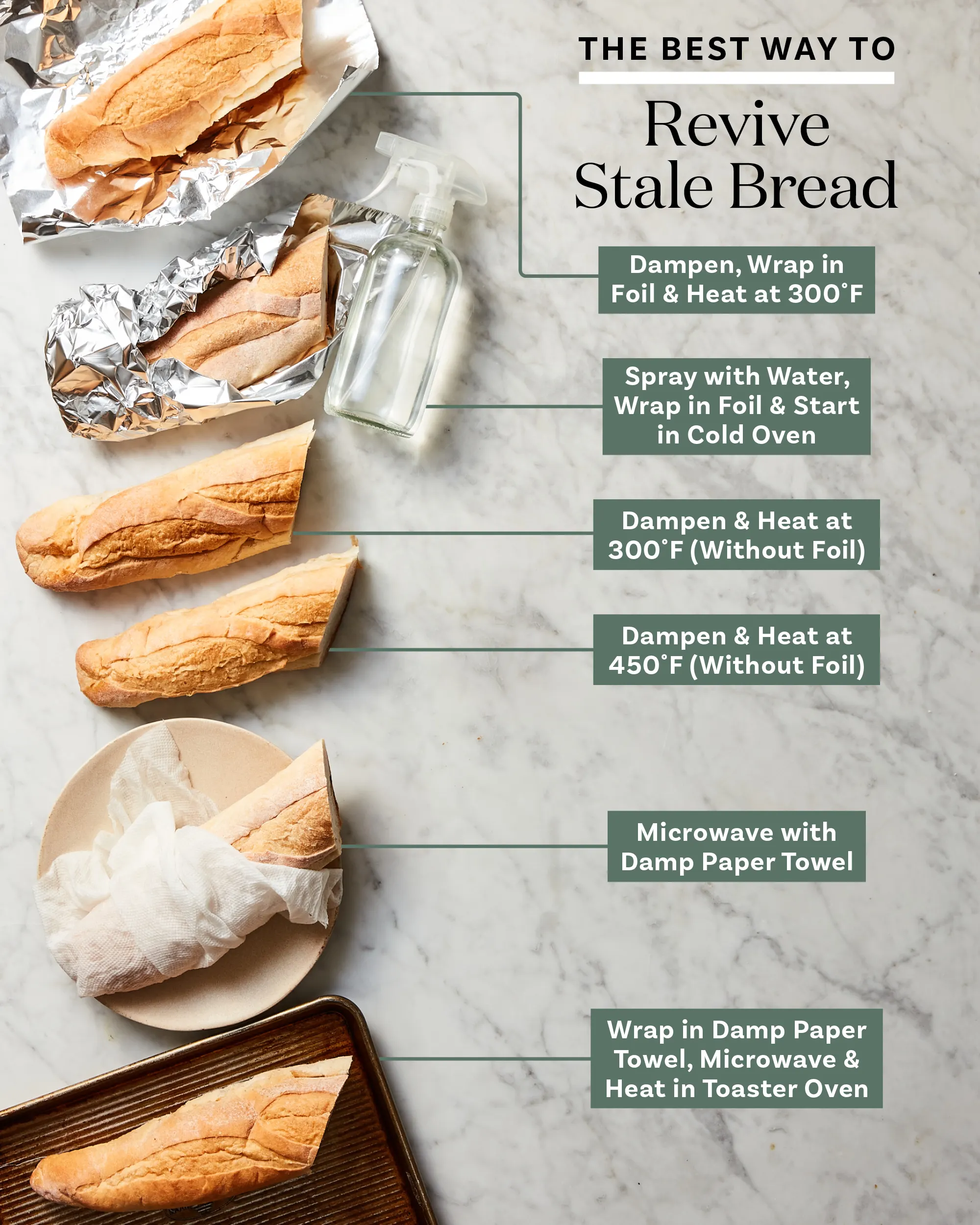
stale bread oven refresh
- Refrigeration speeds starch retrogradation and causes bread to stale faster.
- Room temperature is best for eating within 2–3 days; freeze for anything longer.
- Stale bread is often salvageable—refresh in an oven or use in cooked dishes.
Making better storage choices saves flavor and reduces waste.