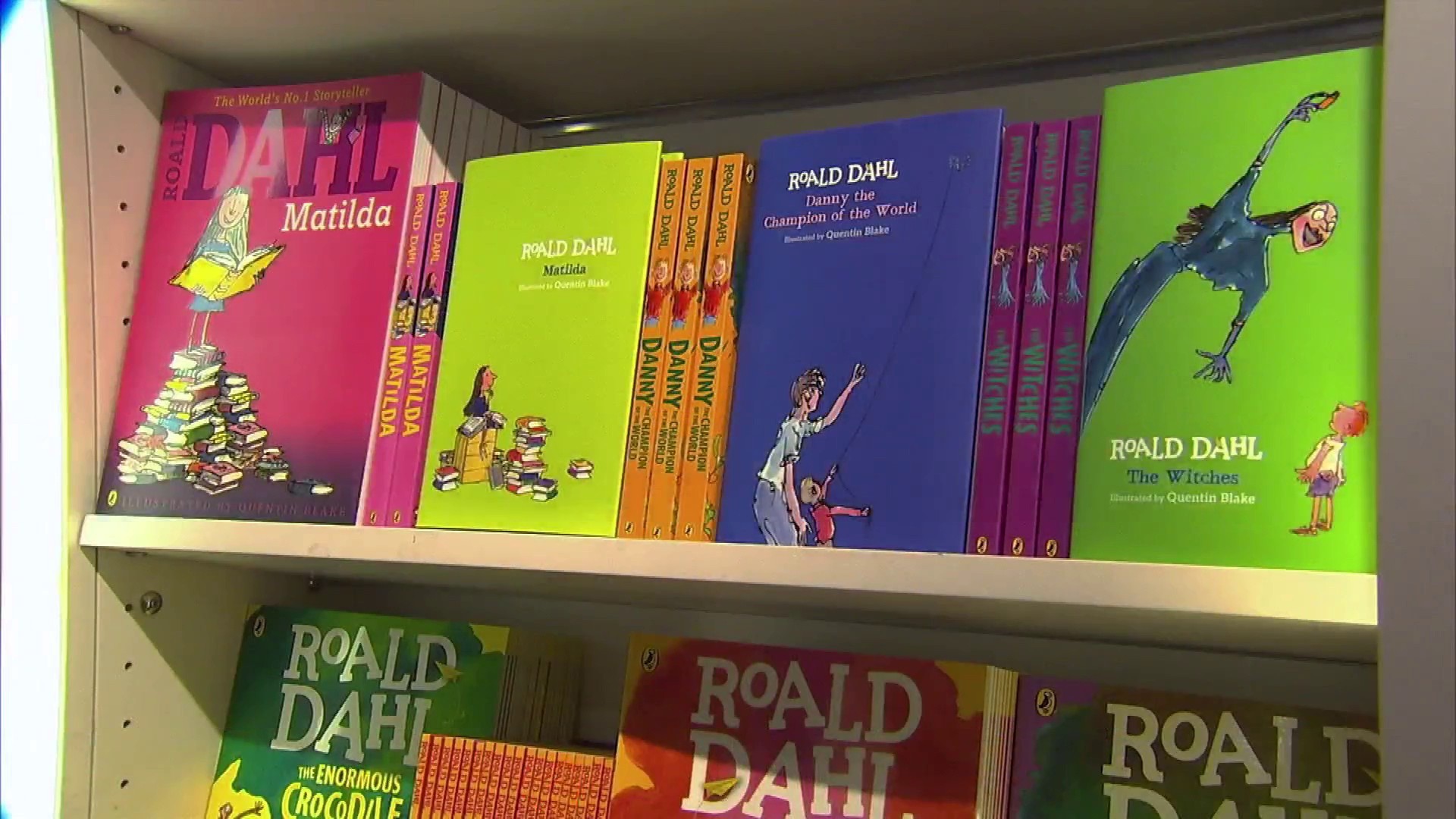
Why Puffin Edited Roald Dahl: The 2023 Controversy Explained
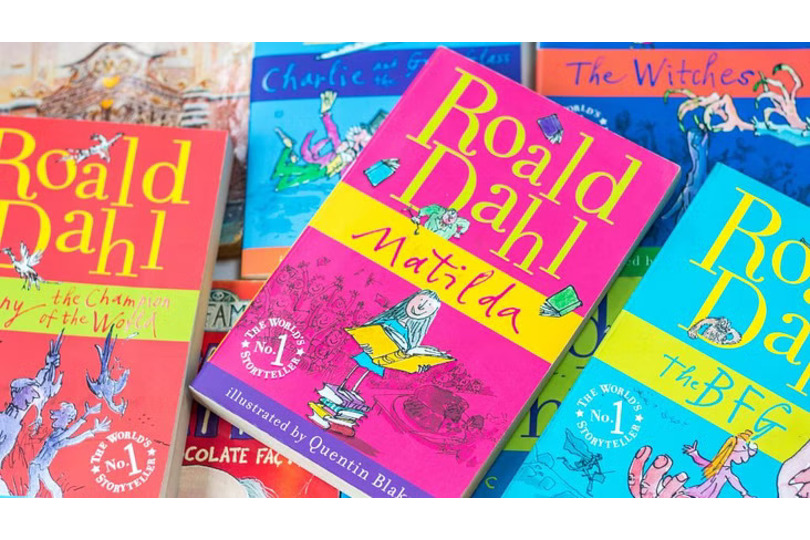
Puffin Books Dahl revisions 2023
In 2023, a decision by Puffin Books to revise a number of Roald Dahl's children's classics touched off a debate that was at once literary, cultural and fiercely personal. Hundreds of passages across multiple novels were altered — words softened, descriptions reworked, and some phrases removed entirely — with the stated intention of making the books less offensive to contemporary readers. For many, the moves felt like a necessary modernization. For others, they were an unacceptable rewriting of an author's voice and the erasure of historical context. The uproar that followed illuminated fault lines in how we treat literature, how publishing responds to shifting cultural norms, and how educators, parents and readers negotiate value, offense and stewardship of shared cultural property.
THE DECISION AND ITS SCOPE
What changed and how extensive the edits were
The revisions made by Puffin were not a case of a single typo fix or a new cover design. Editors reviewed language across several of Dahl's most popular works and made a broad set of changes intended to reduce language and imagery that might be read as racist, sexist, or ableist by modern audiences. Descriptions that leaned on caricatured physical features, casual slurs, and emphases that played to harmful stereotypes were targets for rephrasing. In many instances the edits were surgical — a single adjective replaced, a clumsy phrase smoothed — while in other places whole sentences were removed or reconfigured to alter tone.
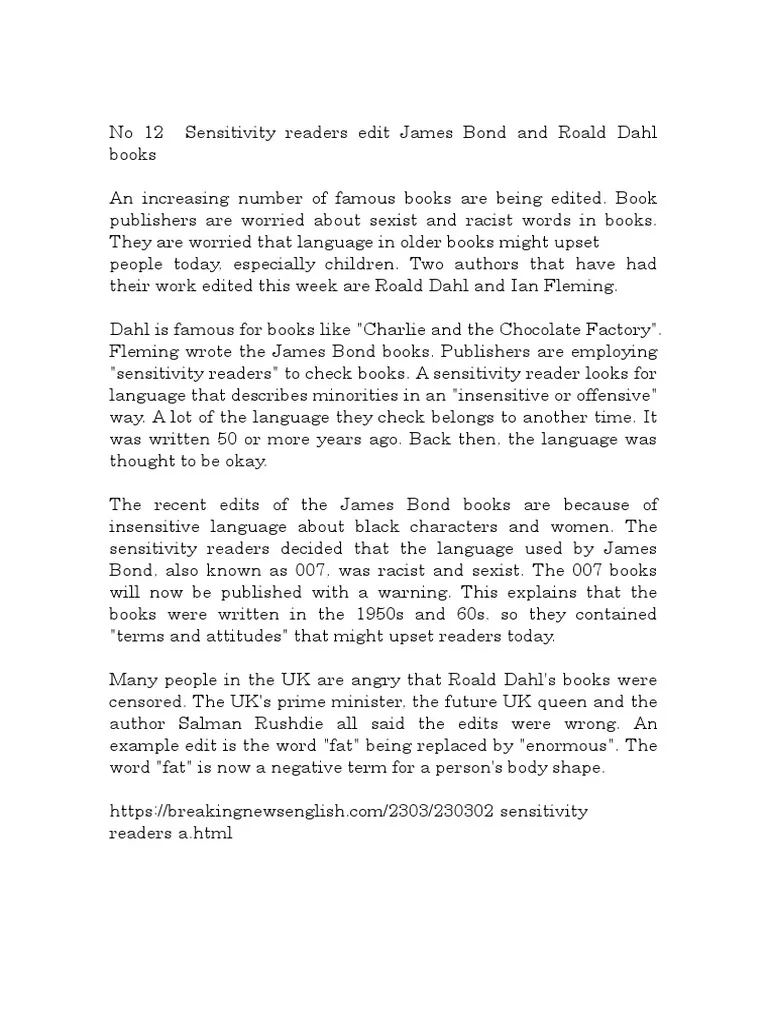
Roald Dahl sensitivity edit examples
Those changes were framed by the publisher as efforts to make the books accessible and enjoyable to as wide an audience as possible, including children from diverse backgrounds and children with disabilities. Puffin described the process as sensitivity-driven editorial review, a practice increasingly common in publishing where older texts are revisited with an eye toward inclusivity.
Why Puffin claimed it acted
The rationale offered was twofold. First, Puffin said it wanted children today to be able to encounter imaginative, funny and morally pointed stories without being inadvertently exposed to language that could alienate or hurt members of their classrooms. Second, the publisher suggested that certain descriptions were unnecessary to plot or character and could be changed without altering Dahl's central narratives. The stated aim was not to erase history but to allow the books to live on in classrooms and home bookshelves without becoming stumbling blocks in diverse learning environments.
"Editors argued they were protecting readers and preserving accessibility; critics said they were altering an artist's integrity."
THE CRITICISMS AND DEFENSES
Arguments against the edits
Opponents described the revisions as a form of censorship and an affront to artistic integrity. The core of this argument is philosophical: a text is a historical artifact created by an individual mind in a particular moment, and altering it risks misrepresenting that mind and the period in which it was written. To many critics, editing Dahl was tantamount to erasing evidence of how language and social attitudes used to function; it obscured the opportunity to teach about change over time.
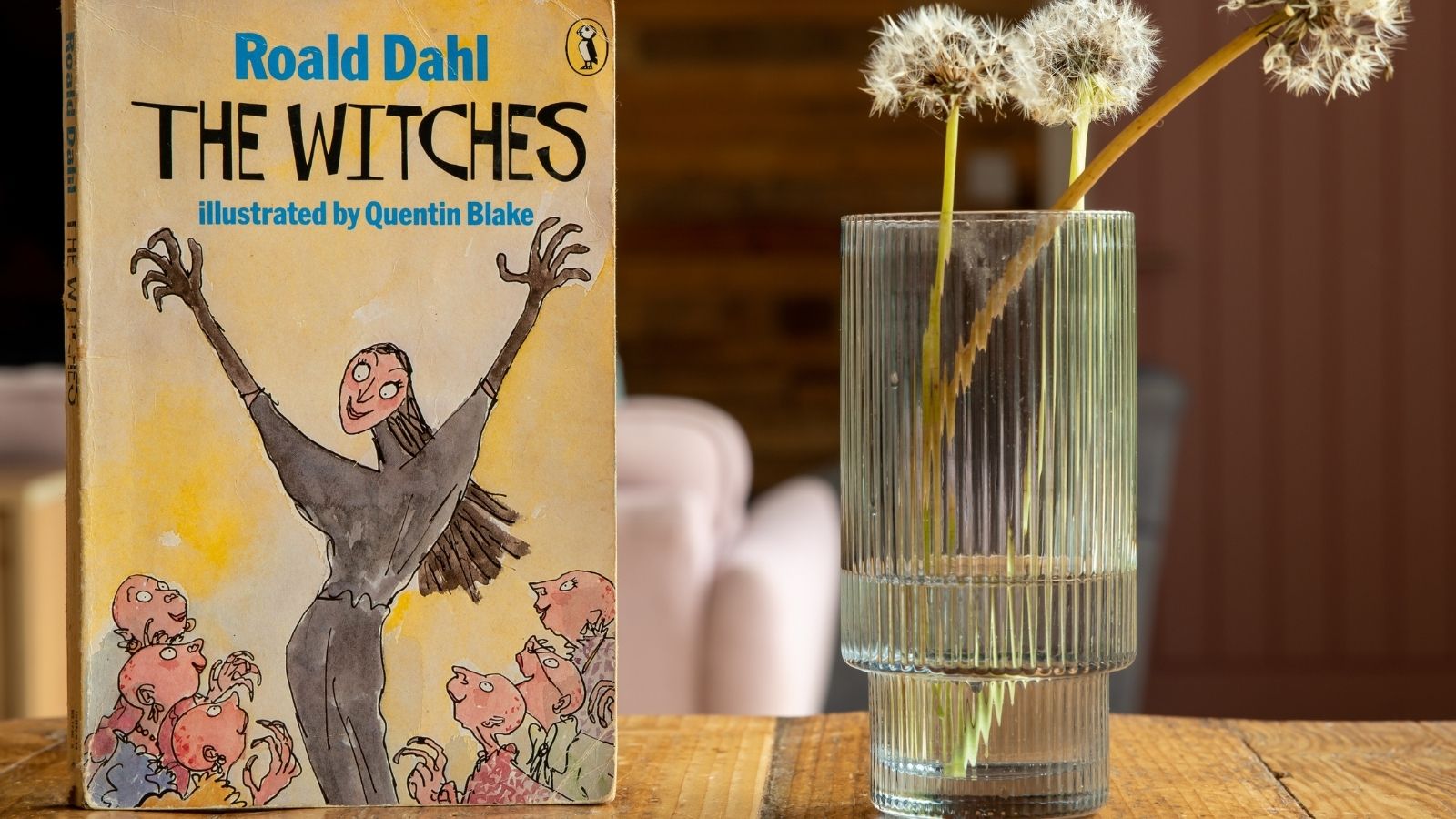
Roald Dahl banned book edits
There was also a pragmatic worry. If publishers start revising classics whenever language becomes uncomfortable, where does it end? Critics feared a slippery slope that could lead to progressively sanitizing literature until nuance, discomfort and the capacity for difficult conversations were lost. They argued that context — explanatory notes, classroom discussion, and age-appropriate framing — would be a better approach than textual revision.
Arguments supporting the decision
Supporters pointed out that children's books are not neutral artifacts: they shape how young readers perceive people and the world. Language that normalizes stereotypes can have measurable effects on children’s self-worth and how they view others. From this perspective, making books inclusive is a moral choice aligned with the responsibility of publishers and educators to safeguard young readers from harm, while still offering them the pleasures of story and imagination.
Roald Dahl character description changes
Advocates also emphasized intent and utility. If a change preserves plot, character arcs and the story’s imaginative force while removing gratuitous or hurtful phrasing, then the revision is defensible. For many librarians and teachers working in increasingly diverse classrooms, the choice was practical: edited texts were less likely to create barriers to reading or to be used as flashpoints in school controversies.
CONTEXT: PUBLISHING, SENSITIVITY READING, AND PRECEDENT
How publishers handle legacy texts
Publishing is not static; it evolves alongside its readers. For decades publishers have wrestled with how to present older works that contain language now considered offensive. Solutions have varied: some houses issue annotated editions that include historical notes and commentary, others add forewords by scholars, and some have adopted sensitivity reviewing practices that recommend minor edits. The Dahl case sits within this evolving industry practice, but its scale and the fame of the author propelled the debate into the public square in a way few editorial decisions do.
Puffin Books diversity editor decision
Sensitivity readers: role and limits
Sensitivity readers are consultants who review manuscripts for language and representations that may be harmful or inaccurate. They are typically from the communities being represented and can flag problematic stereotypes, suggest phrasing and recommend structural changes. While their input can prevent misrepresentation, sensitivity reading is not a neutral science; it is informed by values and judgments. Publishers must weigh that input against artistic value, authorial intent and educational utility.
Critically, sensitivity reading does not produce singular answers. Different consultants can reach different conclusions about the same passage. That means editorial changes — when they happen — are the result of a set of decisions rather than incontrovertible truths.
Roald Dahl original vs revised text
PUBLIC REACTIONS: MEDIA, LIBRARIES, AND SCHOOLS
The media narrative and public debate
The Dahl edits became a rallying point in broader cultural debates about "cancel culture," historical memory and who gets to decide what children should read. Headlines framed the story in opposing ways — as necessary progress and as alarming censorship — and those framings fed polarized reactions on social media and in comment pages. For some, the choice to edit Dahl validated concerns that institutions were capitulating to contemporary sensitivities; for others, it showed publishers taking responsibility for the effects of language on young readers.
How libraries and schools responded
Responses from libraries and educators were varied and instructive. Some school systems welcomed revised editions as practical classroom texts that reduced potential disruption and made lesson planning easier. Other librarians and teachers refused the edits, choosing instead to keep original editions on their shelves, often pairing them with contextual material and discussion guides. The divide underscored a simple truth: different communities have different priorities when it comes to balancing preservation and protection.
"The conversation around Dahl exposed competing obligations: to artistic history and to the wellbeing of contemporary young readers."
ETHICAL, LEGAL, AND EDUCATIONAL QUESTIONS
Is editing a book the same as censorship?
Many used the word "censorship" to describe the edits, but the term carries legal and normative meanings. Censorship typically refers to suppression by a state or similar authority. A private publisher choosing to issue a revised edition is not state censorship in the strict legal sense, though culturally it can produce similar outcomes: certain phrasing becomes less visible, and for readers unaware of the original text, the old language might disappear from the mainstream. The ethical question remains: is it right for market actors to alter artifacts of cultural history without broader public deliberation?
Teaching opportunities
Educators faced a moment of decision-making. The Dahl controversy created an opportunity to teach critical reading skills: how to analyze an author’s language, how social values change, and how editorial choices themselves reflect cultural priorities. Some teachers used side-by-side comparisons of original and revised passages to spark discussion about historical context, author intent and the responsibilities of readers and publishers. These comparative lessons respected the text while encouraging critical thinking.
WHAT THIS MEANS FOR READERS AND PUBLISHERS
Practical implications for readers and parents
For parents and caregivers the debate can feel abstract; most want their children to read stories that inspire while feeling safe and respected. The practical takeaway is straightforward: readers now have choices. Some editions present original language, others offer revised text. Parents, teachers and librarians should consider audience, age and the goals of reading when choosing which edition to bring into a classroom or home.
Longer-term implications for publishing
Publishers will keep navigating the tension between preserving literary artifacts and responding ethically to present-day concerns. Expect more transparent labelling of editions, more forewords and notes that explain editorial decisions, and perhaps parallel offerings that let readers choose. The industry is likely to refine sensitivity reading practices and develop clearer policies about when text should be preserved and when it can be responsibly updated.
CONCLUSION: BALANCING HERITAGE AND INCLUSION
The Puffin edits to Roald Dahl's books in 2023 revealed how charged questions about language and representation have become in the public imagination. On one side stand concerns for preserving authorial voice and historical record; on the other, an impulse to protect readers from harmful stereotyping and to expand the reach of beloved stories. There is no single correct answer, but the controversy has clarified what is at stake: who we are writing for, how we teach literature, and how institutions take responsibility for the effects of words.
Perhaps the most productive outcome is a plural approach: maintain original texts as historical documents, offer revised editions where appropriate, and equip teachers and parents with resources to frame the conversation. Doing so respects both the past and the present, and it trusts readers to engage thoughtfully with difficult material rather than pretending difficulty does not exist.
"Choice and context allow literature to teach us both who we were and who we might become."
- Editorial decisions matter: changes to classics reshape how new generations encounter them.
- Context is powerful: forewords, classroom discussion and side-by-side comparisons can preserve history while addressing harm.
- Multiple editions are a compromise: offering original and revised texts respects both preservation and inclusion.
- Readers should be empowered: parents and educators can choose editions and prepare discussions to suit their communities.
Caption: Debate over editorial changes to classic children's books often reflects wider cultural tensions about how we steward shared stories.