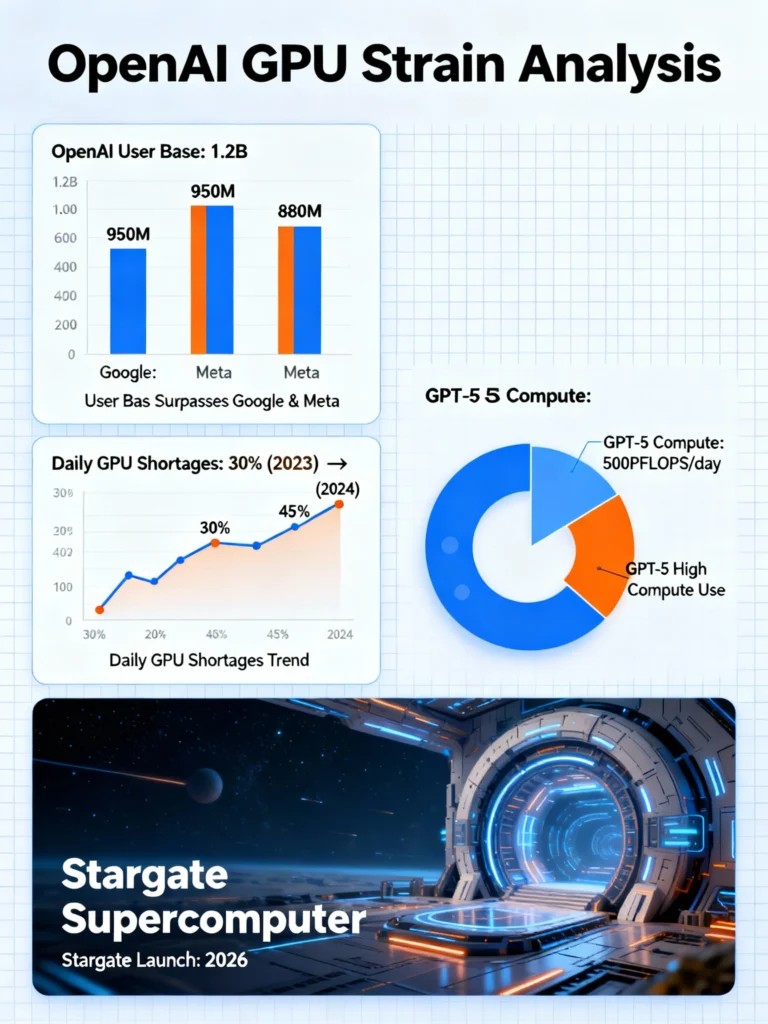
Why OpenAI's Cash Burn and the Global GPU Shortage Matter to You
The headline is blunt: training next-generation AI models is expensive, and the machines that make it possible—high-end GPUs—are in short supply. When a handful of companies are willing to spend unprecedented sums on massive compute clusters, the consequences ripple out to businesses, developers, hobbyists, and everyday users. This story connects finance, hardware, geopolitics, and your phone screen: the intersection of OpenAI's cash burn and a constrained GPU market will shape product prices, cloud bills, innovation timelines, and even which countries lead the next tech wave.
OpenAI GPU training costs
The Basics: Why GPUs Drive Modern AI
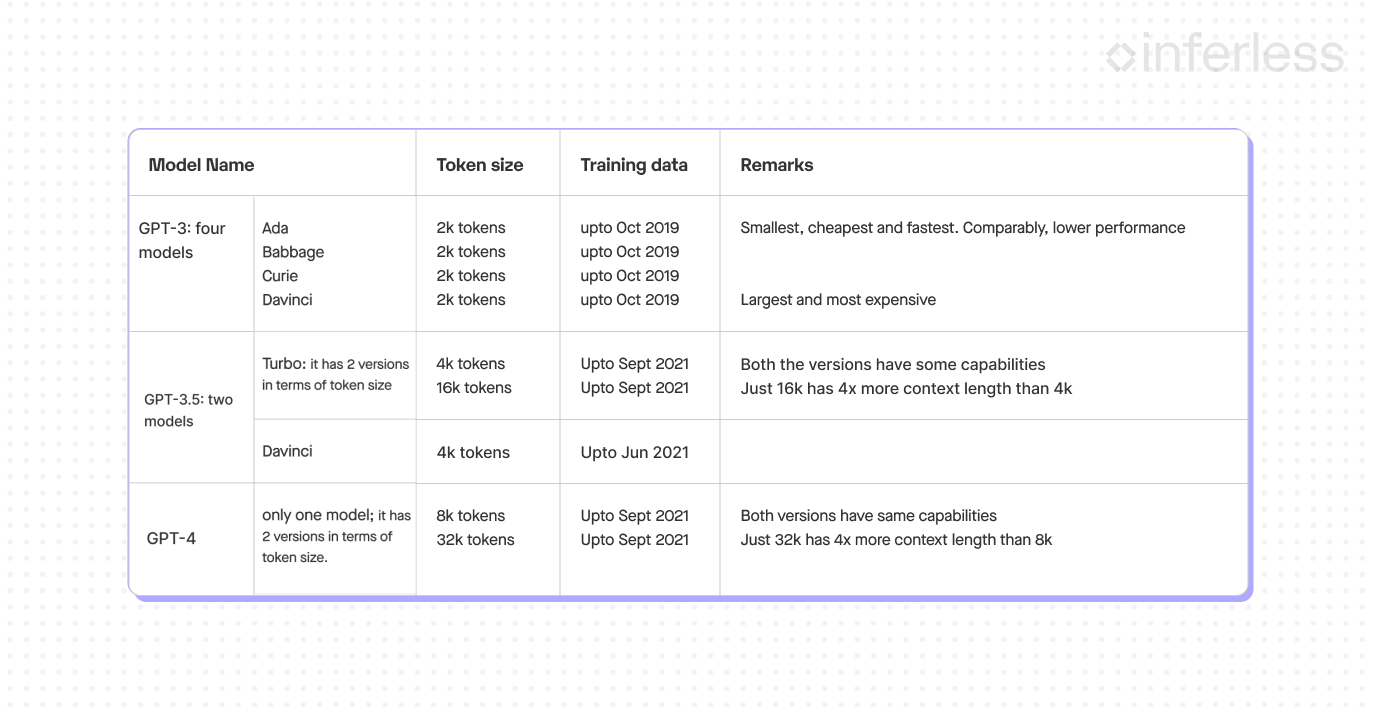
GPUs (graphics processing units) are the engines for modern machine learning. Designed for parallel computation, they excel at the matrix math that underpins neural networks. Training models—the phase when billions or trillions of parameters are adjusted—requires repeated, intensive GPU work. Inference—the act of running a trained model to answer a prompt—also uses GPUs at scale, especially for real-time or high-volume workloads. As models have grown in size and ambition, demand for top-tier GPUs has exploded, outpacing the ability of supply chains to keep up.
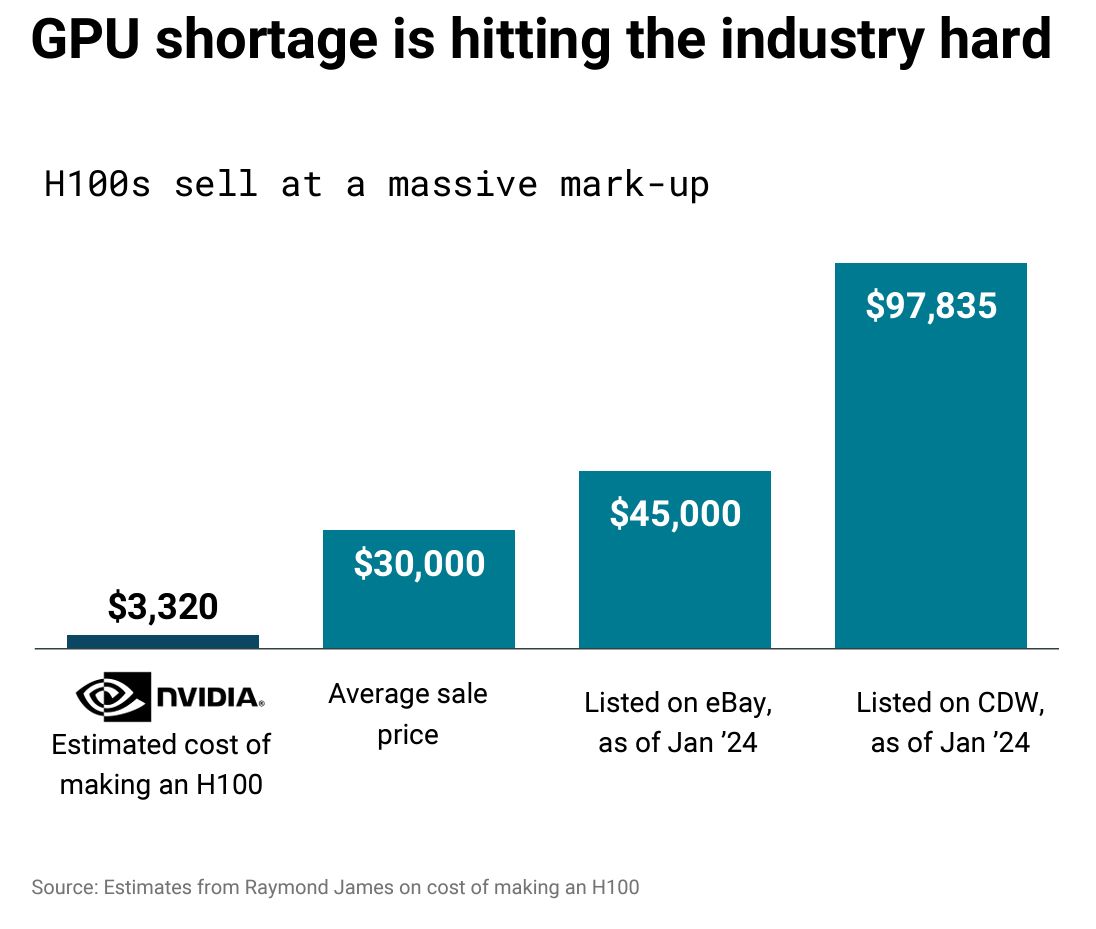
Nvidia H100 GPU shortage
Why supply is tight
Several structural reasons make the GPU market brittle:
- Limited manufacturing capacity: Advanced GPUs rely on cutting-edge semiconductor nodes that are produced by a tiny number of foundries. Lead times can be measured in months.
- Concentrated suppliers: A handful of companies design the highest-performance GPUs and control allocation to cloud providers and enterprise customers.
- Shard demand: Demand comes from diverse buckets—crypto miners (historically), gamers, researchers, hyperscalers, and now AI companies racing to train big models. When one bucket floods the market, others feel it immediately.
- Logistics and geopolitics: Shipping disruptions, export controls, and regional restrictions can amplify shortages and shift inventory unpredictably.
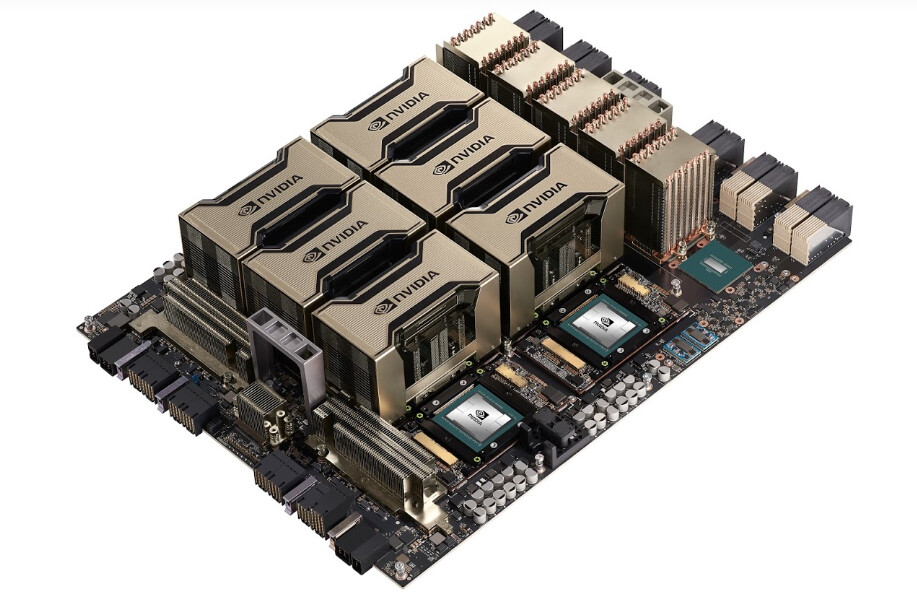
Nvidia A100 GPU shortage
OpenAI's Cash Burn: Not Just PR, But a Market Force
When reports or commentary talk about OpenAI's cash burn, they mean sustained, large-scale investment into compute, talent, and data infrastructure. Even without naming exact budgets, the pattern is clear: training larger and more capable models requires renting or buying thousands of high-end GPUs, plus the networking, storage, and power infrastructure to run them efficiently. When a single organization scales its compute needs by orders of magnitude, it competes directly with every other prospective GPU buyer.
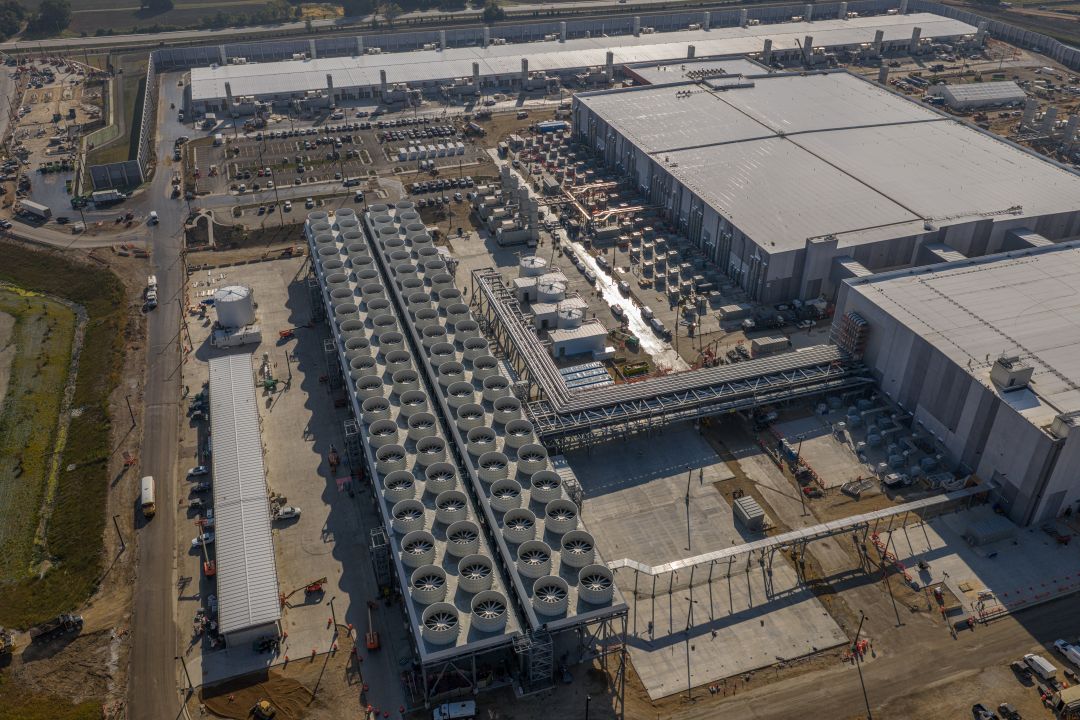
AI compute infrastructure data centers
The more money poured into compute, the tighter the lane for everyone else—startups, cloud customers, and PC buyers alike.
How big buyers change the market
Large buyers have three levers that reshape supply dynamics:
- Priority allocation: Suppliers and OEMs often prioritize big, multi-year customers for limited inventory.
- Pre-paid reservations: Corporations can lock capacity via long-term contracts—reducing the pool of available units for spot buyers.
- Vertical integration: Big players can buy entire racks or data-center deals, accelerating deployments and squeezing spot markets.
The result: smaller players face higher prices and slower access. That pushes some innovation to cloud providers who can offer flexible access, while others are priced out entirely.
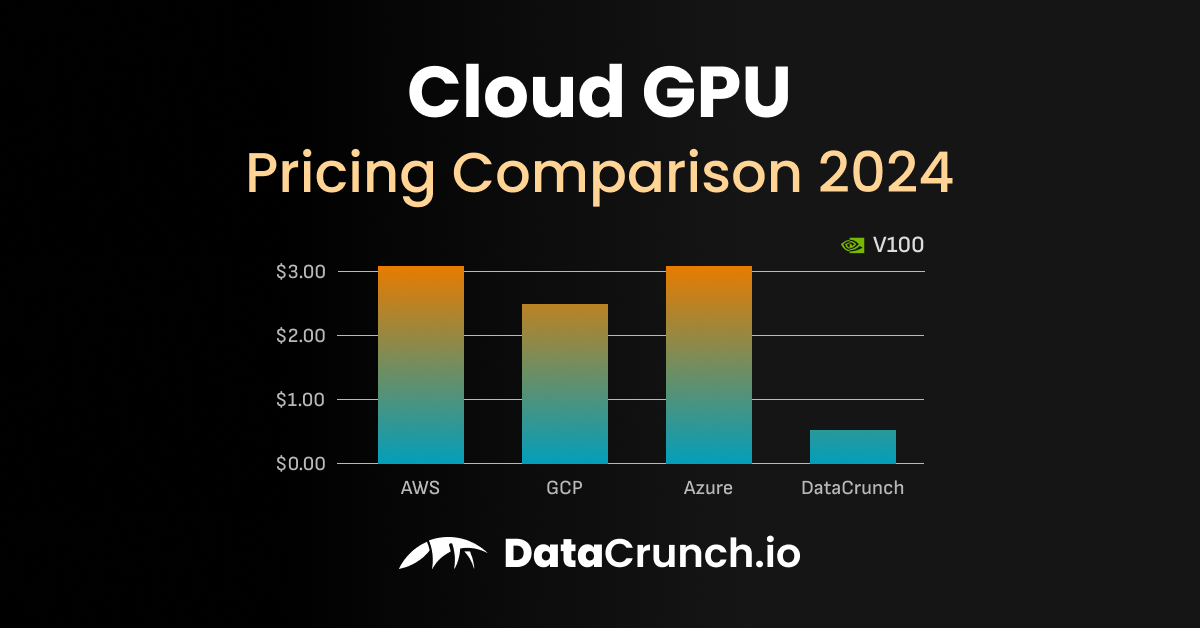
cloud compute GPU pricing
Why This Affects You
At first glance, a company's internal spending decisions may seem remote. In practice, the effects spread through several clear channels.
1) Higher cloud compute prices
Cloud providers compete to secure GPUs so they can offer training and inference services. When demand spikes, cloud firms face higher procurement costs and may pass those costs to customers through higher hourly rates, surcharges, or stricter quotas. For startups and researchers, that means higher bills or more constrained experimental cycles. For enterprises building AI features into products, those costs translate to slower rollouts or higher product prices.
2) Scarcity and higher retail GPU prices
When server-grade GPUs are scarce, some demand bleeds into the consumer market—either through resale, mining repurposing, or speculative buying. That pushes up prices for gamers and creatives who historically used high-end GPUs for rendering, video editing, and gaming. The net effect is a hardware inflation that touches millions of consumers.
AI startup GPU budgeting
3) Startup funding and runway implications
AI startups require substantial compute to train models or fine-tune large pre-trained models. When compute costs spike, translation from funding to product development becomes less efficient. Burn rates that looked reasonable during abundant supply can suddenly strain runway. Investors know this: higher capital requirements can make fundraising harder for early-stage teams and push venture dollars toward fewer, bigger bets.
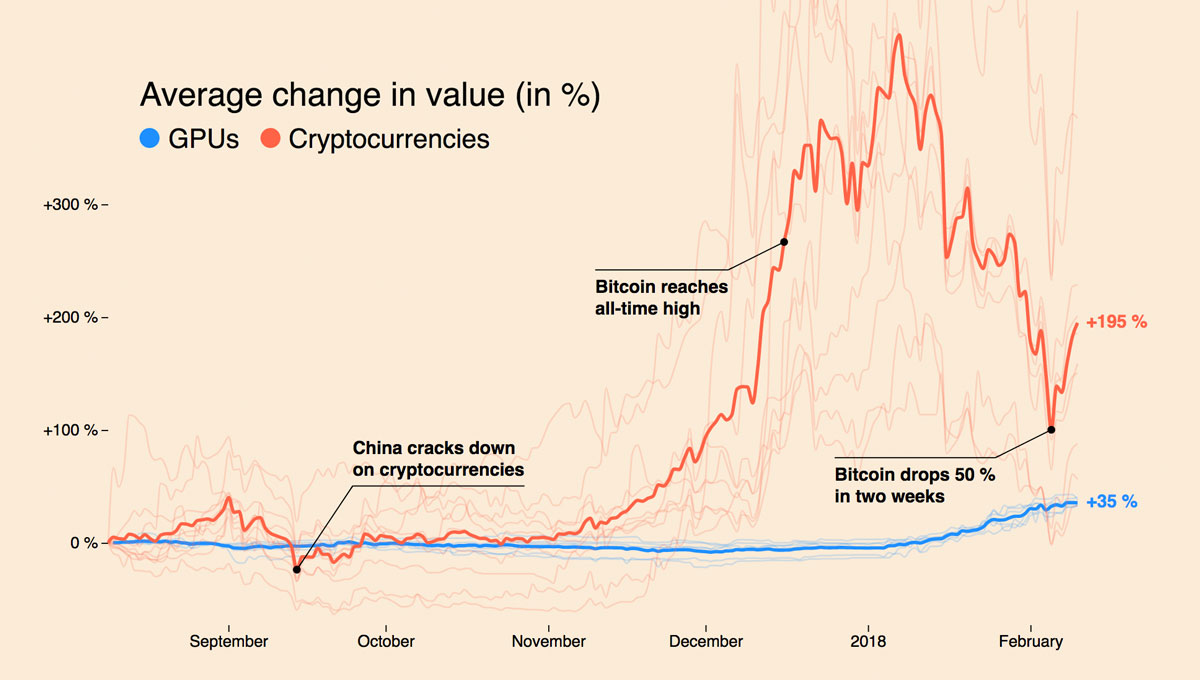
consumer GPU price surge
4) Slower product innovation
If training new models becomes massively more expensive, companies may delay iterative experiments or defer launching compute-heavy features. That can slow the pace of product improvements users expect—everything from smarter search to real-time video understanding. The industry can take two paths: optimize models to be cheaper, or push more functionality to centralized, expensive servers.
Wider Consequences: Energy, Location, and Policy
Compute is not only expensive in dollar terms—it's also energy-intensive. Large-scale GPU deployments increase demand for reliable power and efficient cooling. Data centers expand where power is cheap and regulatory environments are favorable. That has geopolitical implications: countries and regions that secure favorable infrastructure and skilled engineers will attract more AI investment, potentially widening global technology divides.
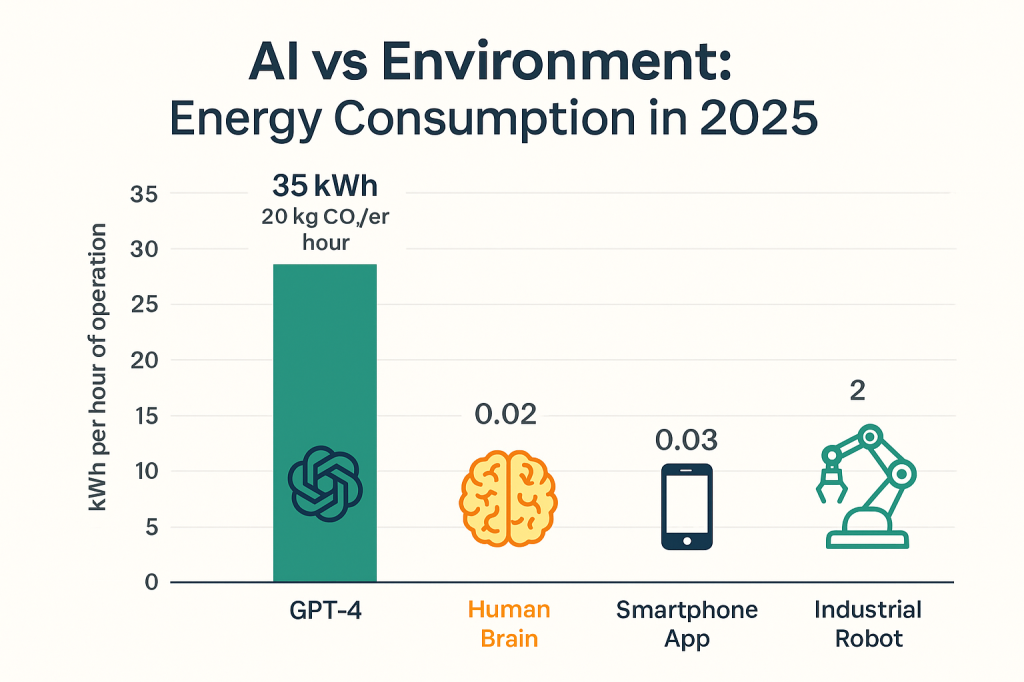
AI model training energy consumption
Regulatory and security considerations
Because high-performance GPUs are strategically important, they can fall under export controls and national security rules. Policymakers watch who has access to advanced compute—and restrictions can limit global markets or force manufacturers to divert supply. That amplifies scarcity for buyers in affected regions and complicates global trading relationships.
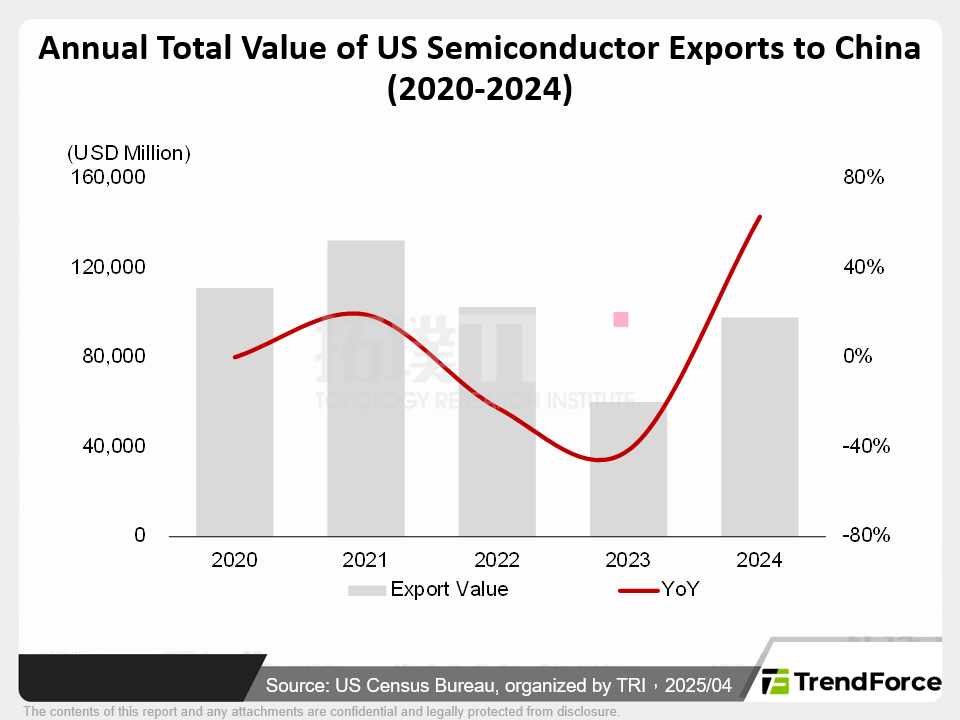
GPU export controls geopolitics
What Companies and Consumers Can Do
There are practical responses across the ecosystem—some defensive, some opportunistic.
For startups and engineering teams
Optimize before you scale. Consider model distillation, quantization, and efficient architectures that reduce GPU hours. Use hybrid strategies: train once in high-cost environments and deploy optimized models to cheaper inference hardware. Negotiate multi-cloud or reserved capacity deals if predictable volumes make that cost-effective. Finally, show investors conservative compute assumptions—explain how higher GPU pricing affects milestones and timelines.

AI compute market competition
For cloud customers and enterprises
Inventory your dependency on specific GPU classes. If your stack requires the very latest chips for latency-sensitive inference, plan for premiums. Alternatively, evaluate software and orchestration that allow fallbacks to cheaper hardware when possible. Consolidate workloads into reserved clusters to gain pricing leverage, and consider geographical flexibility to access more favorable capacity.
For consumers and hobbyists
Expect higher retail GPU prices to persist while the market rebalances. If a new GPU cycle matters to your work, plan purchases around known product launches or wait for retail inventory to stabilize. Consider cloud workstation offerings where occasional access to high-end GPUs can be cheaper than owning top-tier hardware outright.
Where Innovation Can Help
Scarcity often accelerates creative solutions. Several technical trends reduce dependence on raw GPU hours:
- Model efficiency: Techniques that maintain performance while cutting compute can compress costs dramatically.
- Specialized accelerators: New chip designs—TPUs, custom ASICs, and domain-specific accelerators—can outperform GPUs for certain tasks, diversifying supplier risk.
- Federated and on-device compute: Shifting some work to user devices reduces central GPU demand, though it introduces complexity around privacy and heterogeneity.
These trends suggest that the long-term picture is not a permanent chokehold. Short- to medium-term disruption is likely, but market incentives will push innovation toward reduced compute intensity and new hardware diversity.
Investor and Policy Implications
Investors must reassess capital assumptions. Businesses that modeled moderate GPU pricing into unit economics could face margin pressure. Venture capital may tilt toward companies that demonstrate efficiency, strong engineering, or proprietary hardware partnerships. On the policy side, governments will weigh how to regulate exports without stifling domestic industry. Closer coordination between industry and regulators can reduce shocks, but it requires transparency and planning.
Real-World Scenarios: What You Might See
Here are plausible outcomes to watch for in the coming months:
- Cloud price adjustments: Providers announce tiered pricing, quotas, or priority access for large customers.
- Hardware prioritization: OEMs favor enterprise deals over retail bundles, shrinking consumer availability.
- Investor caution: Smaller AI startups delay fundraising or pivot to software layers that need less training compute.
- Regional competition: Nations invest in domestic chipmaking and data center capacity to avoid dependence on foreign supply chains.
Conclusion: The Shortage Is Everyone's Problem
The confluence of aggressive compute spending and constrained GPU supply creates a market where big buyers can move the needle—and that ripple affects product prices, startup viability, and who gets to play in AI's future. For individuals, it might mean paying more for a graphics card or seeing slower product improvements. For businesses, it means rethinking budgets and architectural choices. For policymakers and investors, it demands strategic thinking about infrastructure and resilience.
But scarcity breeds ingenuity. Engineers engineering around cost, new chip designs, and smarter software will dampen pressure over time. The near-term question is not whether the shortage will matter—it already does. The more important challenge is how companies, governments, and communities respond. Those responses will shape not only who controls compute, but who benefits from the next generation of AI.
- Large-scale compute spending tightens a already-constrained GPU market, raising prices and delaying access.
- Cloud customers, startups, and consumers will feel the impact through higher costs, slower innovation, or reduced availability.
- Model efficiency and alternative accelerators are practical long-term solutions, but short-term disruption is likely.
This article explains market dynamics and practical steps; it does not provide financial or investment advice.