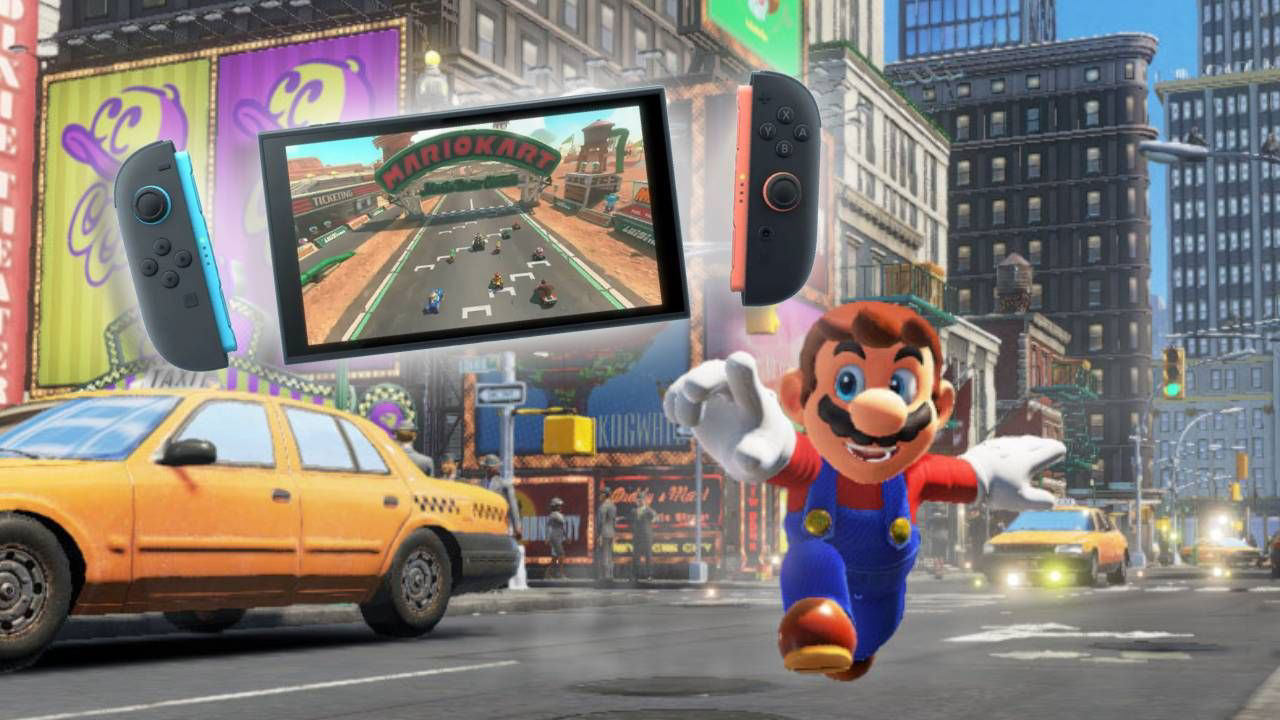
Why Nintendo Is Suing the U.S. Government Over Tariffs
When a beloved consumer brand with a near-century of history decides to take on its own government in court, the headlines stop being about hardware cycles and start being about how international trade policy shapes everyday life. Nintendo's lawsuit alleging that certain U.S. import tariffs improperly classify and tax components for its consoles and accessories is surprising on the surface: this is a company known for creative game design, not courtroom pugilism. But beneath the headlines is a tangle of classification rules, repair economics, and strategic business choices that explain why a gaming giant would roll its legal dice.
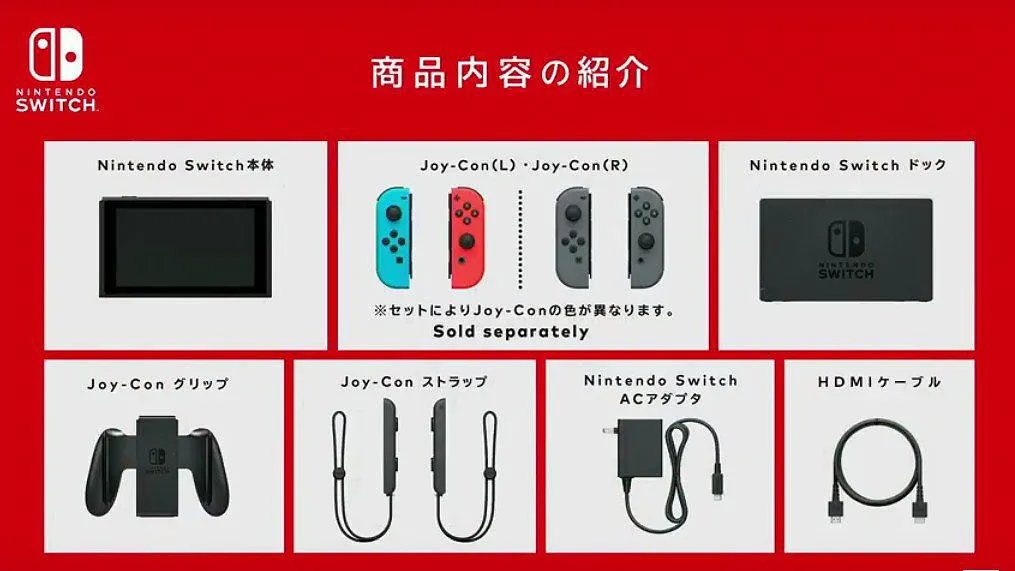
Nintendo Switch console components
The lead: a narrow legal fight with wide consequences
At the heart of the dispute is technical but consequential: how customs officials classify goods entering the United States. Small differences — whether a product is labeled a "video game console," an "electrical machine," or a "storage device" — can mean the difference between a low duty rate and a significantly higher one. According to Nintendo's complaint, a new tariff schedule (or an applied interpretation of an existing schedule) has caused certain replacement parts, accessories and even cartridges to attract higher duties than they should, raising costs for consumers and complicating Nintendo's service and repair operations.
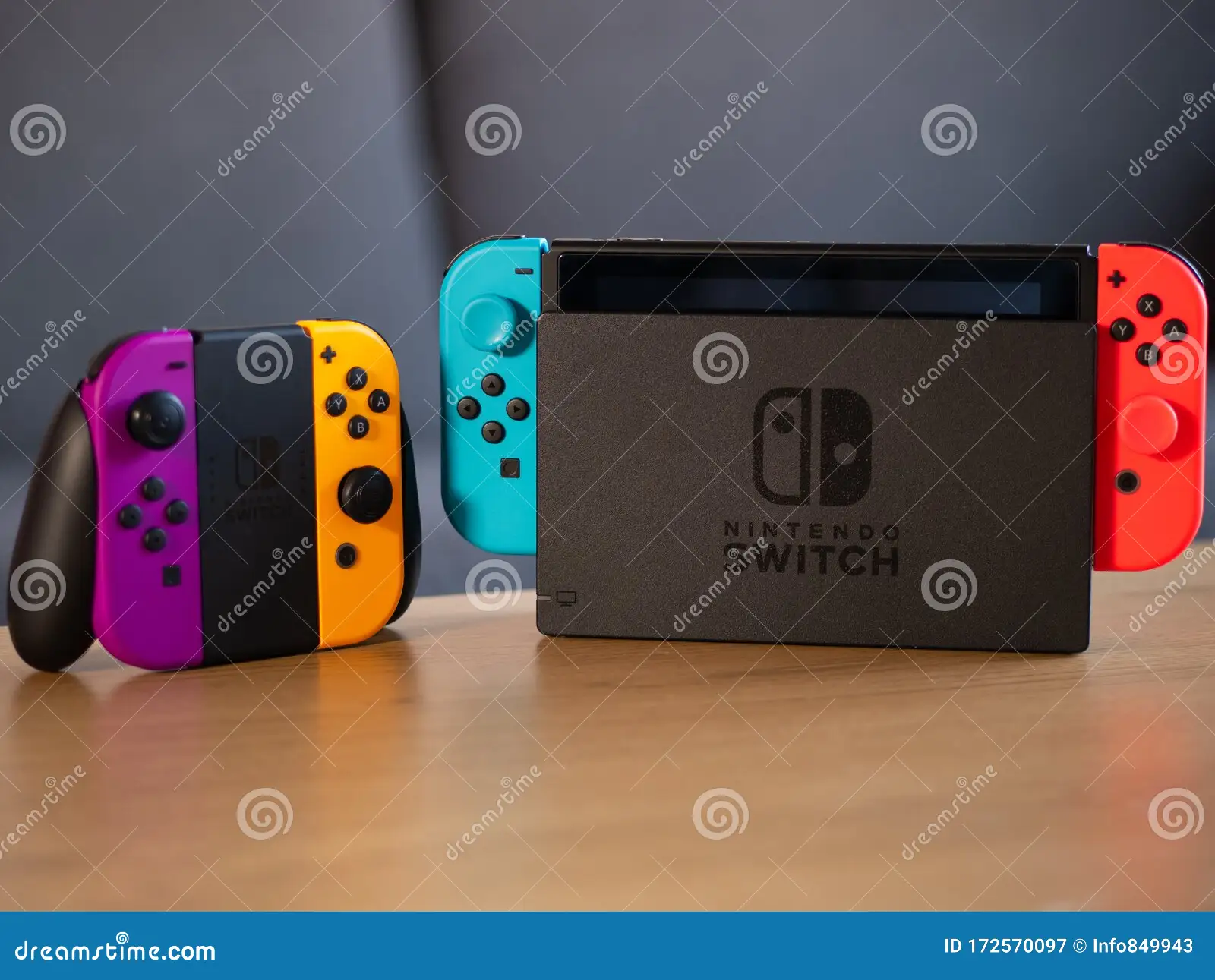
Nintendo Joy-Con controllers on table
The surprise isn't that corporations litigate over taxes. It's the stakes and the ripple effects: this challenge signals how tariffs affect not only corporate margins but product longevity, repairability, environmental footprint, and the economics of independent repair shops and distributors.
When trade rules change, the cost of a controller, a Joy-Con repair, or a replacement cartridge can move from pocket change to meaningful expense for families and small businesses.
How tariffs and classification work — a quick primer
Customs duties are applied according to the Harmonized Tariff Schedule, a taxonomy that assigns a numerical code to imported goods. That code maps to a duty rate and sometimes to exclusions or special measures. For multinational manufacturers, classification isn't merely technical bookkeeping: it influences pricing, supply-chain routing, and even product design.
Some tariffs are blunt instruments designed to protect domestic industries or to respond to unfair trade practices. Others are technical: spare parts may be exempt or lightly taxed to encourage repair, while finished electronics may face higher rates. Importantly, classification can be contested. Companies routinely seek rulings from customs authorities for predictable treatment; when those rulings change or are interpreted differently, it's not unusual for affected businesses to litigate.

US Court of International Trade building
Why Nintendo cares more than you might expect
For Nintendo, the problem is not simply a few percentage points on a shipment. The company operates a global business that sells consoles, games, accessories and services. Some of its unique characteristics amplify the effect of tariffs:
- Long product lifecycles. Nintendo supports hardware and software for many years; when tariffs apply to replacement parts, it raises the lifetime cost of ownership for players and complicates aftercare obligations.
- High-margin accessories and legacy parts. Accessories, classic cartridges or cartridges for newer hybrid consoles can be small items with large cumulative volume; higher duties can materially affect pricing strategies.
- Repair and refurbishment programs. Nintendo's repair centers and authorized service partners manage parts inventories; unexpected duty increases disrupt inventory economics and can force price changes or limited service availability.
- Brand and consumer trust. Nintendo's brand relies on a consistent consumer experience. Sudden price swings for necessary parts or delays in service undermine that experience.
Put simply: the interplay of classification and volume makes even a modest tariff shift into a business problem worth litigating.
Customs classification of video game hardware
The legal theories likely at play
Tariff litigation often revolves around precise statutory and regulatory frameworks. While each case is unique, there are common legal avenues companies use:
- Misclassification claims. Arguing that customs applied the wrong tariff heading or subheading.
- Arbitrary and capricious agency action. Under administrative law, firms can challenge regulatory decisions that lack a rational explanation or deviate from precedent without reasoned analysis.
- Due process or equal protection arguments. These arise when plaintiffs assert unfair or inconsistent treatment compared with other similar imports.
- Requests for interim relief. Companies often ask for preliminary injunctions or bond adjustments to mitigate immediate economic harm while the legal dispute plays out.
Importantly, tariff disputes frequently land at the U.S. Court of International Trade or go through a customs ruling revision process. Those forums are technical, and outcomes hinge on statutory interpretation, legislative history, and the specific physical characteristics of goods.
The "surprising" reason: protecting repairability and consumers
What sets Nintendo's complaint apart — and what makes the reason surprising to many observers — is its emphasis not purely on corporate margins but on the downstream impact for consumers and repair networks. Nintendo frames the case as protecting consumer access to affordable repairs and preserving the long-term serviceability of its products.
This angle reframes a tariff dispute from a narrow corporate tax fight into a public-interest story. By highlighting repair costs, aftermarket availability and the vitality of authorized and independent repair shops, Nintendo's legal strategy invites empathy from consumers and regulators alike. It’s a clever posture: the company is simultaneously defending its balance sheet and staking a claim to be a guardian of product longevity.
Economic ripple effects: who wins and who loses
Tariffs ripple outward. Consider three groups especially affected by this dispute:
- Consumers. Higher tariffs on parts lead to higher repair costs or longer wait times for service. For families with multiple players, that can translate to meaningful household expense.
- Independent repair shops and resale markets. These small businesses operate on thin margins. Duty increases on replacement components can make repairs uneconomical and throttle local businesses.
- Retailers and distributors. Unexpected duty adjustments force price re-labeling, inventory write-downs, and strained relationships between suppliers and retail partners.
For Nintendo, winning the case could restore predictable costs and protect the aftermarket economics that support customer satisfaction. For the government, defending the tariff could be about preserving policy integrity and the precedents that underlie a range of trade measures.
Gaming industry tariff impact on consumers
Strategic calculations: why litigate, not lobby?
Corporations often lobby for tariff relief. Litigating is a different signal. Lawsuits are public, adversarial and can create binding legal rulings that reach beyond a single company. There are several reasons Nintendo may have chosen the courtroom:
- Speed and finality. Administrative revisions and lobbying cycles can be slow. A court ruling can create a durable legal precedent.
- Scope. A successful suit can affect an entire product category, not just a temporary or narrowly scoped exemption.
- Public narrative. Litigation lets Nintendo craft a narrative around consumer harm and repair access, which can sway public opinion and build political pressure.
Litigation is riskier but can be more impactful. Nintendo’s move suggests the company judges the potential benefits — legal clarity, restored margins, reputational gains — to outweigh the financial and reputational costs of a public fight with government agencies.
What a victory for Nintendo would mean
If Nintendo prevails, the decision could have structural effects:
- Revised classifications. Customs might be directed to classify certain hardware components under different tariff headings, lowering duties.
- Precedent for other manufacturers. Other electronics firms could use the ruling to contest duties on similar parts, potentially reshaping duty flows across the sector.
- Lower repair costs. Consumers and repair shops could see immediate benefits in pricing and service availability.
Even a partial victory or negotiated settlement might produce a durable administrative ruling or policy change that gives the industry more predictability.
What a loss for Nintendo would mean
Conversely, a loss would underscore the government’s leeway in classifying imports and potentially validate broader tariff strategies. Practical consequences would include higher ongoing costs, possible shifts in where Nintendo and others source parts, and pressure to alter product architecture to avoid costly classifications.
Industry-wide, an adverse ruling could chill challenges to similar tariff applications and compel companies to absorb costs, pass them along to consumers, or redesign products to avoid problematic classifications.
Broader implications for trade policy and corporate strategy
Nintendo's case is more than a company protecting its margins. It is a microcosm of how globalization’s technical mechanisms intersect with consumer experience. The litigation highlights several enduring tensions:
- Transparency versus discretion. Customs classifications are complex and sometimes opaque, which creates uncertainty for businesses.
- Policy design versus practical outcomes. Tariffs meant to address unfair competition can have unintended consequences for consumer-facing companies and their ecosystems.
- Corporate activism. Firms can and will use litigation to shape public policy when regulatory channels seem insufficient.
As governments continue to leverage trade tools for strategic policy goals, corporate responses will become more legally sophisticated and public-facing.
How consumers and policymakers should think about this
The story matters because it helps reframe trade debates away from abstract macroeconomic numbers and toward tangible, everyday outcomes. Policymakers should consider three principles:
- Clarity. Clearer classification rules and published guidance reduce costs for businesses and consumers.
- Proportionality. Trade measures should be tailored to remedy specific harms without imposing undue burdens on unrelated downstream industries.
- Repair-friendly policy. Encouraging repair and refurbishment promotes sustainability and consumer welfare; tariffs that undermine repairability warrant careful scrutiny.
For consumers, the practical lesson is simple: trade policy is not a distant abstraction. It is written into the price tags and service options for the devices we use every day.
Key considerations for other companies
For manufacturers and importers, Nintendo’s lawsuit is a reminder to audit classification risk, have contingency plans and consider litigation as part of a broader advocacy toolkit. Companies should:
- Proactively seek binding rulings. Advance rulings from customs authorities provide predictability.
- Document supply-chain economics. Detailed cost models strengthen claims about consumer harm and economic impact.
- Engage the public narrative. Framing disputes around consumer welfare and repairability can build broader support.
Conclusion: Why this case matters beyond Nintendo
This lawsuit is a reminder that seemingly arcane administrative rules have real-world consequences. Whether Nintendo wins or loses, the case will be watched by other electronics makers, independent repair shops, consumer advocates and trade lawyers. It exposes how trade policy shapes product architecture, repair ecosystems and consumer prices — and it shows that corporate strategy increasingly blends legal action with public messaging to shape the policy environment.
In the end, the dispute is about more than a line in the tariff schedule. It is about whether the rules that govern global commerce will protect a predictable marketplace for consumers and small businesses, or whether discretion and shifting trade priorities will make everyday devices more expensive to own and keep working. That is why a video game company suing the government can have implications that extend far beyond the game room.
- Classification matters: How customs categorize components can affect consumer prices, repairability and business models.
- Litigation as strategy: Suing can secure broader, more durable changes than behind-the-scenes lobbying.
- Policy impact: The case highlights the tensions between trade policy aims and day-to-day consumer impacts.