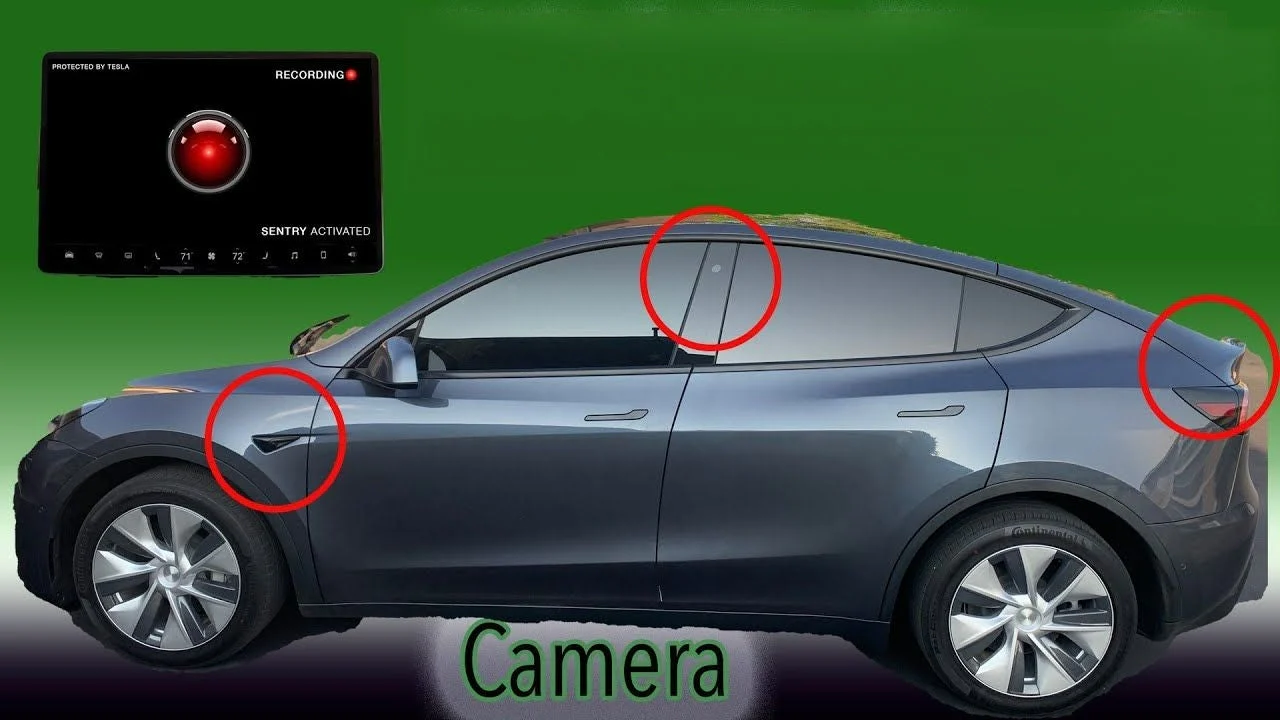
Why My Tesla's Wipers Fail: Cameras Replaced the Rain Sensor
I was idling at a red light when the sky opened up and my Tesla kept pretending it was a dry day. The windshield blurred with rain, drops raced down the glass, and yet the car's automatic wipers remained asleep. It was a small, ordinary inconvenience—except it wasn't. It pointed to a design choice under the hood of many modern vehicles: the decision to use existing cameras and software to detect rain instead of a dedicated, purpose-built rain sensor.
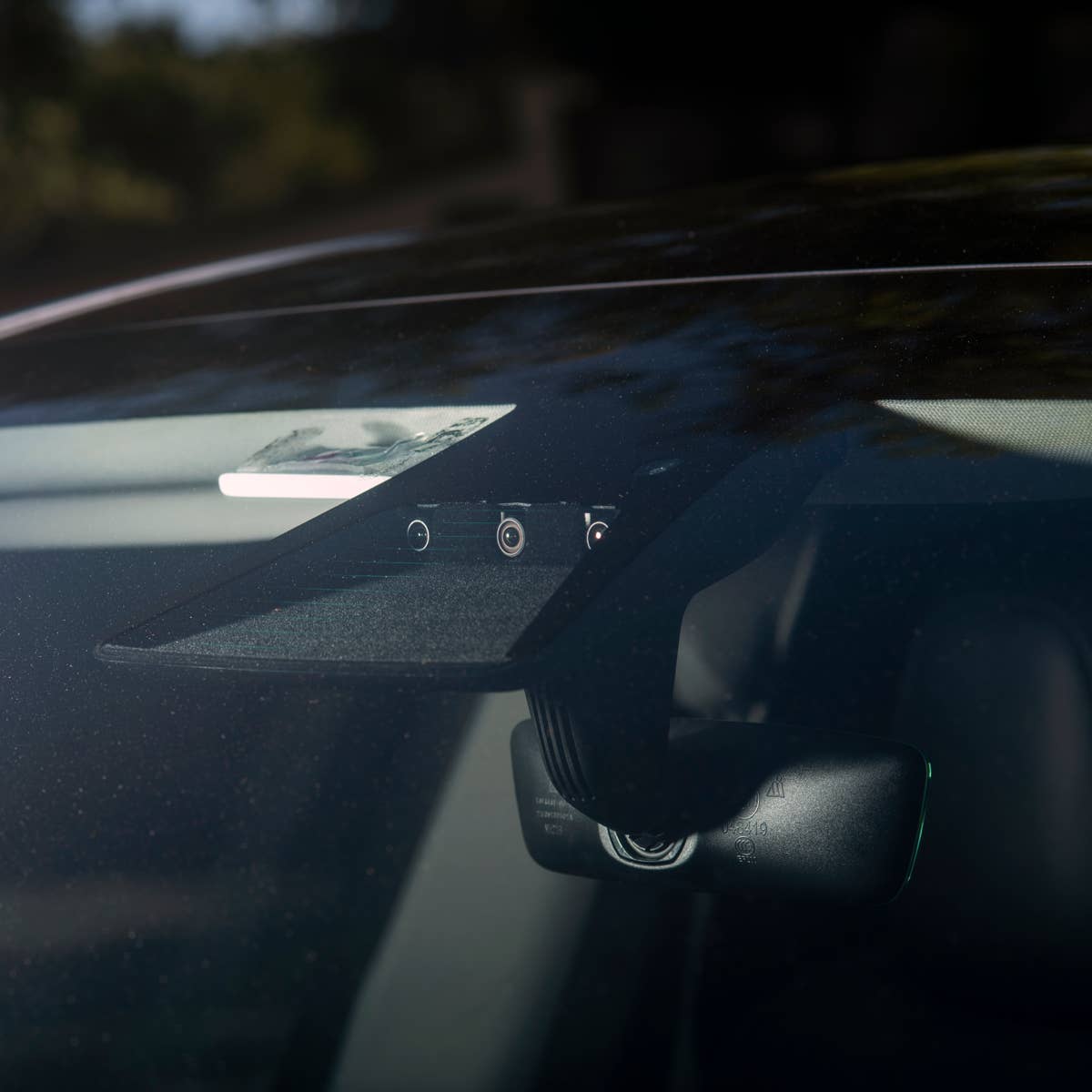
Tesla forward facing cameras
The change is subtle, but its consequences can be very visible. Automakers like Tesla have been quietly moving toward camera-first approaches for many functions that once relied on specialized hardware. This trend makes sense on paper: reduce component cost, simplify lines in the factory, and reuse the powerful computer vision systems installed for driver assistance. In practice, however, using cameras to decide whether to activate automatic wipers introduces a new set of failure modes—and when it fails, the experience is jarring.
When a software-driven camera thinks it's not raining, a driver sees smudged vision; what looked like a cost-saving feature becomes a safety nuisance.
How Automatic Wipers Used to Work
For decades, automatic windshield wipers were anchored by a simple dedicated device: the rain sensor. Traditional rain sensors are optical units, usually mounted behind the rearview mirror, that shine an infrared or near-infrared beam at the windshield. When water is present on the glass the beam refracts differently and the sensor detects the change, instantly signaling the wiper module to begin operating. These sensors are cheap, reliable, and designed specifically for the task of detecting moisture on the windshield.
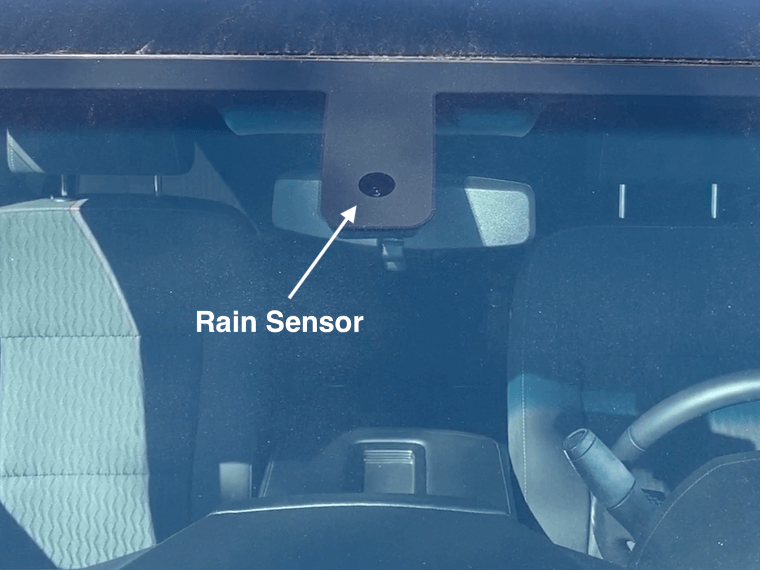
car rain sensor installation
Their strengths are clear: tuned sensitivity, rapid response to droplets, and low latency. They are usually independent of the vehicle's other perception systems—meaning a failure in the camera array or the car's main computer won't disable rain detection. When properly calibrated they work across a wide range of light conditions and are largely immune to cosmetic damage on the vehicle's exterior.
Tesla's Camera-First Approach
Tesla's philosophy, as with many of its design choices, emphasizes software over dedicated hardware. The company has invested heavily in forward-facing cameras and neural networks to power Autopilot, lane-keeping, traffic sign recognition, and more. Reusing that same sensor suite to detect precipitation seems efficient: the cameras already see the road and the windshield, and the car's central computer already processes camera feeds for other tasks.
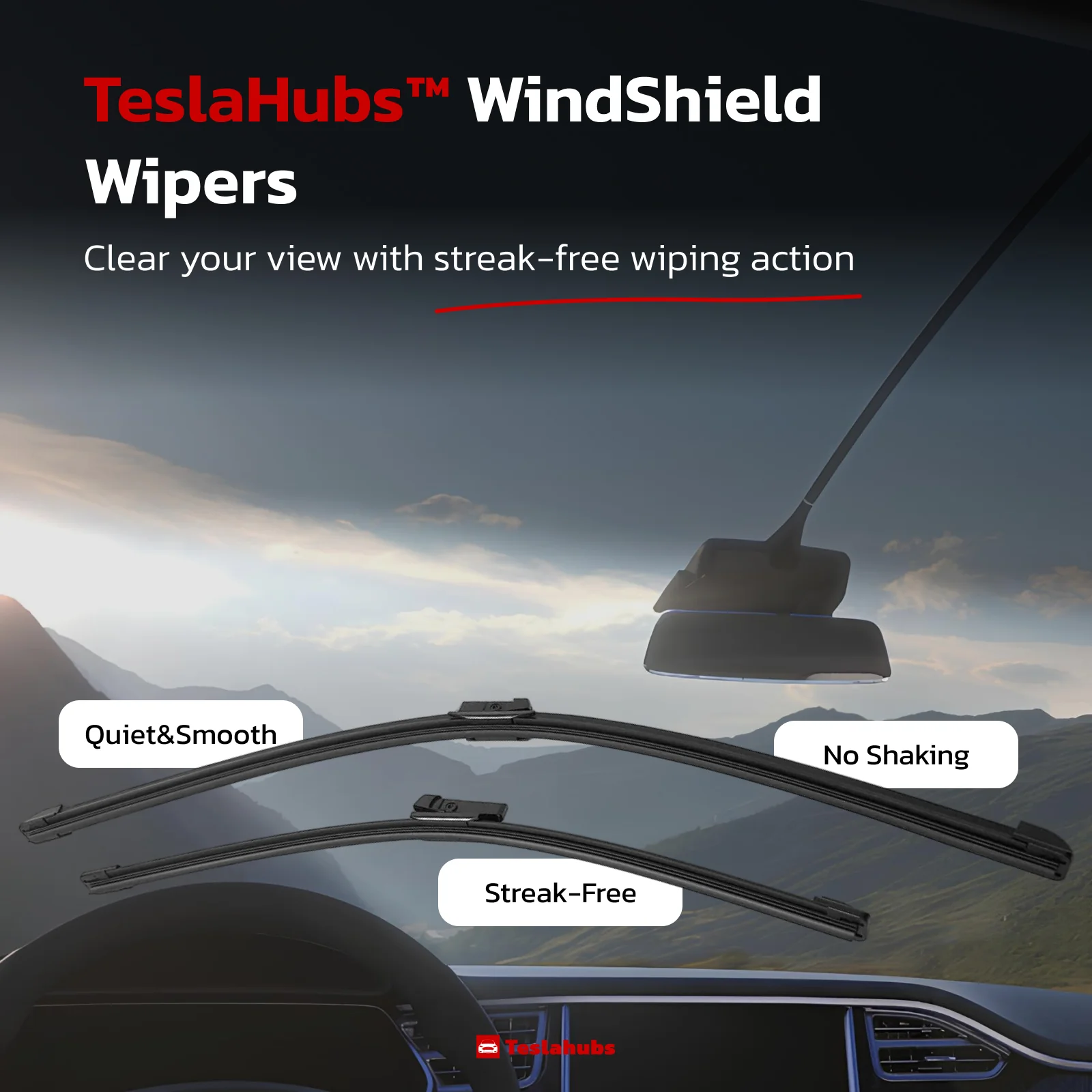
Tesla windshield wipers
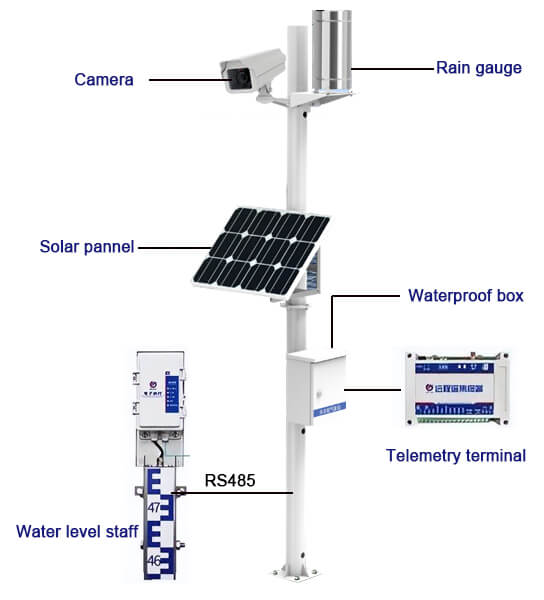
Under a camera-based system, vision algorithms analyze video frames for signs of rain. That can mean looking for streaks on the glass, changes in contrast and clarity, or the motion of raindrops. Machine learning models trained on thousands of images can identify patterns consistent with precipitation and infer when wipers should run. The benefit is flexibility: one sensor and one software stack can perform many roles without the extra bill-of-materials cost of a separate rain sensor.
camera based rain detection
Why Camera-Based Detection Can Fail
But cameras are not specialized rain detectors. They see the world the way a driver does: influenced by lighting, reflections, dirt, windshield coatings, and the angle of the sun. That creates several reasons a camera-first system might miss rain:
- Low-contrast precipitation — Light drizzle, mist, or fine spray can be nearly invisible to a camera sensor, especially in low-light or high-glare situations.
- Obstructions and smears — Road grime, wax, or hydrophobic coatings can change how droplets form and obscure the camera's view, confusing the model.
- Glare and reflections — Headlights, streetlights, or sun reflections create patterns the algorithm can misinterpret as clear glass.
- Different windshield geometries — Variations in glass curvature, tint, and wiper sweep area can alter visual cues used by an algorithm trained on a limited dataset.
- Software thresholds tuned to avoid false positives — To prevent wipers from triggering sporadically in light spray or on wet roads where the windshield is mostly clear, systems may be conservative—leading to false negatives when you want the wipers on.
Those failure modes explain the scene I described at the start: the car's cameras saw a windshield that, to the model, still read as clear enough to keep the wipers off. To a human sitting behind the wheel, that's a clear mismatch between perception and need.
Real-World Reports and User Experience
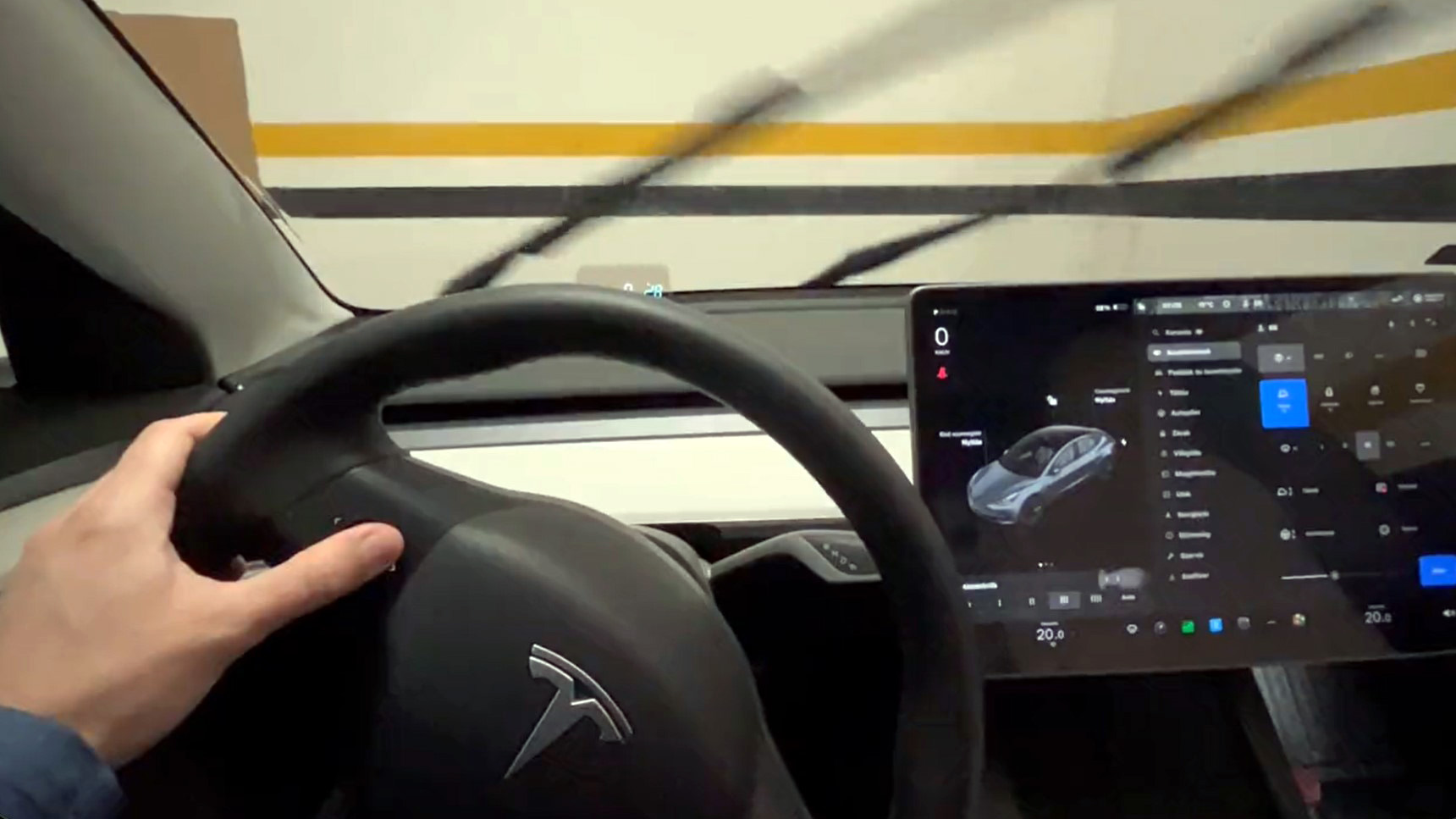
Across owner forums and social media, owners describe near-identical experiences: the wipers lag, won't engage automatically in light rain, or act inconsistently in mixed conditions like highway spray. Many users report that the manual wiper controls are their short-term remedy—switch to intermittent or on—and that a firmware update sometimes improves performance, only for the issue to reappear after another change.
Tesla manual wiper controls
Those anecdotes align with what one would expect from a software problem: periodic improvements, shifting behavior across versions, and edge cases that persist despite general improvements. Where a dedicated sensor would show consistent, hardware-level detection, software-based systems evolve with training data and model updates—and occasionally introduce new blind spots.
Safety and Regulatory Considerations
Switching detection methods isn't just an engineering choice; it has safety implications. Automatic wipers play a direct role in maintaining visibility, which is a crucial factor in accident prevention. If a driver expects the car to handle rain automatically and the system underperforms, that expectation gap can increase risk.
Regulators look at system-level safety. For any feature that affects driver visibility or vehicle control, manufacturers must demonstrate acceptable performance across conditions. That doesn't necessarily mandate a specific sensor type, but it does require robust validation. A camera-based system can meet or exceed those standards—but only if tested extensively across light levels, precipitation types, windshield treatments, and global climates.
Caution Expecting any camera-only system to be flawless in every condition is unrealistic. Drivers should remain prepared to manually intervene when visibility is compromised.
Troubleshooting: What Drivers Can Do Today
If your Tesla—or any camera-driven car—fails to detect rain reliably, there are practical steps you can take immediately:
Quick fixes
- Manually control the wipers: Use the stalk or touchscreen controls to set intermittent or continuous wiping when you encounter rain.
- Keep your windshield and cameras clean: Regularly clean the area around the rearview-mirror mounting and the camera housings. Residue on glass can confound vision algorithms.
- Disable automatic wipers if possible: Some cars allow you to turn off auto-wiper behavior in settings. This may be preferable in climates where the algorithm struggles.
Maintenance and calibration
- Service center check: Have the cameras inspected for angle and firmware updates. A misaligned camera can affect many functions, not just wipers.
- Windshield treatment choices: Be cautious with aftermarket hydrophobic coatings; they change drop patterns and can make camera-based detection less reliable.
- Report bugs: Use the automaker's in-car reporting tools (like Tesla's bug report function) to log incidents with time, location, and conditions. Aggregated driver reports help engineers prioritize problem areas.
Design Tradeoffs: Cost, Complexity, and User Expectations
The decision to omit a dedicated rain sensor reflects a classic engineering tradeoff. Pros include lower parts cost, fewer wiring harnesses, and the ability to improve detection through over-the-air software updates. A single camera system can also enable richer context—distinguishing between road spray and actual rain, for instance—if the models are accurate enough.
sensor fusion automotive technology
On the flip side, software upgrades can't fully compensate for the advantages of specialized hardware in all cases. A dedicated rain sensor is purpose-built for detecting moisture and tends to be more consistent across conditions that confuse camera systems. For users, consistency is often more valuable than occasional sophistication. A wiper that reliably turns on in drizzle is better than a smarter one that sometimes fails in the drizzle.
- Lower hardware cost and simpler assembly.
- Upgradable behavior through software and machine learning.
- Multi-purpose sensors reduce redundancy—same cameras used for many functions.
- Edge-case failures in low-contrast precipitation and glare.
- Inconsistent user experience across firmware versions and climates.
- Dependence on complex software that requires continuous validation.
What Manufacturers Could Do Better
Improving the reliability of camera-based rain detection is possible and should be a priority if manufacturers plan to continue with sensor consolidation. Concrete steps include:
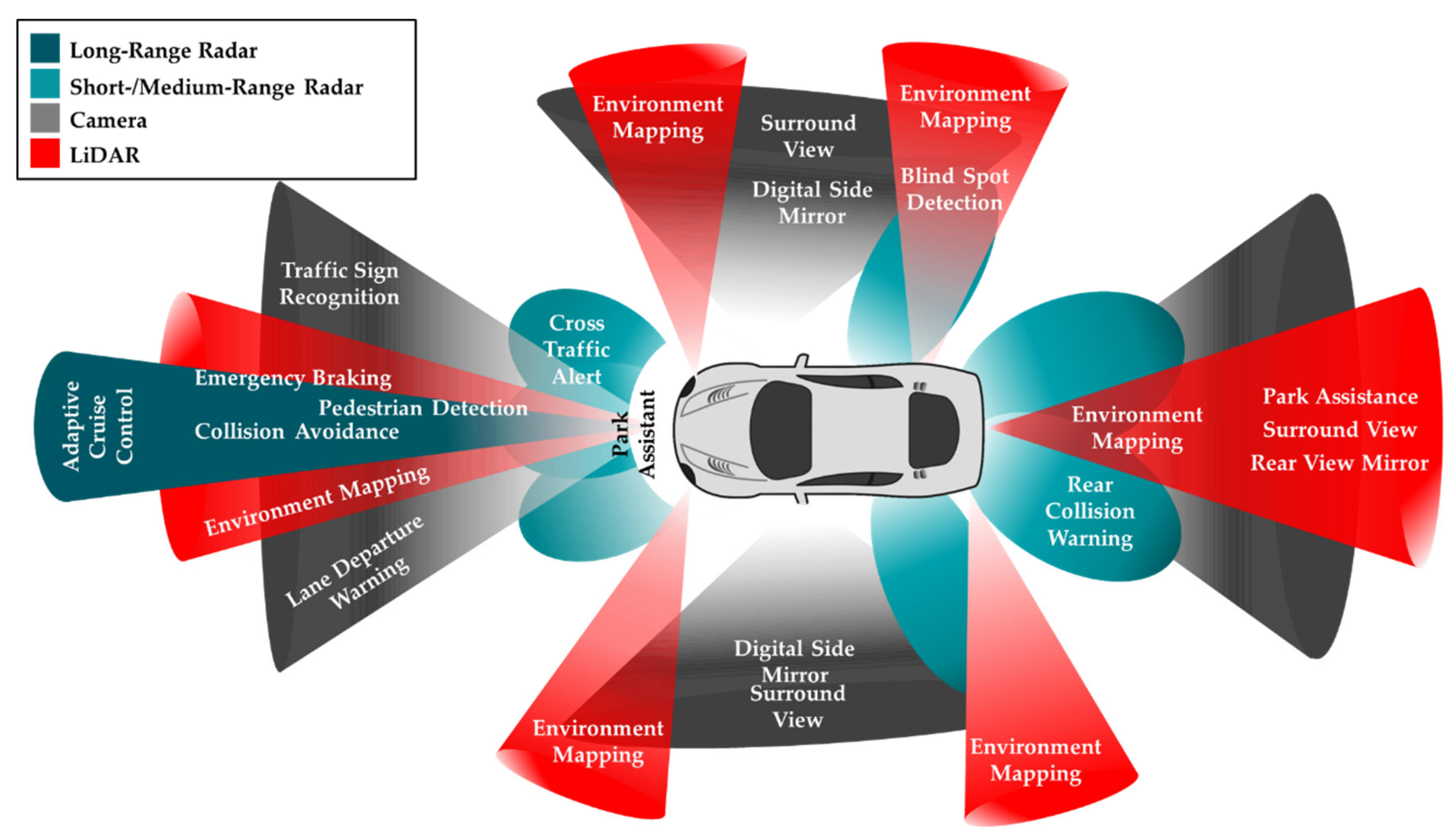
- Sensor fusion: Combine camera data with low-cost moisture sensors or capacitive sensors to get the best of both worlds.
- Broader training data: Train models on images collected across diverse climates, windshield types, and coatings to reduce blind spots.
- Clear user controls and expectations: Give drivers an obvious manual override and transparent settings for auto-wiper aggressiveness.
- Regular validation: Include rain-detection performance in safety validation cycles and publish metrics so that consumers and regulators can assess real-world performance.
The Bigger Picture: Software-First Vehicles and Human Trust
This is a microcosm of a broader shift: cars are becoming defined more by software than by hardware. That shift brings value—features that improve over time, personalization, and richer automation. It also creates a new relationship with the driver: trust in systems that can change with an overnight firmware push.
When that software misreads a common condition like rain, the result is frustration. And in a higher-stakes scenario, reduced visibility could contribute to an accident. The industry needs to ensure software-first design choices come paired with rigorous testing, clear communication, and sensible fallback behaviors.
Conclusion
Replacing a dedicated rain sensor with camera-based detection is a rational, modern engineering decision: it saves money, reduces parts, and links rain detection with other intelligent features. Yet the experience of drivers whose cars 'think it's not raining' reveals the limits of that approach in the real world.
The solution isn't binary. Manufacturers can and should keep exploring camera-first systems, but they must couple them with better data, optional hardware redundancy, robust human overrides, and clearer expectations for drivers. Until then, drivers can protect themselves by knowing how to take manual control, cleaning the critical sensor areas, and reporting failures so improvements rise to the top of engineering backlogs.
- Camera-based rain detection is cost-effective and flexible but can miss low-contrast precipitation.
- Dedicated rain sensors are inexpensive and reliable; omitting them trades consistency for upgradeability.
- Drivers should keep manual wiper skills ready and routinely clean cameras and windshield areas.
- Manufacturers should consider sensor fusion, broader training data, and clear user controls to close the gap.
A practical guide to why your Tesla (or similar camera-first car) might not realize it's raining—and what to do about it.