Why Madagascar Was Settled So Late: The Human Story
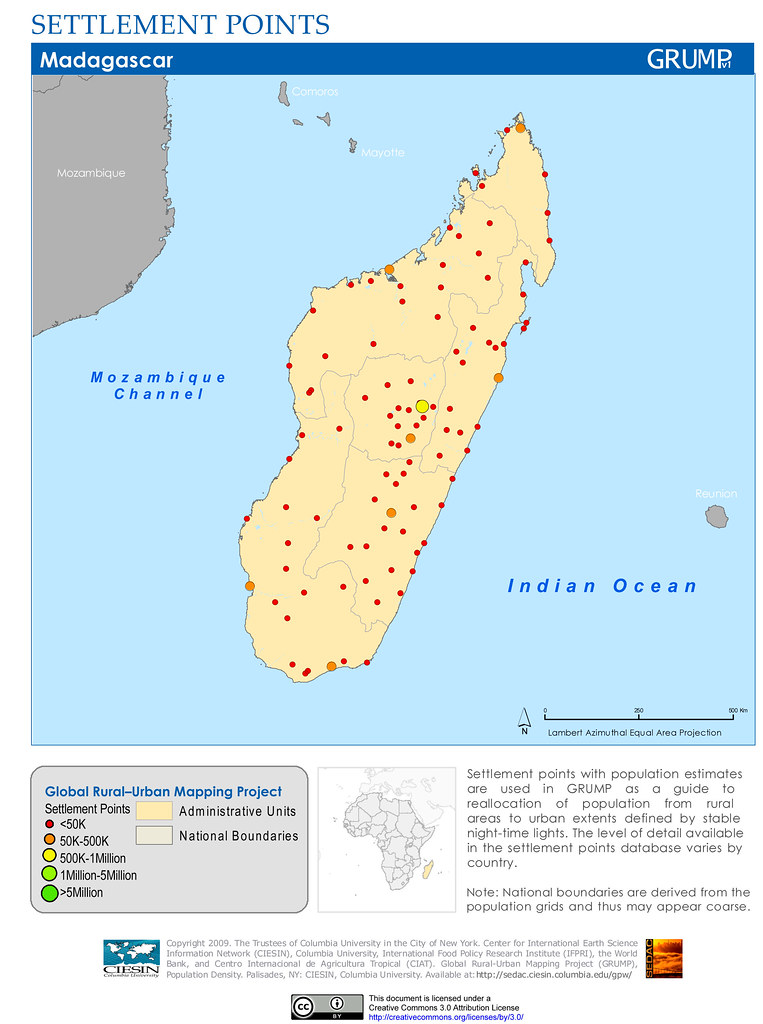
On a map, Madagascar sits like a large, inviting dot off the southeast coast of Africa — closer than many Pacific islands that people had reached much earlier. It is a paradox of human history: an enormous, resource-rich landmass less than 500 kilometers from continental Africa that remained uninhabited by humans until very recently in geological terms. Why didn’t our ancestors cross the Mozambique Channel sooner? What changed to make Madagascar habitable only within the last two thousand years? This article untangles geography, oceanography, technology, and human choice to explain one of the most intriguing late chapters in human migration.
Madagascar human migration
THE PUZZLE: AN ISLAND NEXT DOOR, ARRIVED LATE
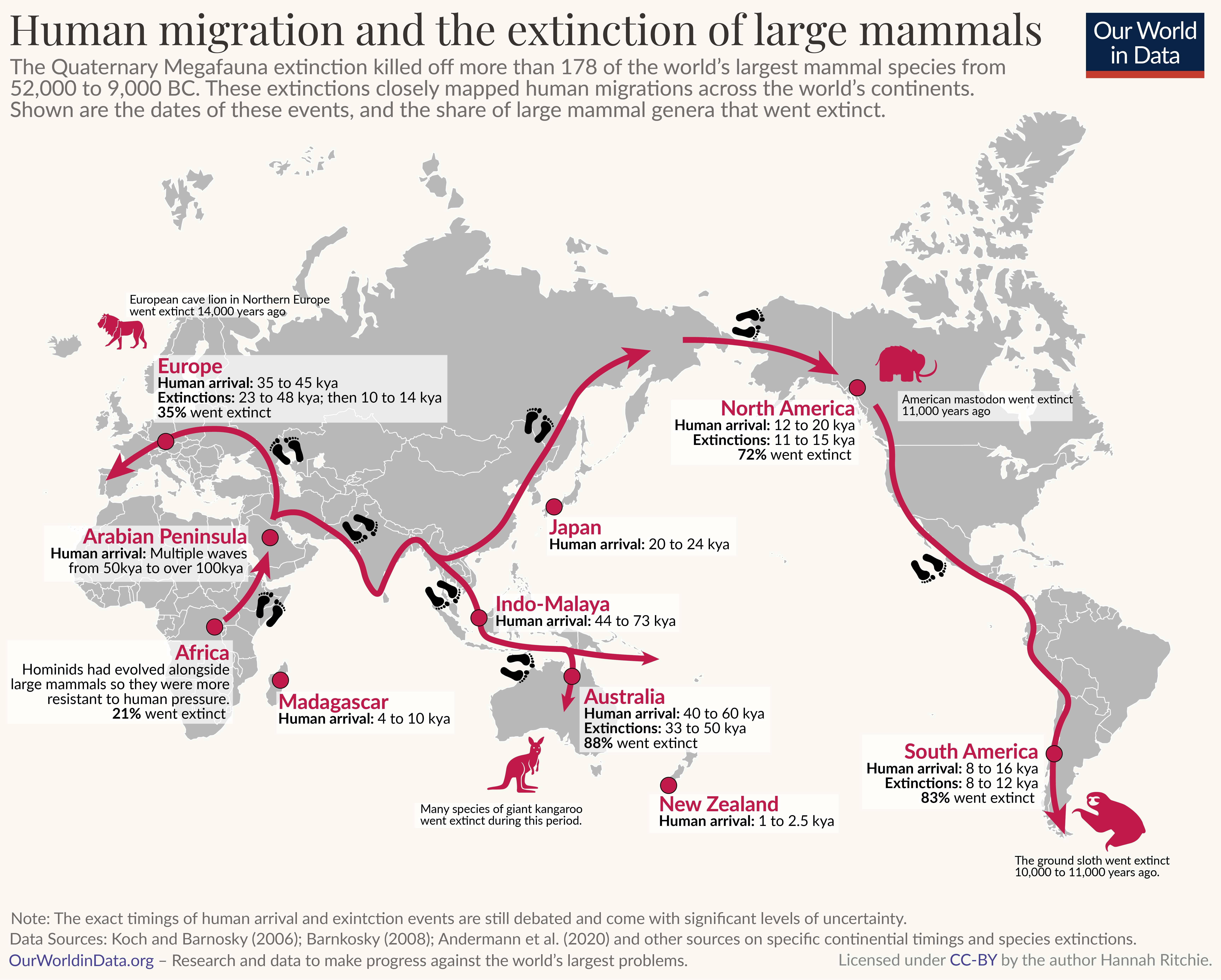
Madagascar’s story begins as a puzzle: humans left Africa tens of thousands of years ago and spread across continents, yet this sizable island next to Africa was one of the last large landmasses to receive people. The late arrival is not a mystery of capacity — humans long before the Common Era had the cognitive skills to build seaworthy vessels — but a confluence of factors that made sustained, deliberate settlement difficult.
Geography That Isn’t as Friendly as It Looks
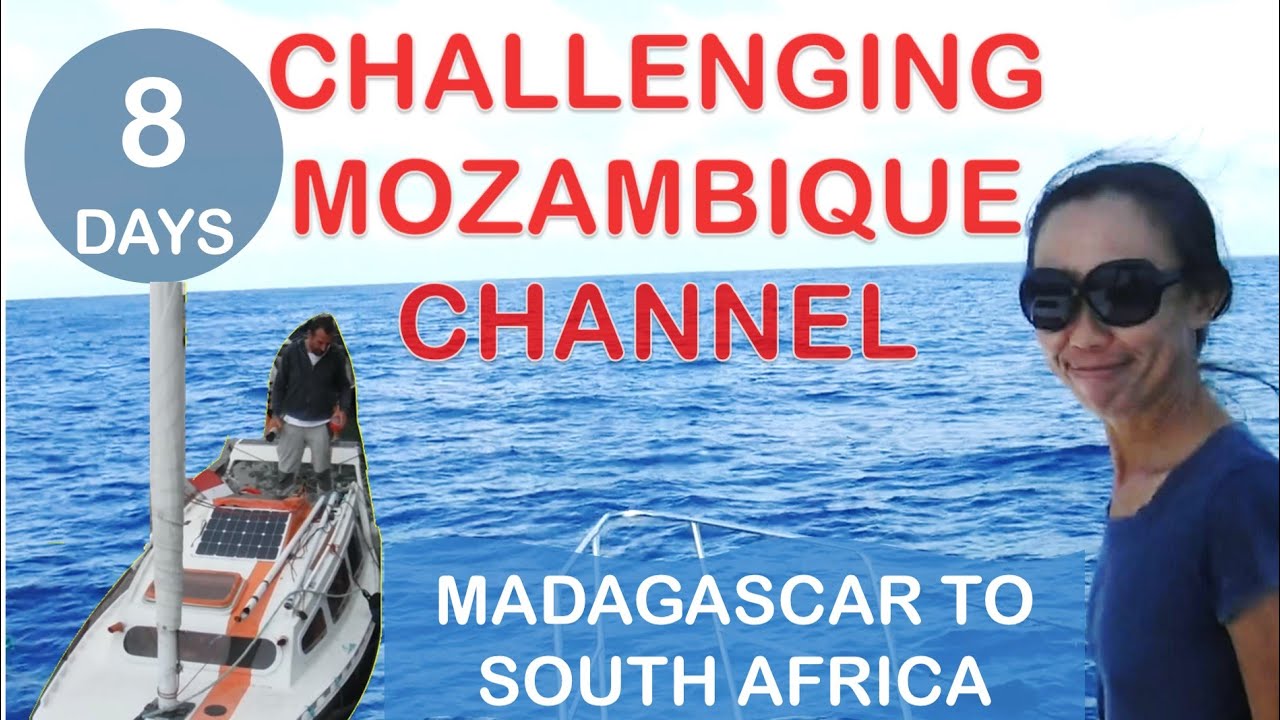
At first glance the Mozambique Channel seems like a short hop. But the distance between mainland Africa and Madagascar is deceptive because oceanic crossings are not straight-line decisions. The Channel is deep, wide, and carved by strong currents and unpredictable winds. Unlike island chains that offer stepping stones and safe harbors, the Mozambique Channel presents an exposed stretch of open ocean. For people who navigated along coasts in dugout canoes or rafts, the leap to cross several hundred kilometers of open water — without reliable stopovers — is a different technological and psychological threshold.
Austronesian seafaring
Currents, Winds, and the Cost of a Failed Voyage
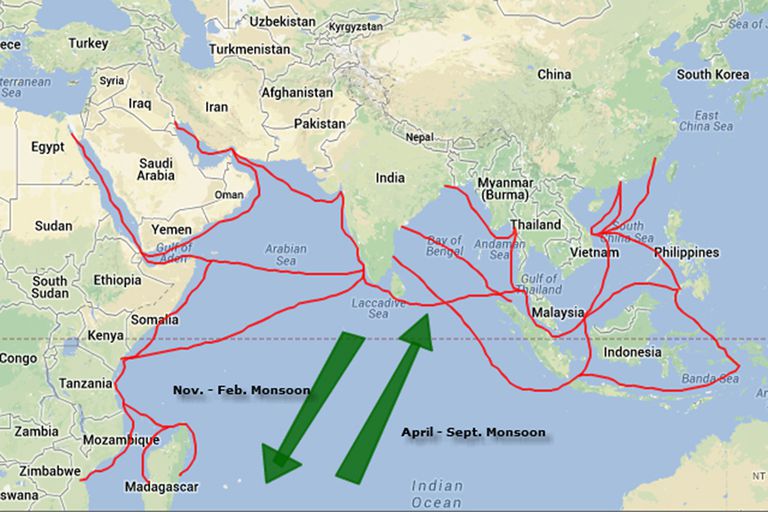
Maritime travel isn’t just about rowing; it’s about wind regimes and ocean dynamics. Seasonal monsoons and the southward flow of currents can either push a vessel toward the island or sweep it perilously along the African coast. The risk calculus for premodern mariners was severe: a failed voyage could mean total loss of people and provisions. For coastal communities that could sustainably forage or fish, the incentives to take such risks were low until either technological capability or very strong motivations arose.
Mozambique Channel crossing
The ocean between Africa and Madagascar was less a short crossing and more a gauntlet — one that required specific timing, boat technology, and navigational skill to beat.
WHY IT TOOK SO LONG
Several interlocking reasons explain the delay in human arrival on Madagascar. None alone is decisive; together they form a plausible explanation that fits archaeological, linguistic, and genetic clues.
1. The Barrier of the Mozambique Channel
Open-ocean crossings require different craft and skills from coastal navigation. Coastal groups could move alongshore, find shelter, fish, and trade. Crossing hundreds of kilometers of open water demands reliable boats able to carry food, water, and livestock—or the confidence to reach a landfall with limited supplies. Early human groups in East Africa had the knowledge to build watercraft, but those vessels were optimized for near-shore fishing and transport, not long-distance voyaging across a high-energy channel.
Madagascar voyage technology
2. The Lack of an Obvious Pull
People move for reasons: resources, pressure, trade opportunities, or social factors. For groups living along the fertile eastern African littoral, the incentive to risk a dangerous ocean crossing for a place that, from their perspective, may not have offered markedly better resources was limited. Madagascar was unknown and far. Unless there was an immediate economic or social need—overpopulation, conflict, or lucrative trade—most coastal societies had little reason to initiate risky transoceanic colonization.
3. The Evolution of Seafaring Technology and Navigation
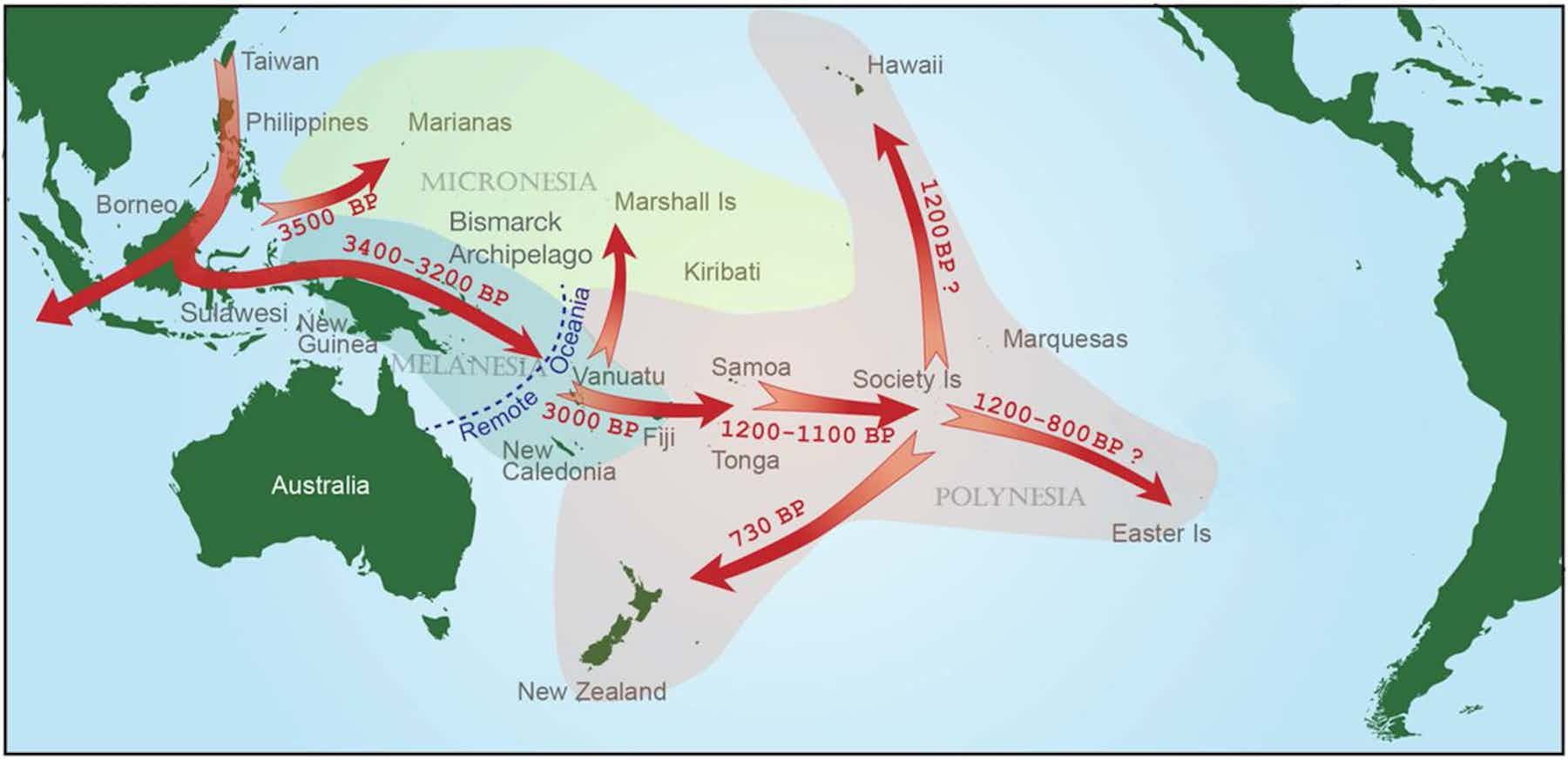
Seafaring capability did not appear overnight. Techniques for sailing downwind, using outriggers, constructing larger double-hulled craft, reading swell patterns, and making celestial fixes all developed across time and space. The groups that eventually settled Madagascar—people who carried Austronesian linguistic and cultural traces—had evolved the maritime toolkit to intentionally undertake long open-ocean voyages. That technology was the critical enabling factor that made Madagascar reachable by choice rather than accident.
4. A Chance Meeting of Cultures
Madagascar’s colonization is unusual because the first settlers carried mixed origins. Linguistic analysis shows Malagasy, the island’s language, belongs to the Austronesian family, which stretches across islands from Taiwan to Polynesia and Southeast Asia. Yet genetic and material traces point to African contributions as well. This hybridization suggests that long-distance Austronesian sailors, who had the seafaring skill to aim for Madagascar from the east, encountered African coastal peoples or moved into an arena shaped by interactions with them. That convergence—people with the right boats meeting people with regional knowledge—was essential.
Malagasy language origins
THE VOYAGE THAT CHANGED EVERYTHING
Think of Madagascar’s settlement not as a single heroic crossing but as a slow-motion convergence of circumstances. Austronesian-speaking sailors mastered the western Indian Ocean route by the first millennium of the Common Era. They were carried by trade winds and oceanic knowledge; they transported plants, such as Asian rice and banana species, and likely domestic animals. These botanical and cultural markers appear in Madagascar’s early archaeological record and tell a story of intentional settlement rather than accidental marooning.
When these skilled mariners encountered East African coastlines and the people who lived there, exchange and intermarriage likely followed. African sailors and traders were active in the Indian Ocean long before Madagascar’s colonization; their contact networks provided the coastal intelligence—seasonal patterns, safe harbors, provisions—that would make an intentionally planned crossing feasible.
Indian Ocean trade routes
Why Intentional Voyaging Matters
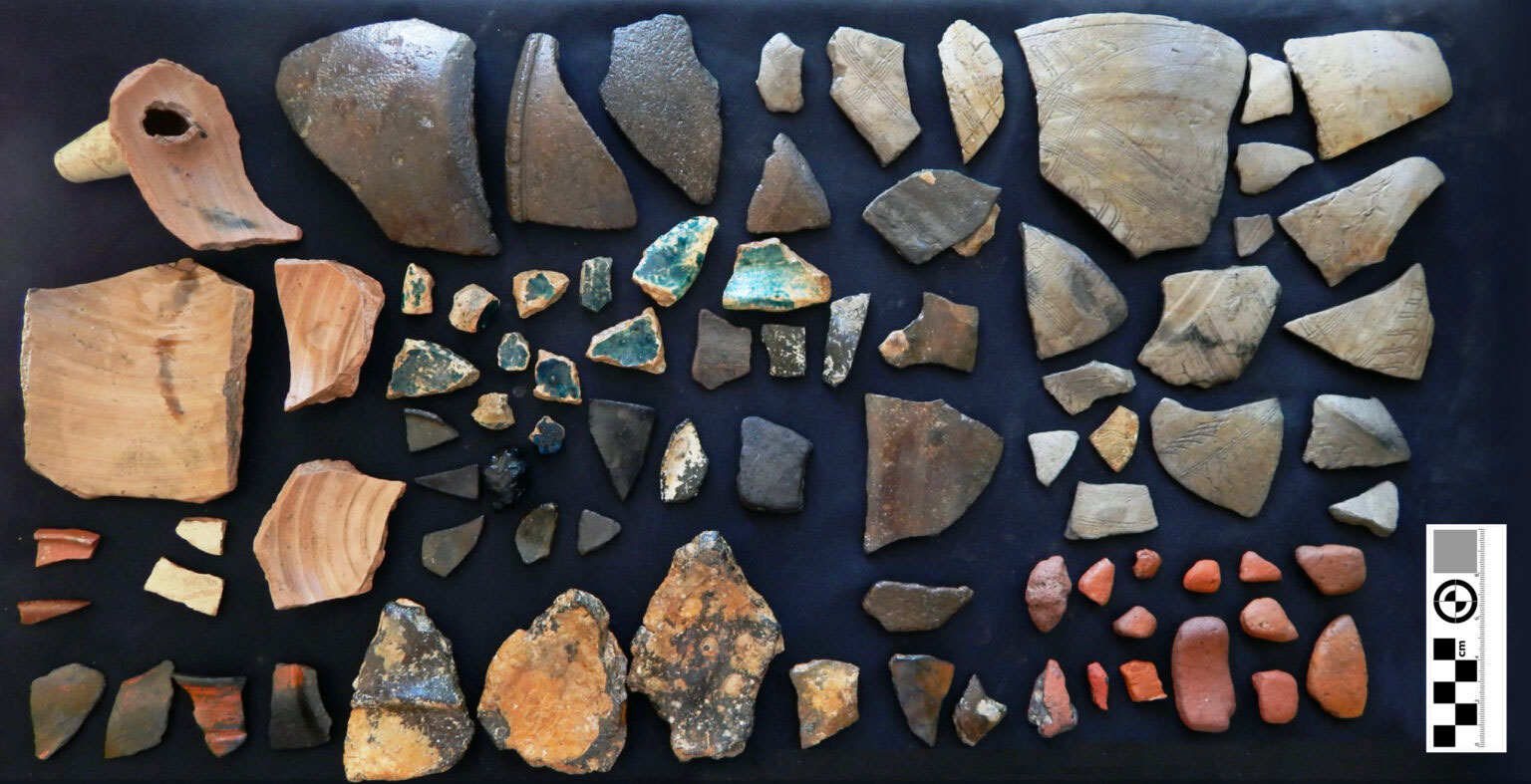
An accidental castaway can explain how animals sometimes reach remote islands. But sustained colonization—bringing crops, animals, families, and the cultural tools to build villages—requires intent. The archaeological signals of this intentionality in Madagascar include the presence of domesticated plants with Asian origins, pottery styles that reflect wider trade links, and a language that roots the settlers in an Austronesian world. Those are the hallmarks of planners, not drifters.
Madagascar archaeology pottery
Madagascar was colonized when the right sailors, with the right boats and the right reasons, met the right coastal partners. Timing and human networks made all the difference.
WHAT MADAGASCAR TEACHES US ABOUT HUMAN MIGRATION
Beyond the romance of ocean voyages, Madagascar is a case study in how geography shapes cultural possibilities. The island reminds us that the presence of human intelligence and simple boat technology is not the same as the social and environmental calculus needed to support long-range colonization.
Island Biogeography vs. Human Logistics
Biologists who study land animals note how rare ocean crossings are. Lemurs and tenrecs reached Madagascar millions of years ago—likely by rafting on vegetation mats in deep time. Those events happened under different conditions and time scales and cannot be compared directly to human-organized migration. Humans plan, carry livestock and crops, and establish infrastructure. Each of those needs imposes extra constraints: water, shelter, and knowledge of seasonal resources must be predictable. That predictability was scarce for many coastal peoples until maritime knowledge and trade networks matured.
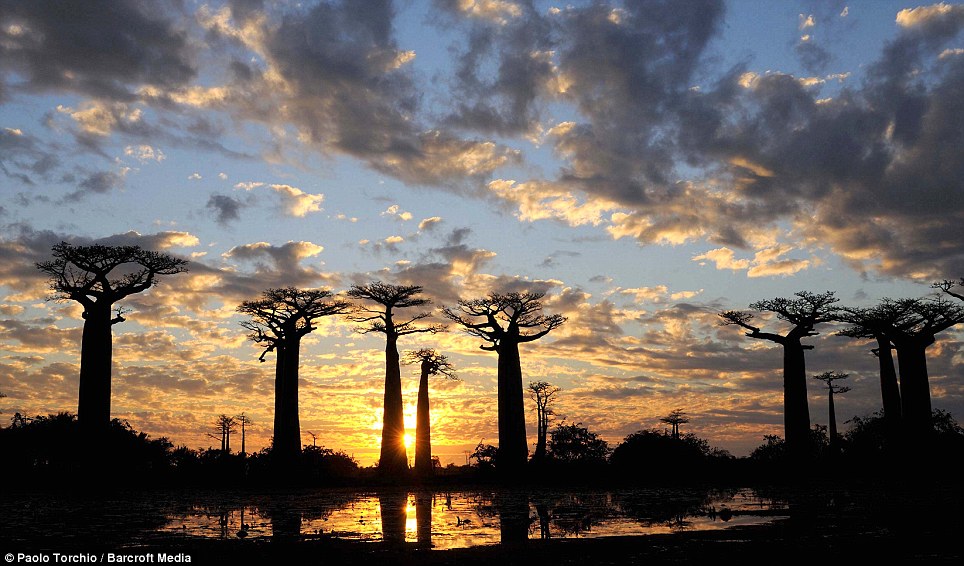
Madagascar unique ecosystems
The Power of Cultural Networks
Human movement is rarely an isolated act. Trade networks, marriage ties, and diplomatic relationships create paths for migration. The Indian Ocean was a marketplace linking East Africa, the Arabian Peninsula, South Asia, and Southeast Asia. When Austronesian sailors engaged with that network, Madagascar became not just reachable but desirable: it could be provisioned, resupplied, and integrated into a broader web of exchange.
EVIDENCE THAT SETTLEMENT WAS RELATIVELY RECENT
Archaeology and linguistics converge on the idea that Madagascar’s human colonization is recent by planetary standards. Material culture—pottery and tools—appears suddenly in the record, along with crops like Asian rice and bananas. Linguists trace Malagasy words back to Austronesian roots. Genetic studies show a dual heritage: significant African ancestry joined with a clear Southeast Asian component. Together these lines paint a picture of settlement that is concentrated within the last two millennia rather than tens of thousands of years earlier.
Madagascar colonization timeline
What This Means for Madagascar’s Unique Life
Because humans arrived late, Madagascar’s flora and fauna evolved for isolated millennia. The island became a laboratory of evolution: lemurs diversified into dozens of species, and many plants followed unique evolutionary trajectories. When people finally arrived, they encountered ecosystems that had never experienced human hunting or agricultural disturbance, which shaped the dramatic ecological changes that followed settlement.

Asian rice Madagascar
Madagascar’s late settlement helped create one of the planet’s richest endemisms; but it also meant ecosystems were vulnerable to rapid change when humans finally arrived.
COMMON MISCONCEPTIONS
Misconception: There Were No Boats
It is not that people lacked boats. Coastal peoples used canoes and rafts long before Madagascar was settled. The distinction is the type of voyage those boats supported. Many ancient craft were excellent for fishing and short coastal hops but unsuitable for the long provisioning and the open-ocean navigation needed to carry villages across the channel.
Misconception: Madagascar Was Discovered in One Expedition
Colonization was a process rather than a single event. Initial landings, diasporic settlement, trade stopovers, and biological transfers contributed to a mosaic of arrival. Over decades or centuries, these interactions hardened into permanent populations and the cultural identity we now call Malagasy.
CONCLUSION: AN ISLAND OF TIMING, TECHNOLOGY, AND CHANCE
Madagascar’s late settlement is not a single mystery but a convergence of geography, ocean dynamics, human decision-making, and technological thresholds. The island’s proximity to Africa belies the true difficulty of reaching it with the supplies and social structures needed to found lasting communities. When Austronesian sailors with the right maritime knowledge met African coastal networks, the pieces fell into place. The result was a unique cultural and biological fusion that gives Madagascar its special place in the human story.
Final Thought
Human migration is not only about capability — it’s about timing and networks. Madagascar shows how a place can wait on the map until the right constellation of skills, motivations, and chance arrives to change the course of history.
- Geography and currents made the Mozambique Channel a difficult barrier despite short distances.
- Seafaring evolved from coastal craft to ocean-capable voyaging vessels over centuries.
- Mixed origins (Austronesian and African) indicate intentional settlement backed by trade networks.
- Late arrival preserved Madagascar’s unique ecosystems but also made them vulnerable to rapid change.
Caption: Madagascar’s isolation shaped its unique ecological and human history.
For curious readers: examining Madagascar is an invitation to look at migration as a web of practical choices—where wind direction, the shape of a coastline, and the knowledge passed between sailors matter as much as any grand plan. It’s a reminder that human history often depends less on barriers themselves and more on the social and technological levers that allow people to overcome them.