Why 'Lather, Rinse, Repeat' Isn't Enough for Clean Hair
There’s a phrase many of us learned as children that lives in shampoo bottles and bathroom rituals: lather, rinse, repeat. It’s compact, it rhymes, and it feels like good advice — until you ask a few questions. Why repeat? Does the first wash not get the grime out? Is the slogan a clever way to sell more product? As it turns out, the truth sits between marketing simplicity and useful technique. If you’ve ever left the shower wondering whether your hair was truly clean, this piece is for you: a practical, science-forward guide to what 'clean' actually means, when a second shampoo helps, and how to build a routine that respects your scalp and hair type.
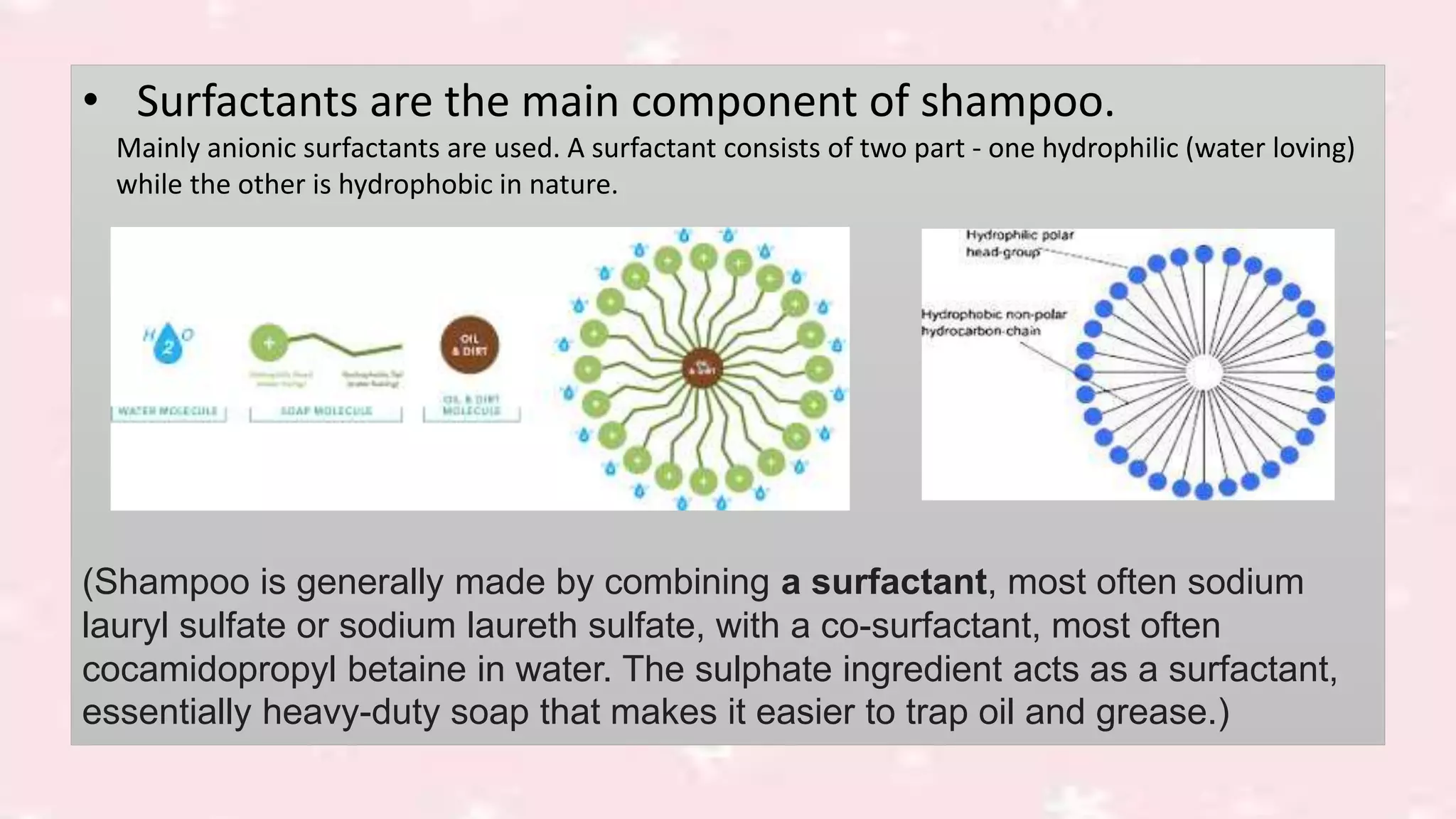
Surfactants in shampoo work on a molecular level to lift away oil and residue
THE MYTH AND THE MOMENT
When advertising borrowed a helpful-sounding phrase and stamped it on plastic bottles, it created a cultural shorthand. For many people the prescription 'lather, rinse, repeat' became ritual — the second round promising assurance that the first pass missed something. But personal grooming is part chemistry, part physics, part biology and part habit. The question is not whether shampoo companies wanted you to buy more product; the useful question is when a second shampoo change the outcome, and when it’s unnecessary or even harmful.
Most of the time your first shampoo removes surface oils and product residue; the second pass is about confidence and special cases, not a universal rule.
WHAT HAPPENS WHEN YOU WASH YOUR HAIR
How cleansing works
Shampoo cleans through surfactants — molecules with a water-loving head and an oil-loving tail. When you massage shampoo into wet hair, surfactants surround oils, sebum, and dirt, forming micelles that suspend those oily particles in water so they can be rinsed away. That’s chemistry, plain and simple.
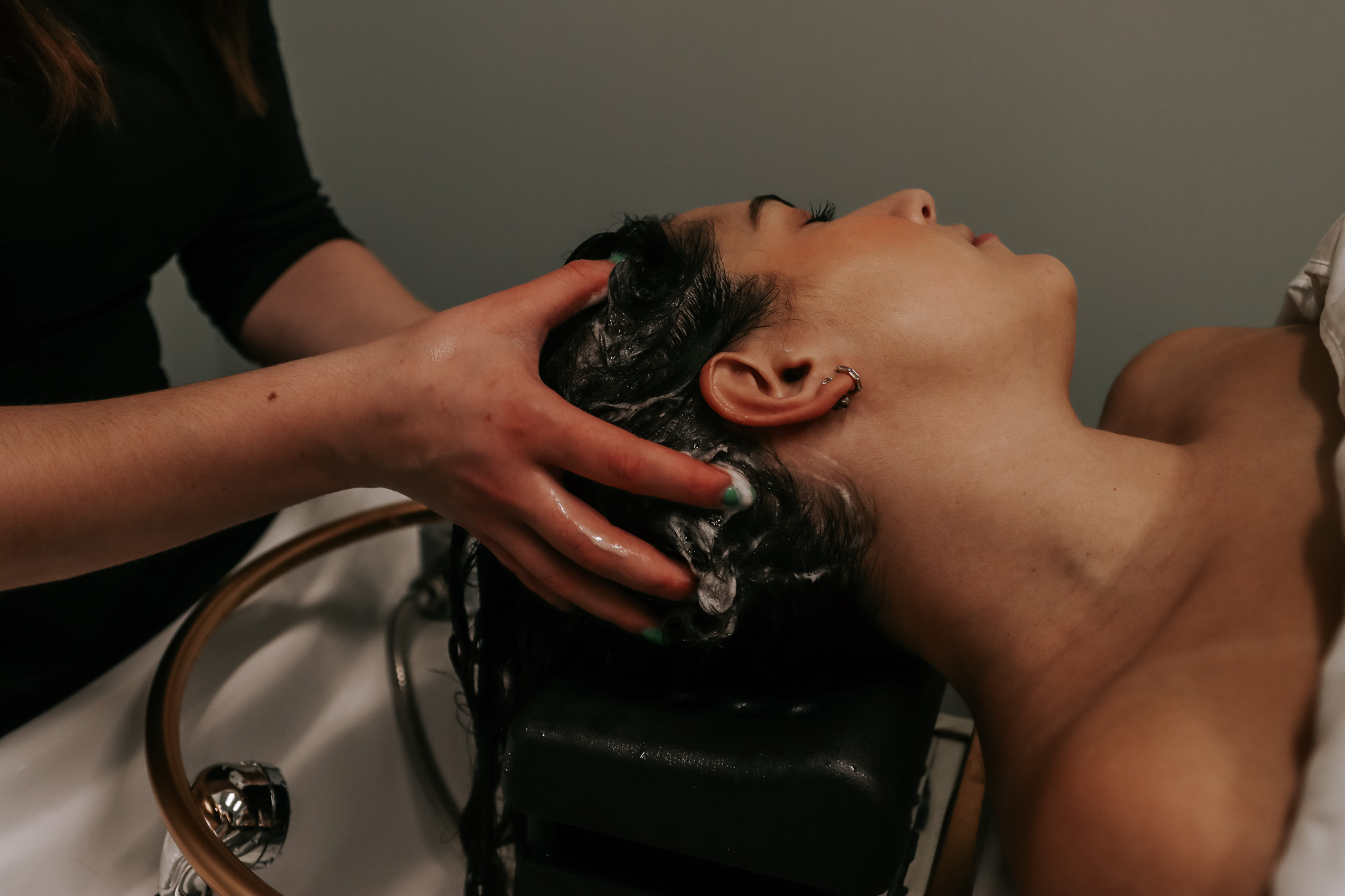
Proper scalp massage with fingertips activates surfactants without irritating skin
What the first pass removes
The first pass typically removes loose dirt, sweat, and part of the surface oil and product residue. If your hair has heavy styling product, silicone serums, or a film of pollution and sunscreen, the first burst of suds may seem less effective because those films can repel water or resist quick emulsification.
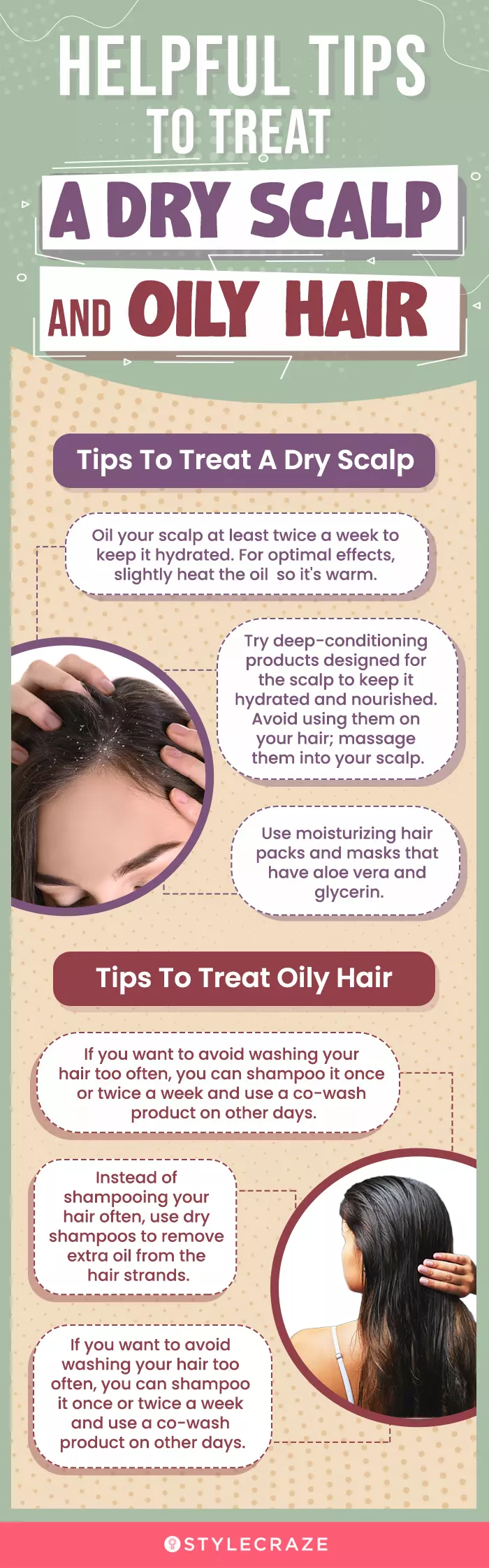
Oily scalps may need targeted cleansing approaches
Why some people need two passes
There are clear situations where the second shampoo — or a special clarifying product — performs a meaningful job:
- Heavy product buildup: Leave-in conditioners, styling waxes, and silicone-based serums can form a hydrophobic film that resists a single quick wash.
- Oily scalps: If your scalp produces a lot of sebum, a single dilute shampoo may foam and rinse without fully emulsifying sticky oil.
- Environmental exposure: Frequent swimming in chlorinated pools, heavy pollution, or hard water mineral deposits may require deeper cleansing.
- Before treatments: Color, keratin, or chemical services often require a residue-free starting point.
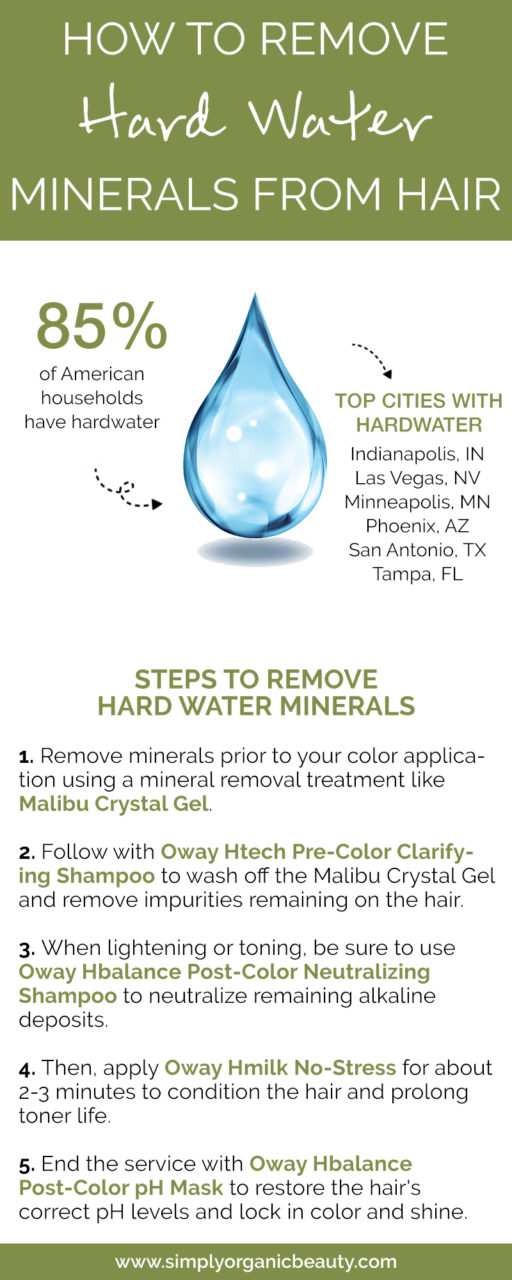
Hard water minerals can build up on hair and require special cleansing
WHEN A SECOND SHAMPOO HELPS — AND WHEN IT HARMS
Useful scenarios for 'repeat'
If you use styling products daily, swim regularly, sweat heavily, or work in an environment with grease and particulate matter, a second, quick lather can be helpful. The first wash breaks up surface residue; the second reaches and dissolves the remaining film for a cleaner rinse.

The double cleanse method: first wash breaks down residue, second wash provides deeper clean
When to skip it
For many hair types — particularly dry, fine, color-treated, or low-porosity hair — repeating shampoo risks stripping natural oils and weakening strands. Long hair that relies on natural sebum for mid-length moisture, or curly hair that benefits from oil to define pattern, often fares better with gentler, infrequent cleansing.
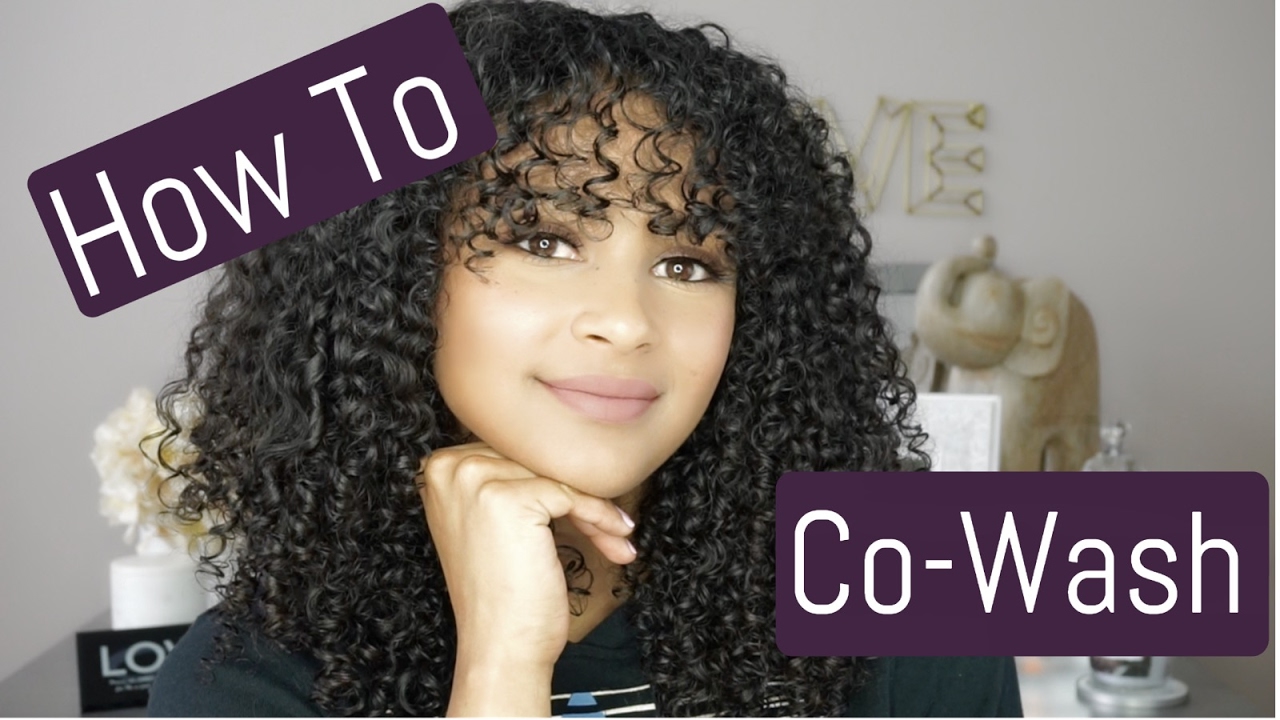
Curly hair often benefits from co-washing or gentle cleansing instead of repeated shampooing
THE BETTER QUESTION: HOW CAN I TELL IF MY HAIR IS TRULY CLEAN?
The answer is a mix of touch, appearance, and smell. Clean hair will feel lighter at the roots, move more freely, and not have an oily sheen. Residue builds a limpness and a dull finish; if your hair looks and feels refreshed after rinse, it’s clean enough. But a single, conscious check will help:
- Run your fingers through your hair at the roots. If they slide without pulling through a film, you’re likely clean.
- Smell: residual product or sweat will linger; a neutral scent is a good sign.
- Observe how the hair dries: residue slows drying and clumps hair together.
A PRACTICAL STEP-BY-STEP THAT WORKS
Step 1 — Wet thoroughly
Start with warm water to open the cuticle. Make sure hair is soaked so the shampoo spreads and foams rather than forming a concentrated paste on dry strands.
Step 2 — Use the right amount
A quarter-sized dollop is enough for many people. Longer or thicker hair needs more, but excess shampoo only creates more foam that can trap oils rather than dissolve them. Concentrate shampoo at the scalp where oil accumulates; lengths and ends typically need less.
Step 3 — Massage, don't scrub
Use fingertips (not nails) to massage the scalp in circular motions. This activates surfactants and helps dislodge flakes and buildup without irritating skin. Avoid vicious scrubbing that triggers redness or overproduction of oil.
Step 4 — Rinse well
Rinse until the water runs clear and the soapy feel is gone. A thorough rinse is as important as the shampoo itself; residues cling when rinsing is rushed.
Step 5 — Decide on repeat
Assess after the first rinse. If hair and scalp still feel heavy or lined with product, apply a small second cleanser, lather lightly, and rinse. The second pass is usually quicker — you want the surfactants to pick up what the first pass loosened, not to start from scratch.
Step 6 — Condition mindfully
Apply conditioner mostly to mid-lengths and ends. If you have an oily scalp, avoid heavy conditioners at the root. Conditioners smooth the cuticle and restore slip, but using them on the scalp invites faster oiliness and residue.

Apply conditioner primarily to mid-lengths and ends, avoiding the scalp area
CHOOSING PRODUCTS: INGREDIENTS MATTER
Surfactants to know
Not all surfactants are created equal. Strong anionic surfactants like sodium lauryl sulfate (SLS) and sodium laureth sulfate (SLES) are very effective at removing oil but can be drying. Milder alternatives — cocamidopropyl betaine, sodium cocoyl isethionate, and other amphoteric or mild anionic options — cleanse without stripping as aggressively.
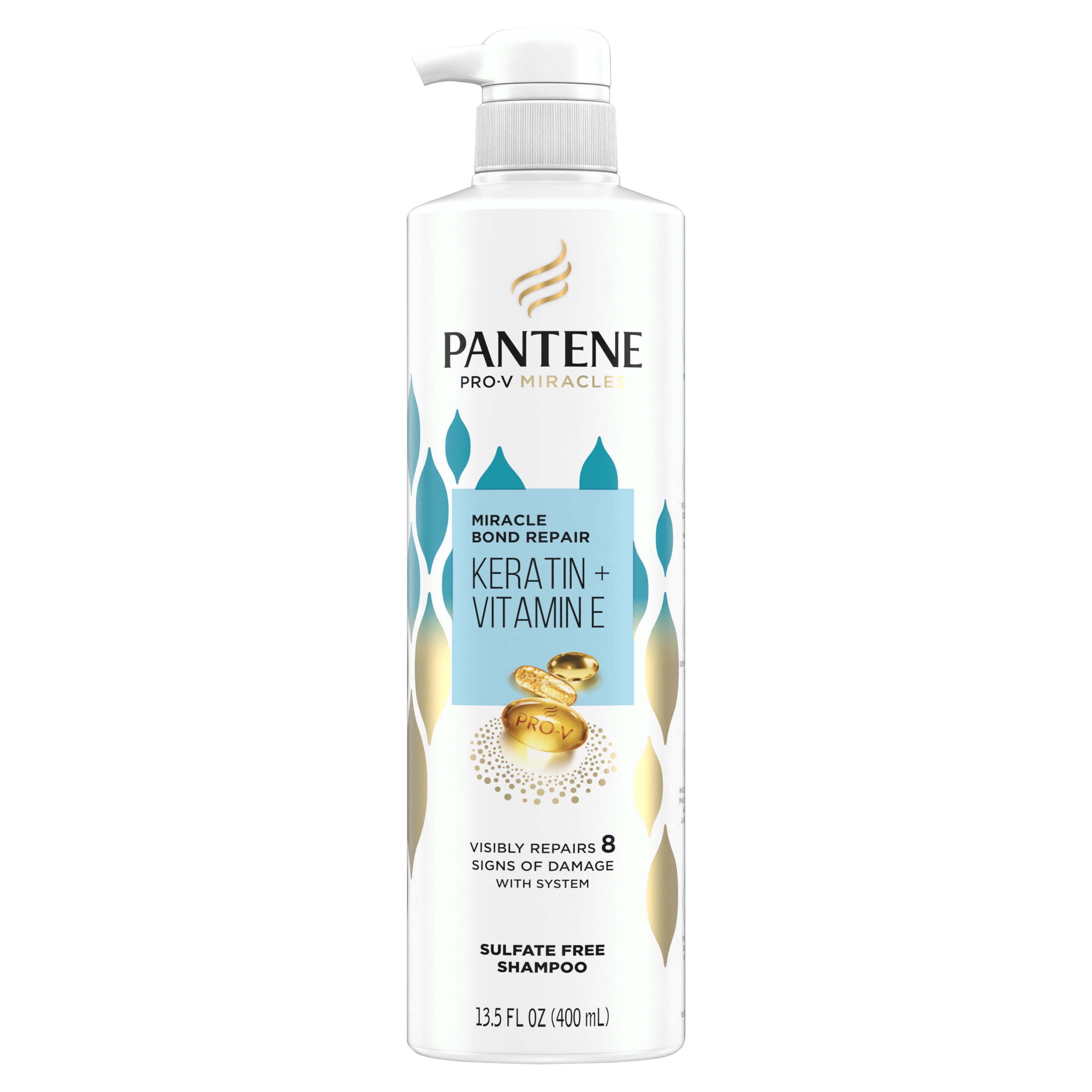
Sulfate-free shampoos offer gentler cleansing options
Clarifying vs. everyday
Clarifying shampoos are designed to remove buildup. Use them occasionally (once a week or less) if you use heavy products or swim. Everyday shampoos are gentler and intended for more frequent use. Over-clarifying can dull hair and strip protective oils.
Silicones, oils, and residue
Silicones add shine and slip but can build up unless formulated to rinse off or used with surfactants that remove them. Natural oils (argan, coconut) moisturize but can leave residue if applied too close to the scalp. Read labels and learn what your hair tolerates.
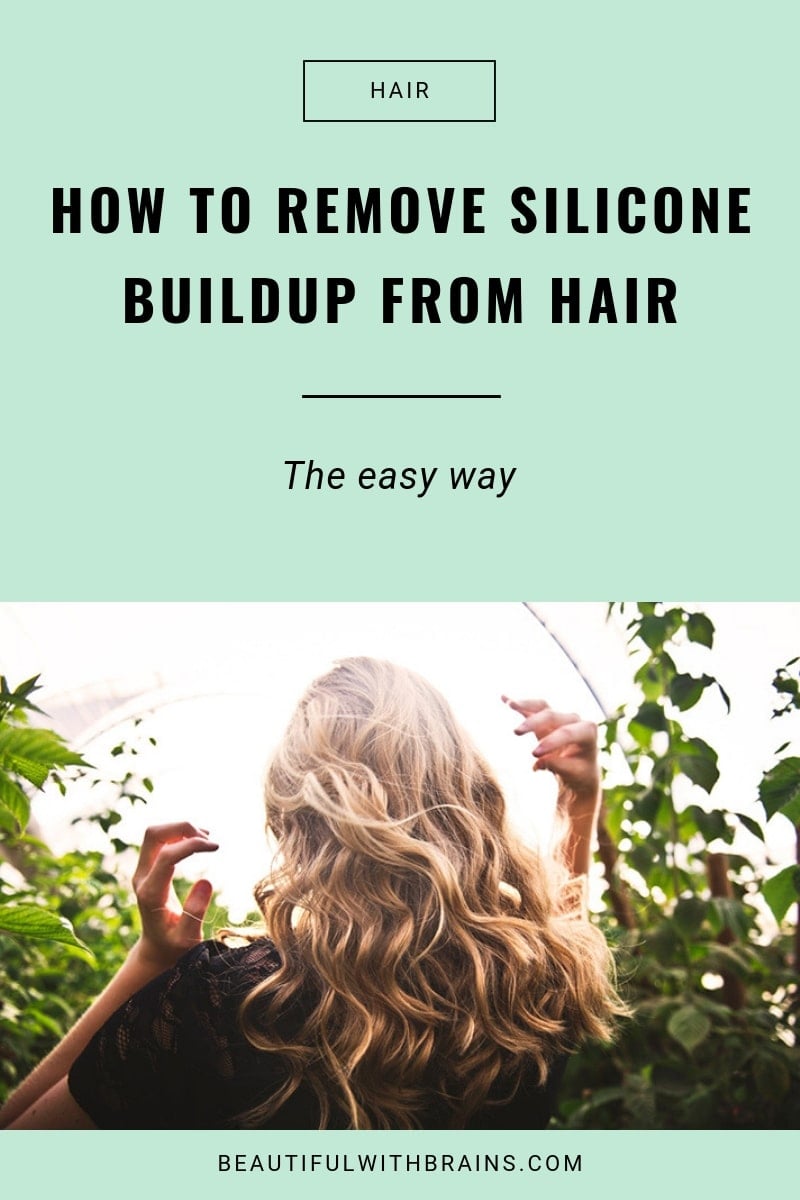
Silicone buildup can coat hair strands and may require special cleansing approaches
SPECIAL CONSIDERATIONS BY HAIR TYPE
Curly and coily hair
Curly hair benefits from oils and conditioners to define pattern and reduce frizz. Many curl-conscious people use co-washing — cleansing with conditioner — or low-foam cleansers to preserve moisture. Double-shampooing is rarely needed unless heavy products are used.
Fine or oily hair
Fine or oily hair can become limp when overloaded with oils or heavy conditioners; here a targeted repeat shampoo at the roots can restore bounce. Use lightweight conditioners and avoid applying heavy formulations near the scalp.
Color-treated hair
Color-treated hair can be more porous and prone to fading when aggressively stripped. Choose sulfate-free, color-safe shampoos and skip unnecessary double washes. When preparing for color service, clarifying is appropriate only when instructed by a stylist.
A SIMPLE DECISION TREE
If you want a quick rule: start with one mindful wash. If your hair still feels coated or appears flattened after a thorough rinse, do a fast second lather focusing on the roots. If not, skip it. Over time you’ll learn your hair’s thresholds and save time and product.
PRACTICAL ROUTINES (EXAMPLES)
Low-maintenance (2–3 washes per week)
- Wet hair, single gentle shampoo at scalp, rinse thoroughly, condition mid-lengths to ends, air-dry or diffuse.
Active lifestyle (daily or post-workout)
- Use a gentle daily shampoo or co-wash, rinse well, and condition ends. For heavy sweating or product use, employ clarifying shampoo weekly.
Frequently product-heavy styling
- Clarify once weekly. On wash days, consider a small second shampoo if residue persists; always follow with a hydrating conditioner.
ENVIRONMENTAL AND COST CONSIDERATIONS
Double-shampooing uses more product and water. If you can achieve clean hair with a single, well-executed wash, you’ll save both and reduce plastic use over time. Choose concentrated shampoos or refill systems to lower environmental impact if you double-wash occasionally.
- Second shampoo removes stubborn residue.
- Better prep for chemical services.
- Useful after heavy sweating or swimming.
- Increases product and water use.
- Can strip natural oils, causing dryness.
- May accelerate color fade in treated hair.
FREQUENTLY ASKED QUESTIONS
Is it true that the first shampoo just spreads oil around?
Not exactly. The first shampoo emulsifies and lifts oil; if misapplied (too little water, too much product, or incomplete rinsing) it may smear residue. Proper wetting, correct dosage, and thorough rinsing prevent that problem.
What about dry shampoo — is it a substitute?
Dry shampoo temporarily soaks up surface oil and adds volume, but it doesn’t clean; it leaves particulates and product residue on the scalp and should not replace periodic wet washing.
CONCLUSION — CLEANING BEATS RITUAL
‘Lather, rinse, repeat’ is less a universal rule than a prompt to be intentional. Clean hair depends on technique, ingredients, and hair type more than on repetition for its own sake. For many people, a single thoughtful wash followed by careful rinsing and conditioning is enough. For others — especially those with heavy product use, oily scalps, or environmental exposure — a second pass or occasional clarifying treatment makes sense.
- Shampoo works by surfactants forming micelles to lift oil and residue.
- A second shampoo is helpful in specific situations, not universally necessary.
- Technique (wetting, dose, massage, rinse) matters more than ritual repetition.
- Use clarifying products sparingly and choose surfactants that match your hair’s needs.
- Mindful washing saves product, water, and your hair’s natural balance.
FINAL NOTE
Think of washing like housekeeping: a quick tidy often suffices, but sometimes a deeper clean is needed. Learn your hair’s signals, read labels with ingredient awareness, and choose the approach that leaves your scalp comfortable and your hair vibrant — whether that’s a single, confident lather or an occasional, purposeful repeat.