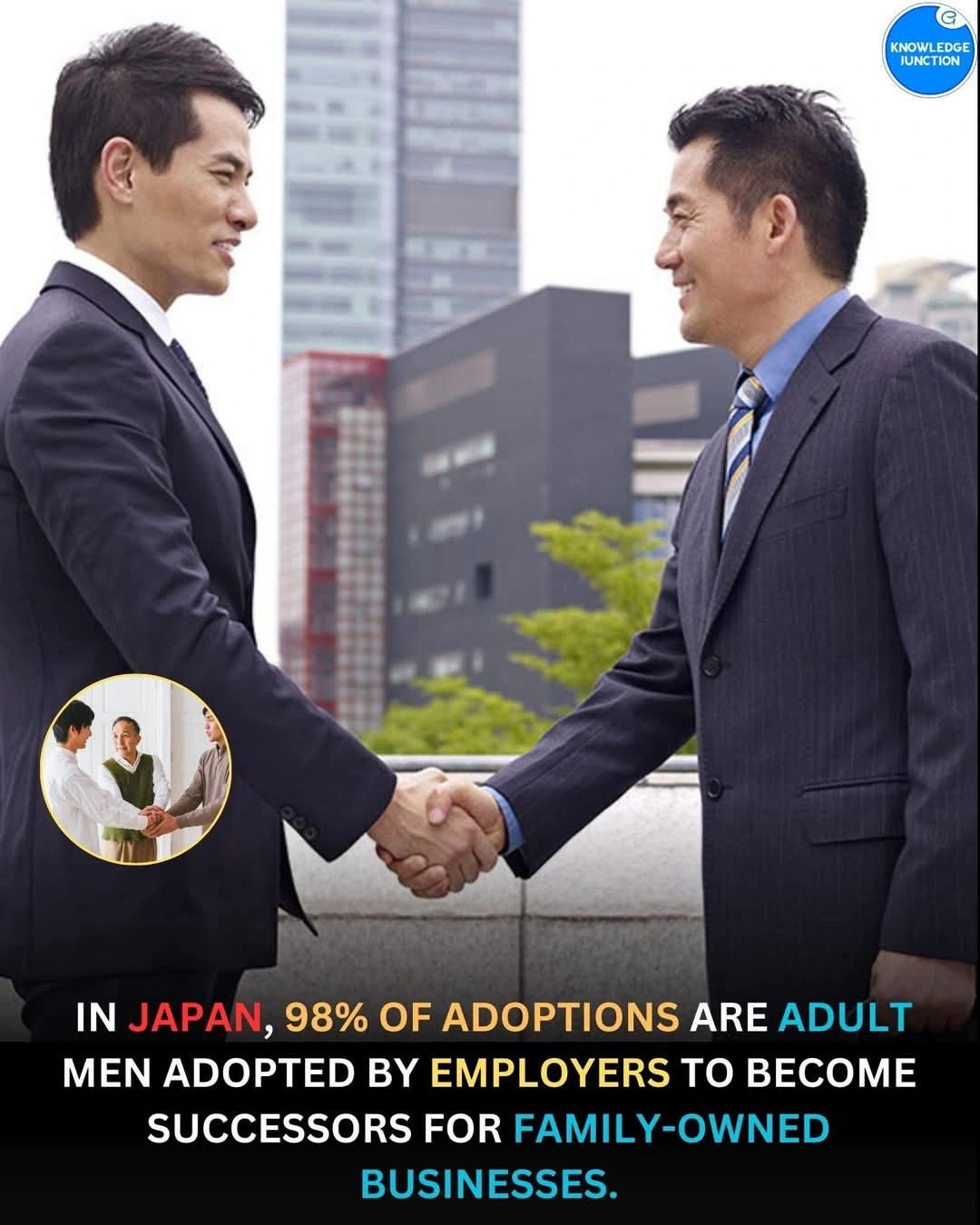
Why Japan’s High Adoption Rate Mostly Involves Adult Men
The headline sounds paradoxical: a wealthy, modern nation with a plunging birthrate appears near the top of global adoption rankings — yet most of the people being adopted are grown men, not children. That odd fact has been repeated in headlines and listicles for years, and it points to a deeper intersection of law, family business, and culture. Understanding Japan’s unusually high adoption rate requires unpacking a practice that is simultaneously pragmatic, legal, and profoundly traditional: adult adoption, often performed to secure a family name and a business heir.
How adoption is counted and why numbers surprise
When statisticians talk about an adoption rate they rarely mean the same thing across countries. Some tallies include only adoptions of children under 18; others count every legal adoption recorded in civil registries, regardless of age. In Japan, the national registry system records all adoptions — including those in which both parties are consenting adults. Because adult adoptions are common, Japan’s overall adoption figures look large compared with countries where adoption is primarily the placement of children from the welfare system.
This bookkeeping nuance is crucial. If you want to understand the lived reality behind the numbers, you must separate two very different practices: child adoption, which is usually about forming a parent-child bond and housing children who need families; and adult adoption, which is often about succession, inheritance, and preserving family continuity.
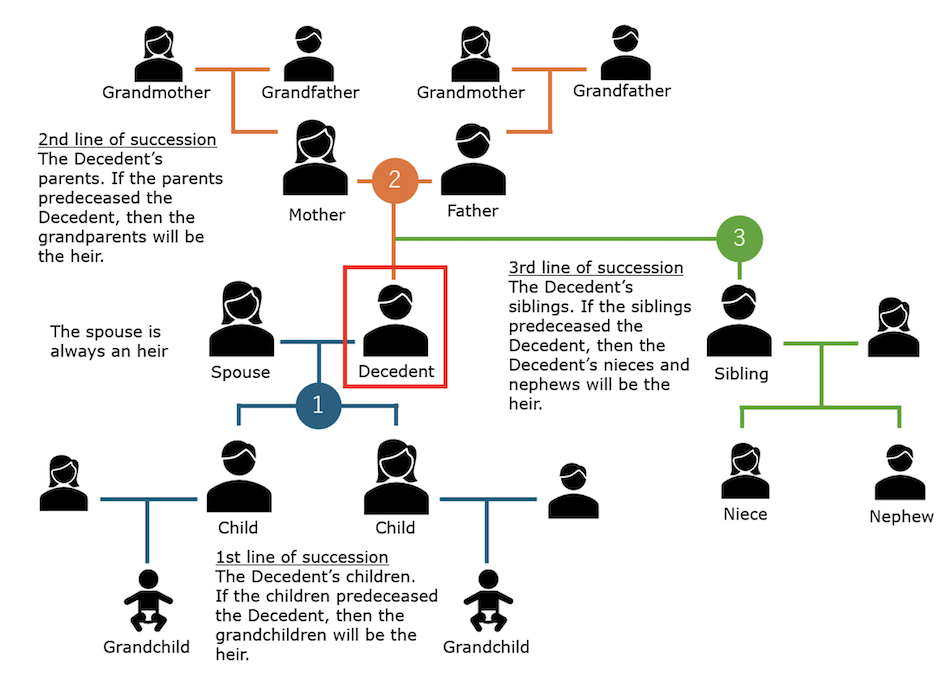
Family business inheritance Japan
What adult adoption (mukoyōshi) is — and how it works
Adult adoption in Japan has a long history and a specific cultural vocabulary. Mukoyōshi — literally, an adopted son-in-law — is an institutionalized practice in which a man is formally adopted into his wife’s family, commonly to take the family name and manage a family business. The legal paperwork makes him a legal child of his in-laws; socially he becomes both son and husband. In many cases this adoption occurs around the time of marriage but is legally separate from it. The result: a confident, legal bridge for businesses that lack a male blood heir to continue across generations.

Mukoyoshi adult adoption Japan
For families that run small and medium-sized enterprises — which are the backbone of Japan’s economy — adoption becomes a tool for continuity. The adopted man can inherit property and take a seat at the head of the company in a way that avoids legal ambiguity and preserves the family name. For prospective adoptees with limited economic prospects or damaged family ties, mukoyōshi can offer stability and status.
"In Japan, adoption is often less about rescue than it is about roles — preserving a family line or a company across generations."
Why adult adoption grew: demographics, economy, and inheritance rules
Three structural forces help explain the practice’s persistence. First, demographic decline: Japan’s low fertility rate and aging population mean fewer natural heirs are available within families. When a family business faces the prospect of no successor, adoption becomes an obvious, established option.
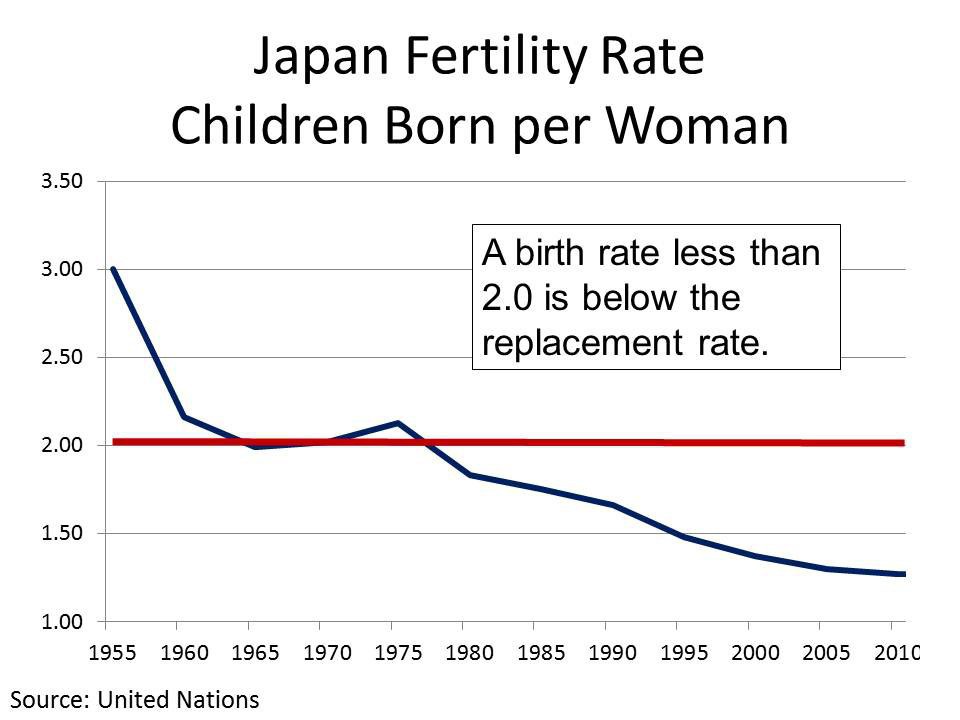
Japan low birth rate adoption
Second, Japan’s legal and administrative framework is unusually administrative: the koseki family registry is a public record that links legal identity with family membership. Adoption is a clear, registered way to alter that record and thus the line of inheritance. Third, cultural preference: for many families, the idea of keeping a business and name within a family is more important than genetic continuity. That logic sits comfortably with a society that prizes stability, long-term planning, and reputation across generations.
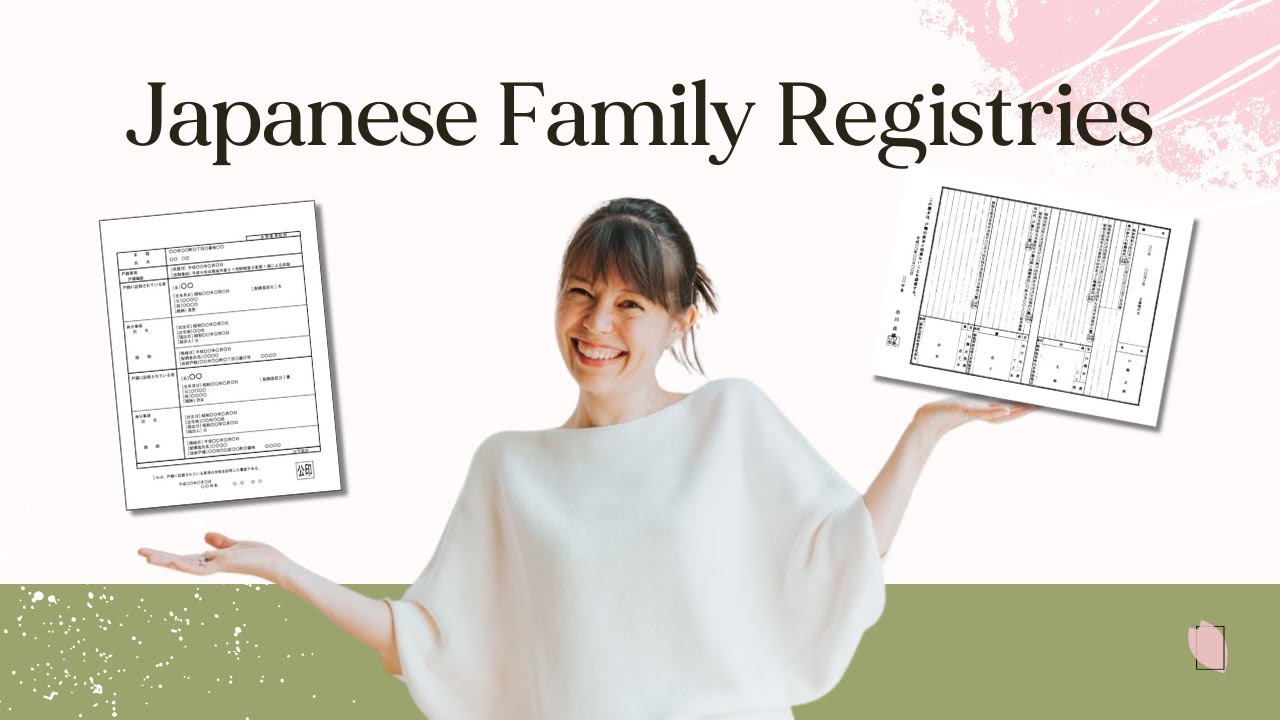
Japanese family registry koseki adoption
How common is adult adoption in Japan?
Estimates vary by year and source, but a consistent theme emerges: the majority of adoptions registered in Japan are of adults, and a very large share of those are men adopted as heirs. Studies looking at civil registry data over recent decades show that adult adoptions often make up more than nine out of ten registered adoptions. The balance of adoptions of minors — children taken into permanent parental care — is comparatively small by contrast to many Western countries.
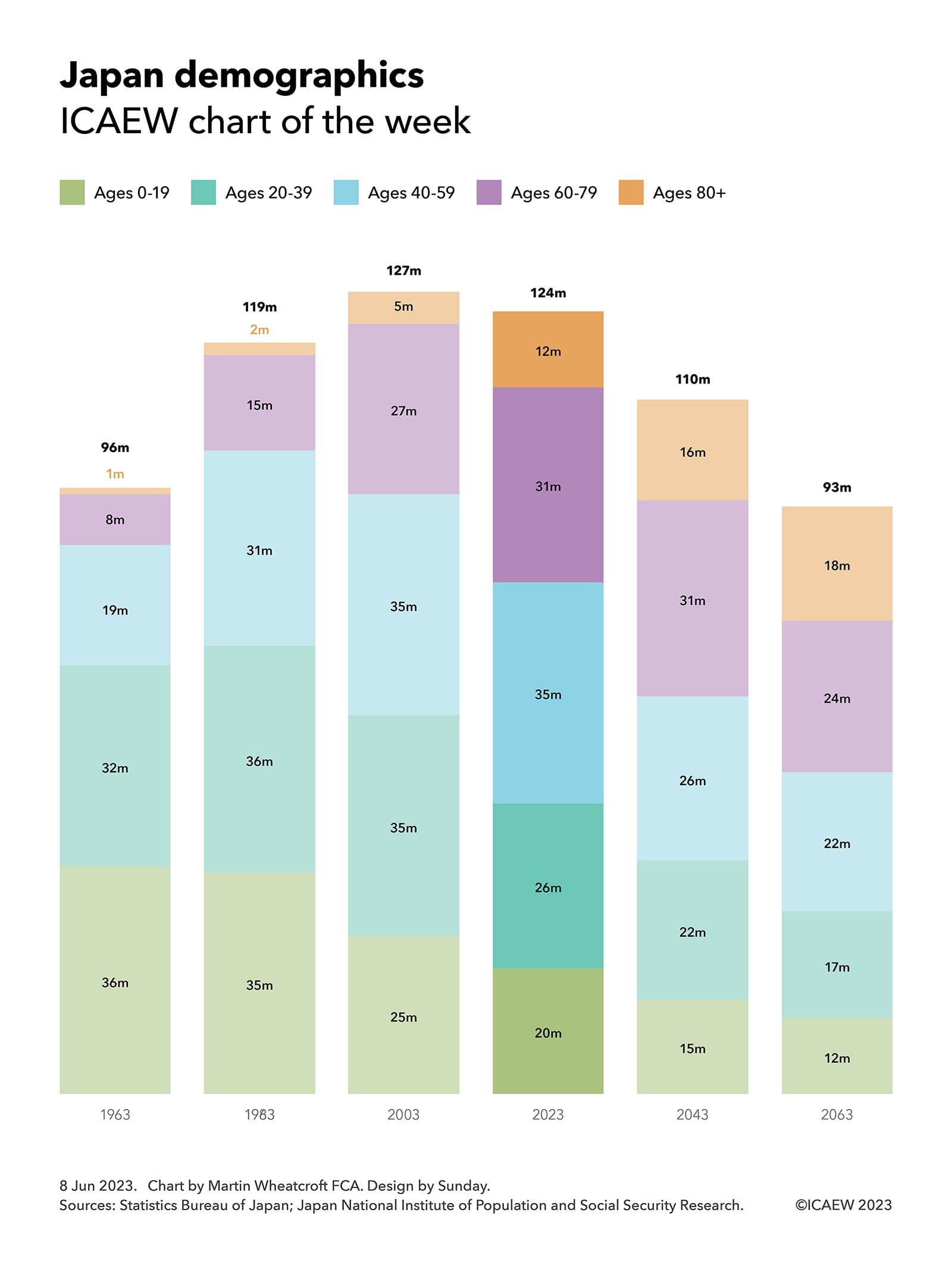
Japan adoption demographics chart
That pattern — a high overall adoption rate driven almost entirely by adult adoption — is what propels Japan toward the top of per-capita adoption lists. But the headline hides an important truth: Japan’s high adoption rate does not necessarily imply a proportionally high rate of children being adopted from foster care or orphanages into families.
Child adoption, foster care, and social welfare realities
Child adoption in Japan faces its own barriers. Social workers, court processes, family expectations, and bureaucratic inertia all contribute to a situation where fewer children in institutions are placed into adoptive homes than some observers might expect for a country of Japan’s wealth. Transitions from foster care to adoption are less common, and there is a cultural emphasis on blood relations in some contexts that complicates attitudes toward adopting non-relatives, especially infants and small children.
Advocates for children have for years pointed out that institutional care remains too large a safety net for children in need and that policy reforms could encourage more child-centric adoption. But policy shifts have been incremental rather than revolutionary, and—critically—adult adoption has remained a convenient legal instrument for families to resolve succession problems quickly and within established cultural norms.
Perception vs. reality: how press coverage misses the nuance
International coverage often treats Japan’s adoption numbers as a curious oddity—an image-friendly fact to anchor listicles. Those stories are not wrong, but they can be misleading. A headline that declares “Japan has one of the highest adoption rates in the world” without explaining the adult-adoption component creates an inaccurate impression of wide-scale child-placing adoption.
Explaining the nuance requires context: legal definitions, family registry practices, and the social roles adoption plays in different societies. In some countries adoption is primarily a child welfare tool; in Japan, it has historically doubled as a form of family governance and corporate governance.
Who becomes an adult adoptee and why?
Adult adoptees are often men in their twenties or thirties who either marry a family’s daughter or are chosen on the basis of aptitude for a business. Some are relatives who formalize an existing caregiving relationship. Others are outsiders recruited because they possess skills the family values. For many adoptees, particularly those from less-stable backgrounds, adoption can be a route to social mobility: a new name, work, and an inheritance that would otherwise be out of reach.
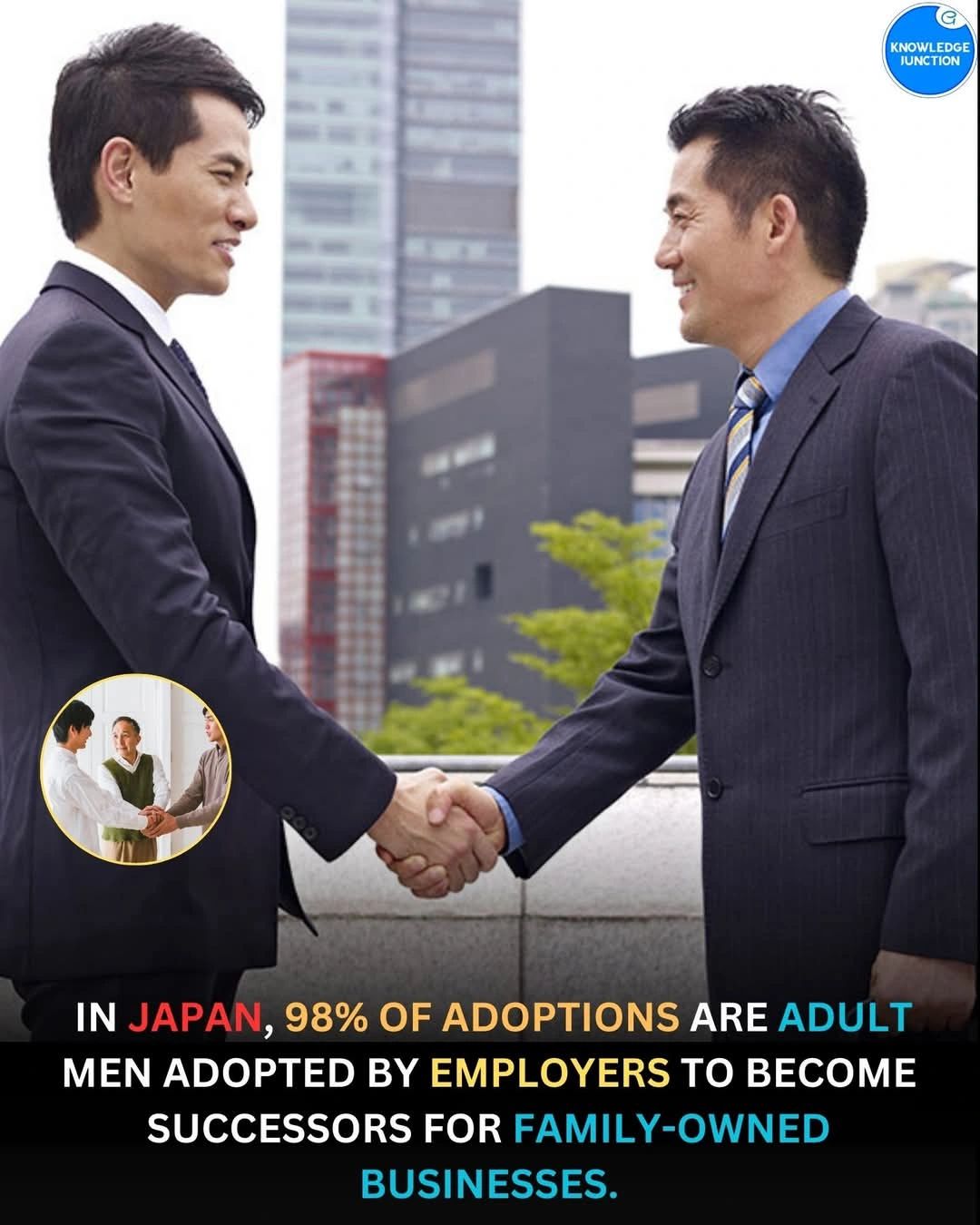
Adult adoption Japan business succession
It’s also worth noting that adoption does not erase previous family ties in a social sense; in many cases adoptees maintain contact with birth relatives, and the legal shift is as much about role and rights as it is about identity. That nuance complicates the simple, emotive image of adoption as either saving a child or erasing a person’s origins.
Trade-offs and criticisms
The practice comes with trade-offs. On the positive side, adult adoption has allowed family-owned businesses to survive and preserved livelihoods and reputations across generations. It has provided pathways for individuals to enter stable careers and homes. On the negative side, critics argue that the system can privilege business continuity over child welfare, that it normalizes a very narrow use of adoption, and that it leaves children in institutional care longer than necessary.
There is also a gendered element: the pattern skews heavily toward men being adopted into families to play the heir role. That gender asymmetry reinforces traditional expectations about who is responsible for family leadership and business running.
- Preserves family-owned companies and names.
- Creates clear inheritance lines and reduces family disputes.
- Offers social mobility and stability for adoptees.
- Does not address child welfare needs directly.
- Reinforces gendered succession norms.
- May obscure the scale of institutionalized children needing homes.
What would change adoption outcomes for children?
Shifts in policy and practice could encourage more child-centric pathways. Those include simplifying the legal route from foster care to adoption, strengthening post-adoption support for families, and public campaigns to reduce stigma around non-biological parenting. Japan has taken incremental steps toward such reforms, but any large-scale change would also have to touch on cultural ideas about family, name, and inheritance that run deep.
Conclusion: a unique use of an ancient tool
Japan’s high adoption rate is not a simple story of more children finding homes; it’s the modern expression of an older social technology retooled for contemporary needs. Adult adoption — especially of men intended to be family heirs — is a pragmatic solution for economic continuity in a country facing demographic headwinds. It also reveals important tensions: between corporate legacy and child welfare, between legal definition and social meaning, and between headline statistics and lived experience.
The practice invites a broader question for societies everywhere: how should legal institutions balance the needs of businesses, the desires of families, and the rights of children? In Japan, adult adoption answers that question in a way that fits local norms and pressures. Whether that arrangement will look the same fifty years from now depends on demographic change, legal reform, and whether societies choose to reorient adoption toward children in need.
- Japan’s high overall adoption rate is largely driven by adult adoptions (mukoyōshi), not child-placing adoptions.
- Adult adoption is often used to secure business succession, inheritance, and family continuity.
- Child adoption rates and child welfare outcomes are a separate policy concern that Japan continues to grapple with.
- When comparing adoption rates between countries, always check who is being adopted — adults or children — to avoid misleading conclusions.
This article explains the legal and cultural reasons why Japan’s adoption numbers often look high — and why that does not always translate into more children being adopted into families.