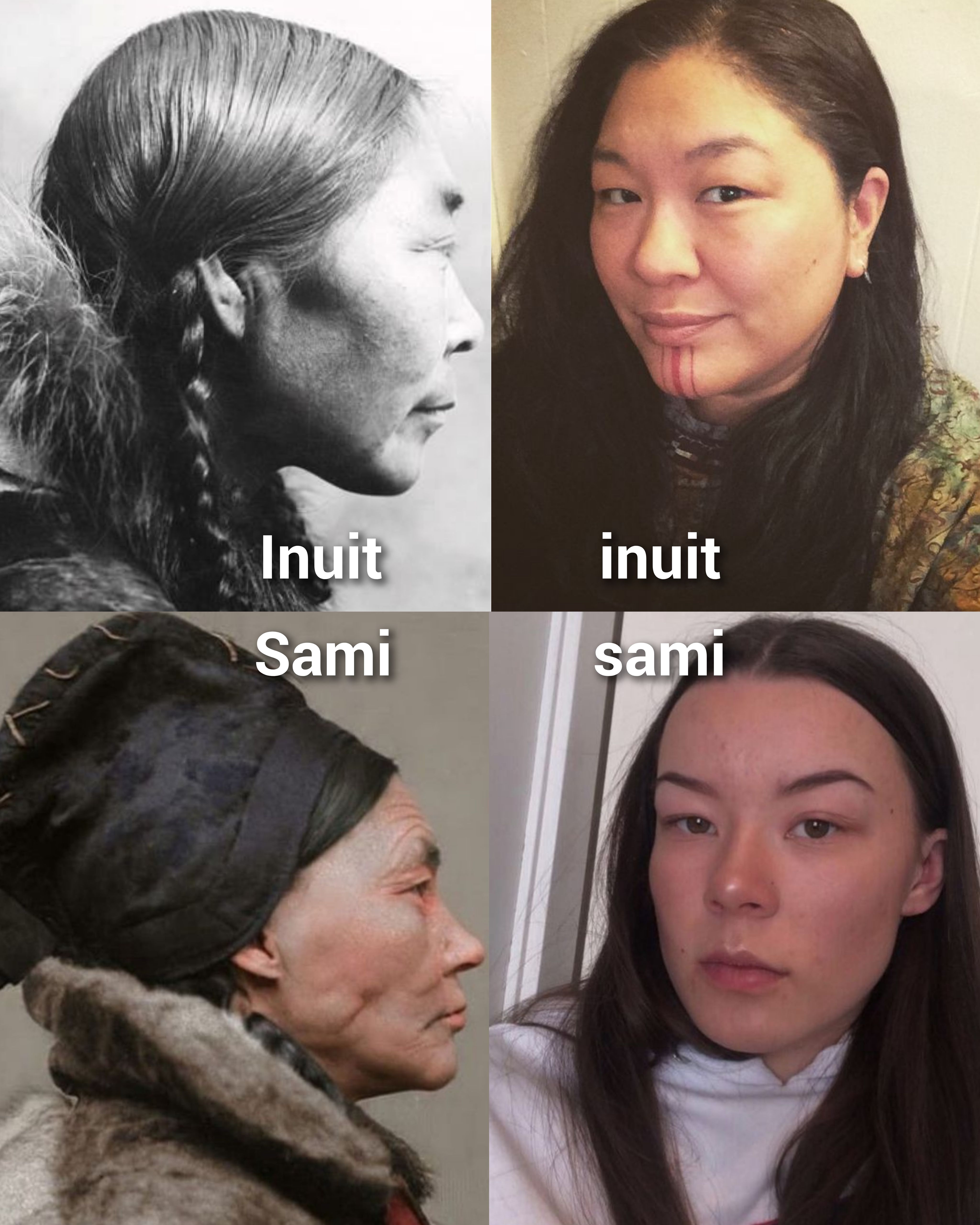
Why Inuit and Siberians Differ from Europeans Despite Cold Climates
The surface question is simple: both Inuit and some Siberian groups live in very cold regions, and so do many northern Europeans — why don't they all look alike? The deeper answer is rich and surprising. Physical appearance is shaped by a long interplay of ancient migrations, distinct ancestral mixes, different selective pressures in Arctic versus temperate cold, cultural buffering (clothing, shelter, and diet), and random genetic events. This article walks through the evolutionary, biological, and cultural reasons why two people living in cold places can end up with distinct faces, bodies, and features.
Ancestry and Deep Time: Different starting points
One of the most important facts to remember is that human appearance at any moment is rooted in population history. Europeans, East Asians, Siberians and Inuit do not all share the same recent ancestors. Modern Europeans largely descend from three major prehistoric ancestry streams: indigenous hunter-gatherers of Western Eurasia, early farmers from Anatolia, and later pastoral-steppe populations. Indigenous Siberians and Inuit trace much of their ancestry to groups that split from East Asian-related populations tens of thousands of years ago, with additional influence from ancient northern Eurasian groups. Inuit, specifically, are the product of more recent migrations across the North Pacific and Bering Strait, and many Inuit communities have genetic signatures distinct from those of Europeans.
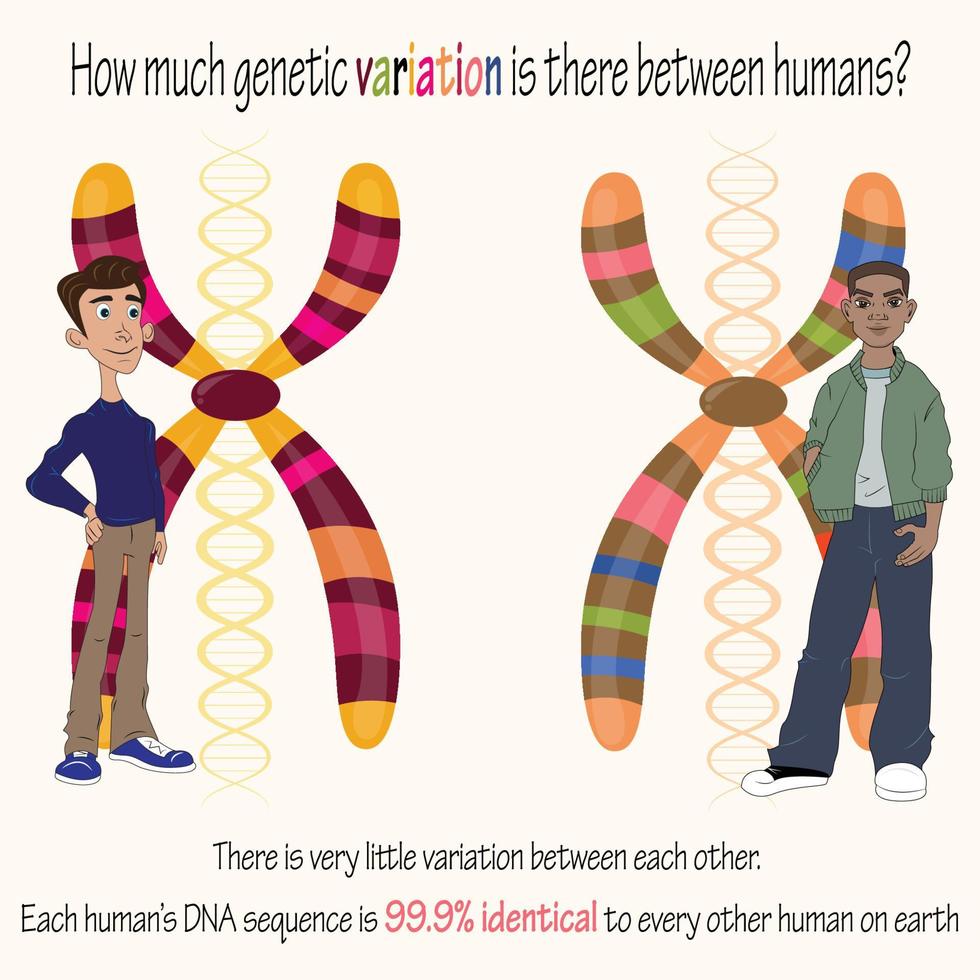
Human variation genetics ancestry
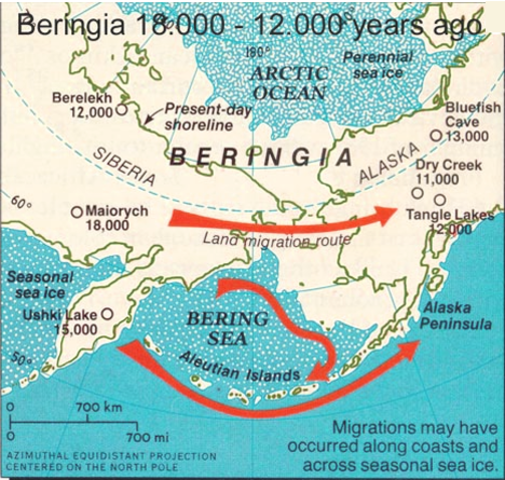
Beringia migration history
Why ancestry matters
Think of ancestry as the initial palette: allele frequencies, facial bone structure tendencies, hair texture variants, and skin-pigmentation alleles are passed down through millennia. When two populations start from different palettes, even identical selective pressures will act on different variants and produce different visible outcomes. This is why populations with long independent histories — even if they later arrive in the same climate — often retain distinct looks.
Different kinds of cold: Arctic versus temperate cold
Not all cold environments are the same. Northern Europe is cold and seasonal; the Arctic where many Inuit and Siberian peoples live is extreme, with sea ice, permafrost, long polar nights, and a diet dominated by marine mammals. These environmental differences change which traits selection favors.
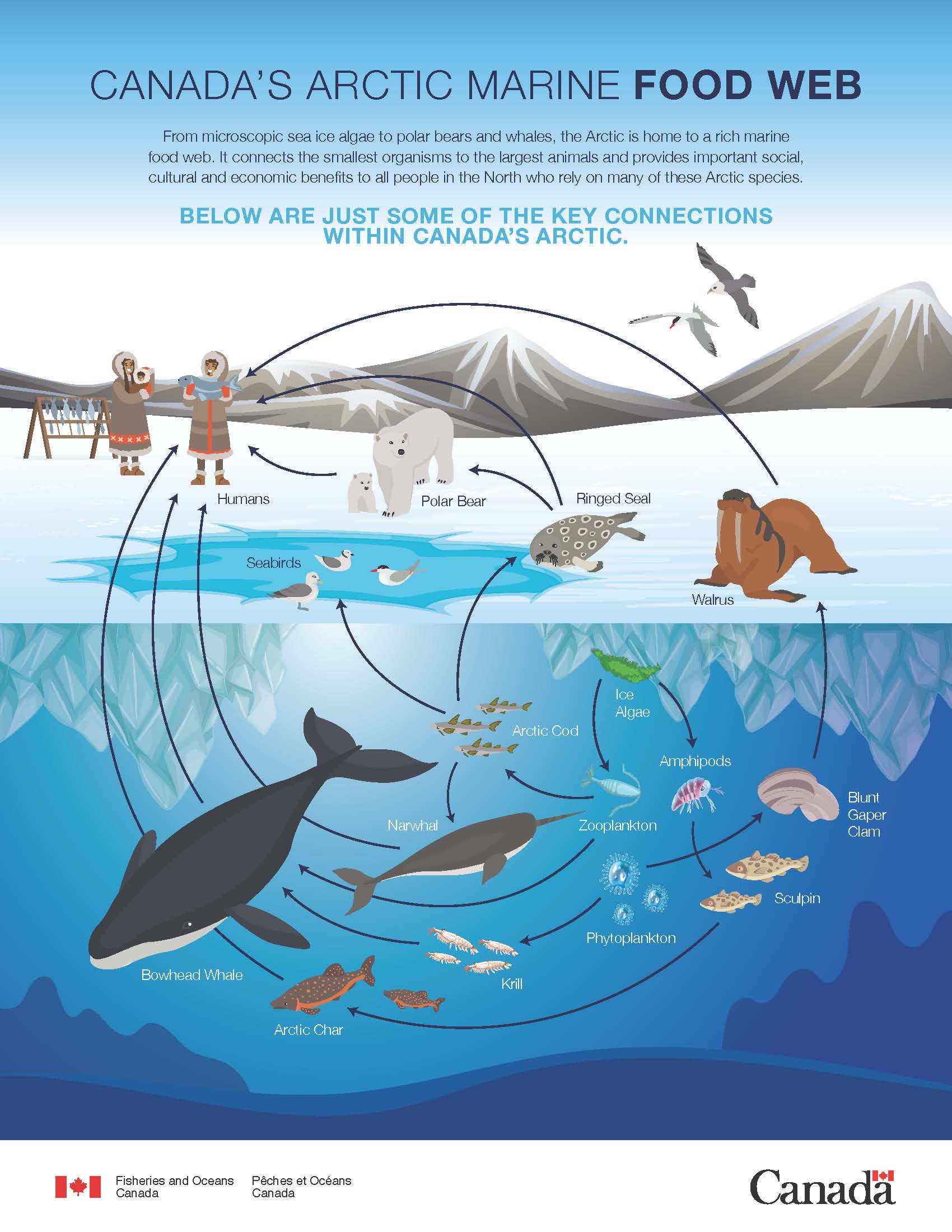
Marine diet Arctic adaptation
Key contrasts
- Temperature range and seasonality: Temperate cold has large seasonal swings; Arctic cold is more consistently extreme.
- Sunlight and UV: Polar regions have long periods of low ultraviolet exposure and sudden high reflections from snow and ice, affecting skin and eye adaptations differently than in Europe.
- Diet: Arctic diets are historically marine- and fat-heavy; many European diets shifted early to carbohydrate- and grain-based agriculture, altering metabolic selection pressures.
Those contrasts push different biological solutions. For example, persistent high-fat diets in the Arctic have driven selection on enzymes that process long-chain fatty acids in Inuit populations, while carbohydrate-heavy diets of agricultural Europeans produced other metabolic pressures.
Convergent vs. divergent adaptations
Evolutionary biology distinguishes convergent adaptations (different populations evolving similar traits because of similar pressures) from divergent outcomes (different traits due to different starting genetics or selective regimes). You can expect some convergence between people living in cold: stockier bodies, shorter limbs, and greater insulating fat layers are common responses (summarized by Bergmann's and Allen's rules). But convergence isn't guaranteed to erase earlier differences.
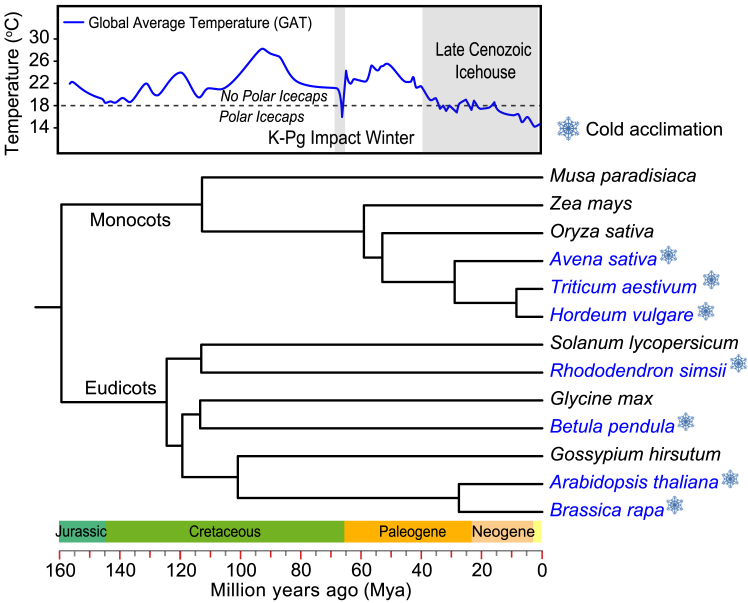
Convergent evolution cold climates
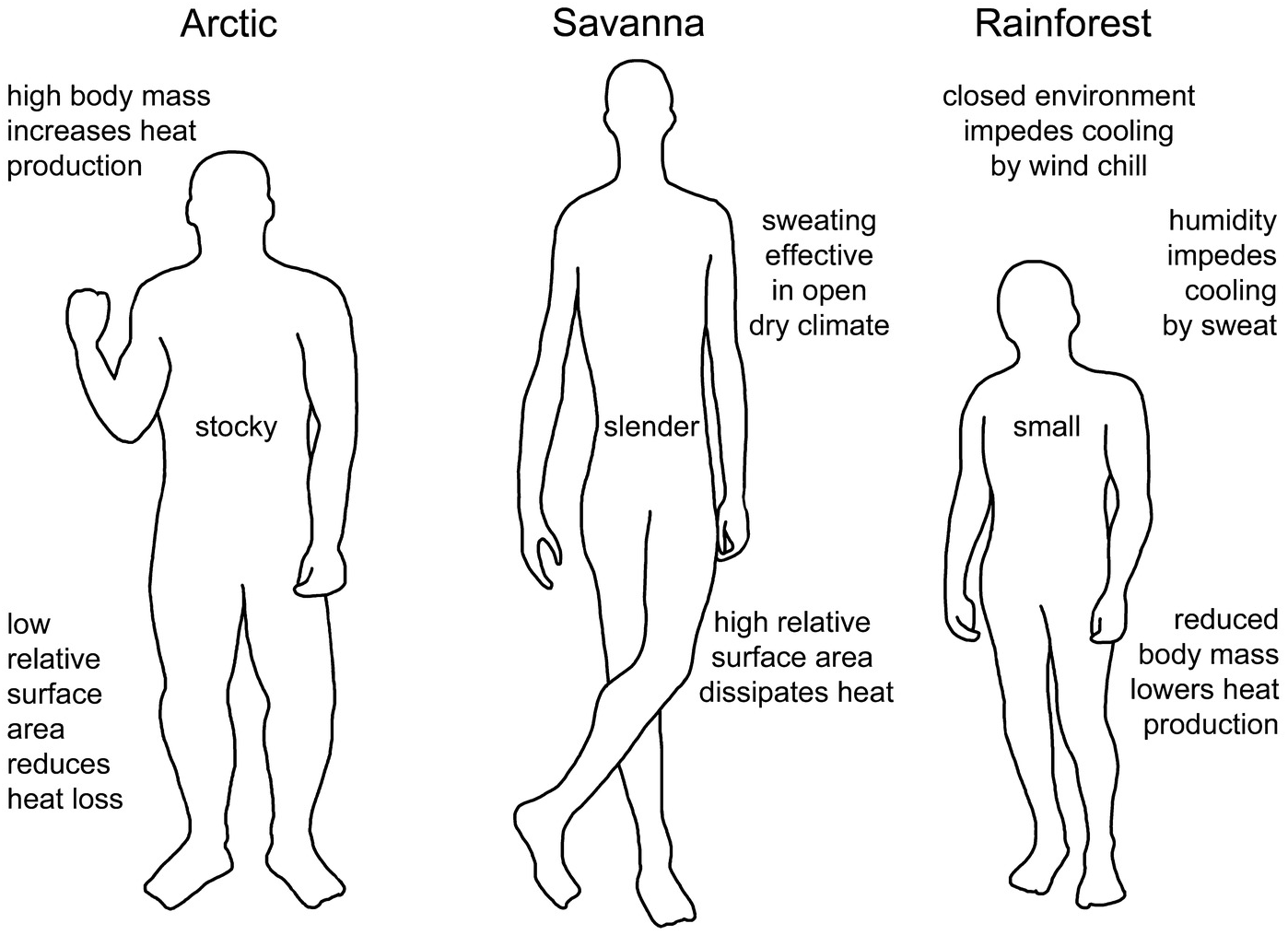
Bergmann's rule Arctic body shape
Similarities you might see
- Compact builds: Shorter limbs or a more compact torso can reduce heat loss.
- Insulation: Greater subcutaneous fat or different fat distribution can conserve heat.
- High basal metabolism: Some cold-adapted groups show physiological shifts that increase heat production.
Why differences persist
Even if both groups evolve compact bodies, the facial features, skin tone, eye shape, and hair texture that people notice most are influenced by different alleles fixed in each population long ago. Convergence can operate on broad body plan while finer features — like the epicanthic fold, nose bridge shape, or hair thickness — remain distinct because they derive from different genetic variants or were shaped by different cultural preferences and sexual selection.
Genes and biology: known examples and plausible mechanisms
Modern population genetics has identified concrete genetic differences that help explain physiological traits in Arctic populations. Rather than listing exhaustive gene names, it's more useful to highlight the functional categories that have been under selection and provide a few well-known examples.
Fatty acid metabolism and diet
Inuit and some Arctic Siberian groups have experienced selection on genes involved in processing omega-3 and other long-chain fatty acids, reflecting a marine-heavy diet. Those genetic shifts affect lipid metabolism and energy use; they also interact with cardiovascular risk and insulin regulation in modern dietary contexts. Europeans, with a long history of agriculture, were subject to different dietary selection pressures, including amylase copy-number variation and other carbohydrate-related adaptations.
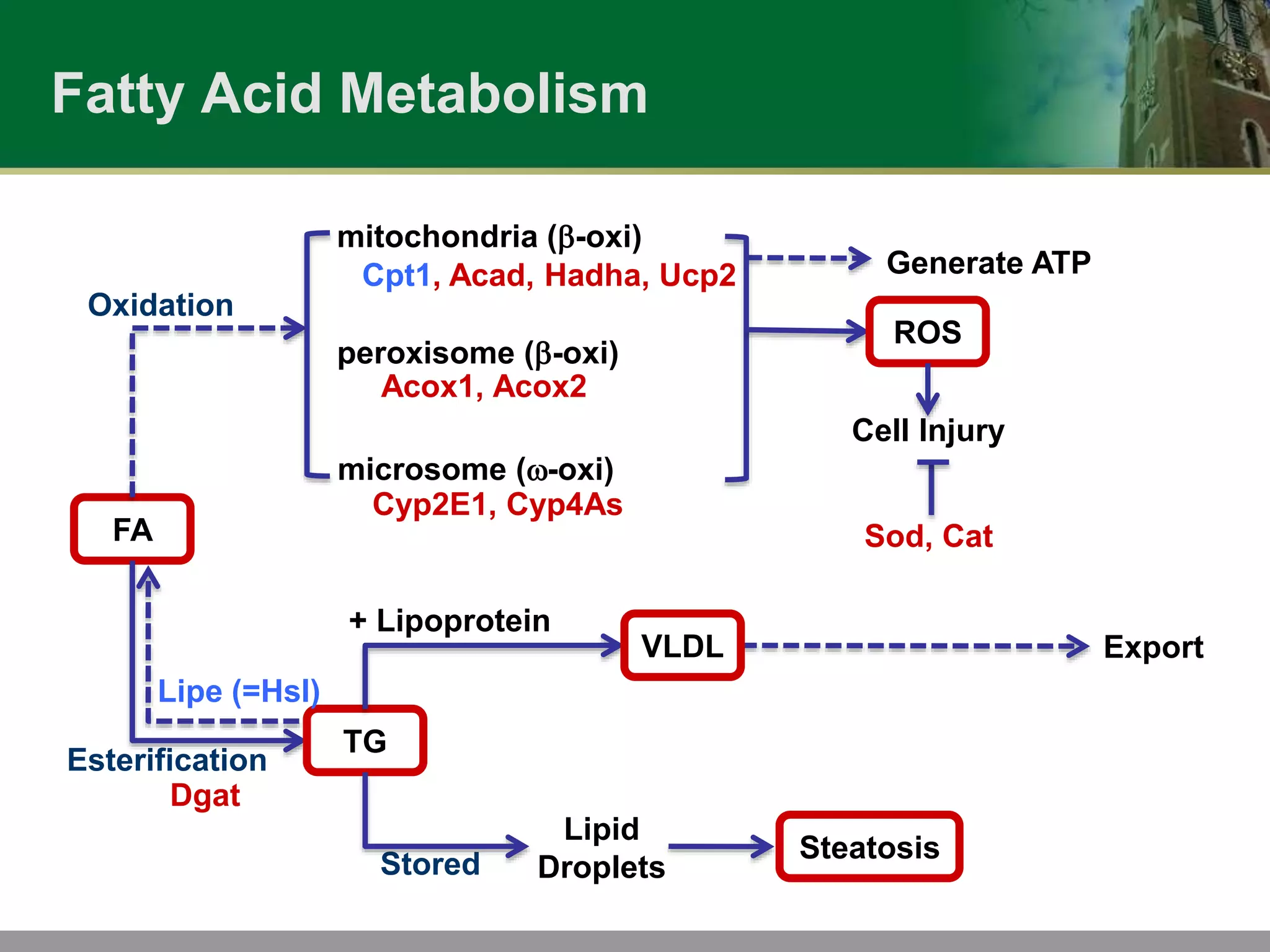
Inuit fatty acid metabolism genes
Skin, hair, and facial features
Different clusters of genes influence pigmentation, hair thickness and shape, and facial bone structure. For example, a variant in the EDAR gene is common in East Asian and many Native American-descended populations; it influences hair thickness and certain dental traits. This variant is generally absent or rare in many European populations. Other loci influencing nasal shape or cheekbone prominence have different allele frequencies across populations because of deep ancestry and region-specific selection.
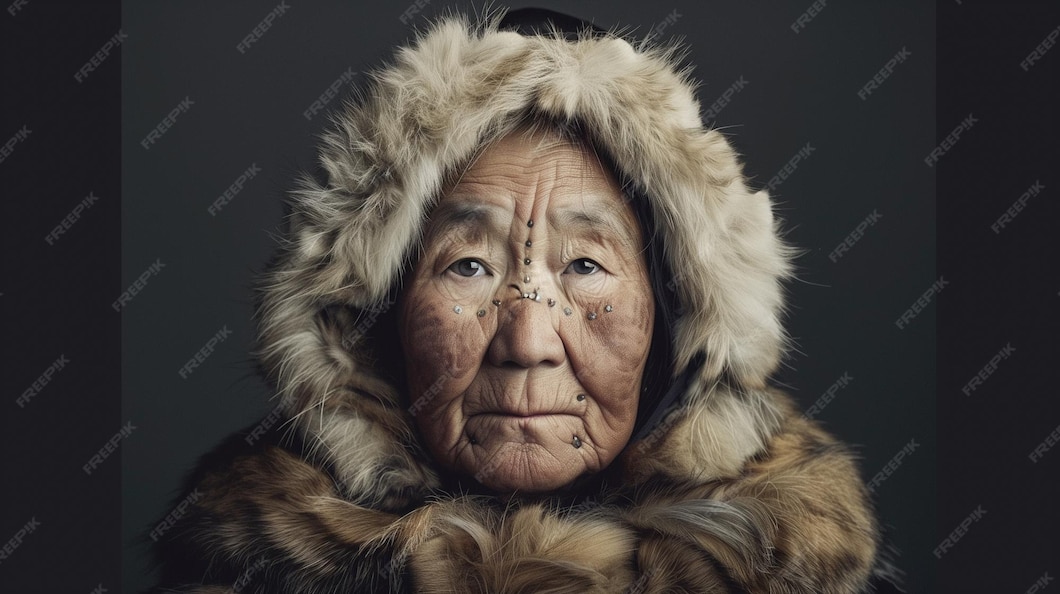
Inuit face epicanthic fold
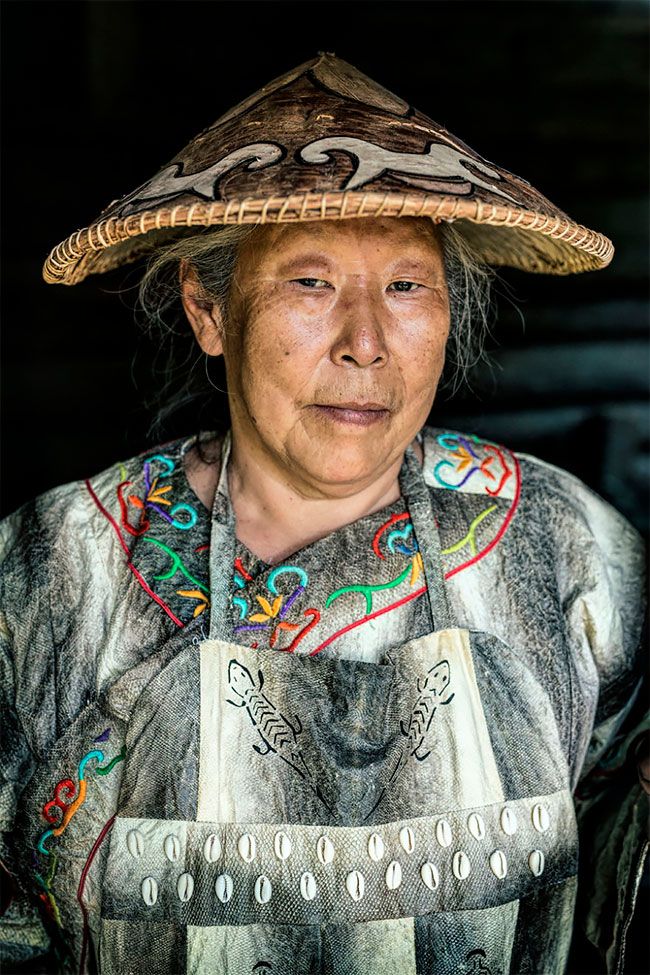
Siberian facial features
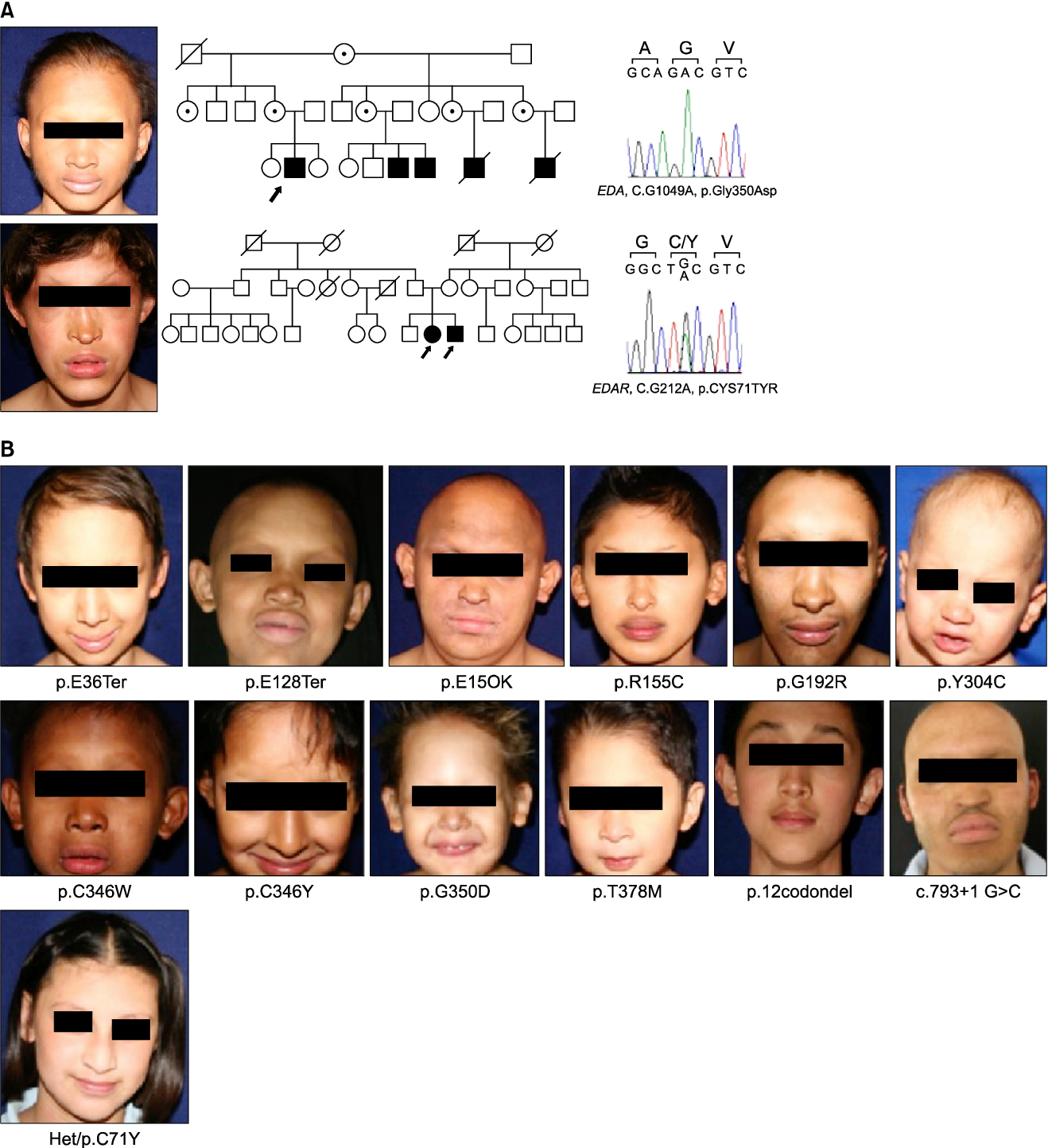
EDAR gene hair thickness
Thermogenesis, fat distribution, and body shape genes
Selection on genes related to thermogenesis or fat distribution can help people survive extreme cold. Studies have pointed to regions of the genome in Arctic groups linked to how fat is stored and how brown or beige fat is activated to produce heat. Europeans who live in cold climates may share some physiological strategies, but the specific alleles and their frequencies differ because of distinct ancestry and different diets.
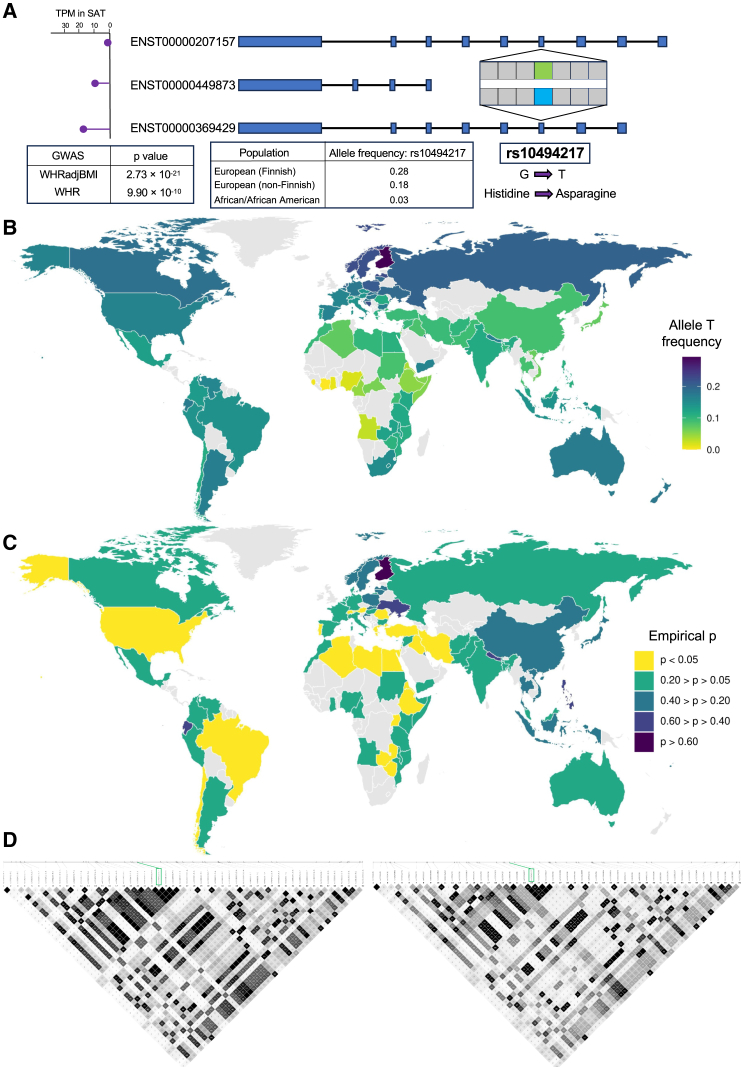
TBX15 gene Arctic thermogenesis
Culture and technology blunt natural selection
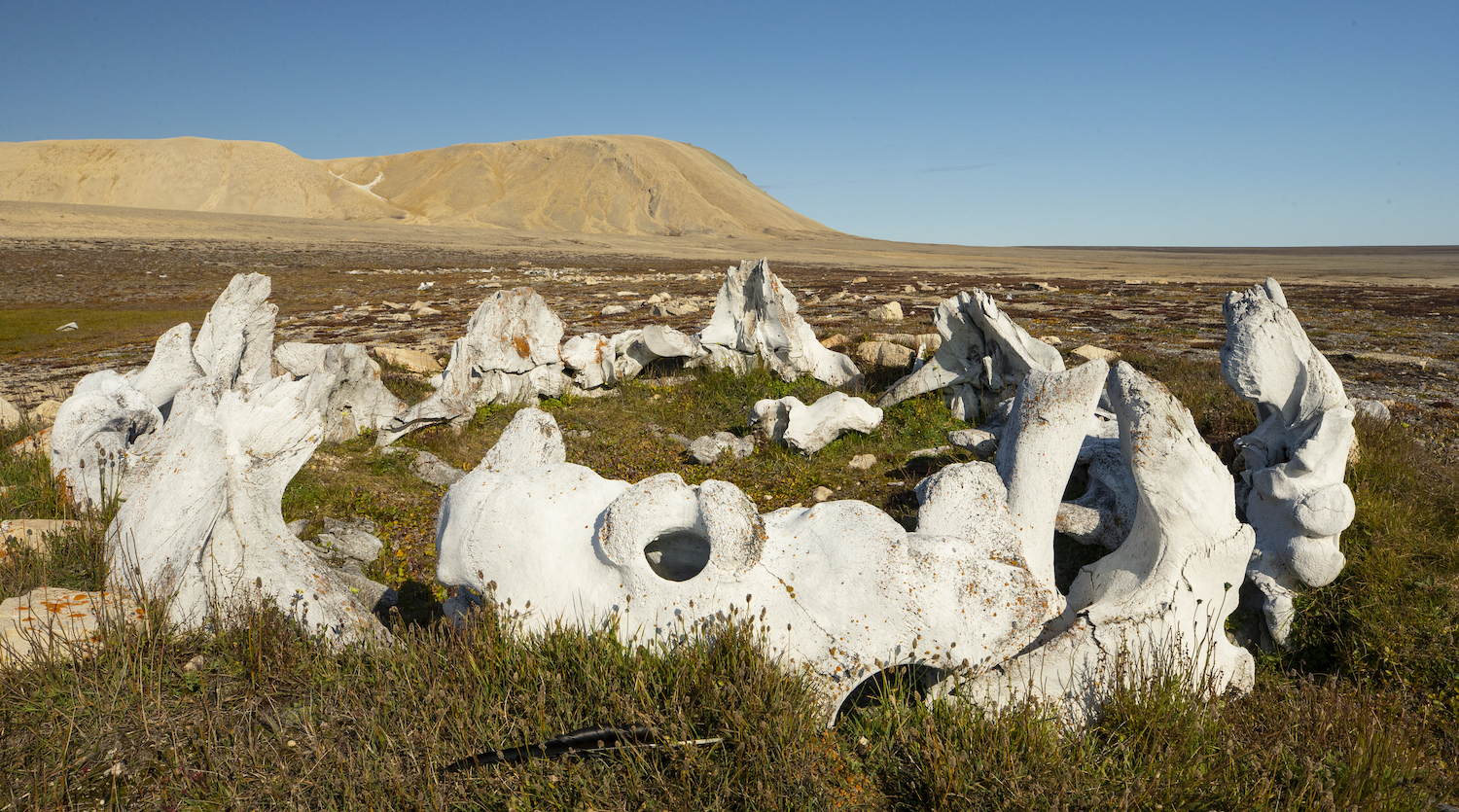
Clothing, fire, houses, tools, and social structures are hugely important. Innovations such as insulated parkas, layered clothing, and marine hunting technology reduce the force of natural selection on body shape and physiological cold tolerance.
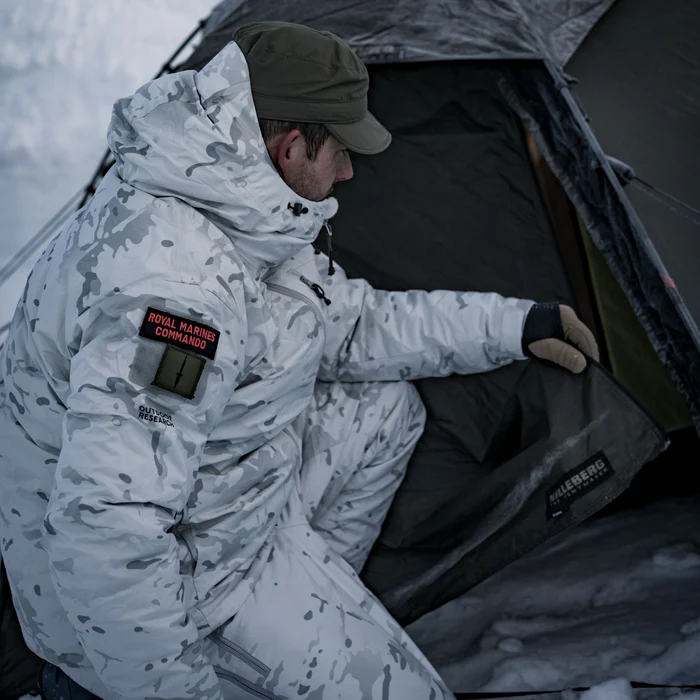
Clothing Arctic insulation technology
Thule culture Arctic
Culture reduces selective pressure
- Clothing: Warm clothing prevents cold-induced mortality, so genes for extreme cold tolerance are less likely to be strongly selected.
- Food storage and sharing: Collective provisioning means individual metabolic extremes matter less for survival.
- Technological migration: Once a technology spreads (e.g., sealskin clothing), it can change the environment experienced by humans and alter evolutionary trajectories.
These cultural buffers differ between groups depending on technology, trade, and social organization. For instance, the long maritime tradition of many Inuit groups produces different lifestyles than riverine or inland traditions in parts of Siberia or northern Europe, creating distinct ecological niches.
Chance: founder effects, drift, and sexual selection
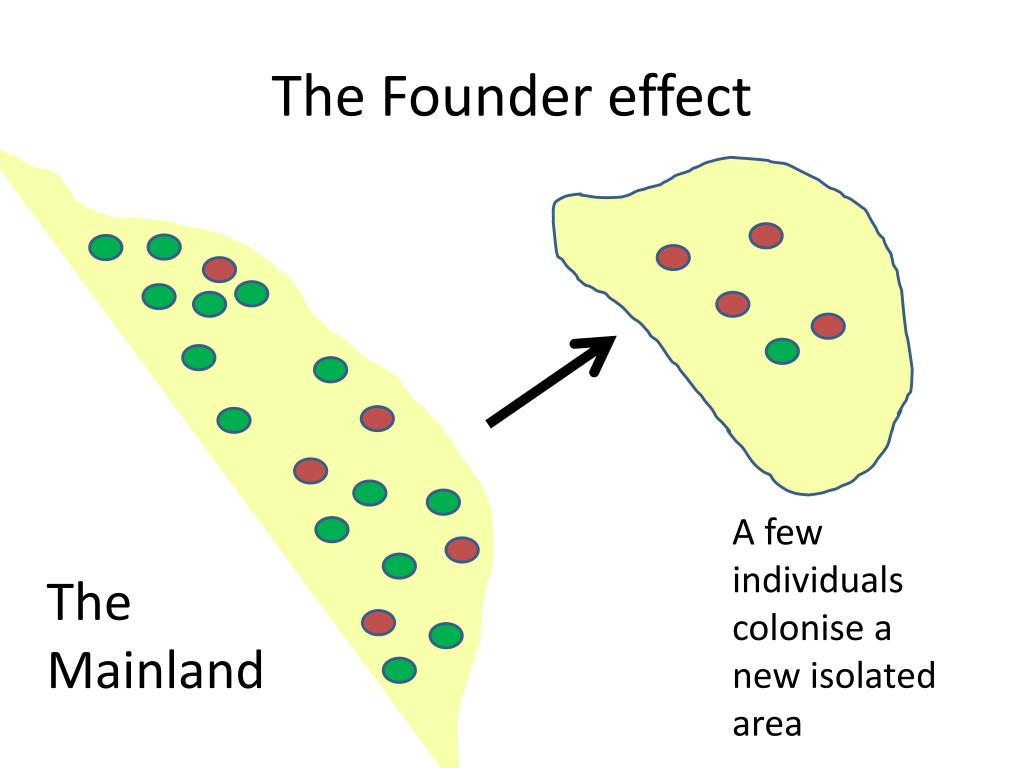
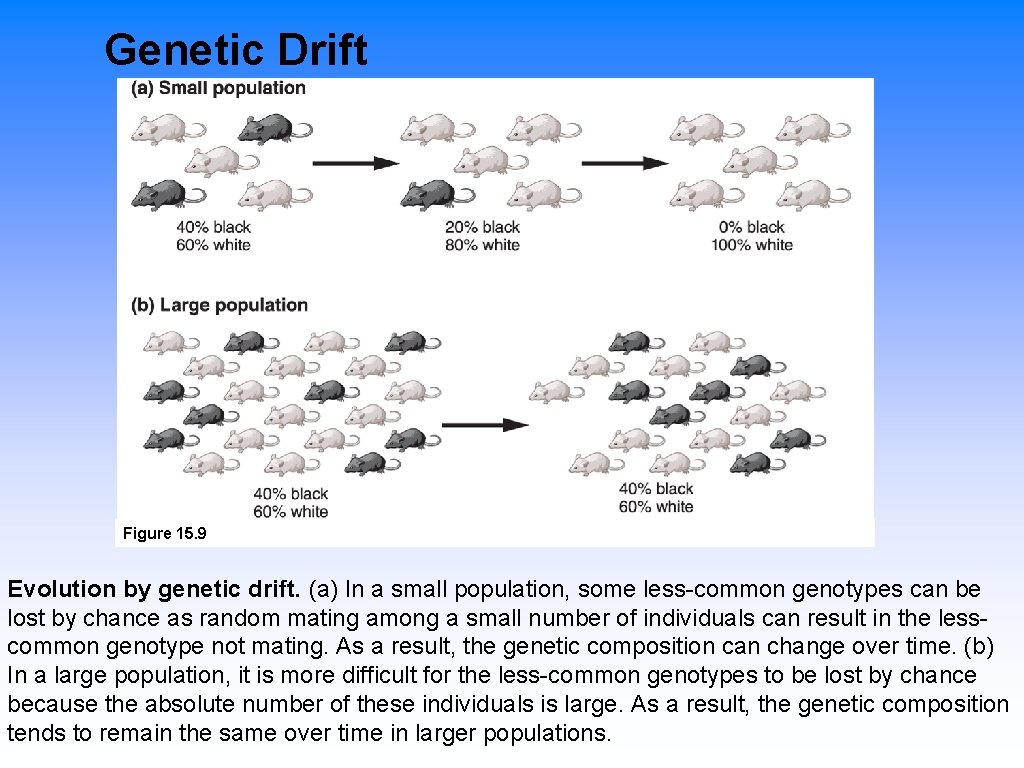
Genetic drift and founder effects are powerful when populations are small or when a group colonizes a new area. A small founding population carries only a subset of the genetic variation of its source; rare alleles can become common or fixed by chance. Sexual selection — preferences for particular traits — can also shift appearance over generations independently of environmental necessity.
Founder effects Arctic migration
Genetic drift Arctic populations
Examples of random forces
- Founder effects: Migrating groups that colonized islands or remote Arctic coasts may have carried and amplified particular facial or hair traits.
- Genetic drift: Over thousands of years, random fluctuations can differentiate populations even without strong selection.
- Sexual selection: Traits favored in mates can diverge culturally and produce visible differences.
Putting the pieces together: why differences persist
Combine different ancestry, different selective regimes, cultural buffering, and random forces, and you have a recipe for distinct appearance. Even where selection pushes in similar directions (compact bodies, better heat conservation), the genetic starting points and cultural paths determine the visible outcome.
A simple analogy
Imagine two chefs told to make a warm stew using only local ingredients. Both will produce hot, nourishing stews, but the taste, texture and color will differ because their available ingredients and cooking traditions differ. Similarly, cold climates favor warm, energy-conserving bodies, but the "ingredients" — ancestral alleles, diet, cultural technology — differ, so the end results look different.
Appearance is the result of both evolution and culture, layered across millennia of migration and daily life.
Common misconceptions and clarifications
Misconception 1: Cold alone determines nose shape
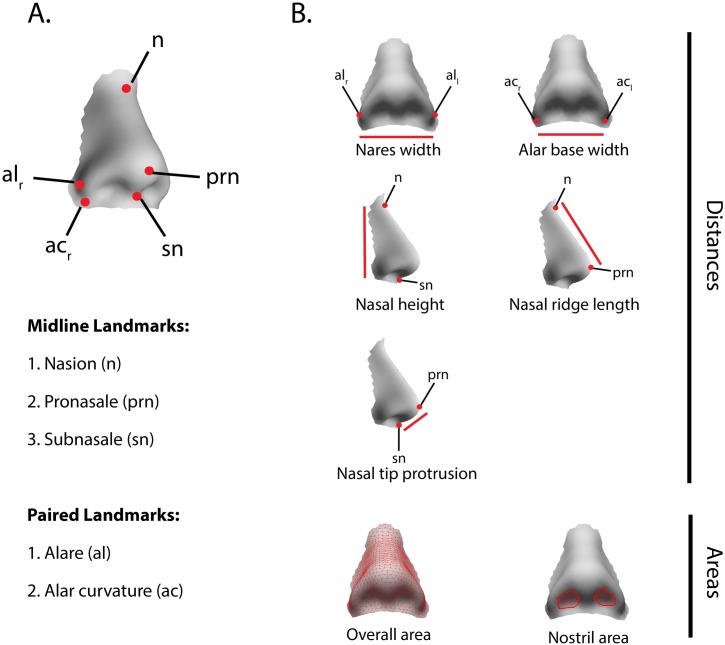
Nose shape is often explained by climate — narrower noses in cold climates help warm and humidify inhaled air — and there is evidence for climatic influence. But nose shape also reflects ancestry, developmental factors, and sexual selection. Arctic peoples and northern Europeans may both share some climate-linked nasal traits while differing in other facial characteristics due to distinct genetic histories.
European nose shape cold adaptation
Misconception 2: Technology makes biology irrelevant
While clothing and shelter reduce mortality and blunt selection, they do not erase biological differences entirely. Strong or long-standing dietary regimes, repeated selection pressures, and cultural practices can still produce and maintain genetic adaptations, even alongside technological buffering.
Implications beyond appearance
Understanding why groups look different has practical importance. It informs medicine (how populations metabolize fats and drugs), nutrition (what traditional diets a population is adapted to), and cultural respect (avoiding simplistic assumptions about biology and behavior). It also helps counter misleading narratives that conflate appearance with ability or destiny.
Conclusion: a mosaic, not a single story
In short, Inuit and Siberian peoples look different from Europeans because their genetic starting points, migration histories, selection pressures, diets, and cultures all differ. Cold climates create some common pressures — and you will see convergent traits — but those pressures operate against different ancestral backgrounds. Add cultural technologies that change the effective environment and random genetic events that amplify quirks, and you end up with distinct, understandable patterns of human variation.
Final thought
Appreciating this mosaic helps us see human diversity as the product of history and adaptation, not as a set of fixed categories. When you look at faces, body shapes, and hair types, you're seeing the echoes of ancient migrations, survival strategies, and the lived choices of communities across thousands of years.
- Different ancestral histories provide distinct genetic palettes that shape appearance.
- Arctic and temperate cold are different environments; diet and daylight matter as much as temperature.
- Convergent traits (compact bodies, insulation) can coexist with divergent facial and hair features.
- Cultural technology (clothing, shelter, diet) reduces but does not erase selection pressures.
- Random events like founder effects and drift amplify visible differences across populations.
Understanding human appearance requires blending genetics, environment, culture and chance.