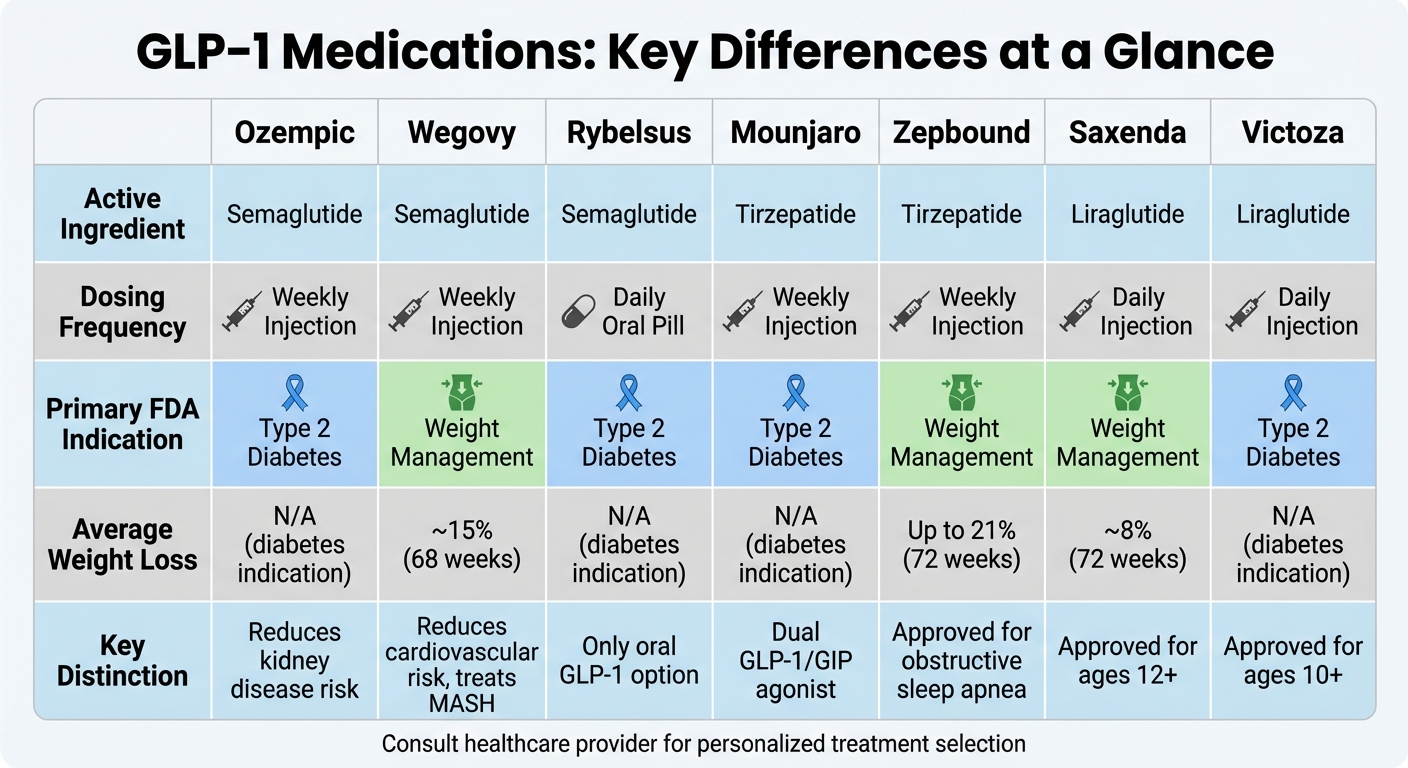
Why GLP-1 Weight-Loss Drugs Don't Work for Everyone
The arrival of GLP-1 receptor agonists like semaglutide on the obesity-treatment stage has felt, to many, like a turning point: dramatic losses on the scale, shifts in metabolic markers, and a new conversation about the medical treatment of excess weight. Yet the headlines and before-and-after photos obscure an important reality: these drugs are not a universal solution. Some people see spectacular, sustained results; others lose less than expected, plateau early, or regain weight after stopping treatment. Understanding why requires looking beyond the drug bottle to individual biology, behavior, dosing and duration, and health-system realities.

semaglutide injection pen
How GLP-1 Drugs Work
Basic mechanism
GLP-1 (glucagon-like peptide-1) receptor agonists mimic a naturally occurring gut hormone that increases after eating. They act on brain centers that regulate hunger and satiety, slow gastric emptying, and influence insulin and glucagon secretion. The combined effect is usually a reduced appetite, smaller portion sizes, and improved blood sugar control—factors that make weight loss more likely for many patients.
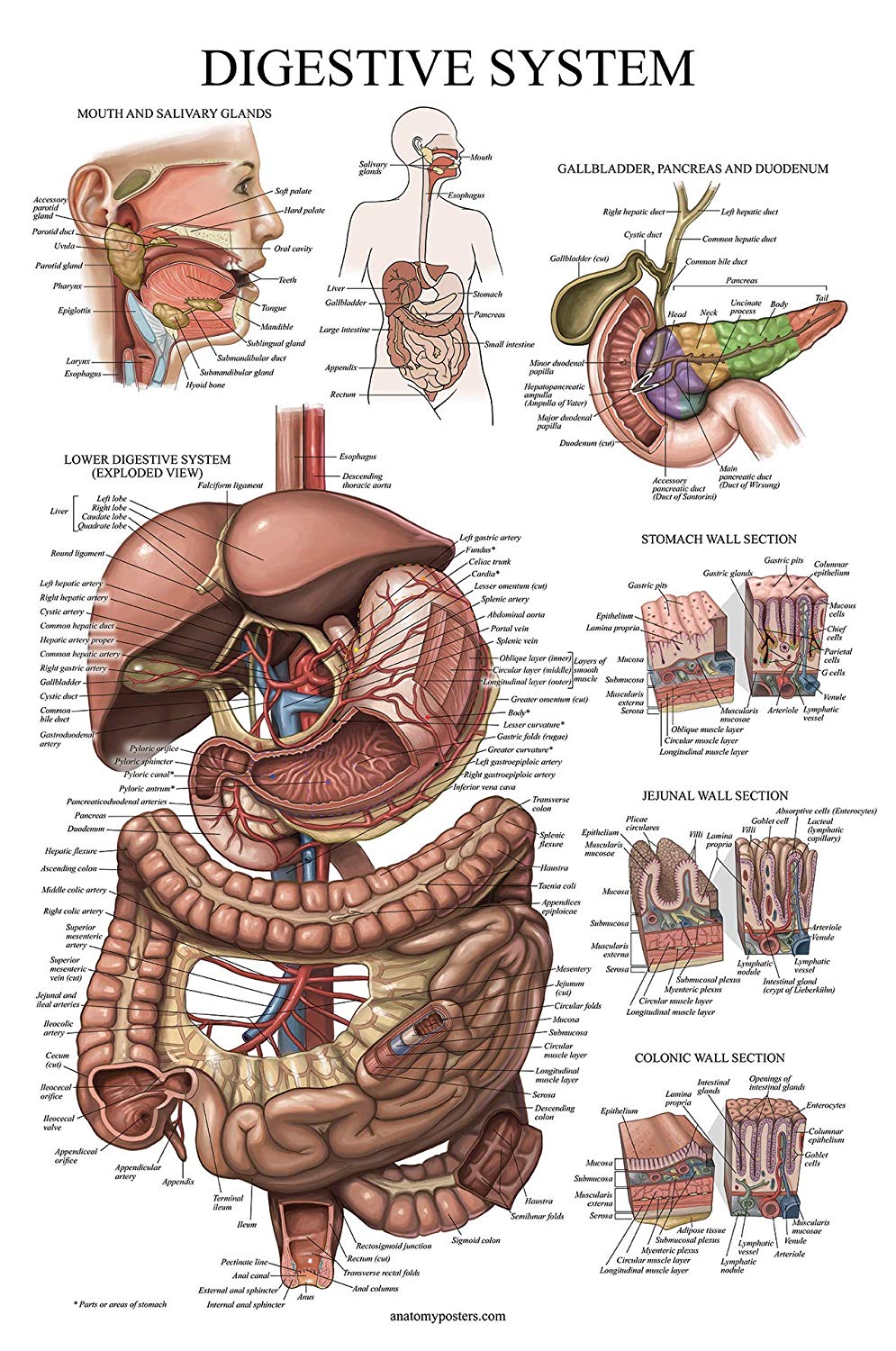
human digestive system anatomy
Different formulations and durations
Not all GLP-1 drugs are identical. Some are designed for weekly injection; others are daily. Molecular differences affect how strongly they bind the receptor, how long they stay in the body, and their side-effect profiles. Those pharmacologic nuances help explain why two people on different GLP-1 medicines may have different experiences.
Why Responses Vary: The Biology
Genetics and metabolic set point
Body weight is strongly influenced by genetics. Variants in genes that control appetite, fat storage, and energy expenditure can shape how your brain and body interpret GLP-1 signals. Some people may have a higher biologic "set point"—a homeostatic weight their bodies defend stubbornly—which makes sustained loss harder even when appetite is reduced.
Hormonal context
Thyroid function, sex hormones, cortisol and insulin sensitivity all interact with appetite and energy use. Hypothyroidism, for example, lowers energy expenditure and can blunt weight loss unless corrected. Similarly, people with severe insulin resistance may respond differently to GLP-1 signaling because the metabolic milieu changes how the body stores and burns fuel.
Gut-brain axis and the microbiome
The gut microbiome influences metabolism and the production of signaling molecules that affect hunger and reward. Though research is ongoing, differences in gut bacteria may partly explain why two people with similar diets and medications have different weight outcomes.

gut microbiome bacteria illustration
"Weight loss with medication is not simply a math problem of calories in vs calories out; it is a complex, biological negotiation between brain, gut, hormones and environment."
Why Responses Vary: Medication Factors
Dose and titration
Optimal dosing often matters more than just being on the drug. Clinical trials that show large average losses generally use gradual dose escalation to reach higher, more effective doses, maintained for months. In practice, side effects, cost, or provider caution sometimes prevent patients from reaching or staying on those doses.
Duration of treatment
Weight often continues to fall for many months on therapy, but stopping the medication frequently leads to regain. That suggests part of the drug's effect is to suppress appetite continuously; once the pharmacologic signal is removed, homeostatic mechanisms prompt increased hunger and metabolic adaptation to restore weight.
Pharmacokinetics and individual absorption
Differences in how people metabolize a drug—affected by liver and kidney function, body composition, or interactions with other medications—can alter effective drug levels. That variation contributes to inconsistent responses.
Why Responses Vary: Side Effects and Tolerability
Gastrointestinal side effects
Nausea, vomiting, diarrhea, and constipation are common when starting GLP-1 therapy. For some people, these side effects are transient and manageable with slow titration and dose adjustment. For others, persistent intolerance forces dose reductions or discontinuation, reducing therapeutic benefit.
Psychological and behavioral tolerance
Beyond physiology, the day-to-day experience of taking a medication matters. Stigma, injection anxiety, fear of side effects, or disappointment when progress stalls can erode adherence. Even modest lapses in adherence can blunt long-term outcomes.
Why Responses Vary: Behavior and Environment
Dietary patterns and reward-driven eating
GLP-1 drugs reduce appetite, but they do not remove all hedonic drive to eat. People with strong reward-driven eating habits—stress eating, binge eating, or long-standing habits tied to culture and routine—may find medication helpful but insufficient without behavioral strategies that address cues, coping skills, and environment.
Physical activity and energy expenditure
Weight outcomes are influenced by both intake and expenditure. Some patients lose more when they combine medication with increased activity that preserves lean mass and raises daily energy use. Others experience plateaus because metabolic adaptation lowers resting energy expenditure; structured exercise can mitigate that effect.

healthy diet and exercise
Expectations and goal-setting
Expectations influence persistence. People who expect dramatic, rapid results may be disappointed and stop treatment early. Framing outcomes as health-focused—improvements in blood pressure, mobility, or blood sugar—helps maintain engagement even if scale changes are slower than hoped.
Why Responses Vary: System and Access
Insurance, cost and inconsistent access
Cost is a real-world limiter. Many patients face high out-of-pocket expenses, noncoverage by insurers, or supply shortages. Disrupted access often means dose reductions, inconsistent use, or premature discontinuation—each of which undermines efficacy.

medical insurance cost symbols
Clinical support and monitoring
Better outcomes are tied to comprehensive care: clinicians who set expectations, manage side effects, adjust doses, and refer to nutrition and behavioral support. Fragmented care—prescriptions without follow-up—reduces the likelihood of success.

healthcare provider patient consultation
Special Populations and Contraindications
People with type 2 diabetes vs people with obesity
Many clinical trials have studied different populations. Those with type 2 diabetes sometimes have smaller average weight losses than people enrolled in obesity-specific trials, because baseline metabolic differences and concurrent medications change responses. Understanding the original study populations helps set expectations for real-world results.
Older adults, pregnancy, and comorbidities
Older adults may face different risk–benefit equations: unintentional weight loss can harm frail patients, and the clinical goal may shift from weight loss to function and metabolic stability. GLP-1 drugs are contraindicated in pregnancy and may be used cautiously or avoided in people with certain medical histories; individualized clinical judgment is crucial.
What Happens When Treatment Stops
Clinical experience indicates many patients regain weight when GLP-1 therapy is stopped. The reason is the same as why losing weight is hard in the first place: biologic defenses push appetite up and energy expenditure down to restore prior weight. This pattern has sparked debate about whether obesity should be treated as a chronic condition requiring long-term pharmacotherapy—similar to how hypertension or diabetes are managed—but long-term safety, cost, and patient preferences shape that conversation.
"Stopping the drug often reveals the body's persistent drive to return to its prior weight—so discontinuation strategies matter as much as initiation."
Practical Steps to Improve Outcomes
Set realistic goals and metrics
Talk with your clinician about what success looks like for you. Instead of focusing solely on pounds lost, consider measures such as waist circumference, mobility, energy levels, need for diabetes medications, or improvements in blood pressure and lipids.
Combine medication with behavioral supports
Structured programs—dietitian counseling, cognitive-behavioral therapy for disordered eating, or group-based weight-management programs—amplify medication effects. Small, sustainable changes in meal structure, sleep, and stress management compound the pharmacologic appetite suppression.
Optimize dosing and manage side effects
Work with your prescriber to reach an effective dose while minimizing side effects. Slow titration, taking medication with food when appropriate, and treating nausea proactively can keep patients on regimen long enough to see benefits.
Future Directions and Research
Researchers are exploring combinations—GLP-1 drugs with other metabolic agents, or pairing pharmacotherapy with personalized approaches informed by genetics or microbiome profiling. Long-term outcome studies will clarify whether continuous therapy, intermittent use, or combined modalities deliver the best balance of efficacy, safety and cost-effectiveness.
Conclusion
GLP-1 receptor agonists represent a powerful advance in the treatment toolkit for obesity and metabolic disease. But they are not magic bullets. Biological individuality, medication factors, side effects, behavior, and systems-level barriers all shape outcomes. For patients and clinicians, the key is realistic expectations and an integrated plan: optimize dosing, pair medication with behavioral support, monitor progress with multiple metrics, and treat weight management as a long-term project rather than a one-off fix. In that context, GLP-1 drugs can be transformative for many—but not every—person who tries them.
- GLP-1 drugs reduce appetite and improve metabolic markers, but effect sizes vary by individual biology and dose.
- Side effects and access issues often limit optimal use and blunt outcomes.
- Combining medication with behavioral supports and realistic goals improves the chance of meaningful, sustained benefit.