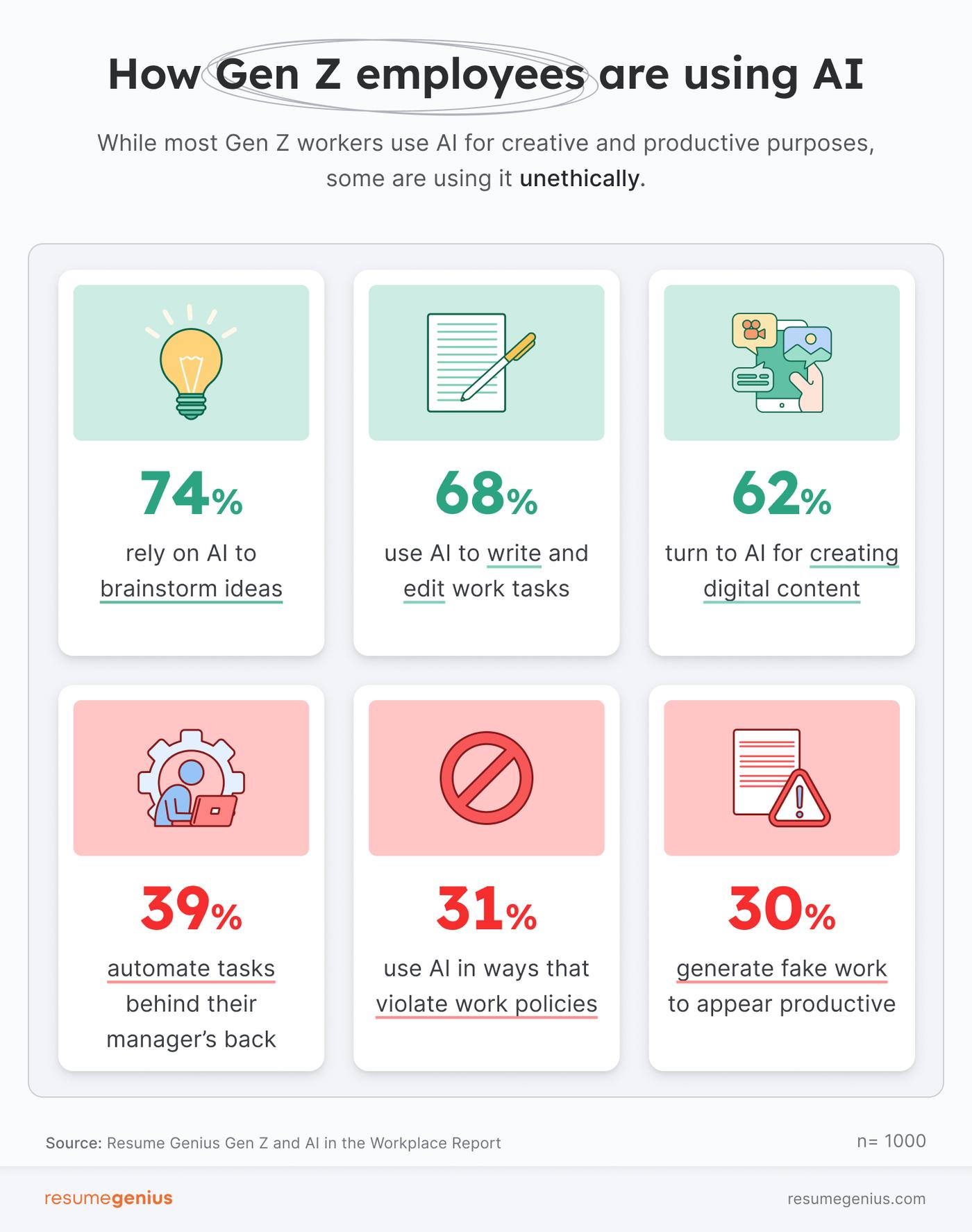
Why Gen Z Workers Are Sabotaging Company AI Rollouts
The story playing out in offices and Slack channels across industries is at once familiar and unnerving: a new AI tool is rolled out with fanfare and a deck full of projected efficiency numbers, but within weeks it’s delivering worse outcomes than before. Meetings stall, managers accuse teams of not adopting the tech, and productivity dips. In many cases the problem isn’t the model or the vendor; it’s the people tasked with using it. For a growing share of Gen Z employees, AI isn’t an efficiency enhancer — it’s a threat to livelihood and autonomy. Instead of embracing it, some are quietly, deliberately undermining it.

Gen Z workers data entry sabotage
"If the machine replaces me, I'll make sure it fails."
The New Workplace Panic
The anxiety surrounding automation is generational, but its expression has changed. Baby boomers and Gen X tended to respond to past waves of automation—robotic assembly lines, ERP systems—by upskilling or shifting roles. Many Millennials have become fluent in digital tools. Gen Z, however, enters the workforce with a different baseline: they grew up amid rapid platformization, algorithmic surveillance, and a tightened labor market. They are also the first generation to see large language models and general-purpose AI tools so capable that entire job functions look automatable on paper.
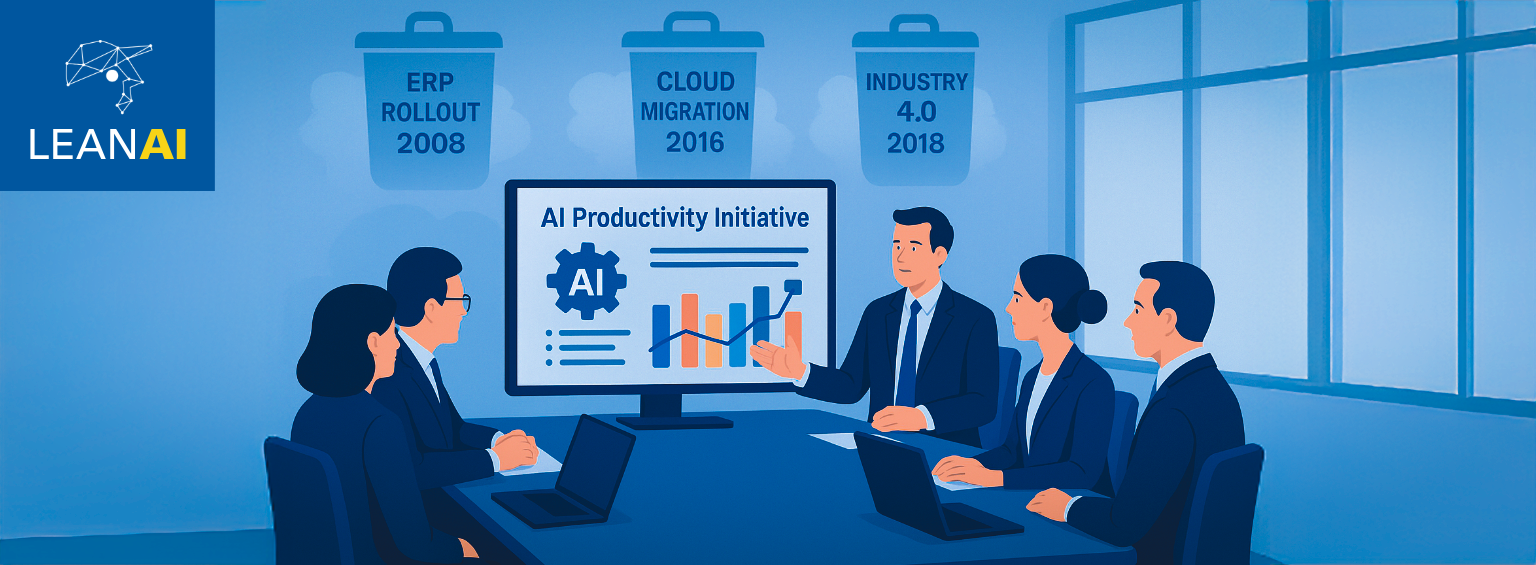
AI rollout resistance meeting
A cultural context
Gen Z workers are digitally native, socially conscious, and attuned to transparency. They expect to be consulted rather than told. When a company announces an AI rollout with little explanation of who benefits, how jobs will change, or how decisions will be audited, distrust grows fast. That distrust is fertile ground for resistance that ranges from passive noncompliance to active sabotage.
Economic anxieties
Gen Z entered the job market amid rising housing costs, student debt, precarious gigs, and early-career hiring slowdowns. The idea that a corporate AI initiative might shave headcount or freeze pay advancement triggers not only self-preservation instinct but also collective fear: if this model works, will hiring slow? Will promotions be automated? That fear becomes a motivator.
What Sabotage Looks Like
Sabotage is not always dramatic. Rarely is it someone shouting "I hate this bot" in a town-hall meeting. It often looks like quiet compromises—small adjustments that, aggregated across dozens of users, derail an AI system.
Common tactics
- Bad or inconsistent data entry. Employees enter customer notes in unpredictable formats, mislabel categories, or omit fields that models rely on.
- Workarounds and shadow processes. Teams revert to spreadsheets, personal scripts, or offline workflows rather than using the AI-led system.
- Gaming outputs. Workers feed inputs designed to confuse or mislead the model, producing garbage outputs that make the tool look unreliable.
- Deliberate underuse. Users simply ignore the tool or delay tasks so the AI cannot demonstrate impact.
- Feedback loop manipulation. When an AI relies on user feedback for fine-tuning, workers give misleading corrections so the model learns the wrong patterns.

Corporate AI training session
Why it often succeeds
Machine learning systems are brittle: they thrive on predictable, structured inputs and consistent interactions. Human behavior that deviates from the expected can create noise that compounds across training or inference pipelines. Meanwhile, adoption metrics—logins, click-throughs—can be gamed or misinterpreted, masking the root cause as user resistance rather than technical failure.
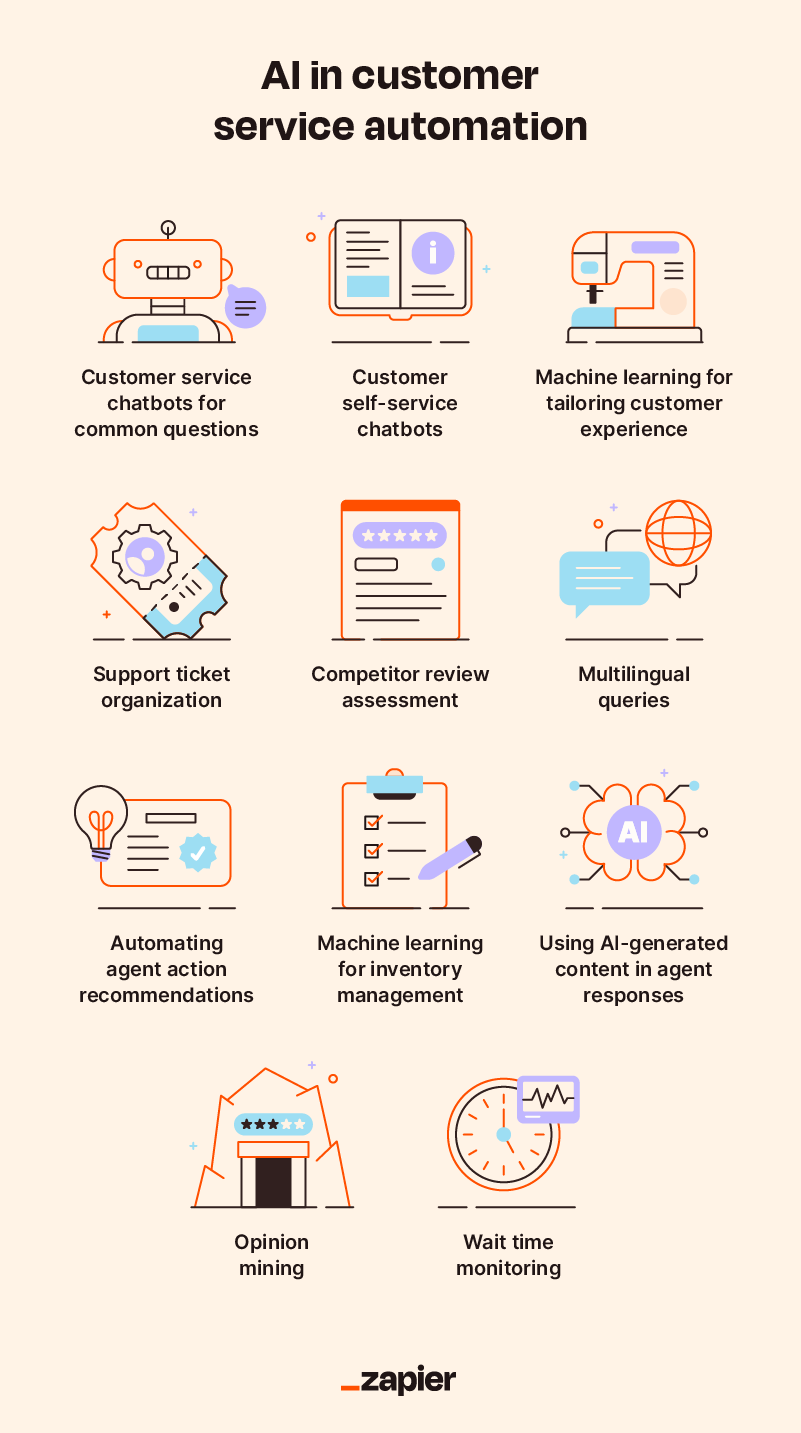
Customer service AI implementation
Why Gen Z Fears AI
Understanding motives is critical if organizations want to solve the problem. For many Gen Z workers the fear is less about gadgets and more about dignity, autonomy, and fairness.
The loss-of-control narrative
Automation historically targeted repetitive tasks. Modern AI threatens to absorb not just rote work but judgment, creativity, and interpersonal tasks once thought safe. For a generation that values identity and purpose in work, the prospect of their roles being reduced to supervising an opaque system is existential.
Distrust of opaque systems
Gen Z has witnessed opaque algorithms decide creditworthiness, content visibility, and even hiring outcomes in ways that perpetuate bias. When their employer deploys a black-box model and refuses to explain its logic or consequences, employees assume the worst: that the tool will replicate existing inequities or be used to justify managerial decisions without human accountability.
Scarcity and the zero-sum view
In tight labor markets, any efficiency that reduces the need for headcount can feel zero-sum. Gen Z workers often interpret AI initiatives through this lens because they have fewer safety nets than prior cohorts and a more precarious relationship with employment stability.
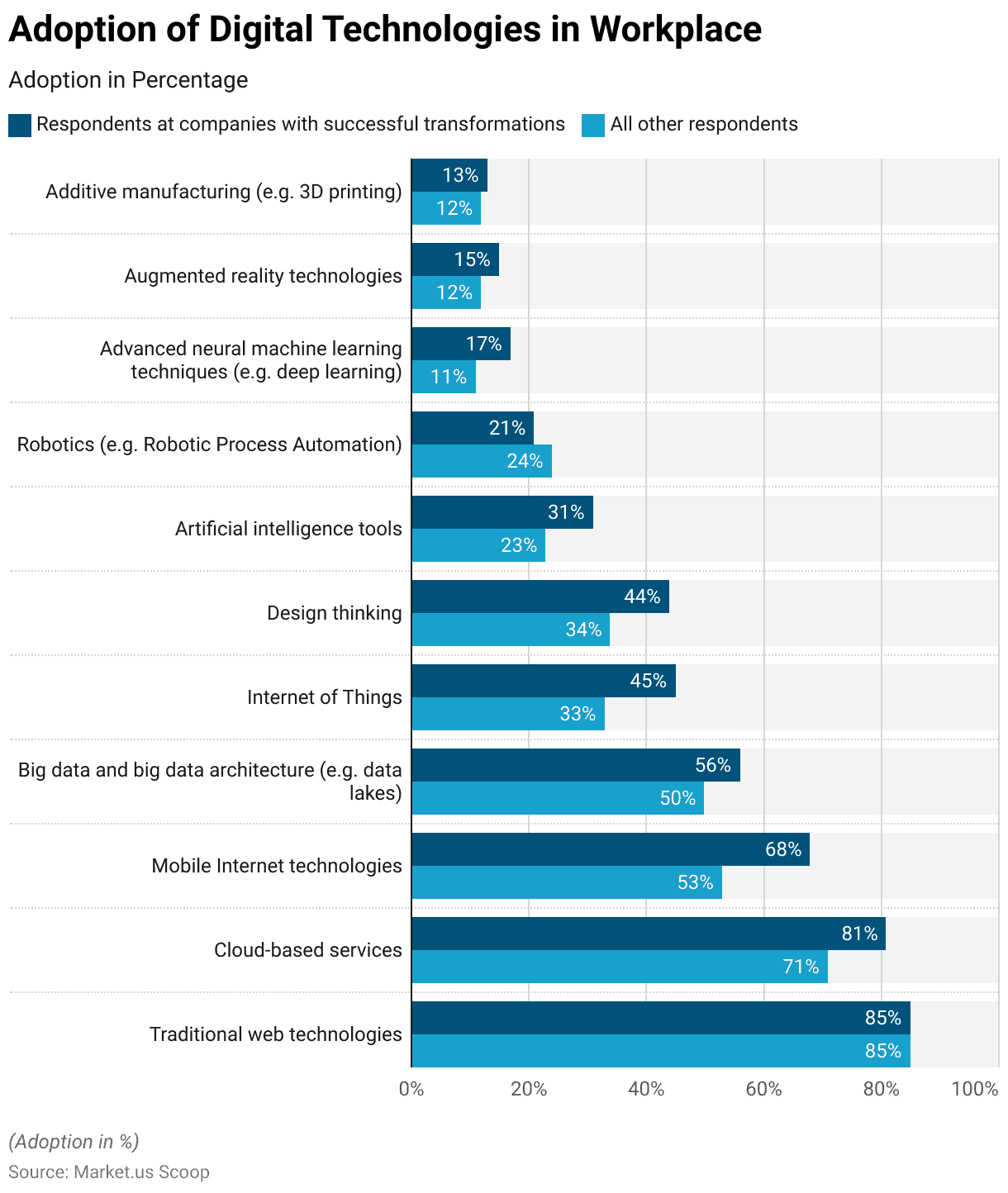
Workplace technology adoption conflict
Organizational Dynamics That Encourage Sabotage
Sabotage is rarely spontaneous. It is often an organizational signal—a failure of leadership, communication, incentives, and governance.
Top-down rollouts without co-creation
Executive mandates plus vendor demos are not adoption strategies. When product, engineering, and HR design AI features internally without frontline input, those who will use the tool see it as an imposition. Co-creation—listening, iterating, and negotiating—is essential, but many companies skip that step to move faster.
Perverse incentives
If a system is calibrated to reward managers for headcount reduction or to track worker speed without accounting for complexity, employees will respond to those incentives. Transparent alignment of incentives matters because employees read dashboards as signals about job security and priorities.
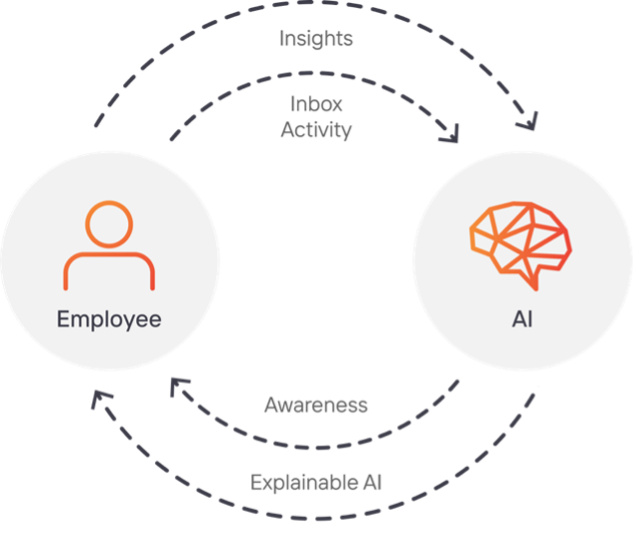
Employee AI feedback manipulation
Short-term Logic, Long-term Risk
From the company perspective, ignoring resistance can be tempting: pressing ahead may deliver short-term savings or simply check a box for leadership. But the long-term costs compound. Sabotage slows innovation, erodes trust, raises legal risk, and drives talent to competitors.
Talent flight and reputation
Gen Z is vocal and networked. Negative experiences spread quickly across platforms and recruiting networks. A botched rollout that results in layoffs, surveillance, or worse can cost far more in hiring and brand equity than any projected automation savings.
What Companies Get Wrong
The mistakes are predictable because they are rooted in a mismatch of incentives and assumptions.
Assuming technical fixes solve social problems
More robust models and better data pipelines help, but they do not address anxiety, fairness, or agency. Treating technical performance as the only success metric ignores human variables like trust and morale.
Underestimating the cost of change management
Effective adoption requires time, coaching, and often role redesign. Leaders who expect immediate ROI without investment in training and organizational redesign set themselves up for resistance.
A Playbook for Leaders Who Want Fixes, Not Fights
Companies can stop the cycle by addressing both the technical and human sides of adoption. Below is a pragmatic, prioritized playbook.
1. Diagnose the human signal before doubling down
Before upgrading models or blaming vendors, treat poor performance as a potential symptom of resistance. Survey users, run focus groups, and examine what actions correlate with bad outputs. Often the solution is process redesign rather than a new algorithm.
2. Co-create with frontline workers
Invite the teams who will use the AI into the design process. Pilot in small pods with iterative feedback loops and visible changes. Co-creation builds ownership and surfaces edge cases that experts miss.
3. Be transparent about intent and consequences
Explain what the AI will do, what it will not do, and how decisions remain accountable to humans. Publish guardrails: who can turn off the model, how appeals work, and what metrics will be used to measure success.
4. Align incentives and job design
Ensure performance metrics do not inadvertently punish employees for complexity or learning curves. Consider redesigning roles so that human judgment is valued and rewarded alongside AI-driven efficiency.
5. Invest in reskilling and career pathways
Offer concrete, funded training programs and clear promotion pathways that show how employees can grow with AI rather than be replaced by it. Vague upskilling claims without commitments breed cynicism.
6. Create technical and governance safety valves
Implement explainability, audit logs, human-in-the-loop checkpoints, and an appeals process. Publicize these mechanisms so employees know misuse will be detected and addressed.
Legal, Ethical, and Cultural Considerations
Sabotage can have legal consequences, but the root causes are often ethical and cultural.
When sabotage becomes whistleblowing
There's a fine line between undermining a tool to protect jobs and exposing a tool's harmful effects. Employees who uncover bias, privacy violations, or safety failures may intentionally surface failures as a form of whistleblowing. Organizations should treat these reports seriously and protect reporters from retaliation.
Ethics and fairness
Deployments that amplify existing bias or surveil workers without consent are not just morally fraught; they are recruitment and retention nightmares. Ethical review boards and worker representatives should be part of the rollout planning.
Case study vignette
A customer service rollout
Consider a support center that introduced an AI triage system to auto-route tickets. Frontline reps feared the system would be used to justify reduced headcount and started entering minimal ticket descriptions and tagging cases inconsistently. The AI's accuracy plummeted, leadership doubled down on vendor modifications, and months later the problem persisted. Only when leadership paused the rollout, convened a co-design group, and revised KPIs to reward quality rather than volume did adoption improve and performance recover.
- AI can speed triage and free staff for complex work
- Sensitive to noisy inputs and deliberate manipulation
Conclusion: Repairing Trust Is the Real Work
When Gen Z workers sabotage AI rollouts, they are signaling real, solvable problems: fear about livelihoods, lack of agency, and insufficient safeguards. Treating the behavior as malicious misses the bigger opportunity. The fix is less about building smarter models and more about designing humane, transparent adoption strategies that center workers' agency and upskill pathways.
Designing AI adoption around people, not just performance, makes the technology both better and more sustainable.
- Sabotage is often a symptom of distrust and poor rollout design rather than malicious intent.
- Co-creation, transparency, and aligned incentives are essential to successful AI adoption.
- Investing in reskilling and governance reduces resistance and preserves talent.
By centering workers' concerns and redesigning incentives, companies can unlock AI's benefits without sacrificing trust.