
Why Gen Z Workers Are Resisting Their Company's AI Rollout
The phrase "AI rollout" used to strike curiosity. Now it often lands like a verdict. Across industries—customer service, marketing, finance, manufacturing—companies are deploying artificial intelligence to automate tasks, speed decisions, and cut costs. But a quieter story is unfolding inside firms: many Gen Z employees are not only skeptical, they are actively resisting, undermining, or even deliberately subverting AI deployments. This resistance is not mere technophobia. It is a complex, rational response to perceived threats to livelihoods, fairness, and professional identity.

Gen Z office workers meeting
When technology promises efficiency but people fear obsolescence, resistance becomes a survival strategy.
The Quiet Rebellion
The rebellion is rarely cinematic. It looks like skipped trainings, incomplete data entries, subtle delay tactics, and selective non-adoption of new tools. In some teams, employees build workarounds to keep human judgment in the loop; in others, staffers clog AI pipelines with noisy or misleading inputs. While headlines about AI often focus on productivity gains and strategic edge, workers experience these systems up close—as opaque gatekeepers that can determine promotions, performance ratings, and, in the worst cases, whether a role exists tomorrow.
For Gen Z—workers born roughly between 1997 and 2012—their formative years were marked by economic uncertainty, gig work normalization, and high-profile corporate layoffs. They entered the workforce watching automation and algorithm-led decisions reshape labor markets. For many, adopting a tool that might accelerate job displacement feels less like a career enhancer and more like a threat. Where older generations may have assumed loyalty or gradual change, Gen Z often defaults to skepticism and self-preservation.
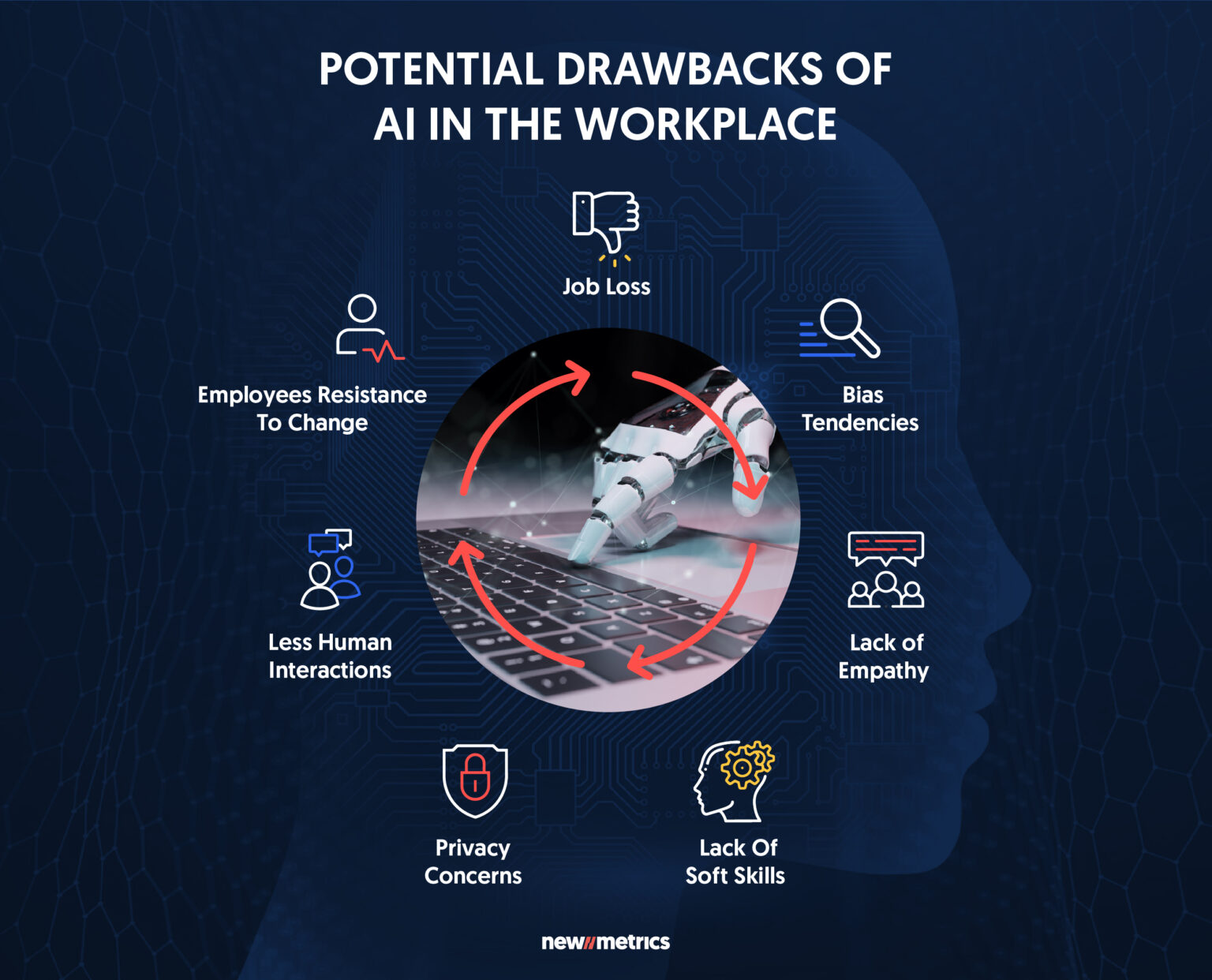
AI workplace implementation resistance
What’s Driving the Resistance
Fear of Job Loss
At the most basic level, the resistance stems from fear. AI is marketed as a way to replace repetitive cognitive tasks, and many early deployments have supported headcount reductions. When companies announce AI pilots alongside restructuring or cost-savings initiatives, workers connect dots. The result: reluctance to fully engage with systems that look like they were designed to make people expendable.
Mistrust in Intent and Transparency
Transparency matters. If an algorithm evaluates customer satisfaction and the model's criteria are secret, employees worry that the system will penalize human judgment or reward gaming the metric. Gen Z, raised in an era of accessible information and corporate skepticism, expects clearer explanations. When those aren’t forthcoming, the default response is distrust.
Lack of Agency and Control
Resistance also arises from a perceived loss of agency. If a machine decides what tasks matter, who is promoted, or who is let go, workers feel stripped of professional autonomy. Younger employees—who prioritize meaning, rapid learning, and control over their career paths—react strongly to that loss.
Equity Concerns and Algorithmic Bias
Gen Z tends to be more sensitized to fairness and social justice. Algorithmic bias—where models reflect or amplify historical inequities—raises real concerns. If AI systems are trained on biased data, decisions may disproportionately harm marginalized employees. That creates moral as well as practical reasons to resist.
How Resistance Shows Up: Tactics and Examples
Resistance is rarely dramatic sabotage. More often it is subtle, pragmatic, and hard to police.
- Underuse and Circumvention: Teams rely on legacy processes or manual workarounds rather than using AI tools whose outputs they don’t trust.
- Data Poisoning: Employees deliberately enter inconsistent or low-quality data to reduce algorithmic accuracy, slowing deployment and forcing managers to negotiate on design.
- Delay and Foot-Dragging: Staff delay approvals, skip training sessions, or schedule competing priorities to slow rollouts.
- Collective Pushback: Groups of employees raise concerns through formal channels—town halls, union representatives, or social media—to demand safeguards before full adoption.
- Shadow Systems: Workers create informal tools or spreadsheets that bypass the AI, preserving human judgment and local knowledge.
These actions are not necessarily malicious; they are often defensive. When people believe their economic survival is at stake, they prioritize safety over organizational efficiency.

Employee skipping AI training session
Why Many Rollouts Fail to Engage Gen Z
Organizations frequently treat AI deployment as a technical project rather than a people problem. That mistake is costly.
Top-Down Implementation
Executives often decree AI adoption without involving the daily users who will rely on those tools. Decisions made in isolation create friction zones between strategy and reality.
Insufficient Training and Support
Rolling out a model without investing in clear, accessible training breeds confusion. Younger employees may be comfortable with interfaces but still need contextual training: how a model uses inputs, when to override outputs, and how to escalate issues.
Ignoring Cultural Signals
Companies that fail to acknowledge prior layoffs, broken promises, or opaque performance metrics will encounter resistance. Trust erodes faster than code is written.
Reframing Adoption: What Actually Works
Successful AI adoption reframes the conversation from replacement to augmentation, and from secrecy to partnership.
Involve Employees Early and Honestly
Bring frontline staff into design and testing. Co-create success metrics. Use pilots as collaborative experiments rather than fait accompli technical proofs. When workers contribute to defining what ''success'' looks like, they are less likely to sabotage that success.
Be Transparent About Tradeoffs
Don’t hide the tough choices. If an AI rollout will change job scope, explain how roles will evolve, what the timeline looks like, and what supports are available. Clarity reduces rumor and fear.
Prioritize Reskilling and Career Pathing
Invest in meaningful upskilling programs tied to promotions and career progression. Gen Z wants to know that learning new skills translates into real opportunities, not just a PR talking point.
Design for Human-in-the-Loop
Make systems that amplify human judgment rather than replace it. When models present recommended actions with explainable rationales and clear override options, employees feel more in control and more willing to engage.

Human-AI collaboration interface design
Leadership Mistakes to Avoid
Ignoring Historical Context
Leaders who dismiss employee concerns as irrational miss how history shapes perceptions. Past layoffs, broken diversity promises, or previous failed tech projects all feed resistance.
Framing AI Only as Cost Savings
When AI is sold solely as a way to cut costs, it signals headcount reduction. A more durable narrative ties automation to new value creation and reinvestment in people.
Over-Reliance on Surveillance
Using AI for monitoring or productivity policing fuels distrust. Surveillance erodes psychological safety and incentivizes gaming or concealment.
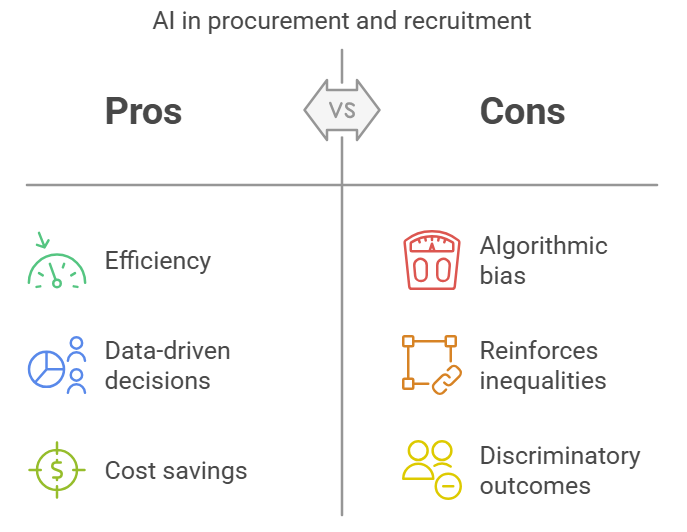
Algorithmic bias transparency concerns
Practical Steps for Managers
1. Run transparent pilots with clear guardrails
Set time-boxed experiments with explicit evaluation criteria, regular feedback loops, and public results. Treat pilots as reversible and iterative.
2. Create cross-functional adoption teams
Include product, engineering, HR, legal, and legal ethicists—but critically, include frontline representatives from Gen Z cohorts who will interact with the tool every day.
3. Tie training to career outcomes
Make participation in upskilling programs a path to promotion, not just a checkbox. Offer stipends for certifications and protected time for learning.
4. Build explainability into UX
Design interfaces that explain why a recommendation was made and how confident the model is. Offer simple override flows and a low-friction way to flag false positives.
5. Establish redress and audit mechanisms
Allow employees to challenge algorithmic decisions, request audits, and understand how data about them is used. Formal channels of appeal reduce the impulse to subvert systems covertly.
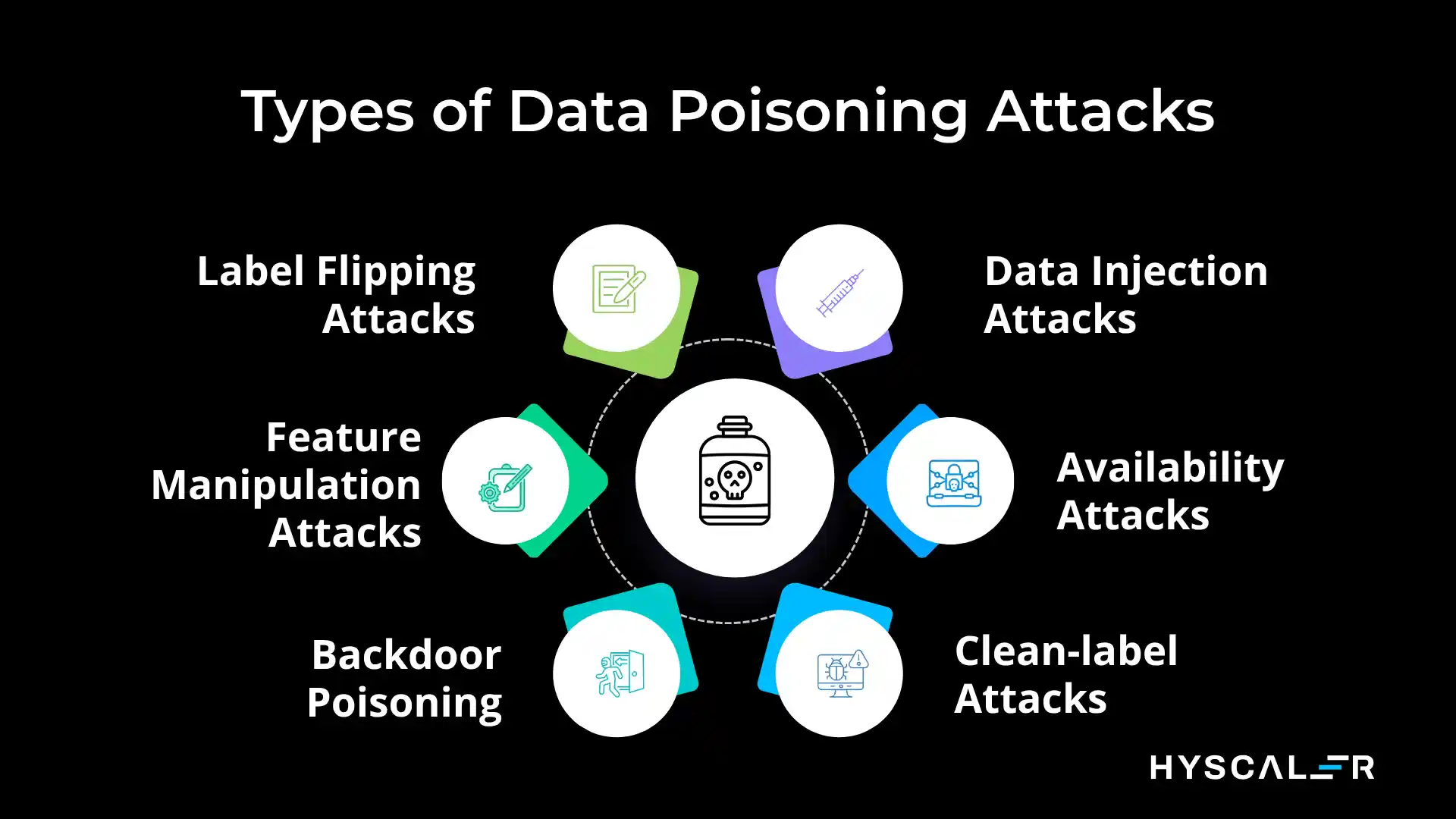
Data poisoning work sabotage
Turn resistance into partnership by treating skepticism as a valuable signal, not a nuisance.
A Note on Ethics and Power
It’s important to recognize that resistance is also a moral response. When decisions about people’s livelihoods are automated without democratic consent, forces of power and technology collide. Gen Z's pushback can be interpreted as a demand for participatory governance—an insistence that those affected by algorithms should have a voice in how they function.

Corporate AI ethics discussion
Conclusion
Gen Z workers are not sabotaging AI out of simple contrarianism. Their resistance arises from a blending of legitimate fear, moral concern, and pragmatic self-preservation. For organizations, this should be a wake-up call: technical excellence without social legitimacy will fail. Companies that approach AI as a joint human–machine project, invest in genuine transparency and reskilling, and build mechanisms for accountability can turn resistance into a competitive advantage.
- Fear fuels resistance: Many Gen Z workers resist AI because they see it as a threat to job security and professional autonomy.
- Transparency matters: Open explanations, explainable UX, and clear timelines reduce sabotage and build trust.
- Inclusion works: Co-creation, frontline participation, and career-linked reskilling change the narrative from replacement to augmentation.
- Ethics and governance: Providing redress and audit paths treats employees as stakeholders, not metrics.
AI will continue reshaping work, but the outcome depends less on the sophistication of models and more on the social contract companies construct with their people. For leaders, the choice is clear: design AI deployments that respect workers’ concerns, or face a protracted adoption battle with the very generation companies hope will drive future innovation.