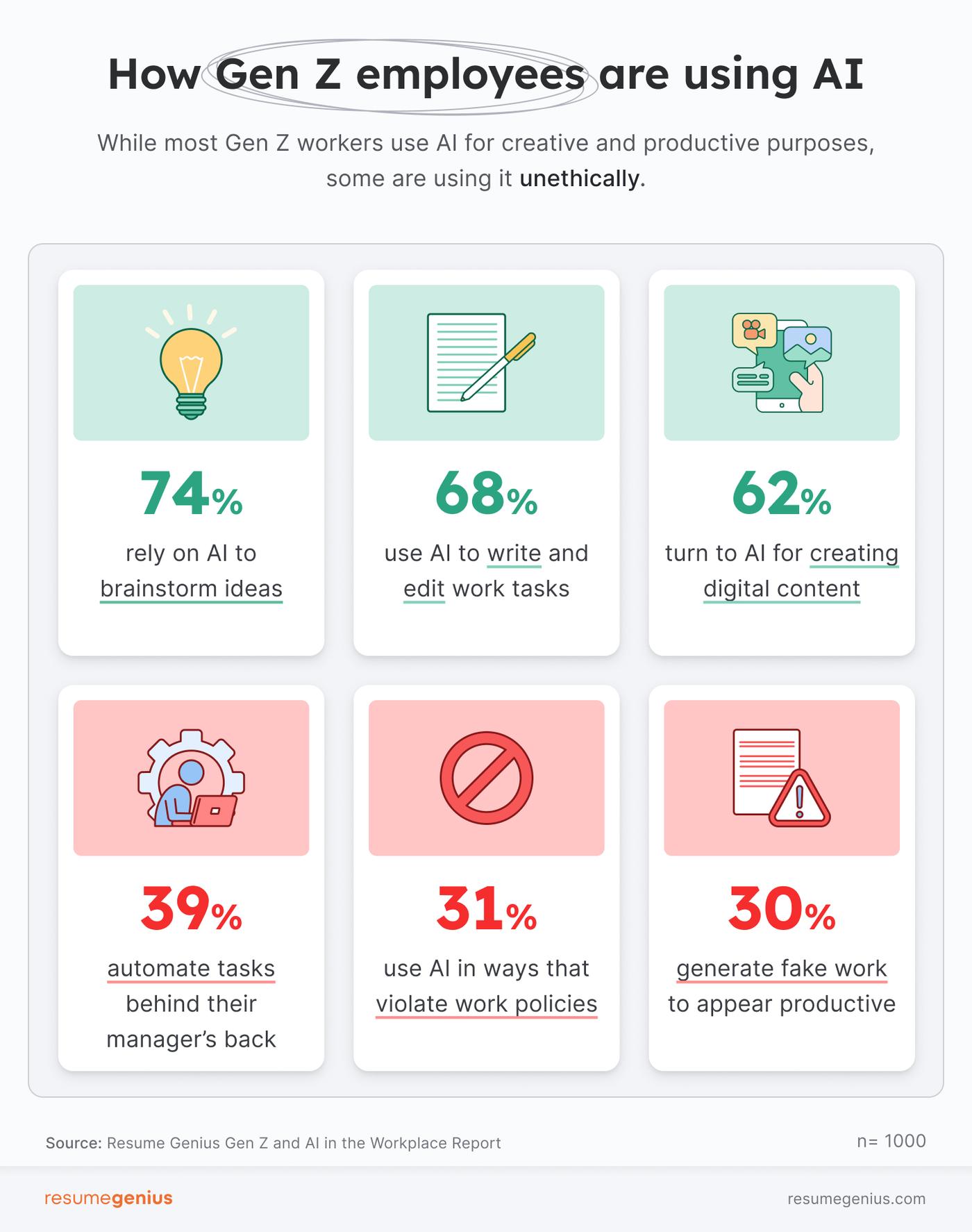
Why Gen Z Resists AI Rollouts: Fear, Sabotage and Trust
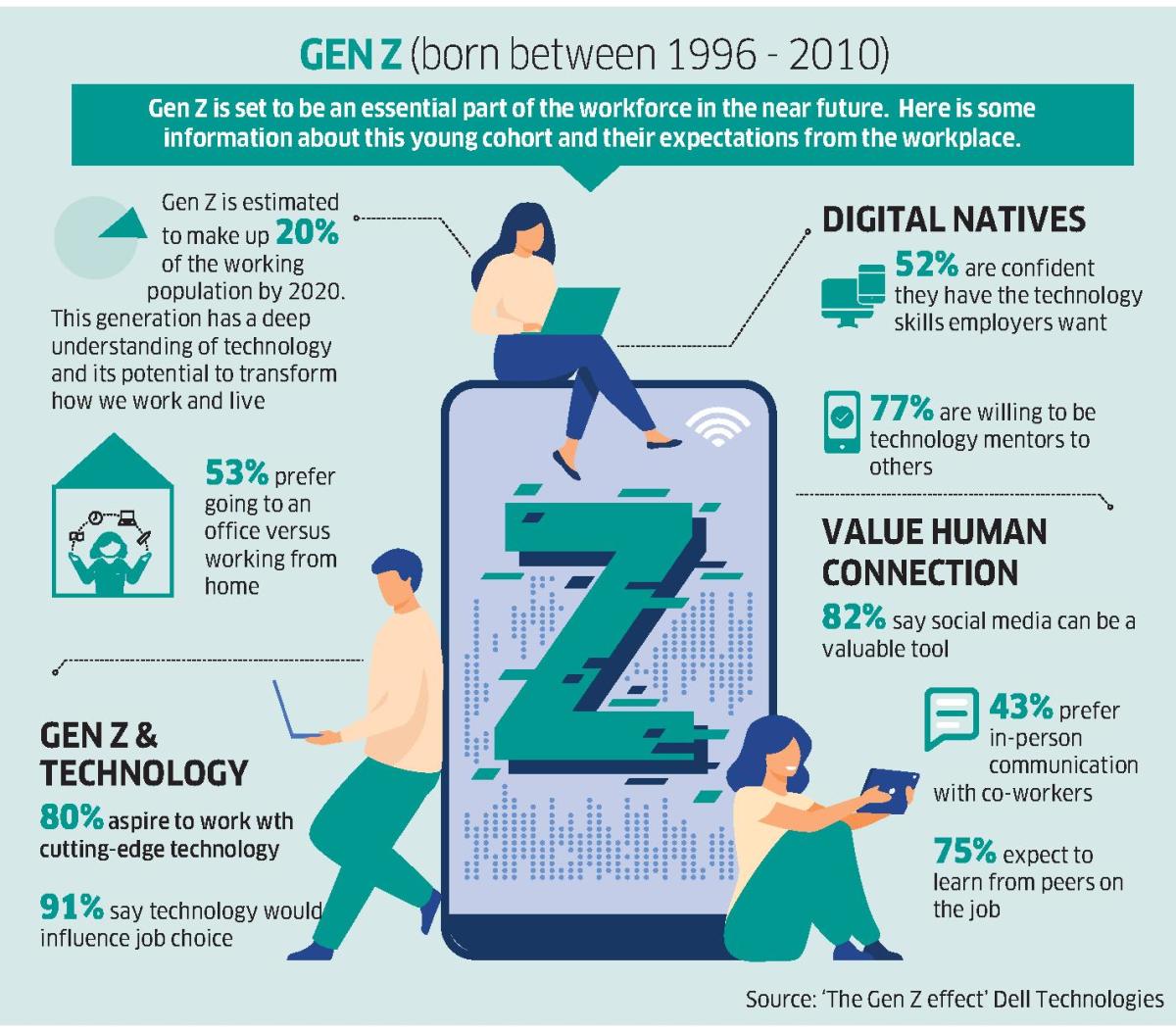
Gen Z employees using technology
The image of young employees quietly sabotaging artificial intelligence deployments—tweaking inputs, refusing to use new tools, or withholding feedback—has become a provocative shorthand in stories about workplace disruption. The reality is more complicated. For many members of Gen Z, resistance is not a reflexive rejection of technology but a signal: a response to legitimate fear about job loss, to ethical concerns about surveillance and bias, and to a lack of voice in how AI reshapes their daily work. Understanding that response is essential for employers who want responsible, durable AI adoption.
Resistance to AI is rarely about technophobia; it's about who controls the technology and who benefits from it.
THE CONTEXT: A GENERATION COMING INTO TRANSITION
Gen Z—the cohort roughly born from the mid-1990s to the early 2010s—entered the workforce during a period of rapid digital change, rising costs of living, and high-profile layoffs in tech and other industries. Unlike previous generations, many members of Gen Z have fewer assurances of long-term employment and have watched automation reshape entire job categories. That background informs their skepticism toward AI projects that arrive as top-down initiatives promising efficiency but offering little clarity about worker protection or meaningful upskilling.

AI rollout workplace implementation
Fear of displacement
At its core, much of the resistance stems from a simple, visceral fear: the loss of a paycheck and the erosion of professional identity. For workers early in their careers, a new AI system that automates routine tasks can feel like a first step in a path that leads to fewer opportunities and deteriorating work conditions. That anxiety is magnified when organizations fail to communicate long-term workforce plans or to visibly invest in retraining.
Ethical and surveillance concerns
Beyond jobs, Gen Z tends to be more attuned to questions of fairness, privacy, and corporate accountability. AI systems that score customers, rank employees, or monitor productivity raise red flags. When workers suspect that an automated system magnifies bias, enables intrusive monitoring, or makes opaque decisions that affect livelihoods, resistance becomes a form of ethical defense.
Did You Know? Younger workers report higher sensitivity to algorithmic bias and workplace surveillance compared with older cohorts, and they are more likely to demand transparency and safeguards before embracing automated systems.
HOW RESISTANCE TURNS INTO SABOTAGE
Most pushback is passive: low adoption rates, negative feedback in surveys, or reluctant compliance. But in some cases, frustration escalates into actions that actively hinder deployment—what some call sabotage. These behaviors are diverse in form and motivation.
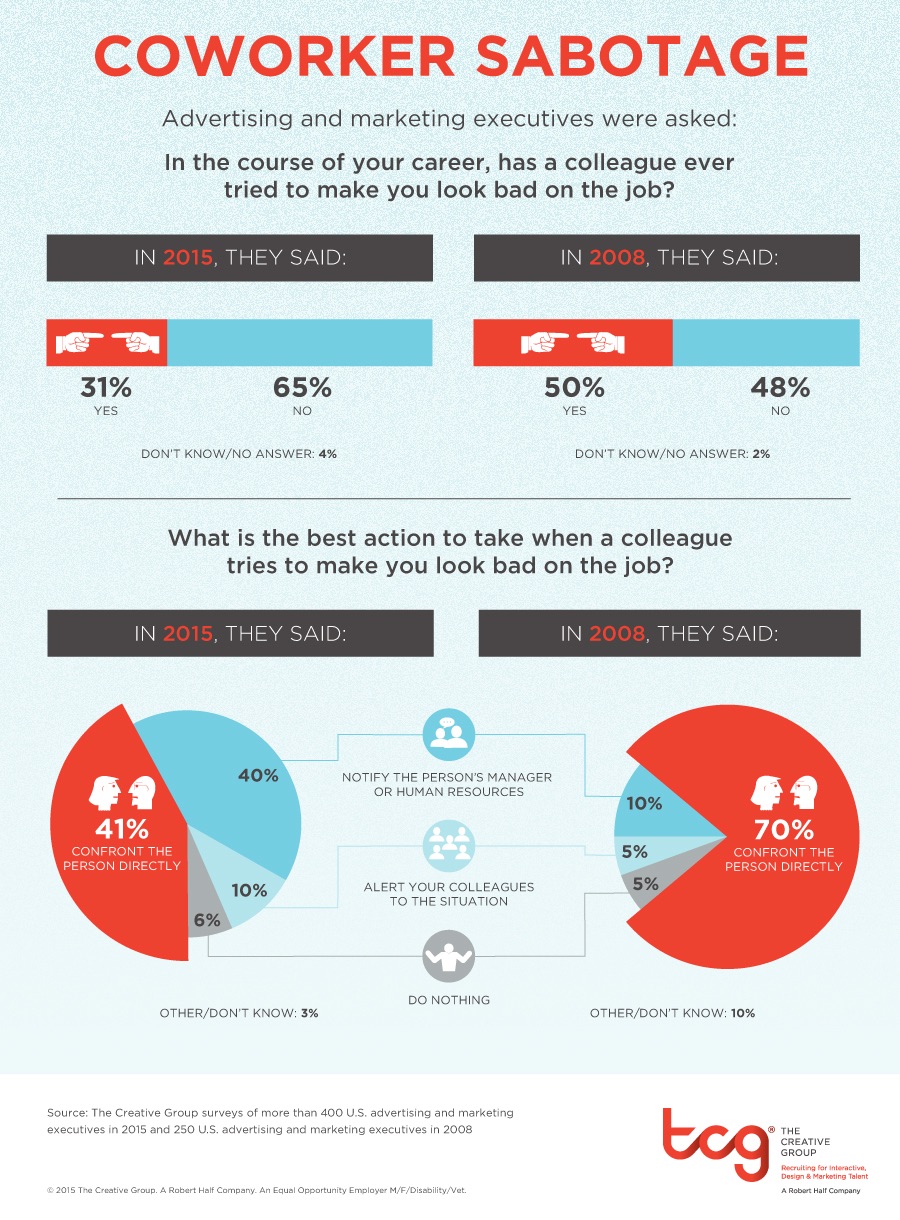
Data sabotage workplace sabotage
Forms of sabotage
Sabotage can be categorized into several types:
- Withholding data or feedback: Workers may refuse to tag, clean, or share data needed to train models, slowing progress.
- Deliberate data degradation: In extreme cases, employees may introduce bad labels, inconsistent entries, or misleading annotations that reduce model accuracy.
- Workarounds and shadow systems: Employees sometimes create informal processes or rely on older tools to avoid the AI system entirely.
- Active rejection: Refusal to use tools, organized complaints, or coordinated non-participation in pilots.
These actions are not necessarily malicious. They are often protest strategies—leveraged when formal channels for influence feel closed.
Why sabotage happens
When people feel excluded from decisions that affect their work, they look for other levers of control. Sabotage can be a bargaining chip in organizations that lack transparent change-management processes. It signals not only fear but also a perceived power imbalance: if workers believe the technology benefits managers or shareholders at their expense, they are likelier to resist.
REAL-WORLD PRESSURES: WHAT COMPANIES OFTEN MISS
Executives and technologists frequently approach AI projects through a product lens—data, models, deployment, ROI. That focus makes sense, but it can omit the human layer: the social systems and incentives that determine how technology is accepted or rejected.
Communication gaps
Poor communication is a recurring theme. When deployment plans are framed solely in terms of efficiency metrics and cost savings, workers infer the worst. Transparent explanations about what will change, why it helps, and how employees will be supported are often missing or delivered too late.
Mismatched incentives
Frontline workers are rarely rewarded for ensuring a smooth AI rollout. Their immediate incentives are to keep operations running, meet short-term targets, and protect job stability. If adoption threatens those priorities, resistance becomes rational behavior.
Skill gaps and rushed timelines
Deploying AI without adequate training—or on timelines that don't account for learning—sets teams up to fail. When training is superficial or offered after deployment, workers may distrust the tool's capabilities and opt out.
Caution Rolling out AI without parallel investments in training and adjustments to job designs increases the risk of low adoption or active undermining.
AN EMPLOYER'S PLAYBOOK: PREVENTION AND RESPONSE
Shifting from adversarial dynamics to partnership requires intentional design of the rollout process. Here are practical steps organizations can take.
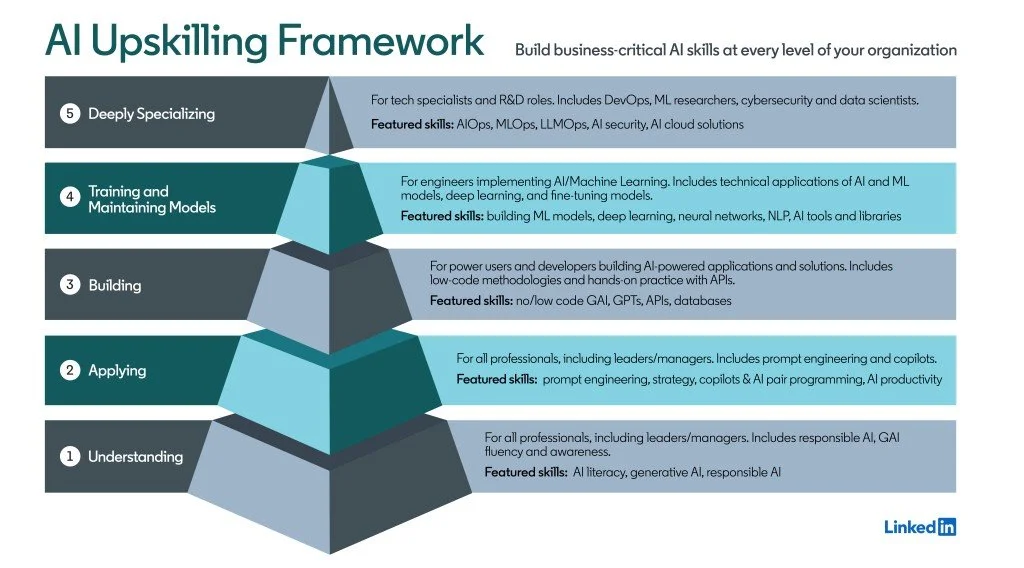
AI training upskilling programs
1. Early inclusion and co-design
Invite frontline workers into the design process from the outset. Co-design workshops, feedback sprints, and representative user councils give workers agency and surface operational realities engineers might miss. Participation reduces surprises—and the impulse to sabotage.
2. Transparent goals and concrete safeguards
Be explicit about objectives, timelines, and what will not change. Publish guardrails—privacy standards, bias audits, and human-in-the-loop policies. When employees see documented limits on automated decision-making, trust rises.
3. Meaningful upskilling and redeployment
Offer robust retraining paths tied to career progression. Rather than generic e-learning modules, provide hands-on apprenticeships, paid cohorts, and clear pathways to new roles. Demonstrated investment in people signals that technology is intended to augment rather than replace.
4. Adjust incentives
Modify performance metrics and rewards to encourage adoption and correct usage. If adoption benefits the company but penalizes the team on short-term metrics, change the metrics.
5. Rapid feedback loops and visible fixes
Set up mechanisms for workers to report problems and see swift remediation. A system that acknowledges and corrects a misclassification or unfair outcome in days rather than months builds credibility.
CASE EXAMPLES (ANONYMIZED) — WHAT WORKS AND WHAT FAILS
Retail pilot that failed
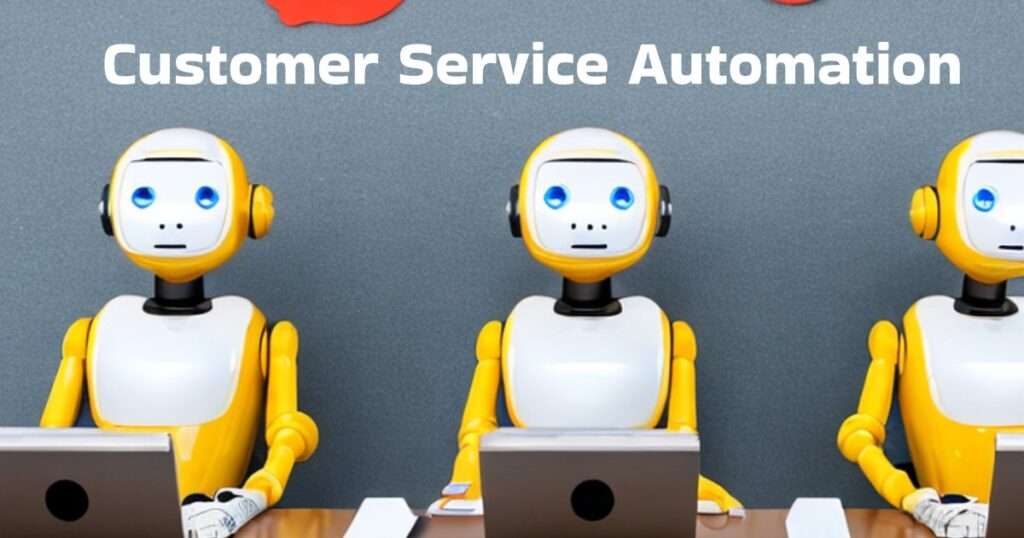
A national retailer deployed an algorithm to route customer service requests to automated responses and junior agents. The rollout focused on cost reduction metrics. Junior agents, who faced higher rejection rates and tighter KPIs, began routing complex tickets to a shadow system they maintained, fearing penalties. Adoption stalled and the pilot was paused. The lessons: align incentives and include representative staff in testing.
Retail customer service automation
Healthcare deployment that succeeded
A mid-sized health network introduced an AI tool to prioritize patient callbacks. Nurses were included in the design, the model was audited for bias, and the organization guaranteed human oversight for all flagged cases. Nurses were trained and compensated for new triage responsibilities. Adoption was high and patient wait times dropped.

Healthcare AI triage nurses
Pro Tip Pilot AI features in low-stakes workflows where success can be demonstrated quickly, then scale with clear metrics tied to worker outcomes.
ETHICAL AND POLICY IMPLICATIONS
When sabotage happens at scale it signals not just operational failure but broader social friction. Policymakers and industry leaders should consider rules that protect workers' rights in automated environments: notice periods for major automation, rights to retraining, and mechanisms for contesting automated decisions. Without these protections, distrust will persist.
The case for governance
Robust governance frameworks—combining transparency, auditability, and worker representation—reduce adversarial dynamics. They also mitigate legal and reputational risk for companies that rush adoption without safeguards.
BUILDING A FUTURE WHERE AI AND YOUNG WORKERS COEXIST
Turning resistance into collaboration demands humility from leaders and a willingness to reconfigure the human-technology contract. That means investing in people, designing with ethical constraints, and creating feedback-rich deployments where workers feel heard and protected.
Practical checklist for leaders
- Communicate early: Share rationales, timelines, and impact assessments before pilots begin.
- Include representatives: Create councils with frontline workers who rotate to keep representation fresh.
- Guarantee safety nets: Offer retraining stipends, job guarantees for a period, or redeployment pathways.
- Audit and publish: Conduct bias and privacy audits and summarize findings in approachable language.
- Measure worker outcomes: Track employee engagement, turnover, and satisfaction alongside productivity metrics.
If AI is positioned as a partner to workers—one that augments judgment rather than replaces it—resistance drops and innovation accelerates.
CONCLUSION — WHAT TO TAKE AWAY
The narrative that Gen Z is 'sabotaging' AI rollouts simplifies a far more meaningful story about trust, agency, and fairness. Actions interpreted as sabotage often reflect workers exercising the only mechanisms available to them when they feel excluded from decisions that shape their work. Employers that invest in transparent governance, co-design, real upskilling, and aligned incentives will not only reduce the risk of active undermining but will unlock the creativity of a generation poised to help organizations use AI responsibly.
- Resistance from Gen Z often stems from fear of job loss, ethical concerns, and a lack of agency—not technophobia.
- Sabotage takes many forms, from withholding data to building shadow systems; it is usually a bargaining response.
- Effective rollouts combine early worker inclusion, transparent safeguards, meaningful retraining, and aligned incentives.
- Policy and governance frameworks that protect workers' rights in automated workplaces reduce adversarial outcomes.
A well-designed AI rollout treats workers as partners, not obstacles.