Why Gen Z Is Saying No to Alcohol — The Real Reasons
The headlines have been blunt: younger adults are drinking less. For a generation often stereotyped as risk-taking and novelty-seeking, the steady retreat from alcohol looks counterintuitive until you start to unpack broader changes in values, economics, and the ways people socialize. This is not a fad; it’s a multifaceted shift that reaches into public health, technology, marketing, and daily life. Below, we trace how a generation made cautious choices about a decades-old social staple and what that means for families, businesses, and culture.
sober curious Gen Z
A New Attitude Toward Risk and Reward
Gen Z came of age in a world defined by economic uncertainty, visible climate crises, and a global pandemic. Those conditions reframed how many young people weigh short-term pleasures against long-term consequences. Drinking used to be treated as a rite of passage; for many in this cohort, it’s now a discretionary behavior evaluated through lenses of health, productivity, and social responsibility.
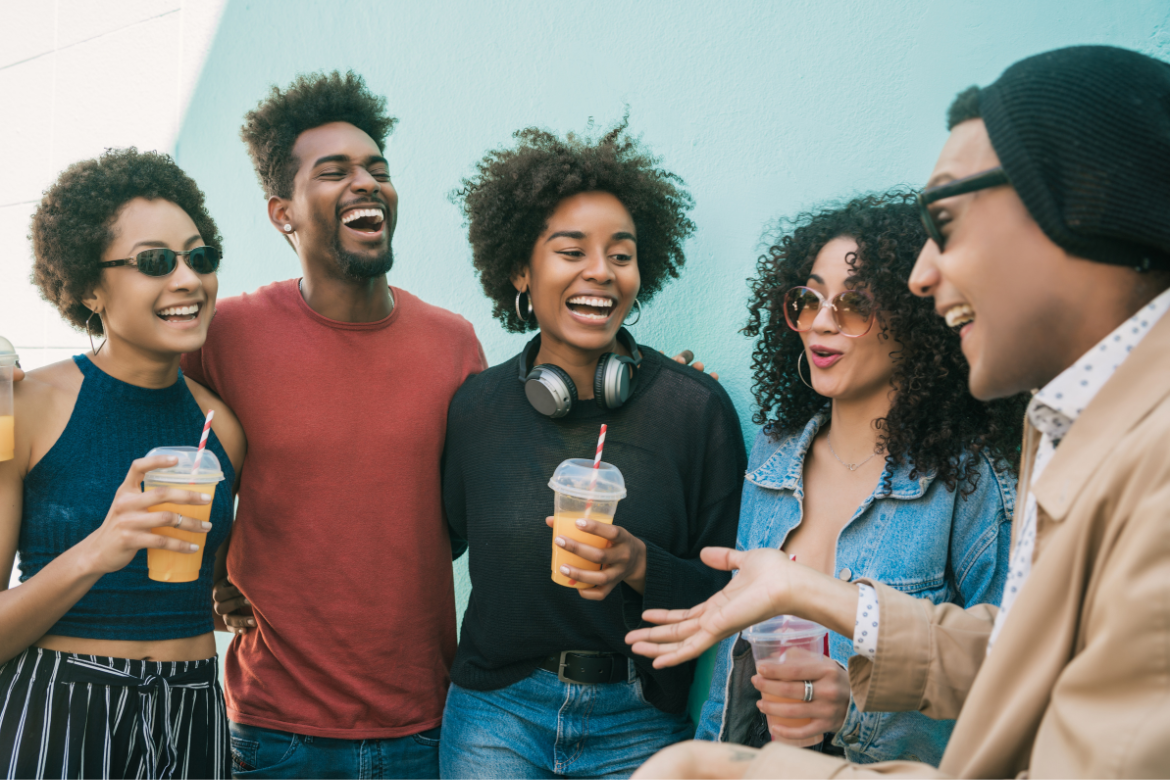
More young people are choosing clarity over chaos — not because they lack fun, but because their definition of enjoyment has changed.
Instead of measuring status by how late you stayed out or how hard you could party, a rising number of young adults measure it by how well they sleep, how steady their mental health is, and how they perform at work or school. Alcohol — with its hangovers, calories, and mood swings — sits awkwardly against those priorities.
non alcoholic cocktail bar
Health, Wellness, and the ‘Sober Curious’ Ethos
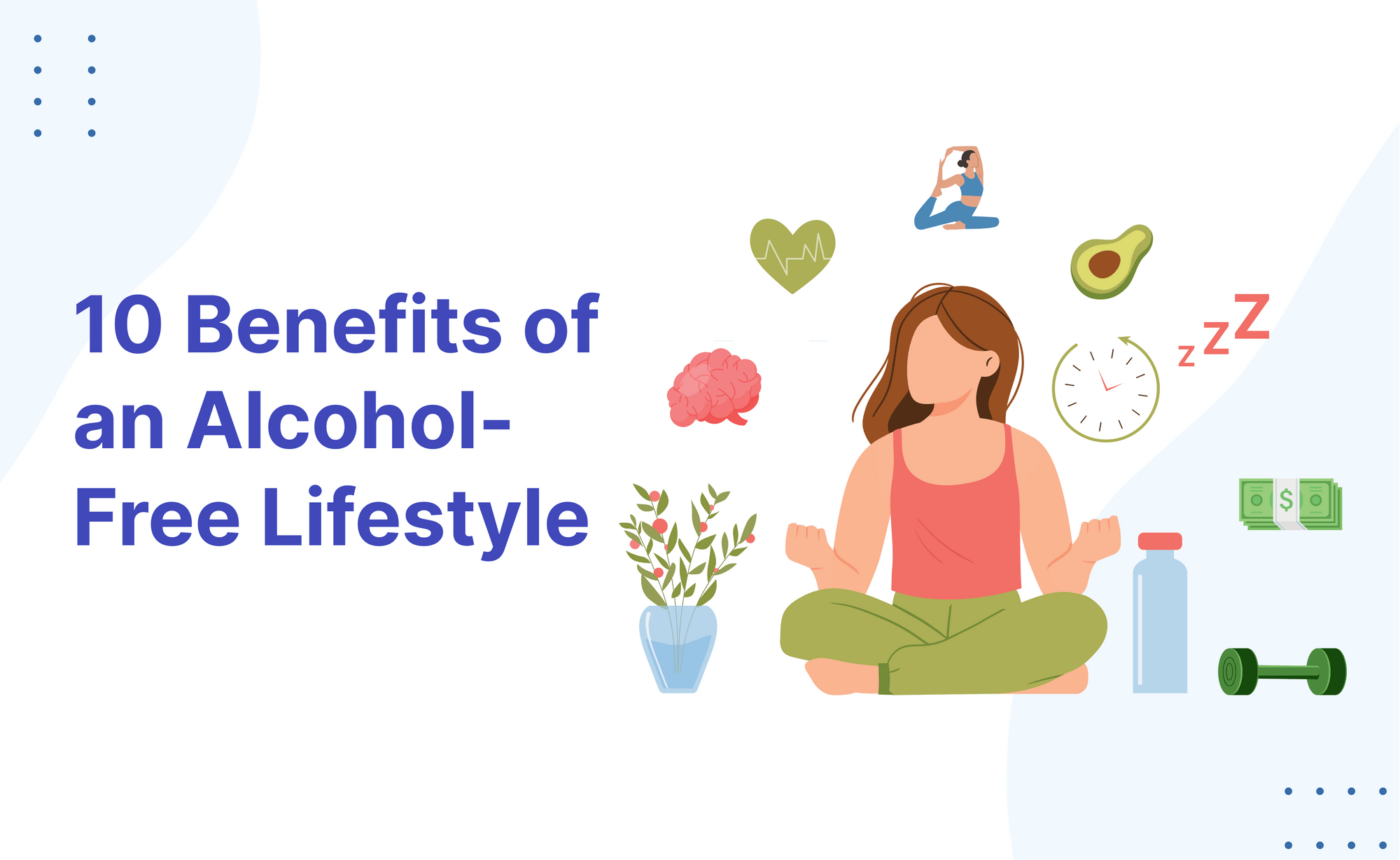
Wellness trends have migrated from boutique studios and influencers into everyday decision-making. The term sober curious captures the ethos: people are choosing to cut back on alcohol not out of total abstinence dogma but to experiment and see how life feels without it. This curiosity is driven by simple incentives: better sleep, improved mood, clearer skin, and saved money.
The wellness movement also reframes alcohol as a substance with tradeoffs rather than a harmless social lubricant. Conversations about mental health are less stigmatized than a decade ago, and that transparency nudges people to avoid behaviors that can exacerbate anxiety and depression. For a generation already leaning into therapy and preventative care, reducing alcohol consumption can feel consistent with a broader health-first identity.
zero proof beer
Economic Pressures: When a Drink Comes With a Cost
Affordability matters. For many Gen Zers, higher rents, student loans, and squeezed incomes make discretionary spending more scrutinized. A night out that used to mean drinks with friends now requires budgeting choices. Choosing a sober night — or alternating one drink with a non-alcoholic alternative — becomes as much a financial decision as a lifestyle one.
But money alone doesn’t explain the shift. Alcohol sales and marketing have been effective at creating rituals. What’s different is the comparison set: the cost of a typical night out is now measured against streaming subscriptions, side hustles, fitness classes, and weekend travel. When young people ask themselves what experience gives the best return, a hangover rarely ranks high.
mocktail recipes
Social Media, Image Economy, and the Public Life
Social media has changed the calculus of visibility. The images you post can live indefinitely, affecting professional impressions, relationships, and even scholarship or job prospects. For a generation that curates an online presence carefully, alcohol-related incidents — public intoxication, drunken texts, nighttime videos — can carry outsized social costs.
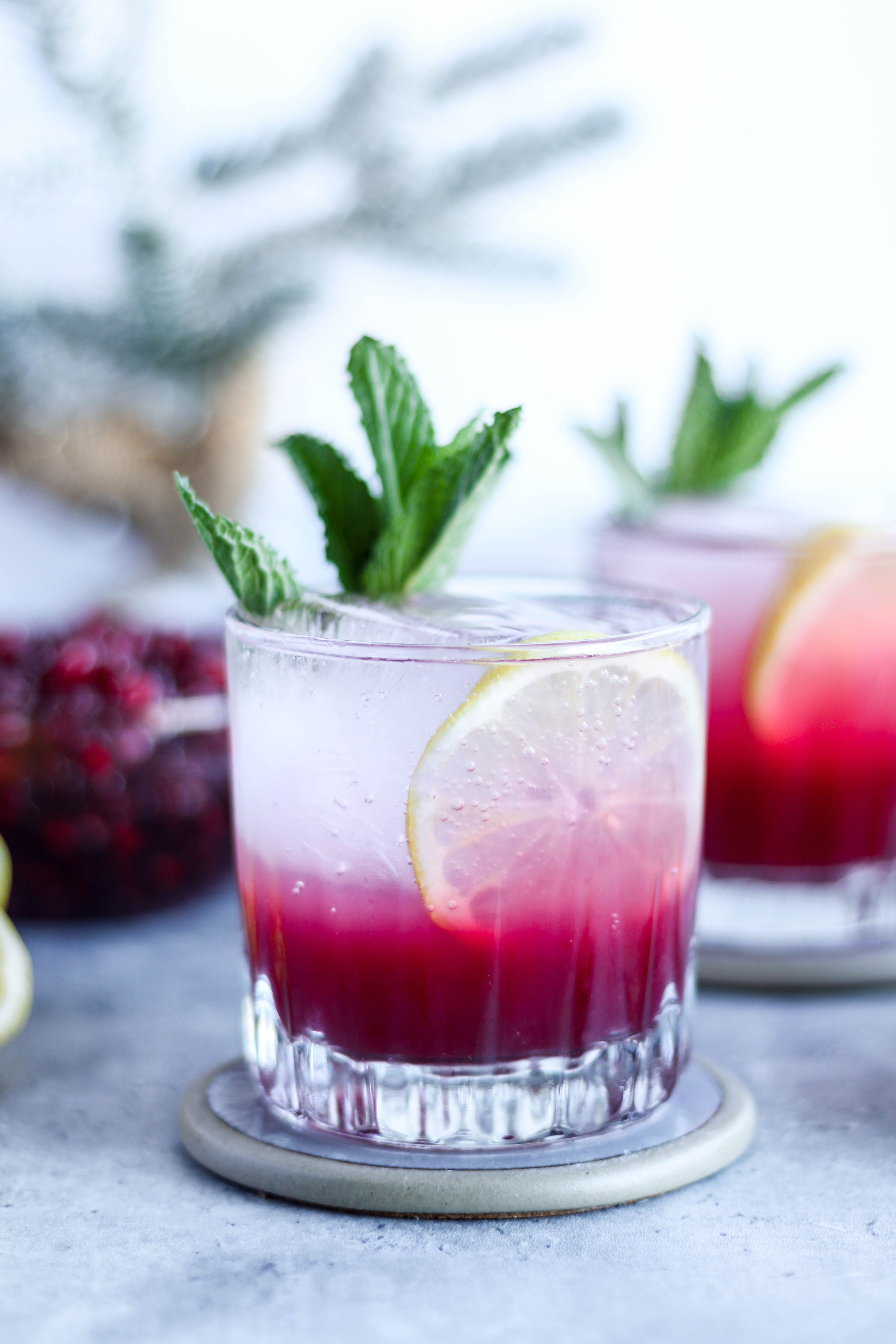
At the same time, platforms amplify alternative rituals: mocktail recipes, sober influencers, fitness challenges, and day-in-the-life videos that show a productive, caffeinated morning instead of a sluggish afternoon. These models normalize a lifestyle where skipping alcohol is not deprivation but a choice aligned with aspirational aesthetics.
Gen Z social gathering
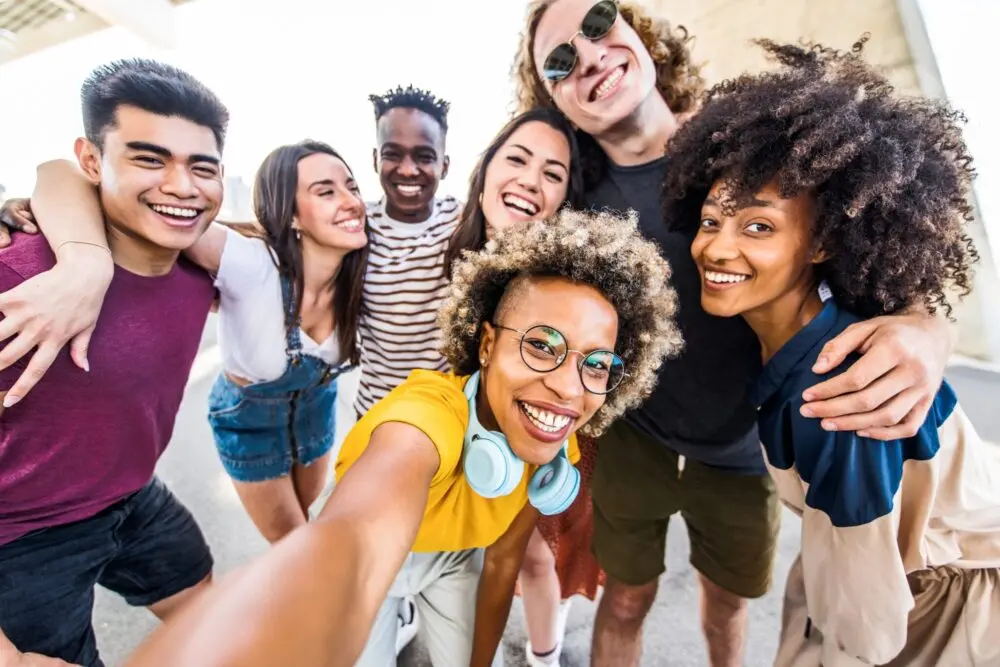
Today’s social currency often buys clarity and connection, not just the story of a night out.
Availability of Alternatives: Better Options Mean Better Choices
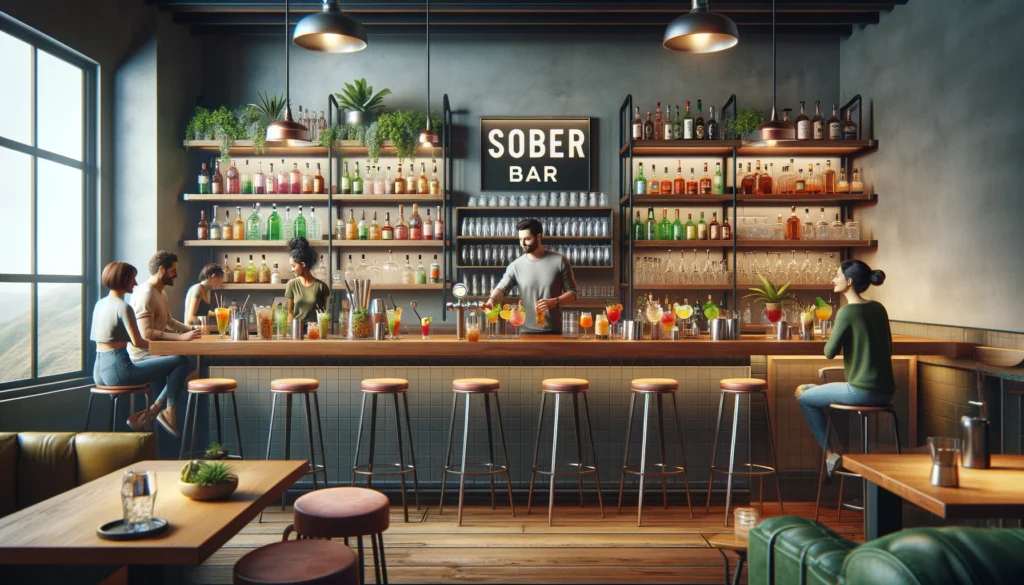
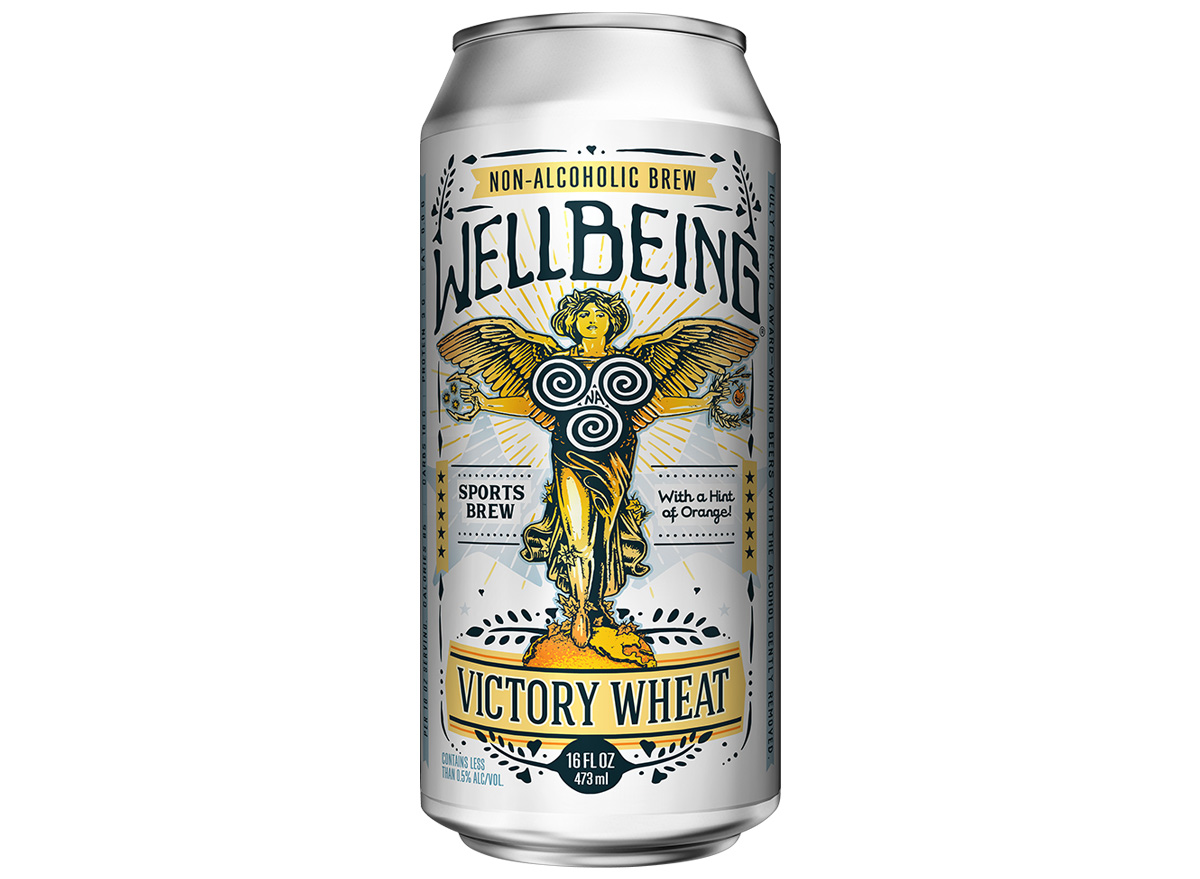
One practical reason for the decline in drinking is the sheer improvement in alternatives. The beverage industry has responded by inventing flavorful, sophisticated non-alcoholic options: zero-proof beers, botanical spirits, adaptogenic tonics, and carefully crafted mocktails. These alternatives remove the binary choice of party or abstain; you can participate in rituals without the intoxicating effects.
This market innovation has lowered the social friction for non-drinkers. Instead of nursing a soda, people can order a complex, bitter-sweet, alcohol-free cocktail and feel included. Restaurants and bars that invest in high-quality zero-proof menus find that they not only serve an ethical need but also open revenue streams to new customers.
alcohol free lifestyle
Changing Norms Around Inclusion and Consent
Many bars and social spaces were built with the assumption that alcohol is central to social bonding. But Gen Z’s concern for consent and inclusion has shifted those expectations. When a gathering doesn’t revolve around booze, people who don’t drink for religious, medical, or personal reasons feel more welcome. Younger hosts are curating events with diverse beverage offerings and activities that aren’t alcohol-dependent.
That inclusivity matters. It reduces peer pressure and normalizes moderation. Instead of mocking or ostracizing people who decline drinks, peer groups increasingly honor boundaries. Cultural pressure still exists in pockets, but the mainstream narrative has tilted toward respecting individual choices.

wellness culture alcohol
Legal, Educational, and Public Health Efforts
Public health campaigns, college prevention programs, and stricter enforcement in some areas have nudged behavior as well. Rather than celebrating heavy drinking as a hallmark of youth culture, many educational initiatives now emphasize harm reduction, safer partying, and the long-term costs of alcohol misuse. That messaging, paired with visible conversations about mental health, creates an environment where abstaining or moderating feels responsible rather than rebellious.
Youth smoking decline offers a useful parallel: once viewed as glamorous, cigarettes became less desirable after prolonged public health campaigns and visible social shifts. Alcohol is more embedded in culture than tobacco ever was, but the mechanisms — education, changing norms, and policy — can work in tandem to change behavior.
The Industry Response: Pivot, Innovate, or Die?
Big beverage companies have noticed. The industry faces a strategic choice: double down on traditional marketing to retain customers, or innovate around low- and no-alcohol offerings and healthier branding. Many firms have chosen the latter, expanding portfolios with zero-proof lines, functional beverages, and premium non-alcoholic options aimed squarely at younger consumers.
That shift is meaningful because it acknowledges that the future consumer doesn’t necessarily want the same thing as yesterday’s. Branding that once glamorized excess is being replaced by aesthetics tied to craftsmanship, provenance, and ceremony — without the alcohol. In that sense, the industry is reinventing rituals rather than simply selling spirits.

economic pressure drinking
Is This a Permanent Generational Shift?
Some skeptics argue that as Gen Z enters later stages of life — careers, marriage, parenthood — drinking behaviors will revert to older norms. There is historical precedent for both persistence and change: generations can carry tastes forward, but life transitions often reshape habits. What looks more likely, however, is that the normalization of moderate or occasional drinking will persist, fueled by new options and entrenched wellness values.
Even if alcohol consumption bumps up in certain life phases, the cultural terrain has changed. The idea that everyone must drink to belong has weakened. That matters not only for individual choices but for policy debates, workplace norms, and how social life is organized.
What Businesses and Communities Should Do
For businesses — bars, event planners, brands — the lesson is clear: meet people where they are. That means a few concrete actions:
- Offer quality non-alcoholic options that deserve attention on the menu, not pushed to the margins.
- Train staff to describe and sell zero-proof beverages confidently.
- Reconfigure events so social activities don’t revolve solely around drinking.
- Market ethically and avoid glamorizing binge consumption; authenticity resonates more with younger audiences.
Communities and policymakers also have roles: foster safe nightlife alternatives, support public education that emphasizes informed choices and harm reduction, and incentivize innovation in low-risk beverages.
Personal Stories and Identity
Behind the trends are individual stories. For some, the decision to eschew alcohol followed a health scare or a family history of addiction. For others, it was a simple experiment that revealed unexpected benefits: clearer mornings, more consistent workouts, extra savings. For still others, it is an ethical or spiritual choice. The variety of motives reveals a key point: the decision to drink or not has become integrated into personal identity rather than a default social expectation.
Saying no to alcohol has become a way of saying yes to other priorities — sleep, work, wellbeing, inclusion.
Potential Unintended Consequences
As with any broad shift, there are nuances. Reduced drinking does not automatically mean decreased substance use. Some young people are substituting other substances or risk-taking behaviors. Additionally, industries dependent on alcohol revenue — from bars to certain cultural events — must adapt quickly or risk financial consequences for service workers and small business owners.
Finally, social isolation is a risk if communities dismantle all communal rituals tied to alcohol without replacing them with viable alternatives. The healthiest outcome is substitution rather than elimination: rituals preserved, but the intoxicant optional.
Conclusion: A Quiet Revolution with Loud Implications
Gen Z’s reticence about alcohol is not mere abstinence; it’s symptomatic of a broader reordering of priorities. Health, financial pragmatism, digital visibility, and improved non-alcoholic options combine to make drinking an elective behavior rather than a cultural default. For businesses, this is a signal to innovate. For communities, it’s an invitation to design inclusive rituals. And for individuals, it is freedom: the permission to choose clarity without shame.
- Gen Z’s lower alcohol consumption is driven by health, economics, and changing social norms.
- Better zero-proof options and wellness culture make abstaining easier and more socially acceptable.
- Businesses should adapt with quality non-alcoholic offerings and ethical marketing.
- Policymakers and communities can support harm reduction and inclusive social spaces.
Final Note
Trends will continue to evolve, but the current moment suggests a lasting reconfiguration of drinking culture. Whether this becomes a generational pivot or a lifelong habit for many remains to be seen. What is clear is that alcohol no longer enjoys unquestioned cultural centrality — and that opens space for new traditions, safer gatherings, and different kinds of social pleasure.