
Why Gen Z and Millennials Are Rethinking Sleepovers
The overnight get-together—blankets strewn across living rooms, communal late‑night snacks and whispered confessions under a single lamp—has long signaled intimacy and trust among friends. Yet for many members of Generation Z and younger Millennials, the classic sleepover is losing its automatic appeal. What was once a near‑universal rite of passage is being rerouted by shifting attitudes about privacy, mental health, logistics and the role technology plays in how we connect. The result is not necessarily fewer friendships, but different rituals for sustaining them.

Gen Z sleepover privacy
A cultural shift: rituals change as society does
Rituals are how communities mark closeness, and sleepovers historically served that need for adolescents and young adults: proof of trust, evidence of belonging. But rituals evolve. For Gen Z and many Millennials, late nights now compete with late shifts, graduate programs, side gigs, therapy sessions, and the newfound importance of uninterrupted sleep. The symbolic value of spending the night is still there, but the calculus has changed: is an all‑nighter a sign of closeness or an unnecessary intrusion on routines that sustain mental and physical health?
“Friendship rituals haven’t disappeared — they’re being redesigned to respect boundaries.”
Privacy, boundaries and the language of consent
One of the most significant shifts has been the rising emphasis on boundaries and explicit consent in everyday life. Younger generations are more comfortable naming preferences—about touch, about space, and about time—than previous cohorts were at similar ages. Saying no to an overnight stay is increasingly framed not as an insult but as a statement of personal logistics or safety. That normalization reduces friction and reframes the decision as one stemming from self‑care rather than social rejection.
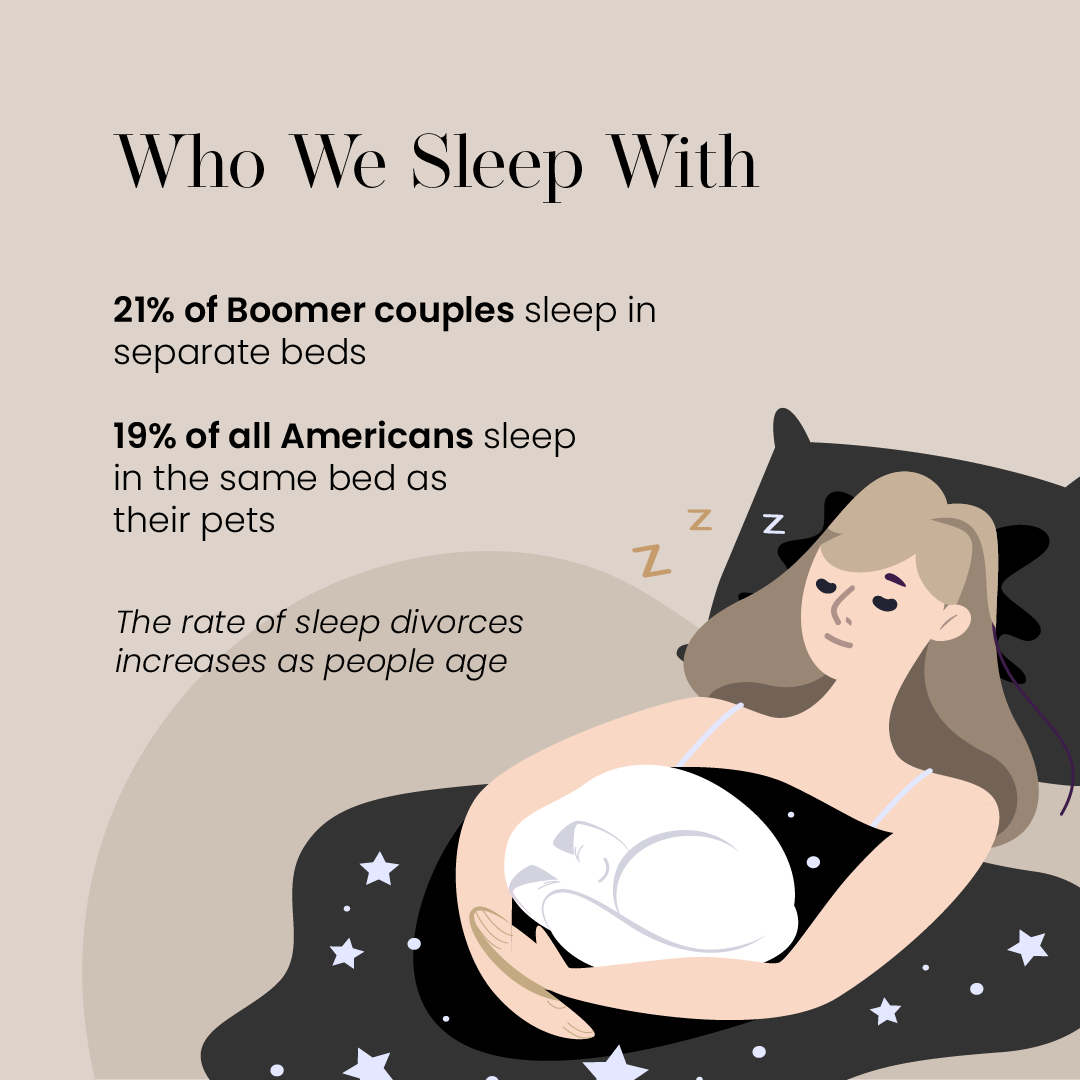
Millennials sleepover boundaries
From peer pressure to peer respect
Where a refusal to stay the night once risked social ostracism, it now often invites curiosity: Why not? Do you need more sleep? Anxiety? Work? The follow‑up questions reflect a broader cultural tendency to honor reasons rather than assume stinginess. In short, refusing a sleepover can be met with practical empathy instead of social judgment.
Health, sleep hygiene, and the economics of rest
Sleep science has migrated from niche interest into mainstream conversation. Younger people who grew up with more accessible mental health narratives are also more likely to treat sleep as a non‑negotiable health behavior. Pulling an all‑nighter might have romanticized status in movies and in old peer lore, but for many, a lost night’s sleep means reduced productivity, worse mood, and greater anxiety. When time is scarce—because of jobs, degrees or financial juggling—sacrificing sleep is less tolerable.
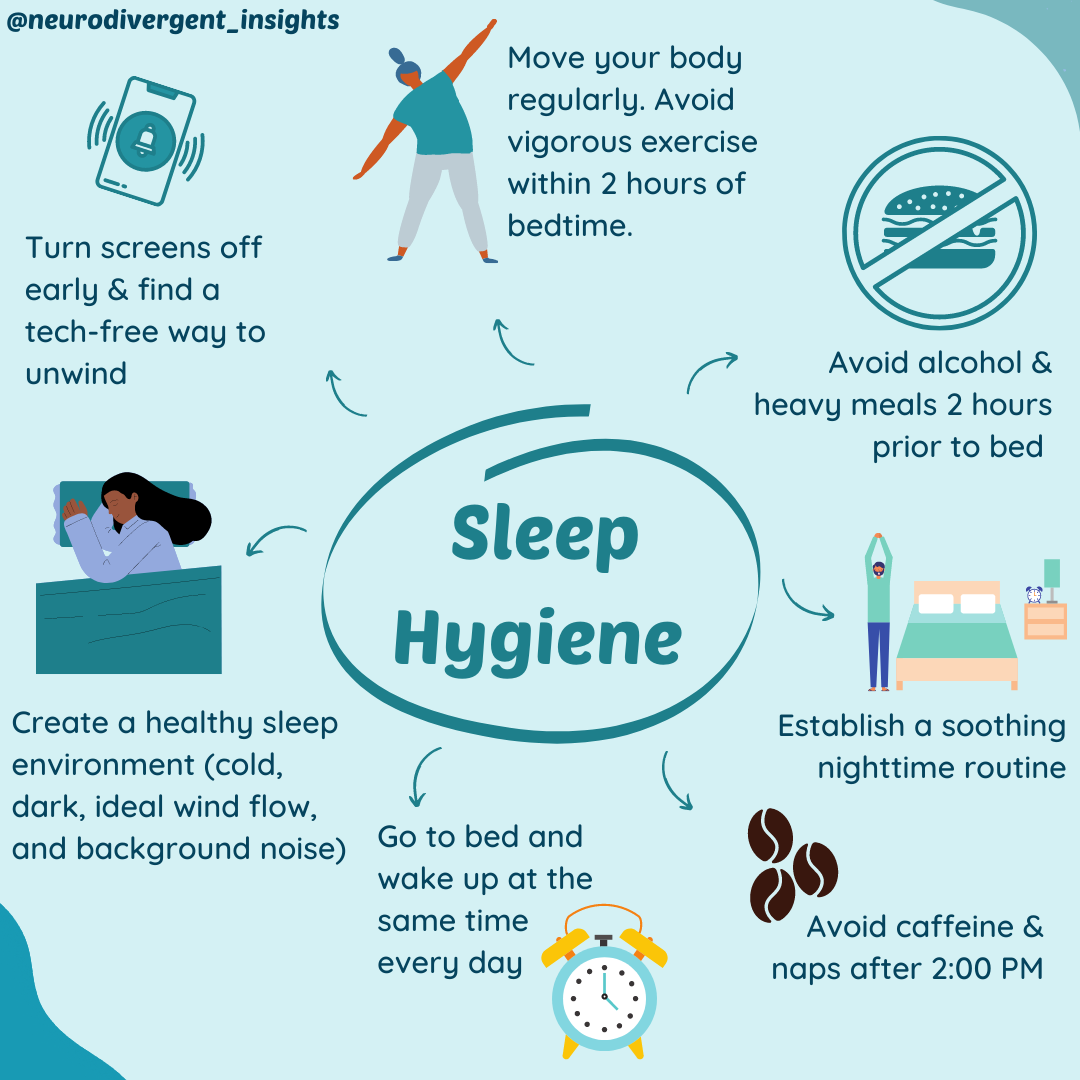
sleep hygiene mental health
Work schedules and financial pressures
Beyond health, practical economics play a role. Millennials and Gen Zers are more likely than prior generations to work atypical hours, multiple gigs, or shift work. A person scheduled for an early morning shift, a long commute, or an on‑call shift will decline an overnight stay not out of rudeness but necessity. Additionally, with housing costs high, many young adults live in shared or compact spaces where overnight hosting is logistically difficult or awkward.
Technology: more connection, different intimacy
Technology both makes it easier and less necessary to be physically present. Video calls, late‑night group chats, and multiplayer games allow friends to share time without occupying the same bedroom. For relationships predicated on availability rather than presence, staying connected digitally can substitute for physical proximity. That said, digital presence is not a full replacement for physical closeness—many still crave in‑person rituals, but they’re often shorter and more intentional.

consent culture safety
Late‑night texting vs. sleeping under one roof
Some friendships now opt for “micro‑visits”: dinner, a movie, a few hours of board games, then home before midnight. These formats retain warmth without disrupting home routines. Micro‑visits also lower the barrier for longer friendships: without the pressure to crash for a night, friends can meet more frequently in manageable windows.

remote friendship digital
Safety, consent culture and shared spaces
Safety is another driver. Conversations about consent and personal safety are more explicit than in prior decades. People—especially young women and queer folks—may decline overnight stays to avoid scenarios that feel unpredictable. In some cases, cultural emphasis on consent extends to logistics: who sleeps where, who shares sheets, and whether late‑night parties are welcome. Explicitly naming preferred sleeping arrangements is increasingly commonplace.
Mental health, social fatigue and introversion
‘Social battery’—a shorthand for the energy required to show up socially—is a concept that has gained traction online and in clinics. For introverts and for anyone practicing boundaries to protect their mental health, a sleepover can be a long, draining commitment. The visibility of mental health discussions makes declining due to social fatigue less stigmatized. Rather than seeing refusals as a failure of friendship, many now interpret them as care for one’s emotional ecosystem.

micro apartment hosting
Anxiety, overstimulation, and the cost of constant presence
Sleepovers can be sites of overstimulation: music, bodies, and extended social interaction. For people managing anxiety or sensory sensitivities, a night away may trigger stress rather than relief. The growing awareness of neurodiversity has brought these concerns to the surface, prompting friends to negotiate the form their togetherness takes.
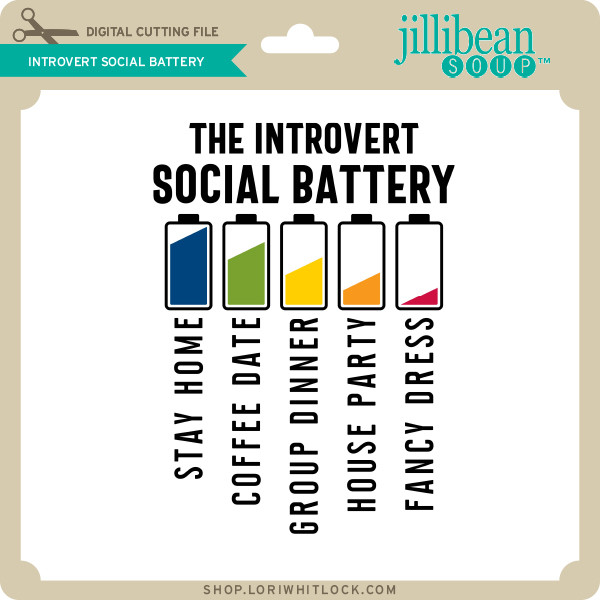
social battery introversion
Romantic norms and ambiguous sleeping arrangements
As dating cultures shift—toward casual dating, polyamory, and less prescriptive courtship—overnight stays are more frequently interpreted as signals about relationship status. For some, staying over implies a level of romantic or sexual intent that they may not want to communicate. To avoid mixed signals, people may delay overnight visits until a relationship’s intentions are clearer. This strategic withholding reconfigures sleepovers as a marker rather than a neutral social step.
Reducing ambiguity
Many friends now have front‑front conversations: is this a platonic hangout? Is anyone else staying? Naming expectations early diffuses the potential for misunderstanding and preserves relationships by aligning boundaries.
Family dynamics and parenting shifts
Parents and guardians influence norms too. Some caregivers are more protective or anxious and either discourage sleepovers or expect detailed plans. Others are more hands‑off, encouraging autonomy. Generational differences in parenting—ranging from helicoptering to freer approaches—shape how adolescents and young adults interpret sleepover culture.
Practical etiquette for modern sleepovers
As the ritual evolves, so does etiquette. Here are practical norms that reflect current expectations:
- Ask first: Confirm whether an overnight stay is planned and welcome.
- Share details: Be upfront about allergies, pets, or sleeping arrangements.
- Respect routines: If your host wakes early, step quietly or plan to leave before dawn.
- Offer reciprocity: If you decline to stay over, offer a later day for a longer visit.
- Be explicit about romantic intent: When relevant, name the nature of the hangout to avoid ambiguity.
What’s being gained and what’s being lost
Not every change is loss. Shorter, more intentional hangouts can sustain friendships in sustainable ways; they can be more frequent and less disruptive. Explicit boundaries encourage empathy and reduce resentment. On the other hand, some of the spontaneity and intimacy that made sleepovers memorable may fade. Those late‑night conversations that stretched into dawn—a scaffold for vulnerability and bonding—are harder to replicate in twenty‑minute video calls or after‑work meetups.
- Better sleep and routines
- Clearer boundaries
- Fewer misunderstandings
- Less spontaneous vulnerability
- Fewer shared rites of passage
- Potential for quiet drift in friendships
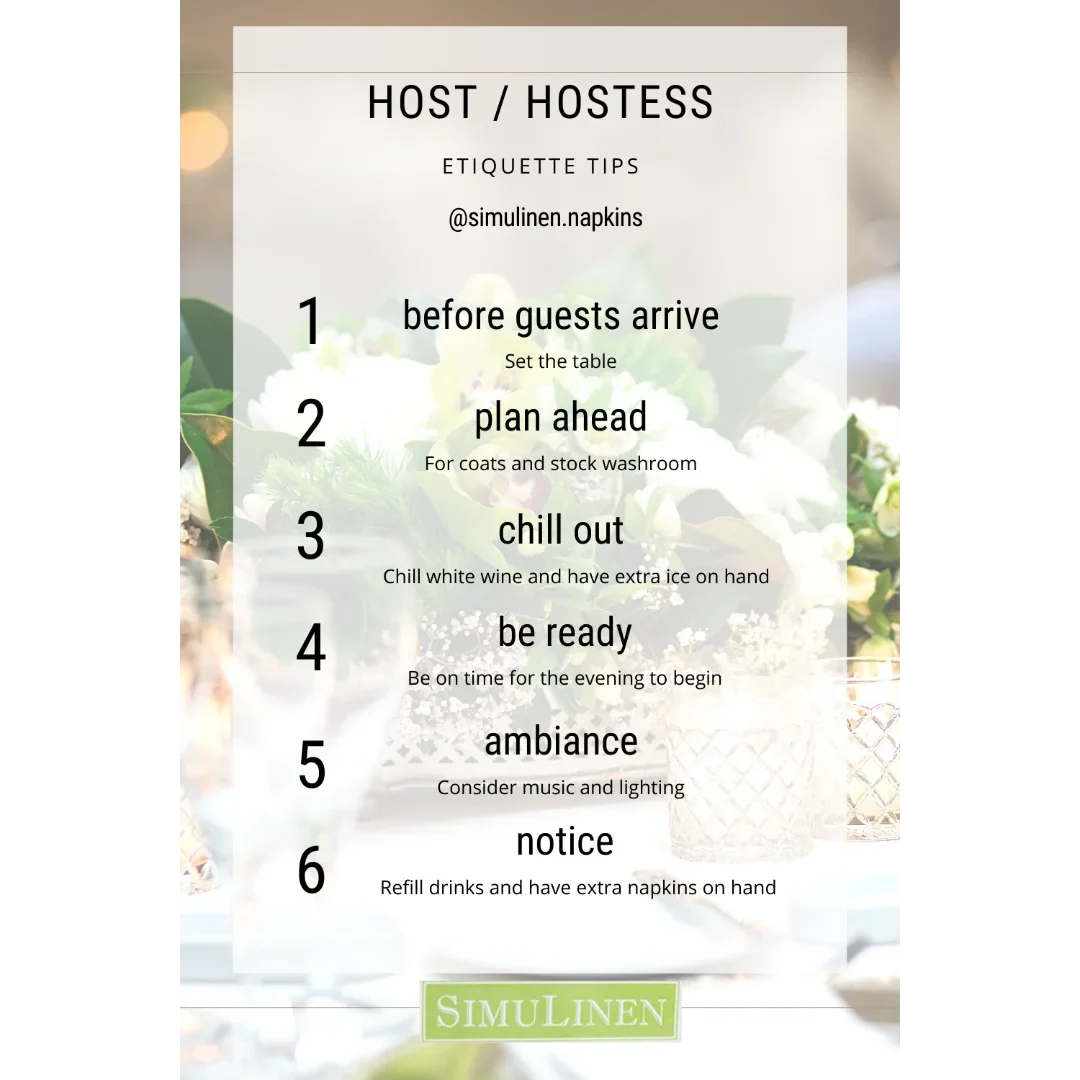
hosting etiquette checklist
How to keep rituals meaningful without overnight stays
Rituals don’t disappear—they morph. If you want to preserve the intimacy of sleepovers without the all‑night commitment, try intentional alternatives: a “friendship dinner” with meaningful conversation prompts, a sunrise coffee and walk, a weekend day where friends take turns hosting activities, or an evening that ends at a reasonable hour. These formats encourage deep talk and shared experience without sacrificing personal routines.
“You can protect your sleep and still have deep conversations—the form just changes.”
Hosting with sensitivity: a modern checklist
Hosts can make overnight culture less fraught by normalizing choice and reducing barriers. A short checklist helps:
- Ask guests about sleeping preferences and safety concerns in advance.
- Create distinct sleeping spaces when possible (even temporary dividers help).
- Provide clear exit plans—transport options, nearby rideshares, or metro times.
- Respect quiet hours and morning routines.
- Normalize a no‑stay option; thank guests for honest answers.
Conclusion: rituals adapt, friendships endure
Sleepovers are not dead—they are being recalibrated. For Gen Z and Millennials, the decision to stay the night is less an automatic sign of closeness and more a negotiated choice shaped by health, work, safety, and respect. As rituals adapt, the core purpose remains: to signal belonging and share meaningful time. The form of that time will continue to change, but the intent—connection—remains intact.
- Declining an overnight stay is increasingly seen as a boundary, not rejection.
- Health, economics, safety, and technology are major reasons sleepovers are changing.
- Hosts who ask, plan, and respect routines help preserve intimacy without forcing stays.
This feature explores cultural and practical trends shaping how younger generations choose to spend time together.