
Why Falling Cocoa Prices Are Ruining Chocolate Recipes
There's a perversity in the world of food: when the raw ingredient that defines a product becomes cheaper, the overall product often gets worse rather than better. That is the odd market reality playing out in chocolate today. Cocoa prices have slumped in cycles before, and each collapse leaves a different footprint — not just on commodity traders' spreadsheets but on your taste buds, the livelihoods of farmers, and the long-term shape of what shops sell as "chocolate." This article explains why a cheap cocoa commodity can lead to bland bars, more fillers, and formulas designed to survive in a race to the bottom.
THE PRICE PARADOX: WHY CHEAP BEANS DON'T MEAN BETTER BARS
At first glance the math seems obvious: if cocoa is cheaper, chocolate makers should be able to afford better ingredients or increase cocoa percentages. In practice, incentives, contract structures, and industrial inertia push most manufacturers the other way. Food companies are accountable to shareholders, buyers, and tight margins — a price collapse is treated as a chance to extract margin, standardize formulations, and lock in long-term cost savings through substitution.
The profit-driven impulse
When commodity costs dip, corporate buyers face a choice: lower retail prices, invest in quality, or keep prices stable and enjoy higher margins. Most large brands choose the latter. What follows are small, often invisible changes in formulas and supply that compound over time: standardizing on bulk-grade beans, shortening conching times to save energy, increasing sugar or milk solids to mask flavor variability, or shifting to more cost-friendly vegetable fats in places regulations permit.
Cheap commodities invite cheap optimization: the pressure to protect margins wins out over the pressure to reallocate savings toward better taste.
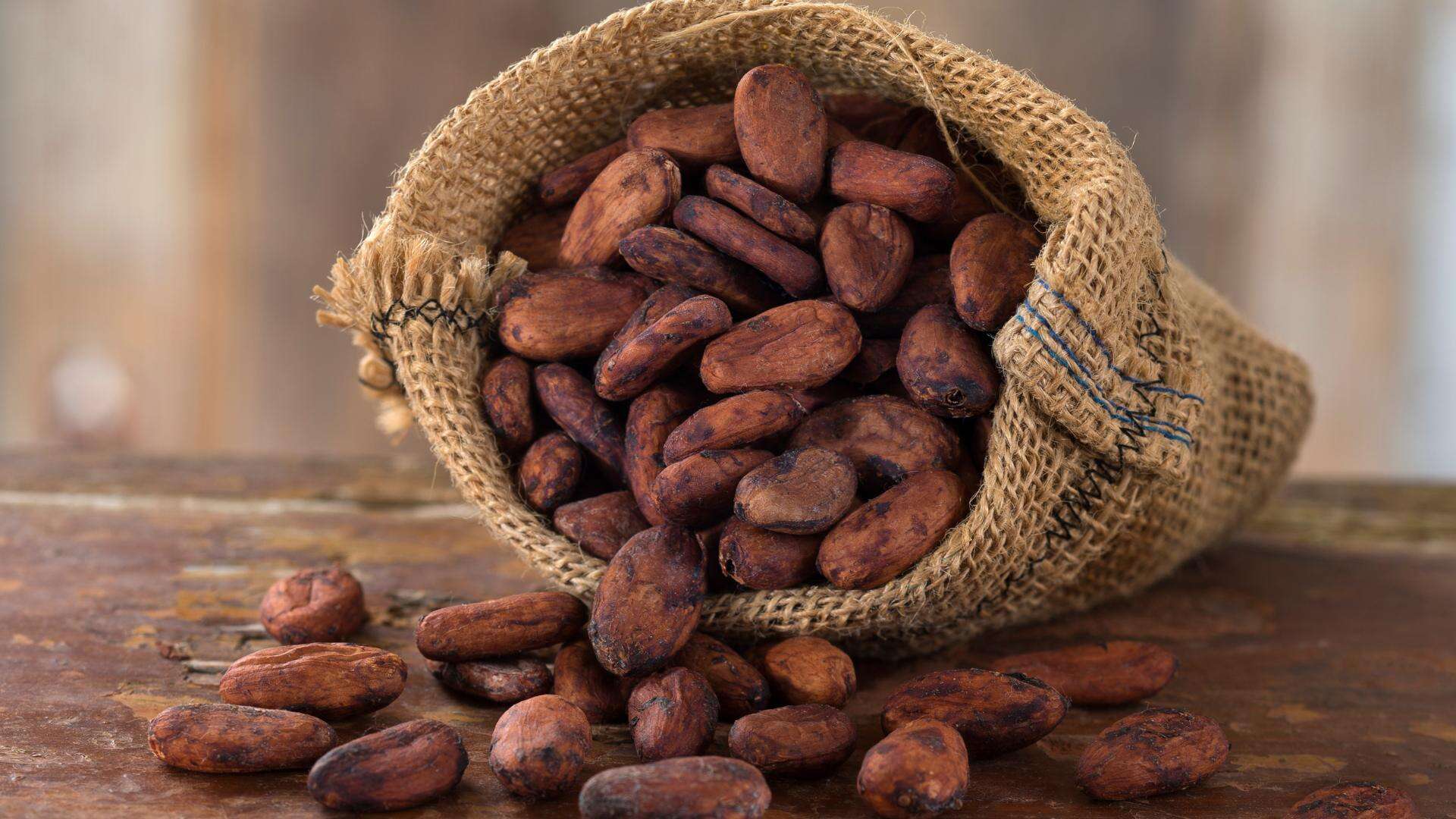
cocoa beans
HOW CHOCOLATE IS MADE — AND WHERE QUALITY GETS LOST
Bean to mass-production: the industrial pathway
Chocolate making has two clear arcs: artisanal (bean-to-bar) and industrial. In artisanal production, every step is tuned for flavor — bean selection, careful fermentation, precise roasting, long conching, and minimal additives. In industrial production, priorities are consistency, shelf stability, and cost. Those priorities interact with commodity price moves in predictable ways. When cocoa is expensive producers cut costs quickly; when cocoa is cheap they don't necessarily restore craft practices — they cement systems and suppliers that favor low cost and predictability.
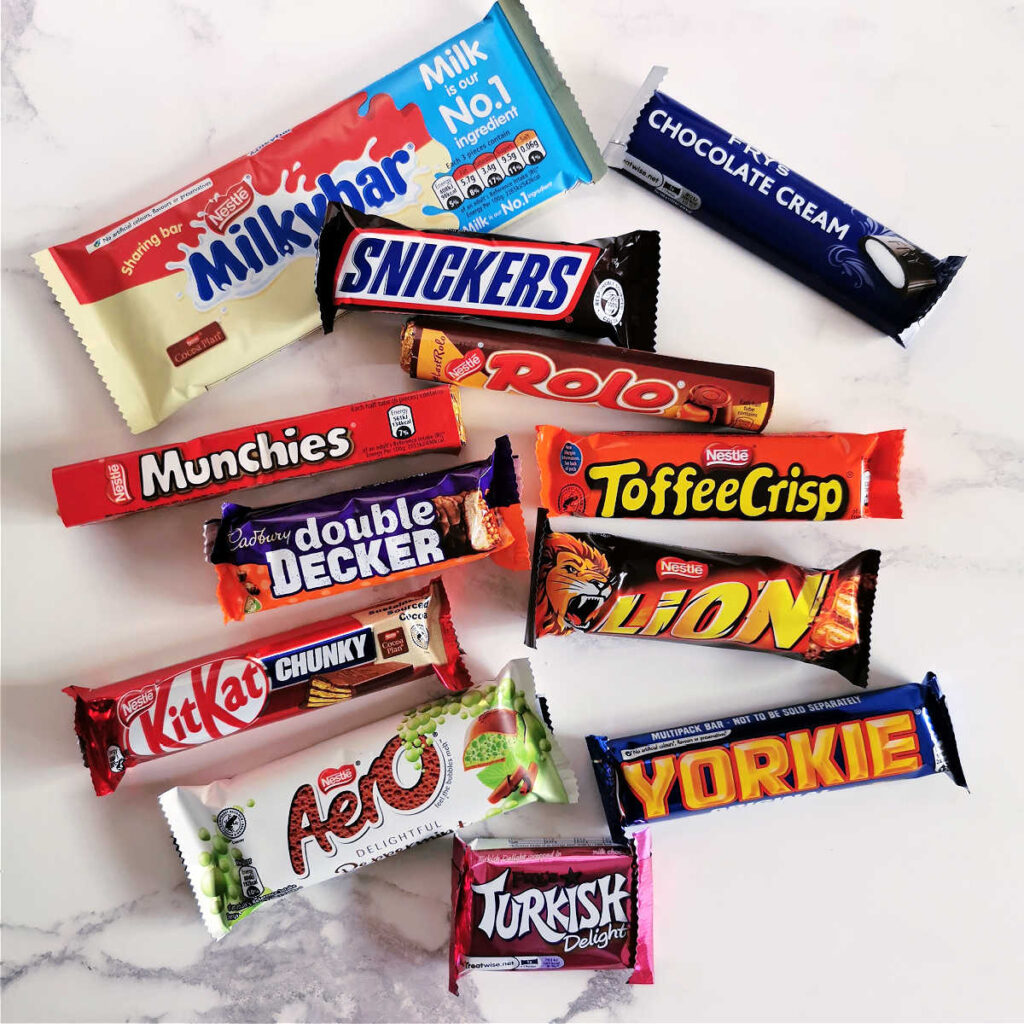
chocolate bar
Couverture vs compound: why the word choice matters
Not all chocolate is the same. Couverture is high-quality chocolate with real cocoa butter and a higher percentage of cocoa solids; it melts elegantly and carries complex flavors. Compound chocolate replaces cocoa butter with alternative vegetable fats and behaves differently in mouthfeel and tempering. Manufacturers calibrate formulas between these poles to hit performance and price targets. A sustained period of low cocoa prices can push product planners to favor formulas that rely on bulk cocoa powder and vegetable fats for the cheapest unit cost, because once processing lines and supplier contracts are adapted, switching back is expensive.
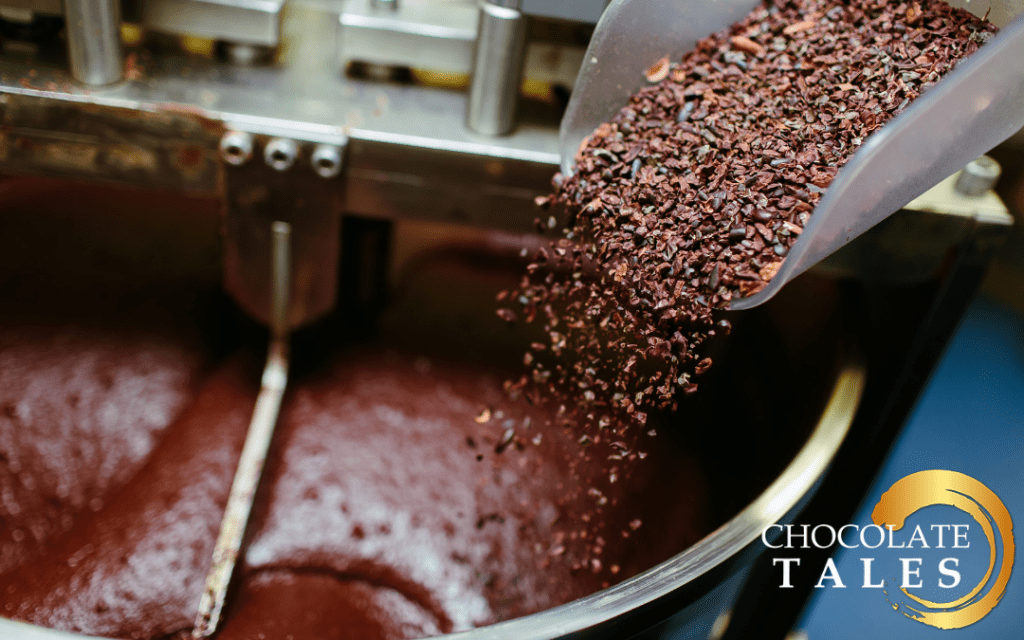
chocolate making
The small chemistry that hides bad decisions
Food scientists have a toolkit for making chocolate taste acceptable regardless of bean quality: emulsifiers like lecithin reduce viscosity so bars can contain more sugar without feeling gritty; alkalized cocoa can mask acidity and inconsistent fermentation; fine grinding and high sugar levels flatten flavor. Those tools are not evil — they solve real processing problems — but when used to paper over systemic quality decline they produce chocolate that is technically stable but sensorially flat.
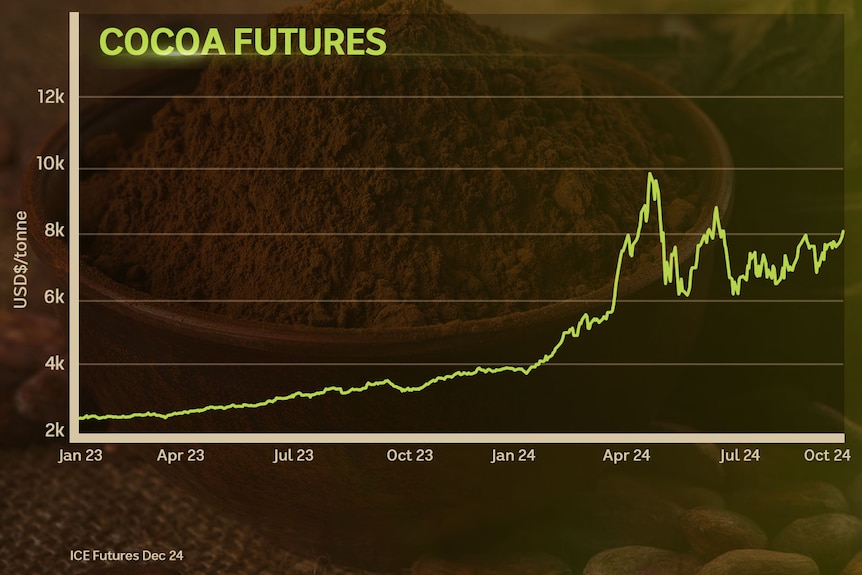
cocoa price chart
THE SUPPLY-CHAIN FEEDBACK LOOP
Commodity collapses ripple backward. Farmers in major cocoa-producing countries — many reliant on cocoa for a large share of income — respond to low prices by planting less, selling unfermented or underfermented beans, or abandoning quality investments. That reduction in quality and traceability is invisible to downstream buyers who are optimized to receive large volumes. Processors blend to spec and sell a homogenized chocolate liquor with predictable cost and flavor drift — enough to satisfy consumers trained by decades of standardized mass-market chocolate.
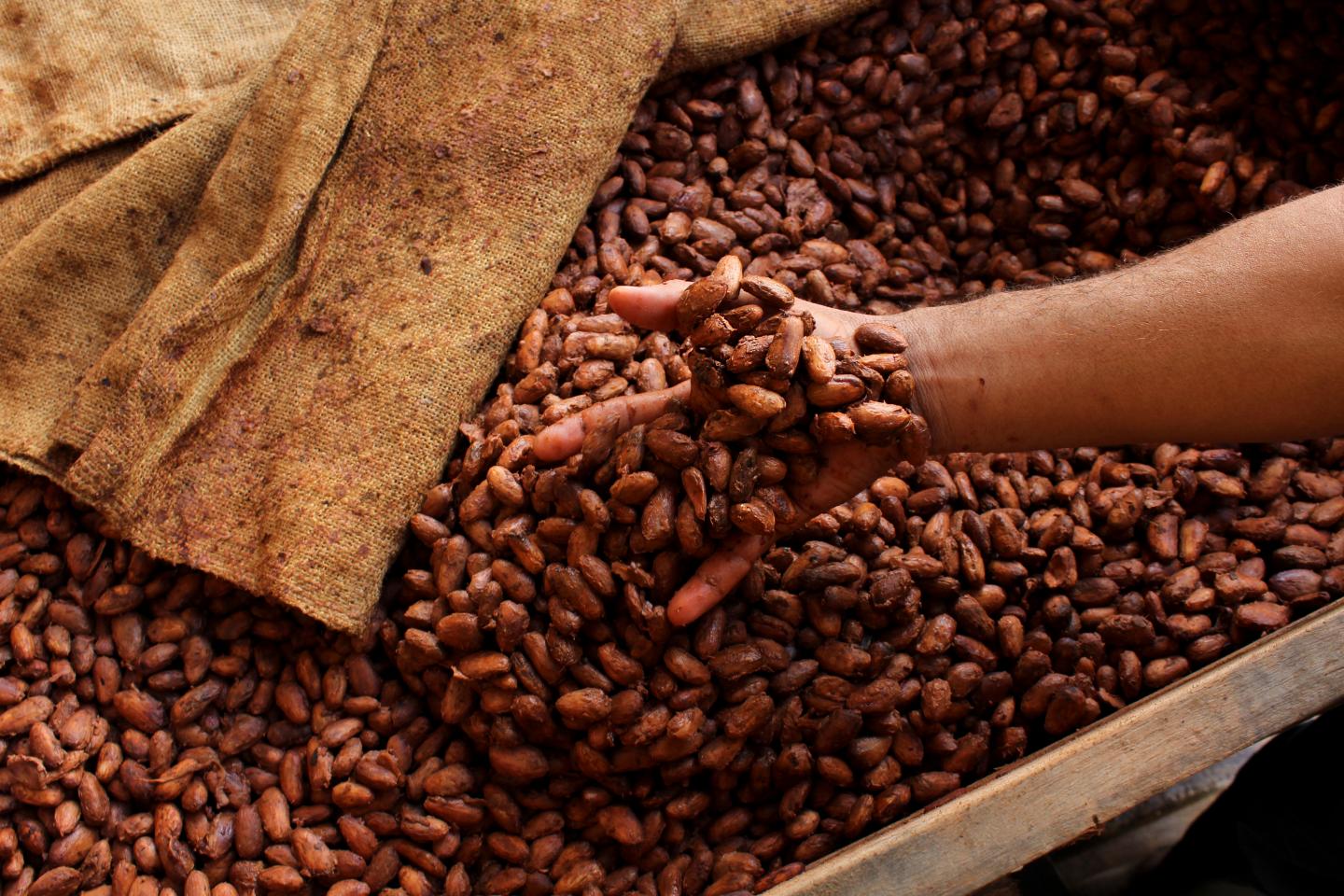
fermentation of cocoa beans
The role of traders and processors
Between farm and factory sit middlemen: cooperatives, exporters, and commodity traders. These entities buy lots of beans, often mixing sources to smooth out seasonal and lot variability. Low prices encourage heavier blending and fewer incentives to segregate high-quality lots for specialty markets. The result is more homogeneous bulk cocoa that is perfect for mass-market formulas but terrible for anyone looking for nuance.
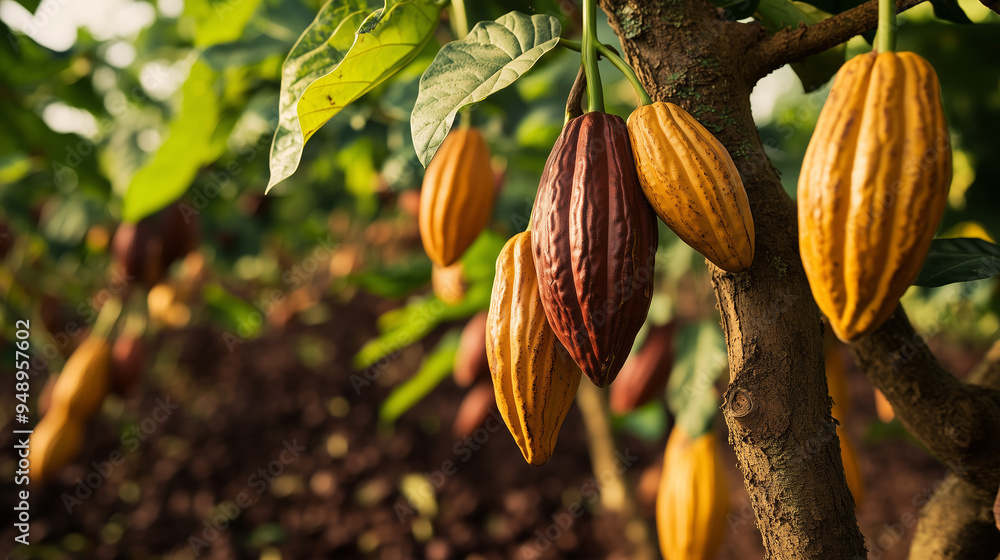
cocoa plantation
WHAT COMPANIES DO WHEN COCOA PRICES DROP
Three common industry reactions
There are recurring patterns when raw-material prices fall:
- Margin capture: Brands keep retail prices stable and pocket the savings, freeing cash for other priorities like marketing and distribution.
- Formula lock-in: Companies consolidate suppliers and standardize formulas, making future improvements harder without costly line changes.
- Product stretching: Greater use of bulking agents — extra sugar, milk solids, or non-cocoa vegetable fats — to increase yield and maintain texture at lower ingredient cost.

couverture chocolate
Why manufacturers rarely pass savings back
Retail pricing psychology is sticky. Lowering an established retail price can signal lower perceived value to consumers. Instead, companies often prefer to maintain price points and invest cost savings in promotion or margin. That dynamic preserves shareholder returns but erodes product quality slowly and quietly.

compound chocolate
THE LONGER-TERM EFFECTS ON QUALITY AND SUSTAINABILITY
Price collapses don't only affect the current season. Farming decisions take years to reverse. If low cocoa prices nudge farmers away from proper fermentation, selective harvesting, or shade-grown systems, the resulting beans will carry less intensity and complexity for seasons to come. Producers who invested in sustainable practices may abandon them under income pressure. That undermines traceability programs and reduces the pool of beans fit for single-origin or high-percentage bars.

chocolate factory
Environmental and social fallout
Historically, depressed cocoa incomes correlate with negative social outcomes: migration, reduced school attendance, and sometimes unsustainable land conversion as farmers try to grow higher-yielding but less ecologically friendly crops. The chocolate industry's sustainability initiatives have helped but often don't scale fast enough to offset cycles of commodity pricing.
HOW TO TELL IF A BAR IS 'ENSHITTIFIED'
Labels, ingredients, and textural clues
Not all inferior chocolate reads the same. Here are practical clues the product has been reformulated for cost savings rather than taste:
- Ambiguous labeling: Words like "chocolatey coating" or "contains vegetable fat" suggest non-traditional fats are present.
- Thin melt: Bars that snap but feel waxy or resist melting usually contain replacement fats or high ratios of sugar to cocoa butter.
- Flat flavor: If the chocolate is predominantly sweet with little bitterness, fruitiness, or roasted notes, it's likely been masked with alkalized cocoa or excess sugar.
- Long ingredient lists: Multiple emulsifiers, stabilizers, and artificial flavors often indicate formulation to maintain texture at low cost.
Practical label reading
Good shortcuts: look for "cocoa mass" or "cocoa butter" listed high on the ingredients, a short ingredient list (cocoa mass, cocoa butter, sugar, milk, lecithin), and avoid products that list "vegetable oils" without naming them. "Percentage" labels are useful but can be misleading — a high percentage of cocoa solids made from bulk, alkalized, or poorly fermented beans won't taste like well-sourced chocolate.
WHAT CONSCIOUS CONSUMERS CAN DO
There are ways to respond to the commoditization push beyond handwringing.
- Support traceability: Buy bars that list the country, cooperative, or farm.
- Prefer single-origin and small-batch producers: Smaller makers often bear higher per-unit costs but invest in fermentation and bean selection.
- Read labels: Avoid vague descriptors and unnamed vegetable fats.
- Buy less, better: A smaller number of high-quality bars tends to yield more satisfaction than a shelf full of anonymous mass-market options.
INDUSTRY PATHS FOR BETTER OUTCOMES
There are realistic interventions that would mitigate the worst effects of price collapses while keeping chocolate accessible. They are not magic bullets, but they would help align incentives.
Contract design and price floors
Long-term contracts that include quality premiums and predictable price support help maintain fermentation practices and discourage short-term cost cutting. Whether through public-private partnerships, cooperative-led schemes, or buyer-funded premiums, embedding stability into contracts protects flavor diversity.
Investment in processing and segregation
Funding bean processing closer to farms improves traceability and creates incentives for quality. Segregated supply chains for specialty beans allow manufacturers committed to flavor to access reliable inputs even when commodity prices tumble.
- Higher quality chocolate
- Improved farmer incomes
- Greater flavor diversity
- Higher retail prices
- Scaling specialty supply is complex
- Requires greater transparency
CONCLUSION — HOW WE LOST FLAVOR AND HOW WE GET IT BACK
Cheap cocoa does not automatically mean better chocolate; it mostly means a fresh opportunity for corporations to optimize for cost and stability rather than taste. The result over time is wider adoption of cheaper fats, blander bulk cocoa, and formulas that smooth over variability instead of celebrating bean provenance. The fix isn't solely consumer choice — it requires smarter contracting, investments in processing and traceability, and a cultural tilt in industry priorities away from short-term margin capture and toward long-term flavor stewardship.
If you care about the future of chocolate, buy thoughtfully: your purchase choices resonate back through the supply chain more than you might think.
- Falling cocoa prices often lead to corporate margin capture and formula changes that reduce quality.
- Industrial tools (alkalization, emulsifiers, vegetable fats) can mask poor bean quality but flatten flavor.
- Farmer livelihoods and fermentation practices suffer when prices fall, lowering bean quality over time.
- Consumers can push back by favoring traceability, single-origin bars, and transparent bean-to-bar makers.
- Long-term improvements require contract stability, local processing investment, and industry transparency.
This feature combines food science, supply-chain economics, and consumer advice to explain a common paradox: cheaper raw materials can make the final product worse.