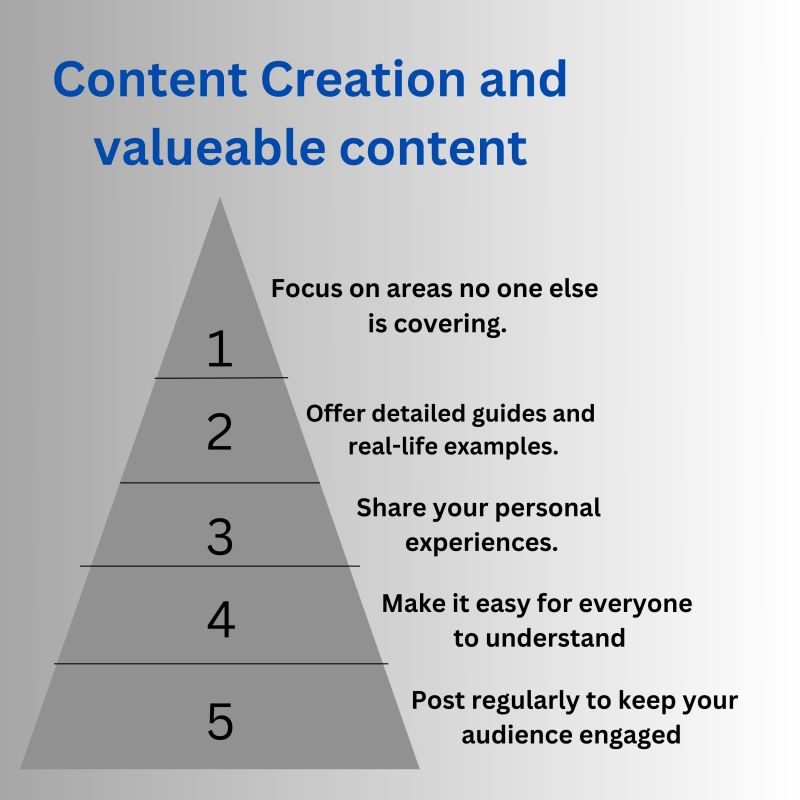
Why Content Creation Looks Dreamy — But Is Oversaturated
There is a familiar conversation that begins with a scroll and ends with a daydream: "I could be a creator — make videos, travel, get brand deals." The promise is seductive: low barrier to entry, instant distribution, and a mythic arc from obscurity to overnight success. But behind the viral highlight reels and glossy sponsorship posts is a crowded, unpredictable labor market where most creators struggle to earn a living. This article peels back that glossy surface to explain why content creation feels like a great career path but is, in many ways, insanely oversaturated — and what to do about it.
Why the Creator Dream Feels Real
The creator economy has a few irresistible selling points. First, the tools are cheap and accessible: a smartphone, free editing apps, and platforms that take care of distribution. Second, success stories are highly visible; a handful of creators show off major contracts and lavish lifestyles, and those stories dominate our perception. Third, traditional career rules feel outdated: rigid office hours, degrees, and gatekeepers are no longer strictly necessary to reach an audience.
Those factors combine into a cultural narrative: talent plus hustle equals fame and fortune. For many people that narrative is empowering — it's also incomplete.
Signs a Career Is Oversaturated
Oversaturation happens when supply dramatically outpaces demand. Here are the common signals that a field is crowded:
- Low barriers to entry — Anyone can create a profile and publish content, so the number of competitors explodes.
- Falling per-person returns — Platforms concentrate income to a small percentage of top creators while the rest see declining CPMs, views, or sponsorship options.
- Commodification of output — When many creators chase the same formats, the content becomes interchangeable and harder to monetize.
- Platform concentration — A few dominant platforms control discoverability and algorithmic distribution, making career health dependent on decisions outside creators' control.
- Hype-driven entry — Booms driven by a few success stories attract waves of new entrants who replicate surface tactics without differentiation.
When several of these signals appear together, you’re likely looking at an oversaturated market rather than a field with abundant opportunity.
If everyone is shouting the same thing, your only choices are to shout louder, find a new channel, or say something different.

Caption describing the image
Why Content Creation Is a Case Study in Oversaturation
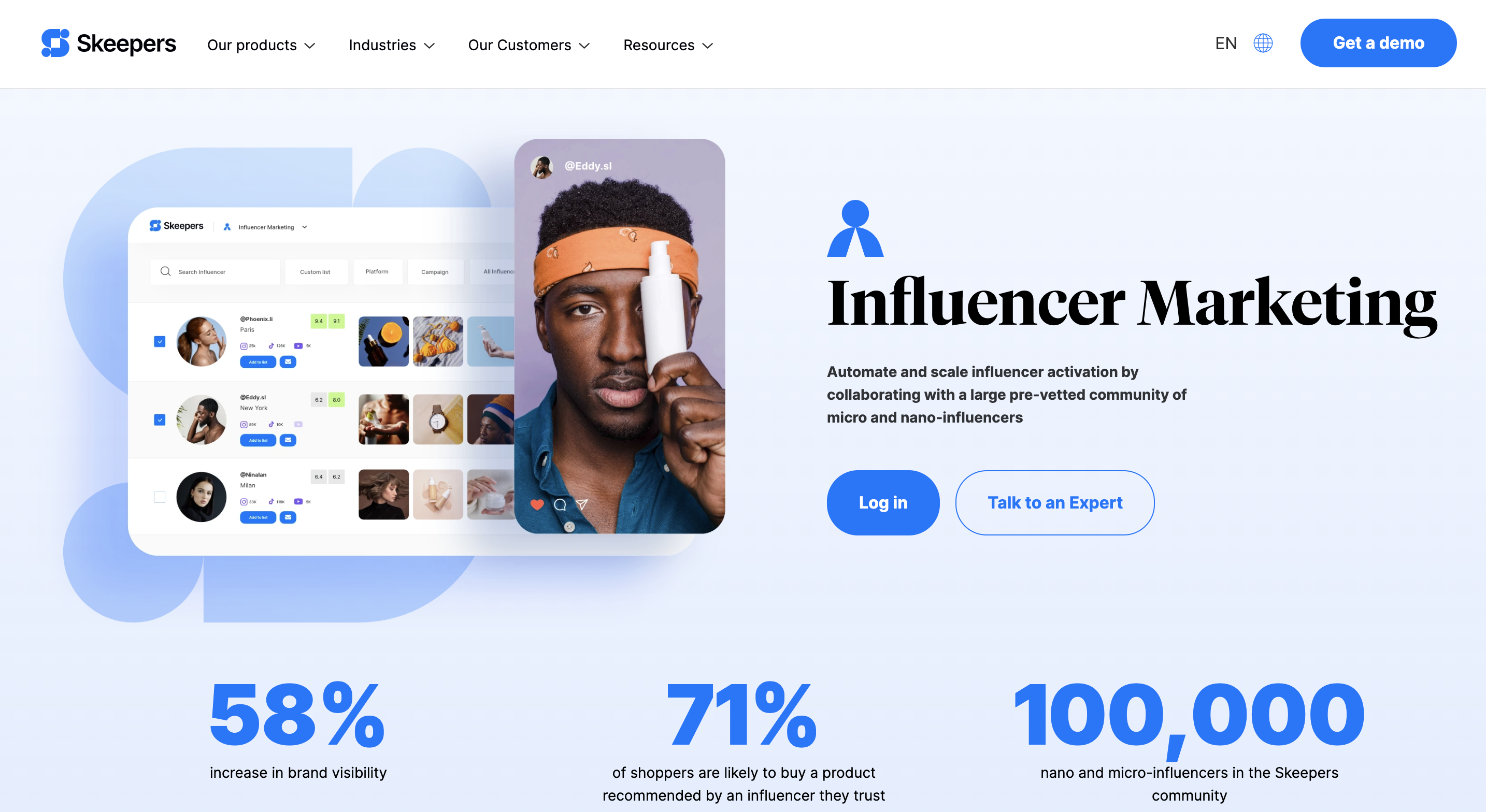
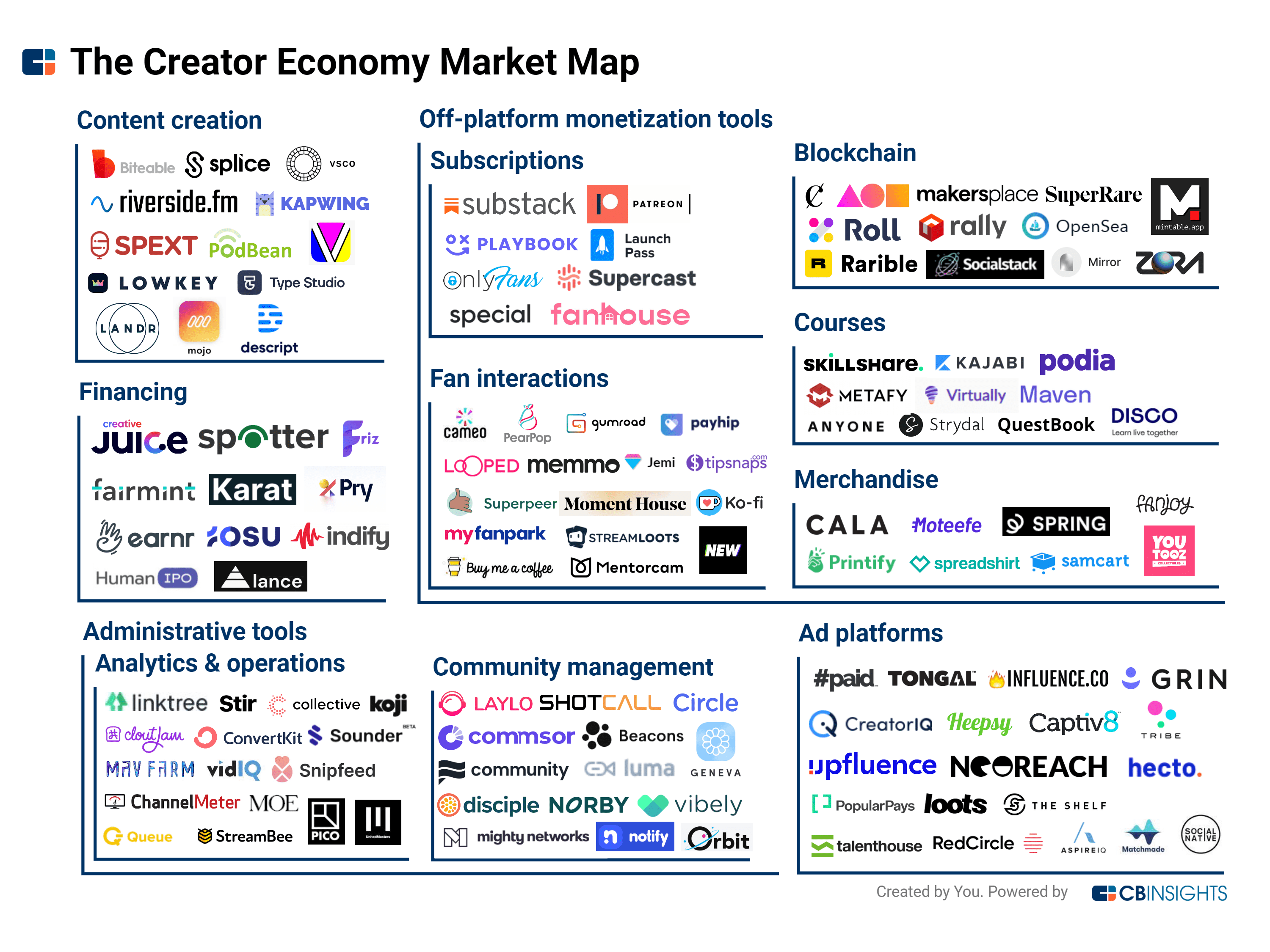
Content creation checks nearly all the boxes above. The proliferation of platforms and tools made it easy for billions of people to try creating content. Monetization models — ad revenue shares, sponsorships, subscriptions, affiliate marketing — exist, but they are unevenly distributed. A small percentage of creators capture the majority of ad dollars and brand deals; the long tail receives sporadic micro-payments that rarely add up to full-time wages.
Caption describing the image
Algorithms amplify the problem. Platforms optimize for engagement; they reward content that keeps users on the site. That favors certain formats and creators who already have momentum. Newcomers face a steep discoverability problem unless they can crack a platform's preference early, pay for distribution, or piggyback on existing audiences.
At the same time, many creators underestimate the non-creative work required to succeed: analytics, SEO, community management, sponsorship negotiations, tax compliance, and often physically demanding schedules. What looks like freedom is a complex small business — and small businesses scale with resources, systems, and luck.
Caption describing the image
Realities Most Aspiring Creators Miss
Below are practical realities that rarely make it into the dreamy narratives.
- The math is unforgiving: Bandwidth for attention is limited. Platforms optimize for retention, not fairness, so the top 1–5% of creators will consistently attract a disproportionate share of views and revenue.
- Income is lumpy and platform-dependent: A demonetization policy change, algorithm tweak, or account suspension can wipe out months of earnings overnight.
- Brand deals require scale or distinct value: Most sponsorships go to creators with either large followings or highly engaged, niche audiences. Mass-replication content rarely attracts premium brand partnerships.
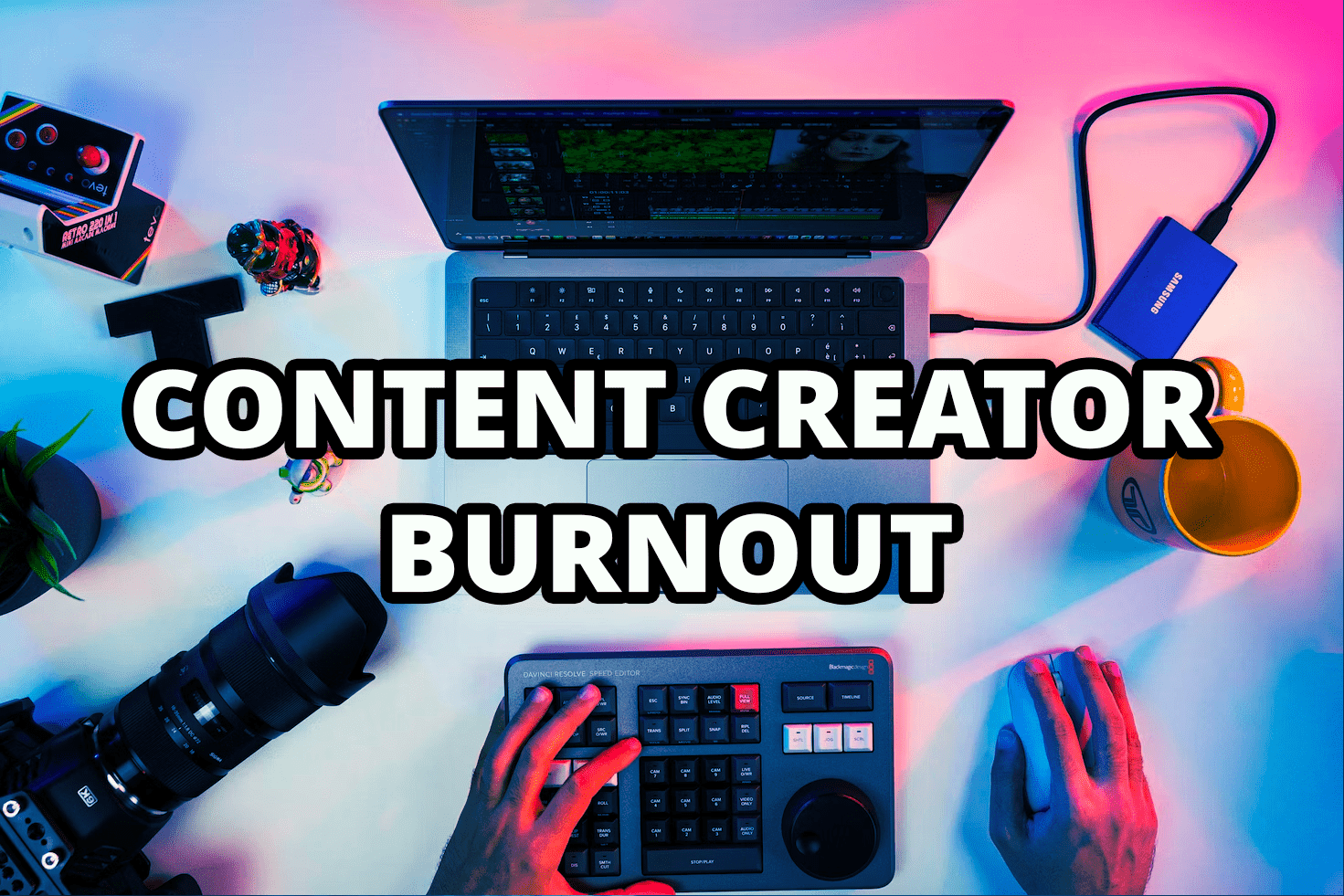
- Burnout is common: The pressure to post frequently, pivot with trends, and sustain engagement leads to mental and physical exhaustion.
Understanding these realities reduces the risk of stepping into the field with unrealistic expectations.

Caption describing the image
How to Tell If You’re Entering a Crowded Creator Niche
Not all creator niches are equally crowded. Here’s a quick checklist to help you assess where you stand before investing serious time:
- Search the platforms: Are the top results dominated by a few creators? If yes, breaking in will be tougher.
- Look at engagement, not just followers: High follower counts with low comments, shares, or saves indicate passive audiences and low sponsor value.
- Assess monetization pathways: Are there clear ways creators in your niche earn (product sales, premium subscriptions, sponsored content)? If not, revenue may be limited.
- Measure content differentiation: Can you offer a unique perspective, technique, or format that others aren’t? If your idea is easily replicable, it will be quickly copied and lose distinctiveness.
If most answers indicate heavy competition and weak monetization, treat the niche as oversaturated.
Caption describing the image
Strategies to Stand Out (and Survive)
Being aware of oversaturation doesn’t mean you should avoid content creation altogether — it means you need a smarter plan. Here are tactical moves that tilt the odds in your favor.
1. Specialize by audience, not just topic
Instead of making "fitness videos," make fitness content for busy parents over 40, or for people with limited mobility. A tightly defined audience increases relevance and sponsor appeal.
2. Own distribution, not just platforms
Relying solely on a social platform is risky. Build an email list, a newsletter, or a small owned community (Discord, Substack, private forum). Owned channels protect you from algorithm changes and strengthen monetization options.
3. Diversify income streams
Combine ad revenue with micro-subscriptions, digital products, affiliate earnings, consulting, or live events. Diversification smooths income volatility.
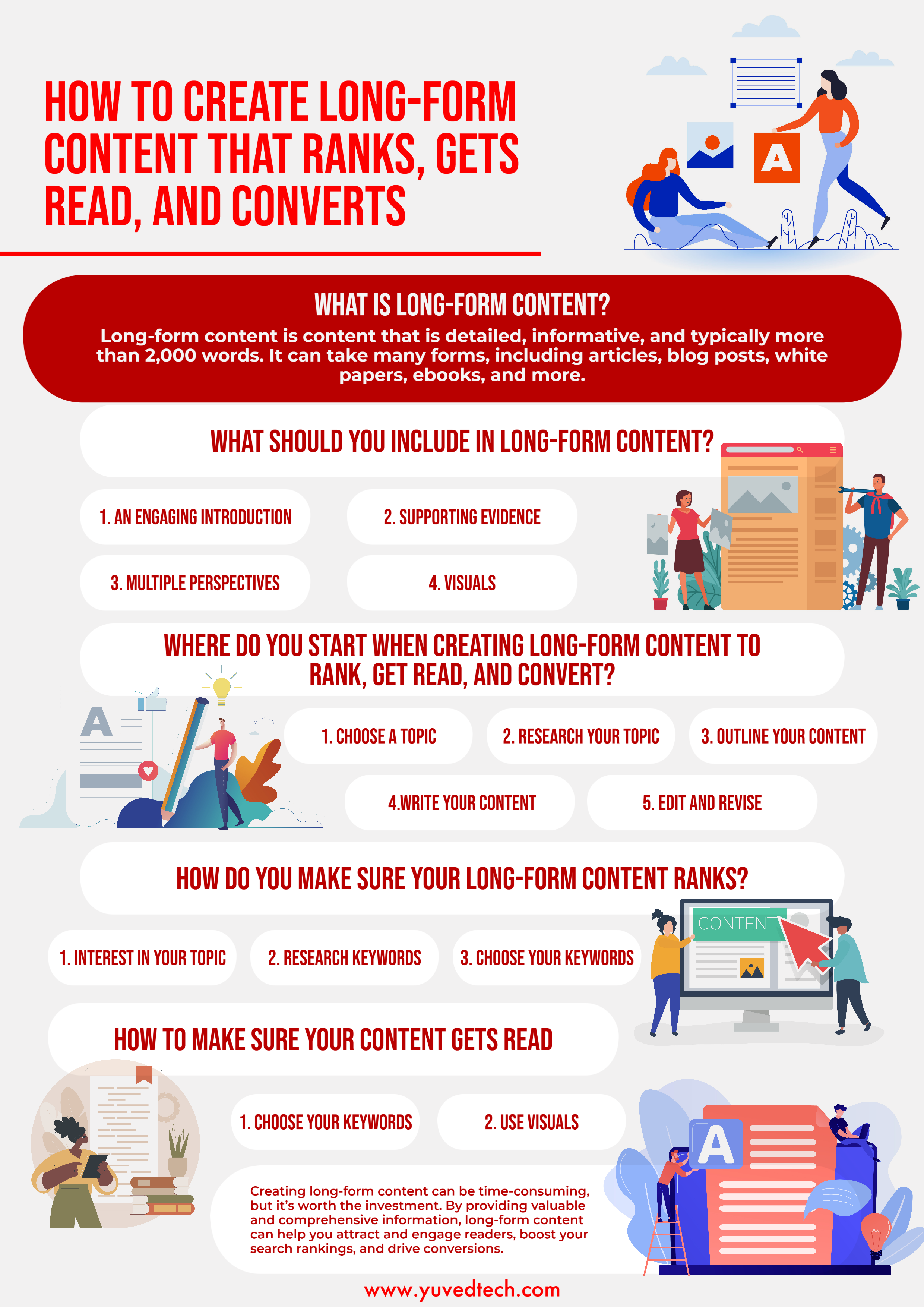
4. Invest in long-form, searchable content
Short viral videos are powerful for discovery, but long-form content (articles, podcasts, evergreen YouTube videos) builds search traffic and cumulative value over time.
5. Systems and batch work
Design production systems, batch content creation, and create reusable templates. Treat content like a product with testing cycles and iteration rather than one-off creativity.
Caption describing the image
Alternatives to Going All-In
If the creator path looks too crowded, consider adjacent or hybrid careers that leverage your creative skills with better structural support.
- Productized freelance: Steady clients, higher baseline pay.
- Agency or studio roles: Collaborative work, benefits, and predictable income.
- Content strategy or UX writing: Use storytelling and content skills for scalable business outcomes.
- Less autonomy: More constraints than independent creation.
- Pace of creativity: May feel more structured than personal channels.
These options let you practice craft, earn reliably, and keep an entrepreneurial doorway open if you later choose to scale a creator business.

Caption describing the image
A Simple Financial Reality Check
Before committing, run a quick income model. Estimate realistic monthly revenue sources (ads, sponsorships, subscriptions) and subtract business expenses (equipment, software, taxes, healthcare). If the surplus is not sufficient to cover living costs, either scale revenue or keep content creation as a side project until it becomes viable.
Treat content creation as a business: customers, costs, margin — not just expression.
Ethics, Mental Health, and Long-Term Risks
Oversaturation pushes creators toward sensationalism and constant output, which can harm both audiences and creators themselves. The pressure to monetize attention encourages personalization of private life, an erosion of boundaries, and sometimes harmful trend-chasing. Be mindful: long-term career health requires sustainable pacing, realistic boundaries, and an exit plan.
Conclusion: Be Strategic, Not Romantic
The content creation boom created opportunities, but it also produced an oversaturated market where only a few win big. The romantic story — quit your job, go viral, make it — still happens, but rarely and unpredictably. A wiser approach is to blend ambition with pragmatism: validate demand, own distribution, diversify revenue, and consider hybrid paths that reduce risk while preserving creative growth.
- Content creation is oversaturated because of low barriers to entry and concentrated monetization.
- Assess niches by engagement and monetization pathways, not by follower counts alone.
- Differentiate with audience specialization, owned distribution, and diversified income.
- Consider hybrid careers or freelance/agency roles to build skill and income before scaling independently.
- Prioritize mental health, boundaries, and financial buffers.
Planning a creator career? Start small, validate quickly, and protect your downside.