Why Bringing a Partner as a +1 Is Normal but a Friend Isn't
Walk into a wedding reception, an office holiday party, or a friend’s milestone birthday, and the request is the same: bring a +1. Nearly always, that +1 is assumed to be a romantic partner. Invite someone else — a best friend, a childhood pal, a casually close colleague — and you might be met with an eyebrow raise, a clarification question, or an outright refusal. Why does society give romantic partners a social pass and treat friends as optional or unusual companions? Beneath the surface of that cultural assumption lie practical logistics, historical scripts, signaling mechanisms, and evolving norms about intimacy and obligation. This article traces those strands and offers clear guidance for hosts and guests who want to avoid awkwardness while honoring relationships of all kinds.
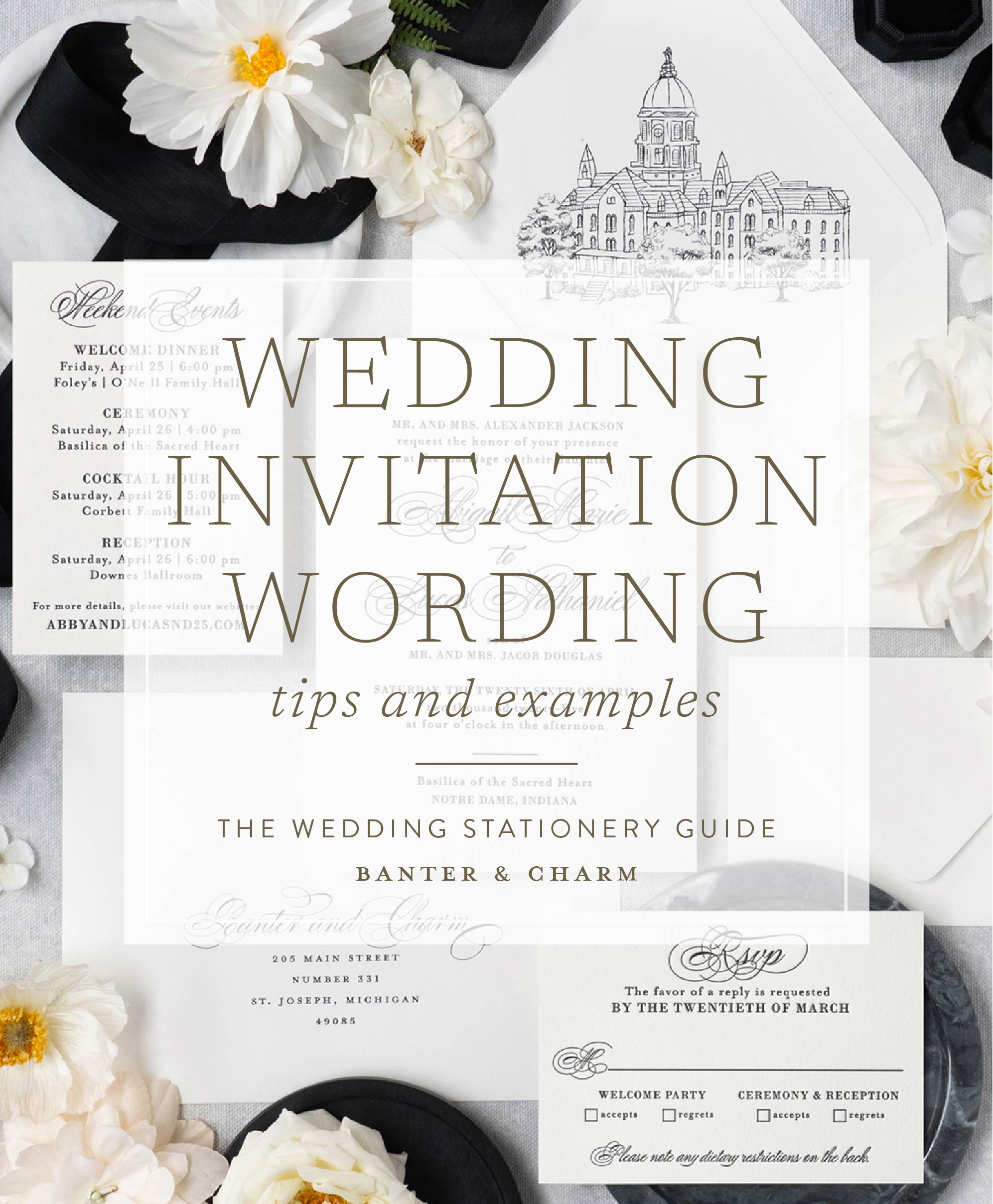
Invitation wording sets expectations for guest policy
Cultural and Historical Roots
Intimacy as a public signal
Historically, romantic partnerships — especially long-term, acknowledged relationships like marriage — have been visible social institutions. They signal social stability, lineage and sometimes even economic alliances. The public nature of a romantic partnership made it logical for social ceremonies and gatherings to embrace partners as expected companions. Friendship, by contrast, has often been framed as voluntary and flexible, less entwined with family structures and public rituals. That distinction echoes across centuries and cultures: a spouse or steady partner is part of the household; a friend is not.
Coupledom serves as social signaling at events
Event types and lineage of the +1
The modern "plus-one" as a phrase likely grew from formal invitation traditions where guests were invited with a named companion or family member. Weddings, galas, and other formal events historically offered named guests to spouses or members of the same household. As social life became less formal but more mobility-driven — friends scatter across cities — the shorthand persisted: when you get invited, you bring the person who shares your household or primary life context. Over time that shorthand crystalized into an assumption: +1 equals romantic partner.
Social scripts treat partners as extensions of a guest’s identity in ways friends often aren’t.
Practical Logistics and Expectations
Seating, catering, and budgets
At an operational level, hosts plan with partners in mind because they affect the event’s logistics. Venues seat couples together, caterers count heads, and budgets are drawn per-attendee. Inviting partners as presumed +1s simplifies planning: couples are expected to arrive together, share social duties, and stabilize seating charts. A random friend accompanying a guest introduces variables — different conversational dynamics, unexpected plus-ones for other guests, and potential clashes with prearranged seating.
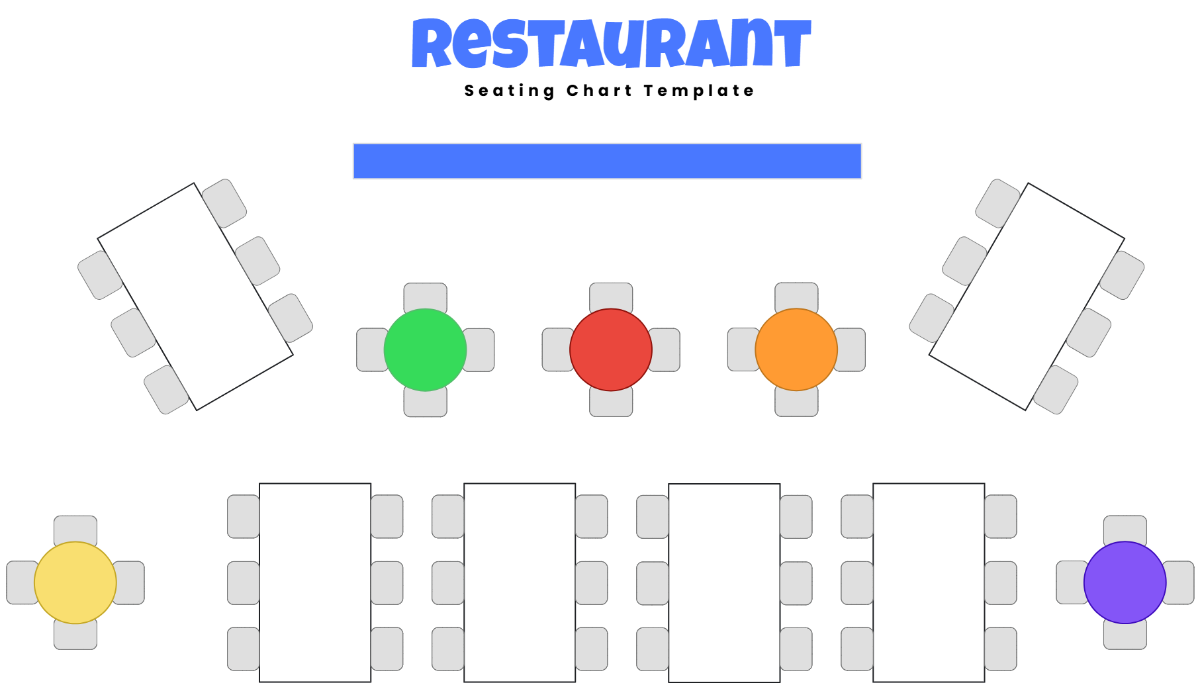
Host planning seating chart
Emotional bandwidth and turnout
Hosts also assume that romantic partners are more likely to be invested in their guest’s presence — that a partner will support attendance, help with logistics like transport, and provide a reliable plus-one. A friend might be less able or willing to anchor the guest through lengthy social obligations. This practical expectation creates a bias: partners are seen as dependable companions, friends as optional extras.
Social Signaling and Status
Romance as social currency
There is a social signal embedded in showing up with a romantic partner. For many events — weddings, reunions, work functions — arriving with a partner communicates certain things: you're in a stable relationship, you have social capital, and you're integrated into a life stage the host recognizes or values. That signal matters in cultures that prize coupledom. Bringing a friend rarely sends the same message about life-stage conformity, which can be jarring to hosts expecting partners.
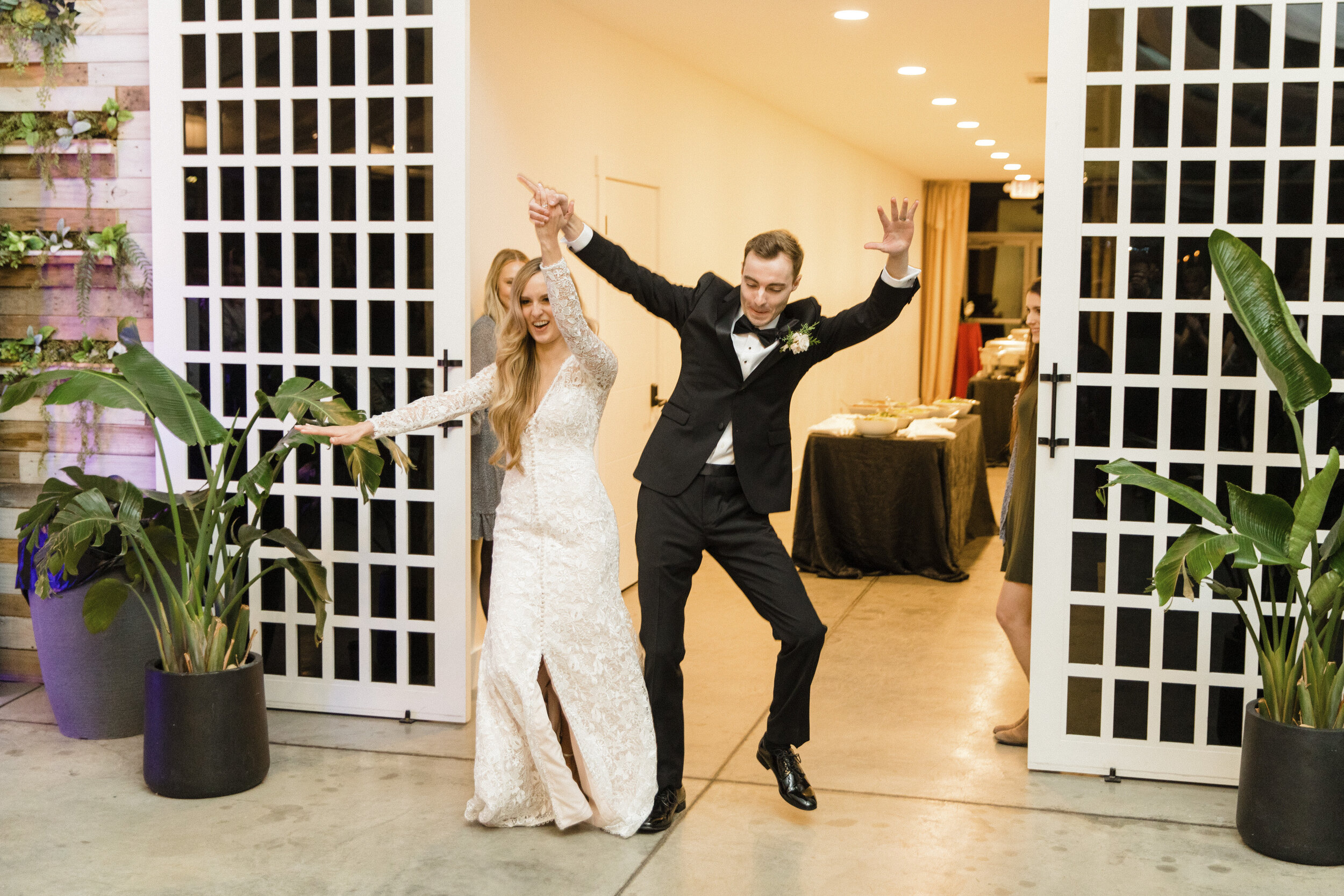
Wedding couple entrance signals social stability
The exclusivity of couplehood
Couplehood can act as a form of social shorthand: two people in a relationship often behave as a single social unit. This unitary perception simplifies everything from introductions to seating: "this is my partner" requires less emotional mapping than "this is my friend Alex, who knows Jess from college," which invites further exposition. For hosts juggling many moving parts, the shorthand is efficient — and that efficiency has become part of why partner +1s feel normal.

Office holiday party where partner +1 is expected
Friendship vs Romantic Entanglements
Different obligations and expectations
Friendships are varied — some are deep and lifelong, others are casual and circumstantial. Because the depth and nature of friendships are so heterogenous, treating them the same way as romantic partners would be imprecise. A host cannot infer the nature of a guest’s friendship the way they can infer the role of a live-in partner. That ambiguity increases the perceived social risk of permitting friend +1s: Will they fit the vibe? Will they know anyone? Will they cause friction?
Jealousy, boundaries, and social norms
Bringing a friend can also provoke reactions rooted in personal boundaries and jealousy. If one partner is invited to an event with a friend who has a very close emotional bond to them, the partner of that guest or other attendees may feel excluded or uncertain how to relate. Conversely, romantic partners are expected participants in a guest’s life, reducing awkward interpersonal navigation for both hosts and other guests.
- Partners: Predictable turnout, shared responsibilities, public signal of stability.
- Friends: Diversity of conversation, potential for new connections, often lower cost to the guest if not traveling.
- Partners: Can dominate social time, bring complicated exes or family dynamics if relationship status is ambiguous.
- Friends: Unknown guest behavior, potential to upset the intended guest mix, higher ambiguity for hosts.
When Bringing a Friend Is Acceptable — and Why
Context matters: the event type and wording
There are plenty of situations where a friend as a +1 is perfectly acceptable. Low-key social gatherings, casual birthday parties, and many corporate events are contexts where a friend can be a good fit. The key variable is how the invitation is phrased. "Plus guest welcome" is very different from "plus-one (partner preferred)." Wording gives hosts control and lets guests interpret the invitation correctly.
Existing social ties and shared networks
If the friend being invited already knows the host or shares mutual friends, their presence is less disruptive. Hosts worry less about unknown behavior and more about enriching conversation. In small circles, where the friend is effectively an extension of the social group, the distinction between friend and partner fades.
Invite wording and mutual familiarity are the two clearest indicators that a friend is an appropriate +1.

Friend group integration makes +1 seamless
Practical Advice for Guests
How to ask to bring a friend
If you're tempted to bring a friend as your +1, follow these steps: ask early, be explicit about who the friend is and how they connect to the group, offer to cover any additional costs, and be prepared for a polite decline. Communication defuses most awkwardness. A short message like, "Would it be okay if I brought my friend Alex? They know two people coming and can help with table conversation," frames the request in a host-friendly way.
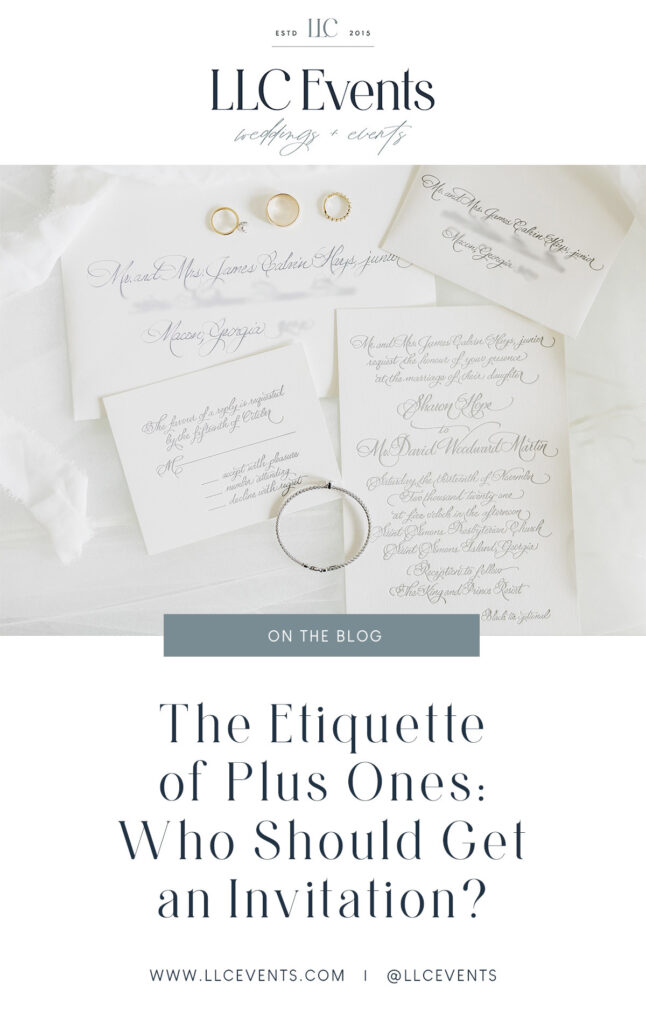
Formal invitation with plus one guidelines
How to be a considerate plus-one
When you do attend with a friend, make introductions, help integrate them into conversation, and be mindful of any special seating or program considerations. Remember that being a good guest is not solely about who you bring but how you behave once you're there.
Practical Advice for Hosts
Clear invitation language
Hosts can avoid confusion by being explicit. Decide whether +1s are intended for partners, household members, or any guest. Use language like "[Guest Name] and guest (partner or friend welcome)" if you mean any companion. If space is tight, explain briefly: "Due to limited space we can only offer partners/household members as +1s." Clear, kind language prevents awkward late-stage requests.
Anticipate surprises
Plan for a small percent of guests bringing unexpected companions, and set a buffer in your catering and seating plans where possible. That buffer reduces stress and helps hosts respond graciously if a guest asks to bring a friend at the last minute.
Shifting Norms and the Future of the +1
Evolving households and chosen families
Modern social life has expanded the idea of family and household. Chosen families, long-term roommates, and non-romantic life partners challenge the assumption that romantic partners should always be prioritized. As norms shift, some hosts are already adopting more inclusive language on invitations — naming the guest and their companion explicitly, or writing "and guest" without specifying type. Over time, the cultural default may move toward recognizing a wider array of meaningful relationships.
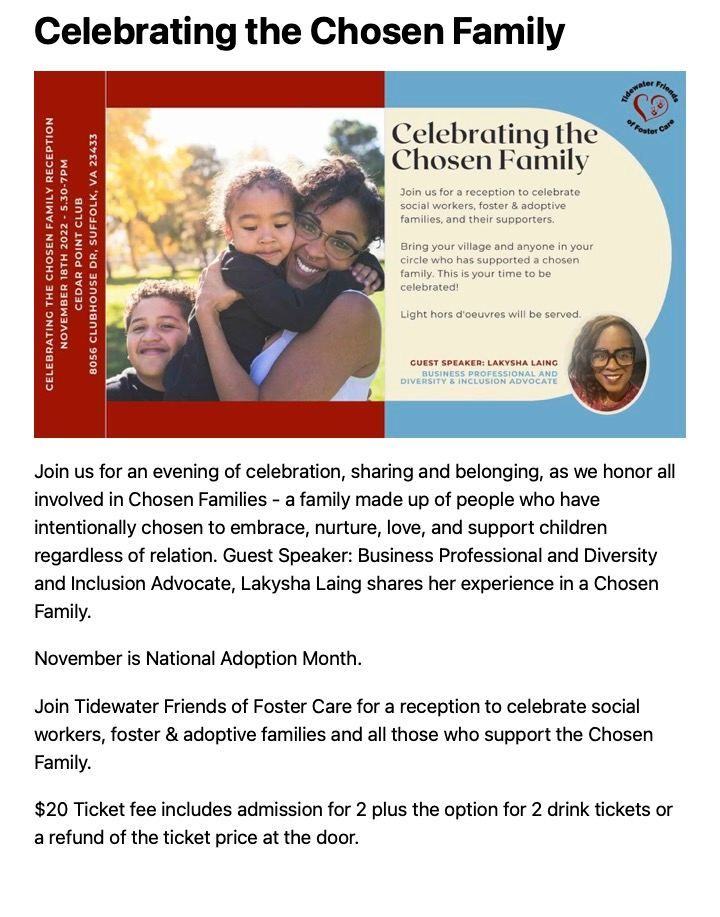
Chosen family event with inclusive +1 policy
Equity and inclusion
Invitations that automatically privilege romantic relationships can inadvertently exclude people who are single, aromantic, or whose primary support networks are friends rather than partners. Thoughtful hosts can design guest lists and invitation language that respect diverse life structures without sacrificing logistical clarity.
As household structures diversify, the one-size-fits-all plus-one assumption will face real pressure to evolve.
Conclusion
The norm that a +1 is a romantic partner rests on a mix of history, practicality, signaling, and habit. Partners simplify logistics, send familiar social messages, and fit neatly into traditional event scripts. Friends, by contrast, are diverse and ambiguous in ways that can make hosts nervous. But norms are not fixed. Clear communication — from both guests and hosts — can expand who counts as an acceptable companion without creating chaos. The most gracious events are ones where boundaries are stated kindly, exceptions are considered with fairness, and guests remember that the best plus-ones are the ones who help the host achieve the social atmosphere they intended.
- Invitations reflect both logistics and social signaling; partners are assumed because they simplify planning and convey life-stage information.
- Clear, kind wording on invitations prevents most confusion about permitted +1s.
- Bringing friends is acceptable when they have ties to the host or when invitations explicitly allow non-romantic companions.
- As families and households diversify, invitation etiquette should adapt to be more inclusive while maintaining practical constraints.
A thoughtful invitation avoids awkwardness; a thoughtful guest preserves it.