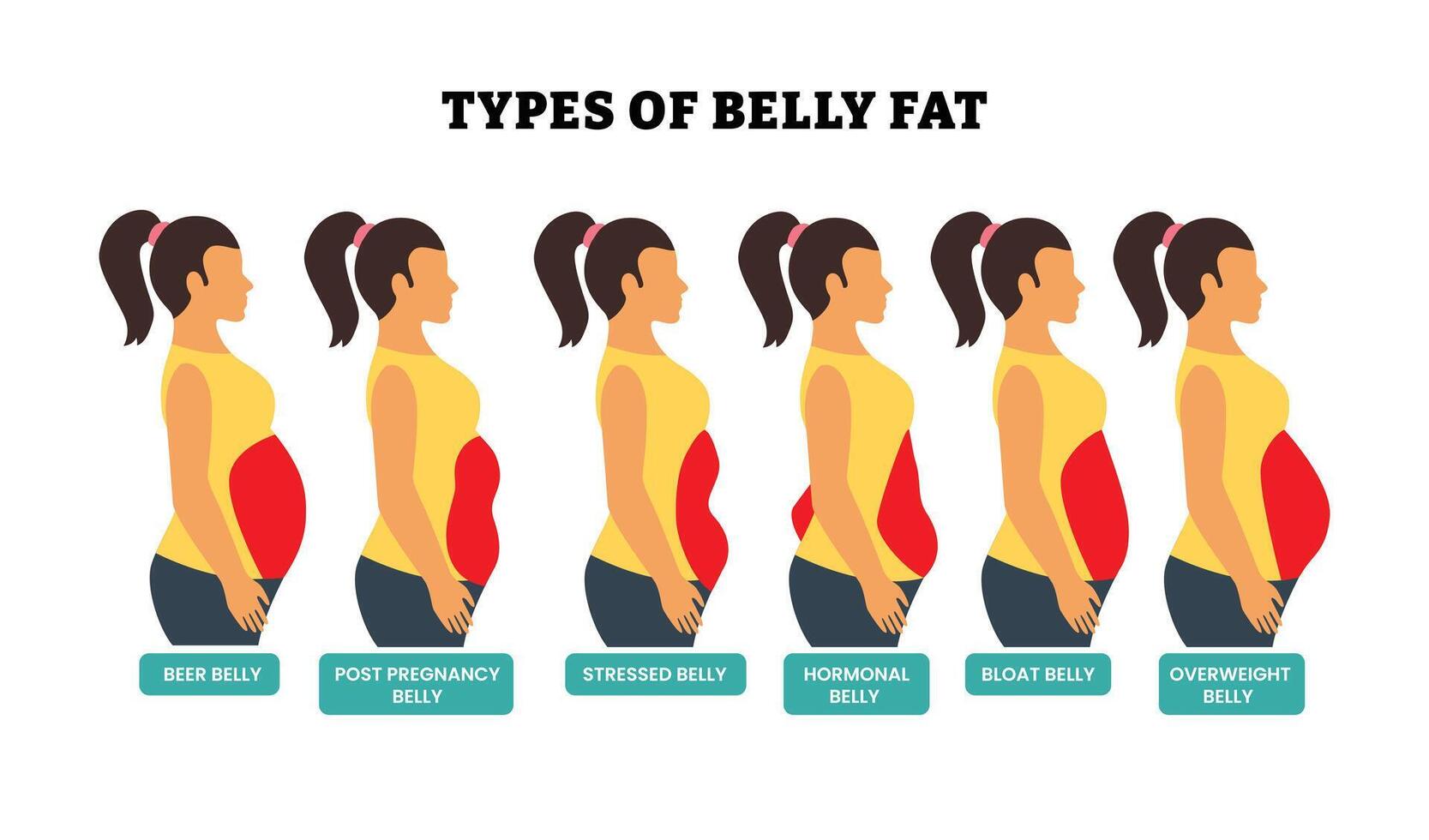
Why Belly Fat Increases With Age — What Scientists Found
There’s a story your body begins to tell in middle age: the waistband tightens, shirts sit differently, and fat seems to migrate toward the belly. For many people this feels inevitable — an unfair tax of time. But scientists now understand that the accumulation of belly fat with age isn’t a single mysterious event; it’s the result of layered, interacting biological processes. When you pull those threads apart, the picture becomes practical: some drivers are internal and largely biological, others are lifestyle-related and therefore changeable. Knowing the difference is the first step to reclaiming control.
The surprising biology of belly fat
Two kinds of fat, two different stories
Not all fat is created equal. Under the skin lies subcutaneous fat; under the abdominal wall sits visceral fat, the deeper, more metabolically active tissue that wraps organs. Visceral fat releases signals and substances that influence metabolism, inflammation, and disease risk in ways subcutaneous fat does not. As people age, the proportion of visceral to subcutaneous fat commonly increases — and that shift, rather than total body weight alone, explains why older adults can look less overweight overall yet have a dangerous rise in belly fat.
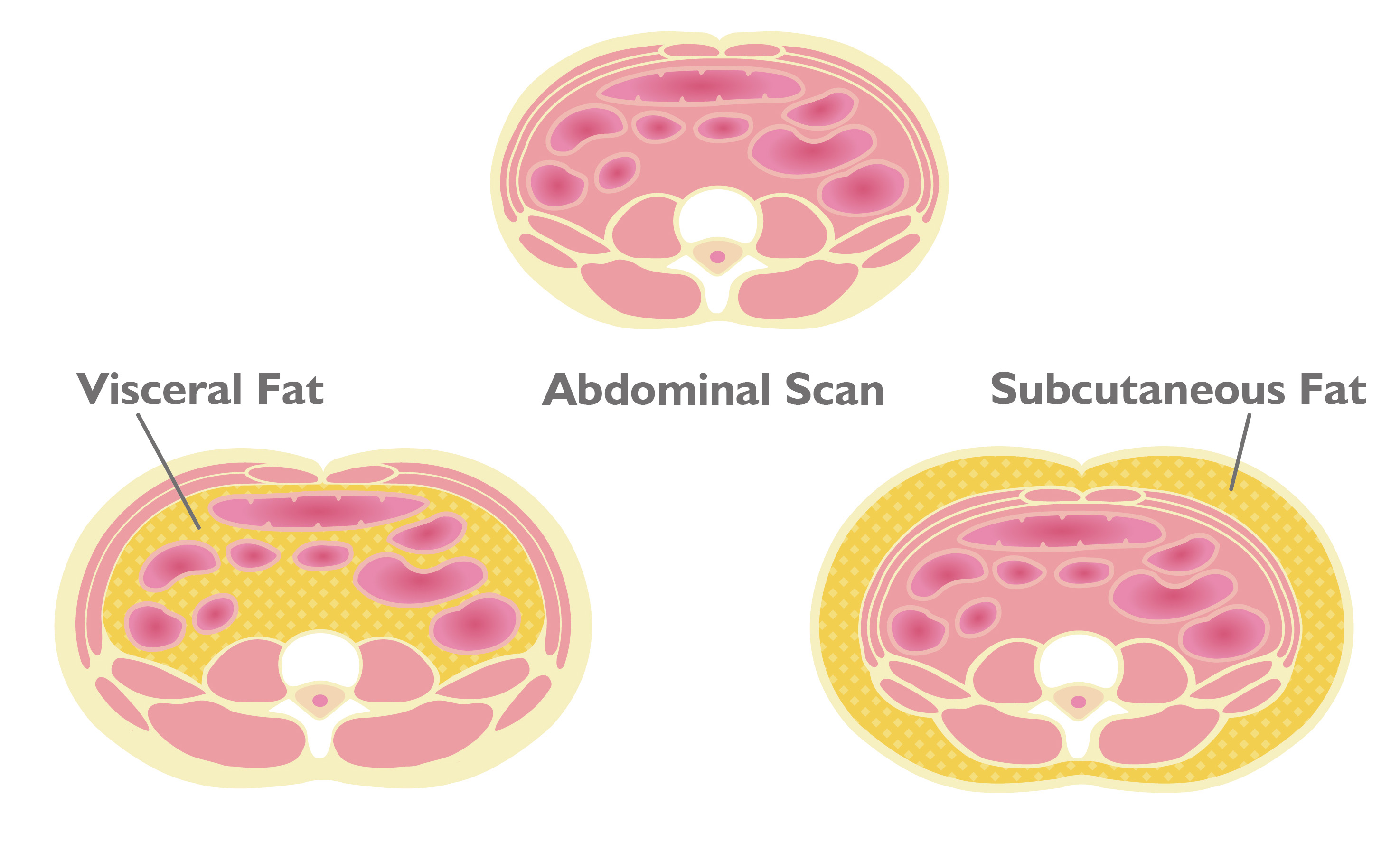
visceral fat abdomen
Adipocytes and the aging microenvironment
Fat cells (adipocytes) change with age. They can grow larger, become more insulin-resistant, and alter the set of proteins and hormones they release. The tissue around these cells — blood vessels, immune cells, extracellular matrix — also stiffens and shifts, creating a microenvironment that favors storage over healthy fat turnover. This remodeling makes it easier for energy to be shoveled into the belly depot and harder to mobilize it when needed.
What changes with age — the main triggers
Multiple mechanisms converge to increase belly fat. Rather than one single culprit, think of a chorus of changes: hormones losing their balance, muscle wasting, slower energy burning, low-level inflammation, and altered cellular health. Each makes its own contribution, and together they tip the scale toward abdominal fat storage.
Hormone shifts: the big reshuffle
Sex hormones decline with age — women during and after menopause, men more gradually with reduced testosterone. Estrogen tends to help distribute fat away from the abdomen, and its decline in women is a major reason for postmenopausal increases in visceral fat. Lower testosterone in men correlates with more abdominal fat and less muscle mass. At the same time, subtle changes in growth hormone and thyroid function can reduce how effectively the body burns calories.
Muscle loss and reduced metabolic demand
Sarcopenia — the age-related loss of muscle mass and strength — lowers resting metabolic rate. Muscle is metabolically active tissue; losing it means fewer calories burned at rest. With less demand for energy, the body is more likely to store excess calories as fat, and the visceral depot is a favored storage site when metabolic flexibility declines.
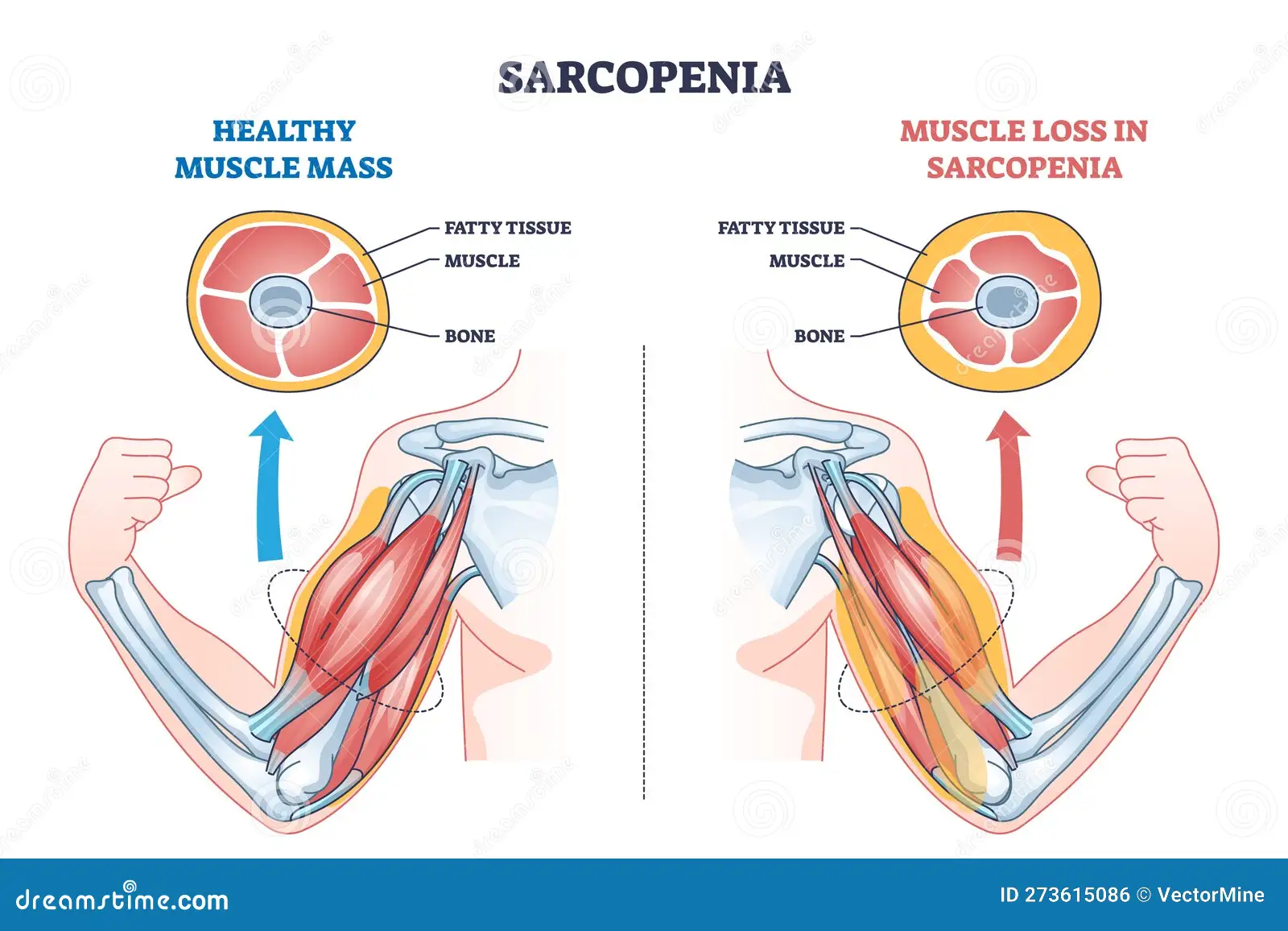
sarcopenia muscle loss
Chronic, low-grade inflammation
Aging comes with a subtle pro-inflammatory state sometimes called inflammaging. Immune cells infiltrate adipose tissue and release cytokines that promote insulin resistance and fat accumulation. Over time this inflammation changes how fat tissue behaves — making it more likely to hold onto fat and to release harmful signals that worsen metabolic health.
Cellular senescence and faulty cell signaling
Cells under stress can enter a state called senescence: alive but dysfunctional. Senescent cells accumulate in fat tissue with age and secrete a cocktail of inflammatory molecules that disrupt local tissue function and encourage fat retention. They act like a noisy neighborhood that persuades surrounding cells to behave poorly.
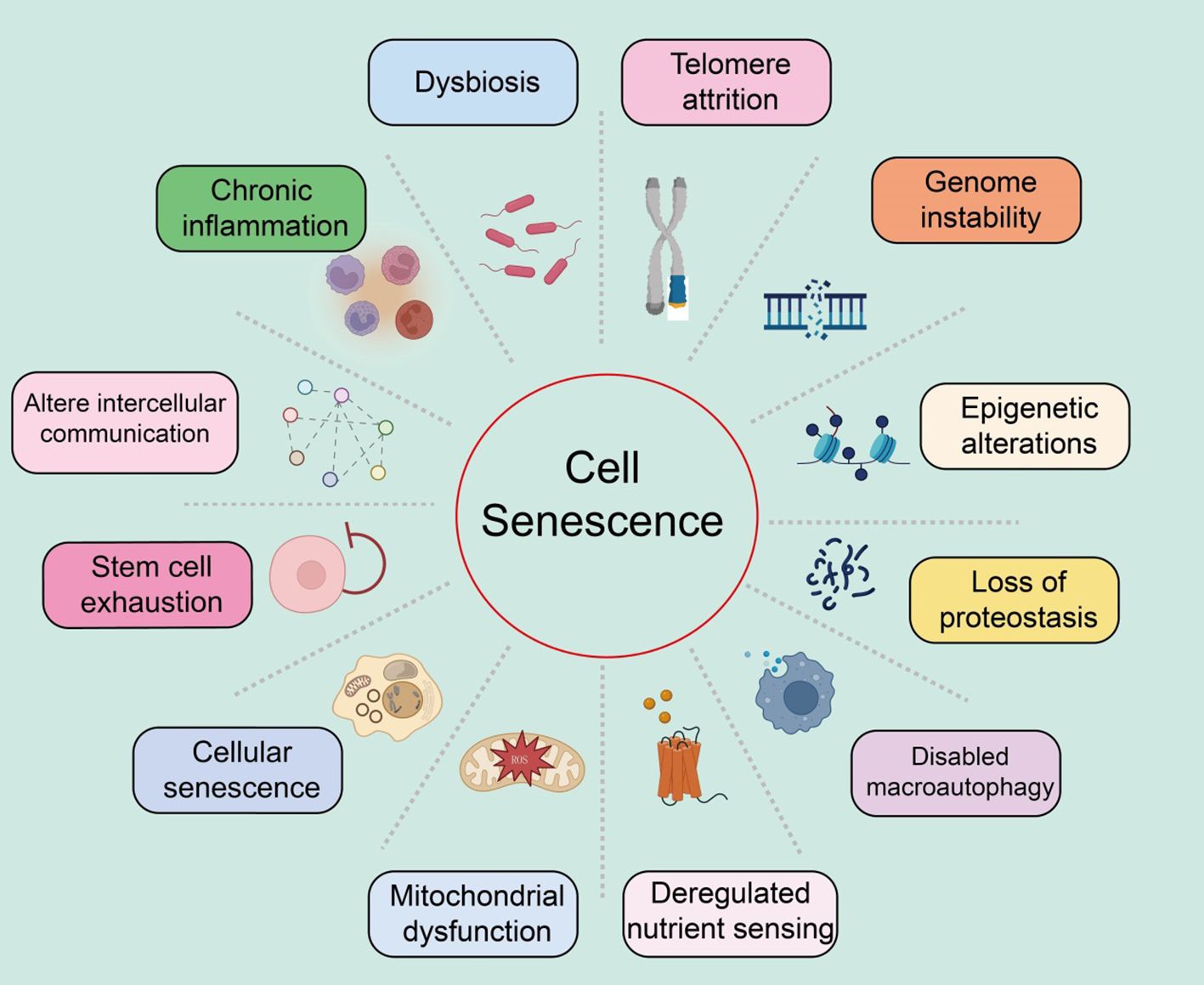
cellular senescence biology
Mitochondrial decline and energy mismanagement
Mitochondria — the cell’s power plants — become less efficient with age. When adipose and muscle cells can’t burn fuel effectively, the body stores more of it instead. Mitochondrial dysfunction is linked to insulin resistance and the preference for visceral fat accumulation.
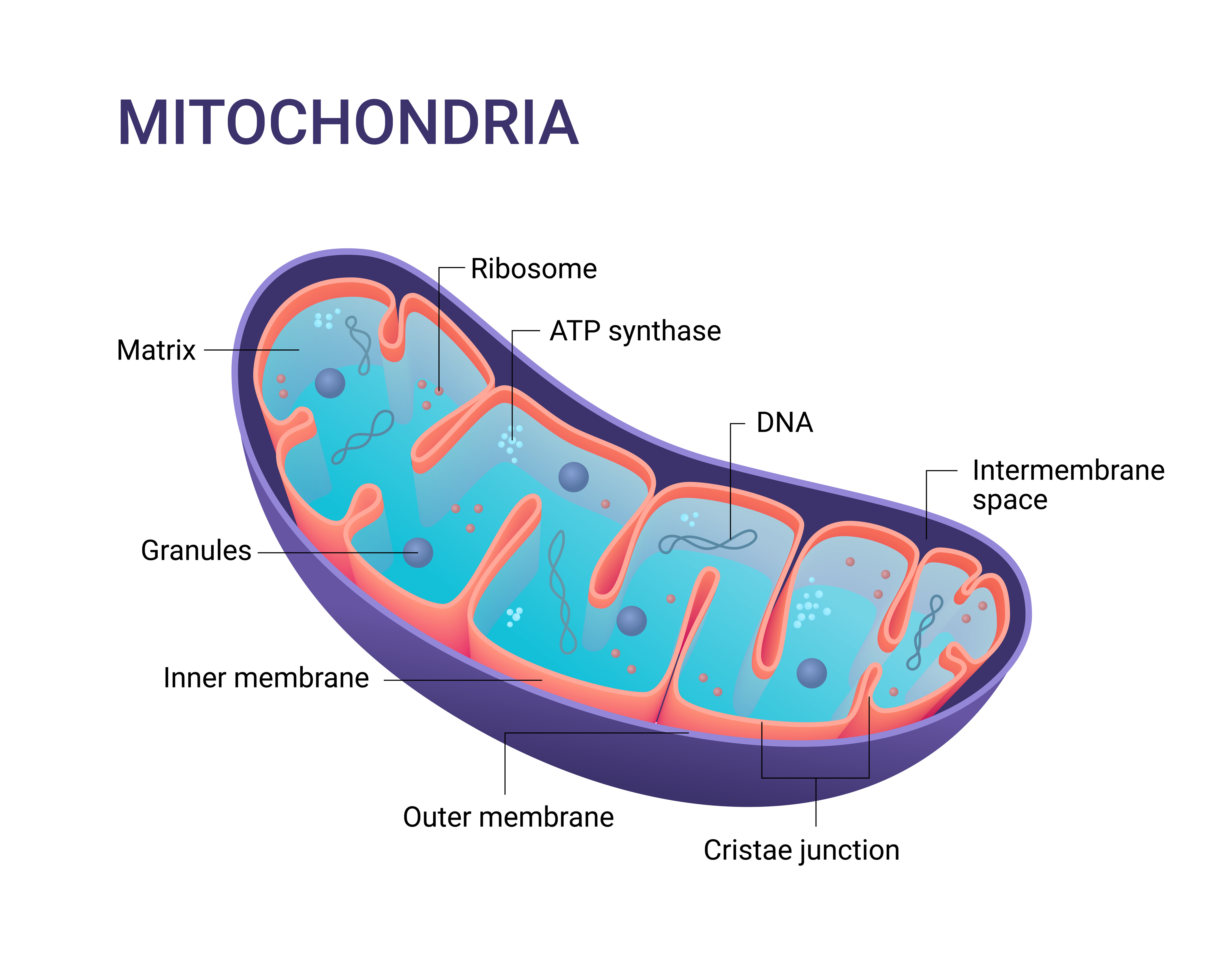
mitochondria cell structure
Circadian disruption and lifestyle drift
Sleep patterns change with age, and many adults experience fragmented sleep or altered circadian rhythms. Poor sleep affects appetite hormones, glucose regulation, and stress responses, all of which nudge the body toward abdominal fat storage. Add decreased physical activity, changes in diet quality, and psychosocial stress, and the lifestyle picture compounds the biology.
The gut microbiome and fat distribution
The collection of microbes in the gut influences metabolism, inflammation, and energy extraction from food. Age changes microbiome composition, and certain microbial patterns are associated with visceral fat accumulation. While the microbiome is not the sole driver, it’s a modifiable factor that interacts with diet and immune function to affect belly fat.
How scientists figured this out
Researchers used a combination of tools to map these mechanisms: imaging studies (CT and MRI) to quantify visceral fat, biopsies to examine cellular changes, animal experiments to test causal pathways, and long-term human cohorts to see which changes predict future belly fat accrual. Together these approaches provided converging evidence that the story of age-related belly fat is multifactorial and mechanistic, not merely a consequence of 'slowing down.'
"It’s not just calories in versus calories out — aging rewires the body’s priorities for storing and using energy."
What this means for you: prevention and reversal
Understanding mechanisms gives a menu of evidence-based strategies that target the biology directly. You can offset hormonal shifts, rebuild muscle, reduce inflammation, and improve metabolic flexibility. Below are practical, science-aligned interventions.
1. Prioritize strength training
Resistance exercise is the single most powerful habit for preserving and rebuilding muscle mass, improving insulin sensitivity, and raising resting metabolic rate. Aim for two to three full-body strength sessions per week that progressively challenge major muscle groups. As you regain muscle, your body becomes more permissive to burning fat rather than storing it.
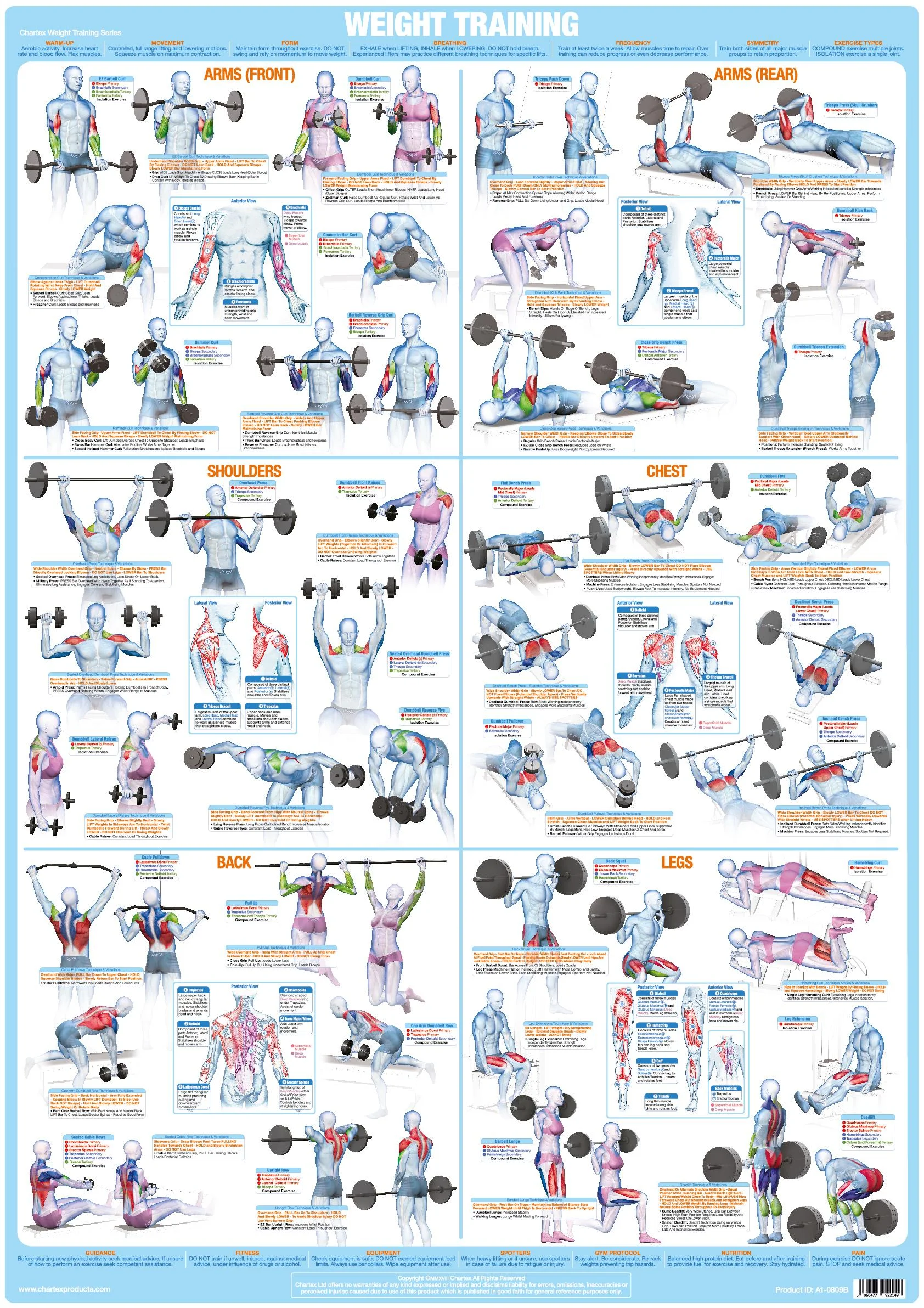
strength training exercises
2. Focus on protein and quality calories
Aging bodies need more protein to maintain muscle. Combine higher-protein meals with a slight calorie deficit if weight loss is desired, but avoid very low-calorie diets that accelerate muscle loss. Emphasize whole foods: vegetables, lean proteins, healthy fats, and fiber-rich carbohydrates that support gut health and stable blood sugar.
3. Move more, sit less
Daily non-exercise activity — walking, standing, household tasks — accumulates. Small increases in movement blunt the tendency to store fat. Consider short activity breaks every hour and build walking or cycling into your routine.
4. Sleep and stress
Good sleep and stress management are metabolic interventions. Prioritize 7–9 hours of consolidated sleep when possible. Chronic stress elevates cortisol, which favors abdominal fat deposition, so incorporate stress-reduction practices: mindfulness, breathing exercises, and enjoyable leisure activities.
5. Target inflammation and cellular health
Diet, exercise, and sleep already reduce systemic inflammation. Some lifestyle choices — Mediterranean-style diets, regular physical activity, and maintaining a healthy weight — decrease inflammatory markers. Emerging therapies that target senescent cells or specific inflammatory pathways are under study, but lifestyle measures remain the foundation.
Medical and pharmacologic options
For some people, especially those with obesity-related health conditions, medical treatments can be part of the plan. Approved medications that influence appetite, glucose regulation, or weight can help reduce visceral fat when combined with lifestyle changes. Bariatric surgery is appropriate for eligible patients with severe obesity and metabolic disease. Because drug options and guidelines evolve, discuss medical therapy with a clinician who can personalize risks and benefits.
A practical 8-week plan to reduce belly fat
Here’s a concise, realistic program that targets the main drivers described above. It’s meant as a template — adapt to fitness level, medical needs, and preferences.
- Weeks 1–2: Baseline and habit setup — schedule three movement sessions per week (two strength, one cardio), increase daily steps, and add protein to each meal.
- Weeks 3–5: Build intensity — progressive overload in strength workouts; introduce short interval sessions (10–15 minutes) twice weekly; prioritize sleep hygiene.
- Weeks 6–8: Consolidate — maintain resistance training, extend intervals to 20–25 minutes, refine diet quality, and add stress-reduction routines.
Sample weekly exercise split
- Monday: Full-body resistance training (compound lifts, 45–60 minutes)
- Tuesday: Active recovery — walk 30–45 minutes
- Wednesday: Interval cardio (20 minutes) + core strength
- Thursday: Full-body resistance training
- Friday: Mobility and light cardio
- Saturday: Longer walk, bike ride, or sport
- Sunday: Rest and recovery
When to see a clinician
If your waist circumference is increasing rapidly, or you have high blood pressure, elevated blood sugar, abnormal cholesterol, or symptoms like excessive fatigue, see a clinician. A healthcare provider can order appropriate metabolic testing, evaluate hormone levels, and discuss whether medical therapy or specialist referral is warranted.

waist circumference measurement
Common myths and clear facts
Myth: Spot reduction works
Doing endless sit-ups will not selectively melt visceral fat. Fat loss happens systemically; targeted strengthening improves tone and function but not isolated fat loss.
Myth: Belly fat is just cosmetic
Visceral fat is metabolically active and raises risk for type 2 diabetes, heart disease, and other conditions. Reducing visceral fat improves metabolic health, not only appearance.
Key takeaways
- Age-related belly fat arises from interacting biological processes: hormonal changes, muscle loss, inflammation, and cellular aging.
- Visceral fat is especially harmful because of its metabolic activity and link to chronic disease.
- Strength training, adequate protein, improved sleep, more movement, and stress reduction target the root causes and are the most effective first-line strategies.
- Medical therapies can help selected patients but should complement, not replace, lifestyle foundations.
Conclusion
The migration of fat toward the belly with age is unsettling but not inevitable and not hopeless. Science shows a multifactorial process — one that includes unavoidable biological changes and modifiable behaviors. The good news is that many of the strongest levers are in your control: build and protect muscle, eat to support metabolic health, sleep well, move daily, and manage stress. These steps don’t just trim a waistline; they recalibrate the body’s metabolic priorities and reduce the health risks that come with abdominal fat. With focused, consistent effort, you can change how your body stores energy and age in a healthier way.