Why a Strange Line Runs Around Your Room — Causes & Fixes
When you first notice it — a thin, unmistakable line tracing the perimeter of your room — it feels like something out of a mystery novel: a border that shouldn’t be there, quietly circling the space you live in. Most people assume it’s a prank, a mark left by kids, or a failing paint job. In reality, that continuous line is often a useful clue: it tells you about air, moisture, construction details, or the life inside your walls. This article unpacks the most common causes, gives a practical inspection checklist, and maps clear, actionable fixes so you can move from worry to solution.
COMMON PHYSICAL CAUSES
Dust and air circulation
One of the simplest explanations is also one of the most common. Air in rooms rarely moves uniformly — it follows predictable paths determined by HVAC vents, windows, doors, and the shape of furniture. Where moving air slows or meets a surface, dust carried in the flow settles. Over weeks or months this can form a clean, continuous line along surfaces where airflow consistently changes: the top edge of baseboards, the bottom of crown molding, or the perimeter where ceiling and wall meet.
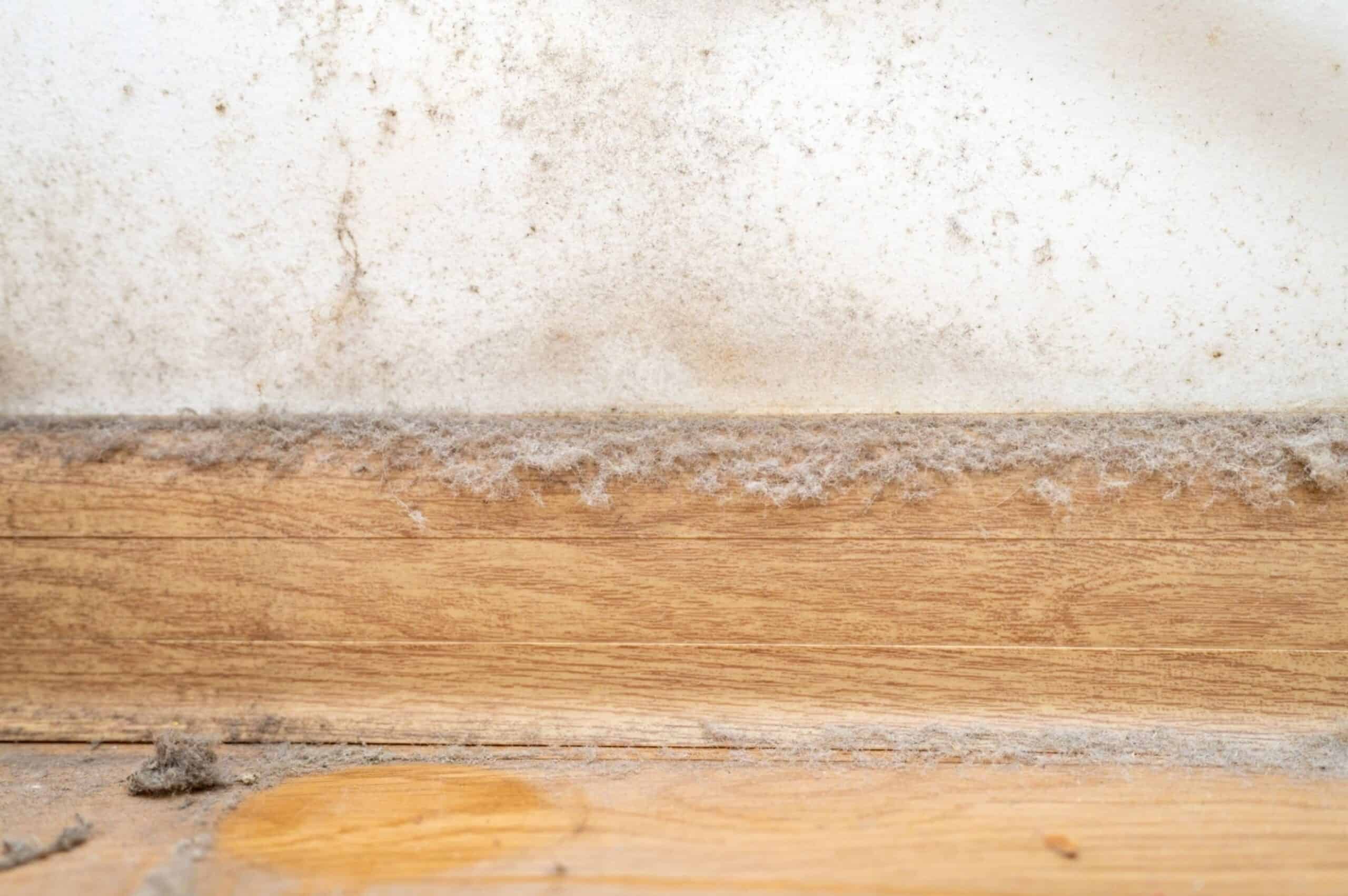
baseboard dust deposition pattern
Condensation, humidity and moisture bands
Temperature differences and thermal bridging can create narrow bands where warm interior air meets a colder surface. That meeting can create condensation, and repeated condensation leaves mineral residues, mold-friendly moisture, or discoloration that appears as a line. This is especially common along exterior walls, above baseboards, or where insulation is thin or interrupted by a stud bay or structural member.
condensation ring on wall
Mold and mildew growth
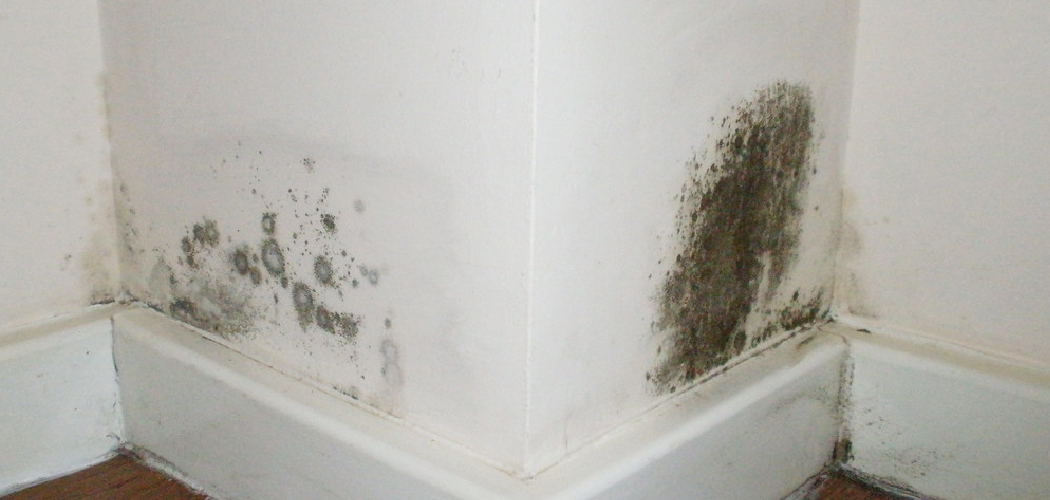
If the line is dark, fuzzy, or has a musty smell, mold or mildew could be the cause. Mold thrives on moisture and organic dust; a consistent condensation groove or a water leak behind a baseboard creates the perfect linear habitat. Early-stage mold often follows the same perimeter lines as condensation before becoming patchy and more obvious.
mold line around room perimeter
Insect or rodent trails
Ants and some other insects lay pheromone trails to mark routes — sometimes those routes hug walls and baseboards, creating a faint residue. Rodents can also leave grease marks from repeated contact with the same track. These marks look linear and continuous, especially in quieter rooms where the animals use the same path nightly.
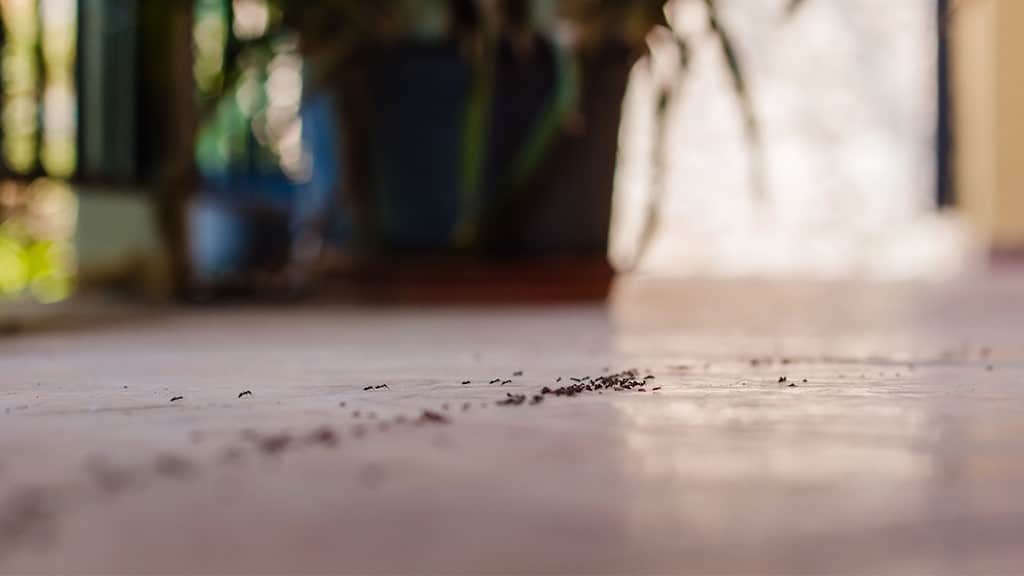
insect pheromone trail on baseboard
Soot and smoke deposits
Candle smoke, fireplace soot, or frequent indoor smoking leaves fine carbon particles that follow convection currents. Over time these particles accumulate in predictable bands: often around ceiling edges, picture rails, or behind radiators where air warms and rises. These soot lines are usually gray to black and wipeable, though stubborn stains may require cleaning solutions designed for carbon residue.
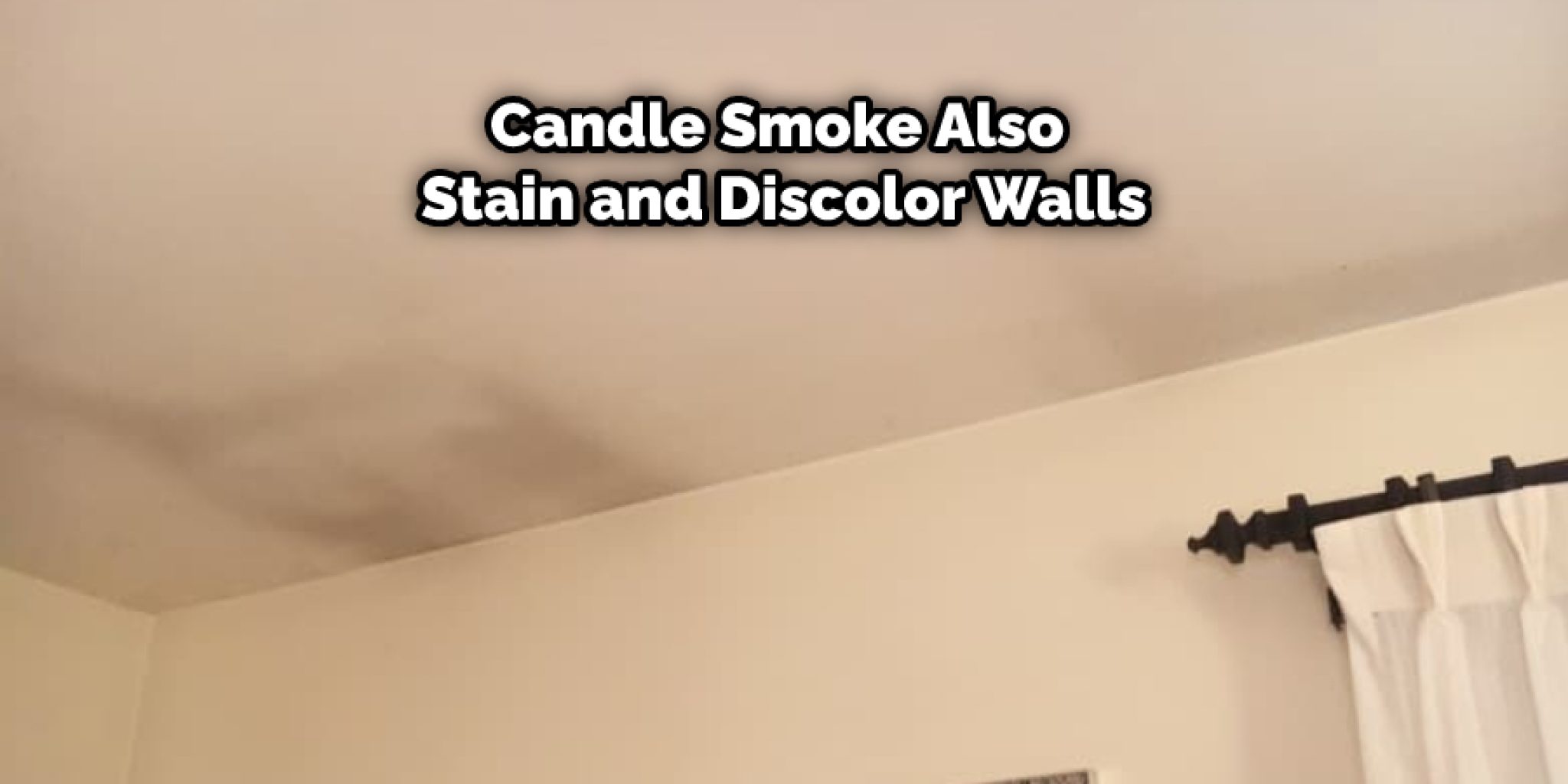
soot line from candles on ceiling
Construction, finish, and material causes
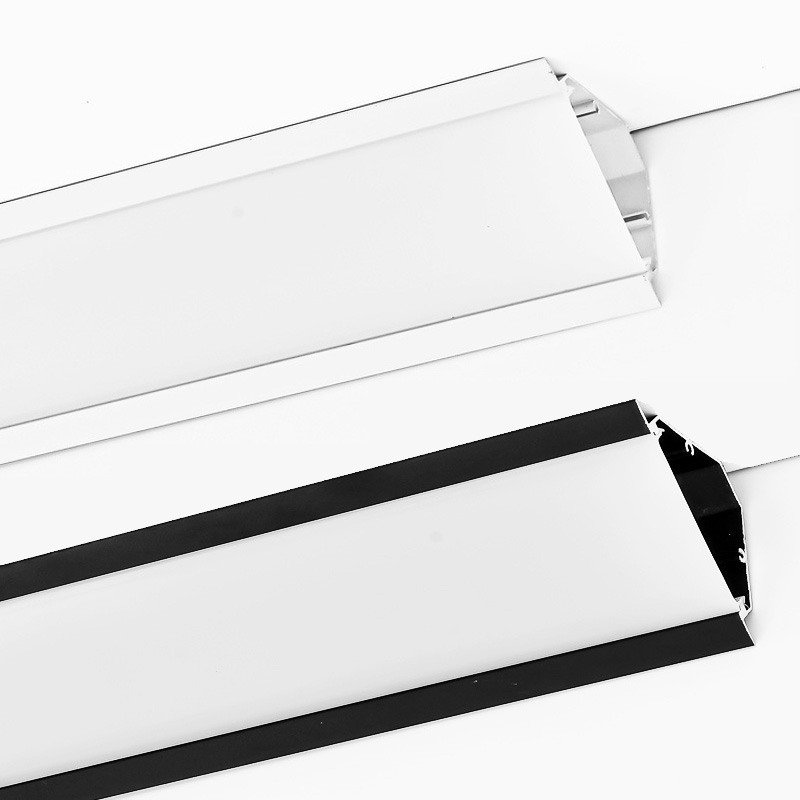
Sometimes the line is a simple byproduct of how the room was finished. A seam in wallpaper, a paint overlap from rolling around edges, the junction where different materials meet, or a continuous strip of plaster that cured differently can all look like a line that runs the room’s perimeter. Less visible but equally real are embedded channels for wiring, conduit raceways, or even thin molding strips installed as chair rails — all of which can cast tiny shadows or collect dust differently than surrounding surfaces.
HOW TO INSPECT — A STEP-BY-STEP CHECKLIST
1. Observe carefully
Note the location, color, texture, and height of the line. Is it at floor level, mid-wall, or near the ceiling? Is it dark and fuzzy, powdery, or oily? Does it change where the wall meets an exterior surface? Photograph the line and the full perimeter so you can track changes over time.
2. Smell and touch (safely)
If safe to do so, hover close and sniff: musty equals mold; a chemical or metallic smell may suggest building material issues; a faint smoky odor points to soot. Use a gloved finger to gently rub a small inconspicuous area — does it smear (soot/oil), flake (paint), or brush away (dust)? If mold is suspected, don’t disturb the area. Instead, proceed to the moisture and professional steps below.
3. Map airflow and vents
Turn off HVAC for a minute and then turn it back on. Notice drafts, where warm or cool air first appears, and how it flows. Place a strip of lightweight tissue or ribbon near baseboards and vents to visualize movement over a few minutes. A persistent path that aligns with the line indicates dust deposition driven by airflow.
4. Check for moisture and leaks
Use a moisture meter if you have one — measure at multiple points along the line and compare to adjacent wall areas. Inspect for plumbing in the same wall, roof leaks above, or signs of previous water intrusion. Look for peeling paint, bubbling, or soft drywall, which indicate persistent moisture.
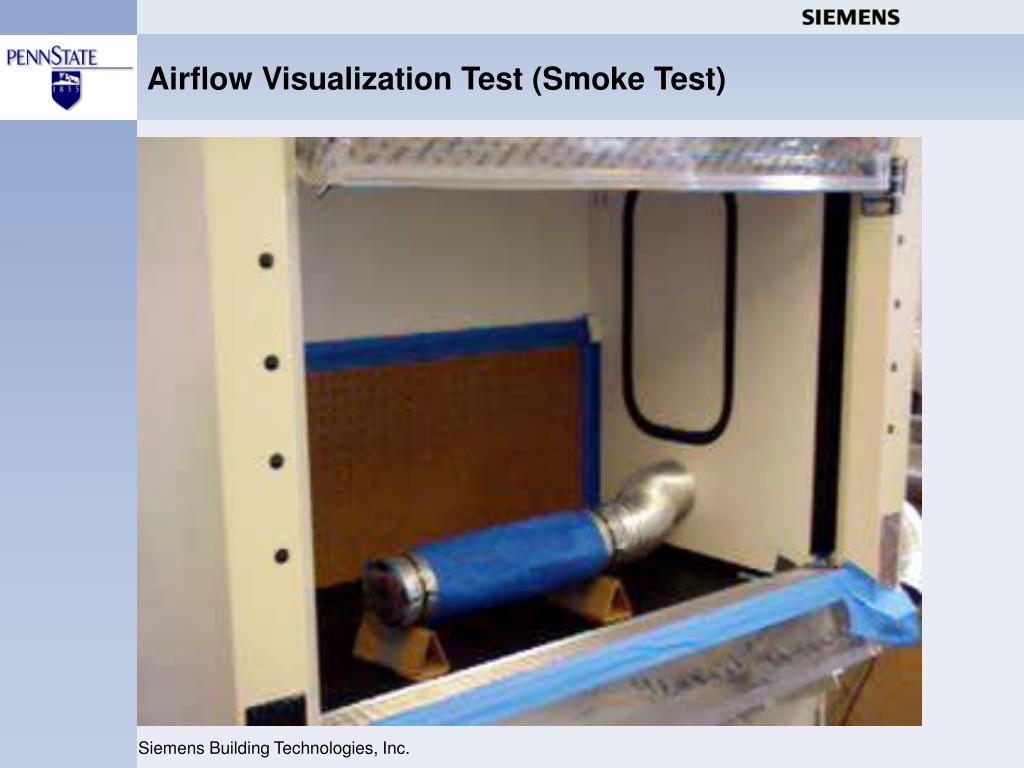
airflow visualization with incense smoke
5. Search for insect or rodent evidence
Look for droppings, shed skins, or visible ants when you place a small smear of honey or bait at a point on the line. If activity appears, the line may be a pheromone or grease trail. Consider sticky traps to confirm the species before taking action.
6. Consider building features
Review room plans if available, or look above and below the line: is there a hidden conduit, a continuous trim piece, or a seam where plaster meets a different material? A flashlight angled across the surface often reveals subtle molding or seams that are invisible in flat light.
Most lines around rooms are not supernatural — they are messages about air, moisture, or repeated use.
SOLUTIONS BASED ON CAUSE
If it’s dust from airflow
Clean the line with a microfibre cloth dampened with mild soapy water. Then alter the airflow pattern: reposition returns and registers, seal obvious drafts, and move furniture away from vents. Adding a HEPA filter to your HVAC and increasing filtration frequency reduces the dust load in moving air. Periodic vacuuming of perimeter areas also prevents heavy buildup.
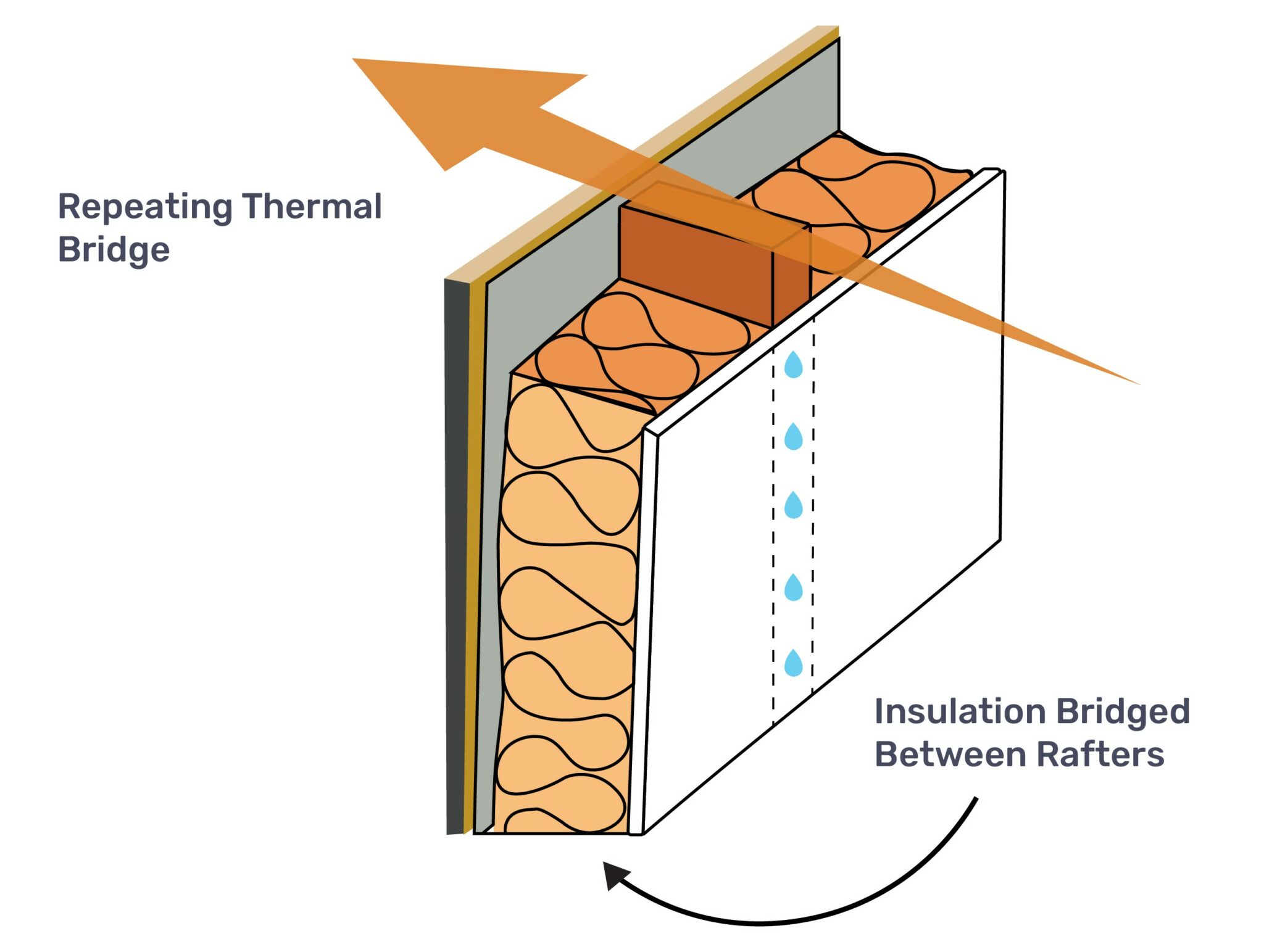
thermal bridge moisture stain
If it’s condensation or moisture-related
Address the root cause: improve insulation at the cold junction (add or replace batt insulation, address missing cavity insulation), seal air leaks with caulk or spray foam, and add or adjust ventilation. In bathrooms and kitchens ensure fans exhaust to the outside. If a structural leak is suspected, call a licensed contractor or plumber. Persistent moisture may require a professional moisture remediation plan.
If it’s mold or mildew
Small, discrete areas can sometimes be cleaned with detergent and water or a diluted bleach solution, but safety matters: wear gloves, eye protection, and an N95 respirator, and isolate the area to avoid spreading spores. For large, spreading, or recurring mold, engage a certified remediation specialist — they will test, remove contaminated material, and correct the moisture source.
If it’s soot or smoke residue
Use a dry sponge or a specialized soot sponge for initial removal, followed by a gentle detergent solution. If candles are the cause, move them away from air currents and place them on non-flammable trays. For heavy soot deposits from a fireplace or long-term smoking, consider a professional cleaning service that can address stained paint and potential odor.
If it’s an animal trail
Seal entry points, remove attractants like food or shelter, and use humane removal or pest control services as needed. After removal, clean the trail area to eliminate pheromone cues; repeated cleaning discourages re-use. For grease marks from rodents, cleaning and sealing small gaps in baseboards and vents often prevents recurrence.
If it’s a construction or finish issue
Minor cosmetic seams can be repaired with caulk or paint after a careful cleaning and priming with a stain-blocking primer. If the line traces a hidden seam or raceway, understand whether modification is warranted: sometimes the line is best left and hidden behind new trim or addressed during a repaint campaign.
WHEN TO CALL A PROFESSIONAL
Call immediately if:
- There is significant mold growth or a strong musty odor that suggests widespread contamination.
- Moisture readings are high across a wide area, suggesting a leak from plumbing, roof, or foundation.
- Structural damage — soft drywall, warped baseboards, or paint that bubbles and peels.
Call a specialist if:
- Pest infestation is confirmed and beyond simple exclusion techniques.
- Soot or smoke damage is heavy or has caused persistent odor despite cleaning.
- Insulation or thermal bridging appears to be causing energy loss and condensation; an energy auditor or insulation contractor can diagnose and fix it properly.
PRACTICAL CHECKLIST YOU CAN DO THIS WEEK
Quick home actions
- Photograph and document the line for two weeks to see progress.
- Clean a small section to test whether it returns.
- Run the HVAC and use smoke or tissue to map airflow.
- Install or replace filters with HEPA or finer MERV ratings.
- Use a moisture meter on suspect spots and record results.
- Move potential food sources and seal obvious entry holes for pests.
CONCLUSION
The odd line that loops around a room is less a mystery than a message. Whether it records the slow choreography of air and dust, the quiet persistence of moisture, the track of pests, or a finishing detail of the building itself, it gives you information you can act on. Start with careful observation, use simple tools to test the leading hypotheses, and prioritize fixes that address the underlying cause rather than only the visible mark. With a few focused interventions — improving ventilation, sealing leaks, cleaning correctly, or calling the right professional — the line will stop circling your life and start pointing to long-term comfort and health in your home.
- Lines around rooms usually indicate airflow patterns, moisture, pests, soot, or construction seams.
- Diagnose safely: photograph, smell, use a moisture meter, and map airflow before cleaning.
- Fix the cause, not just the stain — ventilation, insulation, and pest exclusion are common solutions.