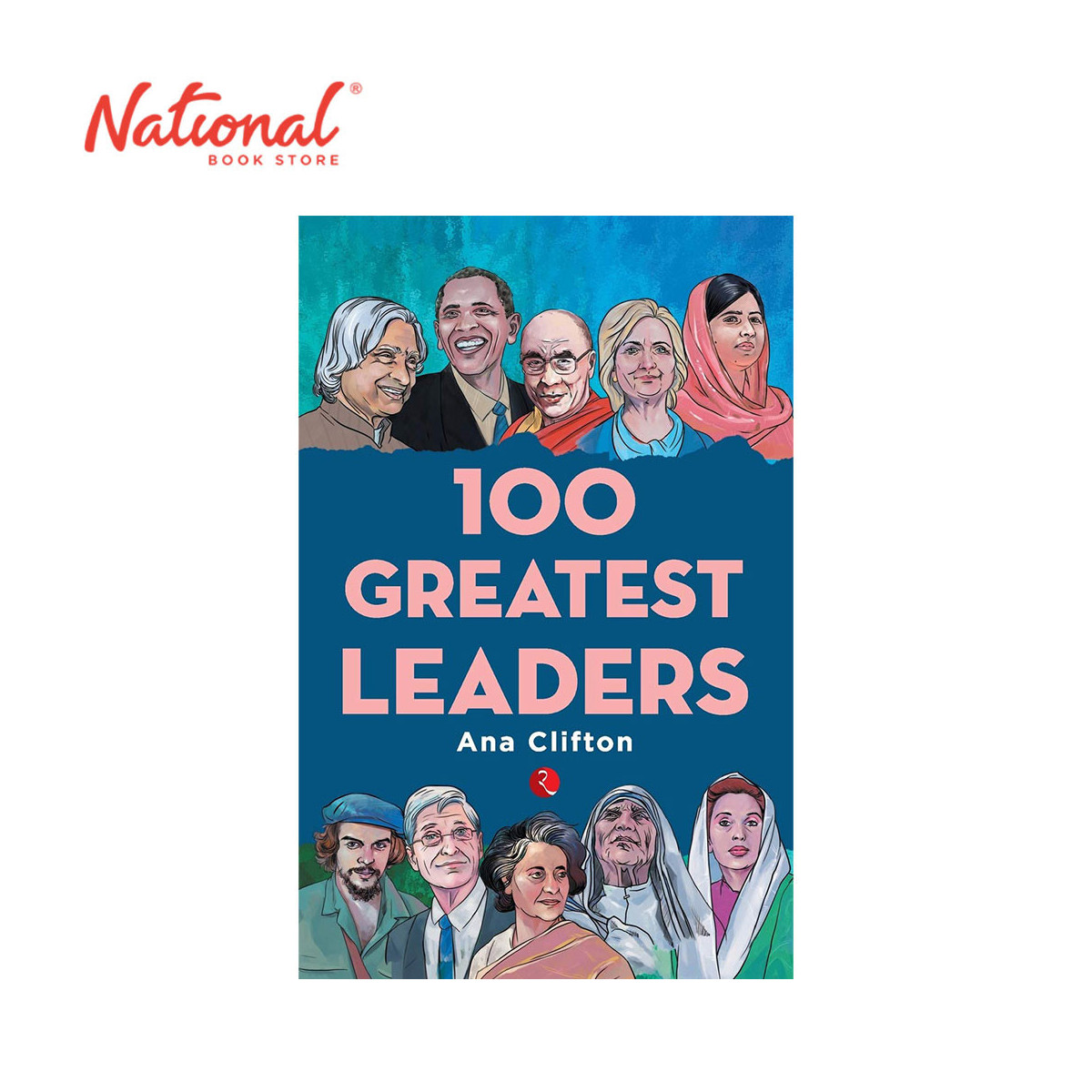
Who Was Your Country's Greatest Leader? A Practical Guide
We have a habit of asking, often loudly and repeatedly: who was the greatest leader in our country's history? It's a deceptively simple question that triggers identity, pride, disagreement and deep debate. This article does not hand you a single name. It offers a reasoned way to decide — one that acknowledges context, weighs competing legacies, and helps readers nominate and defend a choice with clarity. Along the way we examine exemplary figures from different parts of the world to show how the framework works in practice.
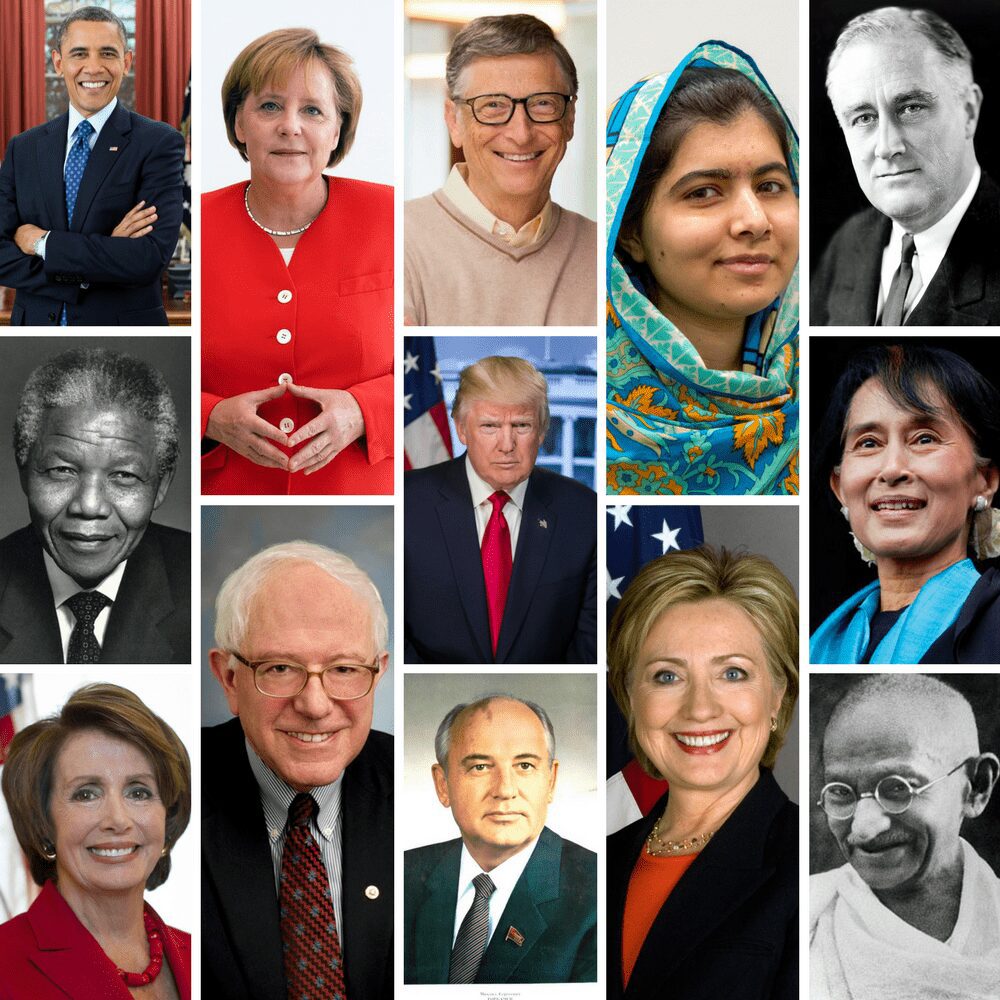
historical leaders collage
Why this question matters
Asking who the "best" leader was is not merely an exercise in nostalgia. Leaders shape institutions, influence norms, and steer nations through crises. The names that occupy our monuments, textbooks and national holidays contribute to collective memory. Deciding intelligently — rather than emotionally — who deserves the title of "greatest" helps clarify what values a society prizes: stability or change, moral courage or pragmatic governance, expansion or restraint. It also tests our historical literacy: can we separate the glow of a myth from measurable outcomes and long-term effects?
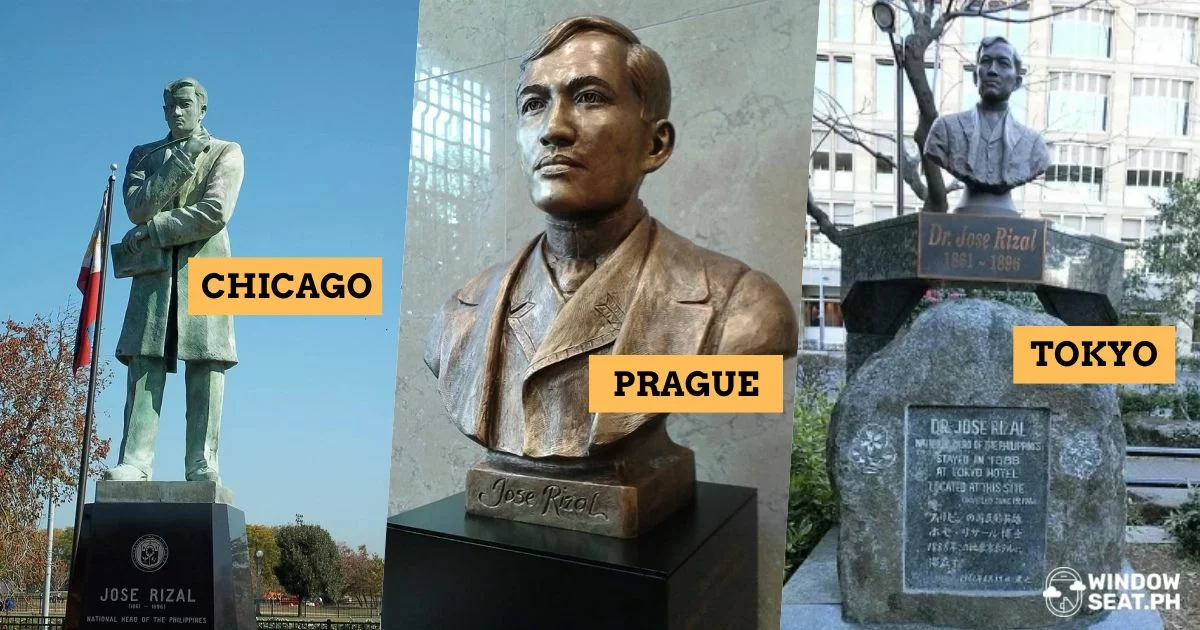
country leaders monument
A clear framework for evaluation
To move beyond slogans, adopt a simple multi-criteria framework. No single metric will do; leadership is a mosaic. Use these five lenses together to produce a balanced judgment.
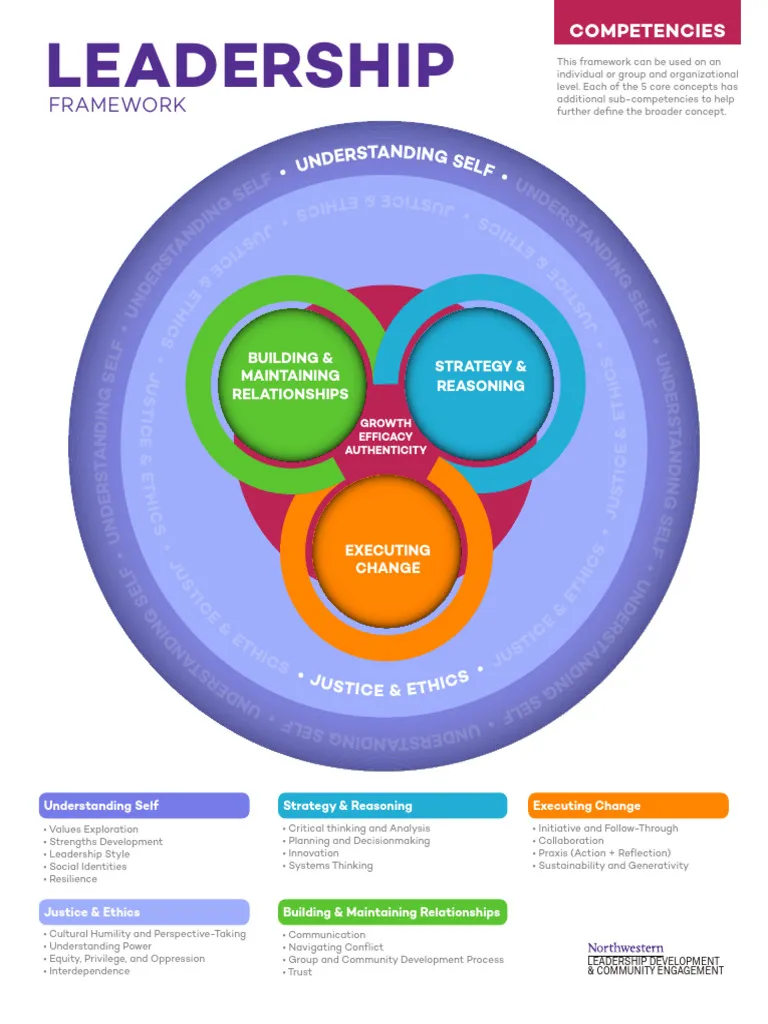
leadership framework diagram
1. Vision and purpose
Great leaders articulate a plausible, coherent vision for their nation's future. That vision can be inclusive or exclusionary, bold or incremental — but it must provide direction. Ask: did the leader set a credible long-term goal and rally broad support behind it?
2. Competence and results
Vision without delivery is empty. Evaluate whether the leader translated ideas into sustained policies and institutions. Look at measurable outcomes: economic recovery, improved health, secure borders, restored rule of law — depending on the nation's priorities at the time.
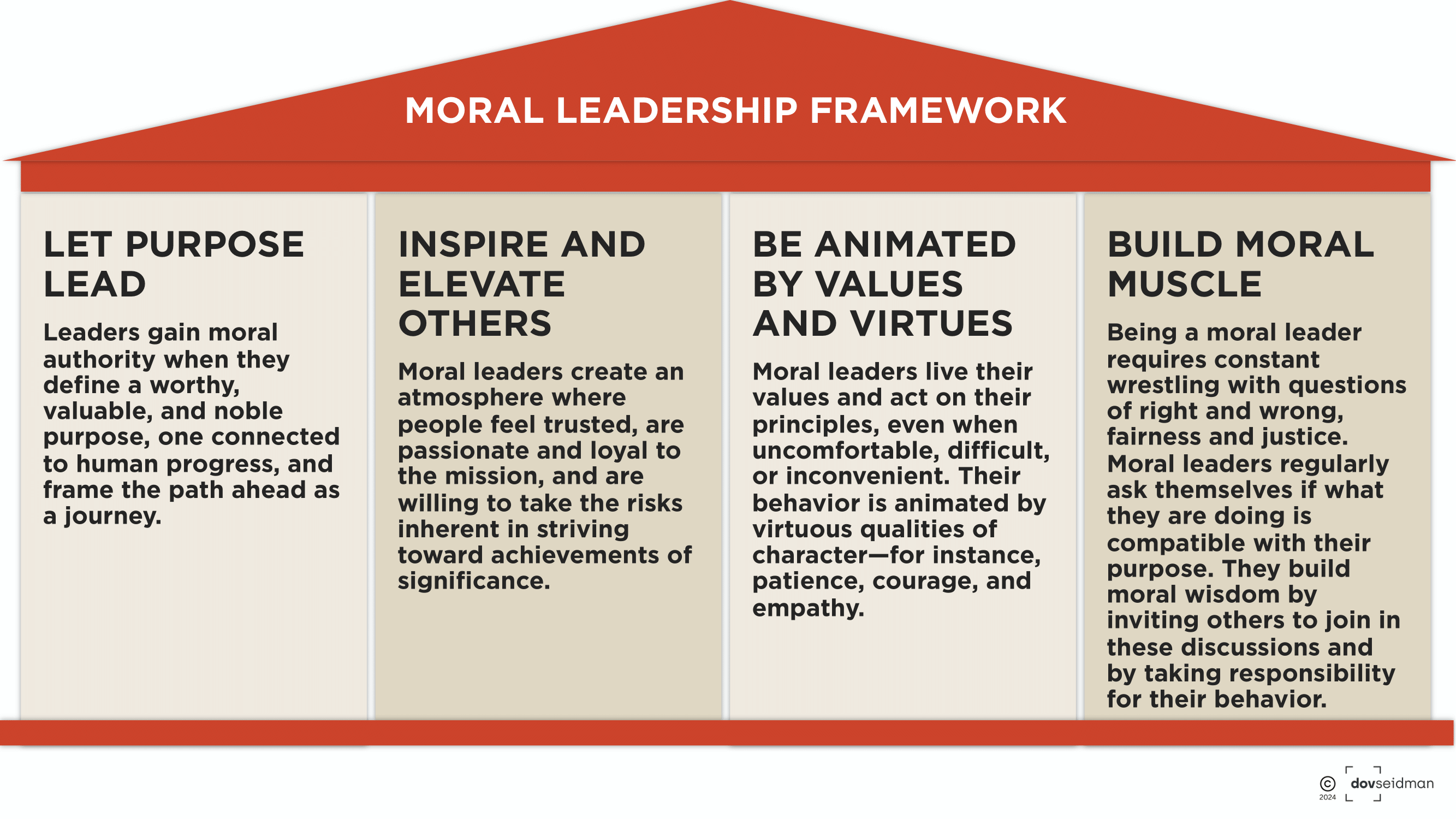
3. Moral standing and ethics
Did the leader choose means consistent with widely accepted moral standards? Some effective leaders used morally questionable tactics; others were paragons of probity. These choices influence whether a legacy is admired or contested.
moral leadership figure
4. Context sensitivity
Leadership must be judged against the constraints of its moment. A brilliant change-maker in a fragile young state faces different demands than a wartime leader defending a sovereign nation. Context determines what strategies were realistic and what outcomes were possible.
5. Enduring impact
Some leaders shine briefly and then fade. Others plant institutions and norms that last for generations. Consider whether the leader's policies and ideas continued to shape the country long after they left office.
nation building leadership
How to weigh trade-offs
Every judgement about "best" involves trade-offs. A wartime leader who preserved the nation may have suppressed liberties in the short term. A reformer who redistributed land may have generated short-term instability while improving long-term equity. Use these practical rules when weighing trade-offs.
- Weight outcomes by urgency: crises can justify heavy-handed measures, but such measures should be constrained and time-limited.
- Separate means from ends: a laudable end does not justify indefensible means; add a moral penalty when the cost is high.
- Credit institution-builders: leaders who create durable institutions deserve outsized credit because those institutions persist beyond their lifetimes.
Great leadership is rarely pure; it is judged by what leaders achieved, how they achieved it, and how those achievements shaped the lives of ordinary people.
Case studies: Applying the framework
Examples clarify how the framework works. The selections below are illustrative — not exhaustive — and each figure carries controversy along with accomplishment. Use them as models to test your own national candidates.
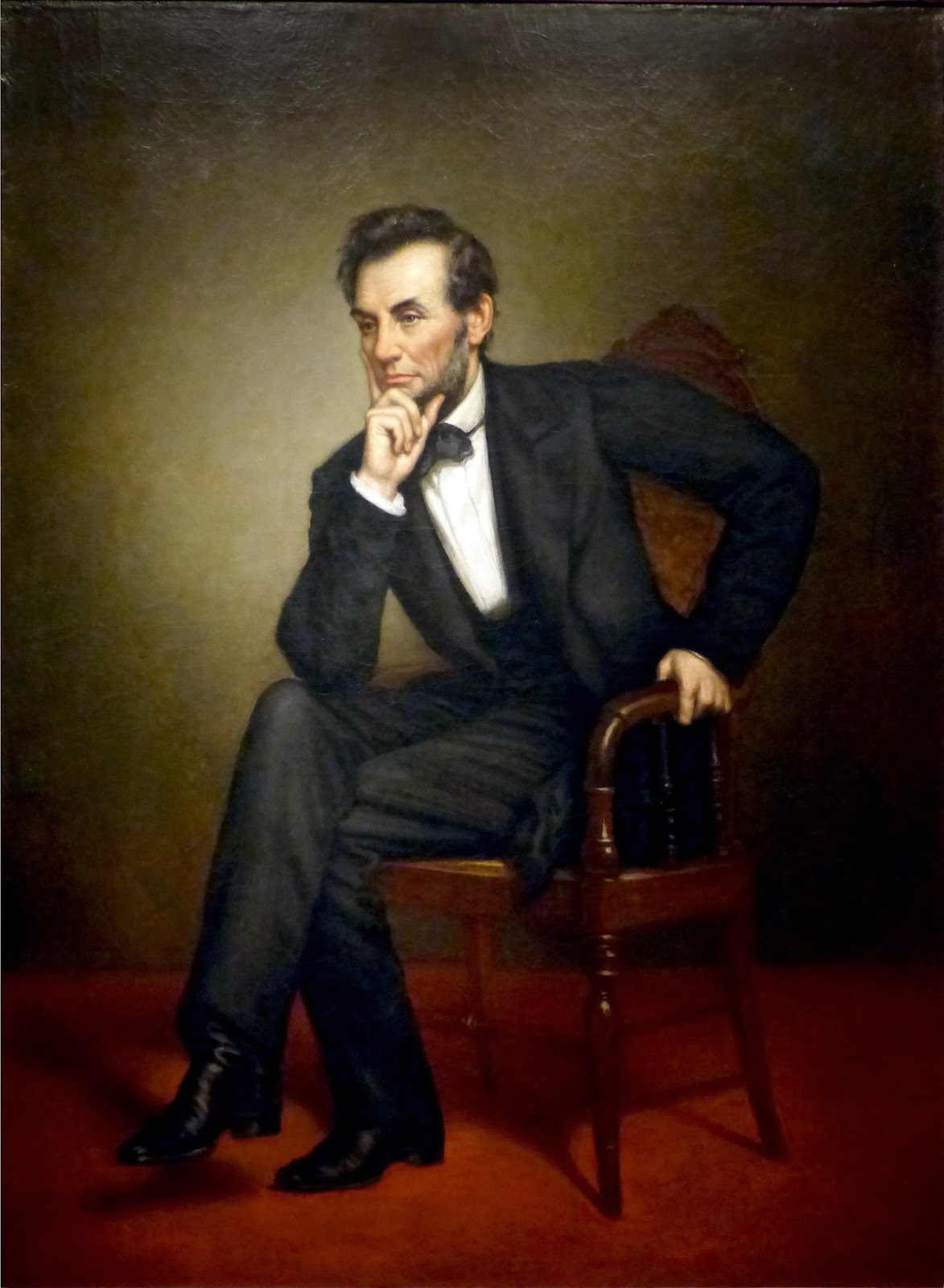
United States — Abraham Lincoln (example)
Vision: Lincoln articulated a vision of union and, later, a transformed republic in which slavery would end. Competence: he navigated a brutal civil war to preserve the Union and set the administrative machinery to begin Reconstruction. Ethics: his relationship to civil liberties was complex — suspensions and controversial measures marked his presidency. Context: the existential crisis of secession constrained choices. Enduring impact: abolition of slavery and a stronger federal state reshaped the United States forever. For many, these weigh heavily toward naming him among the nation's greatest leaders.
Abraham Lincoln portrait
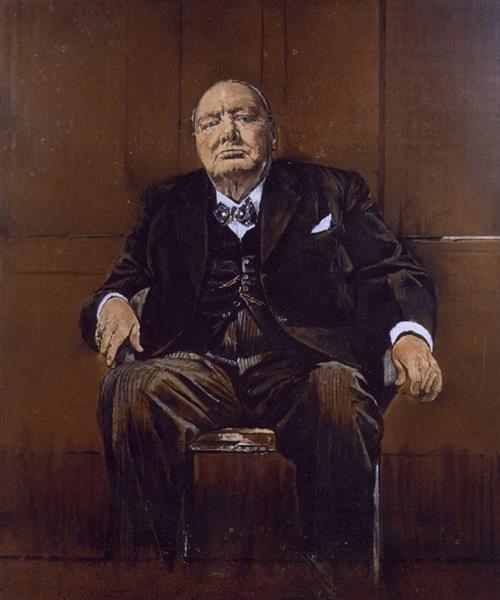
United Kingdom — Winston Churchill (example)
Vision: Churchill framed Britain's survival and global role during World War II. Competence: his wartime leadership rallied a besieged population, and his rhetoric kept allies aligned. Ethics: his imperial views and some wartime decisions draw critique. Context: wartime exigency allowed extraordinary concentration of power. Enduring impact: Churchill's name is synonymous with defiance, though his peacetime electoral record and views on empire complicate any unqualified ranking.
Winston Churchill portrait
South Africa — Nelson Mandela (example)
Vision: Mandela promoted a racially inclusive democratic future. Competence: he helped transition a deeply divided country from apartheid to a constitutional democracy. Ethics: Mandela's willingness to reconcile with former adversaries is widely admired as moral high ground. Context: international pressure and internal resistance shaped the path. Enduring impact: democratic institutions and a new constitutional order remain central to his legacy, even as the nation continues to wrestle with inequality.
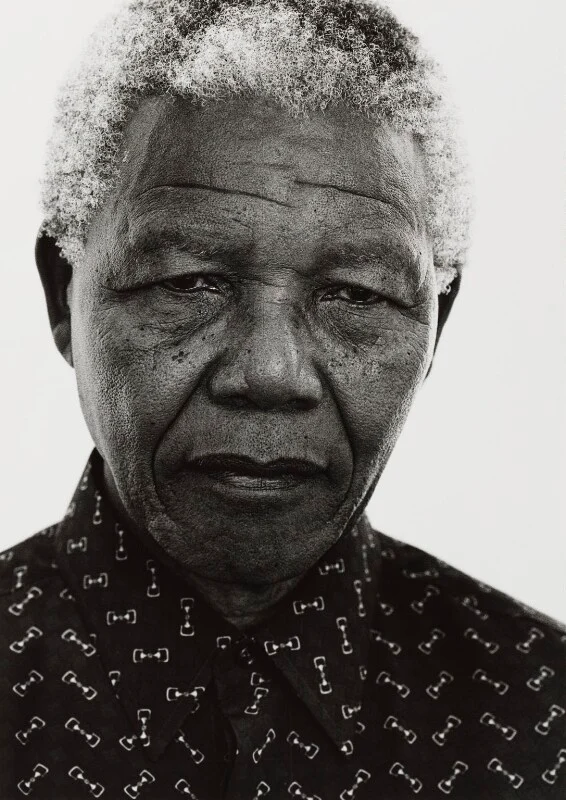
Nelson Mandela portrait
India — Jawaharlal Nehru and Mohandas Gandhi (example)
Both figures illustrate different kinds of leadership. Gandhi led a mass moral movement through nonviolent resistance, shaping national identity and moral authority. Nehru, as the first prime minister, translated the independence movement into governance, building institutions and establishing a secular, democratic framework. The best leader label could reasonably be argued for either, depending on whether you prioritize moral transformation or institutional statecraft.
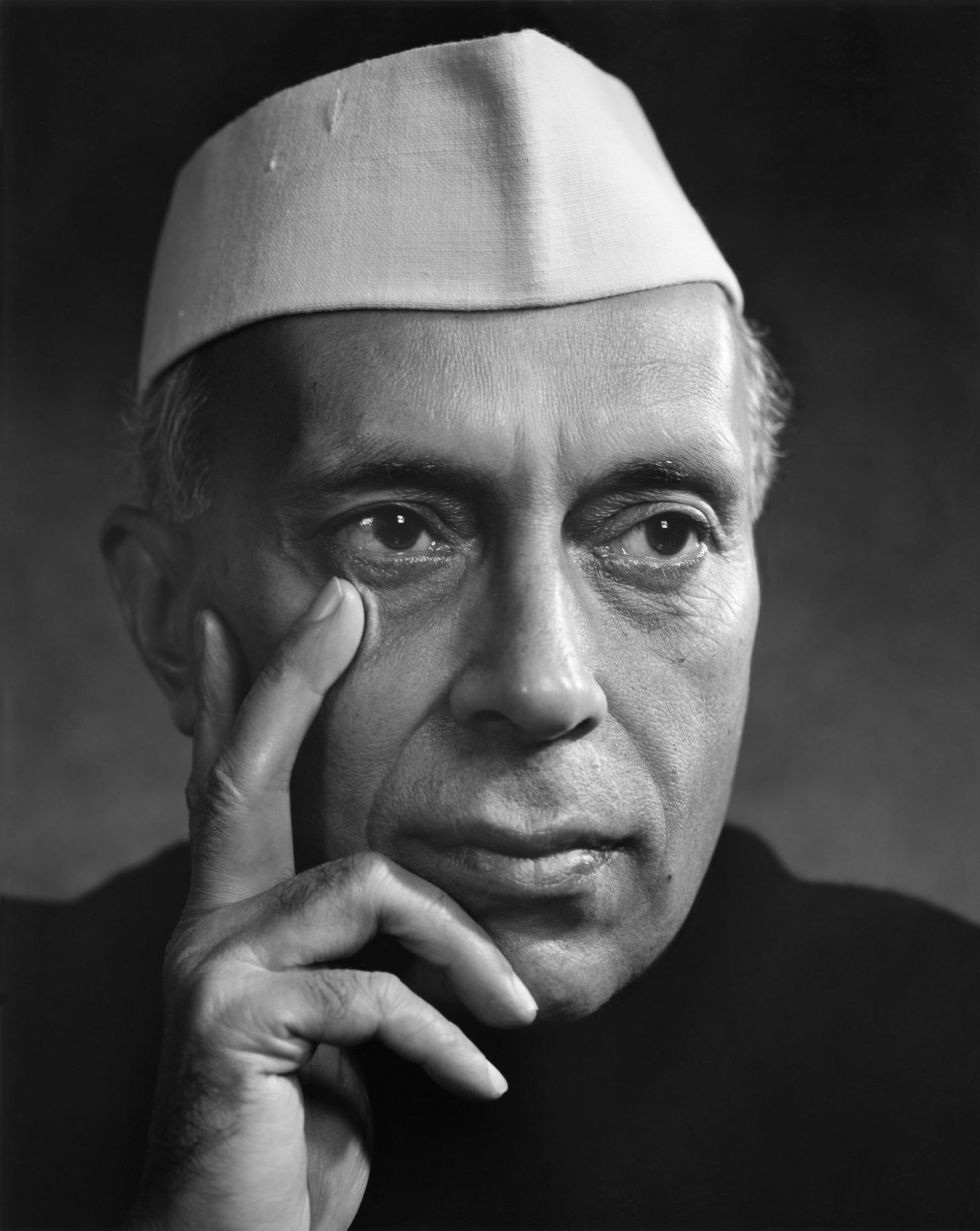
Jawaharlal Nehru portrait
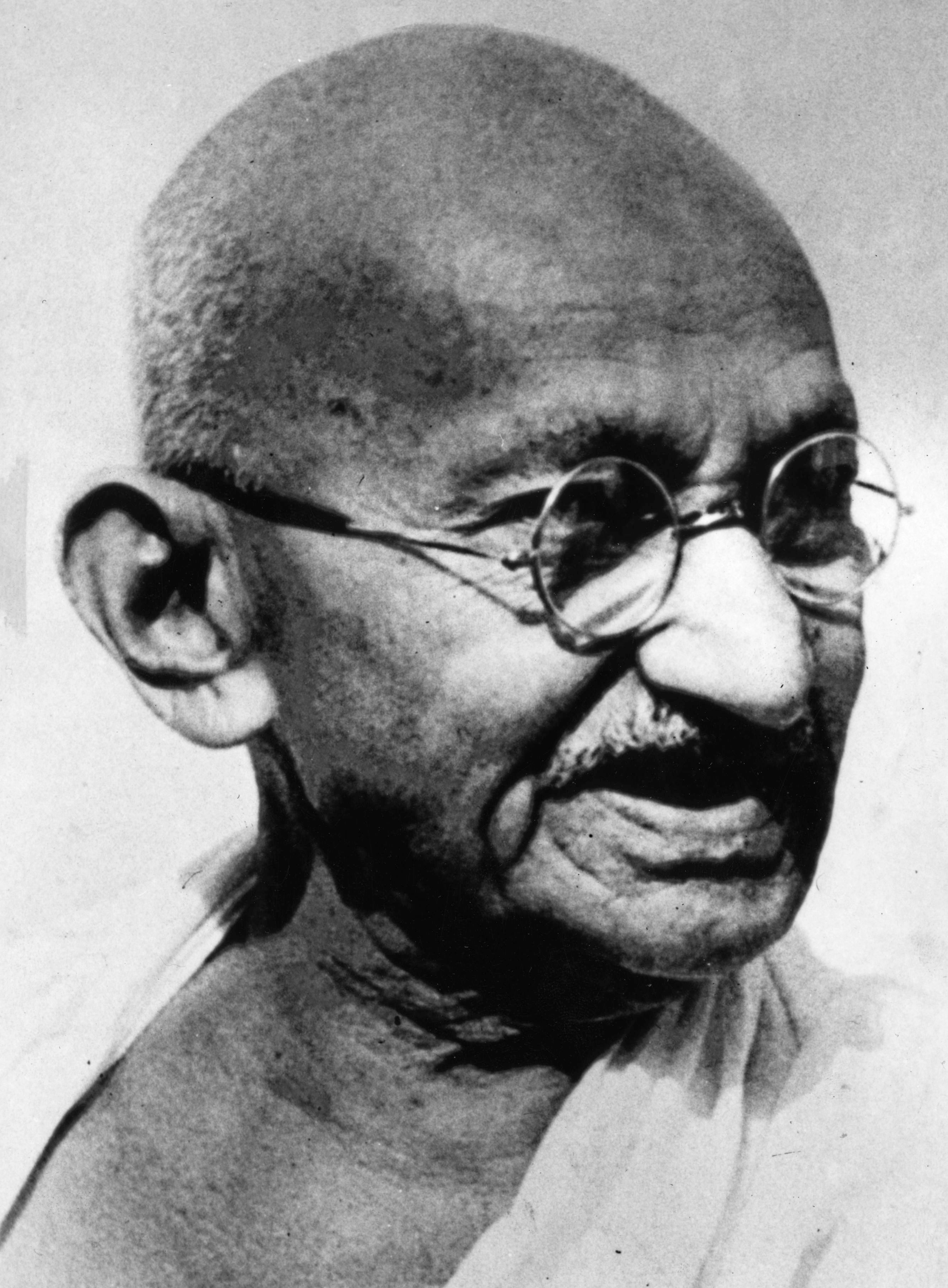
Mahatma Gandhi portrait
Types of leaders and why they matter
Not all "great" leaders are the same. Categorizing them helps refine choices.
- Crisis leaders (wartime prime ministers, presidents) excel at mobilization and defense.
- Nation-builders create constitutions, bureaucracies and legal frameworks.
- Reformers change social and economic structures — often at the cost of short-term unrest.
- Moral leaders shift norms and public conscience, sometimes without holding office.
When you nominate a greatest leader, first identify which type of leadership your country needed most at a crucial turning point. That clarifies the comparison.
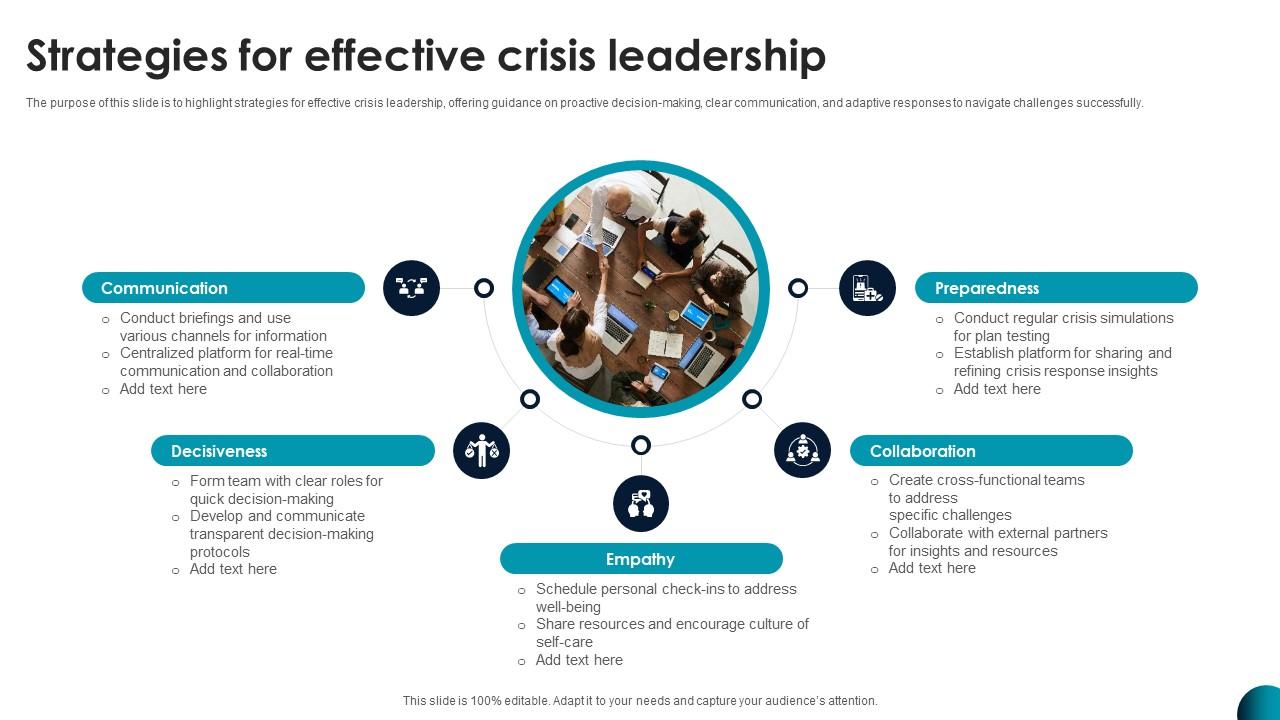
crisis leadership example
- Provides clarity and a structured way to compare different strengths.
- Helps separate immediate popularity from long-term contribution.
- Any scoring system simplifies complex human lives.
- Contextual weightings are subjective and can shift with new evidence.
Common pitfalls to avoid
Beware these familiar traps when choosing a "greatest leader."
- Presentism: imposing current values on historical actors without regard for their era.
- Hero worship: elevating symbolic acts while ignoring practical failures.
- Single-issue bias: judging leaders solely by one policy or event rather than a broad portfolio of action and consequence.
History rewards nuance. Leaders are products of their times and their decisions have ripple effects — beneficial and harmful.
Practical steps to name your country's greatest leader
Follow this six-step method to build a defensible answer you can explain to others.
- Step 1: Define the time period and stakes — independence, war, industrialization, social transformation.
- Step 2: List candidates and their signature achievements.
- Step 3: Apply the five-lens framework (vision, competence, ethics, context, enduring impact).
- Step 4: Score candidates qualitatively, justifying each score with specific outcomes.
- Step 5: Reconcile trade-offs explicitly — where did benefits come at a moral or social cost?
- Step 6: Present your conclusion with caveats and an invitation to revise if new evidence or perspectives emerge.
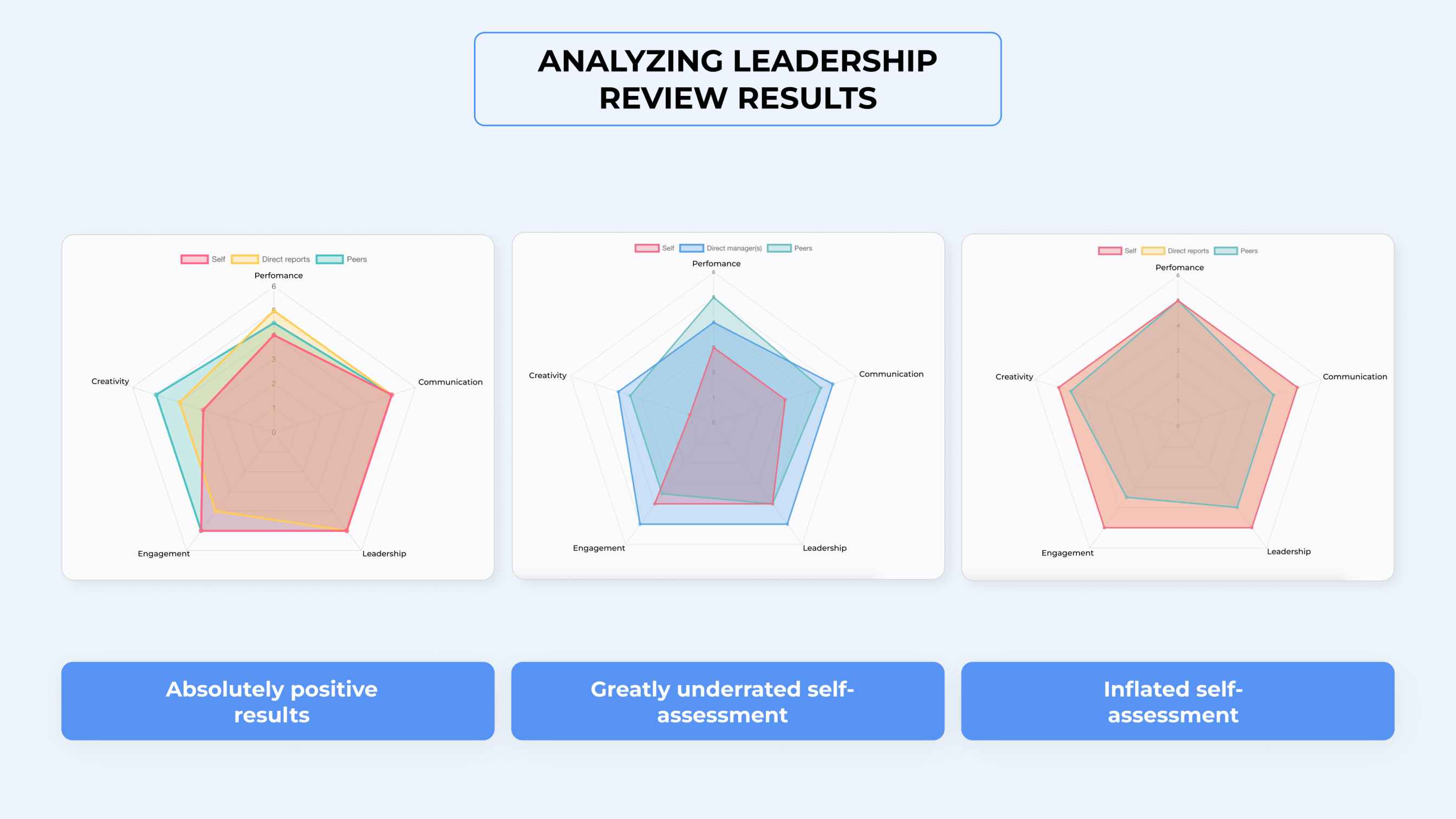
leadership evaluation chart
Conclusion: A contest with value beyond a single name
Choosing the "best" leader in your country's history is ultimately an argument about values as much as facts. A reasoned answer reveals not only the leader's merits but also what your community prizes in leadership: courage, ethical behavior, institution-building, or the capacity to transform public life. Use the framework here to move debates from assertion to explanation. You'll find that most histories do not yield a single, unambiguous winner — and that is the point. The healthiest civic cultures are comfortable holding multiple memories, admitting contradictions, and updating judgments as the future sheds new light on the past.
historic leader bust statue
global political leaders
historical statesmanship portrait
- Use a multi-lens framework (vision, competence, ethics, context, impact) to judge leaders.
- Balance short-term crisis response with long-term institution building.
- Be explicit about trade-offs and avoid presentism.
- Different kinds of leadership (crisis, nation-building, moral) matter in different moments.
This framework helps you answer who the greatest leader in your country's history might be — not by decree, but by reasoned comparison.