Where Have the Teens Gone? The End of Malls and Parks
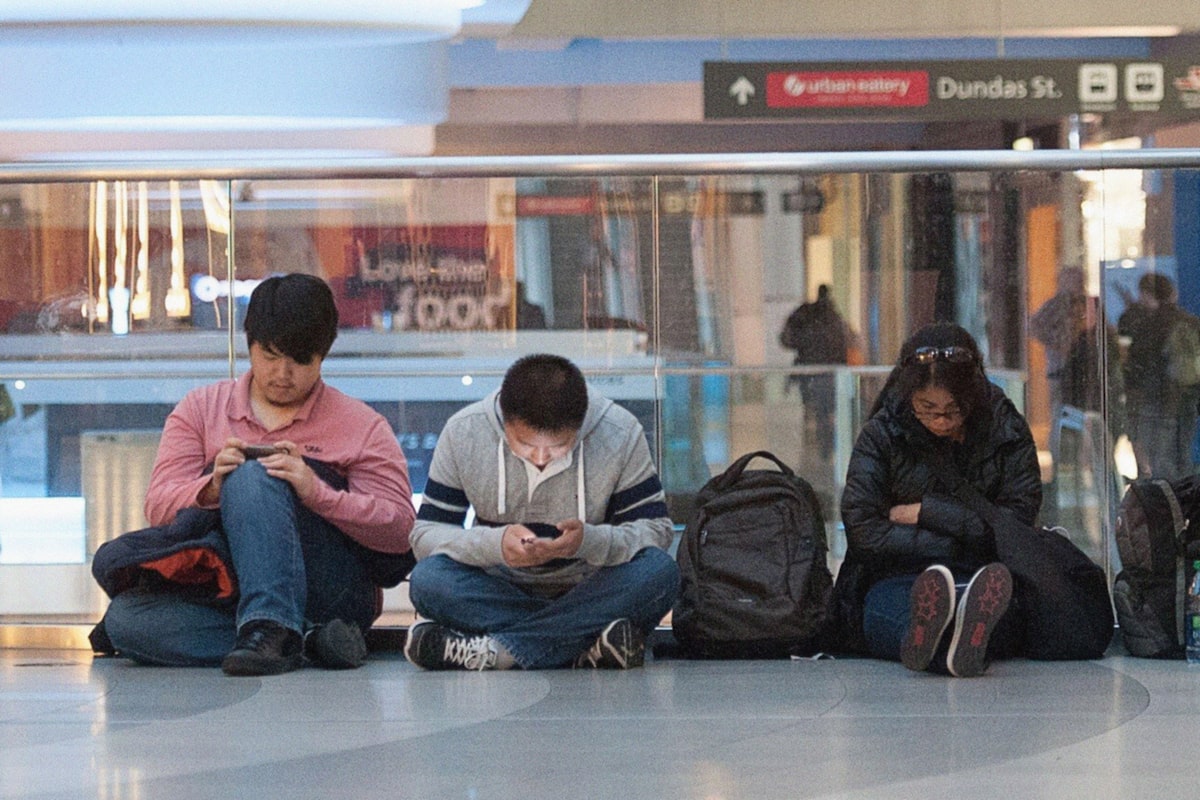
The image is familiar: a cluster of teenagers sprawled on a mall bench, skateboarders weaving through a municipal plaza, or a pack of kids playing late-afternoon pickup basketball in a neighborhood park. In many towns and cities today, that scene feels like a memory. Teens are less visible in the public realm—fewer after-school crowds at shopping centers, emptier parks at dusk, quieter downtown sidewalks. That disappearance is not a simple fad. It is the product of layered changes in technology, economics, urban design, policy and parenting. This article untangles those threads and asks a practical question: what happens to civic life and to young people when public space no longer hosts them, and what can be done about it?
teenagers empty mall benches
The Decline of the Mall: From Social Commons to Fading Retail
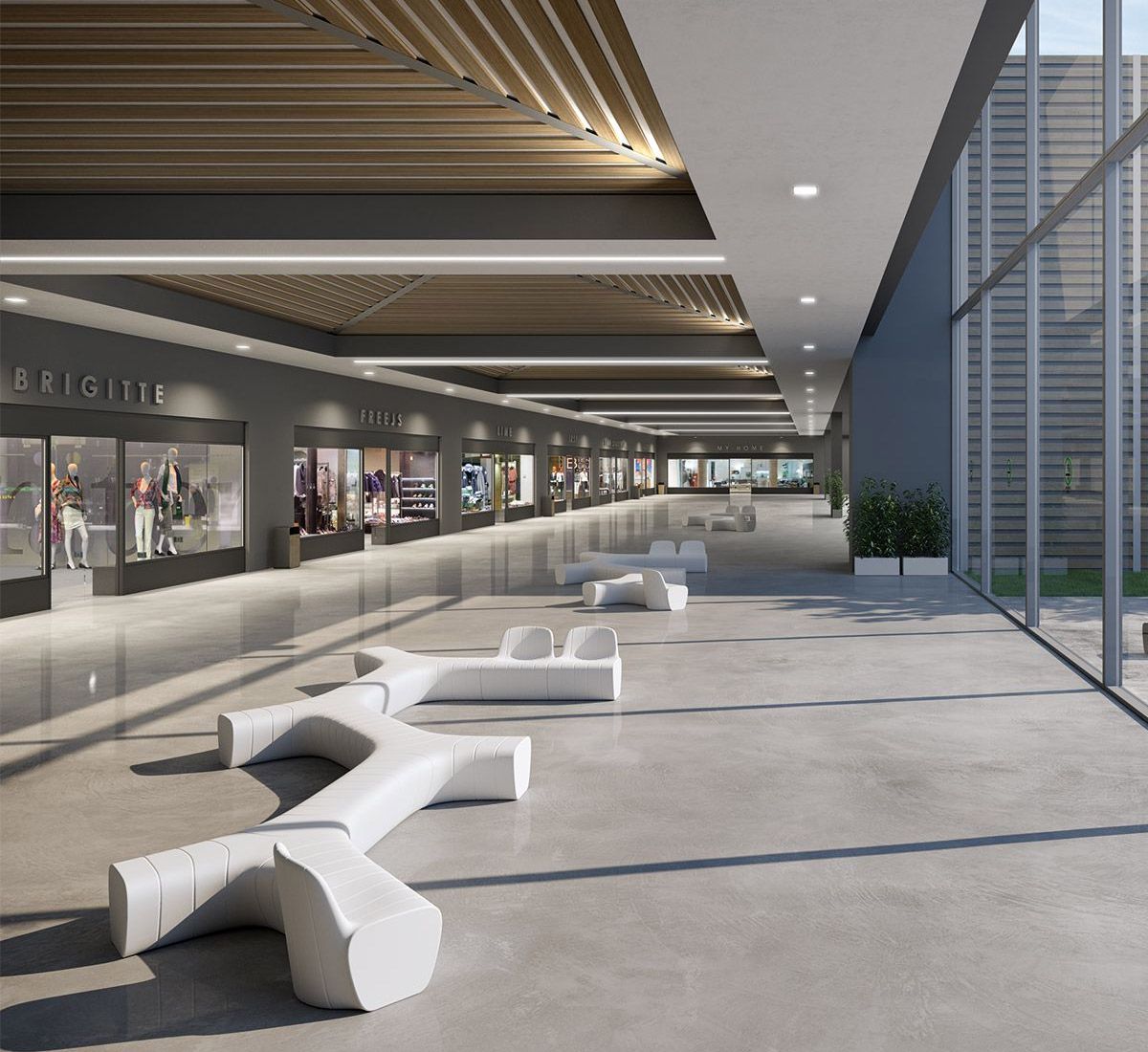
American malls were once the adolescent agora: climate-controlled spaces where teens could linger without a lot of money, meet friends, window-shop and rehearse adult comportment. That role rested on two facts: first, malls had enough foot traffic and benign supervision to feel public; second, retail economics made hanging out tolerable for store owners. Over the past two decades both facts shifted.
privatized mall security camera
Retail consolidation, the rise of e-commerce, and changing consumer tastes hollowed many malls. Anchor stores that subsidized common areas closed; property owners reconfigured malls for higher-paying tenants, not for lingering. At the same time, mall management and stores adopted stricter loitering rules driven by liability concerns, theft prevention, and customer complaints. Teenagers who decades ago could spend hours charging a phone at a food-court outlet now face passive-aggressive security and a shrinking range of spaces where they are welcome.
Economic pressures also changed the type of amenity on offer. Where a food court once offered inexpensive options for groups, new developments emphasize niche dining, experiential retail and luxury brands—less affordable, less forgiving for teenagers with limited cash. The result: the physical spaces that once enabled free social time for teens have been privatized, controlled or repurposed.
Subsection: The Mall as a Privatized Public Space
We have to recognize a legal and social shift: much of the American public life that used to occur in quasi-public venues is now governed by private rules. Malls, many downtown promenades and privately operated plazas can enforce codes of conduct that eliminate the unsupervised social friction teens generate. That shift narrows the range of acceptable youth behavior and shrinks the number of neutral places where adolescents can practice social skills outside family oversight.
Parks, Plazas and the Quieting of the Street
Parks and public squares also show declining teen presence, but for different reasons. Public parks face budget cuts, maintenance deficits, and competition for municipal land use. When play equipment ages and bathrooms close, parks become less attractive. Lighting and scheduled programming that draw family audiences do not always translate into spaces teens find appealing. Teenagers seek unscripted spaces—benches, courts, edges of green lawns—where peer culture can form. When cities sanitize parks to reduce risk or concentrate programming toward younger children and seniors, they inadvertently exclude adolescents.
Beyond maintenance, design choices matter. Many newer parks favor passive landscaping, art installations and quiet contemplation over flexible spaces for games, music or skateboard tricks. Where skateboarding or informal performance was once tolerated, enforcement often curtails those activities to preserve surfaces or appease nearby residents. The unintended consequence is fewer available venues for physical play and spontaneous congregation.
park benches armrests hostile
Public space without teenagers is public space without a rehearsal for adult citizenship.
Digital Lives and the Rise of the 'Home Public'
No discussion of disappearing teenagers is complete without technology. Smartphones and social platforms have reoriented how young people socialize. Where the mall was once the single connective tissue, digital networks now let teens form communities anywhere: group chats, multiplayer games, short-video feeds and private messaging. Those networks provide social validation, instant coordination, and low-cost entertainment—often more reliably gratifying than unstructured in-person time.
Importantly, the home has become a platform. Streaming, online shopping, food delivery, and remote schooling mean that many social activities can be staged from private space. Adolescents assemble in digital living rooms more often than physical ones. That's comfortable and intimate, but it alters the developmental tasks of adolescence: experimenting with independence, negotiating conflict with peers, and learning to navigate shared public settings with strangers.

teens digital devices home
Subsection: Convenience and the Erosion of 'Just Hanging Out'
There is also a convenience factor. Coordinating a meet-up in person requires transport, parents' permission, or money for food and transit. A group chat that turns into a multiplayer session or synchronized streaming is easier and cheaper. Over time, habitual digital socializing reduces the incentive to travel to a park or mall when hanging out can happen with fewer logistical barriers.
Safety, Surveillance, and Changing Social Norms
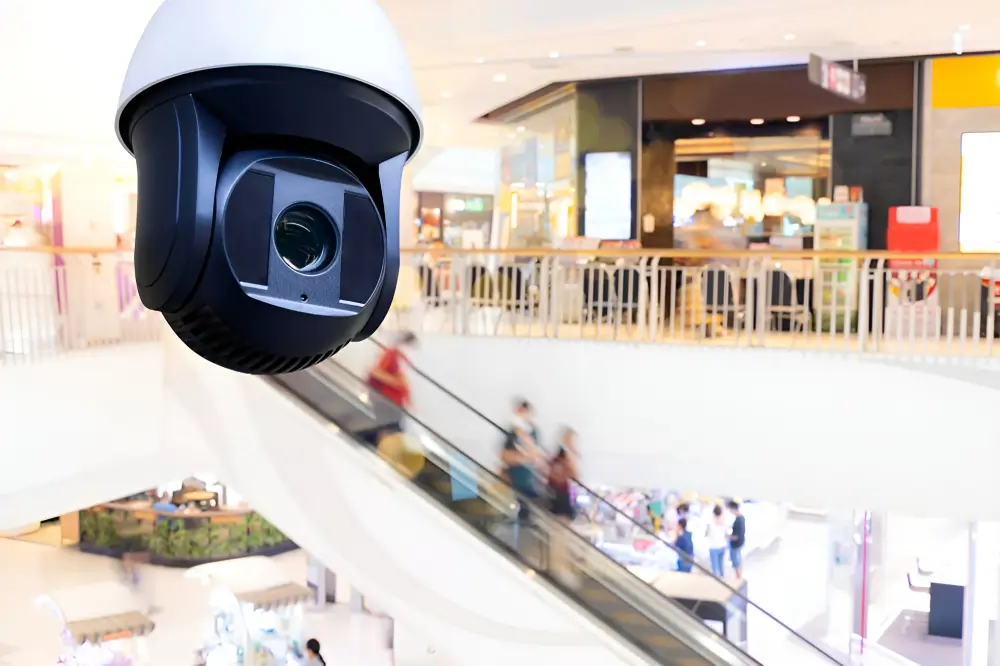
Perceptions and realities of safety play a substantial role. Parents today are generally more risk-averse—shaped by high-profile incidents, the 24-hour news cycle, and changing attitudes toward supervision. That affects whether teenagers are allowed to roam unsupervised. Simultaneously, public spaces are increasingly surveilled by cameras, private security, and community reporting apps. While surveillance can reduce some harms, it also reduces the felt anonymity that encouraged casual hanging out.
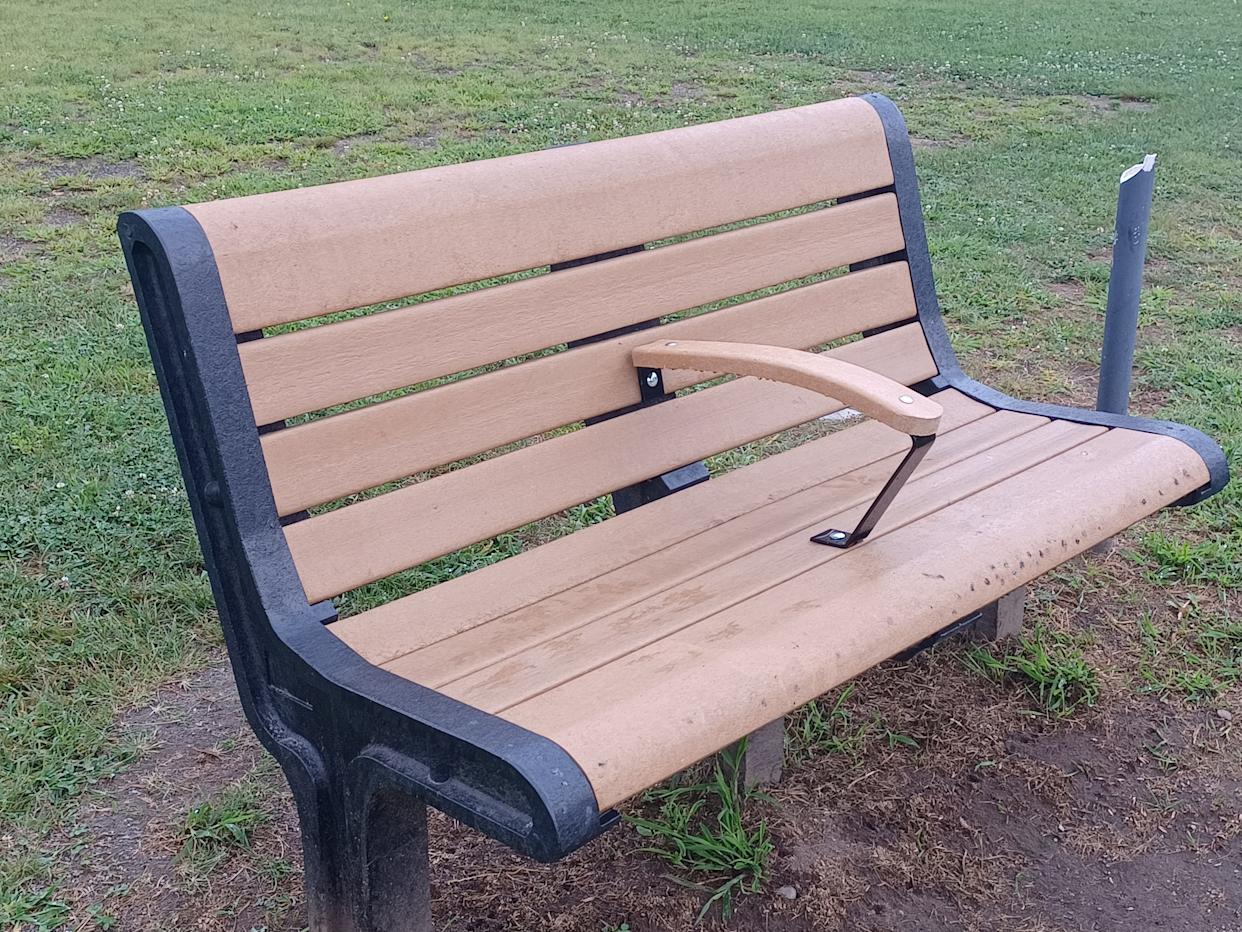
When enforcement is zero-sum—security for the paying customer versus toleration for loitering—youths often lose. The specter of being stopped, questioned, or expelled from a space discourages lingering. That policing can be direct or structural: overt rules, subtly hostile architecture (benches with armrests that prevent lying down), and lighting designed to push certain activities out of sight. These design and policy choices change who feels welcome in the public realm.
Economics, Transport and the Geography of Youth
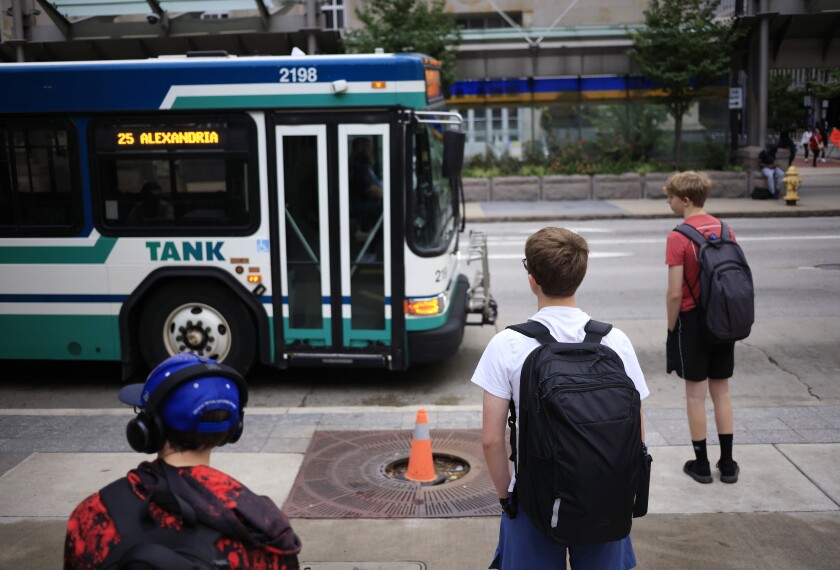
Transportation matters as well. Car-centric suburbs are inhospitable to independent adolescent mobility. When destinations are spread out and poorly connected by reliable transit, teens who lack driving privileges find it harder to get around. A mall that was once walkable from neighborhoods becomes a distant destination requiring parental chauffeuring. Conversely, dense urban cores with robust transit still show declines in street-level youth presence, suggesting transportation is one part of a larger constellation.
public transit teens suburbs
Economic inequality intersects with these patterns. Low-income neighborhoods may have spaces in need of repair, and those spaces may be over-policed. Wealthy suburbs may substitute private extracurriculars—structured clubs and commuting to paid activities—for free public hanging out. Both pathways reduce unsupervised, self-directed adolescent presence in public spaces.
Teen Preferences and Social Signaling
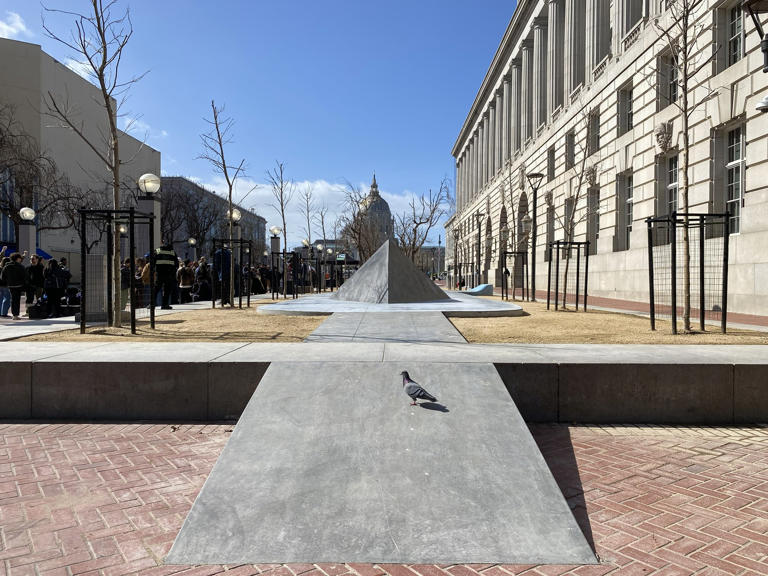
We should also listen to teenagers themselves. For many, the social currency of being visible in a mall has shifted to being visible online. Bragging rights flow through followers and likes rather than through who saw you at a skate spot. That reshapes the rituals of adolescence: instead of parents or peers recognizing a new skill in a shared physical space, recognition arrives through digital metrics. The stakes and audiences change, and so do the places where youths spend time.
skateboarders municipal plaza
Yet this does not mean young people no longer value in-person socializing. They do. They simply prefer different contexts: private parties, small friend-group gatherings, or adult-organized activities that feel safer and more curated. The point is that the public, unsupervised, messy sociality that historically defined adolescent public life has been crowded out.

group teens park basketball
What This Means for Civic Life and Development
When teenagers disappear from shared spaces, the consequences ripple outward. Public spaces become more adult-centered and less heterogeneous. Intergenerational encounters decline; the small economies that benefited from youth presence—affordable eateries, record stores, arcades—shrink. For teens, fewer opportunities exist to practice negotiation, conflict resolution, and public self-presentation—skills that are learned on benches, buses and ball courts.
There are also equity concerns. When public spaces fail to serve adolescents, those with fewer private resources lose out on social capital-building opportunities. This can widen educational and social gaps over time. Moreover, civic engagement can suffer: young people who lack a stake in public places are less likely to vote, volunteer or join community deliberations later in life.
What Cities and Communities Can Do
Absent the mall as an automatic youth hub, cities can still design for adolescent presence. Several practical steps can help reverse the trend:
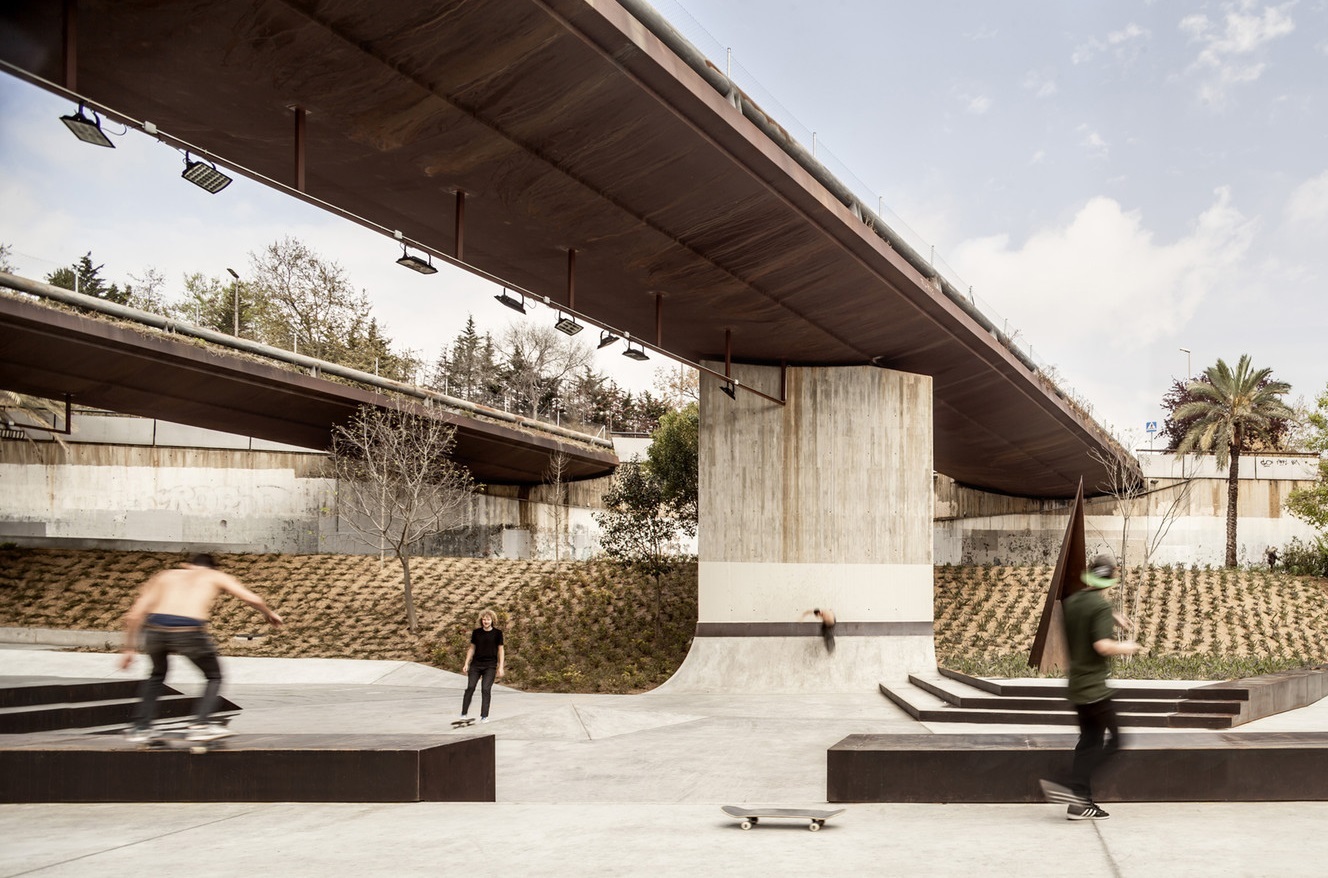
- Create flexible, youth-friendly spaces: design parks with multi-use courts, durable surfaces for skateboarding, and small performance areas that invite experimentation.
- Support low-cost food and hangout options: zoning and licensing that encourages affordable cafes, late-night food vendors, and youth-run pop-ups lower the cost barrier for lingering.
- Rethink policing and rules: adopt restorative approaches and time-limited toleration zones rather than blanket expulsions that criminalize loitering.
- Invest in transit and independent mobility: safe bike lanes, reliable buses and youth transit passes make it easier for teens to access places without parental chauffeuring.
- Program with youth, not for them: involve adolescents in co-designing events and spaces so solutions meet their needs and tastes.
These steps are not expensive or revolutionary by themselves; they require a mindset shift that values unstructured youth presence as a legitimate public good.
skateboard plaza city design
Success Stories and Small Wins
There are places that have bucked the trend. Cities that have legalized and designed skate plazas, supported community-run cafes, or created transit-oriented youth hubs report increased adolescent presence. The common thread: these initiatives treat young people as stakeholders and accept a degree of rowdiness as part of civic life. Importantly, they pair tolerance with clear community norms and safe maintenance, so spaces remain inviting to a broad public.
Practical Tips for Families and Schools
Families and schools can play a role, too. Encouraging supervised independence—allowing teens short, local outings without adult chaperones—builds mobility skills. Schools can open gyms, libraries or courtyards after hours as sanctioned hangout spaces. Local nonprofit organizations can sponsor low-cost programming that bridges the gap between structured activities and open play.
Conclusion: Reclaiming the Public for Young People
Teenagers vanishing from malls and parks is a symptom of broader transformations: private governance of formerly public life, digital substitution for face-to-face socializing, shifting economic incentives, and risk-averse norms. The loss matters because adolescence is a rehearsal for adulthood; public spaces are classrooms for social learning. Rebuilding those classrooms does not mean restoring malls exactly as they were. It means redesigning towns and policies so that unstructured, affordable, and tolerable places exist for young people to gather, err, play and grow.
Designing cities for teenagers is not nostalgia—it is investment in civic resilience.
- Multiple forces—economic, technological, design and policy—explain the decline of teens in public spaces.
- Privatization of public life and stricter enforcement reduce places where adolescents can develop independence.
- Digital social life substitutes for, but does not replace, the developmental value of in-person public interaction.
- Practical local interventions—flexible park design, affordable hangouts, youth engagement in planning, and transit investments—can revive youth presence.
Final Thought
Public life is strongest when it accommodates a range of ages and behaviors. If we want resilient, democratic communities, we should care about where young people spend their time. The answer is not to banish adolescence from the street, but to design streets, parks and plazas that can hold it.