
When Parents Refuse to Admit Wrong: Emotional Harm to Kids
Everybody tells small untruths sometimes to avoid a fight: the white lies that keep traffic moving, the little smoothing over that keeps a family dinner from fragmenting. But when a parent never admits they were wrong — not occasionally, but as a repeating, defensive pattern — the effect on a child is not benign. It shapes how that child understands empathy, responsibility, trust and even what love feels like. This article explores the pattern I call the "refusal-to-admit-wrong" dynamic, why it can amount to emotional abuse, how it develops, how it damages children across the lifespan, and what both grown children and parents can do to begin repairing the harm.

parent refusing to admit wrong
WHAT IS THE 'BUTTER' LIE? A METAPHOR FOR SMOOTHING OVER HURT
Definition and origin of the metaphor
The phrase "butter lie" in the original draft works as a shorthand: like butter, it smooths things out in the moment. But it's not lubrication that helps two surfaces glide — it's an evasive smear that hides friction and refuses to acknowledge the underlying scrape. The "butter lie" is any habit of saying something that protects the parent's image or authority instead of addressing the harm they caused. Over time, these small evasions compound into a pattern: no accountability, no meaningful apologizing, and a tacit message to the child that their feelings are negotiable or wrong.
Why the label matters
Calling the pattern by a name — whether you keep "butter lie" or simply call it "never admitting fault" — helps families spot something subtle. It's not only about explicit lies; it's about deflection, minimization, blaming, denial, or silently punishing a child for pointing out a parent's mistake. Naming it is the first step toward change.
emotional abuse gaslighting child
HOW NEVER-ADMITTING PARENTS BEHAVE
Common behaviors and scripts
There are recognizable patterns that show up across families. Here are several common behaviors displayed by parents who never make room for their own error:
- Minimization: "It wasn't that big a deal" when the child is clearly hurt.
- Blame-shifting: Turning the focus back on the child's reaction: "You're so sensitive."
- Denial: "I never said/did that."
- Counter-accusation: "You're the one who always..."
- Triangulation: Involving other family members to confirm the parent's version rather than addressing the child's feelings.
- Silent punishment: Withdrawal or coldness as a form of punishment without acknowledging the original wrongdoing.
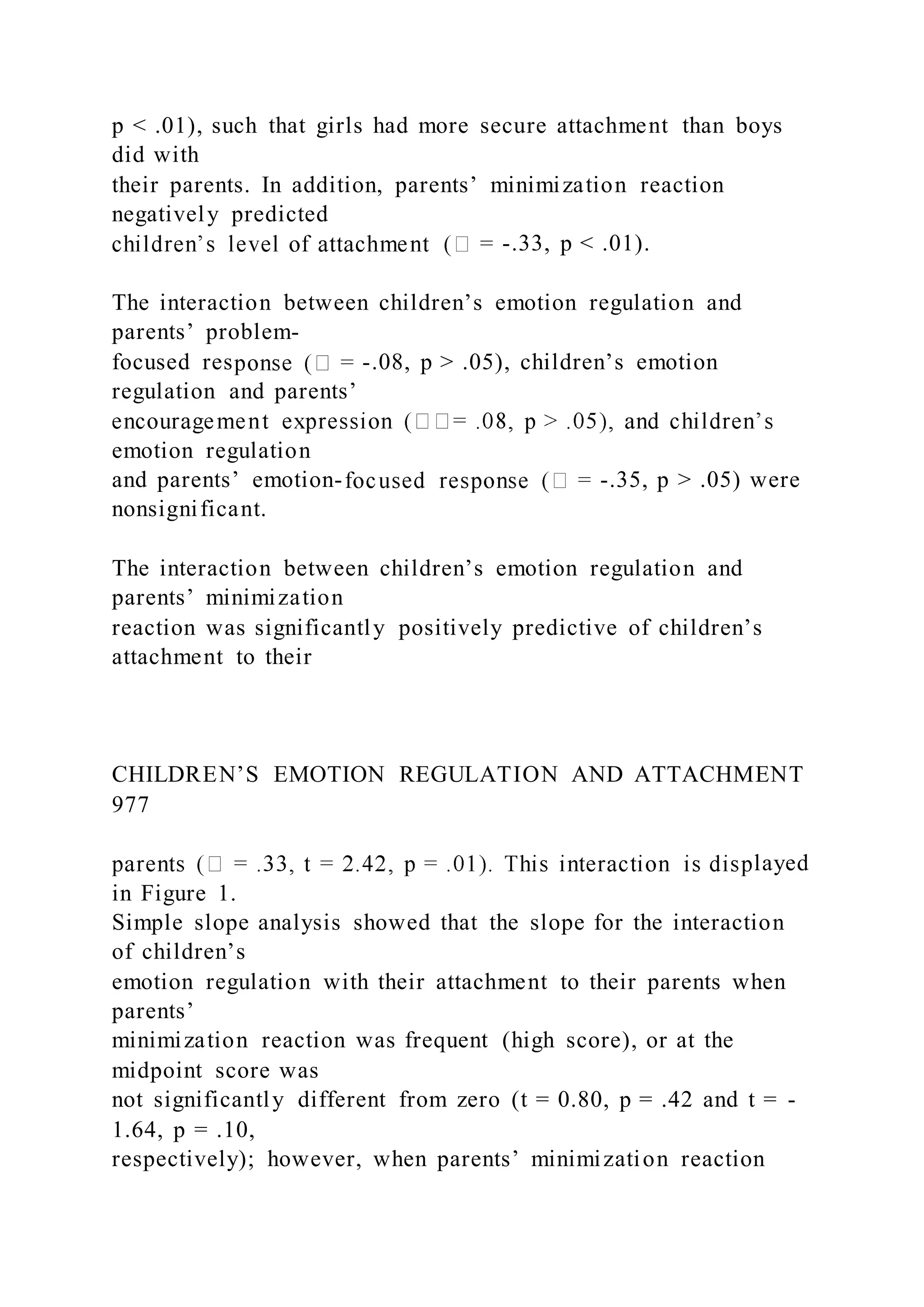
parental minimization of child feelings
A parent's refusal to admit wrong doesn't just deflect blame — it teaches children that mistakes can't be repaired and that feelings are unsafe.
When refusal slips into emotional abuse
Not every failure to apologize rises to the level of abuse. But persistent patterns matter. Emotional abuse includes behaviors that systematically diminish a child's sense of self-worth or emotional safety. When a parent persistently refuses to admit their mistakes, invalidates feelings, gaslights, or punishes the child for telling the truth, the relationship can become emotionally abusive — even if there is no physical violence.
WHY PARENTS REFUSE TO ADMIT THEY'RE WRONG
Psychological drivers
Understanding why parents dig in helps us respond with clarity rather than anger. Common psychological drivers include:
- Fear of vulnerability: Admitting fault requires revealing imperfection, which some adults equate with weakness.
- Shame and identity: When a parent's sense of self is bound up with being "good" or "in control," a mistake threatens identity.
- Narcissistic patterns: For some, admitting wrong damages the inflated self-image and opens the door to criticism.
- Cultural and generational norms: Many cultures teach rigid authority — "the parent is always right" — which discourages models of repair.
- Modeling and trauma: Parents who were raised without apologies may not know how to apologize or may equate it with punishment.
Systemic and situational reasons
Context matters. In high-stress households, admitting mistakes can be seen as destabilizing. Single parents struggling economically may have less bandwidth for emotional labor. Political or religious communities that prize parental authority can amplify the message that admitting fault is betrayal. None of these excuses justify emotional harm, but they help explain how the behavior persists.
IMPACT ON CHILDREN — SHORT TERM AND LONG TERM
What children learn immediately
When a parent refuses to acknowledge harm, children learn several immediate, damaging lessons: their feelings are wrong or exaggerated; speaking up will lead to punishment or dismissal; honesty is risky; and relationships are conditional on performance. These lessons hamper emotional development and make healthy conflict resolution difficult.
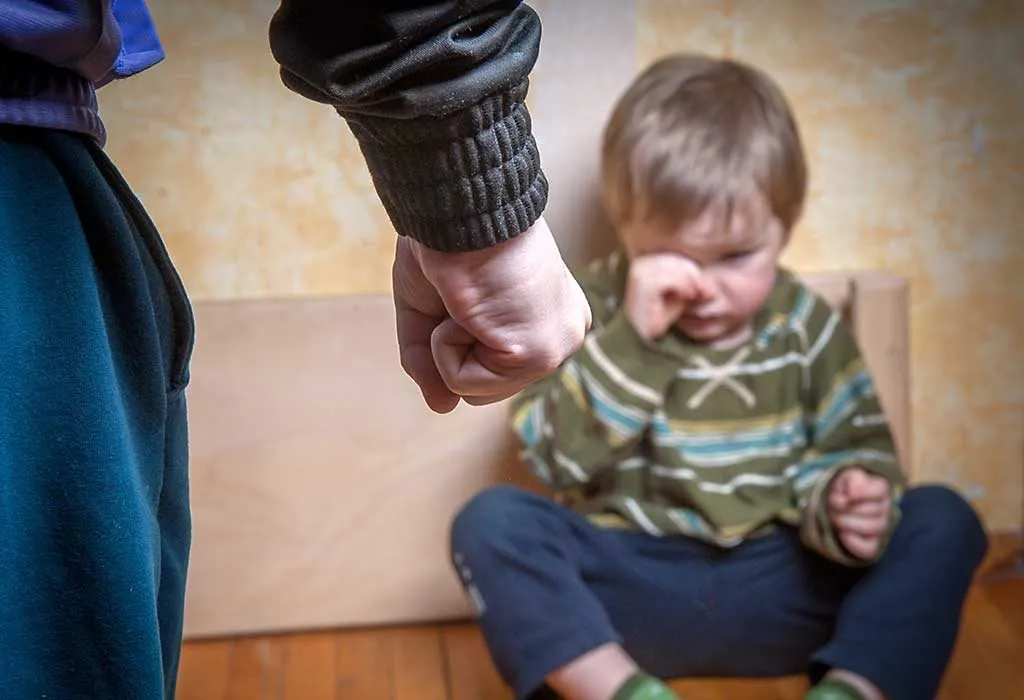
child hurt by parent denial
Long-term effects into adulthood
The long shadow often stretches into adult life. Common adult outcomes include:
- Difficulty trusting others: Expecting denial or gaslighting when conflict arises.
- Perfectionism and shame: Internalizing the idea that mistakes are catastrophic.
- Tolerance for emotional abuse: Staying in relationships where feelings are dismissed.
- Problems with conflict resolution: Either avoiding conflict entirely or mirroring the parent's defensiveness.
- Attachment disruptions: Difficulty forming secure attachments and regulating emotions.

parent silent punishment behavior
A TABLE: BEHAVIORS AND THEIR EFFECTS
Below is a concise comparison to help readers identify patterns in their families.
| Parent Behavior | Typical Child Effect |
|---|---|
| Denial of wrongdoing | Confusion, self-doubt, gaslighting |
| Minimization of feelings | Internalized shame, hiding emotions |
| Blame-shifting | Hyper-responsibility, people-pleasing |
| Silent punishment for honesty | Fear of vulnerability, avoidance |
HOW TO RESPOND — AS A CHILD, TEEN, OR ADULT CHILD
Immediate strategies for safety and clarity
If you are still living with a parent who refuses to admit fault, safety and emotional preservation come first. Consider these concrete steps:
- Set small boundaries: Limit topics that regularly escalate, and avoid sharing vulnerable feelings with someone who weaponizes them.
- Use "I" statements: "I felt hurt when..." keeps the focus on your experience rather than prompting automatic defense.
- Document interactions if needed: In high-conflict households, keeping a record can help you keep perspective and protect yourself emotionally.
- Find external validation: Talk to a trusted friend, partner, or therapist to get an objective view.
Repairing relationship as an adult
As an adult, you can adopt a stance that both protects you and invites healthier interaction if the parent is willing. Steps include:
- Choose timing carefully: Pick a calm moment; don't ambush someone in front of others.
- Offer specific examples: Describe particular incidents and their effects rather than offering global criticism.
- Request, don't demand: "I would like an apology because..." frames a repair rather than an attack.
- Set consequences: Decide in advance what you'll do if the pattern continues — for example, limiting visits or calls.
HOW PARENTS CAN CHANGE: STEPS TOWARD ACCOUNTABILITY
Radical humility and practical scripts
Change is possible, but it requires practice and willingness to be awkward. Parents who want to repair can try these practical steps:
- Stop defensiveness for 10 seconds: When challenged, pause and breathe before responding.
- Use a simple apology formula: Acknowledge the behavior, name the effect, take responsibility, and offer repair. Example: "I was harsh earlier, and it made you feel ashamed. I shouldn't have yelled. I'm sorry. How can I make it up to you?"
- Practice public humility: Make small apologies in front of other family members to normalize accountability.
- Teach by modeling: Demonstrate to children how to apologize and make amends — this is a powerful parenting lesson.
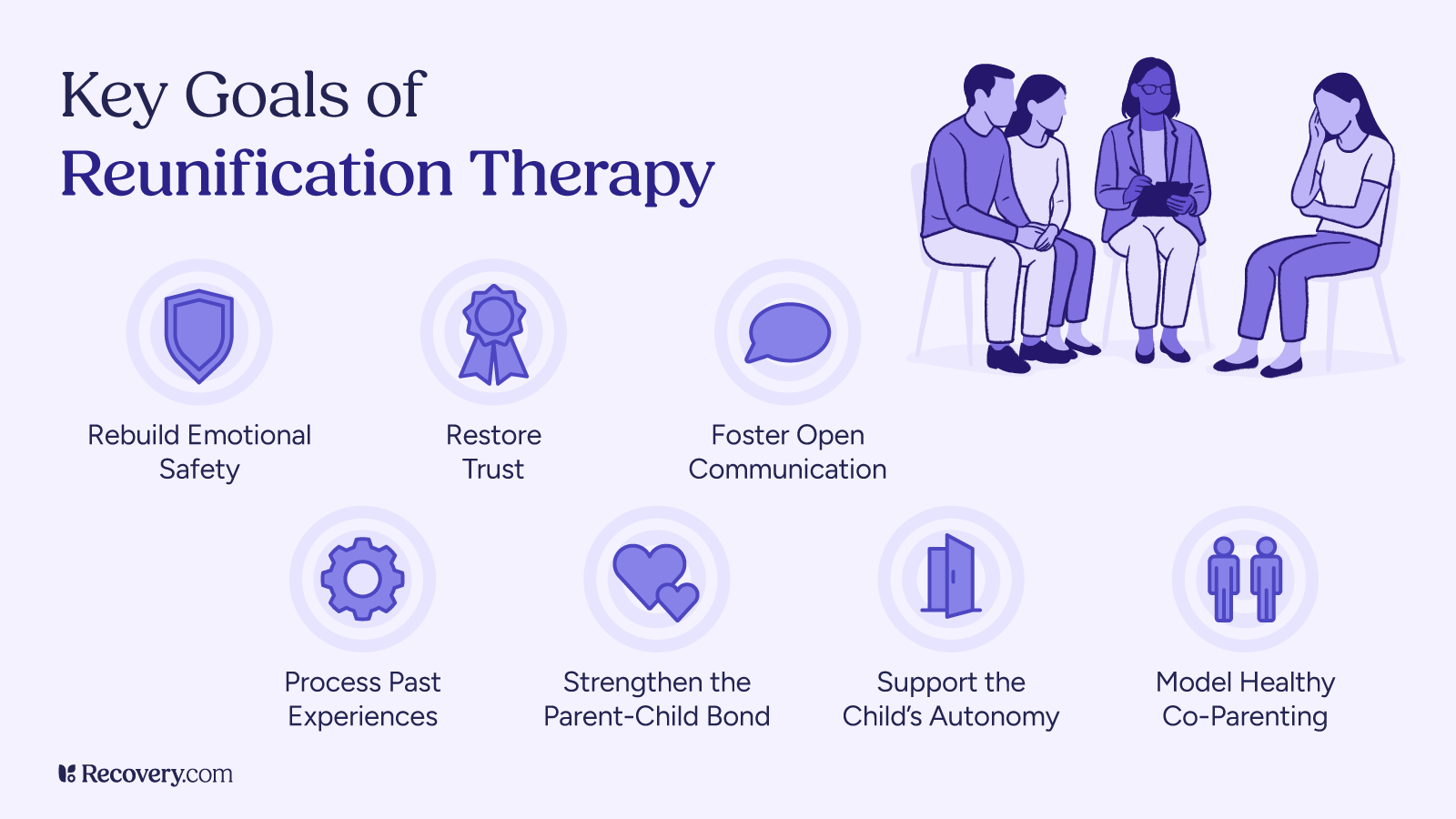
family therapy emotional safety
Repair rituals that work
Repair isn't just words; it's action. Effective rituals can include:
- Restitution or concrete change in behavior.
- Follow-up conversations to ensure the hurt was addressed.
- Consistent acknowledgement — not a single grand apology but an ongoing commitment.
modeling healthy apology behavior
WHEN TO SEEK PROFESSIONAL HELP
Signs therapy is needed
If patterns are entrenched — for example, a parent consistently gaslights, punishes vulnerability, or uses emotional manipulation — professional help is often the most effective path forward. Indicators include:
- Frequent escalation to shouting or threats.
- Ongoing withdrawal or silent treatment that lasts days or weeks.
- Impact on the child's mental health — anxiety, depression, or self-harm risks.
- Reluctance to change even after conversations.
Types of therapy and approaches
Family therapy, individual therapy for the parent, and trauma-informed care can all play roles. A therapist can teach communication skills, repair rituals, and help the parent tolerate shame without deflecting it onto the child.
CASE EXAMPLES: SHORT SCENARIOS
Scenario 1 — The missing permission slip
When a child tells their parent the school has an urgent form, the parent snaps: "I told you to give it to me earlier." The child protests that they didn't — and the parent accuses them of lying. The child learns that honesty invites blame and decides to conceal future mistakes. Repair would require the parent to say, "I reacted poorly. I'm sorry I accused you. Let's figure out how to make that right."
Scenario 2 — The silent punishment
A teen tells a parent they were hurt by something said; the parent goes silent for days. The teen internalizes their pain and associates emotional honesty with being punished. Healthy change would look like the parent explaining their reaction without blaming: "I felt attacked and needed time to calm down. I should have said that instead of giving you the silent treatment. I'm sorry."
RED FLAGS FOR EMOTIONAL ABUSE
Not every defensive parent is abusive, but persistent patterns raise red flags. Look for:
- Repeated humiliation in private or public.
- Systematic denial of the child's experience.
- Using affection as a reward for silence.
- Consistently invalidating achievements or distress.
HOW TO SUPPORT SOMEONE WHO GREW UP WITH THIS PATTERN
Supporting survivors requires empathy and specific tools. Offer validation, not quick fixes. Useful approaches include:
- Validate feelings: "That would hurt me too."
- Encourage therapy or support groups: Professional help can reframe childhood narratives and teach regulation skills.
- Model healthy apology and repair: When you slip with them, apologize clearly to demonstrate a different pattern.
CONCLUSION — PATHS TOWARD HEALING AND SAFETY
Parents who cannot or will not admit mistakes create a relational environment where vulnerability is risky and truth is malleable. For children and adult children, the consequences can be long-lasting — affecting trust, self-worth, and relationship choices. But patterns can change. Whether you are trying to protect yourself, repair a relationship, or become a different kind of parent, the work begins with naming the pattern, creating small boundaries, practicing clear apologies, and, when necessary, bringing in help.
Admitting wrong is not weakness; it is the hinge on which trust swings.
- Persistent refusal to admit mistakes can amount to emotional abuse by invalidating and gaslighting a child.
- These patterns shape attachment, shame, and conflict styles into adulthood.
- Change requires humility, practice, and often professional help — but concrete apology scripts and repair rituals can begin the healing.
- Boundaries, validation, and external support protect and rebuild emotional safety.
If you recognize these patterns in your family, you are not alone. The path from defensiveness to accountability is awkward but deeply human. Learning to say "I was wrong" — and to mean it — is one of the clearest ways adults give children the permission to be imperfect, to grow, and to love boldly.