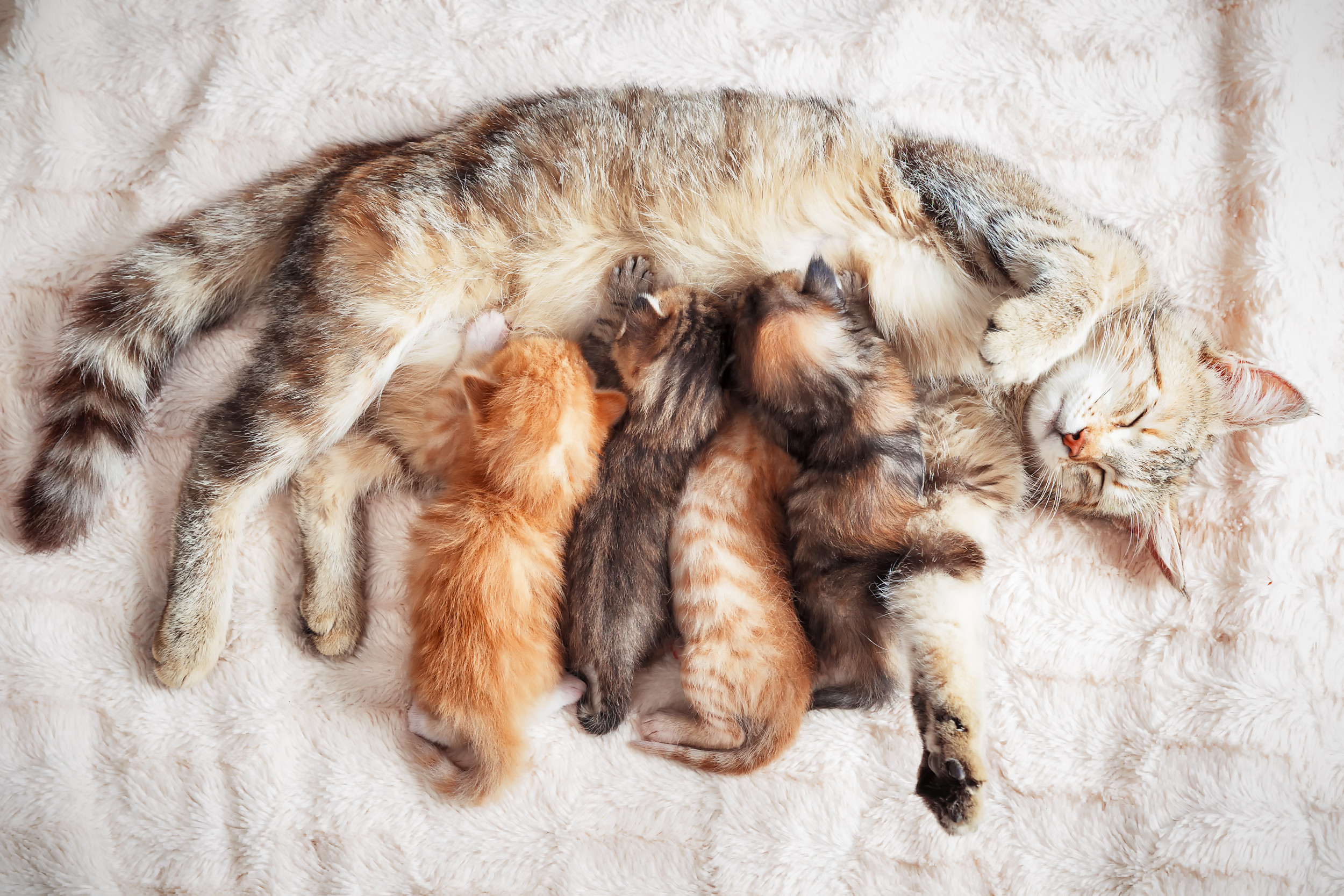
When Mom Cat Lets the Human Babysit: Why Cats Hand Off Care
It happens in kitchens, spare bedrooms, and the soft glow of living-room lamps: a mother cat pads away from her litter, curls up somewhere quiet, and leaves you—yes, you—to watch the kittens for a while. The moment can feel like an intimate vote of confidence from a wild, independent animal. But it's also a behavior with reasons, signals, and responsibilities behind it. This long-form piece unpacks why mom cats sometimes leave their human 'babysitter,' what she's communicating, how to read the signs, and practical steps to keep kittens safe and healthy while mom takes a deserved nap.
WHY MOM CATS STEP AWAY
At a glance, a mother cat walking away from her kittens looks like abandonment. In reality, that assumption often misses the bigger picture. Mother cats have evolved behaviors that balance the needs of their young with their own survival and physical recovery. Short absences are normal and, in most healthy litters, adaptive.
Physical recovery and sleep
Birthing and nursing demand enormous energy. Mother cats need uninterrupted time to sleep, digest, and recover, particularly in the first two weeks postpartum. Leaving the nest briefly to rest helps her produce milk more reliably and reduces the risk of exhaustion or mastitis.
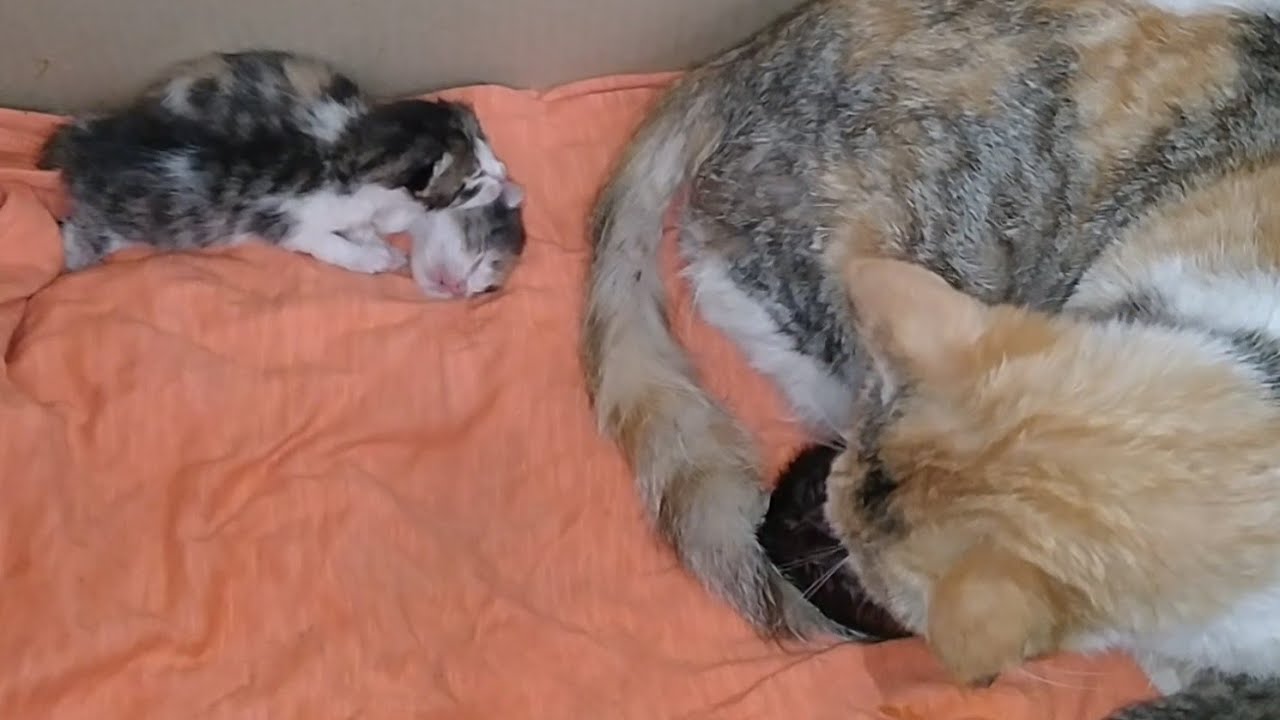
mother cat sleeping away from kittens
Resource gathering and feeding
Wild ancestors often left the den to hunt and bring food back. Domestic mom cats may step away to eat, drink, or use a litter box out of range of rambunctious kittens. Those errands ensure she stays nourished and hydrated so she can continue nursing.
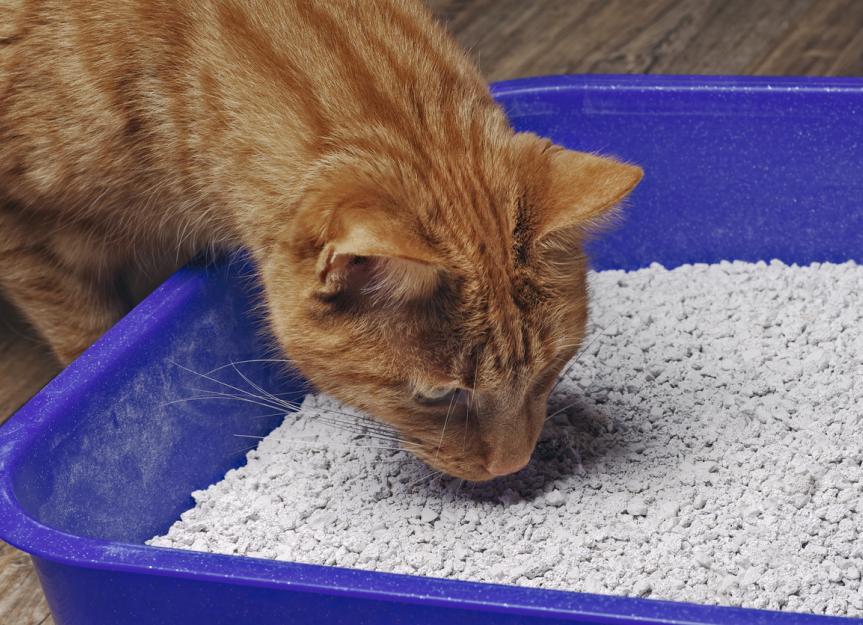
cat eating drinking away from litter
Reducing scent and predator attraction
In nature, some mothers move away from the nest to avoid concentrating scent that might attract predators. While your living room isn't a jungle, the instinct persists. Periodically leaving can be a vestigial protective measure.
A cat's momentary departure is usually care, not abandonment—learn the signs so you can respond confidently.
READING THE SIGNALS: HOW MOM COMMUNICATES TRUST
When a mother cat relinquishes caretaking to a human, she often does so with subtle signals. Recognizing them helps you act appropriately and strengthens the cat-human bond.
Comfort level with human presence
If the mother moves away while leaving her kittens in the same room—and returns on her own schedule—it's a sign she trusts the environment and the people in it. If she purposely looks back at you, rubs against nearby furniture, or purrs loudly before stepping away, those are positive signals.
human observing kittens from distance
Controlled absence versus forced abandonment
Distinguish a controlled, periodic absence (mom leave for 5–30 minutes then returns) from a long or panicked departure. Rapid, frantic exits, vocalization, or refusal to return may signal stress, illness, or disturbance.
WHEN TO STEP IN: SAFETY AND HEALTH CHECKS
Even when a mom cat trusts you, her absence creates responsibilities. Intervening thoughtfully protects kittens without undermining the mother's role.
Immediate checks
On first noticing mom's absence, do a calm visual scan. Are the kittens warm, moving, and huddled? Are they nursing or sleeping? A quick check should be silent and brief—too much handling in early days can disrupt maternal scent recognition.
When to seek help
If kittens are cold, crying incessantly, visibly weak, or separated from the nest, step in immediately. Young kittens cannot thermoregulate, and a cold litter is an emergency. In such cases, warm them gently with your body or a heated pad set to low and contact your veterinarian or an experienced rescue for guidance.
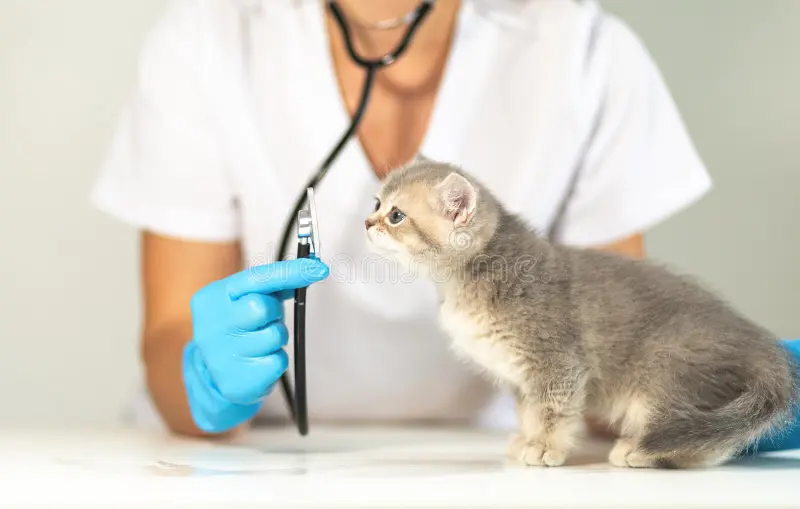
veterinarian examining young kittens
PRACTICAL HUMAN BABYSITTING: A STEP-BY-STEP GUIDE
When mom trusts you enough to nap, consider yourself a temporary caregiver. Here's a simple, humane checklist to follow while she rests.
Short checklist (5–30 minutes)
- Observe quietly: Watch from a distance for signs of distress.
- Maintain nesting conditions: Keep the room warm (75–80°F or about 24–27°C is comfortable for very young kittens), quiet, and dim.
- Limit touch: Only handle if absolutely necessary—e.g., to reunite a wandering kitten.
- Record time: Note when mom left; if she doesn't return within an hour, investigate further.
Longer babysitting (1–4 hours)
- Monitor feeding cues: Kittens typically nurse every 1–2 hours in the first week and every 2–4 hours afterward.
- Keep temperature stable: Use a safe heat source if room gets cool; avoid hot water bottles or anything that can overheat.
- Minimal handling: If you must clean a kitten, use a soft, damp cloth and imitate mom's grooming strokes.
- Prepare for emergencies: Have vet contact info and a transport carrier prepped.
UNDERSTANDING MATERNAL BEHAVIORS YOU MIGHT SEE
Mom cats exhibit a range of behaviors that inform how and why they leave their young.
Nesting and moving kittens
Early on, mothers may relocate kittens to a new nest—especially if they sense disturbance. If you see her carrying a kitten by the scruff, it's a normal behavior designed to move the litter to perceived safety.
Grooming and scent marking
Grooming keeps kittens clean and helps maintain maternal scent. Mom may step away to groom and then return—reassuring you she intends to stay involved. If you must assist, mimic her with soft, damp strokes and keep scents neutral.
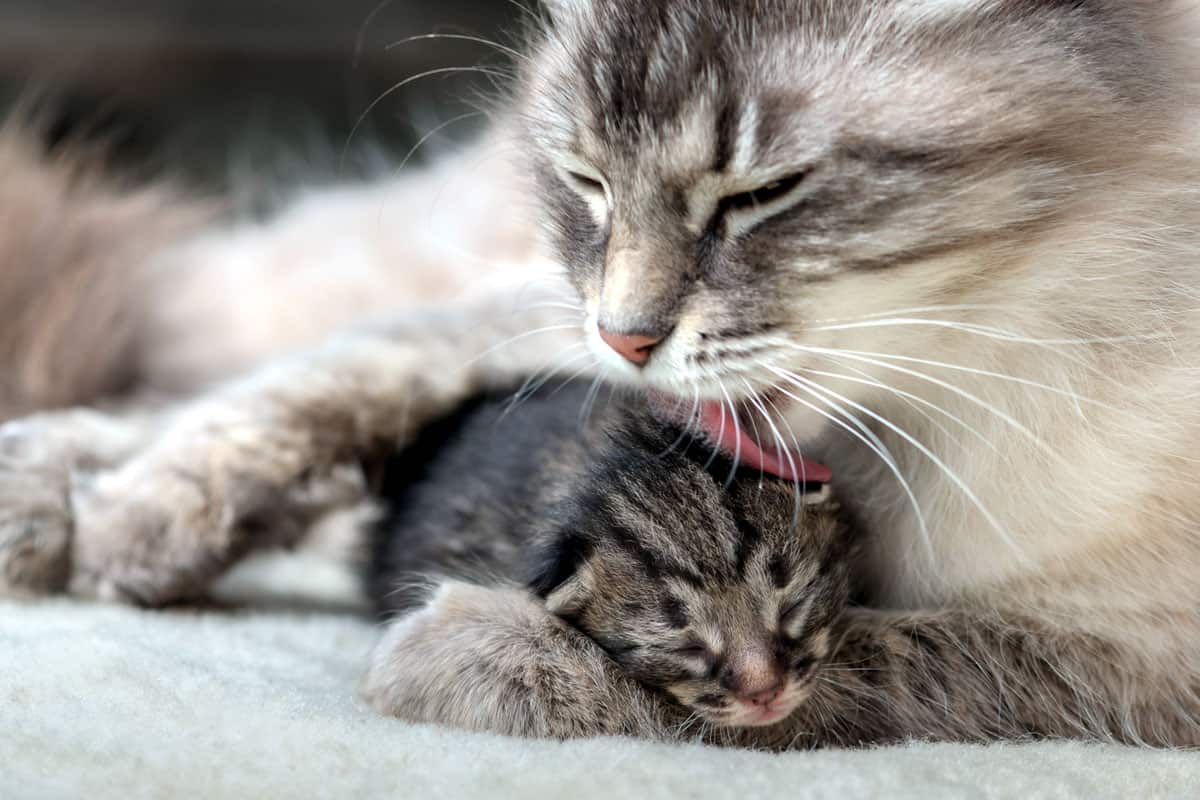
mother cat grooming newborn kittens
WHEN MOM DOESN'T RETURN OR ACTS STRANGELY
Rarely, mother cats may abandon a litter due to illness, extreme stress, insufficient milk, or if she perceives the kittens are unlikely to survive. Recognizing the difference between temporary absence and abandonment is crucial.
Signs of maternal illness or rejection
Watch for prolonged absence (>6–8 hours without return), violent agitation when near the nest, refusal to nurse, or visible signs of illness such as lethargy, wound, or fever. In these cases, immediate veterinary or rescue intervention is necessary.
BOTTLE FEEDING BASICS IF YOU MUST STEP IN
Hand-rearing is intensive but sometimes unavoidable. If a mother cannot return, be prepared for a strict routine: feeding every 2–4 hours, careful weight monitoring, and stimulating elimination for very young kittens.
Kitten feeding schedule highlights
Newborns typically need feeding every 2–3 hours; by 3–4 weeks intervals stretch to 4–6 hours. Use only commercial kitten formula—cow's milk is not suitable. Warm formula to body temperature and follow volume guidelines by weight.
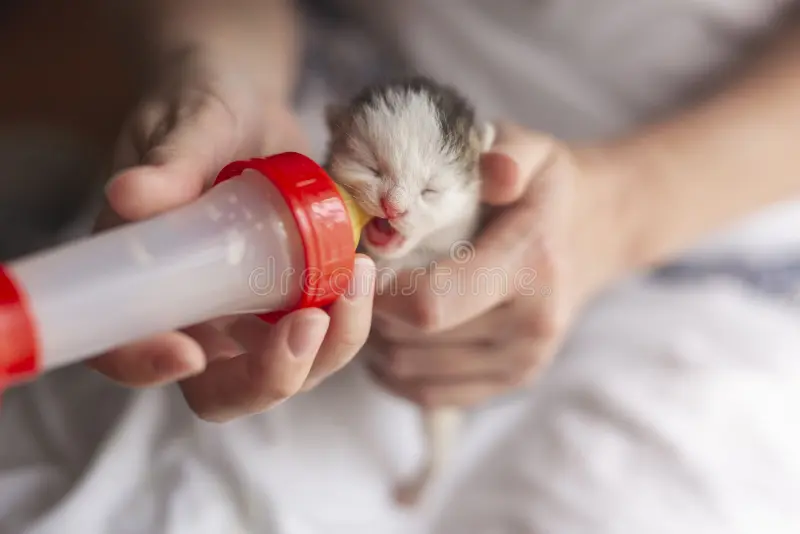
bottle feeding newborn kitten formula
Sanitation and health checks
Keep feeding supplies clean, sterilize bottles and nipples, and weigh kittens daily. Any weight loss or ongoing crying warrants immediate veterinary advice.
BUILDING TRUST: HOW TO BE RESPECTFUL AND EFFECTIVE
If a mother cat is willing to leave kittens temporarily, you have a chance to build long-term trust with her. The best approach is predictably calm behavior.
- Move slowly: Sudden motions startle both mother and kittens.
- Smell neutral: Avoid strong perfumes or lotions when handling kittens.
- Speak softly: A low, calm voice reassures many felines.
- Offer food: Leaving nutritious, easy-to-eat food near but not inside the nest encourages mom to return to feed and reassures her that resources are available.
REAL-LIFE SCENARIOS AND WHAT TO DO
Every household situation is different—here are a few common scenarios and straightforward actions.
Scenario 1: Mom naps elsewhere for 20 minutes
Action: Observe quietly, keep room calm, and ensure kittens are warm and together. No handling required.
Scenario 2: Mom leaves for several hours and returns hungry
Action: Offer food and water and watch nursing behavior. If she avoids nursing, call a vet for lactation or mastitis concerns.
Scenario 3: Mom leaves and doesn't return after 6–8 hours
Action: Check for signs of injury or disturbance, warm kittens if cold, and contact a vet or experienced foster for guidance immediately.
- Temporary human care strengthens bonds
- Allows mother needed rest
- Gives humans a chance to learn kitten signals
- Poor handling can disrupt maternal bonding
- Inexperienced care risks health problems
- Extended absence may signal underlying issues
CONCLUSION
When a mother cat leaves her litter in the care of a human, it is often a calculated, natural behavior rather than abandonment. Responsible, informed human babysitting supports the mother's ability to nurse, rest, and recover while keeping kittens safe. Recognizing signals of trust, maintaining the right environment, and knowing when to intervene are the core skills every caregiver should have. With modest caution and a little preparation, you can provide compassionate, effective care that complements—not replaces—the mother's role.
Respectful observation, timely action, and warmth—that's the human recipe for helping a mom cat and her kittens thrive.
- Short absences are usually normal; look for calm, predictable returns.
- Limit handling in the first two weeks to avoid scent disruption.
- Keep kittens warm, quiet, and together; seek veterinary help for cold or frantic crying.
- Be prepared to bottle-feed if mom is absent long-term but consult a vet first.
- Building trust through calm, predictable behavior benefits both mother and kittens.
If you're uncertain or concerned about a specific situation, contact a local veterinarian or experienced foster—quick action can make all the difference.