When Female Frogs Play Dead: Thanatosis as Mating Avoidance
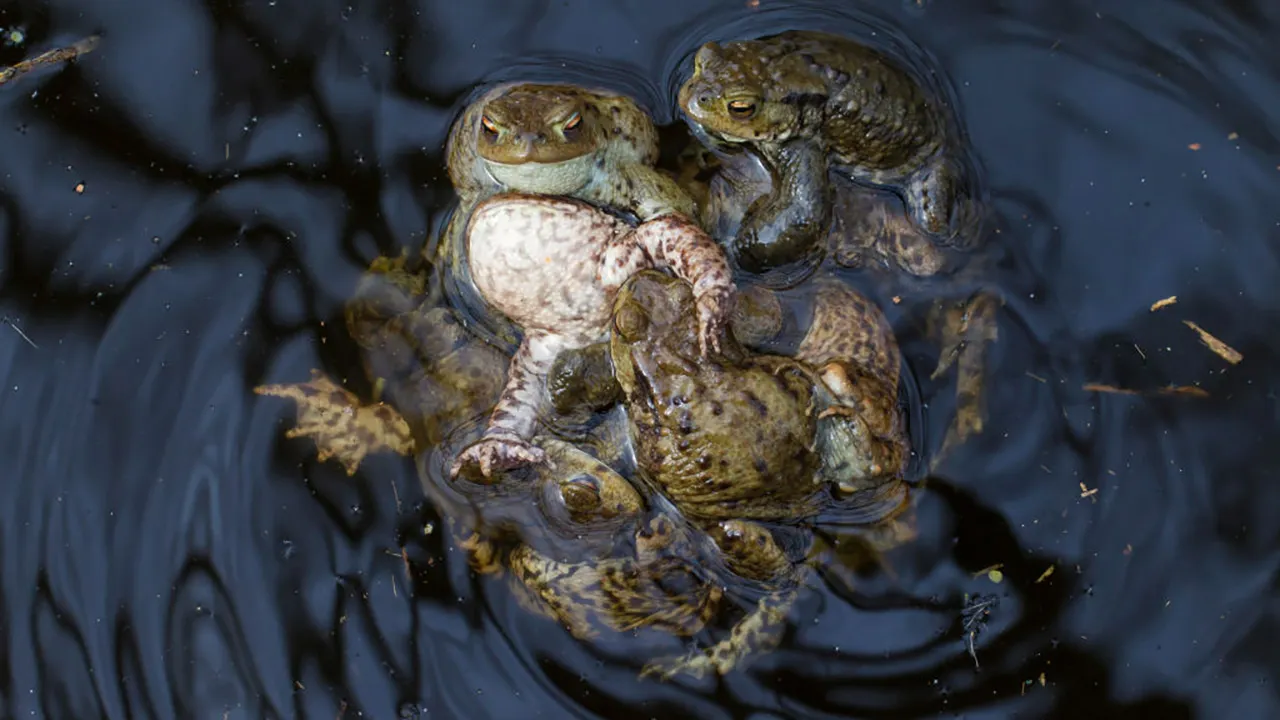
On a humid night at the edge of a pond, male frogs chorus and jostle for access to mates. Among the throng, a female becomes the target of persistent suitors. Instead of fleeing or kicking, she folds herself into an unnerving stillness — limbs limp, breathing shallow — and the males move on. The behavior looks like surrender, but it is anything but: it is an evolved strategy called thanatosis, or death-feigning, repurposed by some female frogs to avoid costly or coercive mating.
frog death-feigning mating avoidance behavior
THE STRANGE BEHAVIOR: THANATOSIS EXPLAINED
What is thanatosis?
Thanatosis, often called tonic immobility or death-feigning, is a temporary suspension of normal movement and responsiveness. Most famously described as an anti-predator tactic — play dead to be ignored by a predator that prefers live prey — thanatosis also appears in other social contexts, including interactions between potential mates. In frogs, the behavior manifests as limpness, reduced reflexes, and visibly slowed respiration that can last seconds to minutes.
male frog amplexus clasp behavior
How it differs from other avoidance tactics
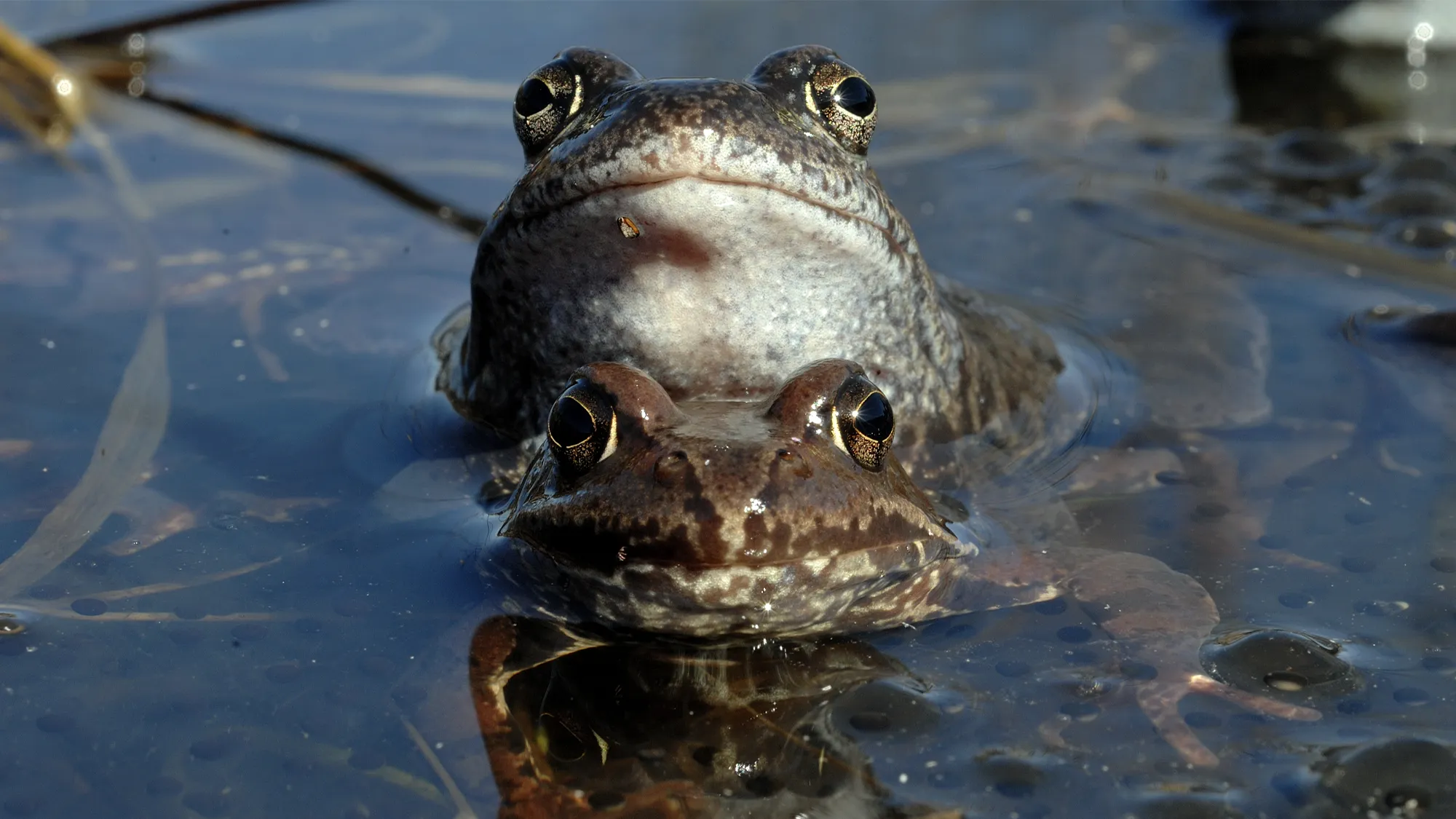
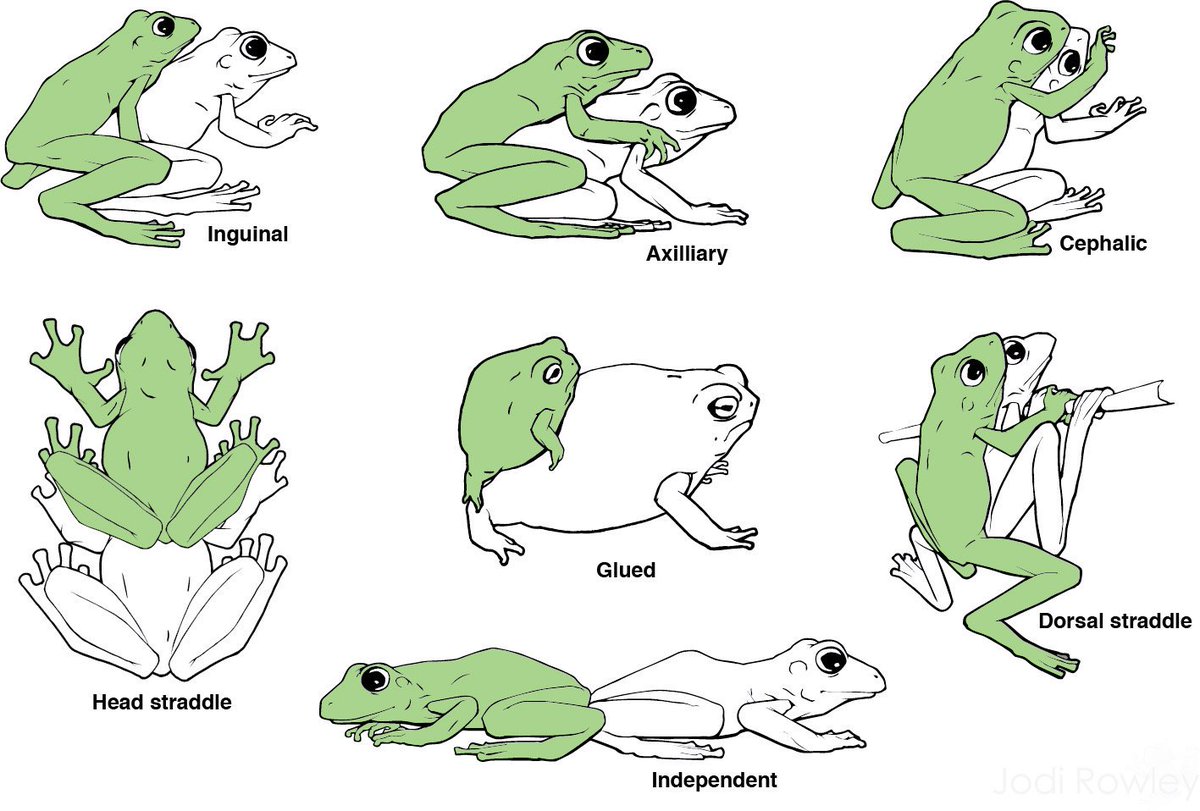
Frogs have a toolkit of responses to unwanted mating attempts: fleeing, kicking, vocal protest in some species, or physical resistance during amplexus (the male clasp that secures sperm-release timing). Thanatosis is distinct because it substitutes active resistance with passive immobility — a counterintuitive choice that can be advantageous when struggling would make a female more vulnerable or intensify male aggression.
A female’s stillness can be a strategic silence — a way of saying no without escalating the fight.
female frog thanatosis breeding pond
WHY PLAY DEAD? THE EVOLUTIONARY LOGIC
Costs of unwanted mating
Mating is not always beneficial. For female frogs, a coerced or ill-timed mating can mean wasted energy, increased predation risk while immobilized in amplexus, injury from male spines or clasps, or lost opportunities to mate with higher-quality partners. The cost–benefit calculus of any avoidance strategy is shaped by these reproductive, energetic, and survival trade-offs.
tonic immobility frog reproduction
When immobility wins
Thanatosis becomes an attractive tactic under predictable conditions: when male persistence is high, when active resistance provokes further aggression, when the habitat makes an escape dangerous (for example, open water where predators cruise), or when the female’s immediate energy reserves are low. Instead of sustaining a costly struggle, playing dead can cause the male to abandon his effort and move on to another, more responsive target.
WHAT THANATOSIS LOOKS LIKE IN FROGS
The behavioral sequence
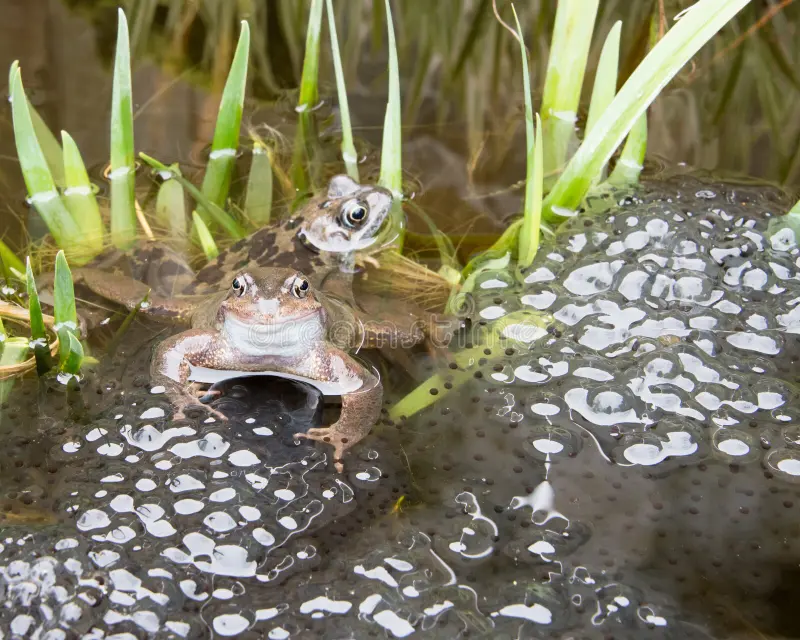
A female frog using thanatosis typically follows a predictable sequence: she detects an approaching male or an escalating clasp; she ceases struggling; adopts a relaxed or collapsed posture; reduces limb movement and righting reflexes; and slows breathing and subtle posture shifts to appear dead. Males often probe and test, but a nonresponsive female can cause them to break amplexus and seek a more receptive partner.
sexual conflict amphibian mating
Physiology behind the act
The neurophysiological machinery that generates tonic immobility in vertebrates likely involves modulation of motor output and autonomic state — a temporary down-regulation of locomotor centers combined with altered arousal signals. For the female, this is an active physiological switch, not a paralysis caused by injury. The exact pathways can vary between species, but the outcome — stillness and reduced responsiveness — is consistent.
SEXUAL CONFLICT AND BEHAVIORAL STRATEGIES
Sexual conflict as an engine of behavior
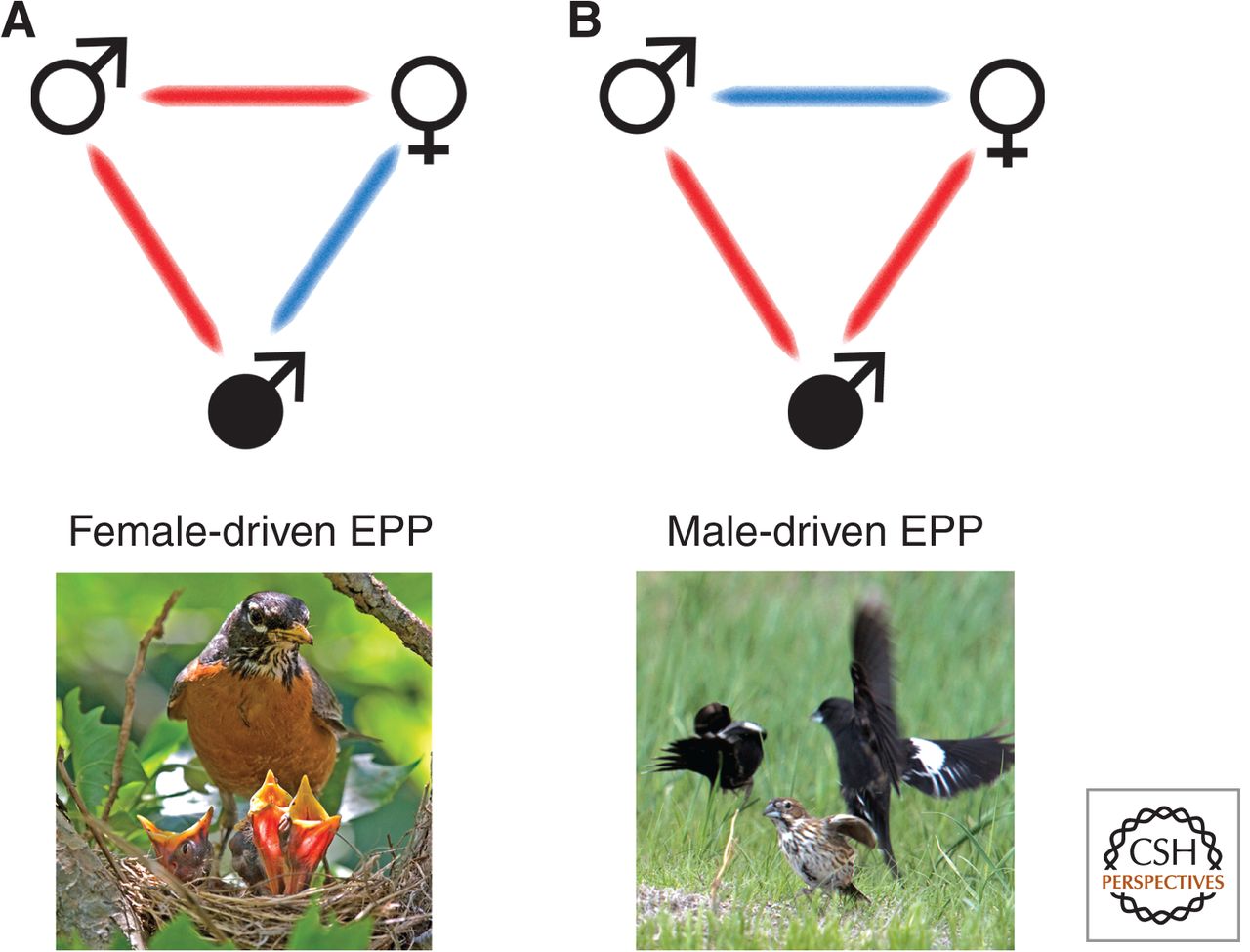
Evolutionary biology frames much of this behavior in terms of sexual conflict: the differing reproductive interests of males and females can produce coercion on one side and resistance on the other. Where males benefit from mating opportunistically, females evolve countermeasures. Thanatosis is one of those countermeasures — a behavioral tactic arising where the cost of acceptance exceeds the cost of refusal.
frog predator avoidance death-feigning
Conditional strategies and decision rules
Like many animal decisions, the choice to feign death is conditional. A female’s decision rule might weigh factors such as her current reproductive state (virgin, gravid, or already fertilized), body condition, the number and persistence of males present, predation risk, and environmental context (wetland density, escape routes). These variables combine into a relatively simple and adaptive rule: if resistance likely leads to greater cost, remain immobile.
REAL-WORLD OBSERVATIONS AND EXPERIMENTS
Field observations
Naturalists and field biologists have recorded female frogs that remain limp in the face of persistent males. These observations are often opportunistic: a researcher watching a breeding chorus will notice a female fall silent and still when males attempt amplexus, then free herself when the male searches elsewhere. Patterns emerge when many such observations point to an adaptive function rather than random immobilization.
amphibian behavior conservation climate change
Controlled studies
Experimental work — conducted ethically and with minimal disturbance — can test thanatosis as a reproductive strategy. For instance, playback or model males can be used to simulate male persistence while measuring female responses. Researchers look for repeatable, context-dependent immobility and assess whether males abandon immobile females more often than active resistors. Such controlled tests strengthen the argument that thanatosis is a purposeful tactic, not just a stress-induced reflex.
When researchers replicate the noisy chaos of a breeding pond in controlled conditions, patterns of death-feigning as an avoidance strategy become clear.
COSTS AND LIMITS OF PLAYING DEAD
Like any strategy, thanatosis comes with trade-offs. Remaining immobile can increase vulnerability to predators that prefer immobile prey or reduce the female’s ability to escape sudden threats. It can also delay mating altogether; if a female feigns death too often she may miss mating windows or opportunities with higher-quality partners. Selection will therefore favor thanatosis only when its benefits outweigh these costs in a given ecological and social context.
BROADER IMPLICATIONS: CONSERVATION AND CLIMATE CONTEXT
Human impacts on mating systems
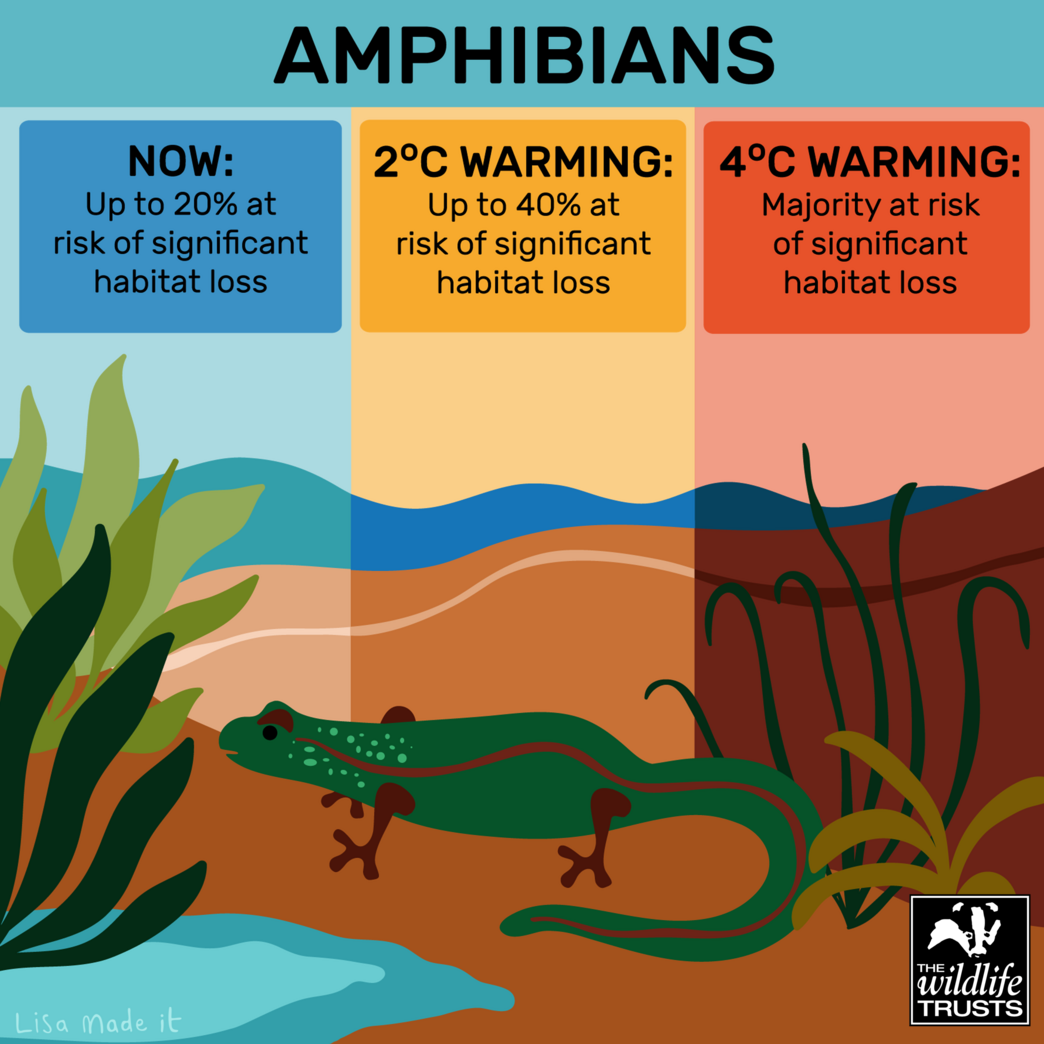
Human-driven changes can shift the balance of mating interactions. Habitat fragmentation, pollution, and climate-altered breeding phenology can change sex ratios, density at breeding sites, and male persistence. If anthropogenic stress elevates male harassment, females may use thanatosis more often — with uncertain population-level consequences if it reduces mating success.
What this means for conservation
Understanding nuanced behaviors like thanatosis matters for conservation planning. Biologists assessing population health should consider not only counts of adults and calling males, but also behavioral indicators of stress and reproductive disruption. Management that reduces unnaturally high male densities at small ponds or preserves varied breeding microhabitats could reduce mating harassment and the need for high-risk avoidance tactics.
METHODS FOR STUDYING THANATOSIS ETHICALLY
Observation best practices
Because thanatosis is a defensive tactic, researchers must minimize disturbance. Noninvasive methods such as remote video, infrared cameras for nocturnal observation, and timed scan sampling preserve natural behavior. Where handling is necessary for identification or physiological sampling, it should follow strict protocols to avoid inducing stress behaviors that confound results.
Experimental design tips
Well-designed experiments use realistic stimuli and control treatments. For example, models of males with variable persistence can reveal whether females selectively use death-feigning in response to particular male behaviors. Ethical review and appropriate permits are essential; welfare must be prioritized over experimental curiosity.
COMPARISONS AND CONTEXT IN NATURE
Thanatosis is one tactic among many in the animal kingdom for managing unwanted attention. Insects, small mammals, birds, and even some reptiles feign death or adopt immobility as part of anti-predator or social repertoires. The repeated appearance of the tactic across taxa highlights its adaptive value when immobility reduces the immediate threat — whether predator or persistent conspecific.
Across species, the same behavior can be replayed for entirely different reasons: survival now, mating autonomy later.
KEY TAKEAWAYS
- Thanatosis is death-feigning or tonic immobility reused by some female frogs to avoid costly or coercive mating.
- Adaptive trade-off: it reduces immediate male pressure but increases vulnerability to predators and can delay mating.
- Conditional strategy: females appear to use it selectively based on context, condition, and social environment.
- Conservation relevance: shifts in habitat and breeding dynamics may change the frequency and consequences of this behavior.
CONCLUSION: STILLNESS AS A STRATEGY
At first glance, a woman or frog lying motionless may look defeated — but beneath that stillness often lies a strategic calculation. Thanatosis in female frogs reveals how evolution equips animals with surprising behavioral solutions to sexual conflict. By playing dead, some females buy themselves the chance to survive, to conserve energy, and to choose a better mate later. Recognizing and studying this behavior enriches our understanding of mating systems, highlights the agency of typically passive-typed animals, and reminds us that the simplest gestures — a pause, a wait, a stillness — can be powerful acts of survival.
Further reflections
Behavioral ecology is full of counterintuitive stories: tactics that look maladaptive at first but make sense in the microeconomy of decisions animals face. Thanatosis as mating avoidance invites us to look closely at breeding ponds at night, to watch the choreography of calls and clasps, and to appreciate that even in the chaos of a chorus, strategic silence endures.