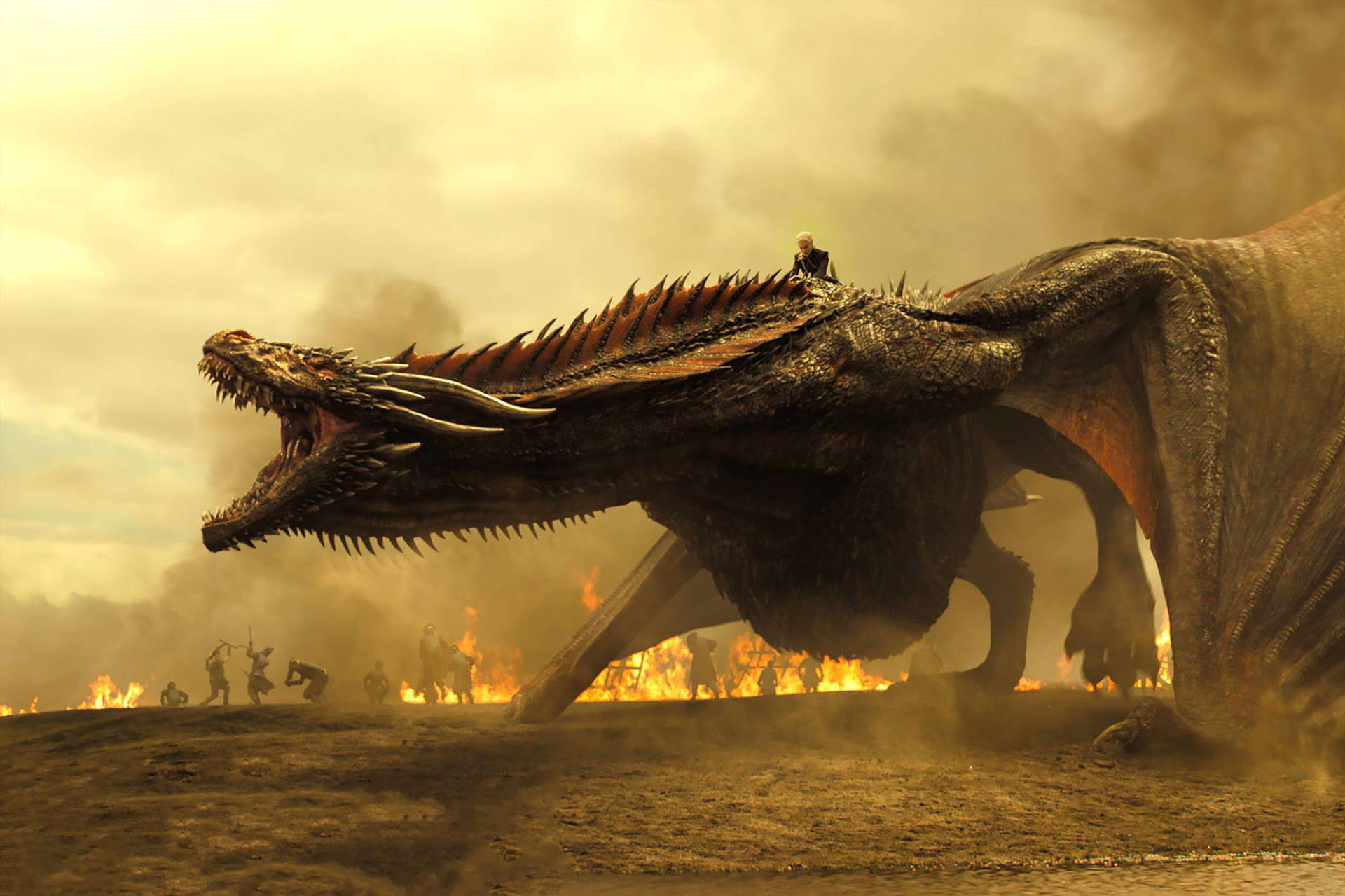
When Did Daenerys Cross the Line? The Turning Point Explained
Few televised reversals have landed as abruptly, passionately and controversially as the moment Daenerys Targaryen moved from revolutionary to ruthless. For years she was framed as a liberator, a breaker of chains whose cruelty was directed against those who trafficked in enslavement and cruelty. Then, in a sequence that left millions of viewers grieving, angry or stunned, she razed a city that had surrendered. But was that instant a sudden break or the culmination of an inevitable arc? This article traces the signs, the flashpoints and the structural choices that produced that crossing — and explains why viewers still argue about when, exactly, she crossed the line.
Setting the Stage: Daenerys the Liberator
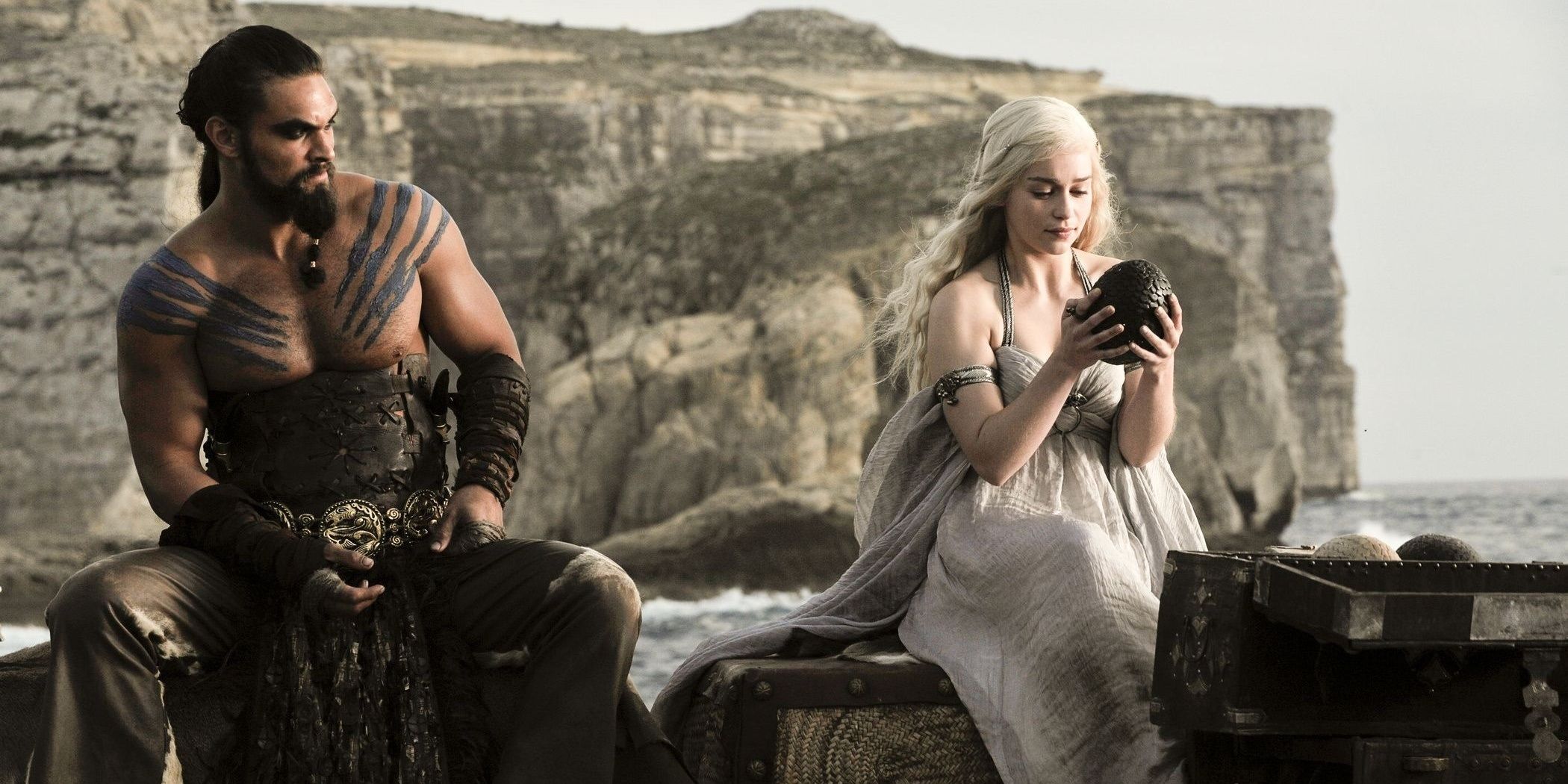
Daenerys’ early narrative is simple and propulsive: dispossessed princess becomes liberator. She begins with very small stakes — her marriage to Khal Drogo, exile, survival — and grows into a parable of emancipation. Cities like Astapor, Yunkai and Meereen are staged as moral battlegrounds where the young queen uses cruelty strategically against cruelty: she executes slave-masters, dismantles institutions of bondage, and trains two of the most fearsome weapons in fantasy — her dragons — to enforce a new order.
That moral clarity made the character resonate. Her rhetoric — “I will take what is mine with fire and blood” — sometimes sounded absolutist, but it was framed for a long time as necessary rigor against an immoral status quo. Audiences accepted, even cheered, punishments that felt deserved: the violent hierarchies she smashed had inflicted systemic suffering, and Daenerys’ force read like retributive justice.

Daenerys Targaryen Emilia Clarke portrait
Warning Shots: Early Signs of Ruthlessness
Even at her most celebrated, there were early and unmistakable signs that Daenerys’ moral calculus was uncompromising. These moments do not inevitably equal villainy, but they create a pattern: a willingness to use extreme violence, a low tolerance for dissent, and a belief that ends can justify means. Several actions stand out as foreshadowing rather than exceptions.
- Public executions and displays: Daenerys used spectacle as a tool — executions that were meant to cleanse a corrupt order often carried a performative edge, making punishment itself a public instrument of rule.
- Absolute judgments: On multiple occasions she judged entire groups by the crimes of their leaders or institutions, risking collective punishment.
- Reliance on dragons: Her refusal to separate herself from her dragons' violence meant that moral decisions were often mediated through near-unstoppable force.
“The line between justice and vengeance can look identical up close.”
The Two Most Discussed Flashpoints
When fans and critics name moments, two episodes usually dominate the conversation: the battlefield where dragonfire wipes out an army in the open field, and the later destruction of an entire capital. One is an act of war carried out during a military engagement; the other is an act that targets a civilian population after the city has signaled surrender. Together they form a potent narrative contrast — a shift from battlefield violence to deliberate urban annihilation.
The Field: Mass Destruction in Open Battle
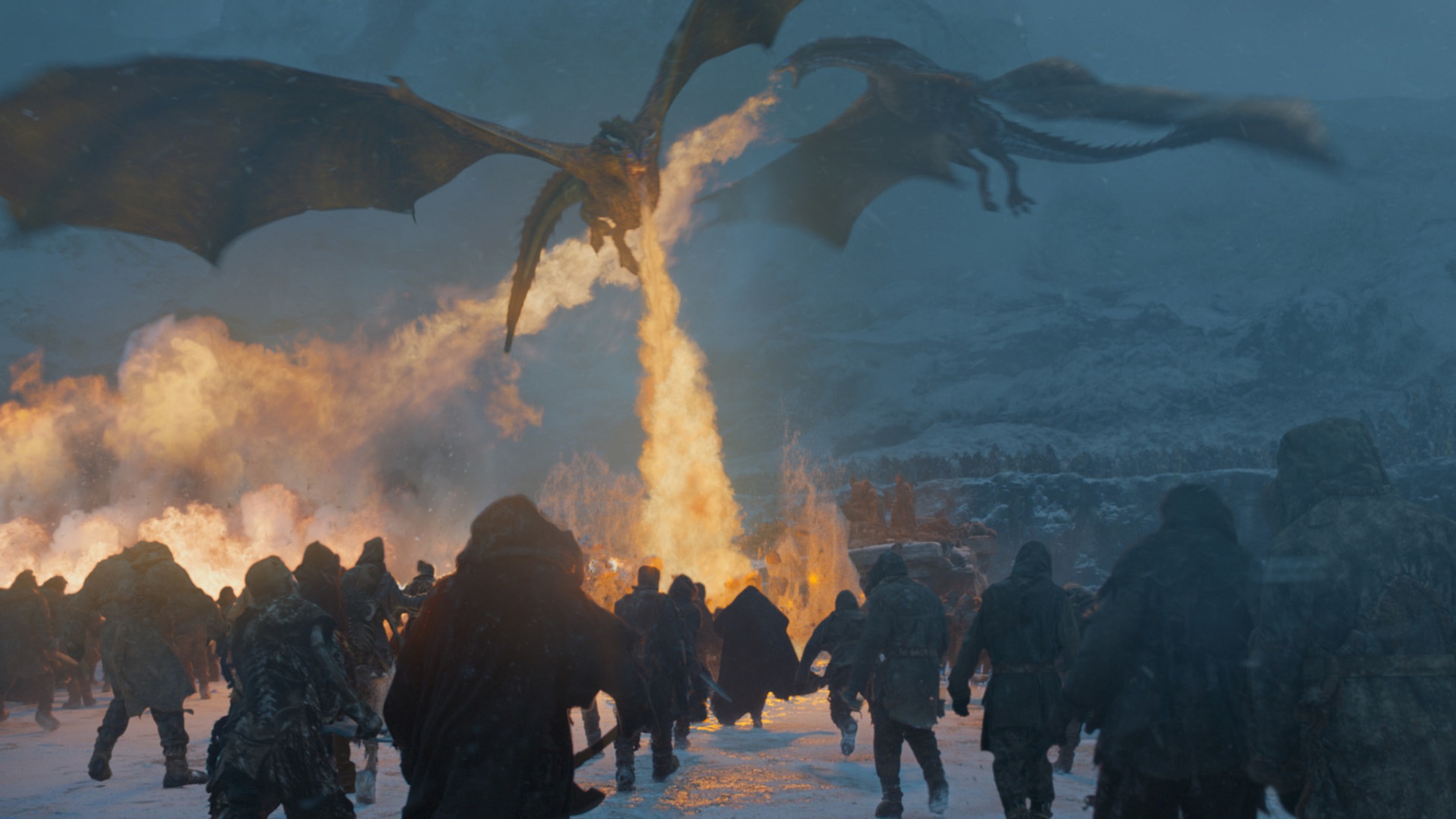
That sequence is often read as the first large-scale demonstration that Daenerys and her dragons are willing to inflict mass casualties beyond the narrow kill zone of war. The image of horses, carts and soldiers immolated by dragonfire is cinematic, almost elemental: fire meets flesh, mobility turned to ash. It forces a moral question on the audience — is this wartime collateral or a sign that she is using an outsized weapon without adequate restraint?
Seen in context, the field attack follows a legitimate military objective — an enemy force engaged on a road — but the visual and emotional impact linger. For many viewers the sequence is the first time the scale of her willingness to burn becomes viscerally clear: not just leaders or slavers, but whole bodies in a rolling, indiscriminate burn.
Daenerys dragonfire battle scene
The City: The Moment That Redefined the Arc
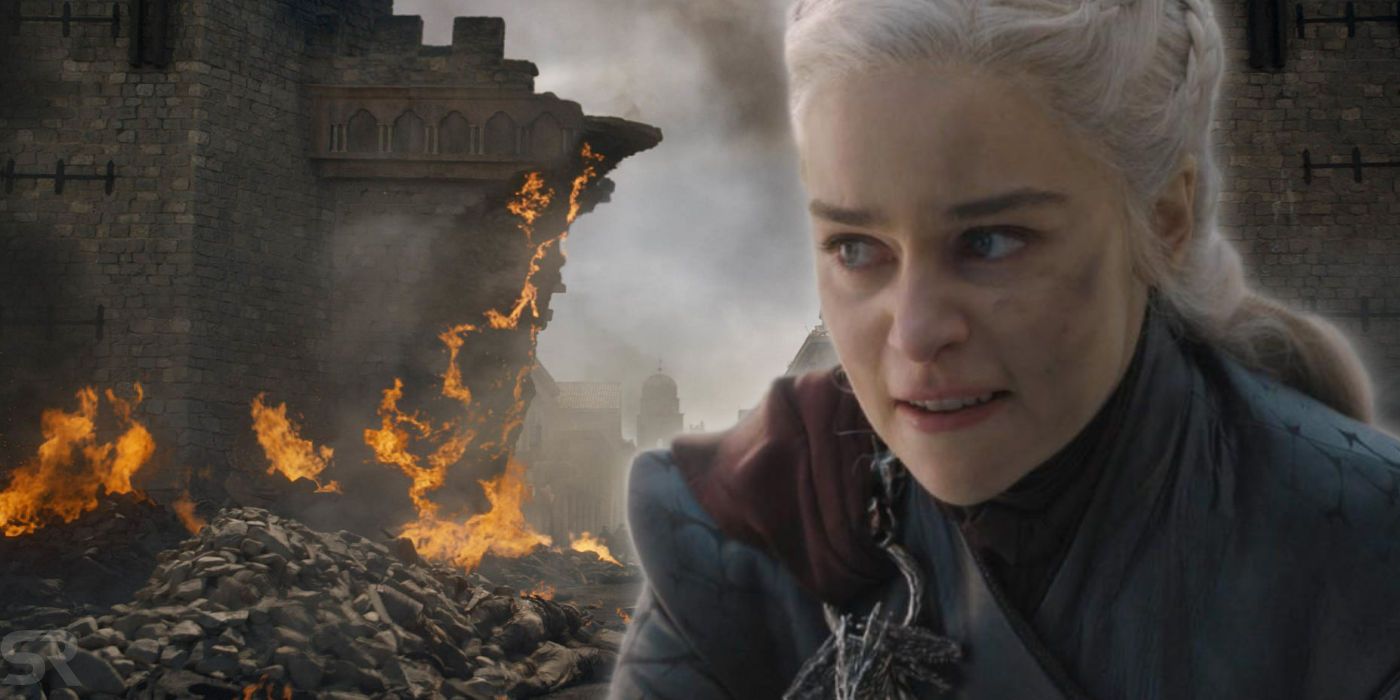
The later destruction of a capital city is the moment most frequently cited as the true crossing. A bell tolls, the defenders lower their arms, and the city — civilian, surrendered, pleading — becomes a furnace. The moral calculus here is different and sharper. Where battlefield violence can be argued as an outcome of combat, burning a surrendered city reads as punitive, symbolic and irreversible. It is designed to terrify, not merely defeat.
This is the moment that crystallized a new public image of the character. For many viewers it separates justice from vengeance: the former aims to secure a better order; the latter punishes as spectacle. The decision to raze the city — and to do so even after calls to stand down — suggested that the queen was not merely crushing enemies but obliterating the possibility of dissent through a message of total domination.
Daenerys Targaryen King's Landing burning
The Psychology of Crossing: Why Power Choked Empathy
Character transformations like this are not arbitrary. Several psychological and narrative pressures make Daenerys' crossing feel plausible, even when it reads as sudden. Key forces include trauma, isolation, absolutism and the intoxicating feedback loop of absolute power.
- Trauma accumulation: Daenerys endured loss after loss — family, lovers, betrayals — that hardened her trust and increased her appetite for control.
- Echo chamber of counsel: Surrounded by advisers who alternately flattered or failed her, she lost a counterweight. Close allies whose loyalty was unquestioning made questioning harder.
- Historical self-image: Believing in a messianic or dynastic destiny can justify extreme measures in the mind of a ruler who thinks the end — a just reign — justifies the means.
- Weaponized spectacle: Dragons are not just tools; they are symbols. Using them to burn a city turns private grief into public theater.
The Writer's Problem: Compression and Clarity
Beyond character psychology, how the story is told matters. A serialized, years-long arc that culminates in a dramatic reversal must navigate audience memory and expectation. If earlier seasons suggested gradual hardening, a later season that accelerates the process risks appearing abrupt. For many viewers the sensation of suddenness was as much an editorial problem — pacing, scene selection, and episode runtime — as it was a moral one.
In other words: the narrative compressed a rise-to-power story into a limited number of episodes, and that structural constraint intensified reactions. When you accelerate a transformation, the viewer perceives a loss of nuance that would otherwise justify the character's choices.
Fan Reactions and the Ethics of Judgment
Audience response split along predictable lines: some saw a tragic inevitability and a brave refusal to keep the Targaryen legacy soft; others saw a betrayal of the moral center the show had cultivated. The split reveals different viewer expectations about tragedy, heroism and the acceptable limits of violence in fiction.
Ethically, the question becomes: is a leader who kills to secure peace more condemnable than one who allows oppression to persist? That paradox sits at the heart of many political tragedies. The answer depends on what you value most: outcomes, intentions, proportionality, or the sanctity of noncombatant life. Daenerys' choice, and the way it was staged, forced viewers to pick which of those values mattered most to them.
Counterarguments: Was She Always a Villain?
Some argue that Daenerys was never a pure hero — that her rhetoric, lineage and occasional cruelty always put her closer to a tragic monarch than to a benevolent liberator. From this perspective, the final acts are not moral betrayal but revelation: the core was always there, masked by noble intentions and a certain narrative framing.
That argument is persuasive when you trace rhetorical patterns: absolute language, dynastic entitlement, and a habit of using violence to solve problems. These are not proof of villainy, but they are the evidentiary threads that make a late-stage turn coherent to certain viewers.
Daenerys Targaryen Khaleesi Khal Drogo
What This Moment Means for Storytelling
The controversy around this turning point is also instructive for writers. It shows how much modern audiences expect moral interiority; they want to see the rot and the reasoning before the collapse. Rapid reversals can be narratively legitimate, but they demand a certain type of groundwork — intimate, patient scenes that reveal a character's changing empathy and cognition.
Conversely, the decision to stage a dramatic, contested crossing can be a powerful artistic choice. It forces moral ambiguity into the foreground and compels public conversation about power, violence and consequence. Art that leaves audiences arguing has a kind of vitality, even when people disagree vehemently about whether the choice was earned.
How to Watch Again: A Viewing Guide
If you want to trace the crossing for yourself, look for patterns of escalation rather than single acts. Watch scenes that emphasize:
- Public performance: Moments where punishment is staged to send a message.
- Isolation: Conversations where advisers are removed or silenced.
- Language of destiny: Repeated rhetoric about being "the one" or about history justifying violence.
These motifs read as a coherent logic: when a leader repeatedly frames violence as necessary spectacle, the threshold for escalatory violence lowers.
Conclusion: The Crossing and Why It Still Matters
So when did Daenerys cross the line? The simplest, most defensible answer is: she crossed it when she chose to punish a surrendered population in a way that could only be described as total annihilation. But the emotionally richer answer recognizes a longer process of hardening. Earlier actions — executions, displays, and an absolutist rhetoric of destiny — created a trajectory that made the final act comprehensible, even if many viewers found it unsatisfying.
This dual reading is why the debate endures. You can reasonably argue, with evidence from the show's progression, that the crossing was inevitable. You can also argue that the story failed to render the slow psychological erosion with the narrative care required for a satisfying tragedy. Both positions reveal deeper truths about how we expect heroes to fail or be condemned in modern storytelling.
“The moment a leader chooses terror over restraint, a new kind of power is born — one built on fear, not legitimacy.”
- Daenerys' final act was the most visible crossing, but it was foreshadowed by earlier choices that normalized spectacle and absolute judgment.
- Psychological pressures — trauma, isolation, belief in destiny — explain the plausibility of her turn even when viewers felt it was abrupt.
- Storytelling compression amplified audience reaction; the shift might have landed differently with more narrative scaffolding.
- The debate endures because it raises larger questions about leadership, justice and the ethics of violence in fiction.
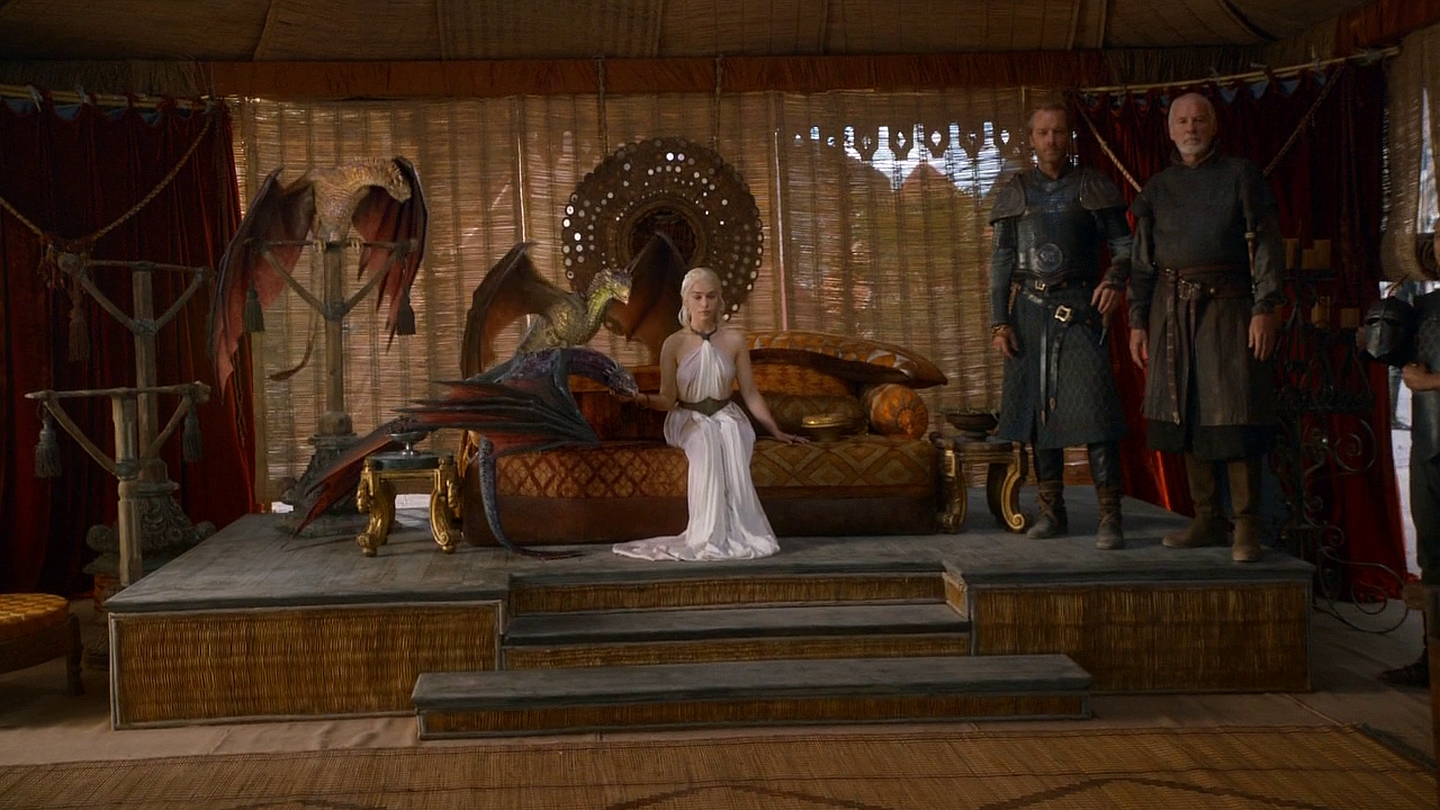
Daenerys Targaryen crown throne room
Final Thought
Great characters teach us about ourselves. The discomfort of watching a beloved figure cross a moral line is not simply a reaction to narrative disappointment — it is a mirror. It asks whether ends can ever justify means, and whether greatness achieved through terror remains greatness at all. That is a question with no tidy answer, which is why the image of a ruler standing amid burning ash continues to haunt viewers and fuel debate.

Daenerys Targaryen dragon Drogon