What's That, Peter? The Science and Art of Curiosity
“What's that, Peter?” The question is small, a fragment of an ordinary morning. A child points at a speckled beetle on the windowsill, a partner pauses over an unfamiliar line in a recipe, a stranger notices a pattern on a building and asks aloud. Yet the tiny question is a hinge: it opens a doorway to discovery, it pulls attention toward novelty, and it can change the shape of a relationship in a single exchange. This article traces how that three-word prompt—simple, human, immediate—matters far beyond the object of curiosity. It looks at the science behind the urge to ask, the social habits that nourish or numb it, and practical ways to answer so that wonder becomes a habit rather than a lost opportunity.
Why a Small Question Matters
A kitchen scene and a lesson
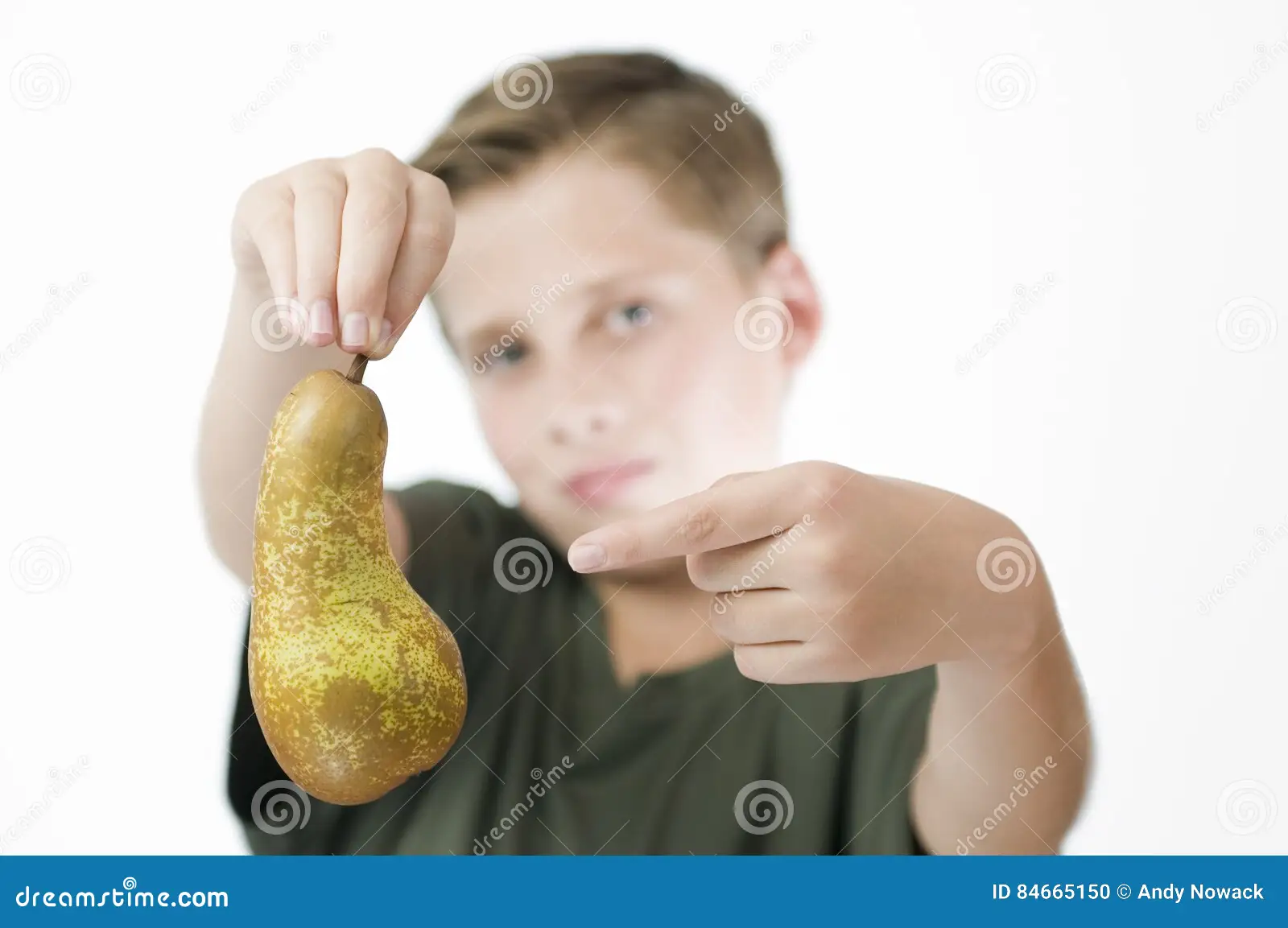
Imagine a kitchen on a weekday morning. Sunlight slants across a bowl of fruit. A toddler, hair in a cowlick, points at a pear and says, “What’s that, Peter?” The child’s question is a compass; it tells us what the child wants to know, and it gives the adult a moment to choose between closing curiosity (a quick, dismissive label), containing it (a rote answer), or expanding it into a miniature lesson and shared experience.
How we respond to that small query teaches the child something about the world—and about what questions are for. Do we answer as though curiosity is a nuisance or as though it is currency? The difference shapes attention, learning, and the child's willingness to ask again.
child pointing at pear
Curiosity as a cognitive engine
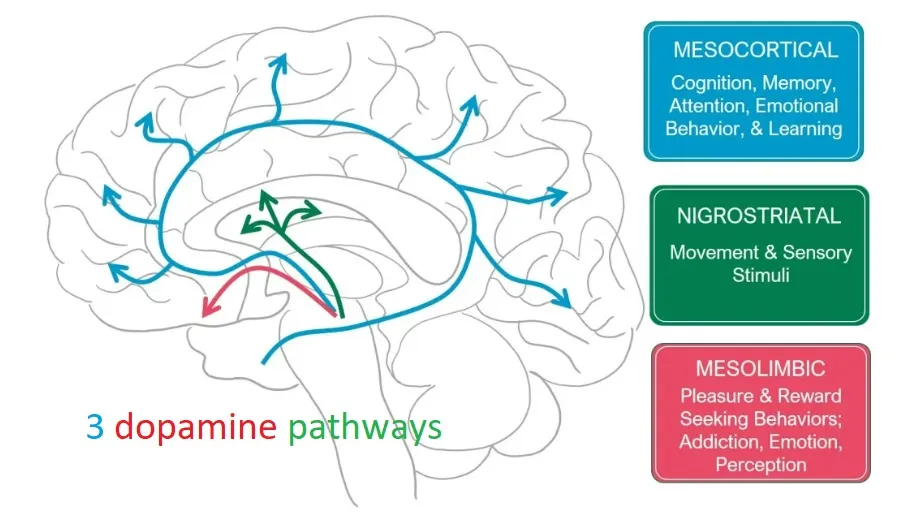
Curiosity is not mere nicety: it's an engine in the brain. When novelty appears, dopamine pathways signal the salience of that stimulus, making it more memorable and easier to learn from. In practical terms, a moment of surprise—an unusual color, a sound, an unfamiliar word—primes memory and increases the chance that the next interaction will build knowledge rather than pass by unnoticed. Curiosity drives exploratory behavior, which is how infants learn to map their environments and how adults refresh their understanding of things they thought they already knew.
The smallest questions are often the most revealing: they tell us what our attention is wired toward and where an opportunity for learning waits.

curious toddler asking question
How Curiosity Develops (and How We Kill It)
Scaffolding and safe exploration
When children are encouraged to probe, name, and experiment, they develop what teachers call scaffolding—the incremental support that lets them reach a little further than they could alone. A caregiver who responds with description, guided questions, and invitations to test ideas helps the child internalize the process of exploration. Over time, that scaffold becomes an internal habit: the child learns to notice, to wonder, to test, and then to ask again.

kitchen learning moment
Praise, evaluation, and the quieting of wonder
Yet curiosity is fragile. Environments heavy on performance, constant evaluation, or the pressure to give the “right” answer can compress the spaces where questions thrive. When children learn that every question will be graded, corrected, or deflected, they begin to self-edit their wonder. Adults, too, lose curiosity under similar pressures: deadlines, metrics, and a relentless stream of information encourage fast answers rather than slow, curious inquiry.
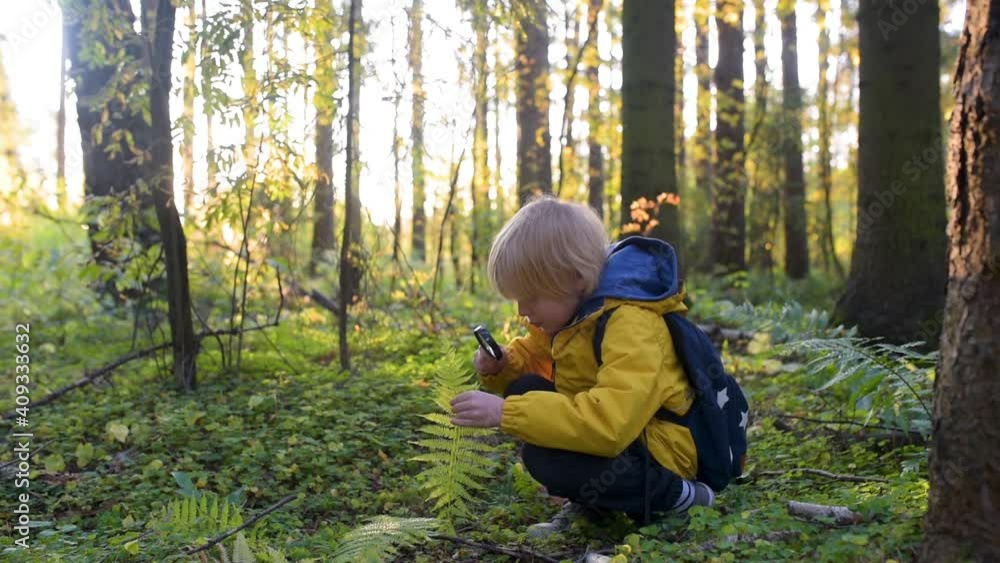
exploring nature with child
How to Respond to “What’s That?”—Practical Strategies
Label, describe, and then ask
A quick label satisfies speed: “That’s a pear.” But to harness the learning moment, add a description and a reciprocal question. “That’s a pear—green and bumpy. What does it feel like? Want to touch it?” This pattern—name, enrich, invite—turns passive answers into interactive exploration and models the rhythm of inquiry.
curiosity science dopamine brain
Use the five-second rule
Give yourself a beat before you answer. That pause signals to the child (or conversational partner) that their question is worth time. It also allows you to think of a response that extends rather than terminates the exchange. Five seconds can transform an answer into an adventure.
Ask back in a way that opens instead of closes
Avoid questions that demand a single, correct fact in contexts where exploration is the goal. Instead of “Is it a fruit?” try “What do you think? Have you seen something like this before?” Open questions invite hypothesis and comparison; they turn the answer into a starting point rather than a destination.
Techniques and phrases that expand curiosity
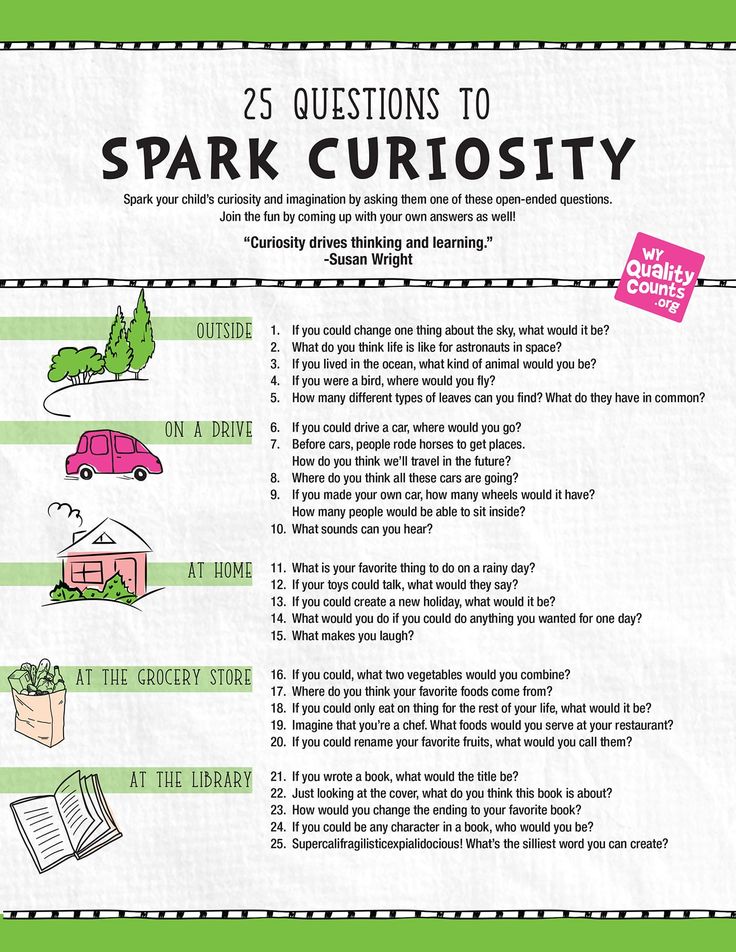
- Describe together: “Look at the spots and the stem—what pattern do you see?”
- Compare: “How is this like the apple? How is it different?”
- Predict: “What do you think will happen if we cut it open?”
- Experiment: “Let’s taste a tiny piece and see what it smells like.”
- Extend: “This fruit grows on a tree—should we find a picture of a pear tree?”

curious adult workplace meeting
Curiosity Beyond Childhood: Adults, Workplaces, and Relationships
Curiosity as an adult skill
As adults, we often mistake curiosity for leisure: something you have time for when you aren’t busy. But curiosity is a practical skill for problem solving, creativity, and resilience. In workplaces where leaders model questioning and where mistakes are treated as data rather than shame, teams explore more options and adapt faster. In relationships, curiosity keeps conversations alive—asking “What made you say that?” or “How did that feel?” deepens understanding more reliably than assuming motives.
The cost of complacency
When organizations or families adopt routines that prioritize efficiency over exploration, they trade long-term adaptability for short-term predictability. The result can be brittle systems and shallow conversations. Sustaining curiosity means allowing time for questions and modelling how to ask them constructively.
- Better problem solving
- Stronger relationships
- Continuous learning
- Perceived inefficiency in the short term
- Risk of distraction without structure
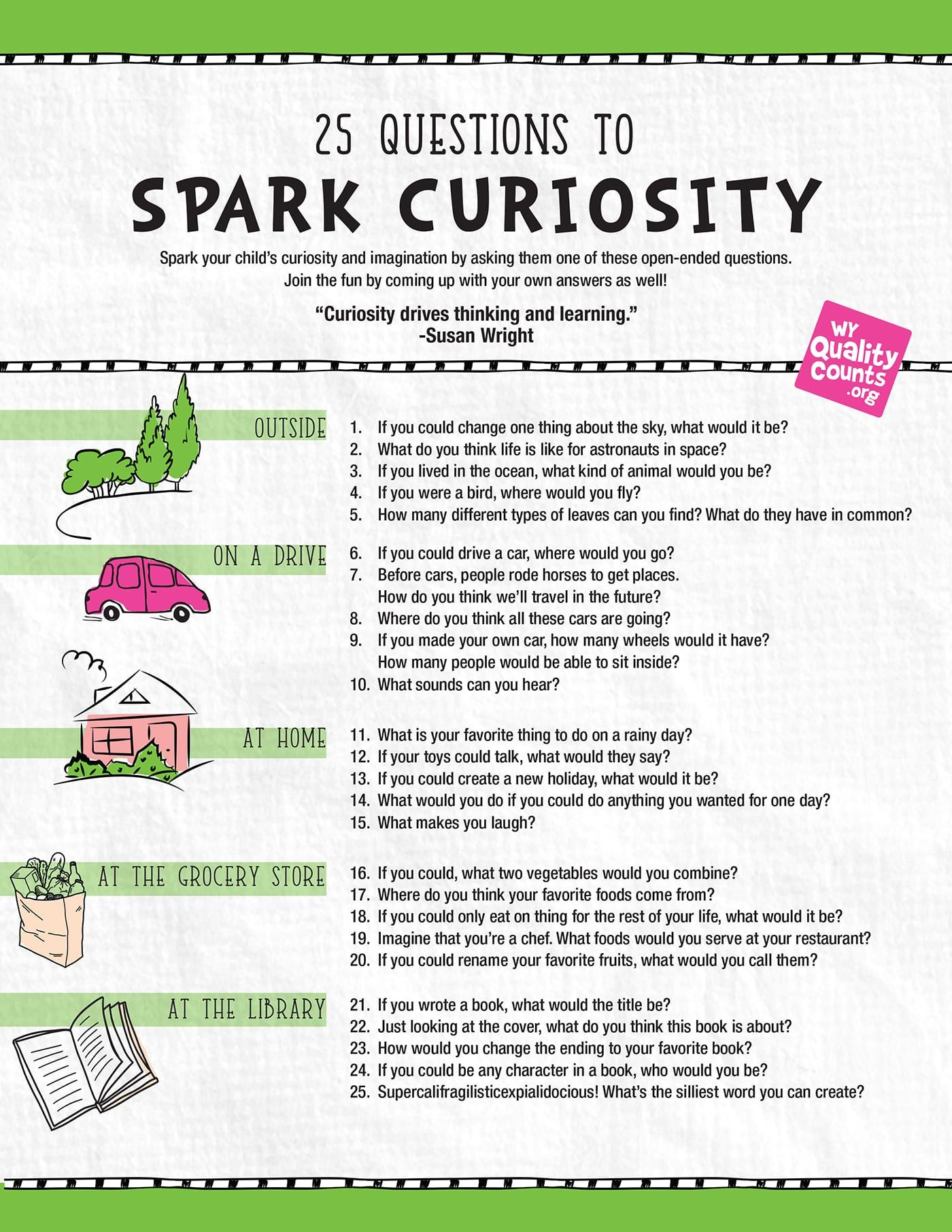
curiosity exercises daily practice
Exercises to Build a Curious Habit
Daily micro-practices
Small, repeatable habits are how interests become traits. Try one-minute wonder sessions: set a timer for 60 seconds and notice five new things in your immediate environment. The constraint creates focus; the practice trains attention. Another simple exercise is the “three whys.” When you encounter a fact or assumption, ask “why” three times to move from surface-level explanation to underlying structure.
The 30-day curiosity challenge
Commit to thirty days of small provocations: day one, ask someone about an object they’re holding; day two, learn a new word and use it; day three, take a different route to work and note three differences. The goal is not monumental knowledge but to rewire your reflex: notice, question, inquire, and share.
How to keep curiosity alive in busy lives
Design micro-moments
Block two short slots in your week labeled “curiosity time.” Use them to follow a thread—read an article outside your field, ask a colleague how they think about a problem, or explore a podcast episode on a topic you know nothing about. The point is to be deliberately surprised.
Teach curiosity, don't test it
In classrooms and meetings, frame prompts so that the aim is exploration rather than assessment. Replace “What did the author mean?” with “What surprised you in this passage?” Replace “Find the single right solution” with “List three different ways to approach this.” The reframing changes the mental stance from defensiveness to exploration.
When Curiosity Meets Resistance
Handling fear and social risk
Curiosity can feel risky. Asking questions exposes ignorance; being curious can invite correction or dismissal. Social norms that prize certainty over humility make people close down. To counter this, model vulnerability: share your own question first. “I don’t know how this works—can we figure it out together?” That tone reduces perceived risk and invites joint inquiry.
When curiosity becomes anxiety
There is a shape of curiosity that spirals into rumination: endless questions without action can fuel worry. Ground curiosity with small experiments—test an idea, observe the result, adjust. That iterative loop converts anxious questioning into productive exploration.
Conclusion: Keep Asking
The tiny question “What's that, Peter?” is not only about a fruit on a windowsill. It is a ritual: a prompt that asks us whether we will slow down, name the world, and share attention. The answers we give—brief and dismissive or generous and exploratory—teach how to seek, how to tell, and how to learn. Curiosity is not a trait you either have or don’t; it's a muscle you can exercise, a culture you can build, and a relationship practice you can model.
- Respond to curiosity with naming, description, and an invitation rather than a quick shut-down.
- Small habits—pauses, question jars, and one-minute wonder sessions—reinforce the curiosity reflex.
- Curiosity benefits learning, relationships, creativity, and workplace adaptability; it must be cultivated deliberately.
- Model vulnerability and open-ended questions to reduce social risk and sustain inquiry.
So the next time someone asks, “What's that, Peter?” notice the opportunity. In that exchange is a chance to teach attention, to make learning a shared activity, and to keep alive the very thing that turns newness into knowledge: curiosity.