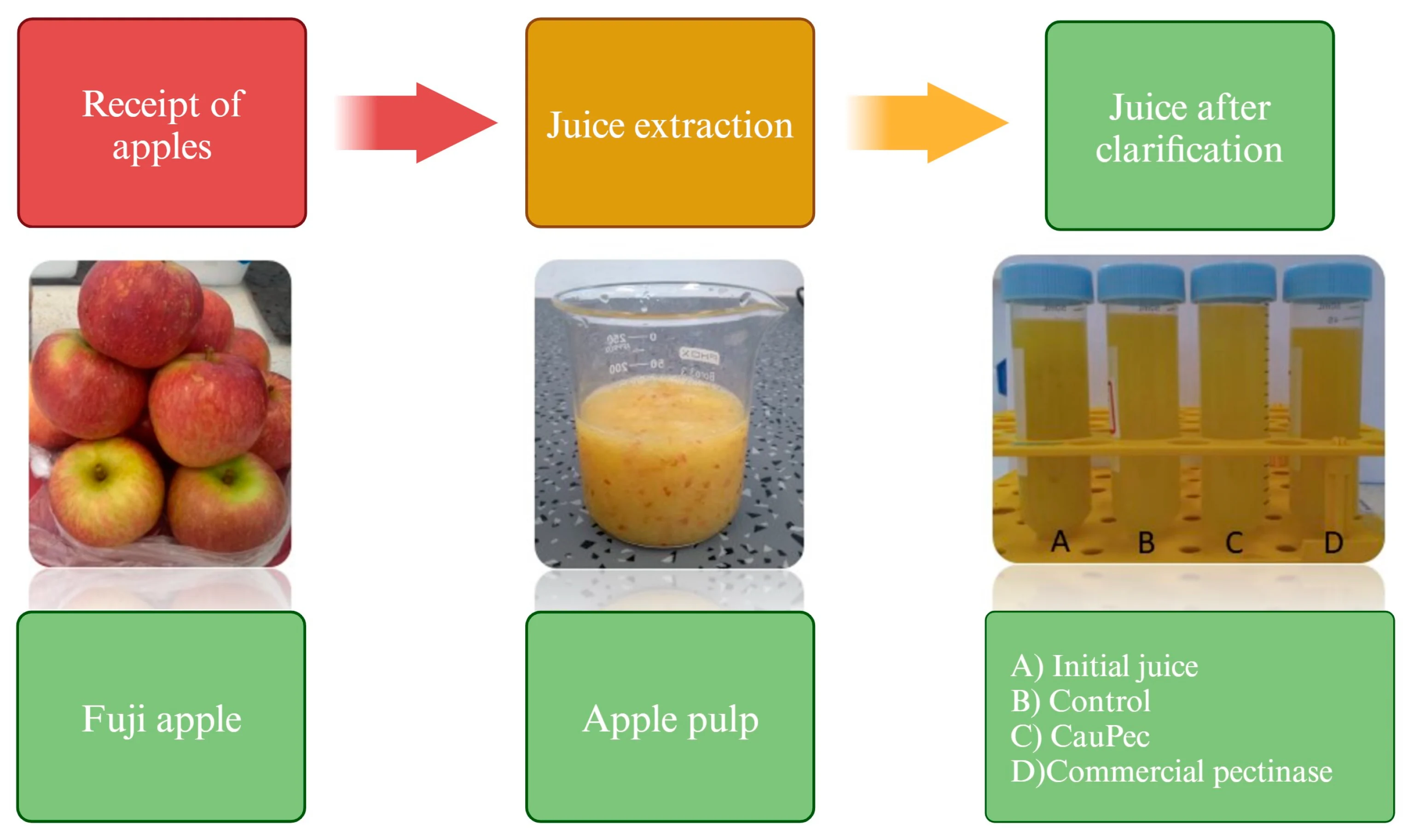
What's That Floating in My Apple Juice? A Guide to Particles & Safety
You open a carton or unlatch a jug of apple juice, pour a glass—and notice something floating, cloudy, or settling on the bottom. The sight is off-putting: is it pulp, plastic, mold, or something worse? Before you throw the whole thing away or call for inspection, it helps to know what those particles usually are, how they got there, and when they signal a real health risk. This long-form guide walks through the most common explanations, the role of commercial processing, simple at-home checks, and clear next steps for safety and testing.
Apple juice particles floating
Common things you might see in apple juice
Not all specks are created equal. Visual differences—size, color, texture, and behavior—give good clues.
Pulp and apple solids
Most straightforward are tiny bits of apple flesh, skin, or cell wall fragments. Even filtered juices can contain microscopic or visible apple solids that settle over time. These pieces are plant material—cellulose, fiber, and bits of pectin—and are harmless to ingest.
Pectin haze and gel
Apples are rich in pectin, a soluble fiber that helps fruit hold together. Under certain conditions—temperature changes, enzymatic action, or acid shifts—pectin can clump into a cloudy haze or even form slimy strands. This is normal chemistry, not a contaminant, and will not usually cause illness.
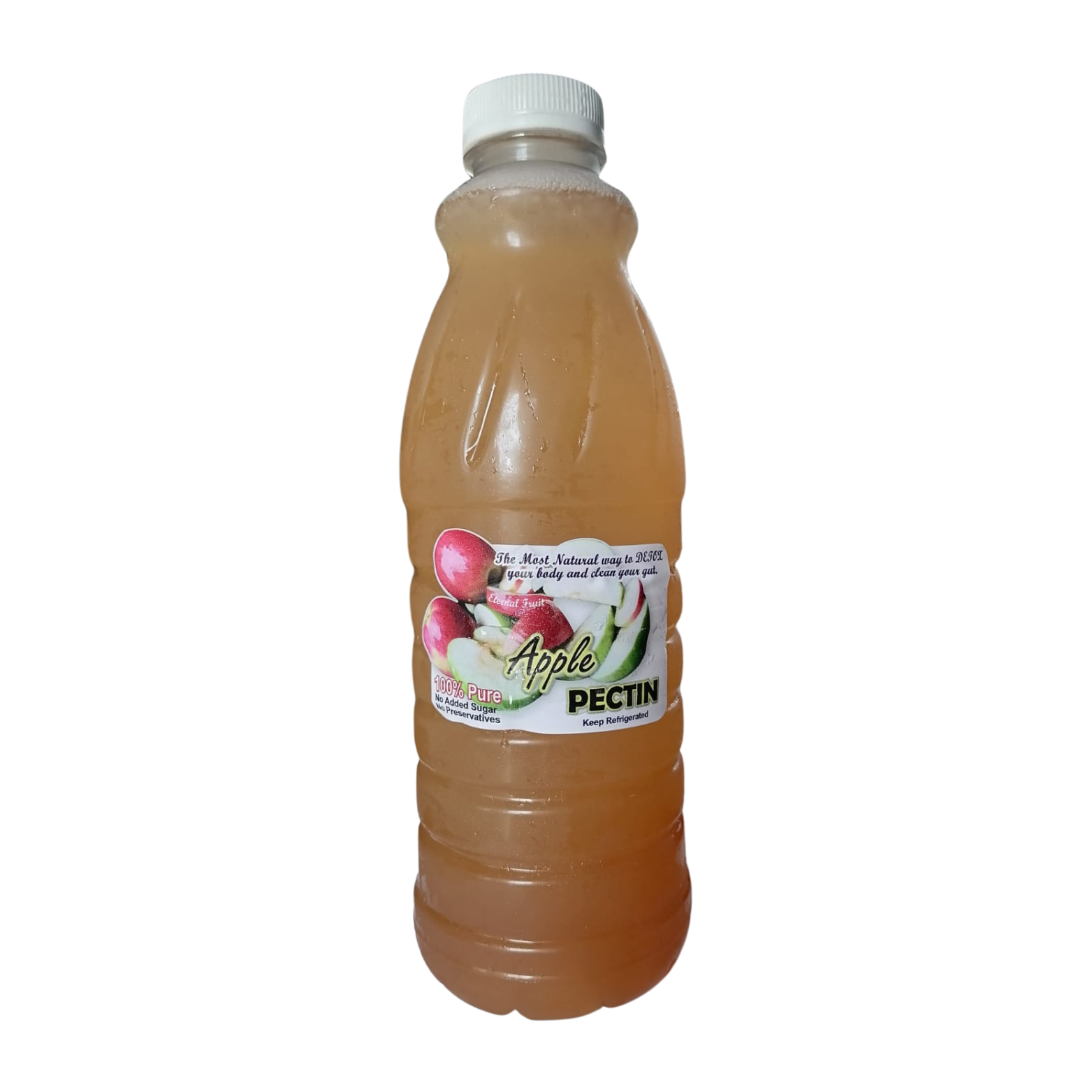
Pectin haze in apple juice
Protein–polyphenol complexes (tannin reactions)
Apples contain polyphenols (tannins) and proteins that can bind together and precipitate. The result is often a brownish sediment or a cloudy suspension. Breweries and juice processors use fining agents or filtration to remove these for clarity, but some juices retain natural haze by design.
Yeast, fermentation, and gas bubbles
Unpasteurized cider or improperly stored juice can ferment: wild or residual yeasts consume sugar and produce carbon dioxide and alcohol. Signs include cloudiness, a yeasty or alcoholic smell, small bubbles, or a fizzy mouthfeel. Fermentation changes flavor and can indicate the product is past its intended shelf life.
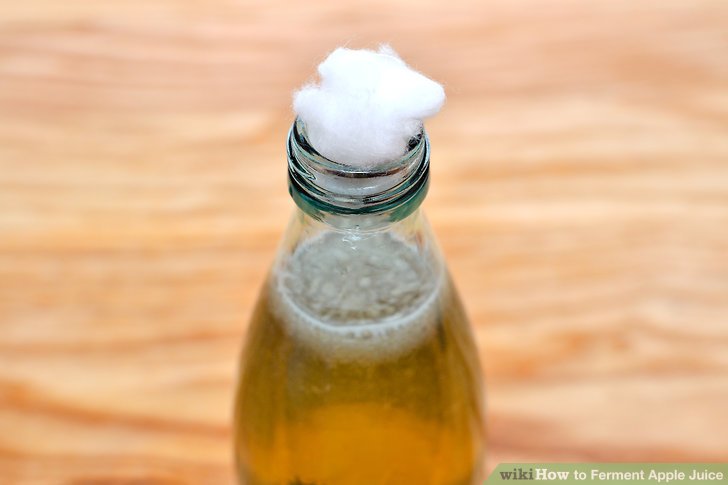
Yeast fermentation in apple juice
Mold or film-forming microbes
On the rare but important side are surface films or fuzzy growths. Mold typically forms at the surface and may appear as a thin film, grayish film, or fuzzy spots. These are microbial growths and can produce off-flavors or, in some cases, mycotoxins—so they merit caution.
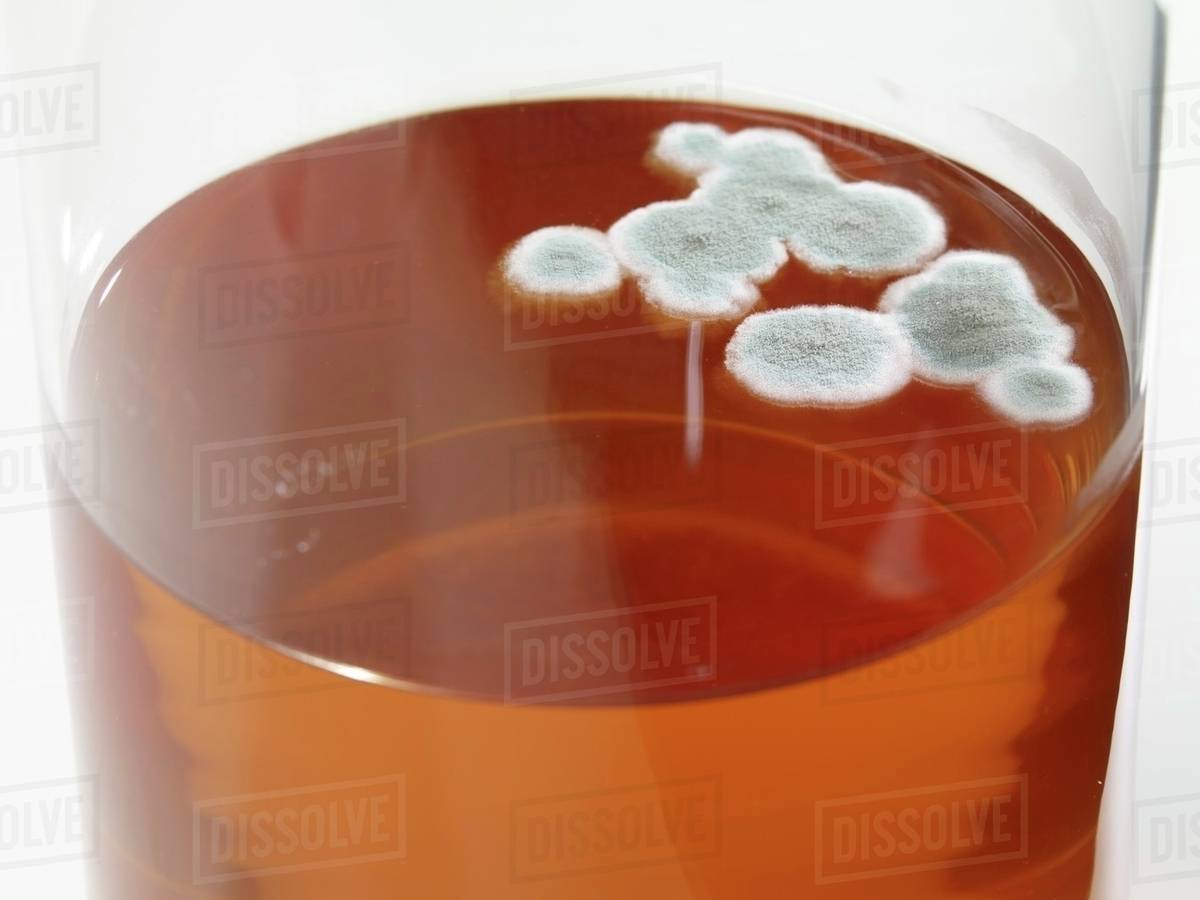
Mold in apple juice
Crystals and mineral precipitates
Some juices develop tiny crystals over time—often sugar crystals or insoluble salts like calcium malate. They look like sandy specks or glassy particles. These are benign but can be surprising when you expect a perfectly smooth liquid.
Crystals in apple juice
Plastic fragments or foreign debris
Less common, but still possible, are small bits of packaging, sealant, or processing materials. These typically look unnaturally shaped, have an unusual color, or float persistently. If you suspect foreign matter from packaging, preserve the sample and contact the manufacturer.
Most strange things in apple juice are natural plant particles or harmless chemistry—only a few indicate spoilage or contamination.
Why these things appear: the processing and chemistry behind the cloud
To understand why juice sometimes looks odd, it helps to know the basic steps between orchard and glass. Commercial apple juice production usually includes crushing, pressing, clarification, pasteurization, and packaging. Each step affects what remains in the finished product.
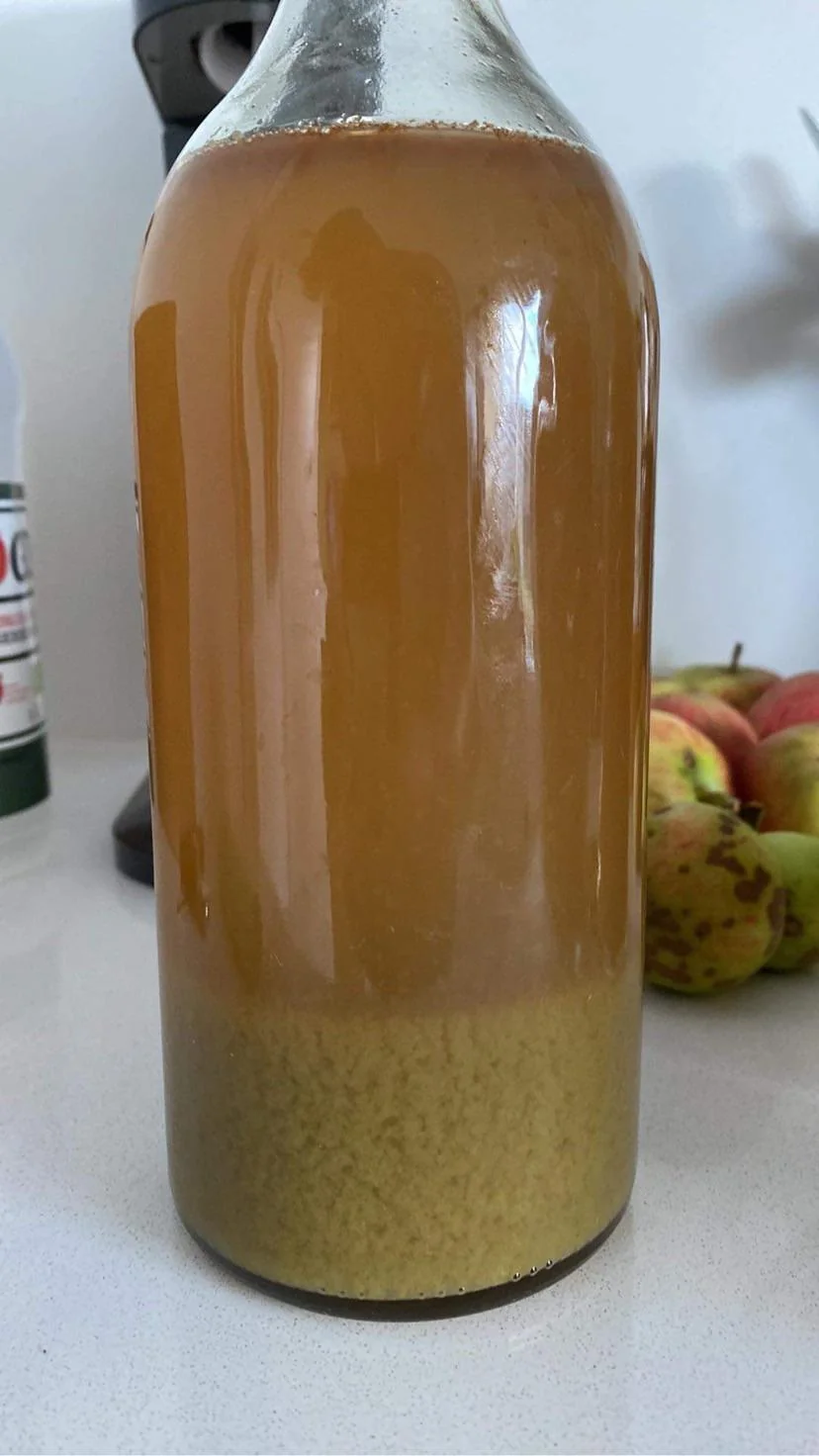
Apple juice sediment causes
Crushing and pressing: the source of solids
When apples are pressed, small fragments of peel, pulp, and core become suspended in the liquid. Filtration and settling remove much of this, but producers vary how aggressively they clarify. "Not from concentrate" or minimally processed juices often retain more natural pulp and turbidity.
Clarification: enzymes and filters
Many processors add clarification enzymes (like pectinases) to break down pectin and reduce haze. They then use centrifuges, filters, or fining agents to remove solids. If clarification is incomplete—or enzymes are underdosed—a haze or sediment can remain.
Pasteurization and microbial control
Pasteurization heats juice to kill microbes. High-temperature short-time (HTST) processes are standard for shelf-stable juice; cold-pressed or unpasteurized cider may skip this step. Pasteurization prevents yeast and bacterial growth but does not remove solids, so pasteurized juice can still appear cloudy from nonliving particles.
Storage, temperature swings, and chemical changes
Temperature changes in transport or on a store shelf can cause proteins, pectin, or salts to aggregate. Physical agitation—shaking during shipping—accelerates suspension of solids. Over time gravity causes particles to settle into sediment at the bottom.
Are these particles safe to eat?
Short answer: usually yes—but context matters. Here's how to tell benign particles from signs of spoilage or contamination.
Harmless indicators
Bits of pulp, pectin strands, sugar crystals, and natural sediments are safe to consume. They come from the apple itself and the juice-making process. In packaged, pasteurized juice these are nonliving and represent no infectious risk.
Signs of spoilage or potential hazard
Be cautious if you observe any combination of the following:
- Fizzy or sparkling texture in a juice that should be still—this suggests fermentation.
- Off or alcoholic odor—a sour, vinegary, or boozy smell indicates microbial activity.
- Visible mold or fuzzy growth—white, gray, green, or black patches at the surface or around the cap.
- Bulging packaging or leaking seals—signs of gas production or contamination.
- Bitter or unusually sour taste compared with the product's typical flavor.
When one or more of these appear, avoid consuming the juice and follow the guidance below.
When to toss, when to taste, and when to test
Deciding whether to discard a bottle or investigate further depends on your tolerance for risk and the product type (pasteurized vs. raw). Here are practical rules of thumb:
Immediate discard
Toss the juice if you see mold, strong off-odors, bulging packaging, or heavy fermentation. These are clear signs the product has been compromised.
Inspect, then taste cautiously
If you see small, colorless particles or light sediment but everything else (smell, taste, appearance) is normal, it's usually safe to taste a tiny amount. If taste and smell are normal, the product is likely fine.
Save a sample and report
If you suspect contamination—foreign plastic, metal shavings, or unusual discoloration—save the container and the visible particles. Refrigerate the sample and contact the manufacturer; they may request the returned bottle for investigation. For suspected foodborne illness, contact your local health department.
Practical steps for consumers
Here are clear actions to take when you encounter something odd in your apple juice.
1. Look and smell
Examine the entire container. Smell the juice close to the opening. If it smells sour, yeasty, or chemical, set it aside and do not taste.
2. Check the label and date
Verify production codes, "best by" or use-by dates, and whether the juice is pasteurized. Unpasteurized cider has a higher risk of fermentation and microbial growth.
3. Photograph and preserve
Take photos of the particles and packaging. Keep the capped container in the refrigerator in case you need to return it for testing.
4. Report to the brand
Most manufacturers have consumer hotlines or web forms for quality complaints. Provide photos, dates, lot numbers, and your contact information.
5. When to seek medical attention
If you or someone who consumed the juice develops severe gastrointestinal symptoms—persistent vomiting, severe diarrhea, bloody stools, high fever—or signs of an allergic reaction, seek medical attention promptly and save the product for testing.
Testing: what labs can do
If a manufacturer or public health lab examines your sample, they may perform several analyses.
Microbiological tests
Lab technicians culture the juice to detect yeasts, molds, coliforms, and pathogenic bacteria. A positive culture for spoilage organisms explains fermentation and off-odors; detection of specific pathogens triggers public-health responses.
Chemical and physical analyses
These tests look for unexpected chemicals, pesticide residues, heavy metals, or packaging-related contaminants. They can also identify crystals and characterize suspended solids by microscopy.
How long does testing take?
Microbial culture often takes 48–72 hours; some molecular tests are faster. Manufacturers and public labs prioritize cases that suggest serious contamination or consumer illness.
Preventing surprises: storage and buying tips
Good shopping and storage habits reduce the chance of encountering unexpected particles.
- Prefer pasteurized for longer shelf life—pasteurized juices are less likely to ferment or develop microbial films.
- Check seals and packaging—avoid damaged cartons or bulging caps.
- Refrigerate opened juice and follow the label for use-by guidance; most opened juices should be consumed within 7–10 days.
- Shake gently before pouring if a product contains pulp—this redistributes settled solids and avoids a concentrated clump in your glass.
Conclusion: most particles are familiar, some require attention
Finding something odd in your apple juice is usually not a health emergency. In most cases the culprit is harmless plant matter, pectin, protein–polyphenol complexes, or simple crystals. However, visible mold, strong fermentation, off-odors, or foreign objects are valid reasons to stop using the product and seek testing or a refund. Keep the container, document what you found, and report it to the manufacturer if you're unsure.
- Visible particles in apple juice are commonly natural pulp, pectin, or protein–polyphenol precipitates.
- Mold, fizzing, bulging packaging, or strong off-odors indicate spoilage—discard and report.
- Save the sample and contact the brand or health department if foreign debris or illness is involved.
If you're ever in doubt: when smell, appearance, or packaging look wrong, err on the side of caution and report the issue.