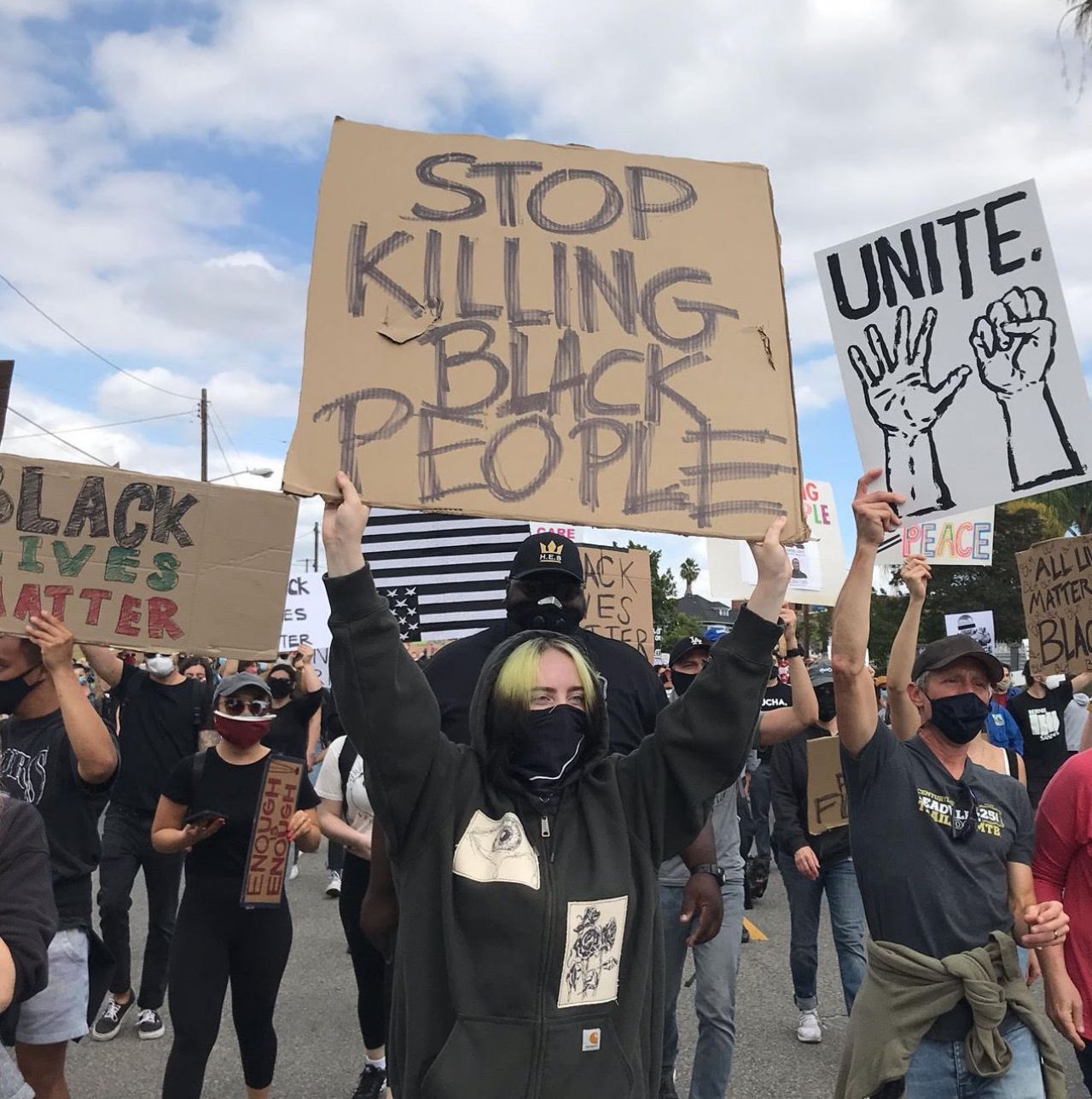
What Billie Eilish Meant by 'No One Is Illegal on Stolen Land'
When a public figure repeats a short, potent sentence—"no one is illegal on stolen land"—it can ripple far beyond a single interview or stage. For millions, it lands as a moral claim; for others, a provocation. In a few words, singer-songwriter Billie Eilish tapped into a long conversation about colonization, Indigenous sovereignty, and modern U.S. immigration enforcement, including the role of Immigration and Customs Enforcement (ICE). Understanding what she meant requires unpacking history, law, rhetoric and ethics, and recognizing why that phrase matters in today's political moment.

Billie Eilish performing live
Why Those Words Matter
The sentence functions on two levels: as an assertion about moral legitimacy, and as a political critique aimed at institutions that enforce national borders. At its core is a claim about the origin of the land now called the United States—land taken through conquest, coercive treaties and displacement of Indigenous peoples. From that vantage, labeling a human being "illegal" for crossing or living on territory acquired through those processes appears logically and morally inconsistent.
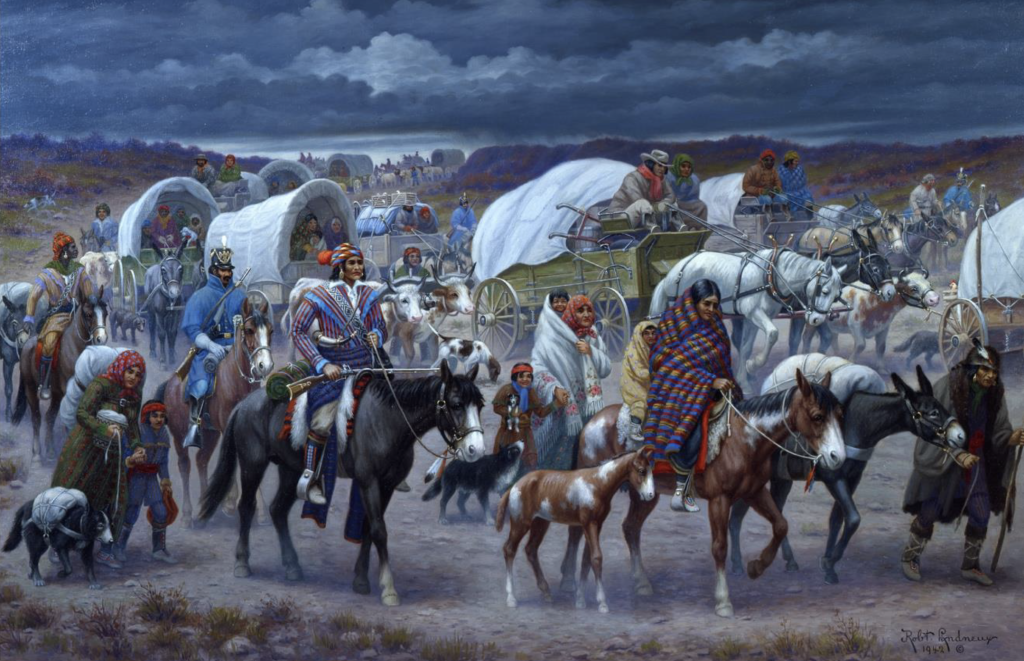
Historical depiction of the Trail of Tears
A Moral and Historical Claim
As a moral statement, the phrase asks listeners to imagine migration less as a crime and more as a human response to survival, opportunity and family. It invites solidarity with people fleeing violence, economic desperation, climate disaster or political persecution. As a historical claim, it directs attention to how the United States was formed: colonization, forced removals like the Trail of Tears, broken treaties, and the seizure of territory claimed by Indigenous nations. That history complicates simplistic narratives that frame all contemporary borders as neutral or natural.
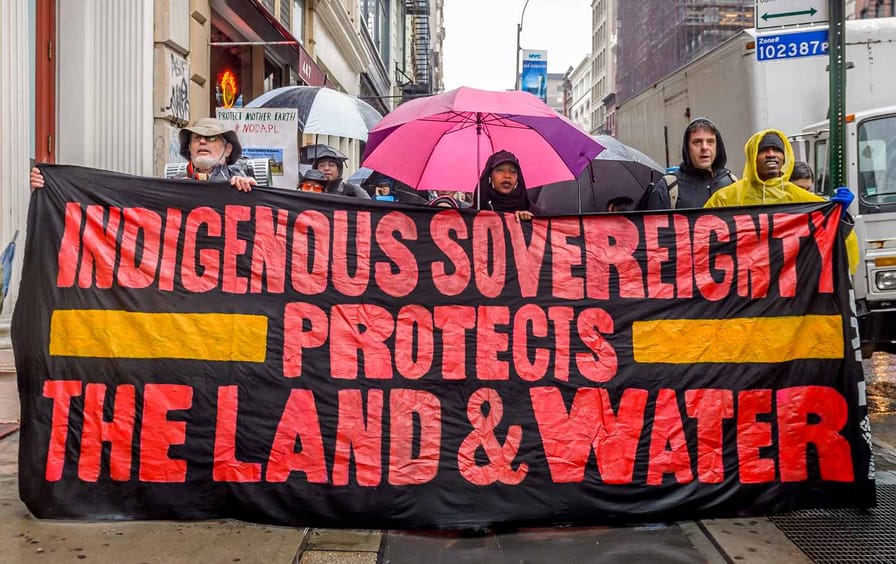
Indigenous sovereignty activists demonstrating
A Political Critique
Politically, the phrase often functions as a critique of ICE and broader immigration enforcement structures. ICE, created in 2003, is tasked with deportation and enforcement at ports of entry and within communities. Critics argue that its operations—detentions, family separations, workplace raids, cooperation with local police—are aggressive and inhumane, particularly when applied to people who have deep ties to U.S. communities. When public figures say "no one is illegal on stolen land," they are usually calling into question the moral authority of institutions that criminalize migration while historically benefiting from the dispossession of Indigenous peoples.

ICE enforcement operations
"The phrase reframes migration as a human story layered on top of an unjust history of land dispossession."
Historical Context: How Land Became 'Stolen'
To anyone unfamiliar with North American history, the phrase may seem rhetorical. But the history it points to is concrete: centuries of colonial expansion that included legalized seizures, violent displacement and negotiated agreements that were frequently broken. Examples include early European colonization, the doctrine of discovery, U.S. expansionist policies in the 19th century, and state-sponsored removal of Indigenous populations.
Treaties and Broken Promises
Between the founding of the United States and the late 19th century, the federal government negotiated treaties with Indigenous nations that often ceded land in exchange for promises—promises of protection, recognition, annuities, or reserved territories. Many of these promises were broken or renegotiated under pressure, producing a legacy where legal title and moral title to land diverge. That divergence is the background to the phrase "stolen land."

The Treaty of Guadalupe Hidalgo, 1848
Territorial Expansion and War
Events such as the Mexican-American War and the resulting Treaty of Guadalupe Hidalgo (1848) also expanded U.S. territory at the expense of other polities, often leaving communities—Indigenous, Mexican, Afro-descendant—subject to new governance structures that did not reflect their histories or rights. All of this underscores a foundational point: borders in North America were created through force and negotiation, not from some pre-existing moral right to exclude.
What 'No One Is Illegal' Means Practically
On its face, the statement is not a legal argument. Immigration law defines certain acts—entering without inspection, overstaying a visa—as violations, with clear processes and penalties. Saying someone is "not illegal" is a moral reframe designed to shift public attitudes and policy debates, and it has practical implications for advocacy and civic engagement.
Shifting the Narrative
Language shapes policy. Movements that reframe migrants as neighbors, workers and family members change the terms of debate. When a cultural figure repeats a moral claim like "no one is illegal," it amplifies narratives that emphasize humane alternatives to enforcement: pathways to legalization, expanded asylum access, family-based solutions and community-based support instead of detention.
Policy Implications
Practical policy conversations that flow from this moral reframing include support for sanctuary policies, opposition to widespread deportation practices, calls for abolition or major reform of ICE, and legislative pathways such as comprehensive immigration reform or permanent protections for longtime residents. Advocates argue that these are not merely procedural changes but necessary corrections of an unjust system grounded in a history the phrase compels us to reckon with.
ICE: Role, Criticisms, and Public Perception
ICE was created after the 9/11 attacks during a reorganization that prioritized homeland security. It consolidated disparate immigration enforcement functions into an agency with broad remit. Since then, ICE's tactics—detention, deportation, workplace enforcement—have drawn sustained criticism from immigrant rights groups, legal advocates and many faith organizations.
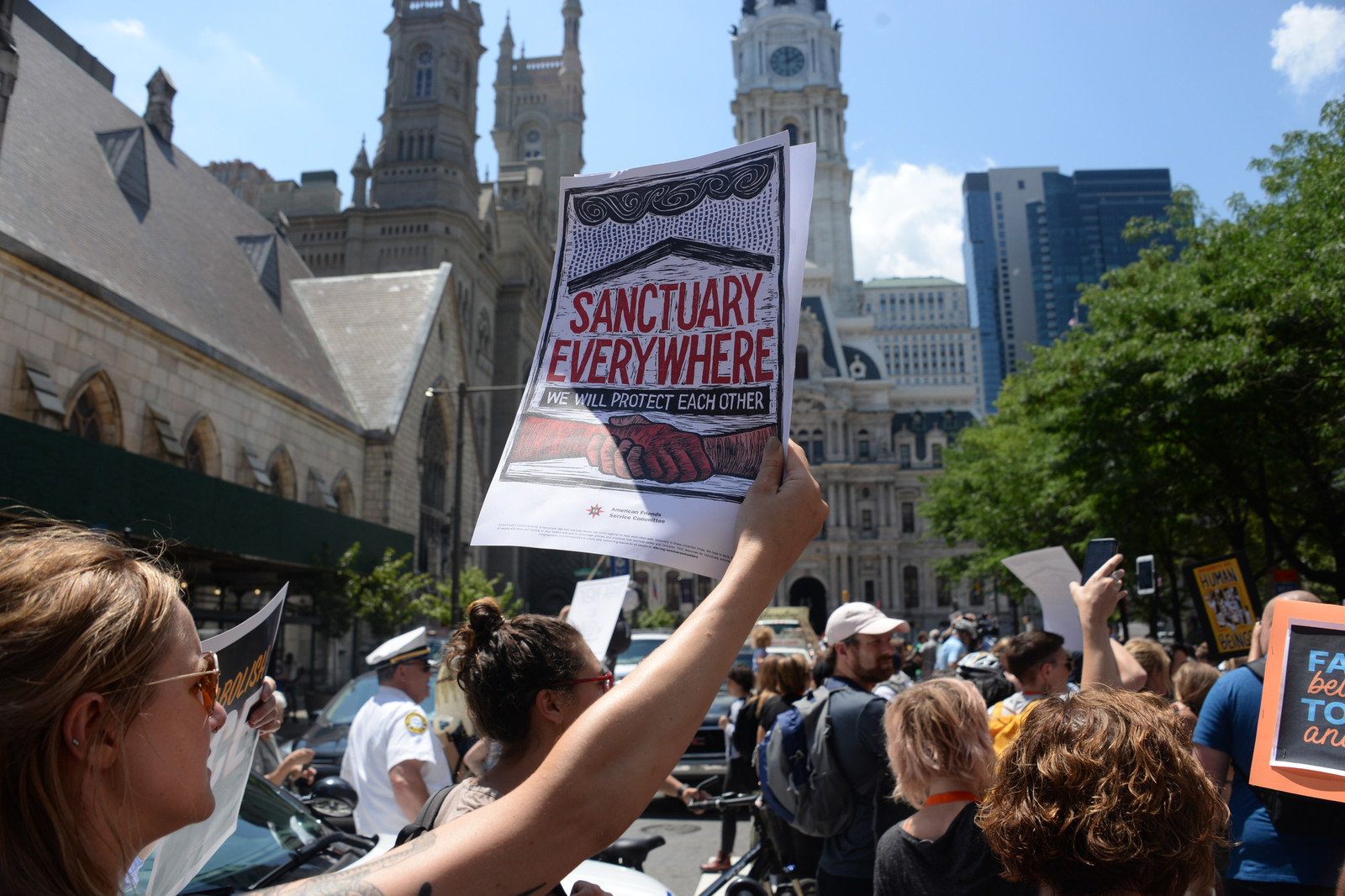
Activists at a sanctuary city rally
Enforcement vs. Humanitarian Concerns
Proponents of strong enforcement argue it is necessary to protect borders, uphold laws and maintain orderly migration. Critics counter that enforcement often produces humanitarian harms—separating families, incarcerating asylum seekers, and deporting individuals to dangerous situations. The tension between enforcement and humanitarianism is central to why a phrase like "no one is illegal" resonates: it challenges whether enforcement should be the default framework for thinking about human mobility.
The Politics of Abolition and Reform
Some advocates use the term abolition to argue for eliminating ICE as a punitive institution and replacing it with community-centered alternatives—case management, legal services, humanitarian screening and housing. Others seek incremental reforms: limiting ICE detention, ending local law enforcement cooperation, expanding legal counsel and reforming asylum procedures. The slogan under discussion sits comfortably in both the abolitionist rhetoric and the broader reformist movement because it centers dignity over criminalization.
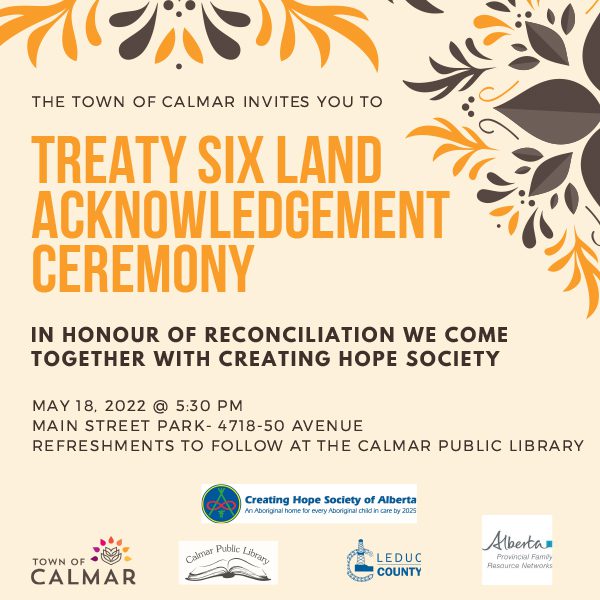
Land acknowledgment ceremony in progress
Why Celebrities Saying This Matters
When artists like Billie Eilish speak, their platform shifts attention. Celebrity statements do not create policy directly, but they shape public conversation, bring nuance to mass audiences, and can introduce listeners to perspectives they might not encounter otherwise. That matters in a media environment where sound bites often dominate nuance.
Amplification and Responsibility
Public figures amplify complex ideas in compressed form. That can be powerful, but also risky. Critics sometimes accuse celebrities of oversimplifying or misrepresenting policy details. Supporters reply that changing public sentiment is a necessary step toward policy change, and that celebrities can direct resources and visibility to grassroots organizations doing the detailed, difficult work on the ground.
"Amplifying moral claims can shift the Overton window—what policies are politically feasible—so these moments matter beyond headlines."
Common Misunderstandings and Clarifications
Because the phrase blends moral and historical claims, misunderstandings are common. Critics will sometimes treat it as a literal legal argument that would annul all immigration law. That is not how most proponents use it. Instead, the phrase is a rallying moral statement: that criminalizing people for crossing borders is ethically fraught when historical dispossession of Indigenous peoples is taken into account.
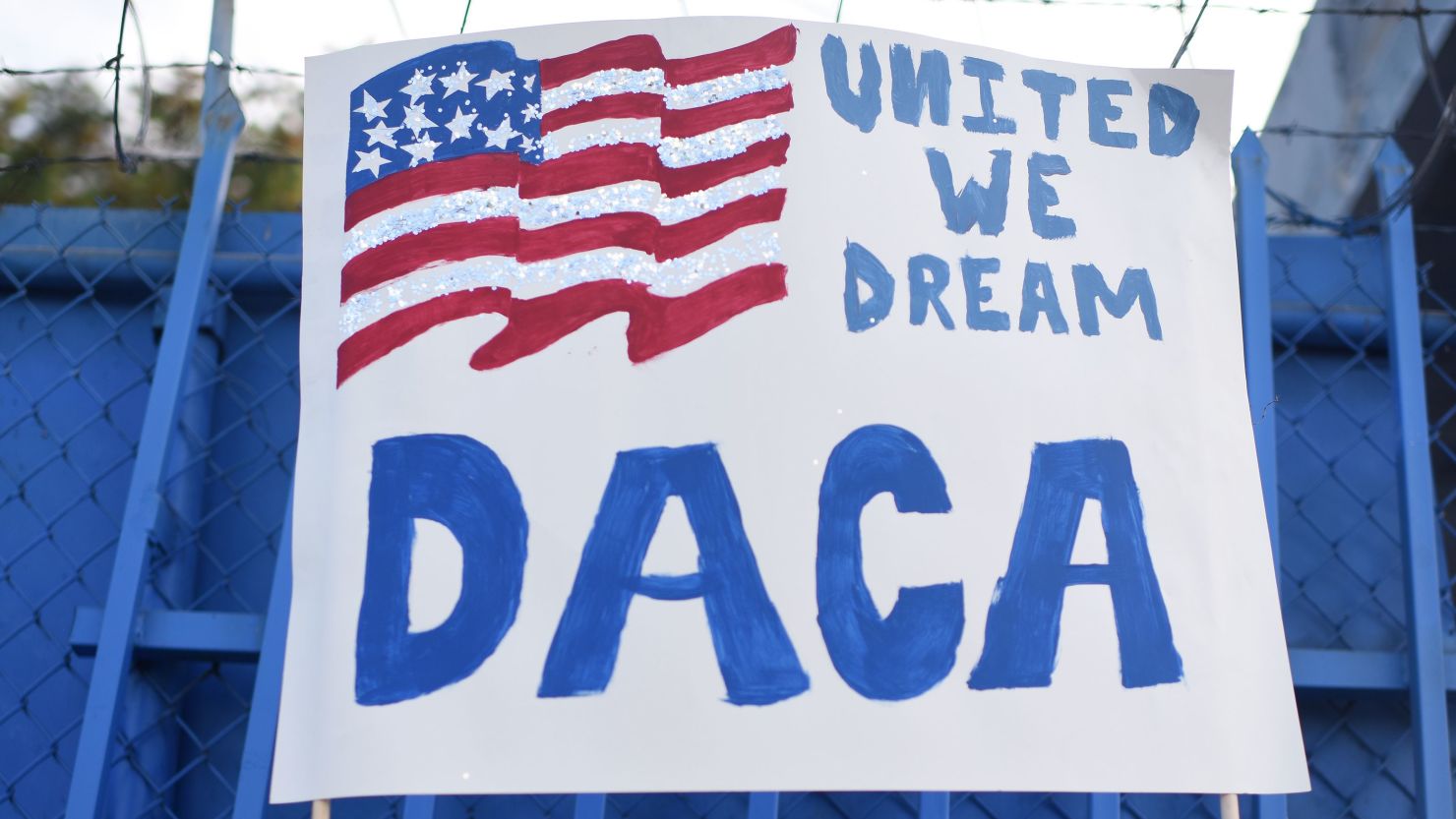
Protest signs supporting DACA recipients
Does It Mean Borders Should Vanish?
Not necessarily. Many people who endorse the sentiment still support some forms of managed borders and lawful residence. The phrase often signals a reorientation: prioritize humane treatment, expand legal pathways, and reduce punitive enforcement—not the immediate elimination of all border control overnight.
Is It an Attack on Law Itself?
The phrase questions the moral foundations of laws and institutions when those laws coexist with historical injustices. Questioning legal legitimacy is a long-standing part of democratic debate—activists historically have used civil disobedience and moral persuasion to change laws viewed as unjust, from slavery to women's suffrage to civil rights.
How to Think and Act—A Practical Guide
For readers wondering what to do with this argument, there are several practical steps that connect moral claims to civic action. They range from educating oneself to supporting organizations that provide legal aid and humanitarian relief.
- Learn local history: Understand the Indigenous nations whose land you live on and the treaties or histories involved.
- Support migrant services: Donate or volunteer with legal, housing and advocacy groups that assist migrants and asylum seekers.
- Engage politically: Contact legislators about humane immigration reform, support policies that reduce detention, and back sanctuary measures if you agree with them.
- Elevate Indigenous leadership: Prioritize the voices and sovereignty claims of Indigenous communities in local land-use and policy discussions.
- Vote and organize: Civic engagement shapes policy; organizing in your community can shift priorities toward humane approaches.
Pushback and Productive Debate
Public debate about such a charged statement will naturally include pushback. Some argue the phrase is divisive or impractical. Others say it ignores legal complexities like national security and resource allocation. Productive debate requires listening to multiple perspectives—legal experts, Indigenous leaders, migrant communities and policymakers—and centering the dignity and safety of people directly affected by immigration enforcement.
Questions Worth Asking
Constructive debate should probe: How do we balance security and compassion? What reparative steps address historical dispossession? How can governance respect Indigenous sovereignty while meeting obligations to migrants? These questions are hard but necessary.
Conclusion: Beyond a Sound Bite
Billie Eilish's sentence carries more weight than a fleeting headline. It is part of a larger moral and political conversation that connects current immigration enforcement to the deeper history of colonization and dispossession. Whether one agrees with all its implications, the phrase compels us to ask difficult questions about law, history and human dignity.
- "No one is illegal on stolen land" is primarily a moral and historical claim, not a literal legal prescription.
- The statement connects contemporary immigration enforcement—such as ICE policies—to a long history of land dispossession and broken treaties.
- It reframes migrants as human beings deserving dignity and suggests policy shifts toward humane alternatives to punitive enforcement.
- Public figures amplifying this message can shift public discourse but should defer to Indigenous and migrant-led organizations for policy solutions.
Final Thought
Words like these are conversation starters. They force civic communities to reckon with histories they may prefer to ignore and to consider policies that align law with values. The work that follows—policy debate, Indigenous-led land justice, humane migration frameworks—requires detail, compromise, and sustained public engagement. If the goal is a more just future, the phrase is a prompt: examine the past honestly, treat people with dignity now, and build institutions that reflect those commitments.